What Coffee Beans Are Best for Espresso? What Factors Affect the Flavor Profile of ESPRESSO?
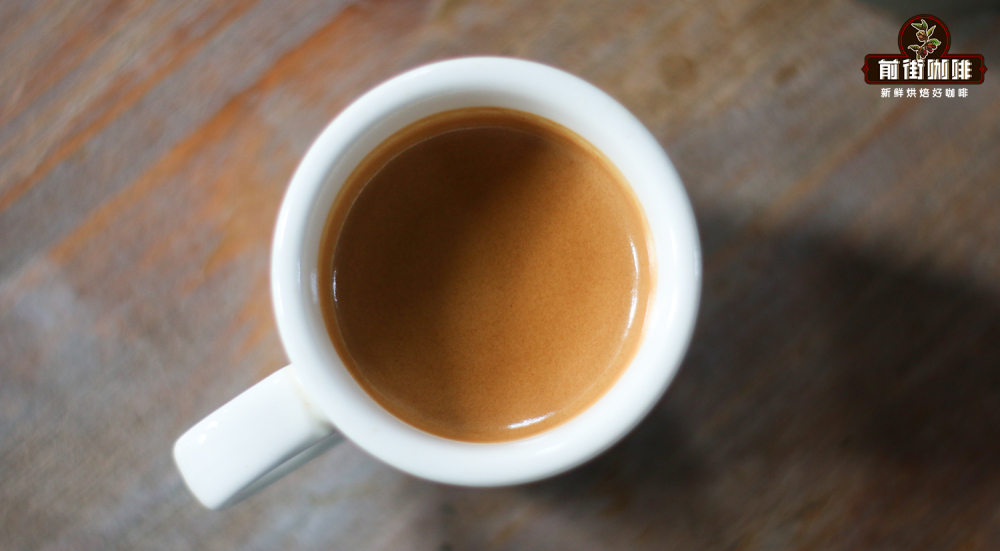
Espresso is a bold coffee beverage made by forcing hot water at around 92°C through finely ground coffee under 9 bars of pressure. Because so many factors shape the final cup, plenty of guests feel lost when it comes to picking beans. FrontStreet Coffee is here to work through how to choose the right beans for espresso.
FrontStreet Coffee's Approach to Choosing Espresso Beans
Start with roast level. Whether you are looking at single-origin beans or a blend, the first thing to check is how dark they have been roasted. Light roasts are not suitable for espresso. They retain more acidity and carry less oil, so pulling them as espresso gives you a sharp, thin shot. Many single-origin beans sold specifically for pour-over coffee, for example, are actually a poor fit for espresso.
When you shop, check the roast level printed on the bag and whether the beans are marked as suitable for an espresso machine.
Blends vs. SOE
SOE stands for "Single Origin Espresso" - a single-origin coffee pulled as espresso. The term exists in contrast to blended espresso. Being an SOE does not automatically make a coffee specialty coffee, but if you choose a single-origin bean with a distinct, intense flavor, you can build an espresso with a unique, signature character.
At the same time, "single origin" can turn into a drawback. Pick a bean whose flavor is not intense enough, or one carrying unpleasant notes, and espresso will magnify everything, making defects and off-flavors easier to detect. That places stricter demands on the barista's palate and on how SOE beans are selected.
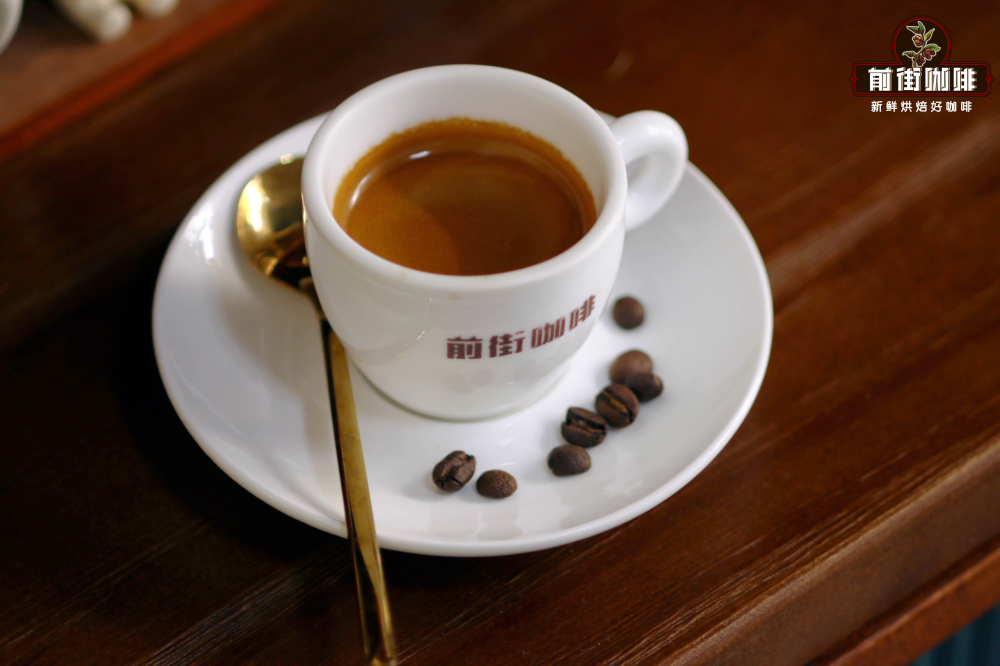
Blends: A blended coffee, also called a mixed coffee, combines several single-origin beans so that each bean's strengths come into play. Blending beans from different origins builds a more balanced flavor profile.
Coffee is an agricultural product, so even the same bean tastes different from year to year. Blending several coffees together solves this neatly: when one component fails to hit the expected flavor in a new harvest or becomes scarce, it can be replaced with a similarly flavored bean.
The advantage of a blend lies in letting origins complement one another to create a stable flavor - and it also holds a clear edge on price.
FrontStreet Coffee's Espresso Blend Solutions
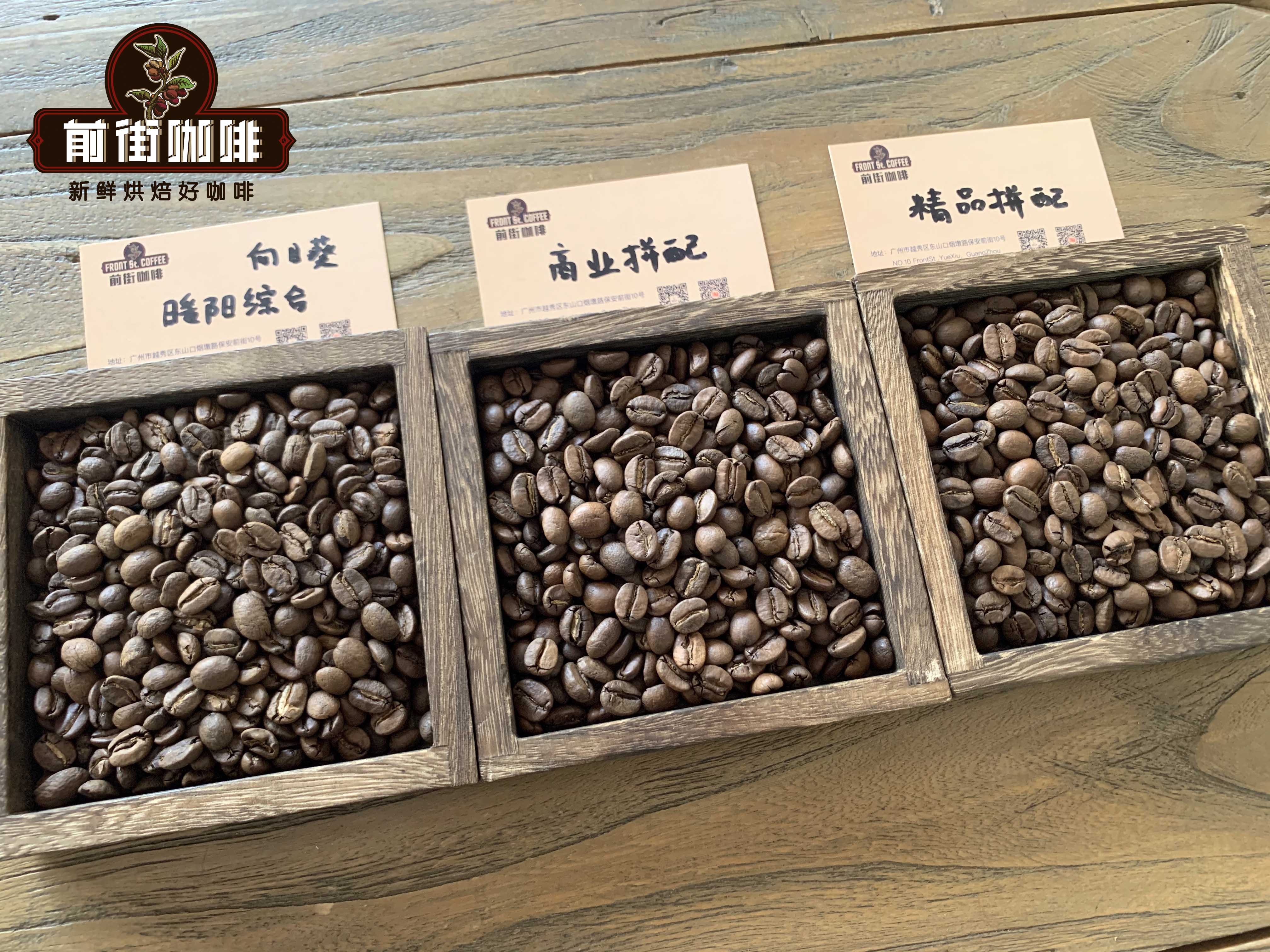
Depending on the coffees used, the resulting espresso beans differ in both taste and flavor.
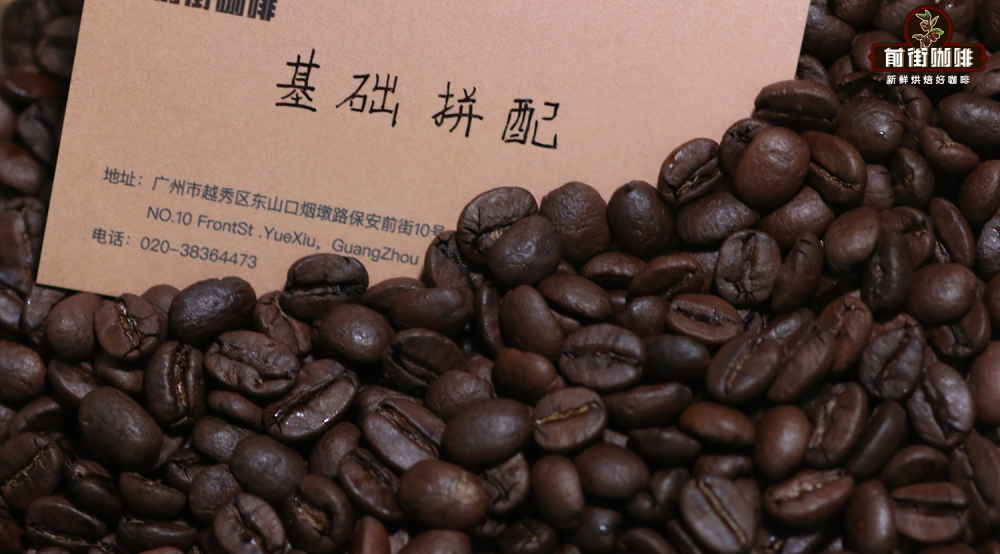
1. FrontStreet Coffee Basic Espresso Blend - Economical and Practical
Formula: Brazil Red Bourbon (70%), Yunnan small-bean coffee (30%).
This espresso bean is built around value. FrontStreet Coffee uses a 100% Arabica blend of Brazil and Yunnan, China, preserving the classic nutty cream aroma and black chocolate notes in the cup while holding the price down. It suits daily personal consumption or budget-focused bean use, as well as shops and home users who put cost first and have moderate flavor demands.
2. FrontStreet Coffee Commercial Espresso Blend - Rich Aroma and Generous Crema
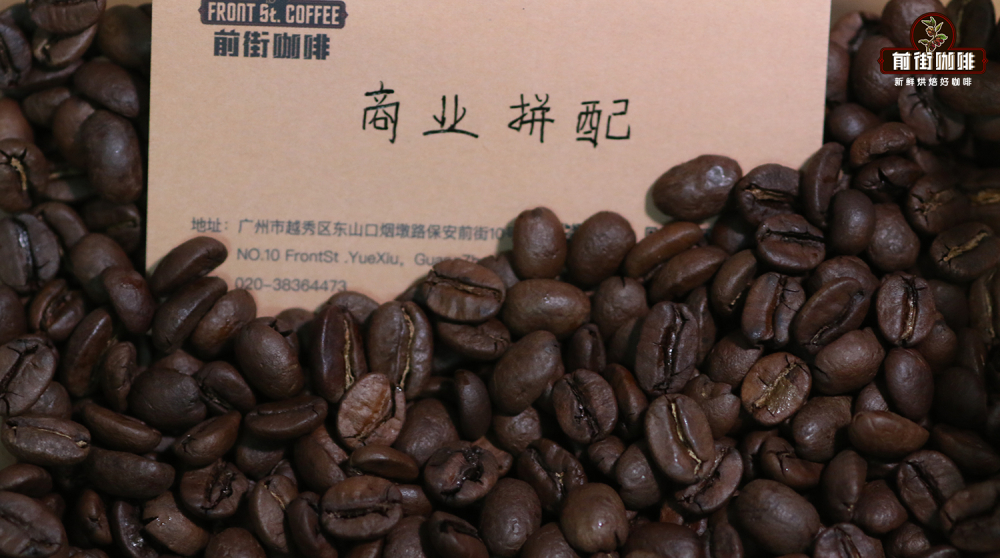
Formula: Colombia (30%), Brazil (60%), Robusta (10%).
With a diverse audience in mind, FrontStreet Coffee selects richly flavored beans to build a bold blend: Colombian beans with their full nutty chocolate notes, Brazilian beans with mild bitterness, and Robusta beans known for body and generous crema. The result is a more bitter espresso that coffee lovers adore, meeting the daily needs of shop operations.
3. FrontStreet Coffee Premium Specialty Espresso Blend - A High-Quality Classic
Formula: Brazil (70%), Colombia (30%).
The traditional classic espresso profile is defined by rich nutty chocolate notes, and FrontStreet Coffee takes that classic taste as the target for this blend. Reaching it calls for high-quality Arabica beans, so FrontStreet Coffee uses Arabica from Brazil and Colombia. The balance and nuttiness of the Brazilian beans, paired with the body of the Colombian beans, give this blend outstanding performance. It balances stability with flavor, yielding espresso with rich, delicate crema and a full-bodied mouthfeel led by nutty tones with a subtle fruit acidity. It suits specialty coffee service and also meets the daily needs of a coffee shop.
4. FrontStreet Coffee Sunflower Warm Sunshine Espresso Blend - Specialty Coffee Character
Formula: FrontStreet Coffee Honduras Sherry (70%), FrontStreet Coffee Yirgacheffe Red Cherry (30%).
FrontStreet Coffee named this distinctive espresso bean "Sunflower Warm Sunshine." As the name suggests, its aroma is as comforting as warm sunlight, with a taste and flavor that leaves an impression. Built mainly on FrontStreet Coffee Honduras Sherry beans with their rich fermented wine aroma, lifted by the acidity-forward FrontStreet Coffee Yirgacheffe Red Cherry, it creates a rich, aromatic, complex coffee.

Espresso Extraction Parameters
As with pour-over, espresso places even greater weight on extraction parameters. Below we break down coffee dose, brew ratio, extraction time, flow rate, extraction pressure, and extraction temperature.
Coffee Dose
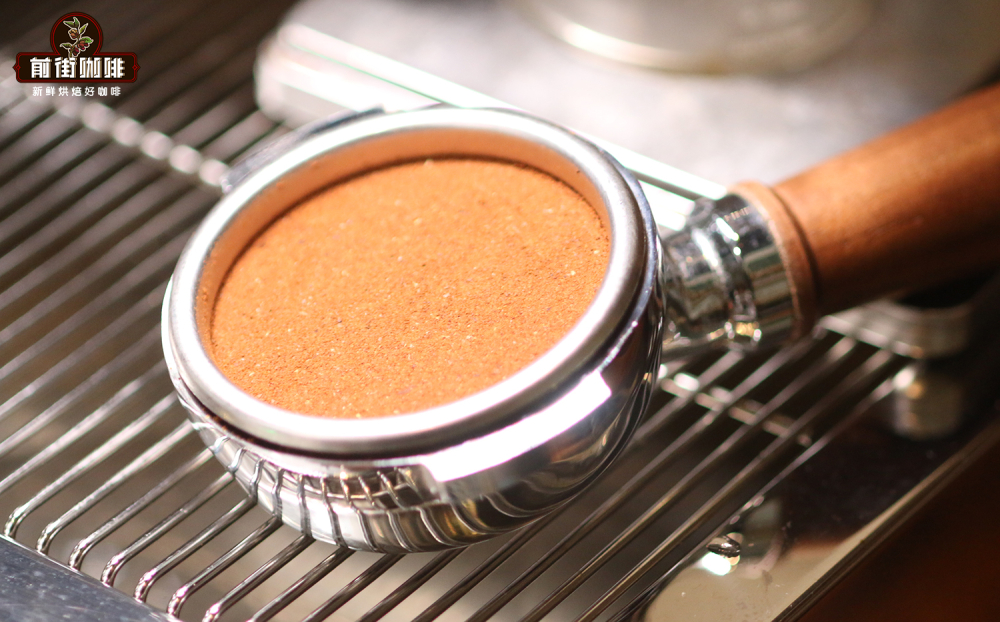
The dose is set by the capacity of the portafilter basket. Some espresso machine makers quote double-basket capacities of 16g, 18g, 20g, and 22g, and so on. These are suggested capacities, with a maximum filling error of ±1g. With an 18g basket, for example, a reasonable dose range is 17-19g.
FrontStreet Coffee does not recommend using much less or much more coffee than the basket capacity. Dose affects the density of the puck. Under the same tamping pressure, too little coffee leaves the puck relatively loose, so water flows faster and the shot under-extracts. Too much makes the puck denser, slows the flow, and can even make the coffee hard to extract.
Brew Ratio
Espresso uses the ratio of coffee grounds to espresso liquid. Because you cannot measure how much water went into the shot - though some newer machines install a flow meter at the inlet to display water volume - the original extraction ratio was the single-shot standard: 7-8g of grounds yielding 25-30ml of liquid. The first figure is a weight unit and the second a volume unit; when density is consistent the two match. But extracted espresso contains golden crema, and the thickness of that layer depends on the coffee's roast level and freshness, so measuring this way can give inconsistent results.
That is why the ratio of coffee weight to liquid weight emerged. It generally falls between 1:1.5 and 1:2.5, with 1:2 the common choice - for example, 20g of grounds yielding 40g of liquid. The ratio is shaped by two factors: the dose and the amount of water. Too low a ratio makes the coffee rich and heavy, and easily bitter from over-extraction. Too high a ratio tastes thin and bland, with sharp acidity from under-extraction.
Extraction Time
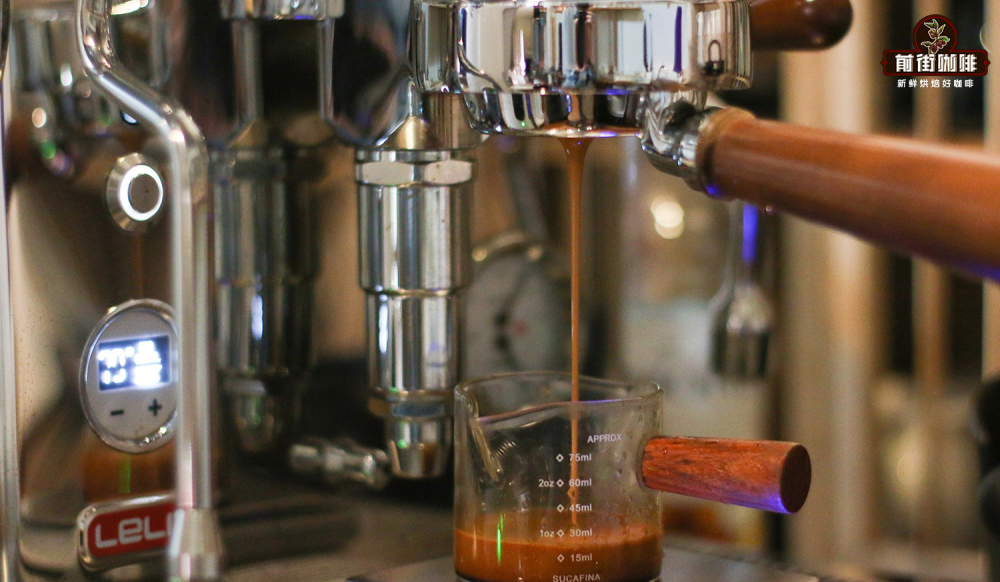
Time is the whole extraction period, from locking in the portafilter and pressing the button to start extraction until it finishes. The factors affecting extraction time are grind size and ratio. Ratio is easier to grasp: a higher ratio needs more water, so time naturally lengthens. Grind size determines the coarseness of the grounds, which directly affects puck density. The finer the grounds, the denser the puck after tamping, the harder it is for water to pass, the longer the time, and the more easily the shot over-extracts. Generally, one espresso shot takes roughly 20-30 seconds.
Flow Rate
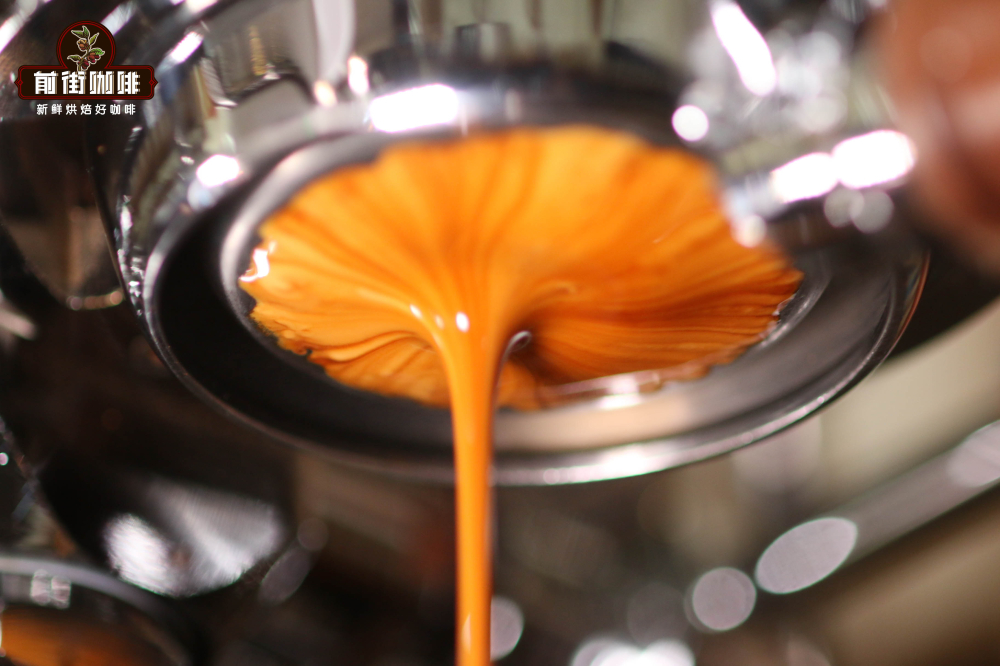
Flow rate is the speed at which the coffee liquid drops. Our ultimate goal with these parameters is really a flow-rate result. In a normal espresso, the first drop should appear around the fifth second after you press the button, with the rest flowing fairly evenly. Flow speed directly reflects whether grind size and ratio are appropriate. If the first drop does not appear until after 10 seconds (pre-infusion aside), the coffee may be ground too fine or tamped too densely. If the flow is too fast or sprays, the coffee may be ground too coarse or channeling is occurring.
Extraction Pressure
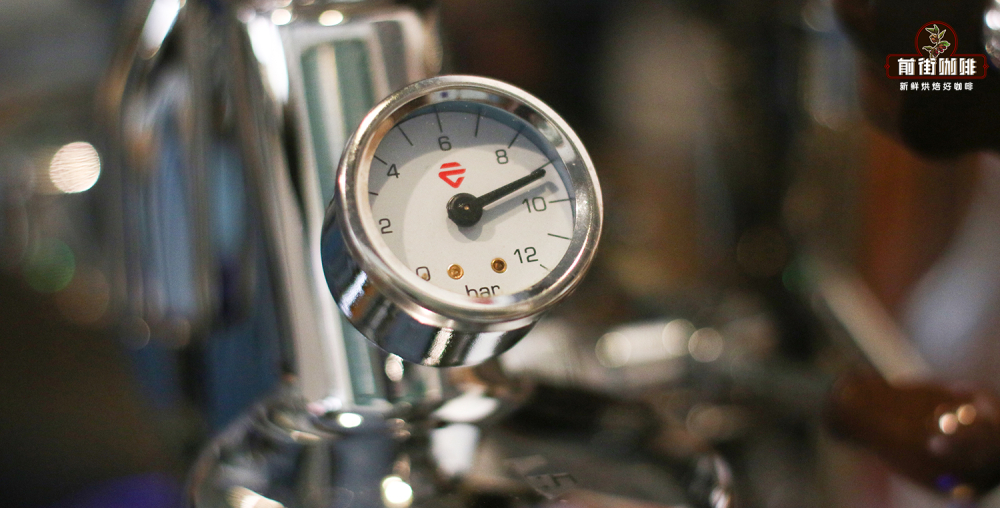
Semi-automatic espresso machines generally extract at around 9 bar, determined by the machine's performance. Some newer machines now feature variable-pressure extraction. Lower pressure means lower extraction efficiency; higher pressure means higher extraction efficiency.
Extraction Temperature
The water temperature for extracting espresso is generally 90-94°C. Water that is too hot over-extracts easily and pushes the taste bitter; water that is too cool under-extracts and leaves sharp acidity in the cup.
FrontStreet Coffee Recommendation
Espresso is only one way to enjoy FrontStreet Coffee's beans, and the same care goes into the filter side. The Hario V60 - designed by a Tokyo glassware maker founded in 1921 - was reshaped in 2004 around its signature 60° cone and single large hole, so water has to travel to the center before it drops through, lengthening contact with the grounds and drawing out more aroma and flavor. FrontStreet Coffee favors the resin version because it blocks heat loss and moulds most accurately in large-scale production.
For a first step into bright, floral filter coffee, FrontStreet Coffee's washed Yirgacheffe Gudingding is a natural starting point: vivid citrus, berry, and floral notes with a green-tea-like finish, and an acidity that is soft and bright rather than sharp. If you want a fruitier cup, FrontStreet Coffee's Huakui (Flower Queen) pushes tropical aromas of strawberry, passion fruit, jackfruit, and lychee, with low bitterness and a juicy, smooth body. FrontStreet Coffee's Kenya Small Tomato, from the Thika region at 1,550-1,750 meters, uses SL28 and SL34 varieties and a 72-hour double wash, roasted light for tomato, dried plum, pear, black plum, and brown sugar notes.
If a sweeter, low-acid cup is what you are after, FrontStreet Coffee's Brazil Queen's Estate brings nut, cocoa, and caramel sweetness, while the PWN Indonesian Golden Mandheling is a deep roast with low acidity, herbal and dark chocolate notes, and a faint earthy depth. Whichever you choose, brewing on a V60 keeps the cup clean and lets each origin's character come through.
Important Notice :
FrontStreet Coffee is a long-established specialty coffee roaster in Guangzhou China, selling freshly roasted beans from its own farm in Yunnan as well as dozens of carefully selected single-origin beans from around the world for both pour-over and espresso. The products deliver consistently excellent quality and great value, with shipping within 24 hours. Guangzhou's FrontStreet Coffee shop is recommended by many coffee lovers, and the beans are now available online at the Tmall 。
FrontStreet Coffee has moved to a new address:
FrontStreet Coffee Address: 315,Donghua East Road,GuangZhou
Tel:020 38364473
 Scan and follow the En Gafei WeChat official account. Please indicate that the reprint comes from "En Gafei".