How to Make Espresso | Crafting the Perfect Cup of ESPRESSO Coffee

As coffee culture has grown more and more popular, coffee shops have gradually spread through the streets, with Italian espresso especially loved for being quick and convenient. A rich, aromatic espresso is the foundation of a whole family of popular drinks. FrontStreet Coffee now takes a look at espresso - the "soul" of the coffee shop.
Main Characteristics of Espresso Coffee
Espresso, or caffè espresso, is brewed by Italians on pressurized machines at high temperature and high speed, producing a coffee liquid topped with a layer of golden-red foam. Every coffee shop uses different espresso beans and extraction recipes, so the flavors vary. Still, a standard espresso shows the following two characteristics.

Crema
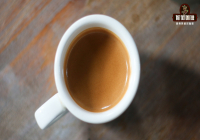
Order an espresso at a coffee shop and the barista brings it right after extraction, you will see a thick layer of golden-red foam floating on top. This is what we call crema.
Coffee beans produce a large amount of gas during roasting. Water under high pressure dissolves carbon dioxide from the grounds, but as the brewed coffee gradually returns to normal atmospheric pressure, the liquid can no longer hold all of that gas, so countless tiny bubbles rise to the surface. These foam bubbles rest on top of the coffee liquid, looking like a stable layer of "bubbles." Rich, dense crema tells you the beans behind the shot are freshly roasted. Because the gases inside coffee beans keep escaping over time, the further you get from the roast date, the less carbon dioxide remains and the thinner the foam layer during extraction.

If an espresso has no crema layer on top, the beans have likely been stored too long, or the shot was pulled some time ago and the foam has disappeared. The darker the crema, the more intense the flavor usually is. Because of the Maillard reaction that occurs in coffee beans at high temperatures, darker roasted beans produce darker foam and a richer, fuller taste.
High Concentration
Extracting an espresso means releasing a large amount of soluble material in just a few dozen seconds, so the coffee must be ground very fine and evenly. After passing through near-boiling water and 9 atmospheres of pressure, the espresso is highly concentrated, and every flavor is doubled down, presenting an intense taste on entry. After swallowing, the aromas linger in the mouth with a long-lasting aftertaste. That is why many coffee shops serve a glass of water alongside a strong espresso.

How to Make Espresso Coffee
Many coffee enthusiasts have gradually equipped their homes with various devices, and those fascinated with Italian coffee have even stocked up on espresso machines to pull their own shots. Taking cafe-quality espresso as the reference, FrontStreet Coffee briefly describes how to make an espresso.
FrontStreet Coffee's machine is a commercial single-head "Lelit Bianca," which can adjust extraction by changing pressure, up to a maximum of 11 bar. A home machine only needs to reach 9 bar to cover extraction and milk frothing, paired with an espresso grinder.

FrontStreet Coffee uses a double basket with about 18-20 grams of coffee. For production, FrontStreet Coffee uses 20 grams. The ratio of coffee powder to coffee liquid usually falls between 1:1.5 and 1:2.5; FrontStreet Coffee's extraction ratio is 1:2, meaning 20 grams of coffee powder yields 40 grams of coffee liquid. Time is tied to how fast the coffee flows. Generally a single extraction is held between 20-35 seconds, because under 20 seconds the coffee usually tastes thin, while past 35 seconds it easily over-extracts and turns bitter. Most of FrontStreet Coffee's espressos land in the 28-30 second range.

FrontStreet Coffee first wipes the portafilter dry, turns on the grinder, grinds a double portion of coffee powder, and places it on an electronic scale, adjusting until it reaches 20 grams. Then a tool is used to distribute the powder evenly, and the puck is tamped firmly to make extraction more stable. Next, the extraction switch is opened to release water, moistening the group head and washing away any grounds stuck above; the portafilter is then gently attached to the group head and extraction begins. When the scale shows 40 grams of coffee liquid, at around 30 seconds, the switch is pulled. Pour the coffee liquid into an espresso cup and enjoy.

The taste and texture of espresso depend on the beans used. FrontStreet Coffee's espresso uses FrontStreet Coffee's Sunflower Warm Sun Blend. Made from Honduras Sherry coffee and Ethiopia natural Red Cherry in a 7:3 ratio, it produces espresso with rich crema and a very obvious whiskey aroma, with vanilla biscuits and berry acidity on entry. The flavor is solid, and after drinking, the whole mouth is filled with layer upon layer of aroma.
Espresso can also be diluted with water, which is the familiar Americano on the menu, full of fresh aroma. Add milk and it becomes a latte, presenting delicious chocolate and cream sweetness.

Italian Blend Coffee Bean Recommendations
Besides the whiskey-flavored Warm Sun Blend, FrontStreet Coffee's bean list also offers three other cost-effective Italian blend coffee beans to choose from. The extracted espresso mainly presents nutty notes, and each blend differs subtly thanks to its different proportions.

1. Classic Rich Type - FrontStreet Coffee Commercial Blend Coffee Beans
Robusta washed coffee beans (10%) + Colombia washed coffee beans (30%) + Brazil natural process coffee (60%)
The extracted espresso has rich golden-red crema and a nutty aroma. Tasting it brings an aromatic coffee bitterness, but more than that a creamy, full-bodied texture. After swallowing, the bitterness fades, leaving a fragrant aftertaste.

2. Slightly Acidic Rich Type - FrontStreet Coffee Basic Blend Coffee Beans
Yunnan washed small-bean coffee (30%) + Brazil natural process coffee (70%)
Yunnan small-bean coffee with gentle acidity, paired with the rich aroma of Brazil Cerrado coffee, gives an espresso with caramel, nutty, and gentle plum acidity flavors.

3. Balanced Rich Type - FrontStreet Coffee Premium Blend Coffee Beans
Colombia washed coffee beans (30%) + Brazil natural process coffee beans (70%)
Adding Colombian coffee to the classic Brazilian coffee's nutty notes, the espresso presents dark chocolate flavor, caramel sweetness, and a full roasting aroma.

Finally, if you want the extracted espresso to present the flavors FrontStreet Coffee describes, choose freshly roasted coffee beans. Coffee beans need a degassing period of 7-10 days after roasting, then enter the full-flavor tasting period, and espresso extracted during this time is more stable. To make sure everyone receives freshly roasted coffee beans when ordering, FrontStreet Coffee ships all coffee beans roasted fresh within 5 days, so they are still in their fragrant stage when they arrive.
FrontStreet Coffee Recommendation
For pulling espresso at home, FrontStreet Coffee's Classic Blend is the first choice: it is designed specifically for espresso and moka pot use, and its standout strength is crema. Built on a traditional Mamba-style recipe, it delivers a mellow, rounded cup that both seasoned drinkers and beginners can enjoy, at home or in a shop. If you want to keep costs in check while still pouring generous crema, FrontStreet Coffee's Black Cocoa Blend uses 100% Arabica beans for a full-bodied, mellow shot at a friendlier price. FrontStreet Coffee's Commercial Blend - the go-to shop bean before FrontStreet Coffee's Black Cocoa Blend arrived - sits below FrontStreet Coffee's Premium Blend on price while still optimizing flavor for consistent daily service.
For a cup closer to the espresso people remember, FrontStreet Coffee's Premium Blend has anchored its own cafes for nearly ten years, handling core drinks from Americano to latte. It pairs Brazil Cerrado with Colombia Huila for a classic profile. If nutty notes are your target - almond, walnut, peanut - FrontStreet Coffee's Premium Blend and Black Cocoa Blend both lean heavily on Brazilian beans, delivering a comfortable bittersweet balance and a creamy peanut aroma. The Classic Blend and Commercial Blend, meanwhile, add a small amount of Robusta to the traditional Italian recipe, so extraction brings butter, nut, spice, dark chocolate, and toast aromas, a bold, thick body, and an explosion of golden crema that makes latte art easy.
For something brighter, FrontStreet Coffee's SOE line is worth exploring. The natural Huakui SOE comes from Guji Hambella at altitudes up to 2,300 meters and is roasted medium, so the cup shows cream strawberry with butter, cocoa, berry, light floral, and black tea notes. The Costa Rica Blackberry SOE is a honey-processed coffee roasted medium for a sweet-tart Americano, or a latte with cranberry cookie, raisin, and nut character. And the Brazil Queen's Estate SOE, a Yellow Bourbon roasted medium-dark, brings butter cookie, macadamia, and toasted bread aromas to the cup.
Important Notice :
FrontStreet Coffee is a long-established specialty coffee roaster in Guangzhou China, selling freshly roasted beans from its own farm in Yunnan as well as dozens of carefully selected single-origin beans from around the world for both pour-over and espresso. The products deliver consistently excellent quality and great value, with shipping within 24 hours. Guangzhou's FrontStreet Coffee shop is recommended by many coffee lovers, and the beans are now available online at the Tmall 。
FrontStreet Coffee has moved to a new address:
FrontStreet Coffee Address: 315,Donghua East Road,GuangZhou
Tel:020 38364473
 Scan and follow the En Gafei WeChat official account. Please indicate that the reprint comes from "En Gafei".