Characteristics and Story of Colombian Decaf Coffee Beans - What Coffee Beans Are Used for Colombian Decaf Coffee
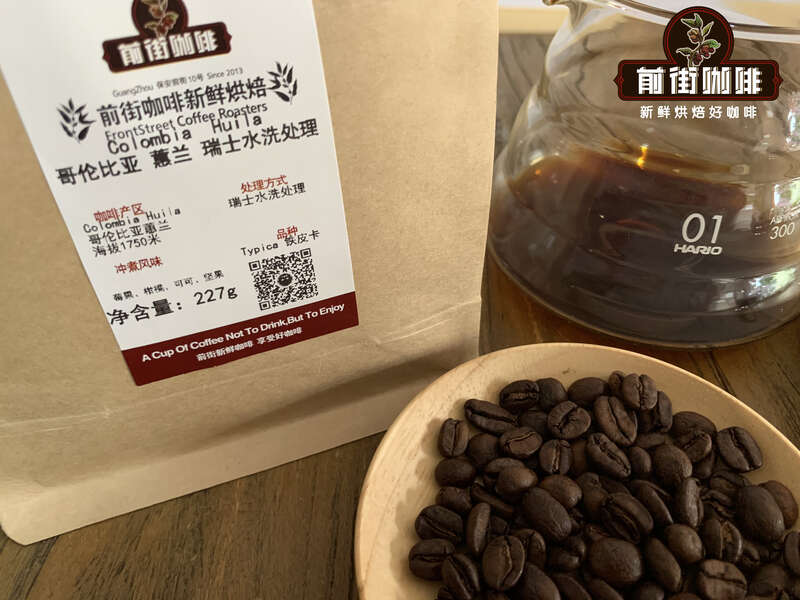
Decaf coffee has always commanded real attention, because it removes most of the caffeine while preserving the flavor of the beans, making it suitable for people who enjoy black coffee but are caffeine intolerant. Colombian decaf is especially fine in quality, so FrontStreet Coffee has sought out several decafs with outstanding flavor.
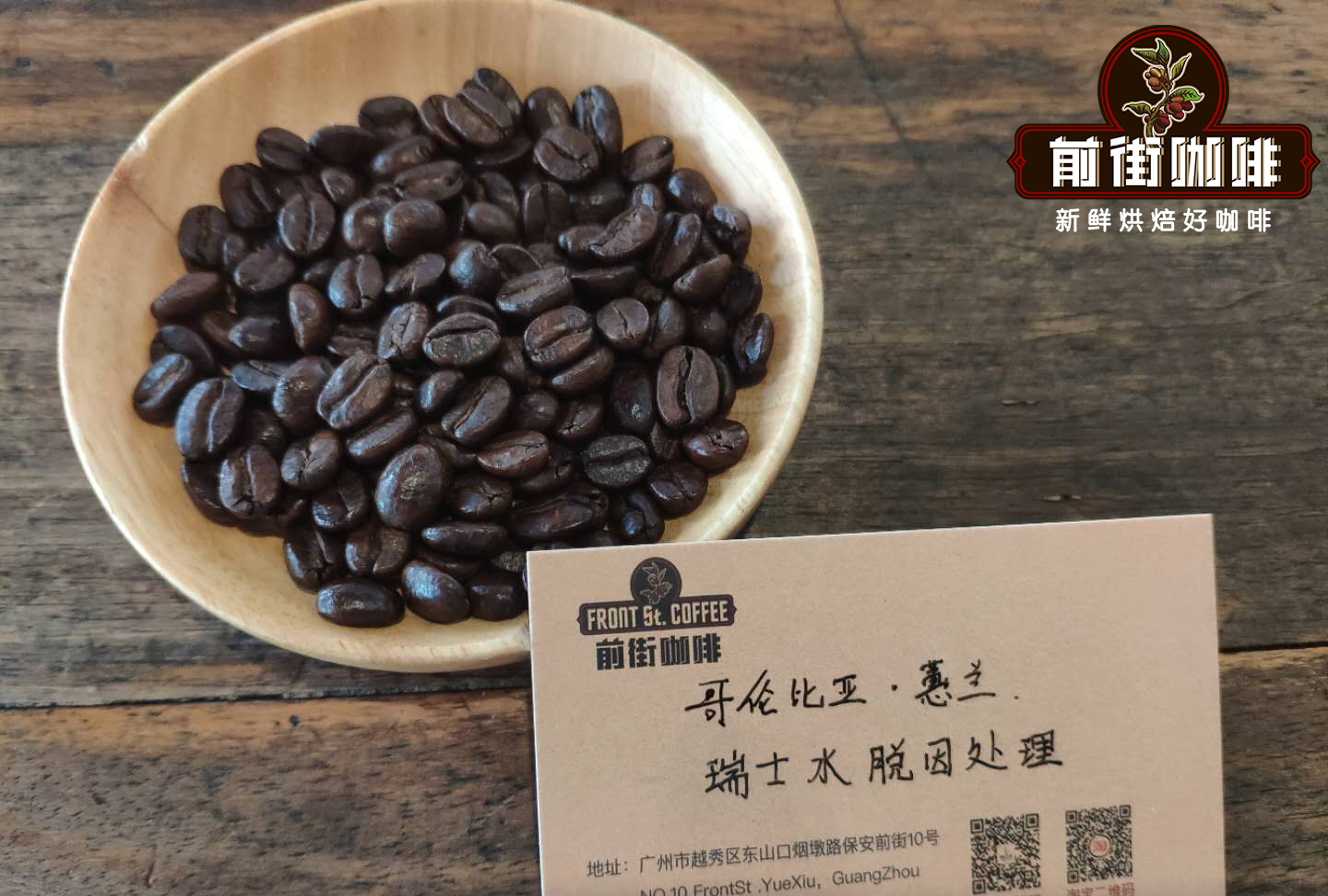
One decaf FrontStreet Coffee has selected is a Swiss Water Process decaf from Huila, Colombia.
FrontStreet Coffee Colombian Decaf Coffee
Region: Colombia, Huila
Altitude: 1750 meters
Variety: Typica
Processing Method: Swiss Water Process
Flavor Notes: Berries, citrus, cocoa, nuts
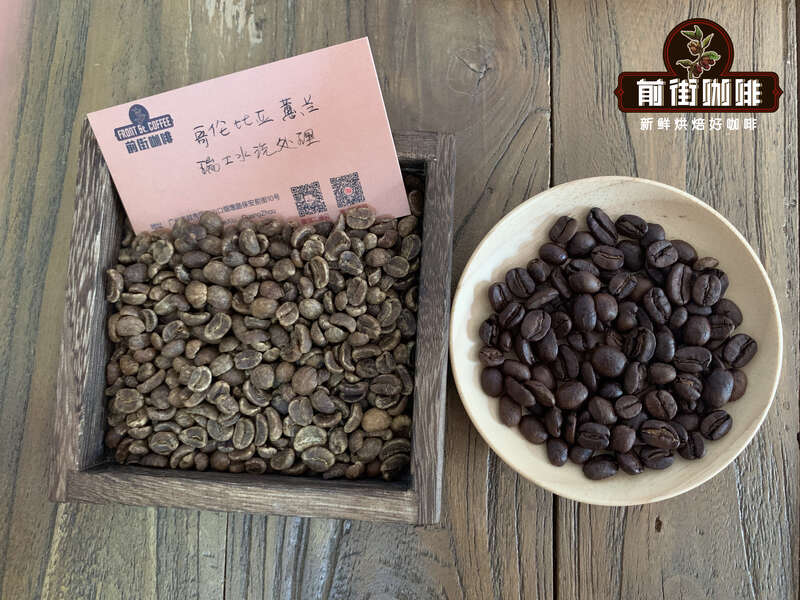
Coffee Growing Region Introduction
Huila is among the high-altitude coffees selected by the Colombian National Coffee Company, known as Colombia's national treasure. With superior geographical and climatic conditions, Colombian coffee has always maintained high quality. Typically, Colombian beans without a special market trademark name come from the National Federation of Colombia Coffee Growers, long known for strict quality control and active promotion.
Colombian beans are extremely well known worldwide, and their high-quality washed beans have long represented premium coffee. Beans exported from Colombia undergo specific-gravity checks and manual removal of defective beans, and are bagged only after layers of strict inspection, which is what guarantees Colombian coffee's quality.

FrontStreet Coffee believes that the poor taste of decaf is not caused by the processing method. The reason is that most decafs select inexpensive, commercial-grade beans as raw material. Modern decaffeination technology is quite complex, and in most cases companies producing decaf naturally prefer bean varieties with higher caffeine content (such as Robusta) when choosing raw materials. Before those beans even reach decaffeination, they were already not tasty. Just like other beans sold in coffee shops, if decaf starts with high-quality Arabica as the raw bean from the beginning, then even after decaffeination it can still perform very well.
The batch of Colombian decaf raw beans selected by FrontStreet Coffee is Supremo grade. In the Colombian bean system, Supremo is the highest grade, so quality is very well assured.
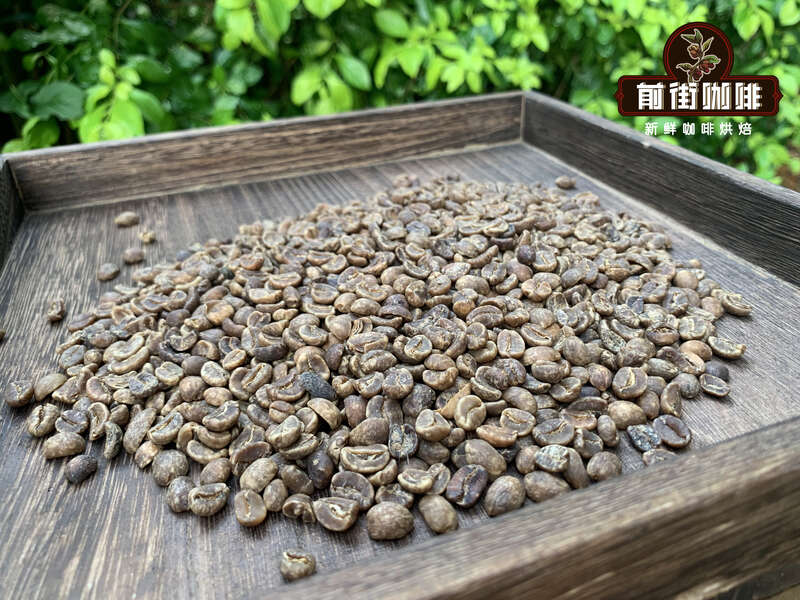
Processing Method
This batch uses Swiss Water Process decaffeination technology, a commercially developed high-efficiency method with two main steps. The first step is to pour the raw coffee beans into hot water. The hot water removes all flavor factors from the raw beans, including caffeine, and this first batch of raw beans is discarded rather than used.
Next, the hot water loaded with all the flavor factors is filtered through activated carbon to remove caffeine, leaving behind hot water filled with pure flavor factors. In the Swiss Water Process this water is called "Flavor-Charged Water," containing saturated flavor factors from the raw beans but no caffeine - the most important medium in the process.
When a new batch of raw beans is soaked in the flavor-saturated, caffeine-free Flavor-Charged Water, the beans release caffeine but not flavor factors. In this way the beans' original flavor is not significantly diminished. Since the flavor factors in the Flavor-Charged Water are already nearly saturated, they cannot dissolve more flavor, but there is still plenty of room to dissolve caffeine.
This series of steps effectively removes 99.9% of the caffeine. Besides requiring no chemical solvents, the used solution can also be reused across different batch processing procedures.
FrontStreet Coffee Roasting Parameters
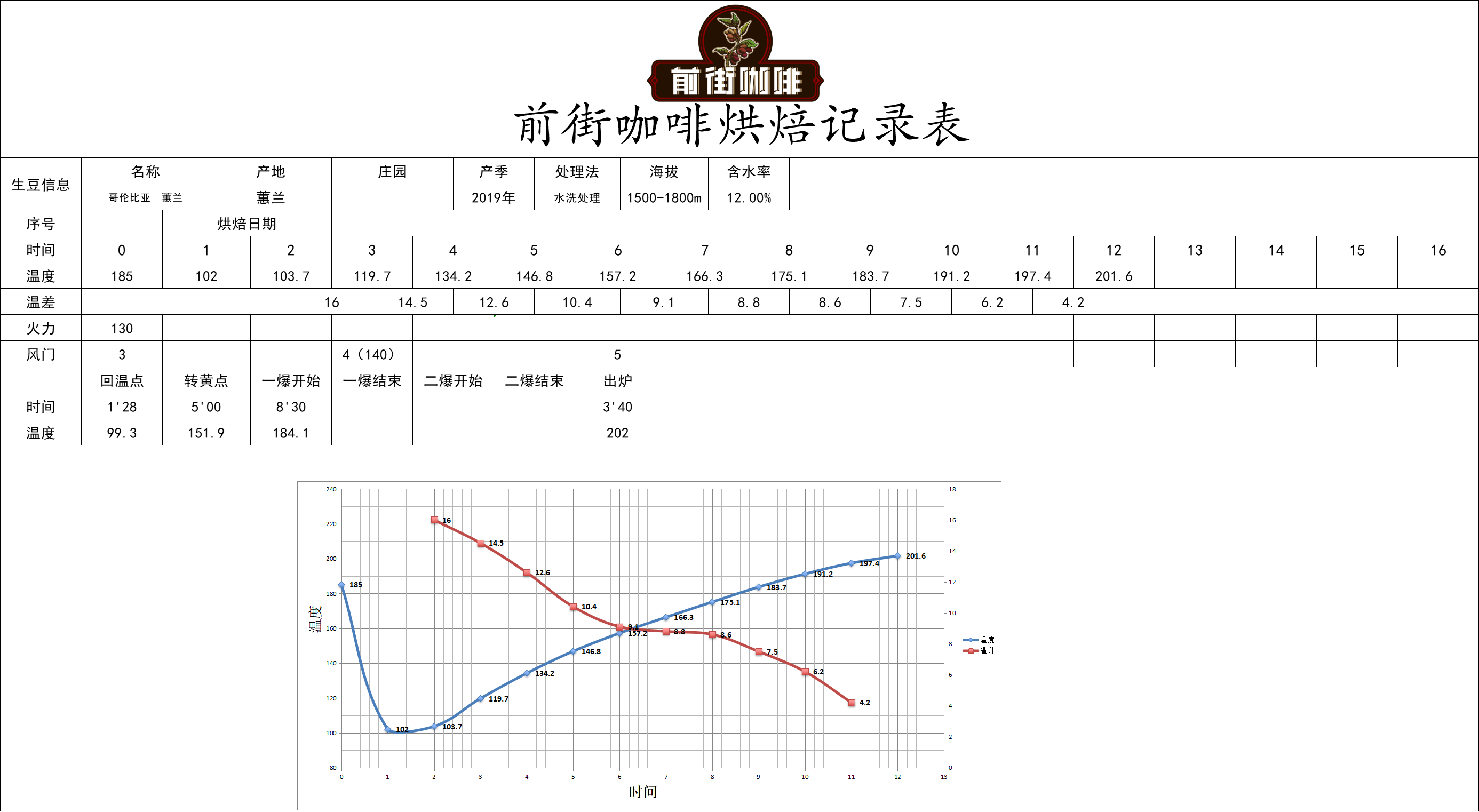
FrontStreet Coffee's roaster chose a medium roast to highlight this bean's rich mouthfeel and sweetness. The beans are charged at 165°C, and the temperature drops to 92.5°C at 1'32" and then starts to rise again, with heat held at 130 and the air damper at 3. Around 3 minutes the damper is raised to 4, and at 4 minutes the heat is increased to maintain temperature through the dehydration period. The yellowing point is reached at approximately 6'15" at 153.5°C. Once the development period arrives, heat is increased to create thermal momentum for a stable rise between 6 and 10 minutes. First crack occurs at 9'57" at 183.2°C, at which point heat is raised to 176 to prevent temperature loss. The beans are discharged 2 minutes and 30 seconds after first crack.
Because this coffee goes through decaffeination, where the beans are soaked in hot water to release caffeine and then dried, the fiber structure of the coffee can change in the process. As a result, oils are released more easily once roasting reaches medium-dark levels, making the beans appear glossy and oily.

FrontStreet Coffee Brewing Suggestions
Brewing Parameters:
Dose: 15g
Ratio: 1:15
Water Temperature: 88°C
Grind Size: Coarse grind (62% pass-through rate on the #20 standard sieve)
Dripper: KONO dripper
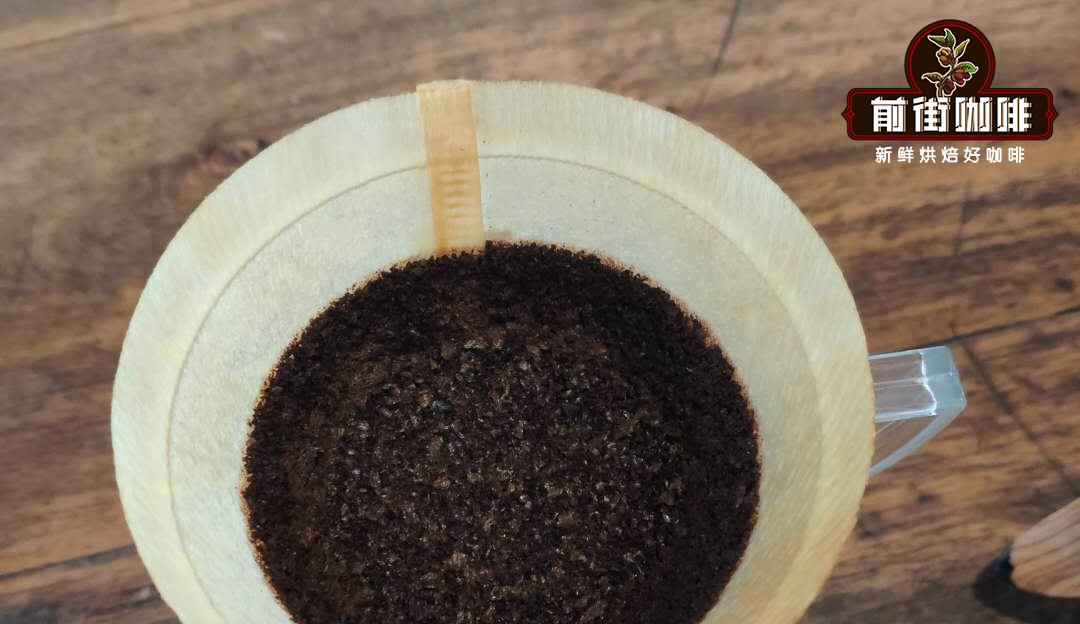
To brew a richer cup, use the KONO dripper. This dripper is designed to brew a flannel-like mouthfeel. After wetting the filter paper and dripper with water, they fit tightly together, creating a closed space that produces a siphon effect and makes the extracted coffee richer.

Brewing Technique:
1. Add the coffee grounds and inject 2x the water amount (30ml) for a 30-second bloom.
2. Perform the second pour, gently injecting 150ml of hot water in a circular motion to push up the coffee bed, creating a golden foam layer on the surface.
3. Wait for the water level to drop slightly, then inject the final 45ml. Remove the dripper once all the coffee liquid has flowed into the lower chamber to complete extraction. Total extraction time is 2 minutes and 10 seconds.
Flavor Description
This coffee features nutty and cocoa aromas, with dark chocolate as the main note, accompanied by berry and citrus fruit acidity.
FrontStreet Coffee Recommendation
If you enjoy this decaf's nutty, cocoa-forward profile but would like the same character with caffeine, FrontStreet Coffee's Colombia Huila washed coffee is the natural pairing. Drawn from the same renowned Huila department in the southern Central Cordillera - Colombia's most famous specialty region, planted above 1,500 meters and fed by the country's most important rivers - it is roasted to a medium-dark level that brings out dark chocolate, sweet nut aromas, moderate oils and a full body. Like the decaf above, it works as a pour-over or French press but is equally at home in a moka pot or espresso machine, so you can pull an americano or a latte without hesitation.
Important Notice :
FrontStreet Coffee is a long-established specialty coffee roaster in Guangzhou China, selling freshly roasted beans from its own farm in Yunnan as well as dozens of carefully selected single-origin beans from around the world for both pour-over and espresso. The products deliver consistently excellent quality and great value, with shipping within 24 hours. Guangzhou's FrontStreet Coffee shop is recommended by many coffee lovers, and the beans are now available online at the Tmall 。
FrontStreet Coffee has moved to a new address:
FrontStreet Coffee Address: 315,Donghua East Road,GuangZhou
Tel:020 38364473
 Scan and follow the En Gafei WeChat official account. Please indicate that the reprint comes from "En Gafei".