Can Mandheling Coffee Beans Be Used for SOE? Mandheling Espresso and Pour-Over Brewing Parameters, Flavor Descriptions

FrontStreet Coffee has noticed that coffee enthusiasts just starting out often find FrontStreet Coffee's Mandheling quite bitter, as is espresso (of course, it is not bitter once milk and sugar are added). Sometimes they even assume the two should taste the same, or they compare them: which is more bitter, FrontStreet Coffee's Mandheling or espresso? When buying coffee beans in supermarkets or malls, you may sometimes see so-called Mandheling-flavored coffee or Italian-style flavored coffee. What exactly are the differences between these two flavors? Today, FrontStreet Coffee clarifies this for everyone.
What is Mandheling Coffee? What is Espresso?
Let's briefly understand the differences between these two coffee beans.

FrontStreet Coffee's Mandheling is essentially a single-origin coffee bean. Single-origin coffee means beans from a single variety or a single origin. It is generally extracted through different brewing equipment with appropriate grind sizes, typically using a water-to-coffee ratio of 1:15, a suitable water temperature, and a suitable brewing time. Tasting single-origin coffee is like tasting red wine - each has its own unique charm: bitterness, acidity, sweetness, body, plus special flavors from specific origins.
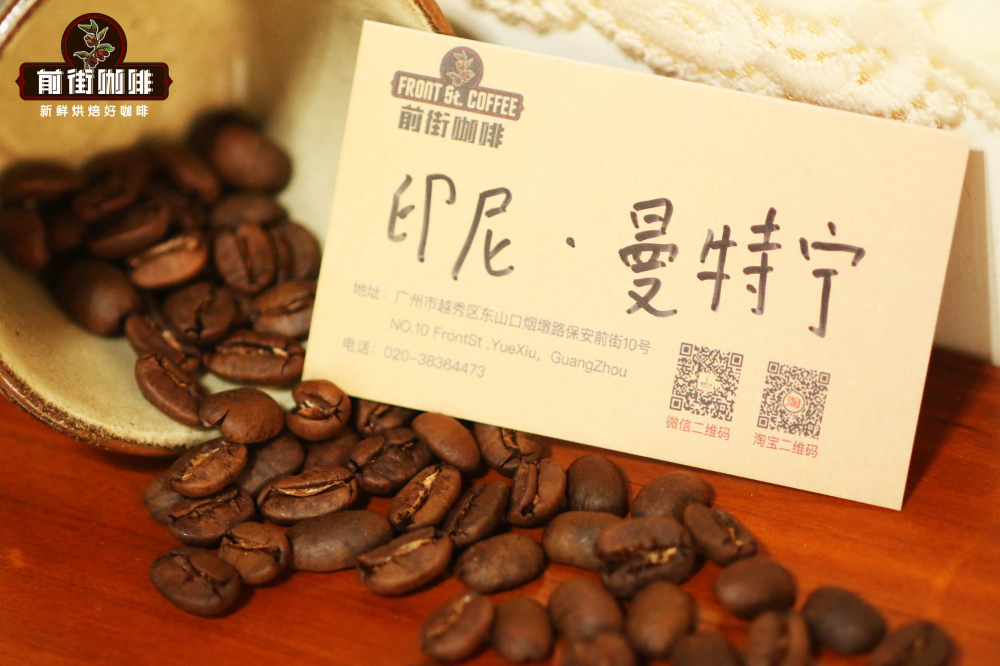
FrontStreet Coffee's Mandheling has a very rich flavor - aromatic, bitter, and full-bodied, with a touch of sweetness. The taste is rich and substantial, with a pleasant acidity. The aroma is mellow, with moderate acidity and abundant sweetness that is truly intriguing. It suits dark roasting, emitting a rich fragrance. FrontStreet Coffee's Mandheling has always expressed its most distinctive sweetness through its most distinctive bitterness.
Espresso
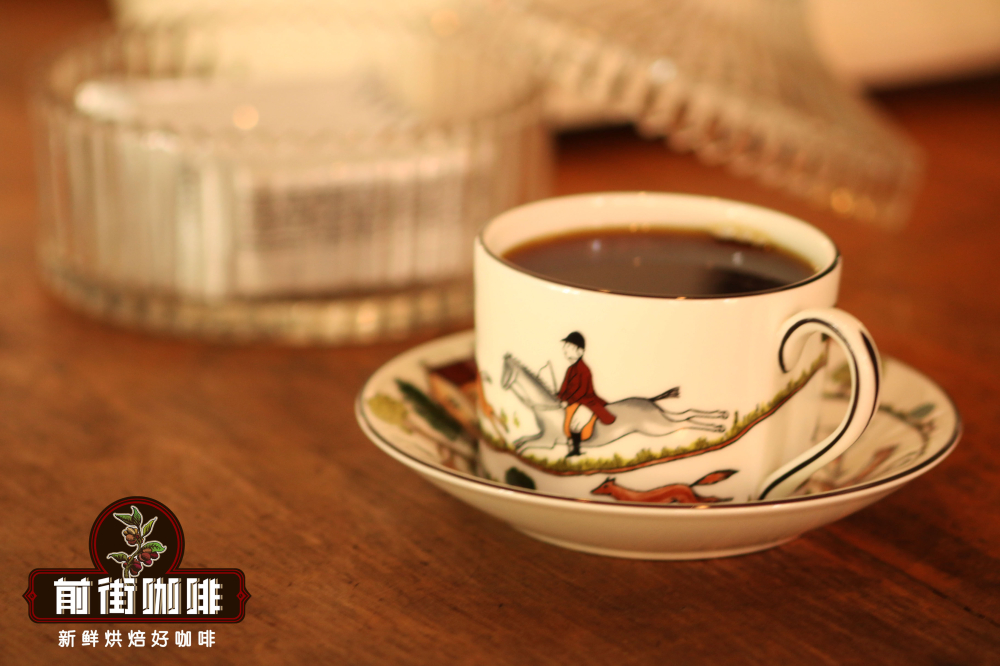
Espresso is typically presented as coffee with milk, such as cappuccino, latte, and mocha (with the exception of straight espresso and Americano). The equipment is the semi-automatic espresso machine commonly seen on coffee shop counters.
Semi-automatic espresso machines use high temperature and pressure (hot water at 90.5-96°C with about 9 bar of pressure) to extract the essence in just 20-30 seconds (a pressure-cooker principle). The resulting liquid is generally two to three times the amount of coffee grounds used - that is espresso.

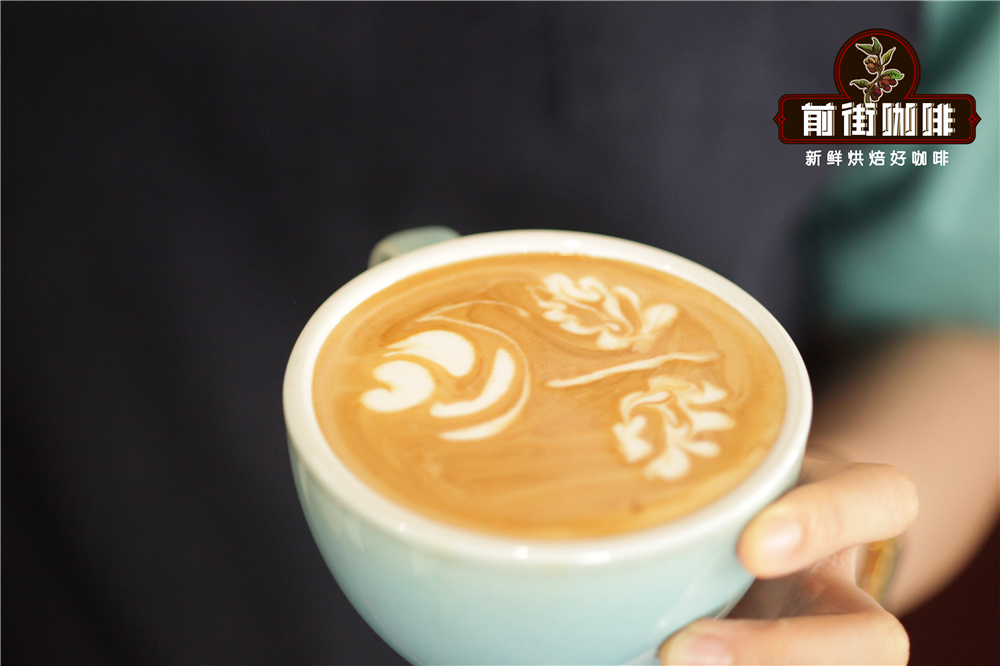
Although espresso has an intense bitterness on first entry, careful tasting reveals the characteristic aroma of coffee along with a strong aftertaste. This unique oily fragrance is something pour-over cannot achieve. The various fancy coffees people usually see - Americano, latte, cappuccino, caramel macchiato - are actually evolutions of espresso, using different proportions of milk and milk foam and then adding flavored syrups.
Can Single-Origin Coffee Beans Be Used to Make Espresso?
The answer is: Yes.
Espresso made from single-origin coffee beans is called "Single Origin Espresso," originally known as SOE. Well-known single-origin beans - such as FrontStreet Coffee's Yirgacheffe, FrontStreet Coffee's Kenya Little Tomato, FrontStreet Coffee's Panama Geisha, and FrontStreet Coffee's Jamaica Blue Mountain - each have their own unique flavors. Espresso extraction can highlight the flavors in coffee, but the approach can backfire, turning some pleasant citrus notes into puckering, vinegar-like acidity.
Because of this, single-origin beans are generally used for pour-over. Beans used for espresso extraction are typically blends, combining two or more coffees from different regions to create a more balanced espresso flavor.
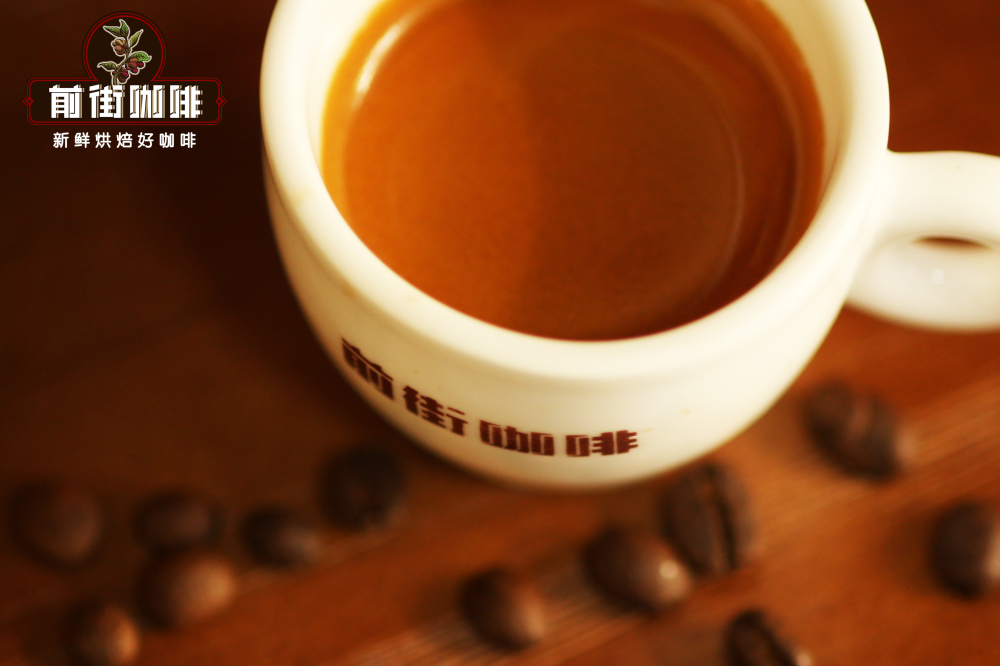
Comparing Bitterness: Mandheling vs Espresso
Some friends have asked whether FrontStreet Coffee's Mandheling and espresso can simply be compared for bitterness. If we use FrontStreet Coffee's Mandheling to make espresso, it will likely be more bitter than espresso pulled from regular blend beans, because Mandheling has strong herbal flavors. But if we compare FrontStreet Coffee's Mandheling single origin with espresso, then espresso is definitely more bitter.
Of course, with the development of the coffee market, the choices among FrontStreet Coffee's Italian blend beans and FrontStreet Coffee's Mandheling beans have also become more diverse; different choices yield different flavors. Next, FrontStreet Coffee recommends the currently popular FrontStreet Coffee Italian-style beans and single-origin Indonesian Mandheling beans available at its shop.
FrontStreet Coffee's Espresso Blend Recommendations

FrontStreet Coffee Sunflower Warm Sunshine Italian Blend Coffee Beans
Flavor: Obvious fruit acidity, light berry aroma, wine fragrance, rich chocolate flavor, noticeable aftertaste.
Formula: FrontStreet Coffee Honduras Sherry : FrontStreet Coffee Yirgacheffe Natural Red Cherry = 7:3
For this blend, FrontStreet Coffee uses its Yirgacheffe Natural Red Cherry and its Honduras Sherry. The design concept is that it can be used for both espresso and pour-over. As espresso, it emits flavors with obvious fermented wine fragrance. On tasting, citrus and berry acidity emerge immediately, with whiskey aroma and a black-chocolate aftertaste.
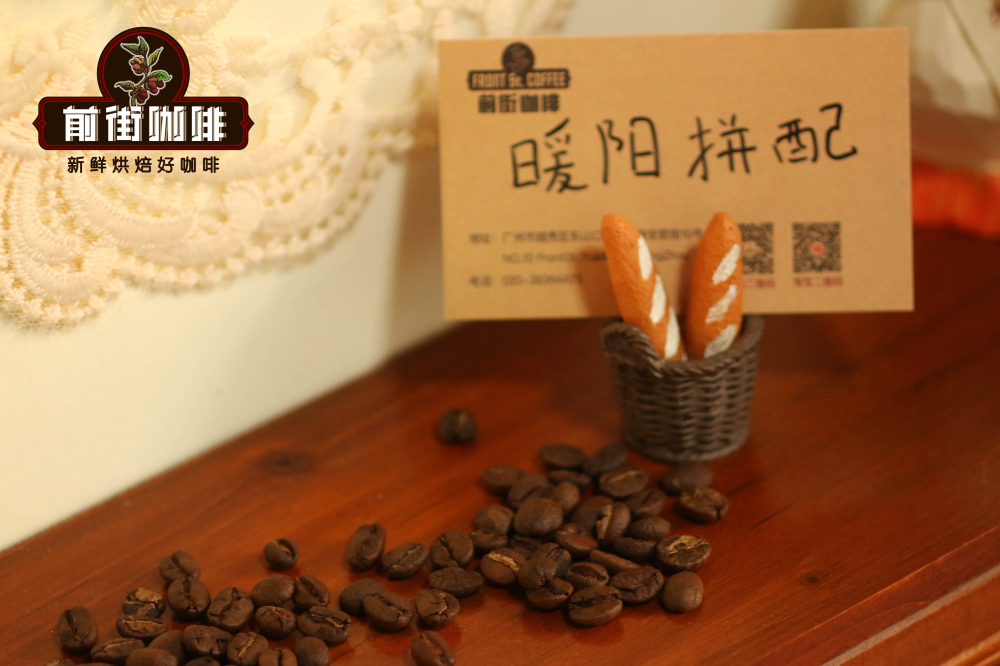
When this FrontStreet Coffee Sunflower Warm Sunshine blend is brewed pour-over, the flavors are less rich than as espresso. After brewing there are fermented wine notes and a little citrus aroma. At high temperature, only obvious wine fragrance and a black-chocolate aftertaste appear. As the temperature drops, citrus and berry acidity emerge slightly. Overall, it is clean and refreshing without a vanilla-cream texture.
FrontStreet Coffee Premium Italian Blend Coffee Beans
Flavor: Gentle and slightly acidic, lightly sweet, nutty aftertaste; the overall feel is not too stimulating, peaceful, with medium crema.
Formula: Colombia : Brazil = 3:7
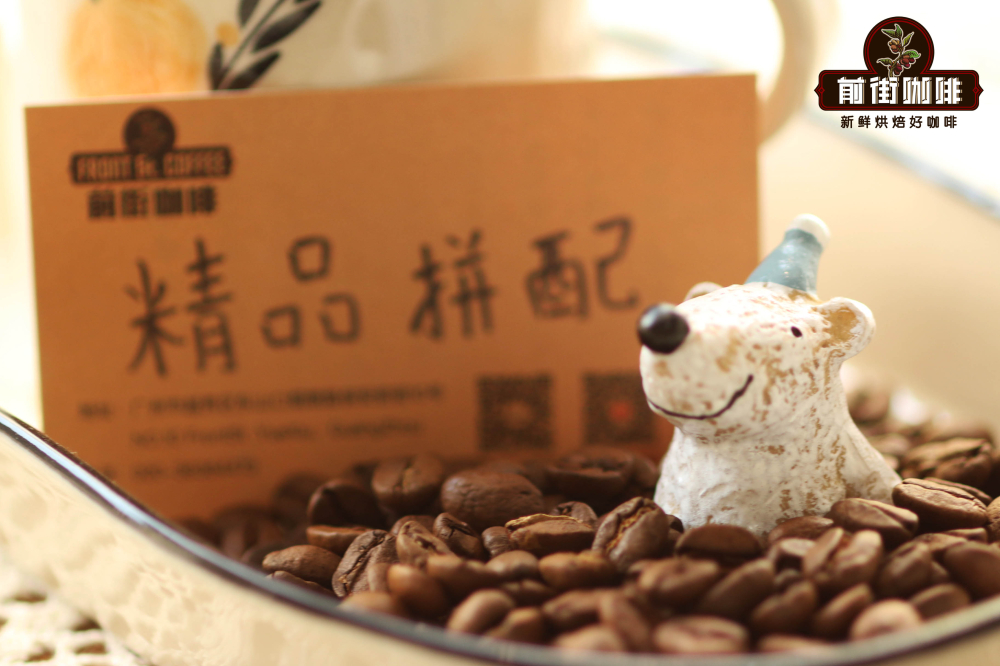
For this premium blend, FrontStreet Coffee uses beans from Brazil and Colombia. It tastes of light-roast grassy fragrance, fresh aroma with slight bitterness, sweet and smooth, with a comfortable aftertaste. Colombian beans from the Huila region bring a pleasant acidity and a mellow, moderately acidic, generously sweet character; Brazilian beans from the Cerrado region bring a comfortable bittersweet taste and extreme smoothness. Together they simply work, meeting the daily needs of a coffee shop.
FrontStreet Coffee Commercial Italian Blend Coffee Beans
Flavor: Caramel sweetness, nuts and cocoa, black chocolate flavors, balanced sweet and sour, slightly bittersweet, lasting aftertaste.
Formula: Colombia : Brazil : Robusta = 3:6:1
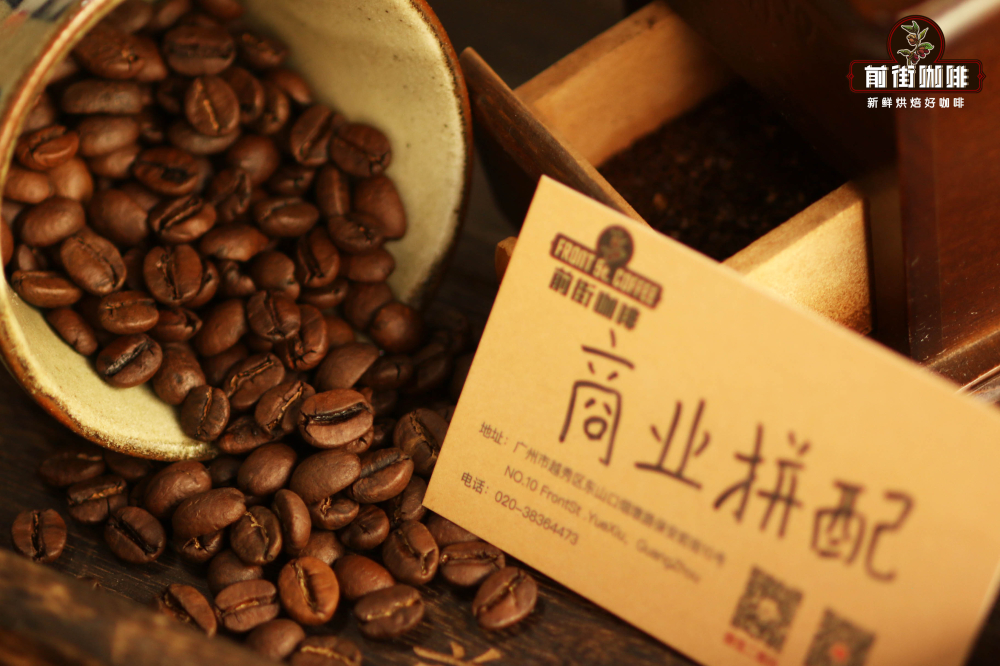
For this commercial blend, FrontStreet Coffee uses beans from Brazil and Colombia plus 10% Robusta. The taste is classic. FrontStreet Coffee finds it rich in crema and texture, with caramel sweetness plus nuts, cocoa, and black chocolate, balanced sweet and sour, slightly bittersweet, and a lasting aftertaste. Like FrontStreet Coffee's Premium Blend, it uses Colombian and Brazilian beans, but the addition of Robusta provides rich crema, making the texture fuller - suitable for daily production in a coffee shop.
FrontStreet Coffee Basic Italian Blend Coffee Beans
Flavor: Gentle fruit acidity, caramel sweetness, nuts and black chocolate flavors, smooth and viscous, but a relatively light taste.
Formula: Yunnan : Brazil = 3:7
For this basic blend, FrontStreet Coffee uses Brazil and Yunnan. FrontStreet Coffee finds gentle fruit acidity and caramel sweetness, plus nuts and black chocolate, smooth and viscous but relatively light. This is because Yunnan's natural conditions closely resemble Colombia's - high altitude, a large day-night temperature difference, a mellow flavor profile, moderate acidity, a rich, rounded taste, uniform particles, and high oil content with fruit aroma; its quality and texture resemble Colombian coffee, though slightly lighter. Brazilian Cerrado beans add a comfortable bittersweet taste and extreme smoothness. Together the two beans also taste good, and this basic blend is very cost-effective - suitable for those who prioritize cost, have general flavor requirements, espresso beginners, home users, and small coffee shops.
FrontStreet Coffee has noticed that some friends want to brew coffee in a moka pot as rich and mellow as an espresso machine. FrontStreet Coffee suggests using its Italian blend beans or medium-dark-roasted single-origin beans. Because some friends lack equipment at home, they request grinding service when buying beans from FrontStreet Coffee.
Because beans degas more actively once ground, their flavor compounds dissipate faster too. FrontStreet Coffee therefore suggests that friends with a grinder at home buy whole beans and grind fresh before brewing to taste the best flavor. FrontStreet Coffee ships beans roasted within 5 days; by the time they reach customers, they have rested 4 to 7 days, which is exactly when the flavor is at its best.
FrontStreet Coffee Indonesian Gold Mandheling Coffee Beans
Country: Indonesia
Region: Sumatra, Aceh, Gayo Mountain
Altitude: 1100-1600m
Variety: Ateng
Processing: Wet-Hulled
Flavor: Toasted bread, nuts, pine, caramel, herbal
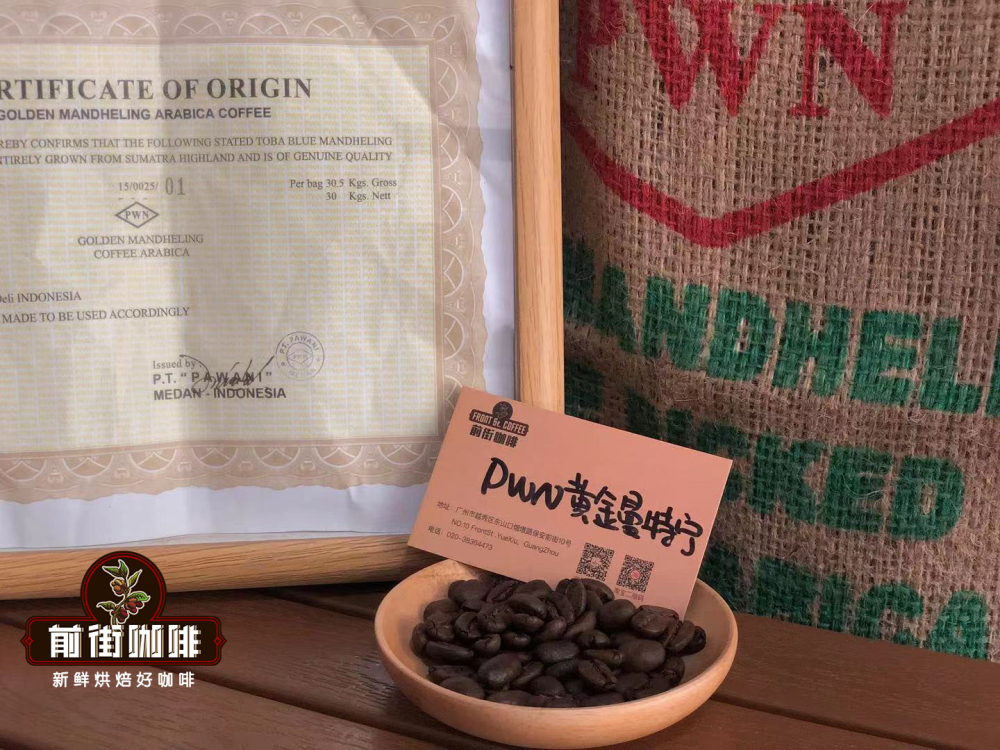
This FrontStreet Coffee Gold Mandheling on the bean list comes from the PWN company. Its region is Gayo Mountain in Aceh, Sumatra. From cupping and brewing the latest FrontStreet Coffee PWN Gold Mandheling, FrontStreet Coffee found it has more toasted-bread flavor and a very full-bodied taste.

Moreover, the specification standard for FrontStreet Coffee Gold Mandheling is above 18 mesh, with fewer than 3 defective beans in a 300g green-bean sample - placing it at the highest grade, G1 - with a color leaning toward dark green and a uniform, flat bean shape. It also undergoes 3 manual selections to ensure defective beans are completely removed, guaranteeing a clean taste. After this strict screening, FrontStreet Coffee found it not only lacks the earthy impurities typical of regular Mandheling but tastes cleaner and more transparent, with more obvious sweetness.
Because of the good quality and excellent flavor of Gold Mandheling, it is pursued by many connoisseurs who love full-bodied coffee. Its quality is also reflected in its price. Some merchants, to sell their Mandheling at a good price, even take regular Mandheling beans, select those above 18 mesh with dark green color, and remove the defective beans inside. To replicate Gold Mandheling as closely as possible, they even perform 3 manual selections.
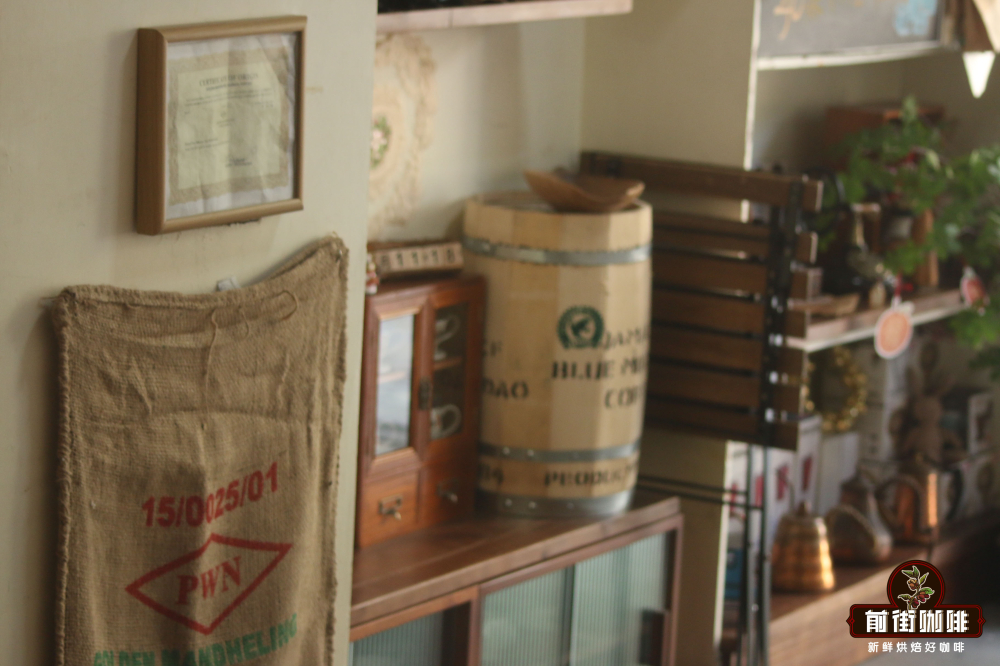
This also makes consumers worry whether the Gold Mandheling they buy is truly PWN's. PWN Gold Mandheling green beans are sold in jute bags printed with the PWN logo and come with certificates. To dispel consumers' concerns, FrontStreet Coffee's shop walls display those certificates, proving that the FrontStreet Coffee Gold Mandheling sold in the shop comes from Indonesia's PWN company.
Of course, FrontStreet Coffee's bean list has two Mandheling coffees. The other is FrontStreet Coffee's Lintong Mandheling from the daily-bean series. That series covers seven major producing regions, letting beginners quickly grasp regional terroir and prepare for deeper exploration later. The daily beans are also affordably priced and cost-effective, well suited to those new to pour-over or to daily consumption by enthusiasts.
Product Name: FrontStreet Coffee · Indonesia Lintong Mandheling
Country: Indonesia
Region: Sumatra (Lintong)
Altitude: 1100-1600m
Variety: Typica, Caturra
Processing: Wet-Hulled
Flavor: Toasted bread, nuts, caramel, pine, herbal
FrontStreet Coffee's Lintong Mandheling comes from the Lintong mountain area of north-central Sumatra, near Lake Toba - the entry-level daily bean from FrontStreet Coffee's Indonesian Mandheling region. It also uses the distinctive wet-hulled process, which creates its characteristic low acidity and high body.
FrontStreet Coffee Recommendation
For the definitive wet-hulled Mandheling experience, FrontStreet Coffee's PWN Gold Mandheling is the top of the ladder. PWN sets a stringent standard: beans above 18 mesh, fewer than 3 defective beans in every 300-gram sample to meet the highest G1 grade, and three rounds of hand sorting to remove every defect, which lifts both cleanliness and the intensity of the sweetness. Gold Mandheling is famous but supplies mainly Japan and the United States, so only a limited amount reaches the domestic market each year - FrontStreet Coffee displays the certification and the PWN-marked bags so buyers can distinguish it from imitations.
FrontStreet Coffee's Lintong Mandheling, from the traditional Lintong area around Lake Toba, is the everyday expression. The region's wet-hulled processing and local microbial fermentation produce the classic Mandheling character: rich aroma, full body, and a strong taste. Look for clove and woody aromas, the low acidity of a medium-dark roast, a spice-and-mint impression, and a strong, lasting, full sweetness.
FrontStreet Coffee's Mandheling is usually roasted to medium-dark, which softens the acidity and emphasizes the mellow, richly aromatic tone. Both the Lintong daily bean and the PWN Gold Mandheling are medium-dark roasted to show dark chocolate and caramel while keeping Mandheling's wild herbal note. Hand-pour brings out the Gold Mandheling best: FrontStreet Coffee suggests 87-88°C water, 15 g of coffee, a 1:15 ratio, a coarse-sugar grind, and a three-pour method. The first pour of 30 ml wets all the grounds to release gas; the second pour of 100 ml lifts the golden foam and the bed; the third, a gentle 95 ml down the center, raises the sweetness. The result is a thick, full-bodied cup with caramel sweetness and chocolate and nut flavor. For an espresso-machine version, FrontStreet Coffee's Classic Blend takes the creamy, nutty Brazilian base and adds medium-dark Mandheling, so butter, roasted chestnut, and caramel stand out while Mandheling raises the body and adds sandalwood, herbal, and spice notes; a little Robusta sharpens the crema, making latte art or a layered Dirty easy.
Important Notice :
FrontStreet Coffee is a long-established specialty coffee roaster in Guangzhou China, selling freshly roasted beans from its own farm in Yunnan as well as dozens of carefully selected single-origin beans from around the world for both pour-over and espresso. The products deliver consistently excellent quality and great value, with shipping within 24 hours. Guangzhou's FrontStreet Coffee shop is recommended by many coffee lovers, and the beans are now available online at the Tmall 。
FrontStreet Coffee has moved to a new address:
FrontStreet Coffee Address: 315,Donghua East Road,GuangZhou
Tel:020 38364473
 Scan and follow the En Gafei WeChat official account. Please indicate that the reprint comes from "En Gafei".