The Story of Yirgacheffe Red Cherry Project: Pour-over Temperature, Grind Size, Water Ratio, and Flavor Characteristics
What is the Yirgacheffe Red Cherry Project? About Operation Cherry Red
Many people are familiar with the name "Operation Cherry Red." Very few, however, can actually explain what kind of project it is.
Ethiopia, the birthplace of coffee, is home to vast areas of excellent traditional coffee varieties. As we know, Ethiopia is not a high-income country: farmers and herders make up 80% of its population, and alongside coffee they grow rapeseed, beans and wheat. With average annual coffee production of 200,000 tons, coffee is Ethiopia's main agricultural crop.
To help Ethiopian coffee farmers earn a better income and improve local living standards, in 2007 a Dutch trading company called Trabocca joined forces with local farmers to launch "OPERATION CHERRY RED," the Red Cherry Project. The project was designed purely to reward farmers for improving bean quality. At the start of each harvest season, Trabocca set harvest plans for specific microclimate zones, picking 100% ripe red coffee cherries by hand, with production quantities ranging from 1,500 to 3,000 kilograms.
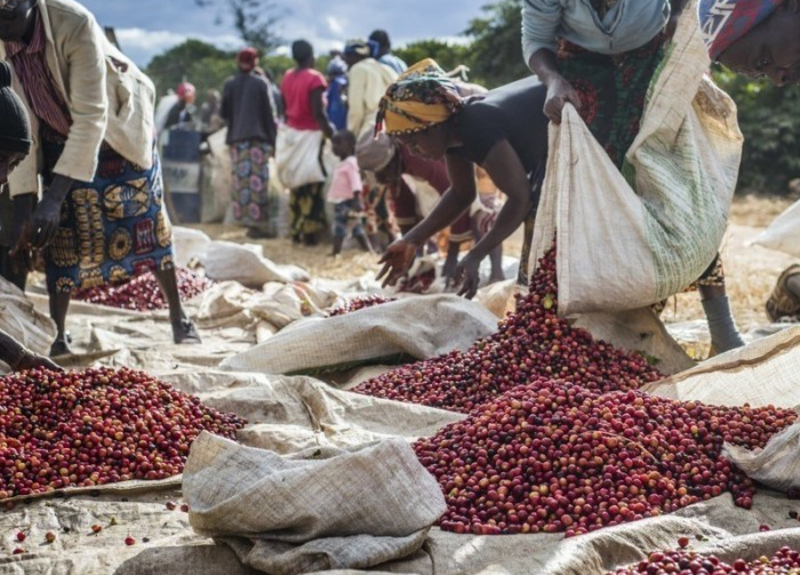
In 2008, the Red Cherry Project invested $5,000 in new natural drying racks. In 2009, a further $8,000 went toward new drying racks and shade nets. In 2010, a $9,000 generator was purchased, and in 2011, $10,000 was invested to improve some local coffee transport roads, making transport more convenient and efficient. Trabocca also provided interest-free loans for new coffee cherry depulpers and bean sorters. To make procurement easier, $14,000 was invested in 2012 to build a high-quality coffee cupping laboratory in Addis Ababa.
Trabocca supplies financial loan support, new equipment and technical knowledge of production and processing to help farmers raise their standards. In return, it promises generous purchase prices, as long as the actual quality of the output meets cupping standards in both the Addis Ababa, Ethiopia and Amsterdam, Netherlands cupping rooms. The passing score Trabocca sets is 88 points.

After processing at origin, Red Cherry Project beans are immediately packed in separate bags, using plastic inner bags (GrainPro bags) or vacuum-sealed boxes, then transported to Djibouti to await shipping. Through real-time monitoring, safe transportation and timely handling, the project pursues perfect quality at every stage. Roasters can also buy high-quality beans through the Red Cherry Project, which has helped raise Ethiopia's coffee quality and secure better selling prices. Trabocca can then return profits to farmers, continuously improving quality.
Yirgacheffe Region Characteristics
Yirgacheffe itself is a small town of about 20,000 people. The three nearby small producing areas, Wenago, Kochere and Gelena Abaya, grow coffee with flavors almost identical to Yirgacheffe, so they too are classified within the Yirgacheffe region. In both culture and geography, Yirgacheffe resembles neighboring Sidamo, yet it seems especially blessed with favorable conditions. Top-quality Yirgacheffe coffee features floral aromas, bright citrus acidity, lemon notes and a silky smooth texture.
Yirgacheffe Red Cherry Project Profile
Type: Yirgacheffe Red Cherry Project
Dry Aroma: Clean and delicate, with floral notes, vanilla, peach, honey and sugarcane
Wet Aroma: Vanilla plant, peach, nectarine, floral notes, citrus
Sip: Very clean and delicate, with a prominent floral aroma, honey, a fine and long-lasting smooth texture, vanilla, soft cherry acidity, honey, premium hazelnut and pomelo, plus a delicate sweetness and a honey-and-cherry fruit acid aftertaste that blends and persists
Brewing Yirgacheffe Red Cherry Coffee with Different Brewers
Hario V60
The V60 has three defining structural features: a 60-degree conical shape, clockwise spiral ribs, and a single drainage hole. The ribs create space between the filter paper and the dripper, and together with the single hole they help water flow through quickly.
To hand-brew Yirgacheffe Red Cherry: use 15g of coffee, a medium-fine grind (sugar-sized), a V60 dripper and 90C water. First pour 30g of water for a 30-second bloom, then pour to 105g and stop. Wait until the water level drops halfway before pouring again. Pour slowly and evenly until you reach 225g. Finally, you can swirl the dripper to increase extraction. Water-to-coffee ratio 1:15, extraction time 2:04.
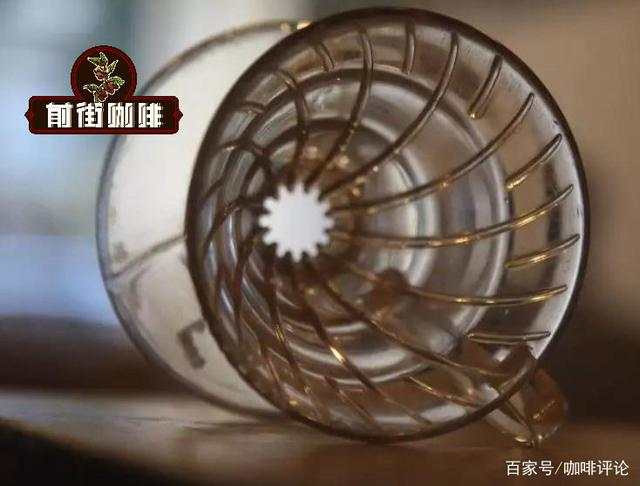
Strawberry Dripper
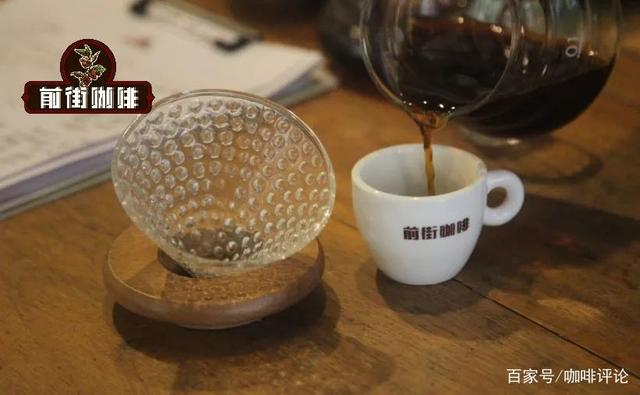
The Strawberry Dripper has many small dots on its inner surface, much like the tiny seeds on a strawberry, and its bottom hole is relatively small, slowing the flow rate and thus increasing extraction efficiency.
Because of these dots, there is ample space between the filter paper and the dripper, letting water flow through the gaps between them, which raises the flow rate and prevents over-extraction. The dots also trap fine grounds, so most of the coffee soaking at the bottom consists of relatively coarse particles, which again increases extraction efficiency while lowering the risk of over-extraction.
Origami Dripper
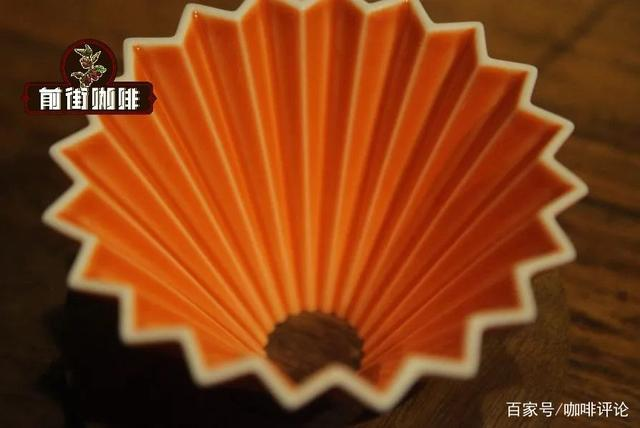
The Origami Dripper has 20 ribs, which create ample space between the dripper and the filter paper. Its bottom drainage hole is relatively large, ensuring a stable extraction speed. The dripper is made of ceramic, which offers good thermal conductivity and heat retention.
Cake Dripper
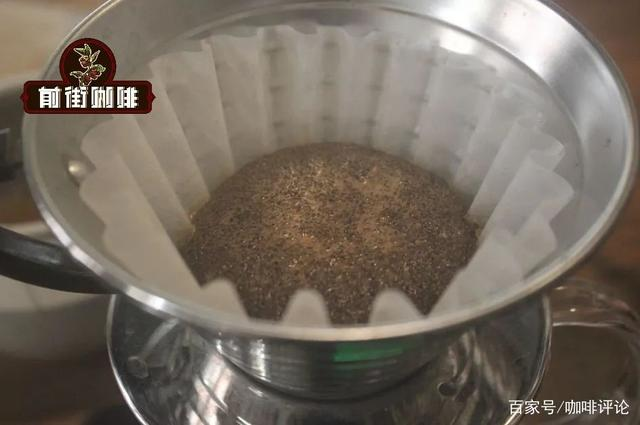
The Cake Dripper, also known as the Wave dripper, has a flat bottom. The flat-bottom design produces an even flow of water and increases extraction efficiency. Its base has only three small holes, so the flow rate is relatively slow, allowing the coffee grounds to saturate fully and yielding a more balanced cup.
Using wave filter paper that does not sit flush against the dripper also creates the maximum extraction area. On one hand, this concentrates the extraction, letting hot water drip down evenly and smoothly; on the other, it slows temperature loss.
Brewing Parameters and Technique Suggestions
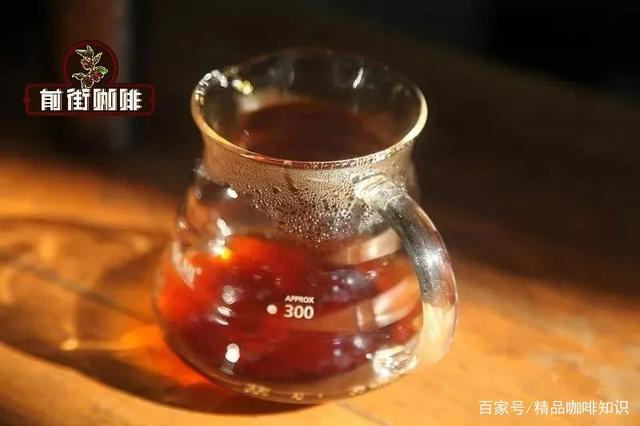
FrontStreet Coffee recommends unified brewing parameters: 90C water, a 1:15 water-to-coffee ratio, 15g of coffee grounds, and grind setting BG#6S (10g of coffee grounds sieved through a 0.85mm US #20 standard sieve yields 7-7.5g of grounds).
For technique, FrontStreet Coffee uses a segmented extraction method. The bloom water is generally twice the weight of the grounds, so use 30g of water for a 30-second bloom. After a small circular pour to 125g, split the pour. When the water level drops and is about to expose the coffee bed, continue pouring to 225g and stop. The total extraction time is 2 minutes.
Flavor Descriptions of Yirgacheffe Red Cherry Coffee with Different Brewers
Hario V60 Flavor: Light floral aroma, prominent citrus acidity on entry, honey sweetness, cocoa notes and a persistent aftertaste.
Strawberry Dripper Flavor: Light floral aroma, citrus and sweet orange acidity on entry, honey and preserved fruit sweetness as the coffee cools.
Origami Dripper Flavor: Citrus and lemon acidity on entry, sandalwood aroma and honey sweetness.
Cake Dripper Flavor: Light floral aroma, citrus and lemon acidity on entry, sugarcane sweetness, a black tea sensation and a relatively fuller body.
In short, choosing different brewers for Yirgacheffe Red Cherry will change the flavor and texture in the cup. With a little experimentation, everyone can find the brewer that best suits their own taste.
FrontStreet Coffee Recommendation
The Red Cherry Project is all about rewarding fully ripe, hand-picked fruit, and the same idea runs through FrontStreet Coffee's natural Ethiopian lots. The FrontStreet Natural Red Cherry beans are harvested only when the cherries are completely ripe and sound, then dried on raised beds for three to five weeks with frequent turning, which is exactly the care the project described above is built around. The result keeps the classic Yirgacheffe profile while adding tropical fruit from the natural process: citrus-like acidity, berry juice, honeyed sweetness and a creamy smoothness.
If you would rather taste the washed side of Yirgacheffe, the FrontStreet washed Yirgacheffe and the Gotiti Cooperative lot offer jasmine, bright citrus and lemon acidity with a clean, tea-like finish, ideal for pouring with the V60 parameters above.
Important Notice :
FrontStreet Coffee is a long-established specialty coffee roaster in Guangzhou China, selling freshly roasted beans from its own farm in Yunnan as well as dozens of carefully selected single-origin beans from around the world for both pour-over and espresso. The products deliver consistently excellent quality and great value, with shipping within 24 hours. Guangzhou's FrontStreet Coffee shop is recommended by many coffee lovers, and the beans are now available online at the Tmall 。
FrontStreet Coffee has moved to a new address:
FrontStreet Coffee Address: 315,Donghua East Road,GuangZhou
Tel:020 38364473
 Scan and follow the En Gafei WeChat official account. Please indicate that the reprint comes from "En Gafei".