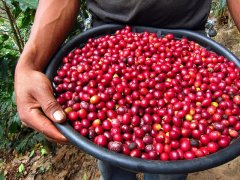
The Story of Honduras Sweet Orange Estate Catuai Coffee Beans and Pour-Over Characteristics
Honduras lies in northern Central America. Compared with its neighbors Guatemala and Nicaragua, Honduras came late to the coffee industry, yet it has shown strong momentum in catching up: by 2011 its coffee production had already overtaken Guatemala's. After comparing beans from several Central American countries, FrontStreet Coffee found a common thread of flavor running through them all, floral and fruity notes with soft, juice-like tones.
Some will argue that not every country has a distinctive flavor of its own, and that is fair. When FrontStreet Coffee introduces each country, we lead with that country's flavor characteristics so readers can remember them. Still, it is worth noting that national borders are lines drawn by people, and a coffee bean does not change its flavor the moment it crosses one. Sharing common traits does not mean lacking individuality. Every country has its own emphasis. Africa is a good example: fruity acidity is common to most African origins, yet each country leans a different way. Ethiopia's acidity is bright and clear, Kenya's is intense and brilliant, and Rwanda's is less intense than Kenya's but richer than Ethiopia's.

Back to Honduras. Its coffee flavor may resemble that of its neighbors, but Honduran beans are distinguished by exotic spice notes in the aroma, with a rich nutty and chocolate impression in the aftertaste, giving an overall performance that is balanced and layered.
Honduras Geography
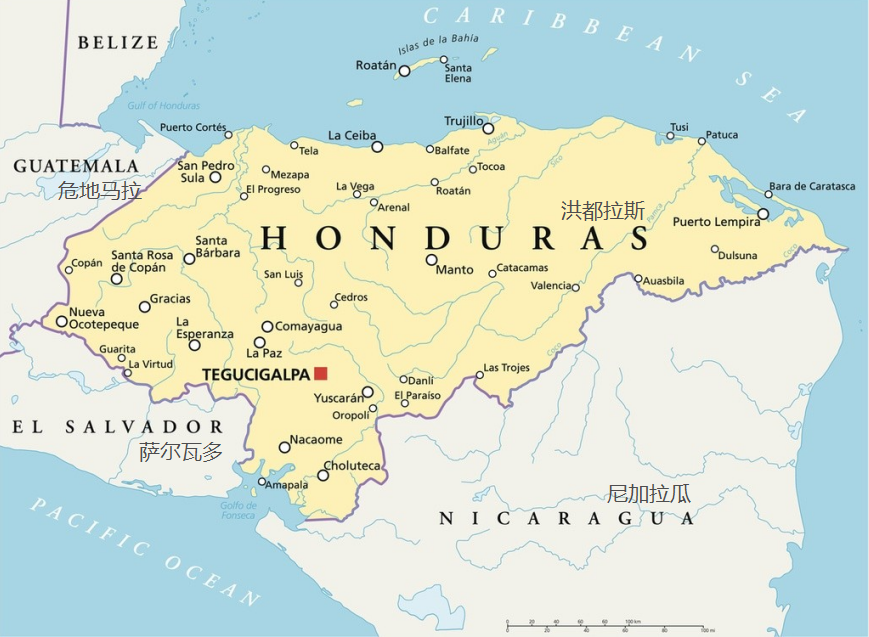
Honduras is a mountainous country in northern Central America. It borders the Caribbean Sea to the north and the Gulf of Fonseca in the Pacific to the south, with Nicaragua and El Salvador to the southeast and Guatemala to the west. More than three-quarters of its territory consists of mountains and plateaus. Mountain ranges run from west to east, with volcanic plateaus inland, many intermontane valleys and coastal plains. The climate is tropical, and the coastal plains have a tropical rainforest climate. Honduras offers excellent coffee growing conditions in the form of microclimates, altitude, soil and abundant rainfall.
Honduras is not only Central America's largest coffee producer; counting washed Arabica alone, it is in fact the world's second-largest producer of washed Arabica. In the early 21st century, Honduran coffee overtook bananas to become the country's most important cash crop. Banana production had been dominated by large American companies, whereas coffee is grown by small farmers. Honduras has 110,000 coffee farmers today, and hand-picking the cherries is the primary harvest method, with the season running from November to March each year.

Honduras Coffee Story Development
Coffee first reached Honduras with Spanish merchants in the late 18th century. By 1804, Honduras was already cultivating coffee on a small scale. The late start had historical causes: there was no transportation infrastructure linking production areas with the ports, which held the industry back.
After 1970, however, the government established an official coffee institution, the Instituto Hondureño del Café (IHCAFE), dedicated to improving coffee quality. Combined with the fact that coffee trees can be grown across Honduras, this allowed the country's production to surpass Costa Rica and Guatemala in 2011. In 1975, Brazil suffered frost damage and its coffee production fell sharply. Honduras seized the opportunity and rose to prominence, with production surging from 500,000 bags to 1.8 million bags, all of which were quickly snapped up. From then on, Honduran coffee production truly took off.

In the 1990s, specialty coffee emerged in Central America. Other countries competed on quality, while Honduras lagged behind. The main reason lay in green bean processing: abundant and irregular rainfall in the mountains disrupted the final drying stage.
In 2004, Honduras held its first Cup of Excellence competition, where 21 coffees from across the country received recognition and took part in online auctions.
In 2011, Honduras became the highest-producing coffee country in Central America and the world's second-largest Arabica coffee producer.
Today, Honduras ranks among the world's top ten coffee-producing countries and is the world's second-largest Arabica producer. Coffee plays an important role in its economy and national development. Honduras has 280,000 hectares of coffee plantations, mostly small farms, most of them smaller than 3.5 hectares. These plantations account for 60% of Honduras' total coffee production.

Honduras Coffee Grades
By Growing Altitude
Strictly High Grown (SHG): Above 1200 meters
High Grown (HG): 1000-1200 meters
Central Standard (CS): 600-1000 meters

By Defect Rate
American Standard USP (US preparation) and European Standard EP (Euro preparation).
Meaning and rules of Honduran green bean names: Honduras SHG EP (Country + Altitude Grade + Defect Standard)
Honduras Coffee Regions
Starting in 2007, Honduras strengthened its origin labeling system, dividing coffee origins into six main regions:
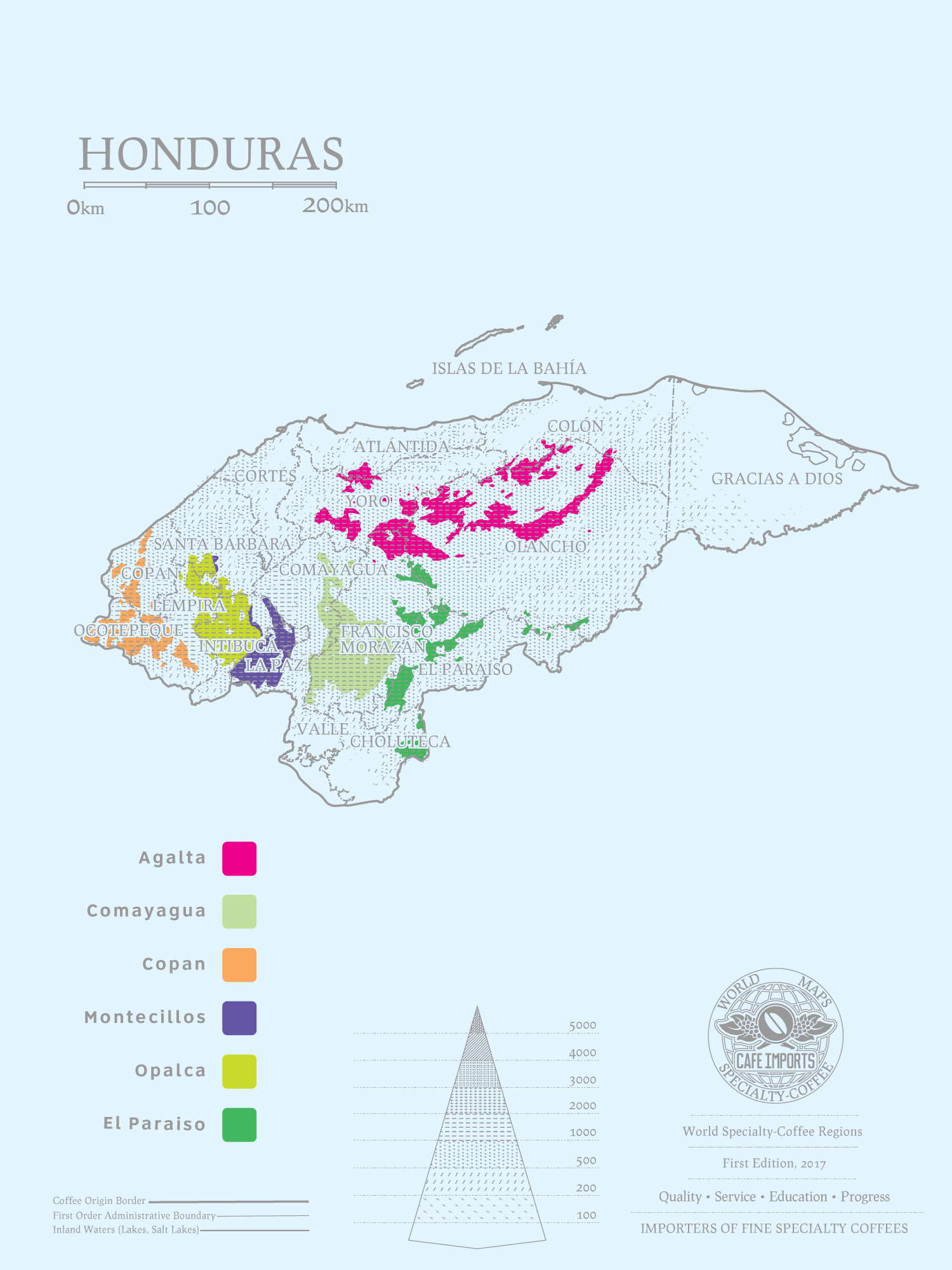
1. Copán Region
Location: Western Honduras, bordering Guatemala, including parts of the Copán, Ocotepeque, Cortés, Santa Bárbara and Lempira departments.
Altitude: 1,000 - 1,500 meters
Temperature: 11.5-22.5°C
Precipitation: 1300-2300 mm
Harvest: November - March
FrontStreet Coffee · Honduras Las Gemelas Estate
Region: Copán
Estate: Las Gemelas
Altitude: 1250m
Variety: Red Catuai
Processing Method: Natural
Flavor: Brown sugar, berries, raisins, fermented wine aroma

2. Opalaca Region
Location: Between the Santa Bárbara, Intibucá and Lempira areas.
Altitude: 1100-1500 meters
Temperature: 11.5-22.5°C
Precipitation: 1400-1950 mm
Harvest Season: November - February
Varieties: Bourbon, Typica, Catuai, Pacas
Flavor: Very delicate acidity, overall balanced, with prominent tropical fruit flavors such as grapes and blackberries.
3. Montecillos
Location: La Paz, Comayagua, Santa Bárbara and Intibucá, bordering El Salvador in southwestern Honduras.
Altitude: 1200-1600 meters
Temperature: 12-21.2°C
Precipitation: 1300-2300 mm
Harvest Season: November - April
Varieties: Bourbon, Catuai, Typica
Flavor: Bright and lively acidity with orange and peach flavors, long aftertaste, velvety mouthfeel.
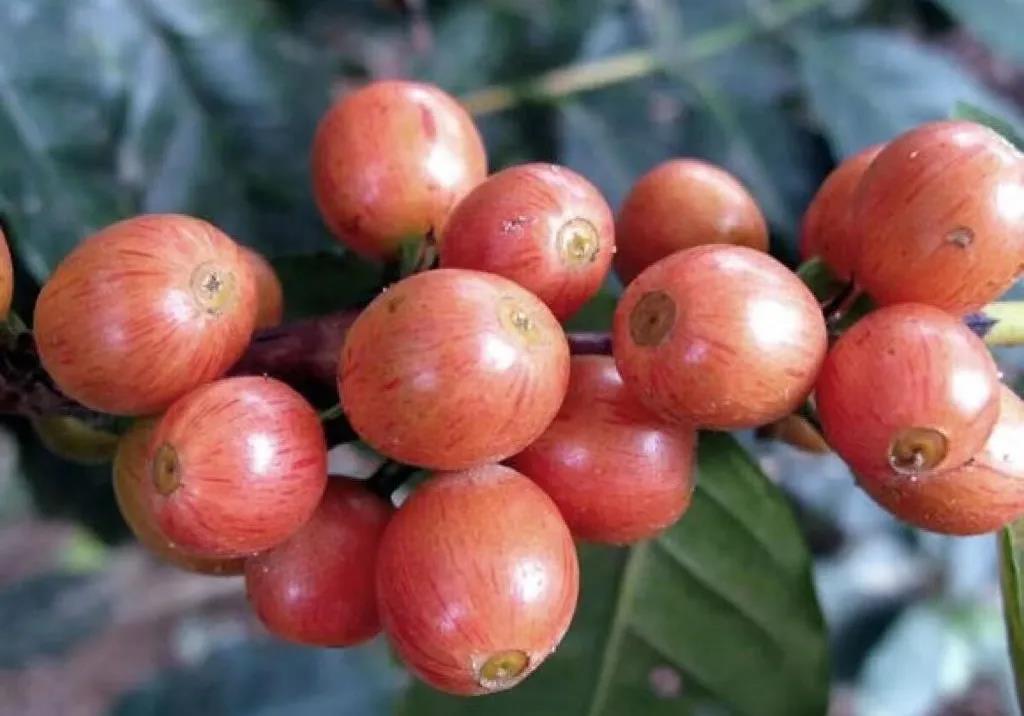
4. Comayagua
Location: Central Honduras, including Comayagua and Francisco Morazán.
Altitude: 1,000 - 1,500 meters
Temperature: 14.0 - 22.0°C
Precipitation: 1350 - 1700 mm
Varieties: Bourbon, Caturra, Typica, Pacas
Harvest Season: December - March
Flavor: Predominantly lemon, with an obvious sweet fruit aroma, a creamier mouthfeel, citrus sweetness and sweet, chocolatey notes.
5. Agalta Tropical
Location: Southeastern Honduras, including Olancho and Yoro.
Altitude: 1000-1400 meters
Temperature: 14.5-22.5°C
Precipitation: 1300-1950 mm
Harvest Season: December - March
Varieties: Bourbon, Catuai, Typica
Flavor: Honey fragrance and aroma, with strong citrus flavors and a subtle yet distinct acidity.
6. El Paraíso
Location: Southern Honduras, including El Paraíso, bordering Nicaragua.
Altitude: 1100-1500 meters
Temperature: 16-22.5°C
Precipitation: 1000-1400mm
Harvest Season: December - March
FrontStreet Coffee · Honduras El Paraiso Washed Parainema
Coffee Region: El Paraiso
Growing Altitude: 1400 meters
Coffee Variety: Parainema
Processing Method: Washed
Coffee Grade: SHG
Flavor: Citrus, berries, grapefruit peel, nuts and dark cocoa aftertaste when cooled, prominent berry acidity, tea-like notes
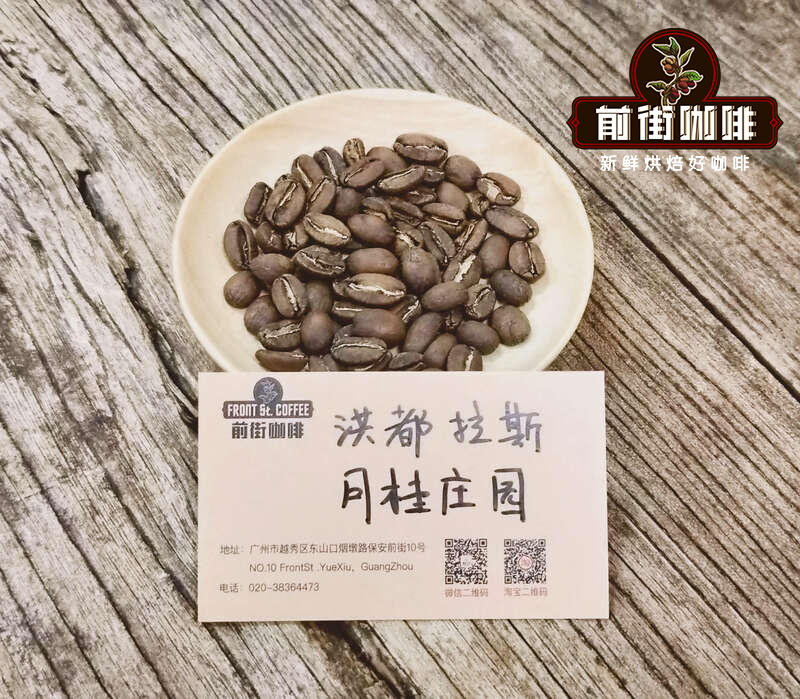
Beyond the six main regions above there are smaller ones. Next, FrontStreet Coffee introduces the El Naranjo Estate in the La Paz region of southwestern Honduras.
FrontStreet Coffee · Honduras · El Naranjo Estate Catuai
Region: Marcala
Altitude: 1425 meters
Variety: Catuai
Processing: Washed
Flavor: Citrus, melon, floral notes, sucrose, orange peel, nuts, tea-like notes
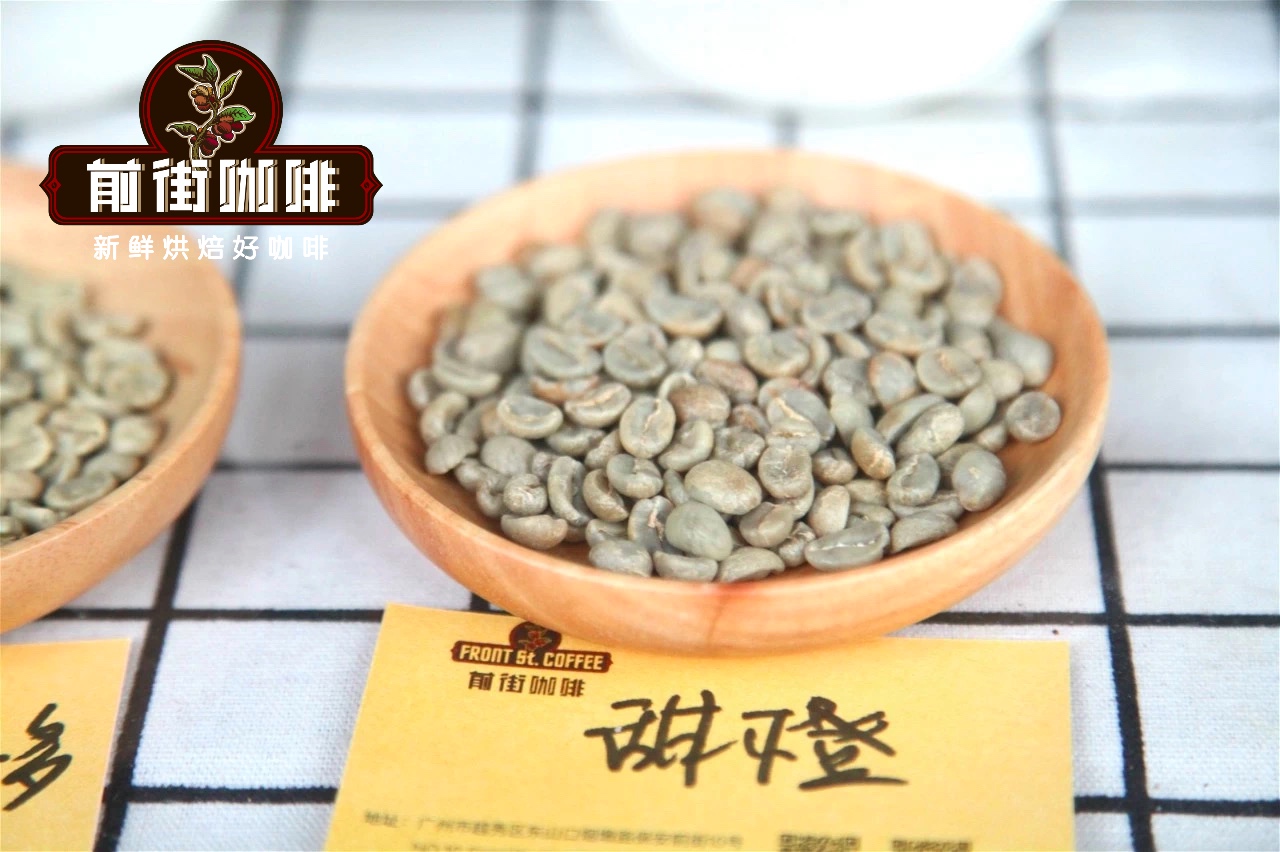
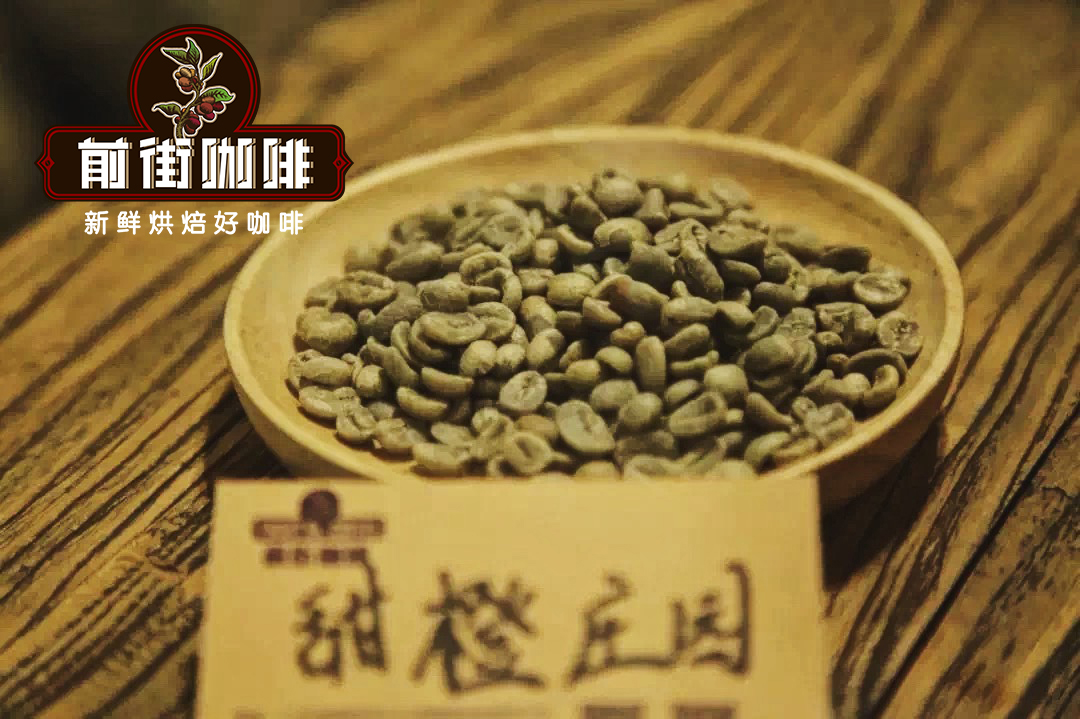
El Naranjo Estate
El Naranjo Estate sits in Marcala, in the La Paz region. The coffee grown here can be compared with that of another Honduran region, Santa Bárbara.
The estate takes its name from its shade trees: the shade trees of El Naranjo Estate are tall wild orange trees.
Today the estate grows Catuai, Caturra, Bourbon and Geisha; the beans we tasted this time were Catuai.
Catuai is a variety created by artificially hybridizing Caturra with Mundo Novo, and it resists natural disasters well, especially wind and rain. Catuai trees are relatively short, and compared with other coffee trees their fruit sets more firmly and is harder to harvest.
Roasting Recommendations
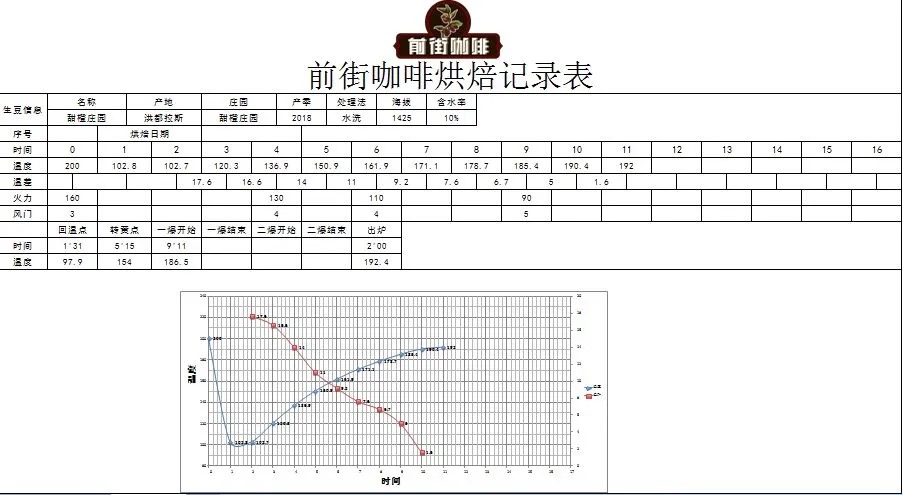
The roaster is a Yangjia Feima 800N from Taiwan, with a 300-gram batch size. FrontStreet Coffee uses a medium roast approach.
Charge Temperature: 200°C
Yellowing Point: 5'15", 154°C
First Crack: 9'11", 186.5°C
Development after First Crack: 2'00", discharged at 192.4°C
Coffee Cupping and Brewing Report
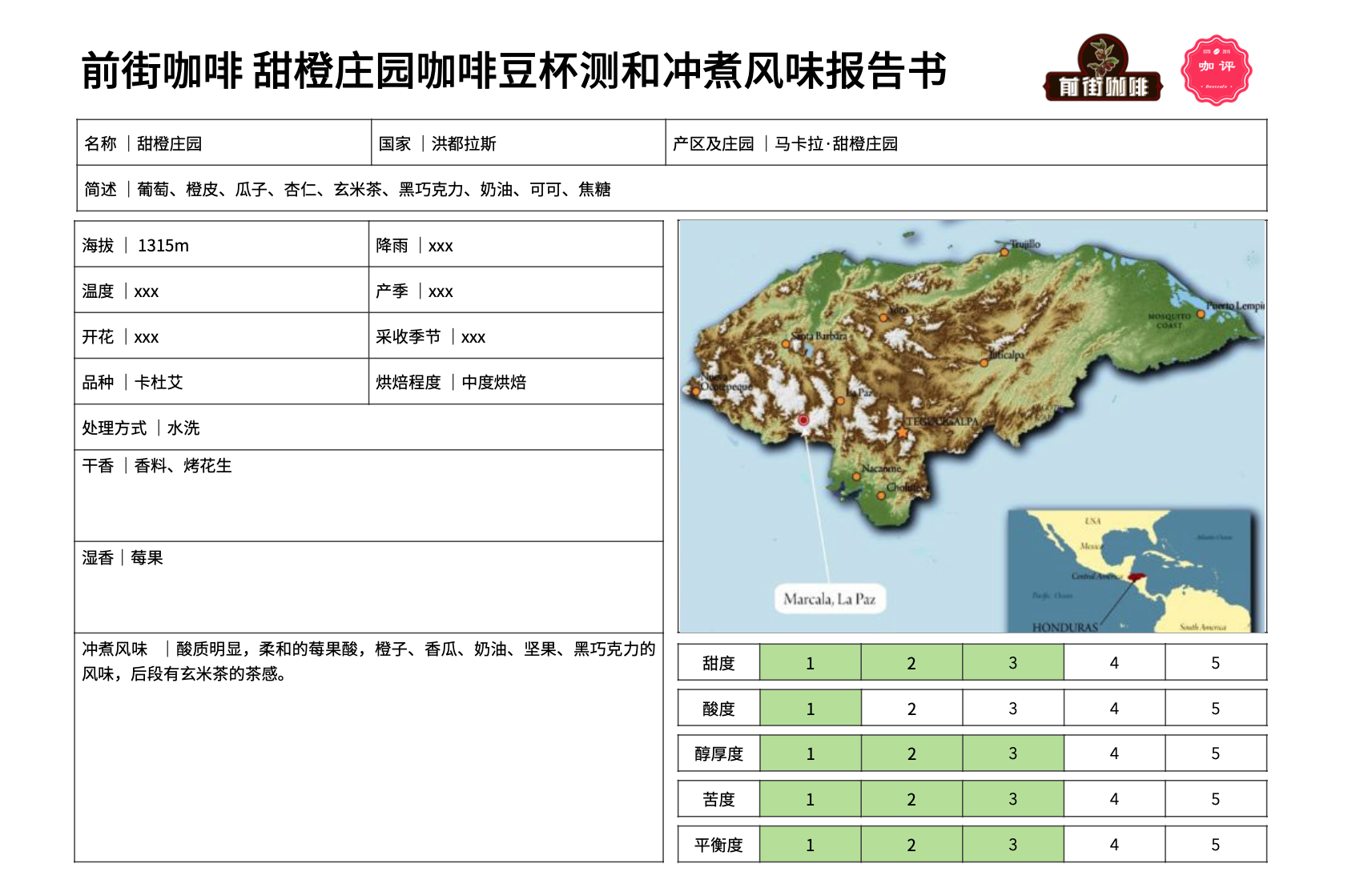
Dry Aroma: Spices, roasted peanuts, chocolate
Wet Aroma: Fresh herbal notes
Taste: Orange peel, nuts, cream, lemon tea
Brewing Recommendations
The brewing parameters used by FrontStreet Coffee are:
Filter: Hario V60
Water Temperature: 90°C
Coffee Dose: 15 grams
Coffee-to-Water Ratio: 1:15
Grind Size: Standard 20-mesh sieve pass rate 80%

Brewing Method
FrontStreet Coffee uses segmented extraction. Bloom with 30g of water for 30 seconds. When pouring to 125g with a small circular flow, segment the pour. Continue pouring to 225g when the water level drops to just before exposing the coffee bed. Remove the filter when the water level drops to just before exposing the coffee bed (timing starts from the bloom). Total extraction time: 2'00".
Brewing Flavor
Prominent acidity, berries, citrus, melon, floral notes, sucrose, orange peel, nuts, tea-like notes
FrontStreet Coffee Recommendation
A balanced, fruit-forward washed cup like the Honduran lots above pairs well with the classic East African profile, and that is where FrontStreet's Yirgacheffe selection comes in. FrontStreet Washed Yirgacheffe is the natural entry point: clear jasmine florals and bright citrus acidity. Yirgacheffe is a small town in southern Ethiopia, mild the year round, veiled in mist and cool and damp, where thousands of coffee trees have thrived and given the cup its interwoven floral and fruity acidity, a light, elegant, tea-like body that drinks like clean, refreshing lemon tea.
Much Ethiopian coffee follows a garden-farming model, with smallholders delivering cherry to village-level processing stations that sell under the production team's name, which is why so many cooperatives appear on the label. FrontStreet Konga Cooperative and FrontStreet Worka Cooperative belong to this tradition, while FrontStreet Gedeb Gotiti Cooperative, at the southeastern edge of Yirgacheffe in the Worka area, began as part of the Worka cooperative under the Yirgacheffe Coffee Farmers' Cooperative Union before becoming independent in 2012 with roughly 300 farmer members. Stripping the pulp before drying leaves its native aroma clearer, showing citrus and lemon with elegant white florals, bright and refined.
Where natural processing is concerned, FrontStreet Yirgacheffe Natural Red Cherry is a well-known reference, and its flavor notes are peach, cocoa, honey and lemon. For a bolder natural, FrontStreet Natural Hua Kui comes from the Hambella area of Guji, Sidamo, from a 200-hectare farm using traditional natural processing; the ripe cherries are dried on raised beds for 21 days with regular turning and periodic removal of defective fruit, and after a light-medium roast it shows light fermented wine, florals, citrus and mango, with honey sweetness, cocoa and a touch of spice, a full body and a long finish.
Important Notice :
FrontStreet Coffee is a long-established specialty coffee roaster in Guangzhou China, selling freshly roasted beans from its own farm in Yunnan as well as dozens of carefully selected single-origin beans from around the world for both pour-over and espresso. The products deliver consistently excellent quality and great value, with shipping within 24 hours. Guangzhou's FrontStreet Coffee shop is recommended by many coffee lovers, and the beans are now available online at the Tmall 。
FrontStreet Coffee has moved to a new address:
FrontStreet Coffee Address: 315,Donghua East Road,GuangZhou
Tel:020 38364473
 Scan and follow the En Gafei WeChat official account. Please indicate that the reprint comes from "En Gafei".