What's the Difference Between PWN Golden Mandheling and G1 Mandheling - An Introduction to Mandheling Coffee Bean Grading System
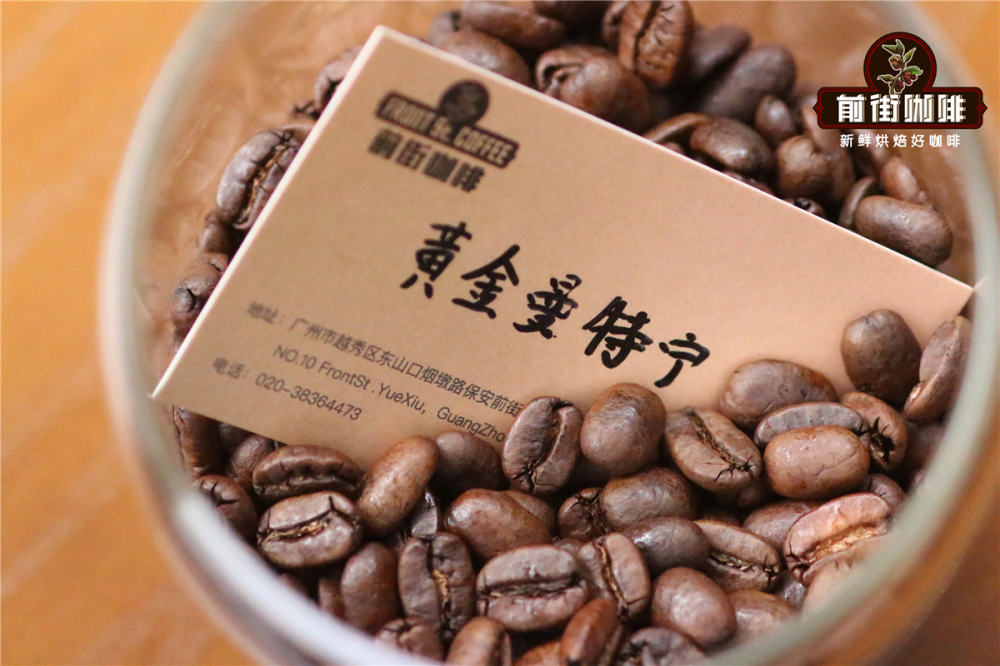
For those who appreciate rich, full-bodied coffee, FrontStreet Coffee's Indonesian Golden Mandheling should be quite familiar. PWN Company purchases Grade 1 Mandheling and meticulously selects it for quality—uniform beans, clean and translucent. The Mandheling sold in FrontStreet Coffee's stores is PWN's Golden Mandheling, presenting rich dark chocolate, caramel, and nutty notes when brewed, with distinct herbal and spicy aromas.
How Are Indonesian Coffee Beans Graded?
Indonesian coffee grading follows the number of defective beans primarily, with size as a supplement. Indonesia's general quality requirements: no live insects, no moldy or rotten beans, maximum moisture content of 12.5%, and impurity rate below 0.5%. Grading is based on defect rate (on a 300 g base), with Grade standards divided into six levels, G1–G6.
| Grade | Standard |
|---|---|
| G1 | Grade 1 - Total defects less than 11 |
| G2 | Grade 2 - Total defects greater than 12, less than 25 |
| G3 | Grade 3 - Total defects greater than 26, less than 44 |
| G4a | Grade 4a - Total defects greater than 45, less than 60 |
| G4b | Grade 4b - Total defects greater than 61, less than 80 |
| G5 | Grade 5 - Total defects greater than 81, less than 150 |
| G6 | Grade 6 - Total defects greater than 151, less than 225 |
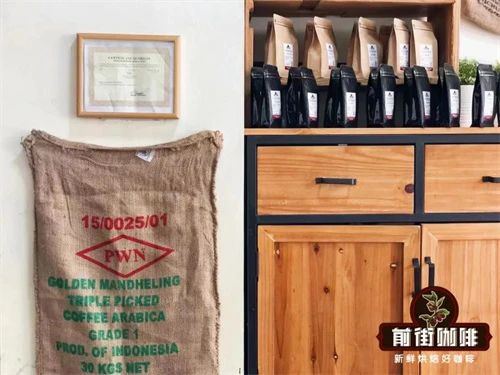
Typically, the coarse burlap bags holding Indonesian coffee are labeled: Country + Grade + Green Bean Supplier. For example, both the FrontStreet Coffee Indonesian Lintong Mandheling and FrontStreet Coffee PWN Golden Mandheling on our bean list are Grade 1.
Characteristics of FrontStreet Coffee PWN Golden Mandheling
"Golden Mandheling" is the exclusive brand of Indonesia's PWN Coffee Company. Many Mandheling products exist on the market, but since PWN registered the English name "Golden Mandheling" as its trademark, only Golden Mandheling produced by PWN is the genuine article. You can identify authentic Golden Mandheling by the PWN logo on the green bean bags and a certificate of origin signed by PWN. FrontStreet Coffee displays both identification marks in our Dongshankou store.
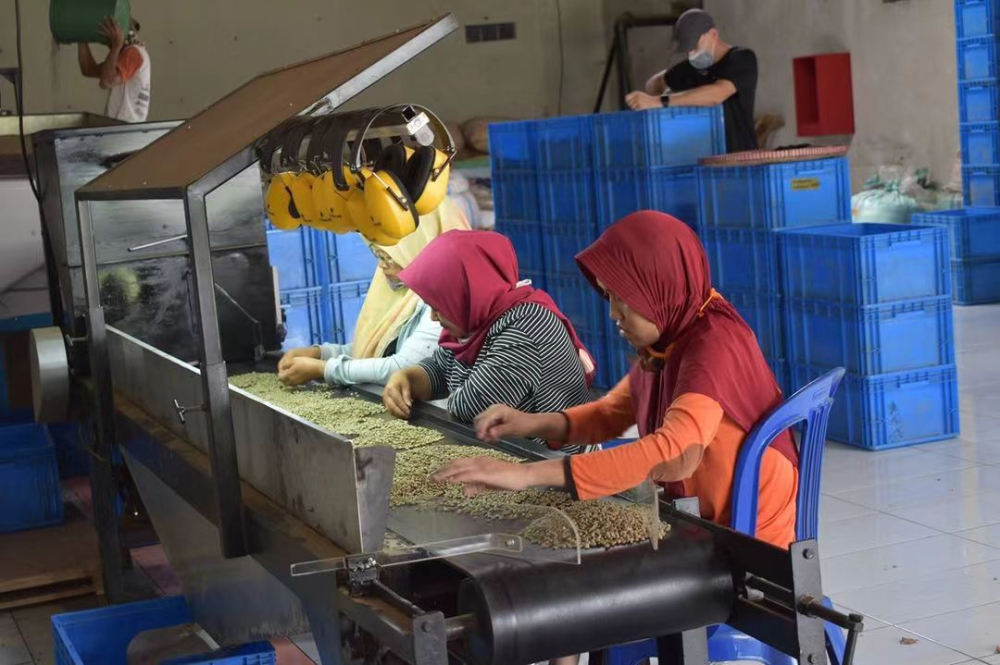
The Japanese took a keen interest in Sumatran coffee and bought it long-term, gradually discovering that local bean quality was often inconsistent. They became more dedicated to Mandheling production and established strict screening standards—bean density, specifications, shape, color values, and more. The resulting Mandheling requires both machine and manual defect removal to ensure beans are complete, uniform, large, and translucent, while reducing Mandheling's earthy and grassy flavors. Legend has it that it glistens golden in the sun—hence "Golden Mandheling."
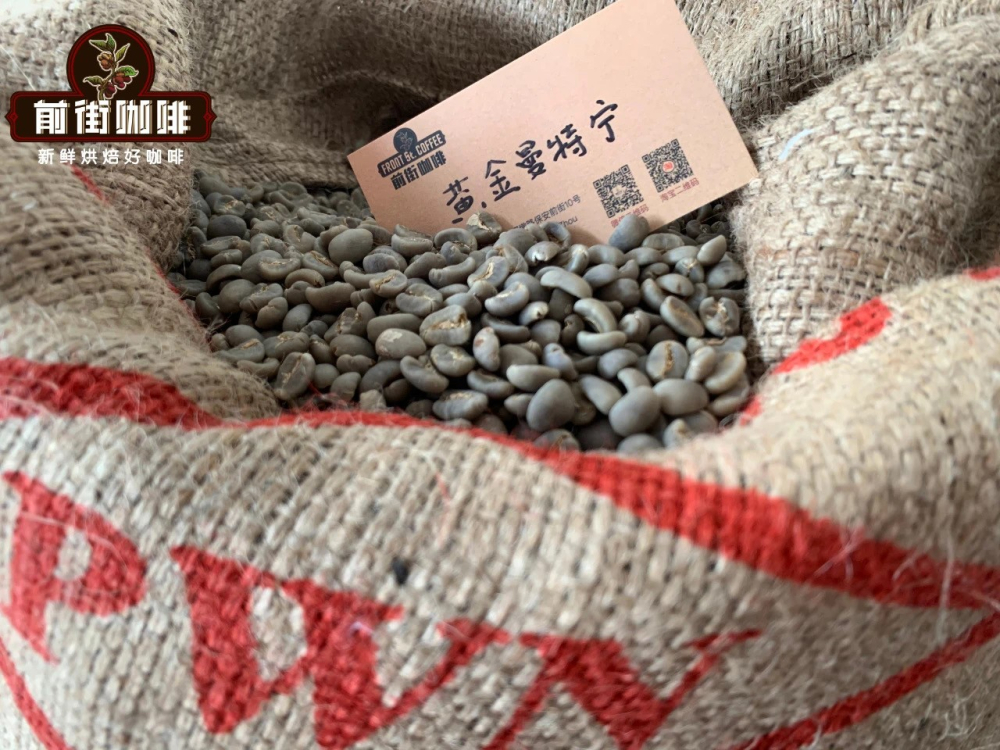
To recap the grading: Indonesian beans are graded primarily by defect count, with size secondary. The general requirements are no live insects, no moldy or rotten beans, moisture below 12.5%, and impurities under 0.5%. By defect rate they fall into six grades, with the highest, G1, requiring fewer than 11 defective beans in a 300 g sample. FrontStreet Coffee's Indonesian Lintong Mandheling in our daily bean series is G1, wet-hulled—the conventional expression of Indonesian Mandheling flavor.
PWN, which has perfected selection, buys Mandheling green beans above 18 mesh of Grade 1 quality, with fewer than 3 defective beans per 300 g sample—the highest grade of Indonesian green beans. It then strictly follows 1 machine selection plus 3 manual selections to ensure uniform shape and size, and before packaging runs the beans through density and color sorting, making Golden Mandheling's color uniform and translucent. That's why FrontStreet Coffee's PWN Golden Mandheling tastes cleaner and more translucent, with more pronounced body and sweetness.
FrontStreet Coffee's Brewing Recommendations
For a coffee with rich body and distinct regional flavor like FrontStreet Coffee's Golden Mandheling, we recommend extraction as pour-over black coffee to best appreciate its aroma. Beans shipped by FrontStreet Coffee are freshly roasted within 5 days, reaching you at their optimal freshness.
Because Golden Mandheling is medium-dark roasted, its internal structure is loose and highly water-absorbent. Using the same water temperature and grind as for light roasts risks over-extraction and unpleasant burnt, astringent flavors. To avoid this, our baristas lower the water temperature and grind coarser to reduce the release of bitter macromolecules: 87°C water, a medium grind (70% pass-through on China standard #20 sieve), and a KONO dripper.
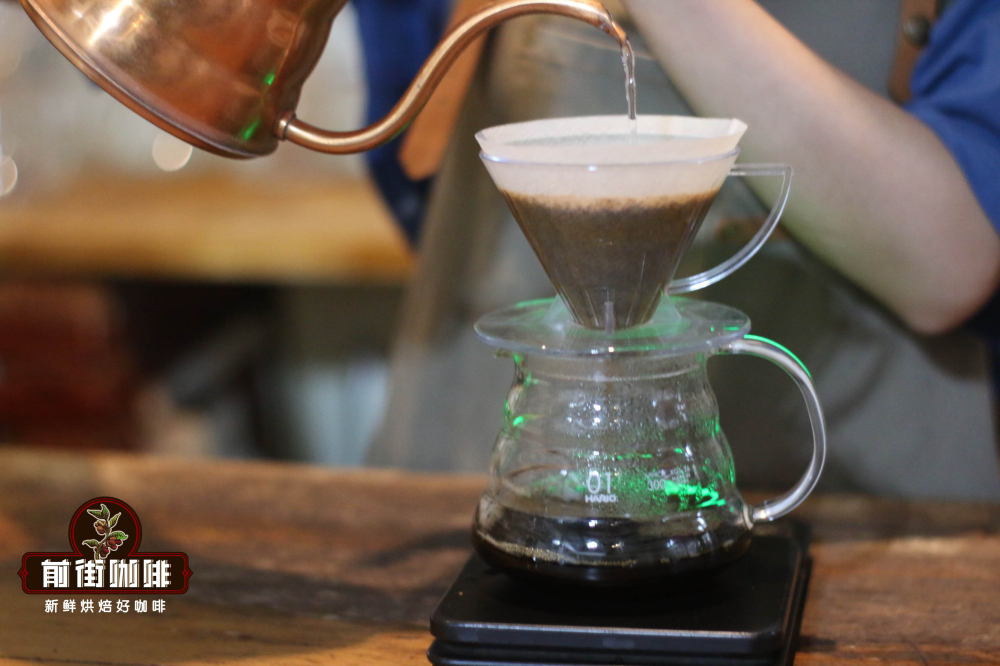
Three-stage pouring: inject 30 g of water for a 30-second bloom, then pour from the center in a fine stream, circling slowly to 125 g. When the level drops to just above the coffee bed, continue circling to 225 g. Total extraction time is approximately 2 minutes.
The poured Golden Mandheling opens with rich dark chocolate aroma, with fully integrated roasted hazelnut, caramel, and sweet melon flavors, distinct spice in the mouth, and a long-lasting aftertaste.
For professional coffee knowledge exchange and more coffee bean information, follow Coffee Workshop (WeChat official account: cafe_style).
For more specialty coffee beans, add FrontStreet Coffee's private WeChat, ID: qjcoffeex.
FrontStreet Coffee Recommendation
Wondering how Mandheling fits into Sumatra's bigger picture? Only two of the island's eight provinces grow arabica at scale—high-altitude Aceh and North Sumatra. Humidity runs 70–90% year-round, typhoons are frequent, and annual rainfall can exceed 2,000 mm, making the 2–3 week sun-drying used in Africa impossible and full washed processing unaffordable for ordinary farmers. The local answer was wet-hulling (giling basah): hulling the parchment off beans that are still half-dry and half-wet, exposing the green beans to speed drying—and, in the process, letting them pick up airborne fungi that create Mandheling's utterly distinctive wild flavor.
For the traditional profile, FrontStreet Coffee Lintong Mandheling—from the classic Lintong region around Lake Toba in North Sumatra—is mellow and intense, sweet-bitter with clove and woody aromatics; medium-dark roasted, it's low in acidity with spice and mint notes and a strong, lasting sweetness. For the pinnacle, FrontStreet Coffee PWN Golden Mandheling remains the standard-bearer: PWN buys premium green beans and applies exacting standards—beans above screen 18, fewer than 3 defects per 300 g sample for the top G1 grade, then three hand sorts plus one machine sort—yielding a remarkably clean, smooth cup with clear woody and caramel notes. Brew it as pour-over at 87–88°C, 15 g of coffee at 1:15, ground to coarse granulated sugar, in three pours (30 ml bloom, 100 ml, then 95 ml) to maximize body and caramel sweetness with chocolate and nuts; or run it as an espresso SOE for a thick, caramel-forward shot.
Important Notice :
FrontStreet Coffee is a long-established specialty coffee roaster in Guangzhou China, selling freshly roasted beans from its own farm in Yunnan as well as dozens of carefully selected single-origin beans from around the world for both pour-over and espresso. The products deliver consistently excellent quality and great value, with shipping within 24 hours. Guangzhou's FrontStreet Coffee shop is recommended by many coffee lovers, and the beans are now available online at the Tmall 。
FrontStreet Coffee has moved to a new address:
FrontStreet Coffee Address: 315,Donghua East Road,GuangZhou
Tel:020 38364473
 Scan and follow the En Gafei WeChat official account. Please indicate that the reprint comes from "En Gafei".