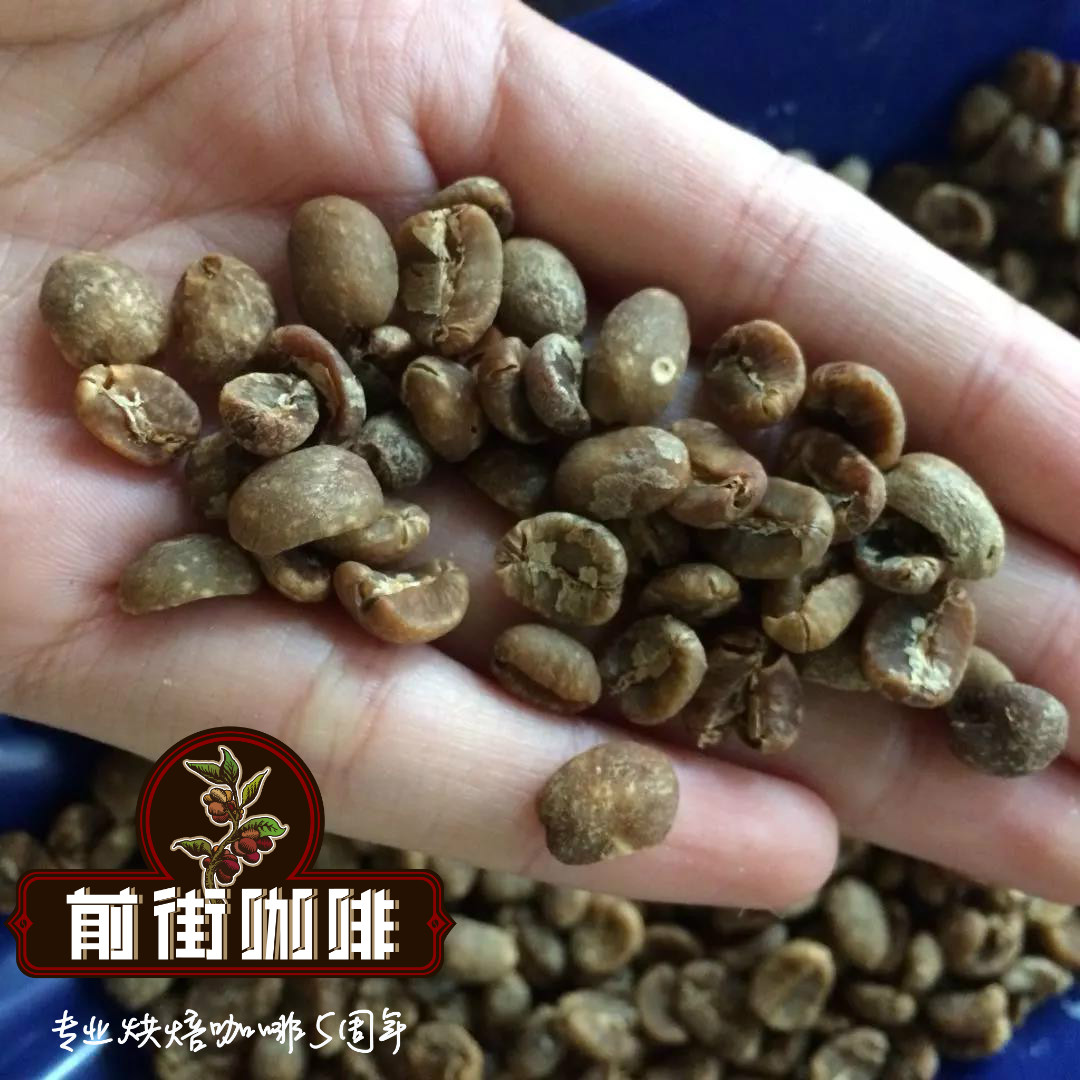
Indonesia Mandheling Arabica "Coba da Flores" Island of Flowers 18 Mesh Mandheling
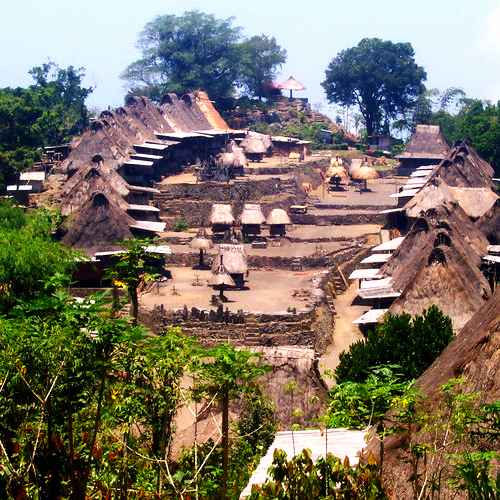
FrontStreet Coffee - Introduction to Indonesian Arabica Mandheling Coffee Beans
Indonesian coffee quality varies widely, and most coffees from the archipelago are marketed by their island of origin — Sumatra, Sulawesi, Java, or Flores.
The strength of Indonesian coffee lies in its rich, restrained flavors and gentle, lively acidity.
Indonesian Mandheling enjoys enormous popularity and stands among the most widely accepted single-origin coffees in the world.
Mandheling has been hailed as the world's finest wet-hulled coffee. The name is actually a trademark: today, any coffee cherries harvested in Indonesia and processed by this distinctive wet-hulled method are sold as Mandheling.
The name traces back to the Tapanuli region of northwestern Sumatra, where the Mandailing people grew coffee. After World War II, a Japanese soldier introduced the coffee to Japan, and a mispronunciation turned "Mandailing" into "Mandheling."
Sumatra Island
Sumatran coffee is exceptionally complex and elusive. Although Sumatra is a large island, coffee does not grow everywhere: it is cultivated extensively only in the two northernmost of the island's eight provinces, Aceh and North Sumatra.
Aceh's coffee comes mainly from the Gayo Mountains around Lake Tawar, where most farmers are indigenous Gayo people. In North Sumatra, production centers on Lake Toba — the world's largest volcanic crater lake — and the Lintong region to its south, farmed predominantly by the indigenous Batak people.
Thanks to the many smallholder producers, the region's unique semi-washed processing, and the mineral-poor soil, fresh green beans from Sumatra show a distinctive bluish tint.
Flores Island
On first hearing about this coffee, our immediate question was: where exactly is Flores Island? A quick search showed that Flores is one of the larger islands in Indonesia's Lesser Sunda archipelago. The Portuguese arrived in the 16th century and named it "Coba da Flores" (Island of Flowers) for its lush ecosystem and profusion of blooms.
The local climate is humid. After initial washing and fermentation, the parchment coffee is sun-dried for one to two days. While the green beans still hold 30-50% moisture, the parchment is stripped off so the beans can keep drying — deliberately shortening the overall drying process. After roughly two more days of drying, moisture falls to 12-13%. This uniquely Indonesian semi-washed method is known locally as Giling Basah, or wet-hulling.
Special Characteristics
The aroma is what sets this coffee apart! The moment you open the grinder, an astonishingly intense fragrance floods the whole room — the kind of moment you want to share. Overall this is a full-bodied, rich coffee with a dry finish.
Its thick, heavy mouthfeel paired with low-acidity sweetness makes it a perfect pick for anyone who avoids acidic coffee. Let it amaze your taste buds!
Product Information
Product: FrontStreet Coffee - Indonesia Flores Washed Mandheling 18 Screen
Region: Flores, Lesser Sunda Islands
Varieties: Catimor, Caturra, Typica, Sidikalong
Producer: Bajawa Farmers' Cooperative
Altitude: 1200-1600 meters
Grade: 18 Screen+
Soil: Highly fertile black volcanic soil
Processing: Semi-washed (traditional wet-hulling, Giling Basah)
Flavor Profile: Rich aromas of dark chocolate, caramel, licorice, nuts, aromatic wood, and tobacco, with a sweet, smooth mouthfeel that flows seamlessly.
FrontStreet Coffee Recommendation
If this Flores lot whets your appetite for Indonesian coffee, FrontStreet Coffee carries the classic Mandheling lineup as well. The daily-cupper FrontStreet Lintong Mandheling comes from the traditional Lintong zone around Lake Toba: medium-dark roasted for black chocolate and caramel notes while keeping Mandheling's wild herbal character, with clove and wood aromatics, low acidity, a minty spice note, and a strong, lingering sweetness. Sumatra supplies over 60% of Indonesia's coffee, and its rainy seasons overlap with cherry harvest — which is exactly why the wet-hulled method was invented: growers strip the skin and pulp first, then hull the parchment while the beans are still half-dry, exposing the green beans to the humid air to speed up drying and absorbing the wild, earthy, herbal flavors the island is famous for.
For the top of the line, choose the FrontStreet PWN Golden Mandheling. PWN works to exacting standards: only beans above 18 mesh qualify, defects must stay under 3 per 300g sample to meet the strictest G1 grade, and three rounds of hand sorting remove every flawed bean — the result is exceptional cleanliness, deep sweetness, roasted aroma, and a full, smooth, acid-free cup. To brew it as pour-over, FrontStreet suggests 15g of coffee at a coarse-sugar grind, a 1:15 ratio, water at 87-88°C, and three pours — a 30ml bloom, 100ml to lift the bed and draw out the golden foam, then a gentle 95ml center pour for caramel sweetness and chocolate-nut depth. For espresso drinks, the FrontStreet Classic Espresso Blend pairs Brazilian cream-and-nut flavors with medium-dark Mandheling (butter, roasted chestnut, caramel, sandalwood and spice, plus a touch of Robusta for crema) — equally at home in lattes or a layered Dirty.
Important Notice :
FrontStreet Coffee is a long-established specialty coffee roaster in Guangzhou China, selling freshly roasted beans from its own farm in Yunnan as well as dozens of carefully selected single-origin beans from around the world for both pour-over and espresso. The products deliver consistently excellent quality and great value, with shipping within 24 hours. Guangzhou's FrontStreet Coffee shop is recommended by many coffee lovers, and the beans are now available online at the Tmall 。
FrontStreet Coffee has moved to a new address:
FrontStreet Coffee Address: 315,Donghua East Road,GuangZhou
Tel:020 38364473
 Scan and follow the En Gafei WeChat official account. Please indicate that the reprint comes from "En Gafei".