Is Mandheling Coffee Black Coffee? Indonesian Mandheling Coffee Origin Story and Characteristics
Sumatra — Green Treasure Mandheling (also known as Gayo Mandheling)
The coffee sold around Sumatra's Lake Tawar goes by several international names — Gayo Mandheling, Gayo Arabica, Lake Tawar, or Takengon Mandheling — but they all refer to the same beans from the same region, also known as Green Treasure Mandheling.
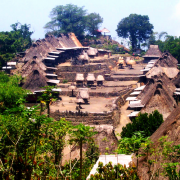
The region sits in the Gayo Mountain area of Aceh Province, at the northwestern tip of Sumatra, with production concentrated around the city of Takengon, west of Lake Tawar in Central Aceh Regency. Farming here is mostly done by smallholders practicing traditional shade-grown, pesticide-free organic cultivation, and the mountain terrain means ripe red cherries must be picked by hand, one by one.
Indonesia is the world's largest archipelagic nation. Its coffee history began when Arabica was introduced during the Dutch colonial era in the 18th century, and it has since grown into one of the world's top five coffee producers. The main producing regions lie on three islands: Sumatra, Java, and Sulawesi. Northern Sumatra's higher terrain and elevation make it the heartland of Arabica production, anchored by Aceh Province and North Sumatra Province — home to Lake Toba and the famous Lintong region.
Lake Tawar itself lies in the Gayo Mountains north of Aceh. Straddling the equator, Indonesia has a humid tropical rainforest climate, abundant rainfall, and fertile volcanic soil that feeds coffee generously. Yet because the area is remote and transport was difficult, coffee cultivation here only began in 1924 — and remains largely traditional, shade-grown, and organic.
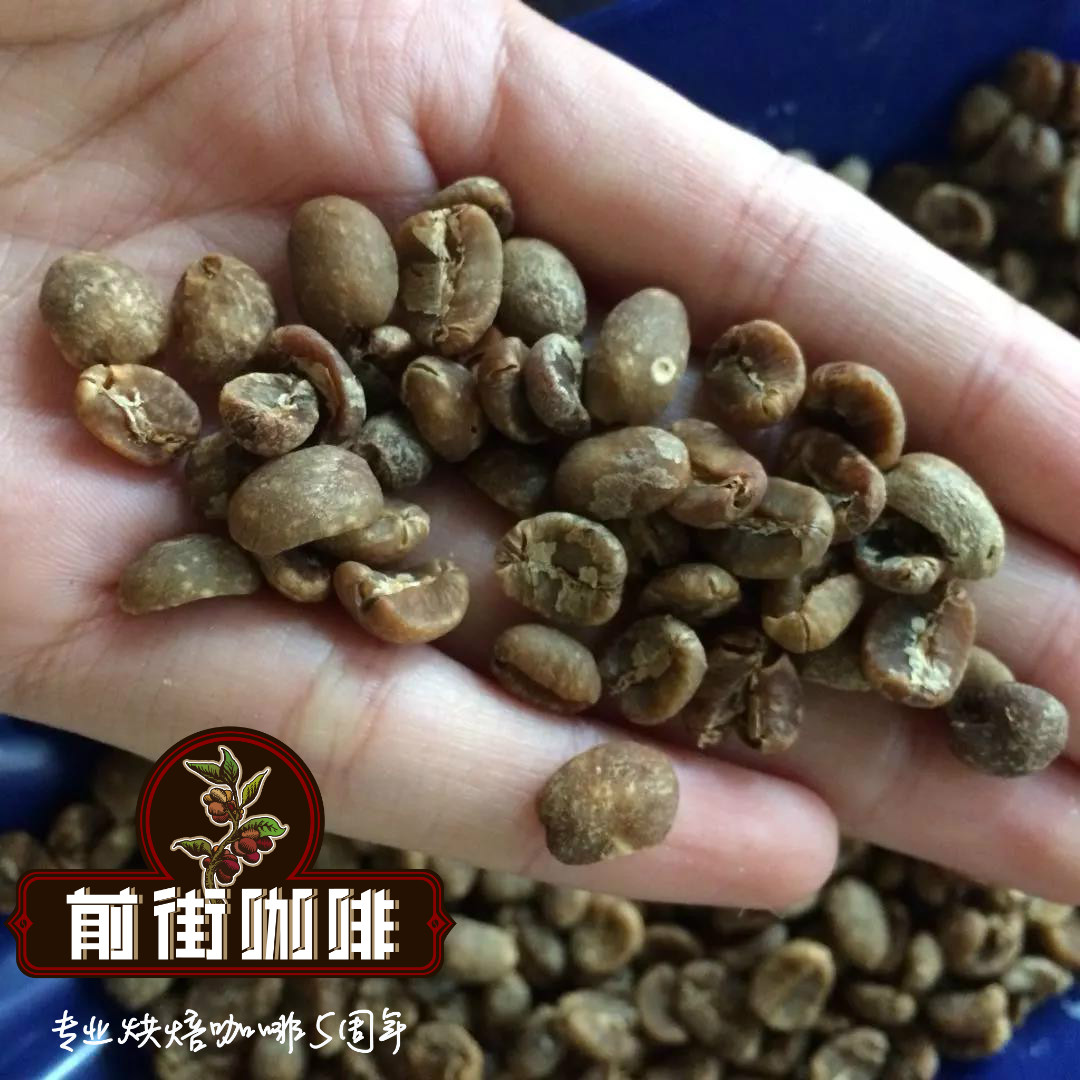
The climate is humid, so after initial washing and fermentation, the parchment coffee gets only one to two days of sun. Even though the beans inside are still at 30%-50% moisture, the parchment is mechanically stripped off first and drying continues — shortening the whole process. About two more days brings the green beans down to 12%-13% moisture.
This distinctive Indonesian semi-washed method is called Giling Basah locally — better known in the industry as the wet-hulled process.
The Origin of the Name "Mandheling"
Mandheling coffee from Sumatra is beloved worldwide, and its name has an amusing origin story. "Mandheling" is actually the name of an ethnic group on Sumatra. The island began growing coffee in the 18th century, but it wasn't until the 1950s that it drew real attention abroad. Japanese soldiers stationed there tasted the local Sumatra coffee and asked a coffee vendor for its name — the vendor misheard, thought he was being asked "what ethnic group are you?", and answered "Mandheling."
Some describe Mandheling as heavy and commanding — the emperor of coffees. Others call it gentle and disarming. However you phrase it, the consensus is the same: Mandheling expresses its most distinctive sweetness through its most distinctive bitterness. At first sip it may shock you — no amount of sugar can mask that bitterness — yet its fascinating aroma keeps pulling you back, like thorns beside a flower: bracing and sobering.
The bitterness of Mandheling never leaves you irritable; if anything, it clears your head. And beneath it, Mandheling's lively micro-acidity weaves through the richest of aromas, letting you pick out vibrant notes inside its mellow richness — a taste that has confounded many a coffee hunter.
Is Mandheling Coffee Black Coffee?
Yes — brewed as pour-over, Mandheling is black coffee through and through. For beans like this, FrontStreet Coffee actually recommends a medium-dark or darker roast. Most Mandheling, shaped by its growing environment, doesn't have outstanding acidity — some lots are even too intense. Moreover, the variety's unique herbal character only emerges at medium roasting or beyond. We once roasted the same lot light, medium, and dark for comparison: at medium-dark, the caramelization reaction is nearing its end and the Maillard reaction dominates, producing resinous, spicy, and carbonized aromas. Our Mandheling performs best here, showing elegant woody fragrance, cedar and fir aromas, and turpentine notes, with a smooth mouthfeel and thick texture.
Product Information
Product Name: Green Treasure Mandheling whole bean (Indonesia Sumatra Lake Tawar)
Roast Level: Dark Roast ●●●●●
Flavor Description: Creamy, herbal, cedar, spice, dark chocolate, syrupy smooth, rich oils, thick texture, caramel almond aftertaste
Processing Method: Giling Basah semi-washed (local traditional wet-hulled method)
Grade: SC 18+
Origin: Indonesia
Region: Northern Sumatra, Aceh Province
Altitude: 900 - 1600 meters
Varieties: Catimor, Caturra, Typica, Sidikalong
Composition: 100% specialty coffee beans
FrontStreet Coffee Recommendation
Sumatra is now Indonesia's largest source of both Arabica and Robusta, accounting for over 60% of national output. Its high-altitude northern provinces — Aceh and North Sumatra — grow almost exclusively Arabica, which locals and buyers alike call Mandheling. The traditional heartland is the Lintong region around Lake Toba, whose diverse flora and ideal altitude, combined with the wet-hulled process and local microbial fermentation, create that mysterious, signature Mandheling profile: intense aroma, generous body, powerful flavor. The newer Aceh (Gayo Mountain) region around Lake Tawar produces Mandheling with finer aromatics and a brighter mouthfeel. The wet-hull method exists for a simple reason: Indonesian humidity runs at 70-90% year-round with over 2,000mm of annual rainfall and overlapping rainy and harvest seasons, so long African-style natural drying is impossible — instead, growers strip the parchment while the beans are still half-dry, exposing them to the humid air. That shortcut, and the fungi it invites, is exactly what creates Mandheling's wild, earthy, herbal character.
The pinnacle of the category is Golden Mandheling, and ours comes from Indonesia's PWN company. PWN's standards are exceptionally strict: only beans above screen size 18 are used, samples must contain fewer than 3 defects per 300g of green beans to meet the top G1 grade, and three rounds of hand sorting strip out every remaining defect — raising both cleanliness and sweetness. Quality like this is why genuine PWN Golden Mandheling is limited in supply, with most of it traditionally destined for Japanese and American markets. If you prefer the classic rustic profile, our Lintong Mandheling offers clove and woody aromatics, low acidity, spice and mint notes, and a long, thick sweetness.
For brewing, we recommend: 15g of coffee, water at 87-88°C, a 1:15 ratio, and a coarse-sugar grind, with a three-pour structure. Bloom with 30ml of water to degas; pour 100ml to lift the crust and bed; finish with a gentle 95ml center pour to boost sweetness. Expect a full, heavy body with caramel sweetness, chocolate, and nuts. On an espresso machine, Mandheling produces rich crema and a bold, caramel-forward shot — or try our Classic Blend, which adds medium-dark Mandheling to Brazilian cream-and-nuts for butter, roasted chestnut, and caramel notes plus sandalwood, herbal, and spice complexity, finished with a touch of Robusta for luscious crema.
Important Notice :
FrontStreet Coffee is a long-established specialty coffee roaster in Guangzhou China, selling freshly roasted beans from its own farm in Yunnan as well as dozens of carefully selected single-origin beans from around the world for both pour-over and espresso. The products deliver consistently excellent quality and great value, with shipping within 24 hours. Guangzhou's FrontStreet Coffee shop is recommended by many coffee lovers, and the beans are now available online at the Tmall 。
FrontStreet Coffee has moved to a new address:
FrontStreet Coffee Address: 315,Donghua East Road,GuangZhou
Tel:020 38364473
 Scan and follow the En Gafei WeChat official account. Please indicate that the reprint comes from "En Gafei".