Flavor and Taste Differences Between Geisha Coffee and Yirgacheffe - Washed Yirgacheffe Konga Coffee Bean Characteristics
FrontStreet Coffee's Yirgacheffe might be called the gateway bean for nearly every coffee enthusiast - most of us opened the door to coffee flavors through a Yirgacheffe. Its bright fruit acidity and delicate florals have captivated countless drinkers, and the name itself is elegant. Beginners should know that coffees are typically named after their growing region, estate, or variety, and Yirgacheffe is no exception.
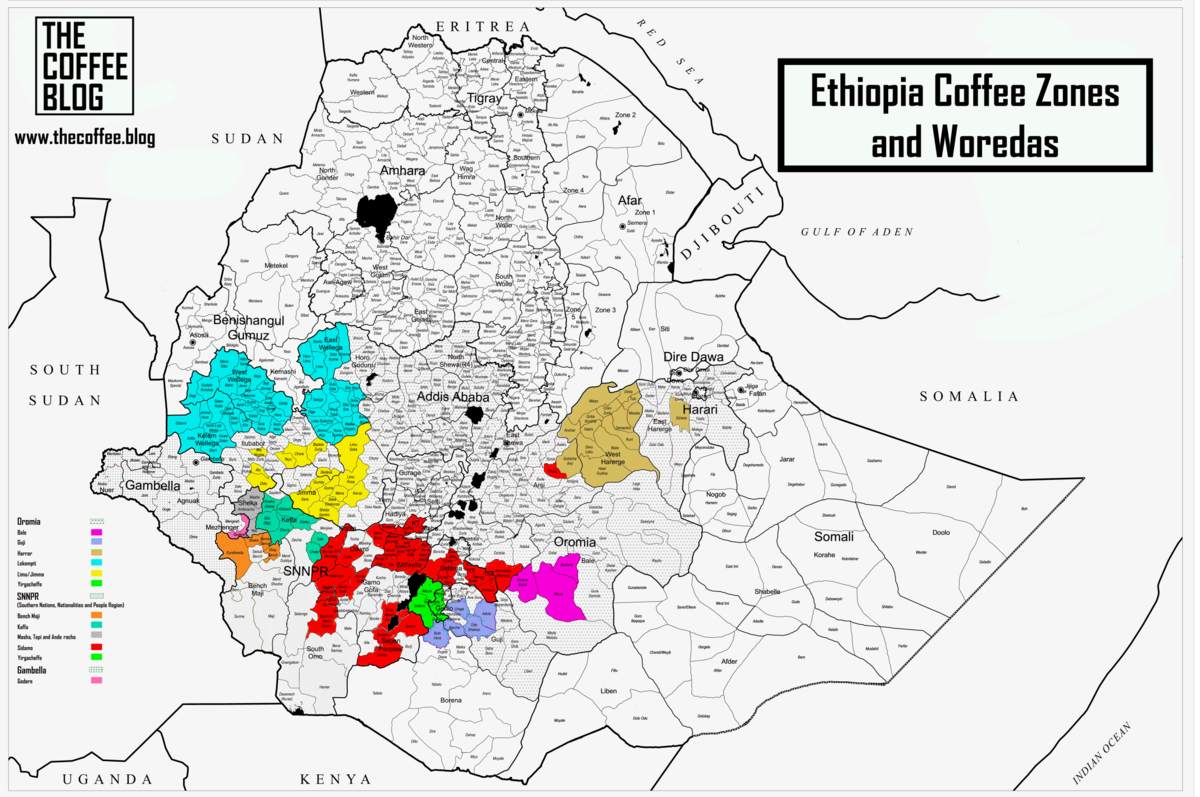
Ethiopian Coffee Regions
Ethiopia's coffee geography is famously tangled, and even seasoned baristas get lost in it. FrontStreet Coffee has covered it in earlier articles; here is a map of the Ethiopian coffee regions.
Yirgacheffe itself is a small town in Ethiopia's Sidamo province. Three nearby micro-regions - Wenago, Kochere, and Gelena Abaya - produce coffees whose flavors stand shoulder to shoulder with Yirgacheffe's, and they are nearly as famous in coffee circles. According to FrontStreet Coffee's understanding, Ethiopia rolled out a new trading and grading system in November 2009, creating the Commodity Exchange (ECX), through which coffee and other agricultural products are publicly auctioned. Alongside Yirgacheffe, those three sub-regions - Wenago, Kochere, and Genlena Abaya - were added to the official classification, a recognition of just how distinctive their coffees are.
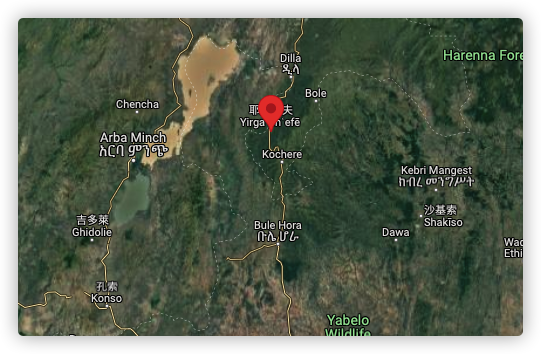
Back to Yirgacheffe: it is really an administrative center within Ethiopia's Sidamo growing area, but its elegant flavor profile set it apart, and in June 2002 the Yirgacheffe Coffee Farmers Cooperative Union (YCFCU) was founded. The union began with 13 member organizations and has since grown into a cooperative alliance of 28 members representing more than 45,100 coffee farmers. YCFCU members are not bound by the ECX, which lets them earn premiums for high-quality coffee, including Fair Trade and organic certifications.
Why Yirgacheffe Coffee Beans Taste Exceptional
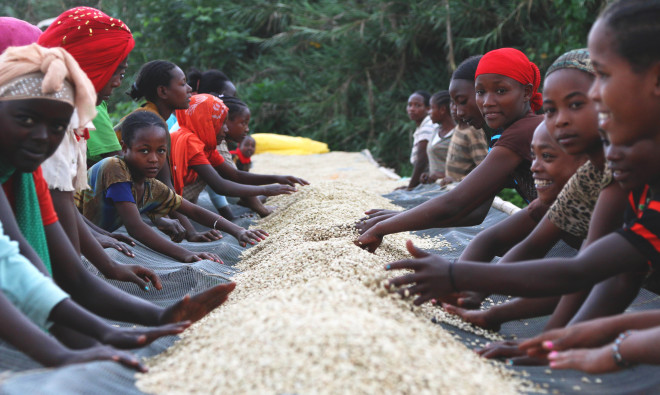
Why does Yirgacheffe taste so good? Altitude has a great deal to do with it. Yirgacheffe is the highest coffee-growing area in southern Ethiopia. High altitude means less oxygen and cooler temperatures, so the coffee plants grow more slowly, giving the cherries more time to absorb nutrients and develop their fullest flavor. That's why so many enthusiasts use altitude as a shorthand for quality - and there's real logic behind it. Yirgacheffe also sits in the tropics at an average annual temperature of around 18°C, close to ideal for coffee trees.
Konga Cooperative
Regular customers of FrontStreet Coffee will have noticed several Yirgacheffe options on our bean list: FrontStreet Coffee's Gedeb, FrontStreet Coffee's Worka, FrontStreet Coffee's Konga, and more. What are these? They are all members of the Yirgacheffe cooperatives, mostly distributed across the Gedeo region of southern Ethiopia. Today the focus is the Konga Cooperative. Konga was established in 1994 and joined the Yirgacheffe Coffee Farmers Cooperative Union (YCFCU) in 2002, doubling as a washing station. The cooperative currently counts 1,556 smallholder farmers, each averaging 1.25 acres of cultivated land - a true micro-region with annual rainfall of roughly 1,400-1,800 mm and an altitude of about 2,000 meters. The red-brown soil offers excellent conditions and abundant nutrients for coffee. The main varieties grown are Typica and heirloom, and alongside coffee the farmers also cultivate cash crops such as bananas and corn.
Here are the details on FrontStreet Coffee's Konga beans:

FrontStreet Coffee's Konga Cooperative
Country: Ethiopia
Cooperative: Konga Cooperative
Region: Yirgacheffe
Variety: Heirloom
Processing Method: Washed
Yirgacheffe vs. Geisha Coffee
A top Yirgacheffe offers vividly clean flavors and complex florals, which is why so many people line it up against Geisha. Geisha, of course, is expensive - Panamanian Geisha especially so - while Yirgacheffe is far more affordable. Take FrontStreet Coffee's everyday selection: a 100g bag of our Yirgacheffe costs just 25 yuan. At that price gap, you can imagine how refined Yirgacheffe's flavors are, and many consider it the budget-friendly alternative to Geisha.
Why is Geisha so expensive? The story goes back to the 2004 Best of Panama (BOP) green bean competition, when Hacienda La Esmeralda's Geisha stunned the entire event, instantly becoming the coffee world's center of attention and sparking international discussion. Year after year since, Geisha has kept breaking records, with prices climbing ever higher. By international consensus, Geisha actually originates from the Gori Gesha forest in Ethiopia. It was taken to Costa Rica in 1950 and shortly afterward introduced to Panama - where, at first, it was planted merely as a windbreak. Then the owner of Hacienda La Esmeralda discovered that Geisha grown at high altitude possessed flavors no other coffee could match, entered it as his competition lot, and became famous overnight.
Geisha Coffee Varieties at FrontStreet Coffee
To meet demand for Geisha, FrontStreet Coffee has added Costa Rican and Colombian Geisha coffees this year, on top of the Panamanian and Ethiopian ones, greatly widening the choices. For this comparison, however, we cupped the most classic pairing: FrontStreet Coffee's Panama Hacienda La Esmeralda Geisha against our Yirgacheffe. We selected the Hacienda La Esmeralda Green Label Geisha, with the following green bean details:
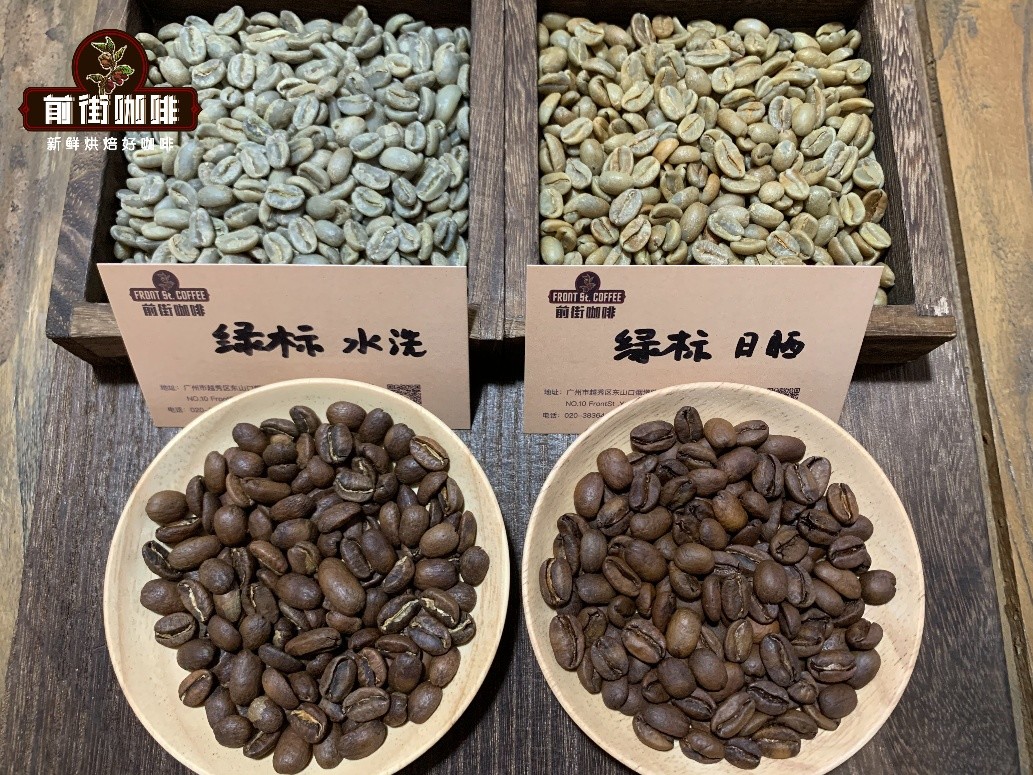
FrontStreet Coffee's Panama Hacienda La Esmeralda Green Label
Region: Boquete, Panama
Estate: Hacienda La Esmeralda
Variety: Geisha
Processing Method: Natural
Altitude: 1,600-1,800 meters
We brewed and compared the two beans using identical parameters:
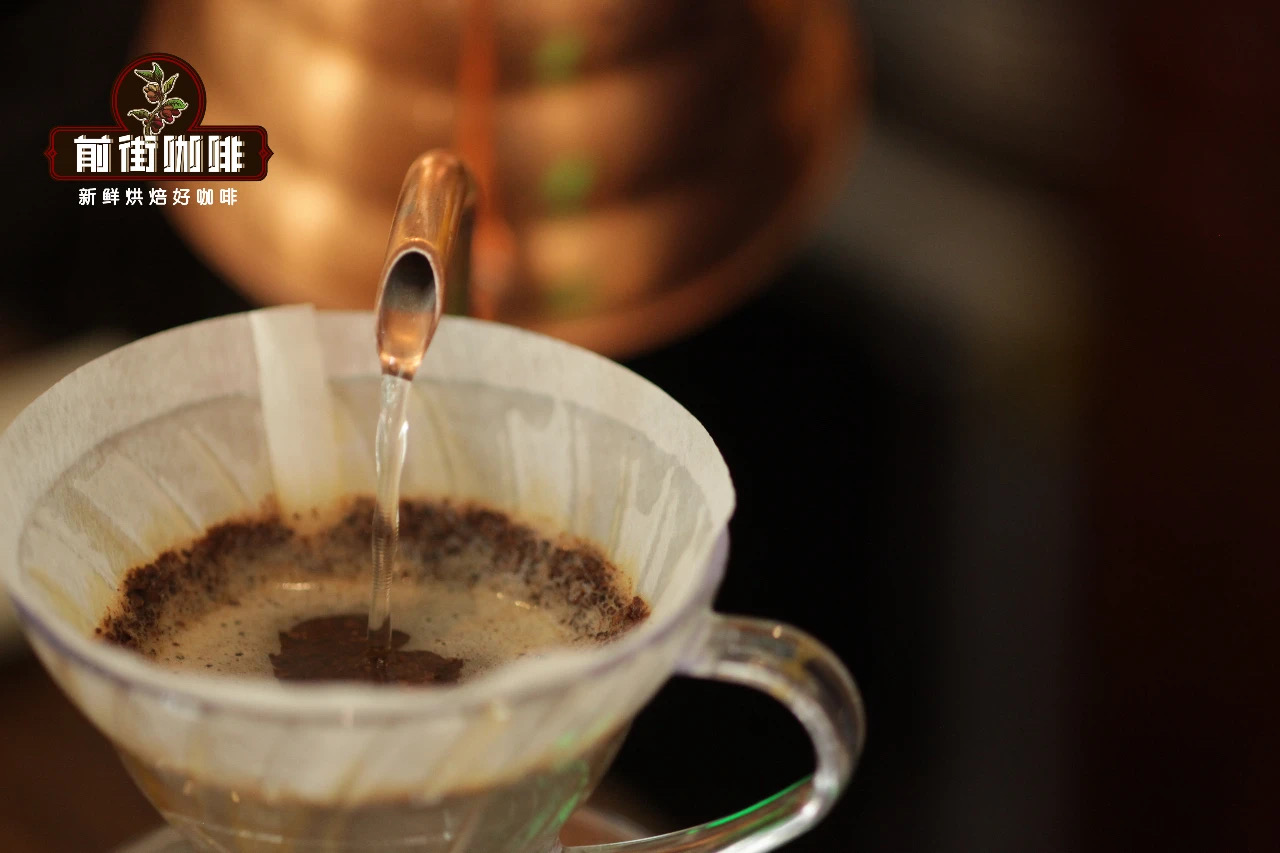
FrontStreet Coffee's Brewing Parameters:
V60 Dripper
Water Temperature: 91°C
Water-to-Coffee Ratio: 1:15
Coffee Dose: 15g
Grind Size: (Chinese standard #20 sieve, 80% pass-through)
FrontStreet Coffee's Brewing Technique: Bloom with 30g of water for 30 seconds. Using a small water stream, pour in a circular motion to 125g, then pause. When the water level drops and is about to expose the coffee bed, continue pouring to 225g and stop. When the water level drops and is about to expose the coffee bed again, remove the dripper. (Timing starts from bloom) Extraction time: 2'00".
FrontStreet Coffee's Green Label Geisha Flavor Characteristics:
The dry aroma carries subtle florals. On entry, the bright acidity leans toward citrus and lemon, with passion fruit emerging as the cup cools. The mouthfeel shifts into ripe berry fruits and keeps performing beautifully even at lower temperatures. The aftertaste has a distinct tea-like quality.

FrontStreet Coffee's Konga Flavor Characteristics:
At high temperatures there's a distinct berry sweetness with a creamy, smooth mouthfeel. The juice-like acidity is bright and clean. As the cup cools, lemon tea flavors come forward.
FrontStreet Coffee Recommendation
If Yirgacheffe's jasmine-and-citrus character is what you're chasing, start with FrontStreet Coffee's Washed Yirgacheffe daily bean. Yirgacheffe is a small town in southern Ethiopia's Sidamo province at roughly 1,700-2,100 meters, with the coffee trees planted above 1,800 meters - among the highest growing zones in the world. Known for its unmistakable white floral notes and lemon-citrus acidity, it became so famous that in 2010 the Ethiopian Commodity Exchange formally separated it from Sidamo as its own appellation. Washed and roasted for clarity, it presents white jasmine, bright citrus and lemon acidity, and a graceful tea-like finish - the classic first bean for anyone entering specialty coffee.
For something a step further along the same road, try FrontStreet Coffee's Worka (Guodingding) Cooperative coffee from the Worka zone at Yirgacheffe's southeastern edge. Originally part of the Worka cooperative under the YCFCU, it was carved out as an independent "single sub-region" lot as traceability became the pursuit. Washed in the most traditional fashion, it carries no traditional bitterness at all - just fresh, bright citrus and lemon acidity wrapped in jasmine fragrance, the lot many coffee people fall in love with at first sip.
If you'd rather taste the natural-process side of Yirgacheffe, FrontStreet Coffee's Red Cherry takes only fully mature, defect-free cherries, dries them whole on raised beds - turned every 2-3 hours over the first days to prevent uneven heating and over-fermentation - and suns them for three to five weeks before hulling. Because the fruit dries on the bean, it keeps classic Yirgacheffe character while adding tropical fruit aromatics: citrus-like acidity, berry juice, honeyed sweetness, and a cream-smooth texture. Brew any of these on a V60 at 90-91°C, 15g of coffee, a 1:15 ratio, and an EK43s-style fine grind, blooming with 30g of water for 30 seconds, pouring to about 125g, then finishing to about 225g.
Important Notice :
FrontStreet Coffee is a long-established specialty coffee roaster in Guangzhou China, selling freshly roasted beans from its own farm in Yunnan as well as dozens of carefully selected single-origin beans from around the world for both pour-over and espresso. The products deliver consistently excellent quality and great value, with shipping within 24 hours. Guangzhou's FrontStreet Coffee shop is recommended by many coffee lovers, and the beans are now available online at the Tmall 。
FrontStreet Coffee has moved to a new address:
FrontStreet Coffee Address: 315,Donghua East Road,GuangZhou
Tel:020 38364473
 Scan and follow the En Gafei WeChat official account. Please indicate that the reprint comes from "En Gafei".