Yirgacheffe Coffee Characteristics Story - Yirgacheffe Koodingi Cooperative Coffee Beans Pour-over Flavor
Discovering Ethiopian Coffee
Ask FrontStreet Coffee about African origins and we think of Ethiopia at once — coffee's birthplace. Citrus, lemon acidity, jasmine, ripe strawberries, tropical fruits, berries, honey: these are the stock-in-trade descriptors for Ethiopian beans, and Yirgacheffe stands above them all, its flavor profile practically synonymous with specialty coffee.
Yirgacheffe: A Small Town with Big Flavor
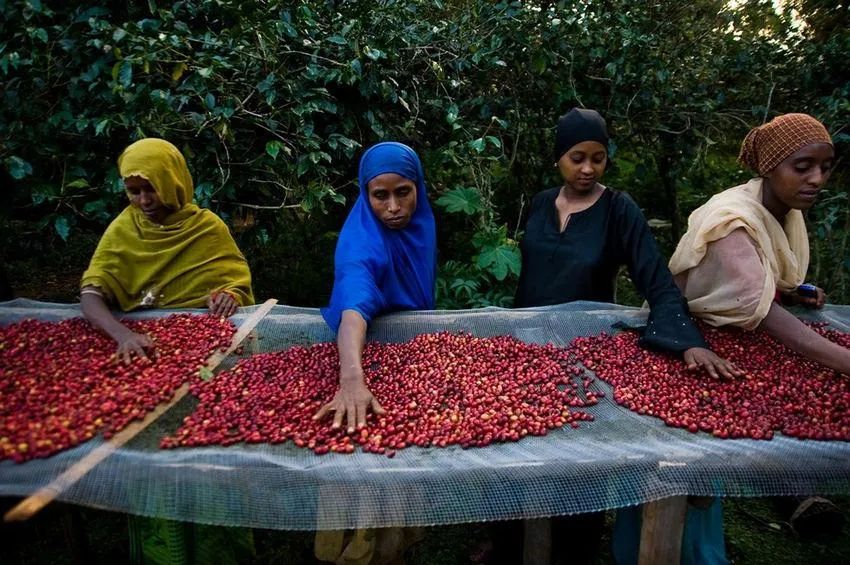
Ethiopia's coffee growing is concentrated in the west and south, with smallholder family farms accounting for 90% of total production and nearly 1.2 million smallholder families depending on coffee for their livelihoods. The production system takes four forms — forest coffee, semi-forest coffee, garden coffee, and large plantations — with garden coffee the most common. Because smallholders harvest in tiny volumes, cooperatives and processing stations of every size handle processing for their areas: farmers deliver their cherries to nearby washing stations built by water sources, the lots are processed together, and the coffee sells under the station's name. Yirgacheffe is exactly such a region.
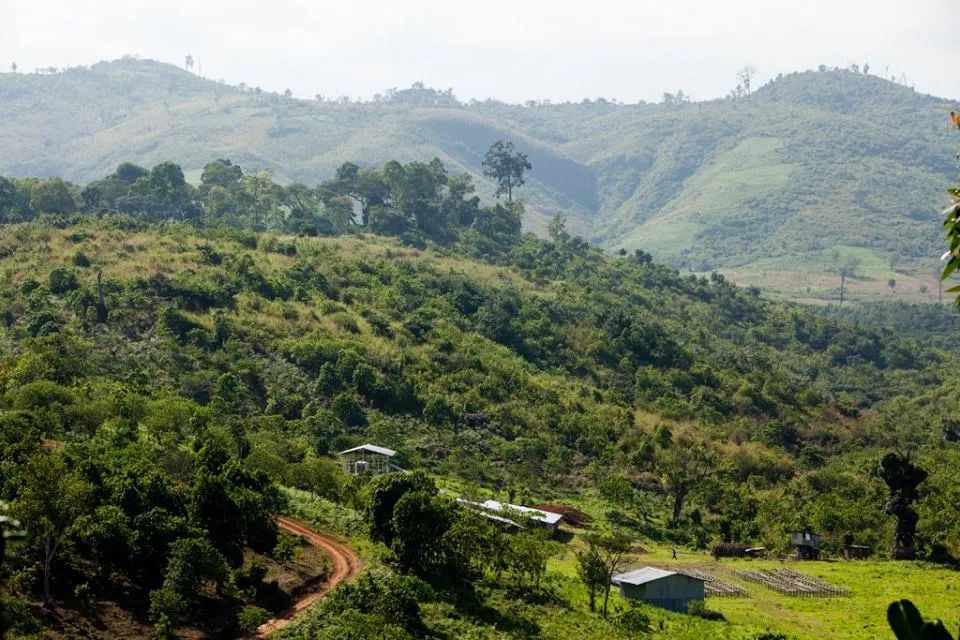
Yirgacheffe is a small town in northwestern Sidamo province, within the Gedeo zone, sitting downstream of large lakes with abundant springs and waterways running through — freshwater that washing stations rely on. FrontStreet Coffee also notes that in Ethiopia's ancient language, the name splits into two words: Yərga (ይርጋ), meaning calm and settled, and Č̣äfe (ጨፌ), referring to marsh-like wetlands. Yirgacheffe, then, carries the meaning "let us settle and thrive in this wetland."
Tucked among mountains and lakes at elevations of 1,700 to 2,100 meters, this is one of Ethiopia's highest coffee-growing regions. Originally part of Sidamo, it later broke away as an independent appellation on the strength of its unique flavor and swelling reputation. The town enjoys misty weather and spring-like conditions year-round: gentle breezes, cool but never hot, rainy but never humid, and winters without frost — coffee country par excellence. It's here that FrontStreet's Yirgacheffe develops its singular citrus and floral aromatics.

FrontStreet Coffee's Yirgacheffe Selection
FrontStreet Coffee carries multiple Yirgacheffe coffees spanning both great processing families — washed and sun-dried. The most representative are the washed Gedeb cooperative coffee and the sun-dried Red Cherry.
FrontStreet Coffee's Washed Gedeb Cooperative Coffee
The Gedeb Cooperative — 300 smallholder farmers strong — is renowned for growing Ethiopia's finest coffee, processed in the most traditional washed manner, which has earned it the reputation of "the last pure land of Yirgacheffe." When customers at FrontStreet Coffee ask for a fruity washed coffee, our baristas point straight to the Gedeb lot on the bean display. Washed processing strips away the traditional bitterness of black coffee, leaving fresh, bright citrus and lemon acidity and jasmine fragrance that wins people over from the very first sip.
The Art of Washed Processing
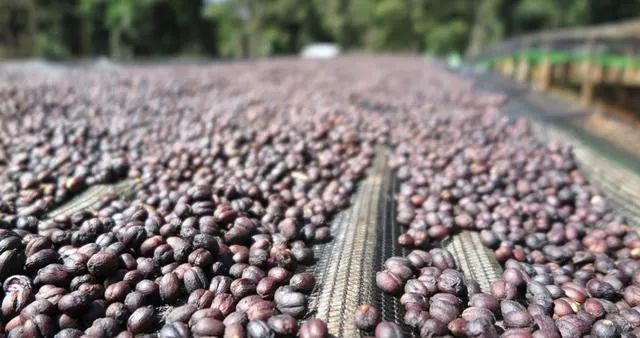
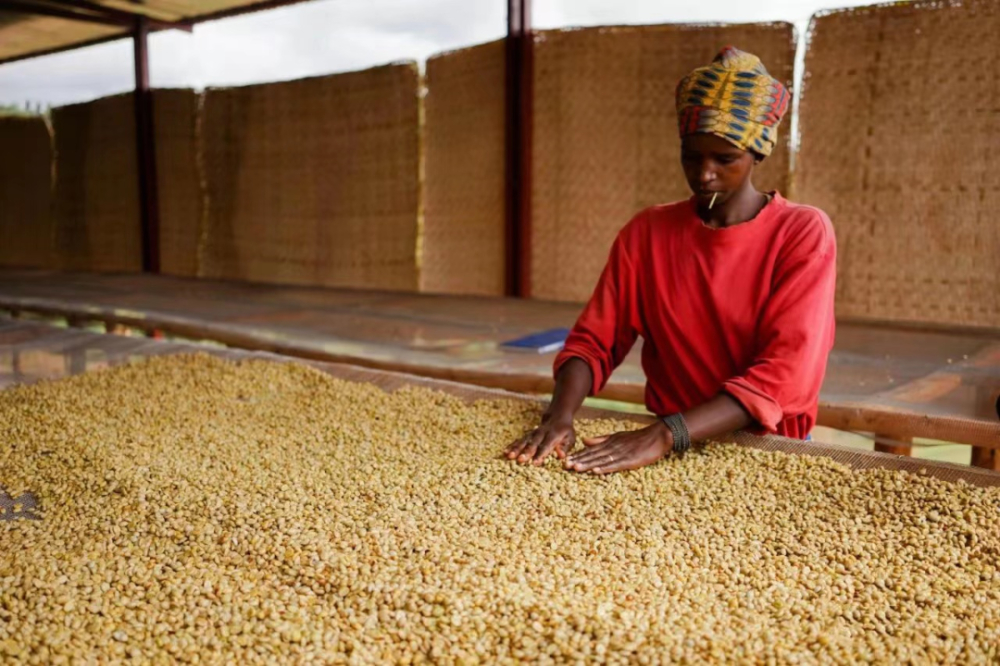
Traditionally, farmers simply spread harvested cherries on patios or the ground to sun-dry down to about 12% moisture before hulling and packing. Coffee handled that way, however, often picked up earthy flavors, over-fermentation, and rotten-fruit notes. To cure those sun-drying defects, Ethiopia imported washed processing technology from Central and South America.
Washed processing pours the cherries into water tanks to float off the unripe ones, mechanically removes the pulp, then ferments the beans in clean water tanks. The acids produced during fermentation help separate the mucilage layer, after which clean running water washes the parchment beans, and finally they finish under the sun. Every stage removes defective beans, which is why washed coffee shows such clean acidity.
FrontStreet Coffee's Sun-Dried Red Cherry Coffee
The "Red Cherry Project" was launched in 2007 by the Dutch trading company Trabocca BV to raise the quality of Ethiopian coffee.
The project focuses on upgrading processing techniques — washed, semi-washed, and sun-dried — across Ethiopia's high-altitude zones like Yirgacheffe, with professional cuppers involved and harvest volumes set zone by microclimate. Only 100% mature red cherries may be picked, in quantities of 1,500-3,000 KG. Trabocca's economic loans, new equipment, and production know-how have measurably improved bean quality across Yirgacheffe and Ethiopia at large — and higher prices mean higher incomes for farmers.

FrontStreet's sun-dried Yirgacheffe Red Cherry is selected from Eltelan farm's full-red-cherry processing. The green beans are pale yellow, full and well-formed, with a low defect rate and G1 grade. FrontStreet's sun-dried Yirgacheffe delivers more intense flavors with richer complexity — wine-like fermentation notes and higher sweetness.
The Aroma and Flavor of Yirgacheffe
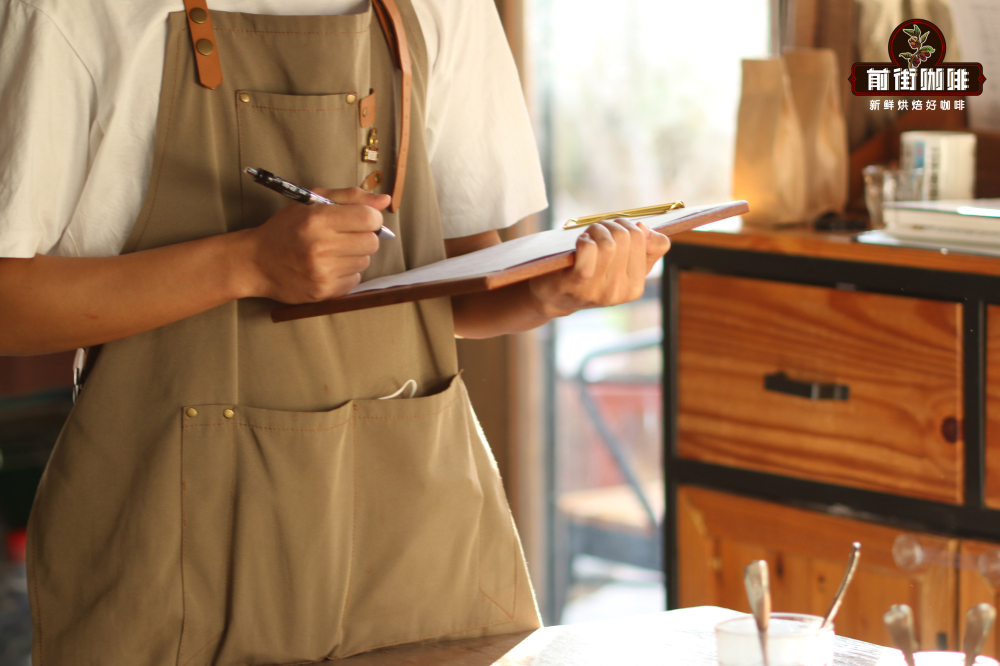
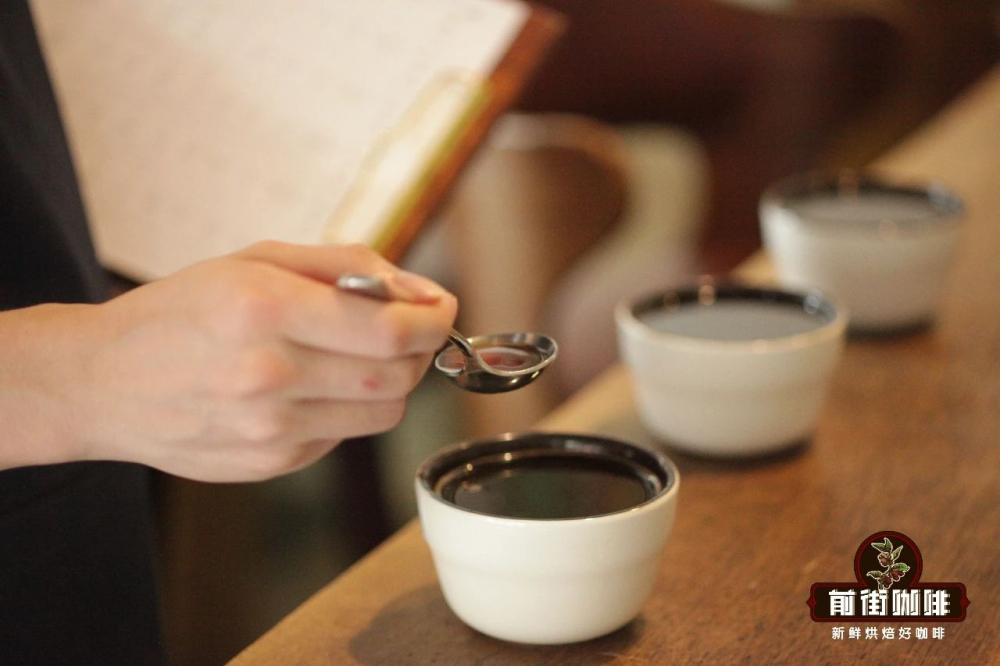
For roasting, FrontStreet Coffee believes Yirgacheffe should lead with acidity, so we roast medium-light. The washed Gedeb cooperative lot takes a light roast to preserve its bright acidity and white florals, while the sun-dried Red Cherry takes a medium-light roast to express full berry sweetness and acidity. Before any bean reaches the menu, FrontStreet runs at least one cupping evaluation — under consistent standards, cupping lets us judge each coffee's strengths and weaknesses objectively.
Cupping Profiles
FrontStreet Coffee's Washed Gedeb Cooperative Cupping Profile: Dry aroma of fresh passion fruit, citrus, and berry acidity; wet aroma of citrus and berries. In the cup: citrus acidity, berry sweetness, almond, tea-like notes, and a honey-sweet aftertaste. Light body, bright acidity, clean and refreshing.
FrontStreet Coffee's Sun-Dried Red Cherry Cupping Profile: Dry aroma of full berry sweetness and acidity. As temperatures shift, soft berry sweetness, mature fruit fermentation, noticeable honey sweetness, and a black tea finish unfold over a smooth texture.
FrontStreet Coffee's Yirgacheffe Brewing Recommendations
Whatever the extraction method, FrontStreet Coffee insists that freshness comes first: beans more than two months past roast have likely lost much of their aroma, and no extraction skill can bring it back. So that everyone tastes coffee at its peak, FrontStreet ships only beans roasted within the past 5 days — you can brew shortly after they arrive.
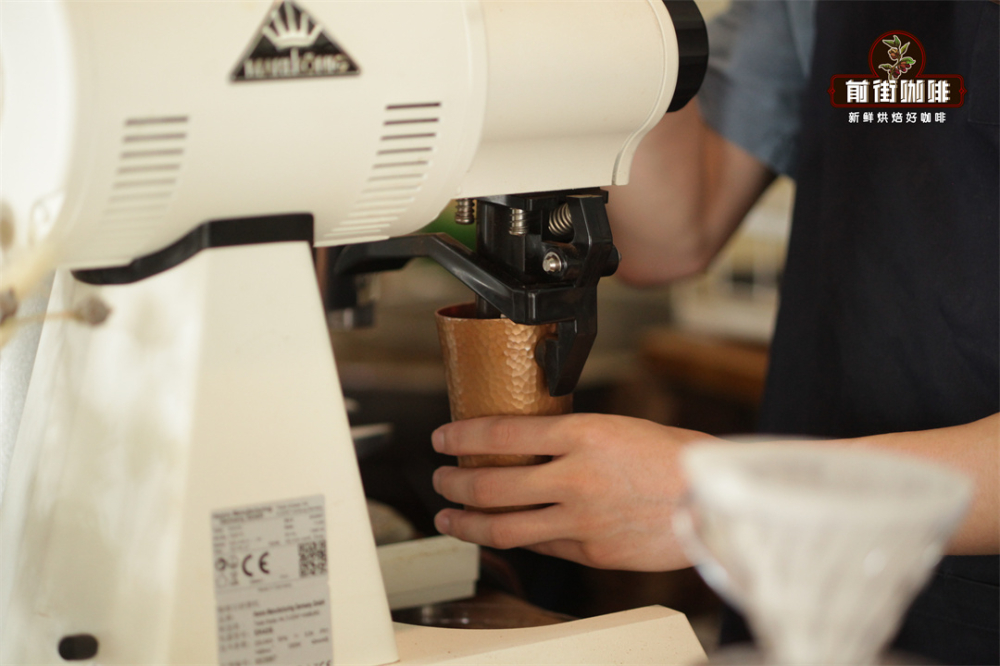
Because FrontStreet's Yirgacheffe is roasted light, the beans are relatively hard and need high water temperature — 92°C-93°C — to wake up their florals and fruit. FrontStreet recommends a medium-fine grind (78% pass-through on the China #20 sieve): too coarse and you'll never pull out the body, leaving a thin cup; too fine and the high temperature will over-extract into bitterness.
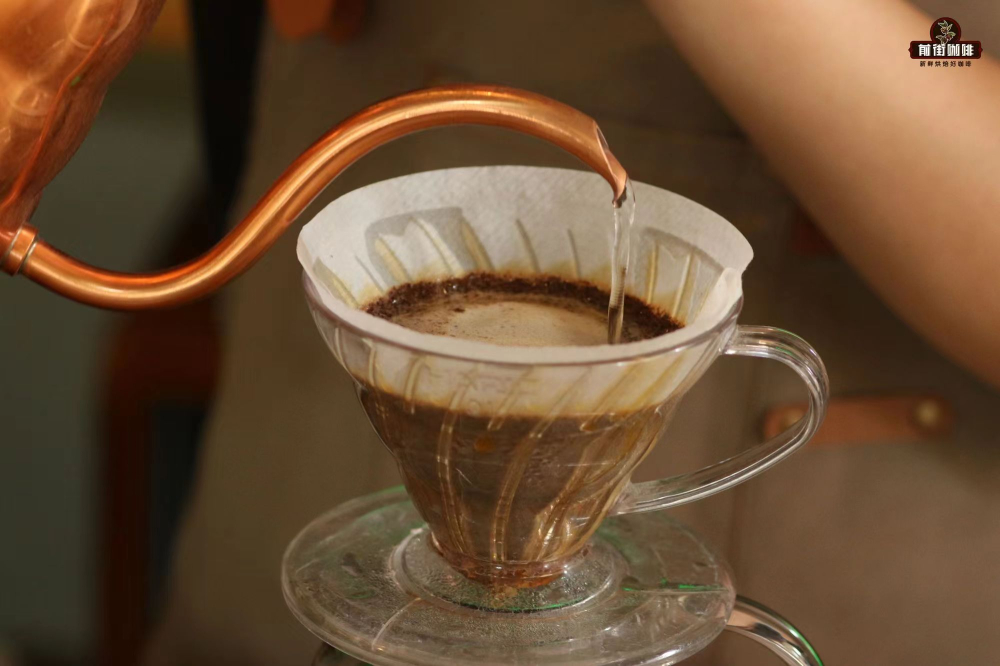
During cupping we noticed this bean shows different flavors at different temperatures, so we brew in three stages, letting different flavor compounds express themselves as the bed's temperature gradually climbs. To spotlight the fresh, captivating aroma of washed Yirgacheffe, FrontStreet uses a V60: its spiral ribs let the grounds degas freely, maximizing how much aromatic compound volatilizes and dissolves.
For ratios, FrontStreet finds both 1:15 and 1:16 work well — 1:15 for a richer mouthfeel, 1:16 to let the florals and sweetness spread out and show more clearly.
Brewing Parameters
- Dripper: V60
- Water Temperature: 92-93°C
- Coffee Dose: 15g
- Coffee-to-Water Ratio: 1:15
- Grind Size: Fine sugar texture (78% pass-through rate on #20 sieve)
Three-Stage Pouring Technique
Start with twice the coffee's weight in water to wet the bed into a dome, blooming for 30 seconds. Then pour in small circles from the inside out with a fine stream to 125g, and pause. When the bed drops to half the dripper's height, continue with the same fine stream to 225g. Remove the dripper once everything has drawn through — about 2 minutes total.

FrontStreet Coffee Recommendation
If the Gedeb cooperative lot has hooked you on washed Yirgacheffe, FrontStreet's washed Yirgacheffe daily-drinker is the classic place to keep going: famous for white jasmine, bright citrus and lemon acidity, and a tea-like finish, and priced accessibly enough that it has become the first specialty bean for countless newcomers. Yirgacheffe itself is a small town in southern Ethiopia's Sidamo region at roughly 1,700-2,100 meters, with coffee trees planted above 1,800 meters — among the highest elevations in the coffee world — and its name, evoking a settled wetland, became a byword for washed Ethiopian elegance well before the Commodity Exchange formally split it from Sidamo in 2010.
For another side of the appellation, FrontStreet's natural Red Cherry lot applies full-red-cherry sun drying: only completely ripe, defect-free cherries are picked, given a first sort at the mill, then laid straight onto raised beds and turned every 2-3 hours during the early days to prevent uneven heating and over-fermentation. After three to five weeks in the sun, workers strip the dried pulp by machine as weather allows and the coffee goes to warehouse rest. Because the fruit dries on the bean, the cup keeps its classic Yirgacheffe core while gaining tropical fruit aromatics — citrus acidity, berry-juice juiciness, honeyed sweetness, and cream-smooth body.
To brew any of them, FrontStreet suggests a V60 at 90-91°C with 15g of coffee, a 1:15 ratio, and a fine-sugar grind (EK43s setting 10, about 80% through a #20 sieve). Bloom with 30g of water for 30 seconds, pour to about 125g on the scale within a minute, then add the final 100g once the bed drops to two-thirds, finishing your pour around 1:35 — with drawdown complete at 2:00-2:10.
Important Notice :
FrontStreet Coffee is a long-established specialty coffee roaster in Guangzhou China, selling freshly roasted beans from its own farm in Yunnan as well as dozens of carefully selected single-origin beans from around the world for both pour-over and espresso. The products deliver consistently excellent quality and great value, with shipping within 24 hours. Guangzhou's FrontStreet Coffee shop is recommended by many coffee lovers, and the beans are now available online at the Tmall 。
FrontStreet Coffee has moved to a new address:
FrontStreet Coffee Address: 315,Donghua East Road,GuangZhou
Tel:020 38364473
 Scan and follow the En Gafei WeChat official account. Please indicate that the reprint comes from "En Gafei".