Yirgacheffe Coffee Characteristics & Flavor Profile: Pour-Over Yirgacheffe Taste Description
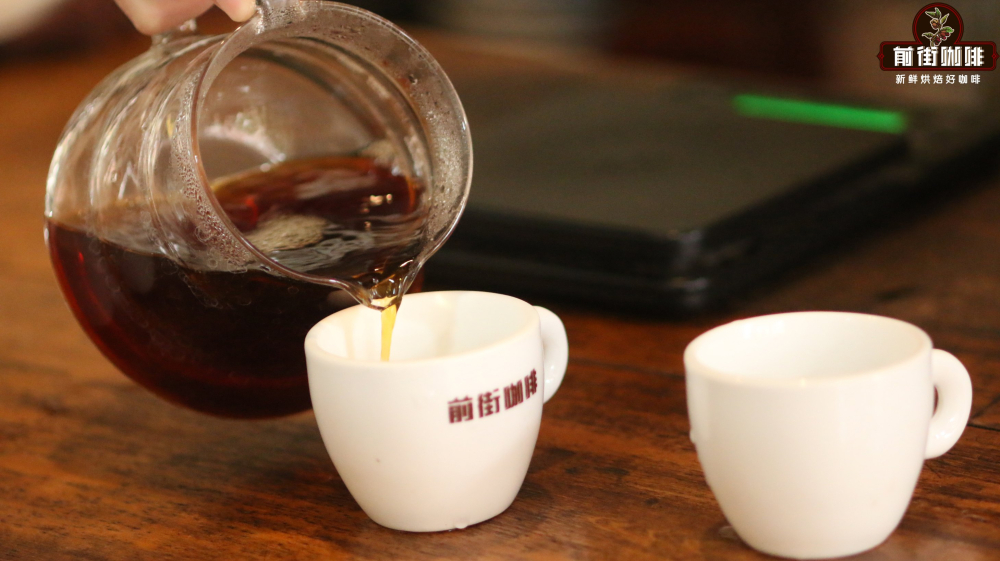
FrontStreet Coffee's Yirgacheffe is best known for its distinctive fruit sweetness and acidity. The first sip brings bright citrus and lemon, followed by a jasmine fragrance that fills the whole palate. "Not quite coffee, more like fruit tea" is how many people describe FrontStreet Coffee's light to medium roast Yirgacheffe.
FrontStreet Coffee's bean shelf carries a high-value daily coffee series, carefully selecting 7 outstanding classic coffee-producing regions that cover a range of representative origins, varieties, and processing methods: FrontStreet Coffee's Ethiopian Washed Yirgacheffe, FrontStreet Coffee's Guatemalan Washed Huehuetenango, FrontStreet Coffee's Colombian Washed Huila, FrontStreet Coffee's Brazilian Pulped Natural Cerrado, FrontStreet Coffee's Costa Rican Washed Tarrazú, FrontStreet Coffee's Indonesian Wet-Hulled Mandheling, and FrontStreet Coffee's Chinese Yunnan Washed Baoshan. Among them, FrontStreet Coffee's Yirgacheffe stands as the hallmark of floral and fruit flavors. FrontStreet Coffee believes its delicate aroma is inseparable from the region's unique topography and its pioneering traditional washed processing.
Yirgacheffe Region
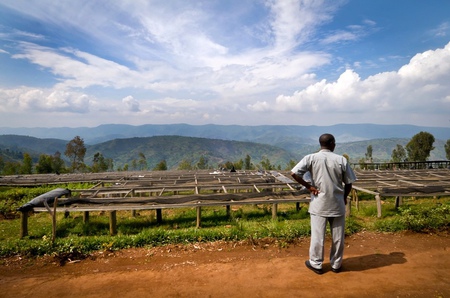
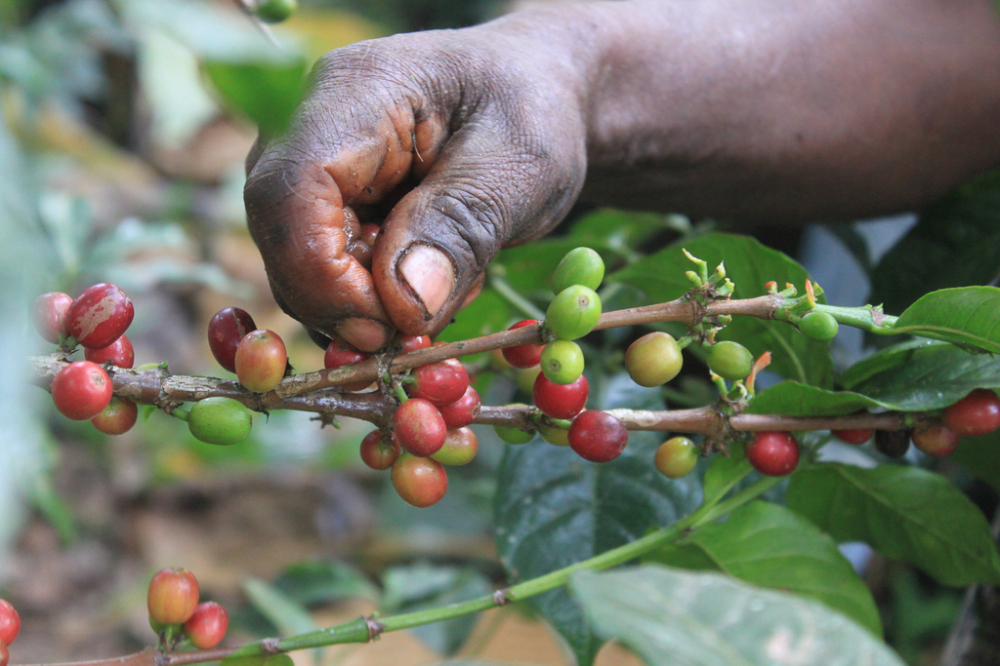
Yirgacheffe town lies in the south-central part of Ethiopia at an altitude above 2,000 meters, making it one of the country's highest producing regions. Coffee trees are mostly planted in farmers' own backyards or mixed with other crops in the fields. Each household's output is limited, which makes it typical garden coffee. These mountain villages are shrouded in mist with spring-like weather year-round. Summers bring gentle breezes - cool but not hot, rainy but not humid - while winters spare the trees from frost, conditions particularly suited to Arabica. The high altitude creates large day-night temperature differences, so coffee trees grow slowly and the fruit takes longer to mature, storing more aromatic compounds as a result. The harvest season is therefore relatively late, typically from October to January of the following year. During that window, busy farmers harvest coffee cherries in the mountains and home gardens, then send them to village cooperatives for unified processing.
We often hear about Kochere, Misty Valley, and Gedeb, all well-known micro-regions within Yirgacheffe. They all have excellent cooperative production teams, and their coffees are highly distinctive. The Worka producing region, in the southeastern part of Yirgacheffe, has another mature team - the "Goddingding Cooperative" - with about 300 member farmers. It was established separately in 2012 because its Yirgacheffe flavor is especially bright and uplifting. Many of its small farmers were originally members of the Worka cooperative, so their production skills are beyond question. FrontStreet Coffee's Goddingding Cooperative coffee uses traditional washed processing.
Processing Evolution
Early Yirgacheffe, like other Ethiopian coffee regions, used the most ancient natural processing method. It was not until 1972 that Ethiopia introduced Central and South American washed processing to improve bean quality. That move amplified the citrus and lemon aromas inherent in Yirgacheffe beans and made the taste fresher and brighter. Since then, Yirgacheffe has leaped to become one of the world's signature specialty coffees.
Washed Processing Method
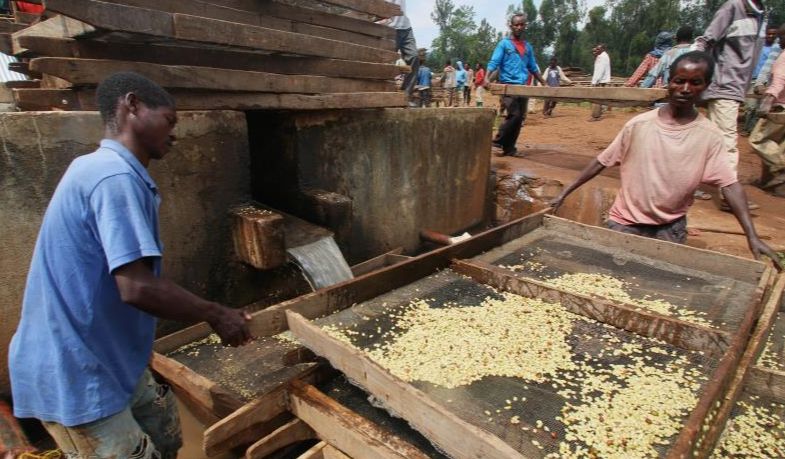
- First, coffee farmers pour all harvested cherries into water. Defective beans float to the surface, while those that sink are the quality-assured cherries. This step saves a great deal of the time that individual selection would take.
- The screened cherries go into a pulping machine to remove the outer skin and pulp. After that, a layer of mucilage remains on the surface, so large amounts of clean water are needed to wash away the sticky residue.
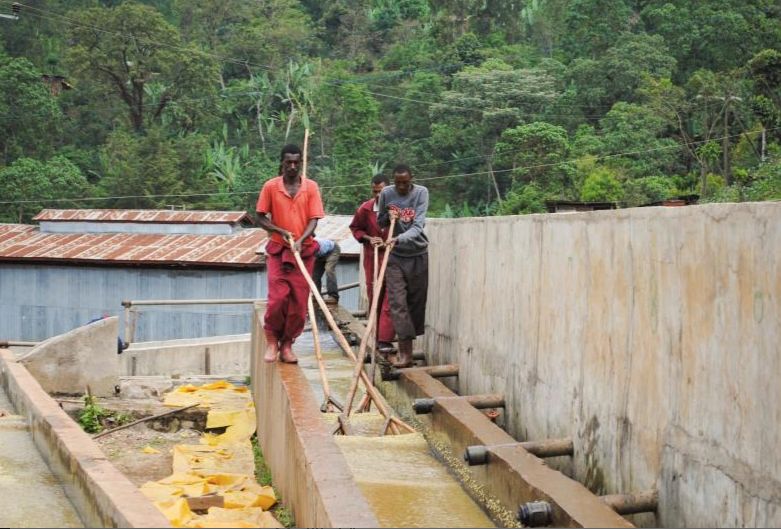
- Fermentation then removes the mucilage completely. This takes about 18 hours, but once fermentation is done, fermentation bacteria cling to the cherry surface, requiring another thorough wash with large amounts of clean water. The whole process consumes a significant amount of fresh water.
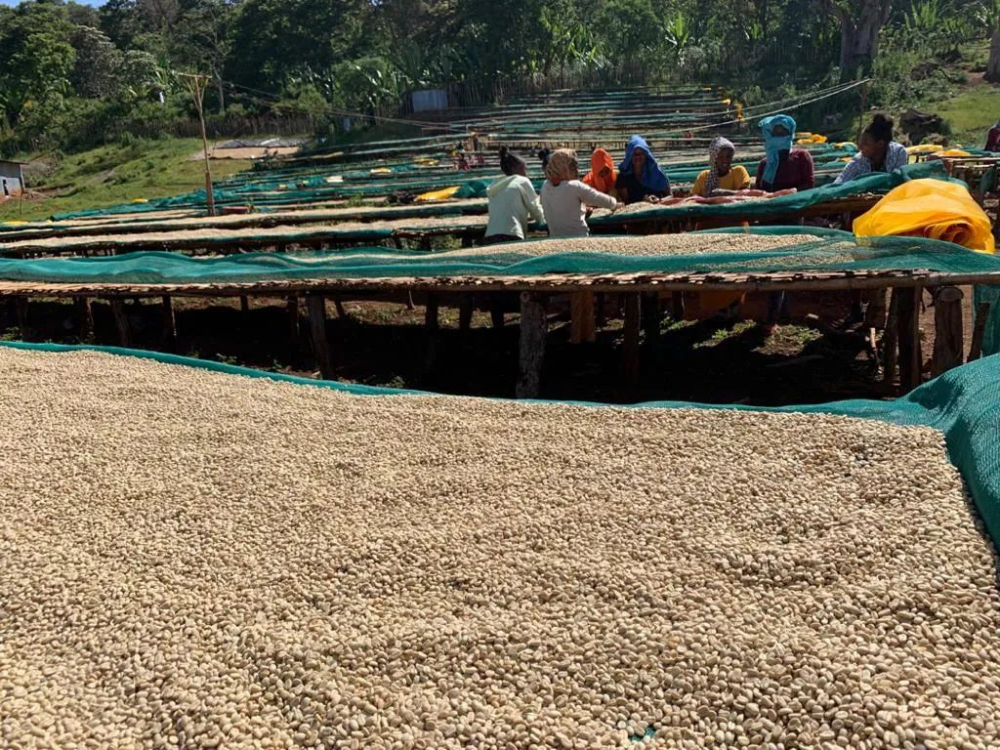
- Finally, the cleaned beans are taken outdoors and spread on drying beds to air dry. Some more developed areas send them to processing plants for mechanical drying, reducing the moisture content to about 11%.
Roasting Philosophy
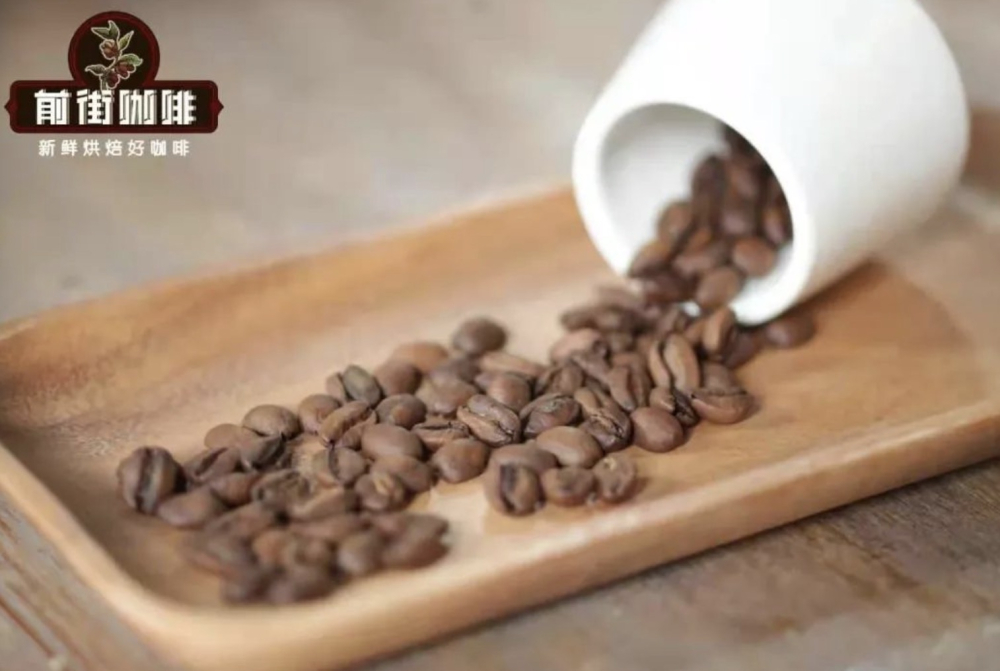
Compared with many bitter coffees, the greatest trait of FrontStreet Coffee's Yirgacheffe is its lack of obvious bitterness, which makes it easier to accept. Coffee turns bitter mainly because roasters take beans deep, with the flavor heading toward nuts and dark chocolate. With the rise of specialty coffee, and to preserve more acidity, FrontStreet Coffee roasts Yirgacheffe only to an appropriate light level, letting FrontStreet Coffee's Yirgacheffe express pleasant fruit sweetness and sourness with white floral notes. FrontStreet Coffee's roasters reason that because FrontStreet Coffee's Yirgacheffe is built around fruit acidity, a light roast suits it best to highlight that bright fruit acidity.
Cupping Profile
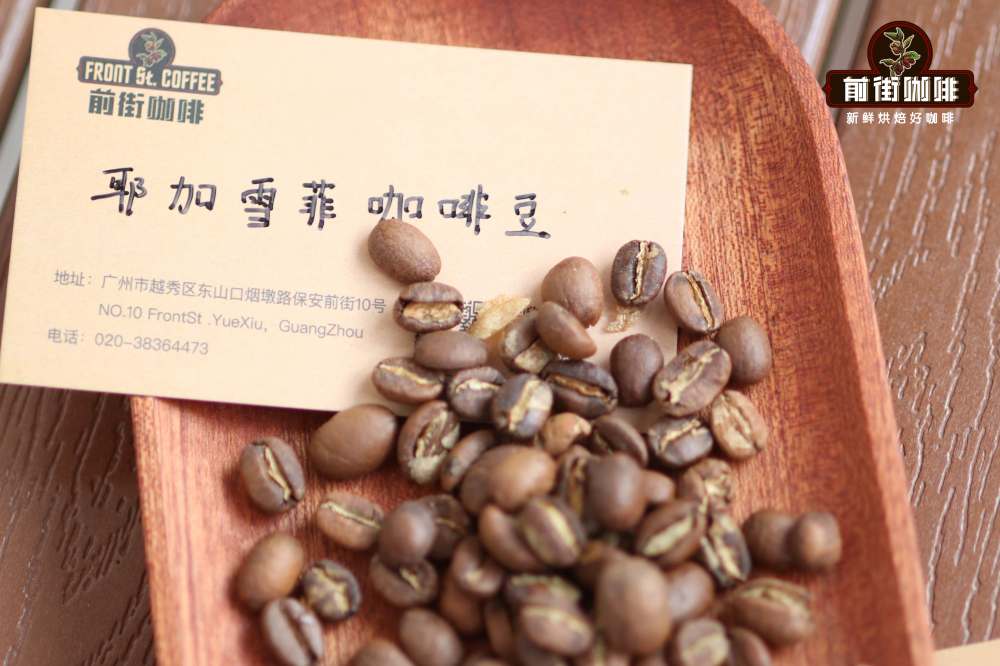
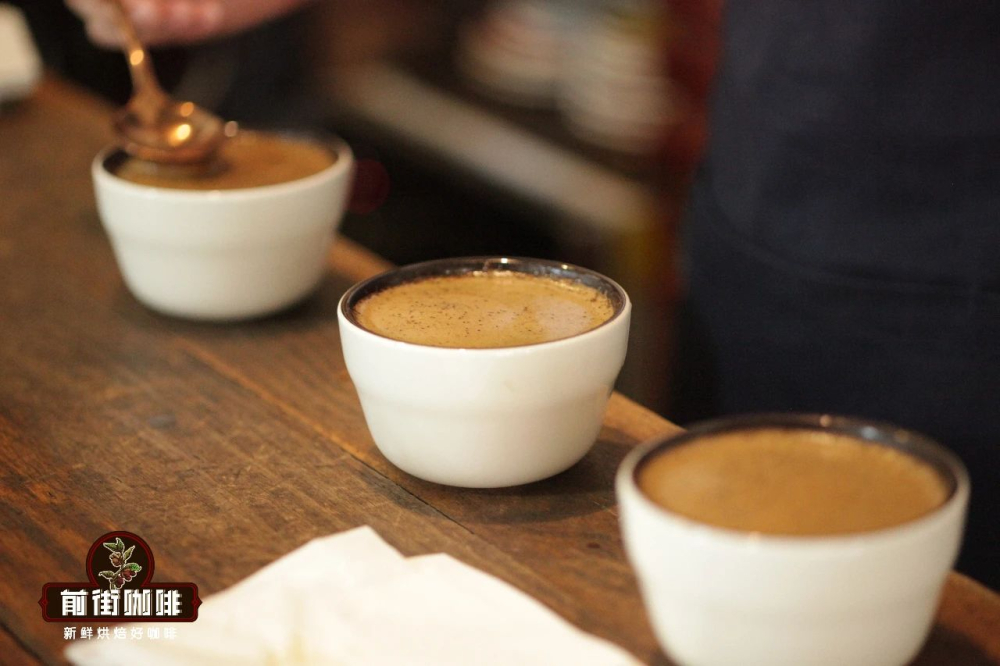
Freshly roasted FrontStreet Coffee's Yirgacheffe was cupped by FrontStreet Coffee across dry aroma, wet aroma, flavor, cleanliness, body, and aftertaste. The dry aroma of FrontStreet Coffee's washed Goddingding Cooperative coffee gives fresh passion fruit, citrus, and berry sour aromas. The wet aroma shows citrus and berries. On entry there is citrus acidity, berry sweetness, almond, and tea-like sensations, with an aftertaste carrying honey sweetness. The body is light and the acidity bright, clean, and refreshing.
Freshness Guarantee
Coffee beans need a 4-7 day degassing period after roasting before entering their optimal flavor window. As storage time extends, coffee aroma volatilizes faster and the flavor profile drops off significantly. To ensure everyone experiences coffee at its best, FrontStreet Coffee guarantees shipping only beans roasted within 5 days, so the beans you receive are at peak aroma.
Brewing Method
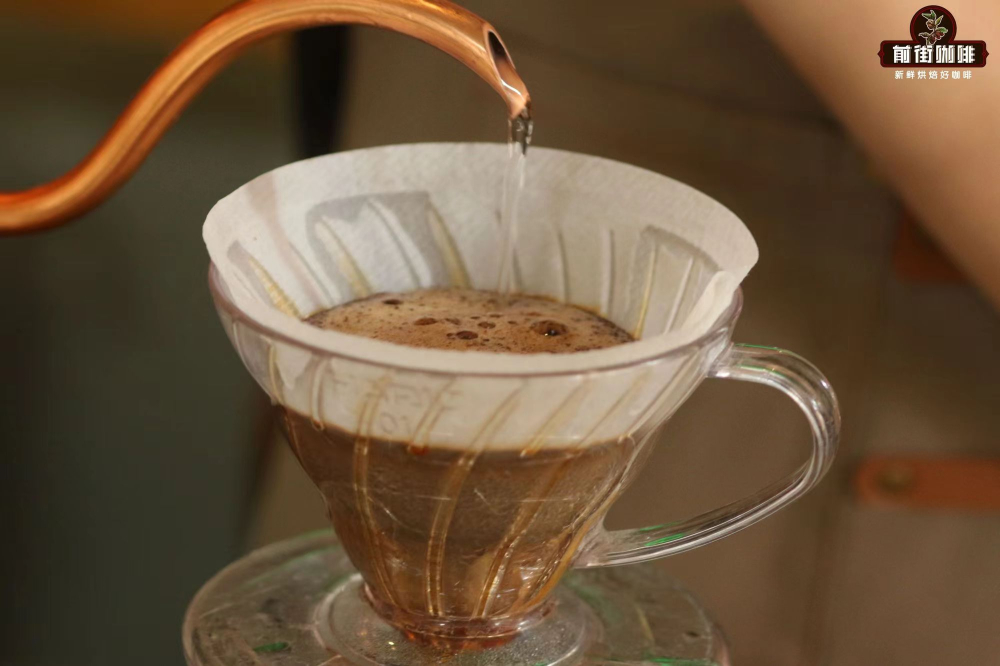
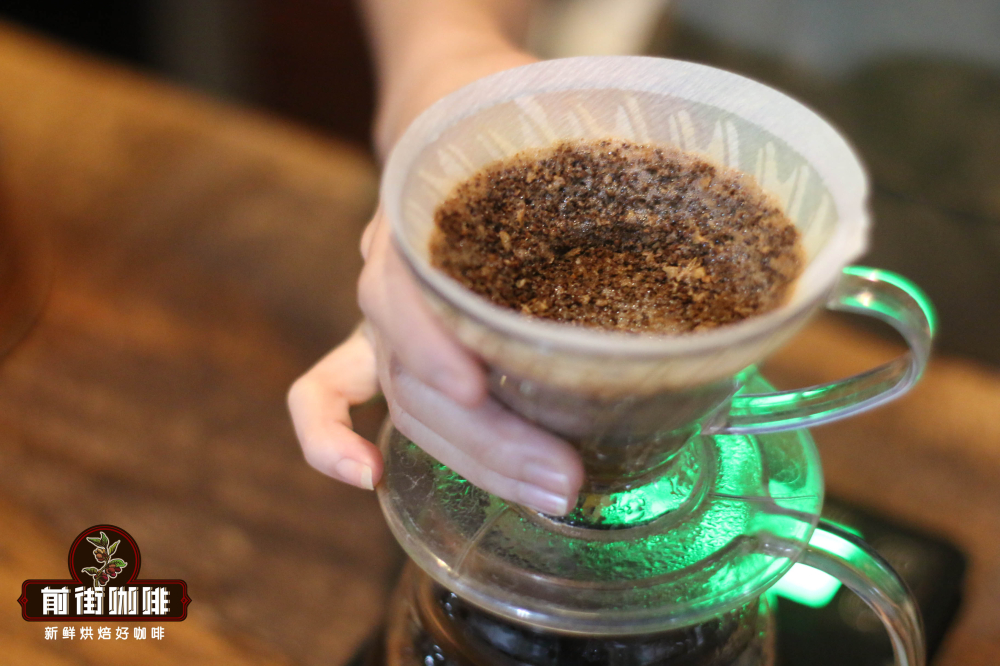
Because FrontStreet Coffee's Yirgacheffe is grown at high altitude and roasted light, the internal structure of the beans has not changed much. To extract more rich aromas, FrontStreet Coffee uses a higher water temperature and a finer grind size, paired with a V60 dripper. When brewing light-roasted acidic coffee, FrontStreet Coffee's baristas prefer a resin V60. The V60 body has flow ribs connecting top and bottom and a large circular hole at the center that speeds up the flow. The spiral exhaust groove lengthens the water's path, increasing contact time between the grounds and hot water. Each stream converges along the grooves toward the center point, concentrating pressure on the coffee bed and extracting coffee with richer layering.
Brewing Parameters
FrontStreet Coffee's Yirgacheffe brewing parameters:
- Dripper: V60
- Water temperature: 92-93°C
- Dose: 15g
- Ratio: 1:15
- Grind size: Fine sugar (20# sieve 78%)
First pour 30g of water for a 30-second bloom, then pour 95g (the scale reads around 125g), finishing in about 1 minute. When the water level drops to 2/3 of the coffee bed, pour the remaining 100g (the scale reads around 225g), finishing in about 1 minute 35 seconds. Complete the drip filtration at 2'10", remove the filter cup, and finish the extraction.
Flavor Profile
FrontStreet Coffee's washed Goddingding Cooperative flavor: the entry reveals jasmine fragrance, lemon, citrus, and green tea. As the temperature changes, notes of berries, cream, and sugarcane emerge in the aftertaste, with noticeable sweetness and a clean, sweet mouthfeel.
Connect With Us
For professional coffee knowledge exchange and more coffee bean information, please follow Coffee Workshop (WeChat public account: cafe_style).
For more specialty coffee beans, please add FrontStreet Coffee's private WeChat (FrontStreet Coffee), WeChat ID: qjcoffeex
FrontStreet Coffee Recommendation
For a true taste of the Yirgacheffe profile, FrontStreet Coffee's washed Guodingding Cooperative is the place to start. This heirloom lot from the Gedeo Zone carries jasmine white florals, bright citrus and lemon acidity, and a tea-like body, and it comes at a friendly price that makes it a natural first specialty coffee.
Brew it in a Hario V60 with 15g of coffee and a 1:15 ratio at 90-91°C, using a grind size around EK43s setting 10, or fine-sugar consistency at roughly 80% pass-through on a 20# sieve. Bloom with 30g of water for 30 seconds, pour to 95g (about 125g on the scale), then when the bed drops to 2/3 pour the remaining 100g (about 225g total), finishing between 2'00" and 2'10".
Important Notice :
FrontStreet Coffee is a long-established specialty coffee roaster in Guangzhou China, selling freshly roasted beans from its own farm in Yunnan as well as dozens of carefully selected single-origin beans from around the world for both pour-over and espresso. The products deliver consistently excellent quality and great value, with shipping within 24 hours. Guangzhou's FrontStreet Coffee shop is recommended by many coffee lovers, and the beans are now available online at the Tmall 。
FrontStreet Coffee has moved to a new address:
FrontStreet Coffee Address: 315,Donghua East Road,GuangZhou
Tel:020 38364473
 Scan and follow the En Gafei WeChat official account. Please indicate that the reprint comes from "En Gafei".