Indian Monsoon Malabar Coffee Beans: Processing Process Special Report
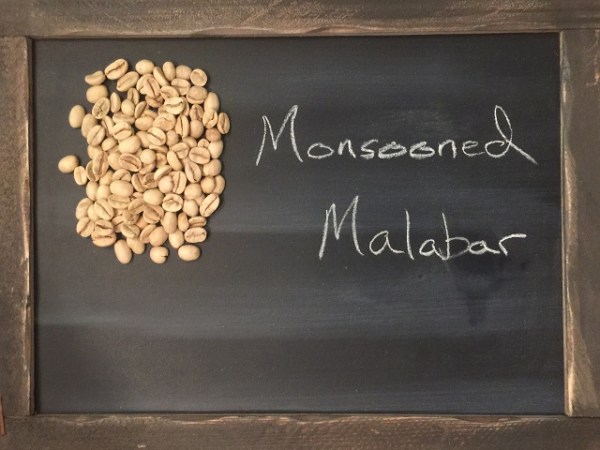
About Malabar Monsooned Coffee
Indian monsooned Malabar coffee has charmed European drinkers since the 17th century—and it was an accident. In the 17th and 18th centuries, India shipped green coffee to Europe by sailing vessel, a six-month voyage. Beans stowed deep in the hold absorbed moisture and salt from the sea air. By the time they reached Europe they had visibly changed: deep green had faded to a yellowish-brown the color of rice grains. The fruity acidity had all but vanished, but in its place came strong nutty and cereal notes with a tea-like quality reminiscent of genmaicha (roasted brown-rice tea). Nordic drinkers loved this golden, mellow alternative coffee.
In 1869 the Suez Canal opened and steamships followed, slashing the India-to-Europe voyage time. Suddenly customers complained that Indian coffee had "lost its flavor"—no more of the former charming color and taste—and orders fell sharply. Indian exporters went looking for answers and concluded that with the crossing cut by more than half, the beans simply no longer had time to "mature" in transit. Someone clever thought of the salty, humid monsoon winds that the Indian Ocean drives onto the Malabar coast of southwestern India from late May through September each year. After several experiments, they recreated a yellowish-brown, low-acidity coffee resembling the old sailing-ship product, and named it "monsooned coffee"—the monsooned bean.
Indian coffee is naturally thick and mellow with low acidity, and monsooned beans start from natural-processed (unwashed) green coffee. Every monsooning facility faces west, into the salty, humid winds blowing from the southwest sea. Beans are spread evenly across the monsooning floors with all windows open. Once the monsooning has progressed, the beans are bagged—but since they swell considerably, the bags can't be filled too full or stacked too densely, or trapped moisture causes mold. The bags must also be periodically emptied and swapped for fresh burlap to prevent spoilage, making the whole process slow and laborious. Monsooning runs about twelve to sixteen weeks. After maturation, the beans are smoke-treated to drive off weevils, and manual sorting removes any bean that hasn't turned golden yellow. After three to four months, Malabar green beans have expanded to one to two times their original volume, with both weight and density reduced.
Though plump in appearance, monsooned Malabar is actually a soft bean—strong outside, weak inside. Long exposure to the humid monsoon air turns the bean yellow (hence the nickname "Golden Malabar") and strips out most of the coffee's own acidity, producing a very special mouthfeel. Taken as a single origin, monsooned beans offer rich wheat aroma and tea-like flavors. For centuries European roasters have prized them as a blending component, adding viscosity and tea-like qualities—and they make an excellent espresso base.
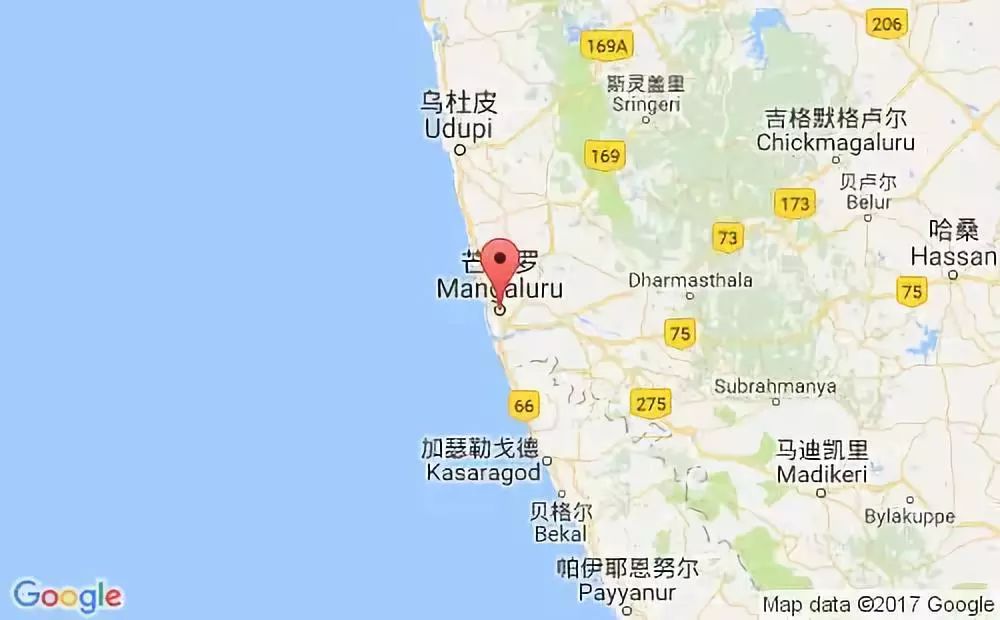
MANGALORE is India's New Mangalore port, on the southwestern peninsula in Karnataka state, north of the Gurpur River estuary and northwest of Mangalore city, facing the Arabian Sea. The northeast shore serves as a bulk cargo terminal with rail access. Southwest winds of force 5–6 prevail in summer, and tropical storms occasionally affect the area; tides are semi-diurnal. The port exports minerals, pepper, coffee, sandalwood, cashews, tea, and more. The new port lies about 2 nautical miles south of the original smaller port, which was mainly used for coastal trade and fishing, while the city port of Mangalore is about 10 kilometers south of the new port and about 6 kilometers from the old port.
Monsooned Coffee Processing Method
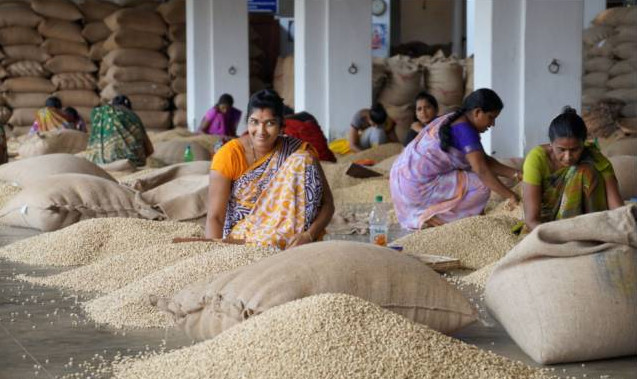
Monsoon season arrives in southwestern India every May and June. Monsooned coffee must start from natural-processed beans. Farmers spread the beans evenly across the monsooning floors at a thickness of about 12–20 centimeters for 5 days, raking them repeatedly so every bean meets the extremely humid air. The beans are then loosely packed into bags and stacked so the monsoon winds can penetrate through the burlap. The facilities face west to capture the salty winds from the southwest.
With all windows open, the humid summer winds off the Arabian coast do their work. Once the monsooning has advanced, the beans are bagged—but never filled too full or stacked too densely, to avoid mold from poor ventilation. There the bags are repacked and restacked weekly for a total of 7 weeks, until the beans change color and flavor. Periodic emptying and bag-changing continue throughout to keep mold at bay.
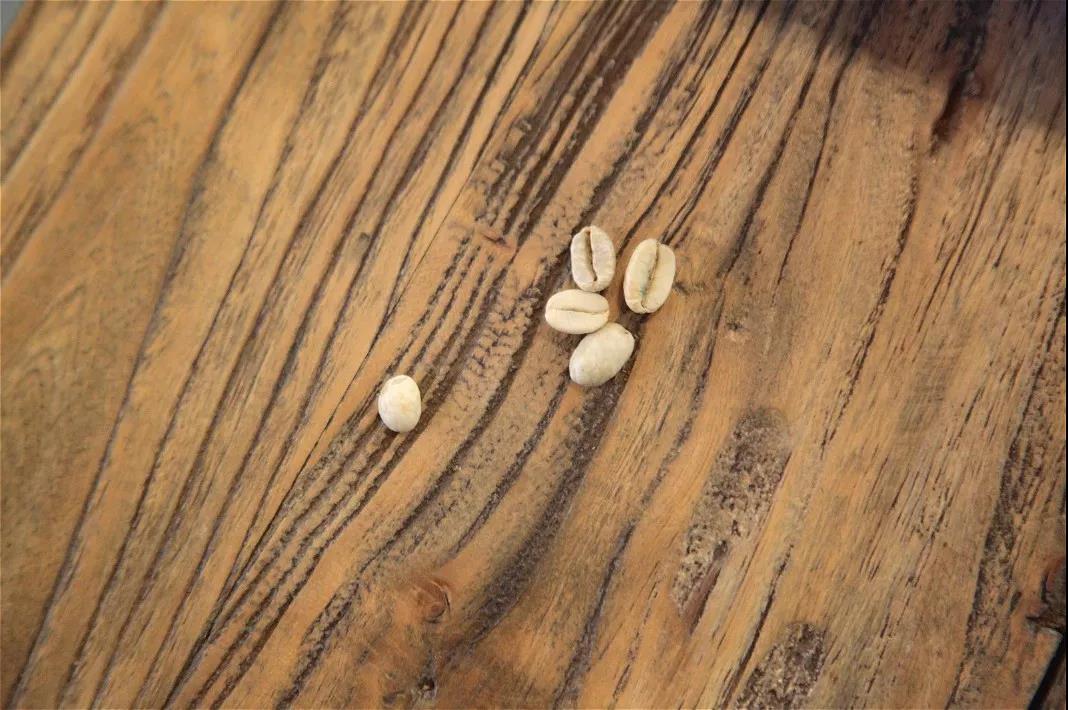
The full monsooning period runs about twelve to sixteen weeks. After maturation, smoke treatment drives off weevils, and manual sorting removes any beans that haven't turned golden yellow. Starting in June, after three to four months of monsooning, the green beans expand to one to two times their volume, shift from green to golden yellow, and lose both weight and density. Final moisture sits around 13%, acidity is sharply reduced, and both quality and quantity change dramatically.
Finally, a second round of sorting filters out any improperly monsooned beans, debris, and defects—everything the "monsoon" never touched. Then cupping, grading, bagging, and export preparation follow. October through February is the best season for shipping "monsooned" coffee.
Coffee Varieties
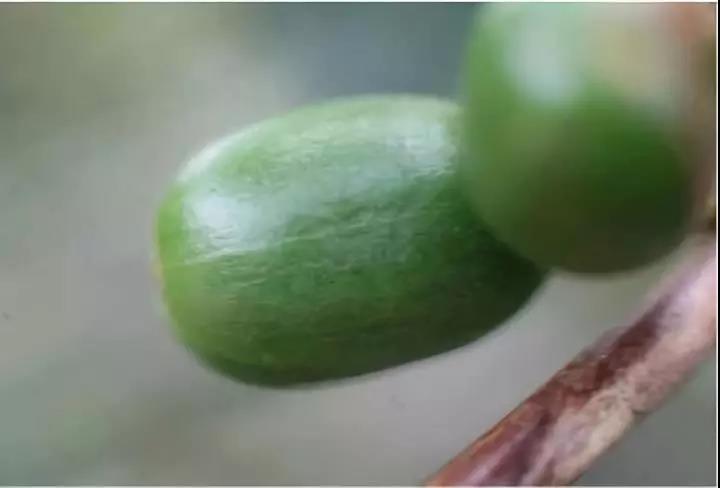
Kent
A Typica hybrid discovered in 1911 at Kent Coffee Estate in India's Mysore region, created by crossing S288 with Typica. It is high-yielding and rust-resistant, though it has never scored particularly well in cupping; its aroma carries more body than Bourbon varieties.
S795
Also known as Jember. Indian botanists first crossed first-generation S288 with Typica to create Kent, then crossed Kent with second-generation S288 to produce S795. In 1955 the Indonesian Coffee and Cocoa Research Institute (ICCRI) named it Jember, and it is now widely planted across India, Indonesia, Yemen, and Ethiopia. It carries some resistance to coffee leaf rust, though resistance fades over time. Its flavor is close to Arabica, with a certain wildness.
Catimor
In 1959, Portuguese researchers crossed Brazilian Caturra with Timor to create the F2 hybrid Catimor, with superb disease resistance and yields—but inferior flavor, making it a key commercial variety rather than a specialty favorite. To repair Catimor's cupping reputation, botanists in recent years have backcrossed Arabica into Catimor lines over multiple generations to dilute the Robusta heritage.
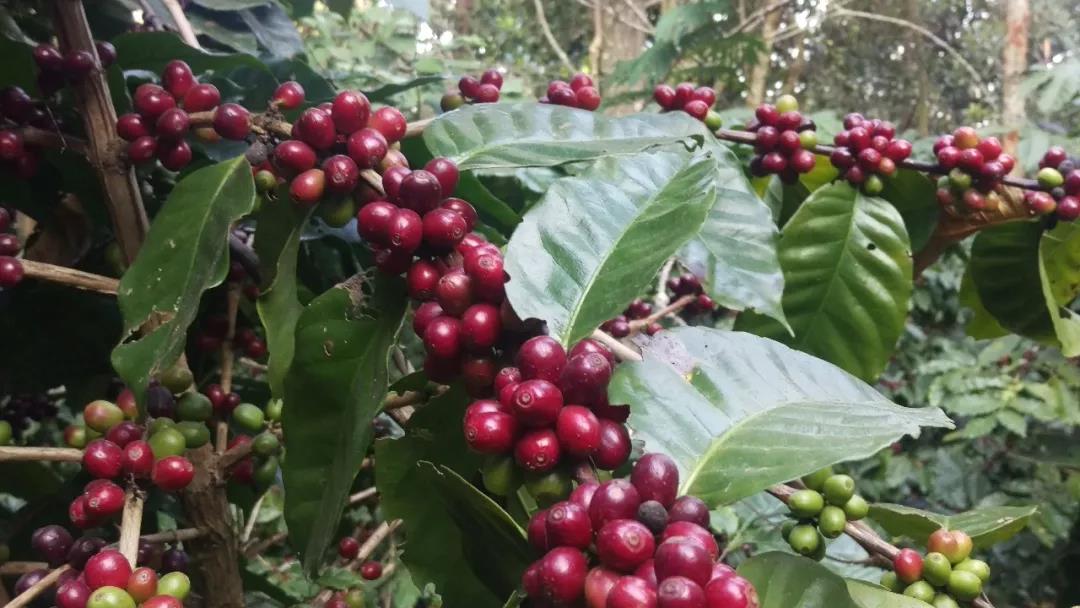
FrontStreet Coffee Teaches You How to Roast Malabar
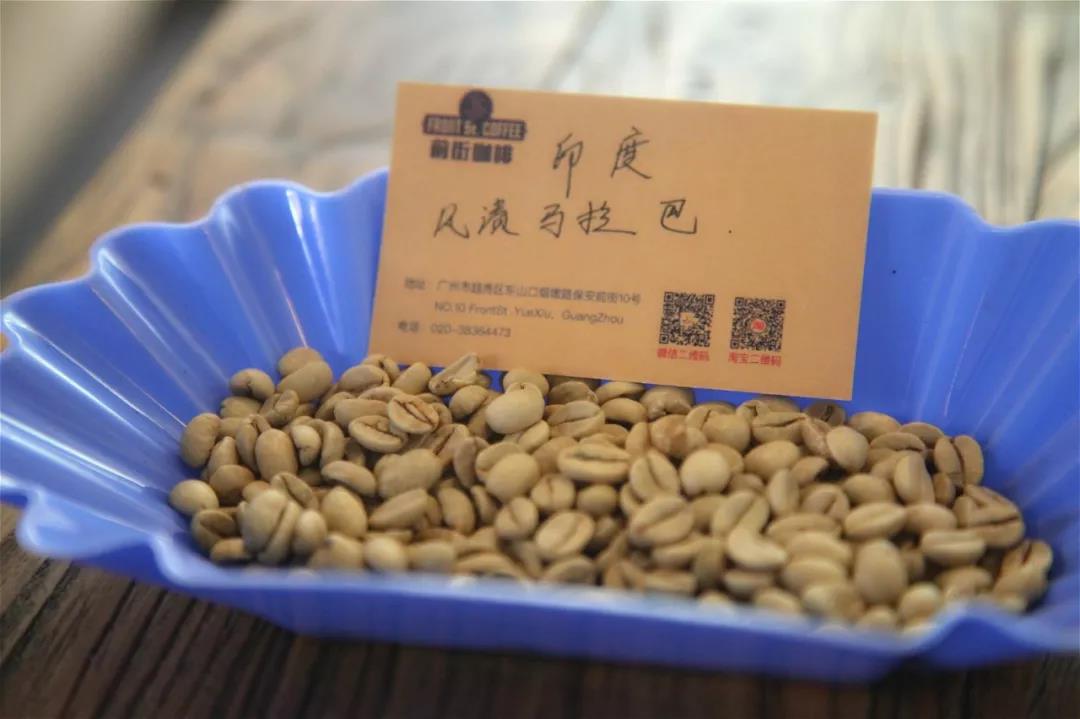
This coffee falls into the moderate-density category. Roast with medium heat and a steady rate of rise: the yellowing point arrives around 4 minutes 50 seconds, then reduce heat and open the airflow for the Maillard phase. At first crack, keep the heat while opening the damper fully—the temperature should be around 184.4°C—and drop the beans 2 minutes 30 seconds after first crack.
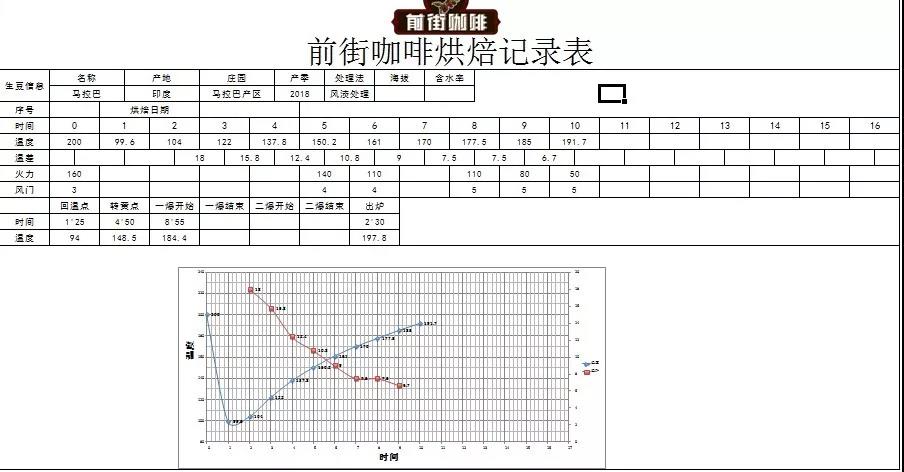
Roaster: Yangjia 600g semi-direct heat
Preheat to 200°C and charge the beans, damper at 3. After 30 seconds, turn on the heat and set it to 160. Turning point at 1'25". Hold the heat. At 4'50" the beans yellow and the grassy aroma disappears—dehydration underway. Cut heat to 140 and open the damper to 4; at 168°C, cut heat again to 110.
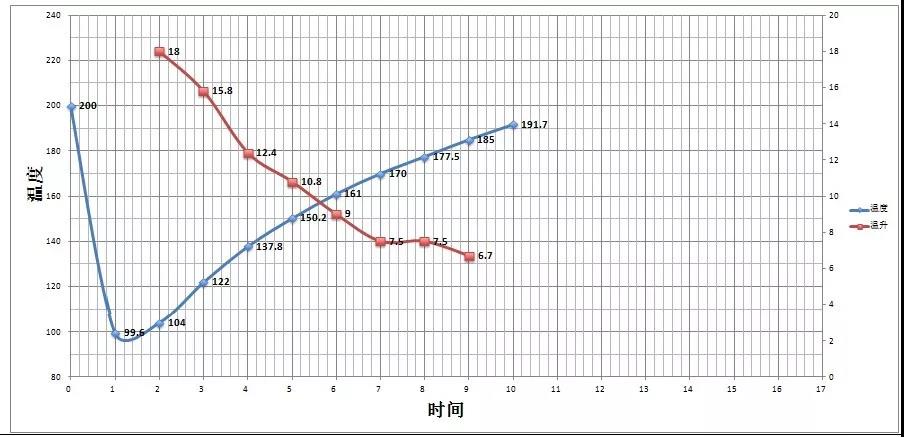
Dehydration completes at 8 minutes. Wrinkles and dark spots appear on the bean surface and the toast aroma shifts to coffee aroma—the prelude to first crack. Hold the heat, open the damper to 5, and listen for the crack. First crack begins at 8'55" with the damper fully open at 5. Development after first crack runs 2 minutes 30 seconds; drop at 197.8°C.
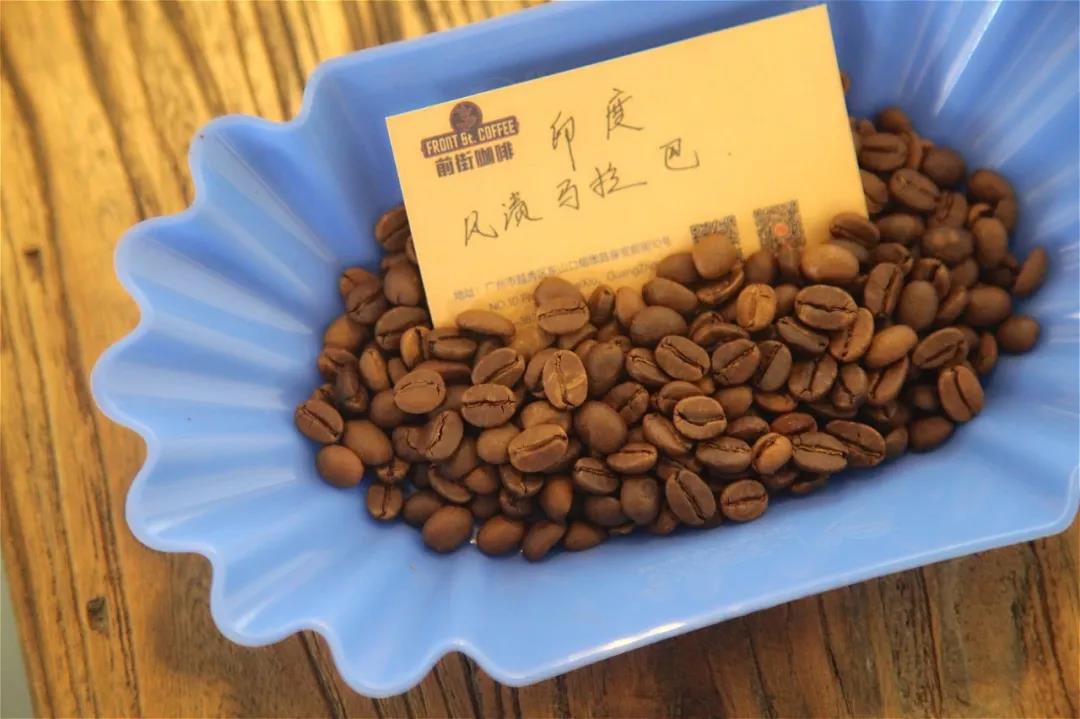
Remember, monsooned Malabar looks plump but is a soft bean—strong outside, weak inside. The long exposure to humid monsoon air strips away most of its acidity, creating that unmistakable mouthfeel: rich caramel, raisin, and herbal aromas, a genmaicha-like body, and a berry-tinged aftertaste.
FrontStreet Coffee Recommended Brewing Method: Pour-Over
Grind size: 4 on the Fuji R440 (47% pass rate on the #20 China standard sieve)
Water temperature: 83°C
Kono dripper, 17g dose, water at 83°C, grind size 4, ratio close to 1:13
Technique: 30g of water to bloom for 30 seconds
Segments: Pour to 120g and pause, then a slightly larger flow to pour to 221g
So 30–120–221, total extraction time 1:50–2:00

Other immersion and drip recommendations:
French Press: grind size 4, water temperature 83°C
AeroPress: grind size 4, water temperature 83°C
FrontStreet Coffee Recommendation
If monsooned Malabar's low acidity and mellow body are exactly your style, but you'd like a little fruit in the cup, the easiest bridge is to blend low-acid origins with bright, fruit-forward washed beans from lighter roasts. FrontStreet Coffee's Ethiopia Yirgacheffe Guodingding—many coffee lovers' first step into specialty coffee—brings vivid citrus, berry, and floral aromatics with a green-tea-like finish, and its acidity is soft and bright, like fruit itself, never harsh.
For tropical-fruit intensity, FrontStreet Coffee's Ethiopian Blossom (Huakui) is one of the most successful specialty stars of recent years: explosive strawberry, passion fruit, jackfruit, even lychee aromatics, obvious sweetness, almost no bitterness, and a smooth, juice-filled sip that regulars describe as "the least coffee-like coffee." For a sharper, more structured fruit acidity, the FrontStreet Kenya Cherry Tomato—grown at 1,550–1,750 meters in Thika on SL28 and SL34, with 72-hour double-washed fermentation and a light roast—delivers cherry tomato and dried dark plum over full, fresh-pressed-juice body, layered with snow pear, black plum, yellow sugar, and a green-tea finish.
Blending a modest share of any of these into a monsooned Malabar base—or simply drinking them side by side—shows just how dramatically processing shapes the cup: one bean baked by sea wind for four months, the other dried by mountain sun in weeks.
Important Notice :
FrontStreet Coffee is a long-established specialty coffee roaster in Guangzhou China, selling freshly roasted beans from its own farm in Yunnan as well as dozens of carefully selected single-origin beans from around the world for both pour-over and espresso. The products deliver consistently excellent quality and great value, with shipping within 24 hours. Guangzhou's FrontStreet Coffee shop is recommended by many coffee lovers, and the beans are now available online at the Tmall 。
FrontStreet Coffee has moved to a new address:
FrontStreet Coffee Address: 315,Donghua East Road,GuangZhou
Tel:020 38364473
 Scan and follow the En Gafei WeChat official account. Please indicate that the reprint comes from "En Gafei".