Complete Illustrated Guide to Brewing Drip Coffee Bags - Top 10 Premium Pour-Over Coffee Brands Ranking

Even with identical beans, freshly ground coffee and drip bag coffee will taste somewhat different — once coffee is ground, its natural aroma starts escaping immediately. That said, plenty of FrontStreet Coffee regulars ask us to grind their beans before shipping, and in those cases we simply advise drinking them as soon as possible. For anyone short on time, though, drip bags are far more convenient than a full pour-over, and they remain an excellent choice.
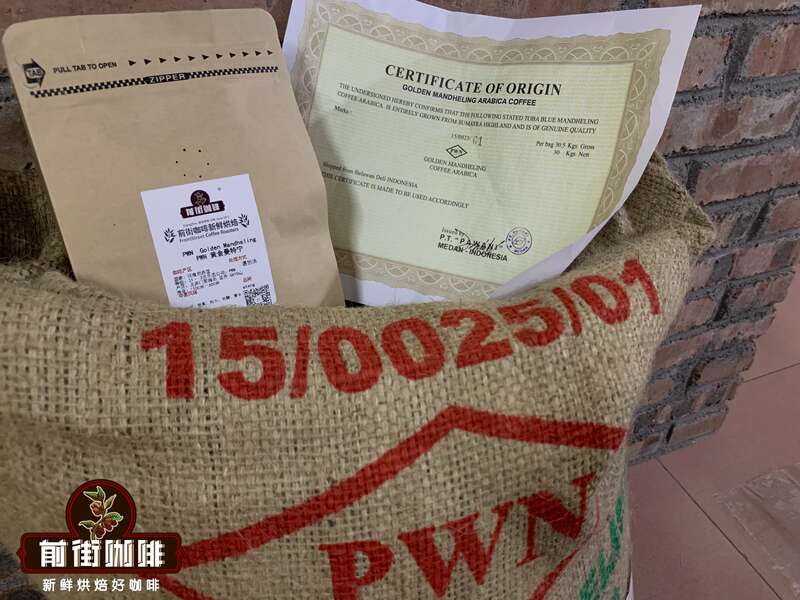
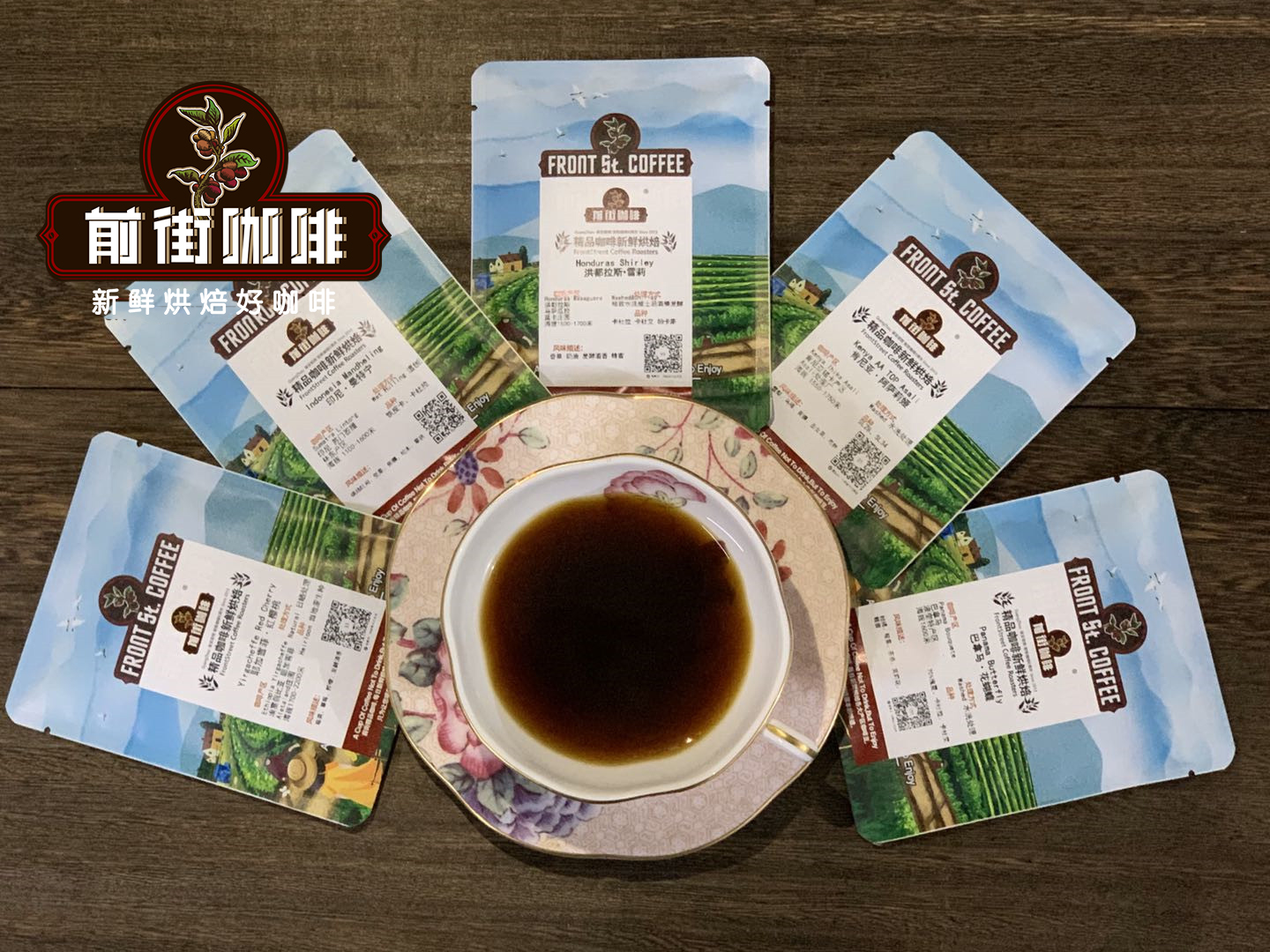
FrontStreet Coffee's drip bag line covers a range of regional flavors: Yirgacheffe, Brazil, Kenya, Flower Butterfly, Mandheling, Honduras Sherry, and more. If a customer wants a different bean turned into drip bags, we make them on request — just recently, a customer tried a FrontStreet Coffee PWN Golden Mandheling in the store, loved the flavor, but had no interest in grinding at home, so we packed drip bags for him on the spot.
How to Use Drip Bag Coffee?
Here is FrontStreet Coffee's introduction to drip bag coffee. First, get familiar with the correct brewing method — it is only slightly more effort than instant coffee.
The Correct Method for Brewing Drip Bag Coffee
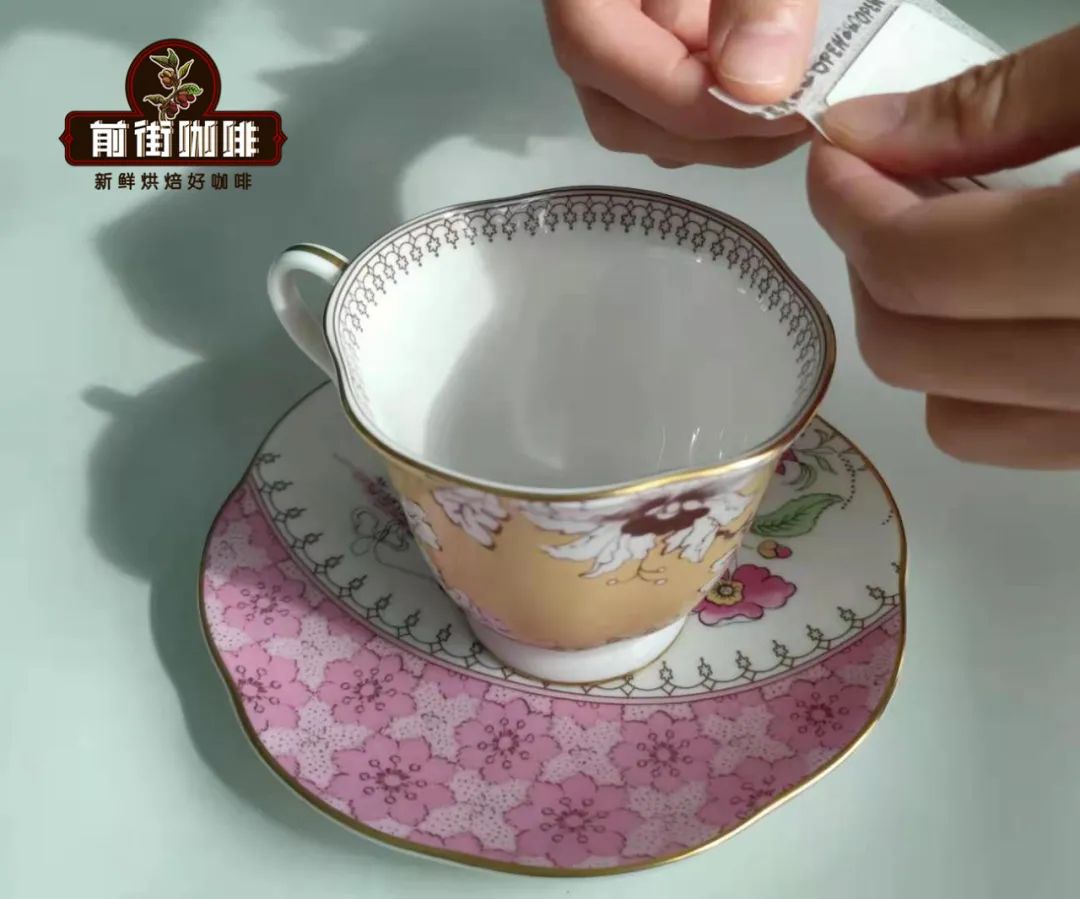
1. Tear along the indicator mark — it tears easily. Choose a cup whose rim isn't too wide, or the bag may not sit securely.
2. Pour 90℃ hot water, just enough to cover the grounds, and let it bloom for 20-45 seconds.
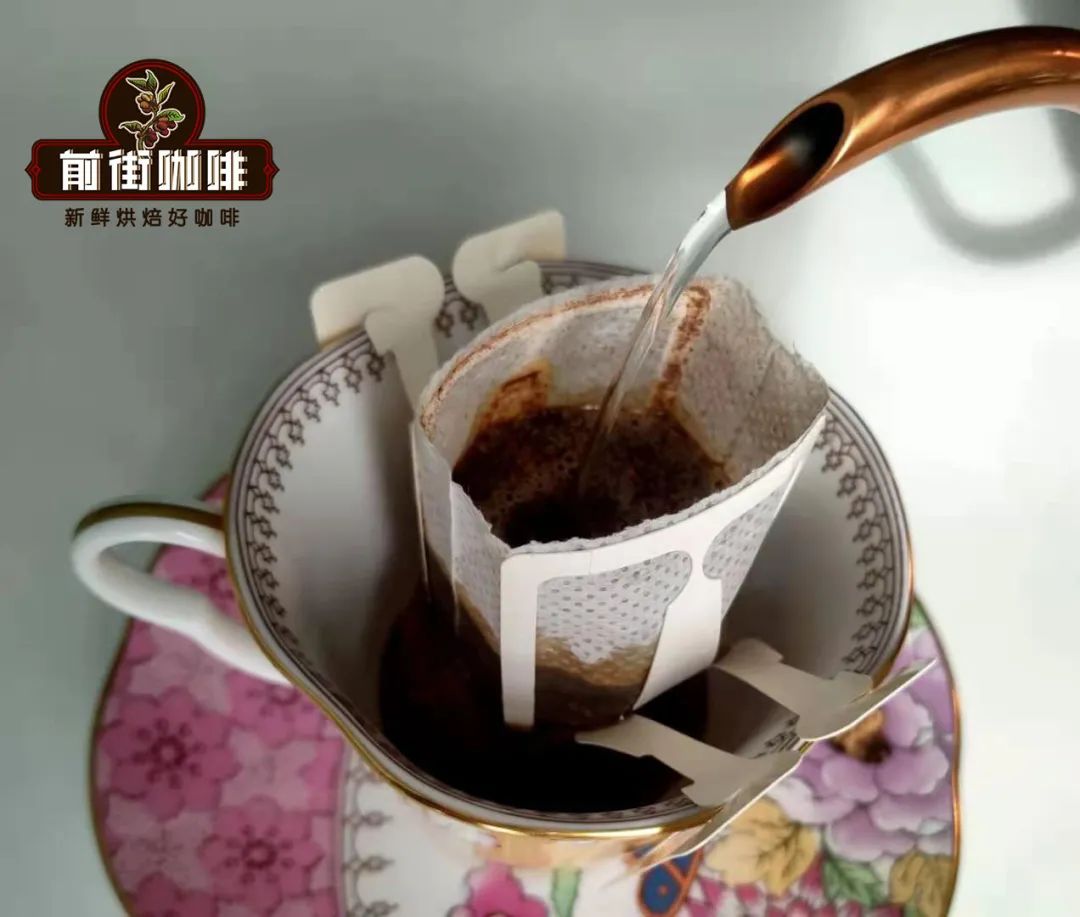
3. After blooming, the grounds will already be releasing a rich aroma. Each FrontStreet Coffee drip bag holds 10g of coffee; at a 1:15 coffee-to-water ratio, pour about 150ml of hot water in total. Stronger? Use less water. Lighter? Add more — adjust to taste. Customers often ask whether drip bags need staged pouring, but a single steady circular stream straight to 150ml is enough. Drip bags exist to be simple; don't overcomplicate them.
4. Lift out the drip bag and throw it away. Add sugar and milk as you like. If you're adding milk, brew the bag stronger first, then mix at roughly a 1:8 coffee-to-milk ratio — or froth the milk, and you have a simple latte!
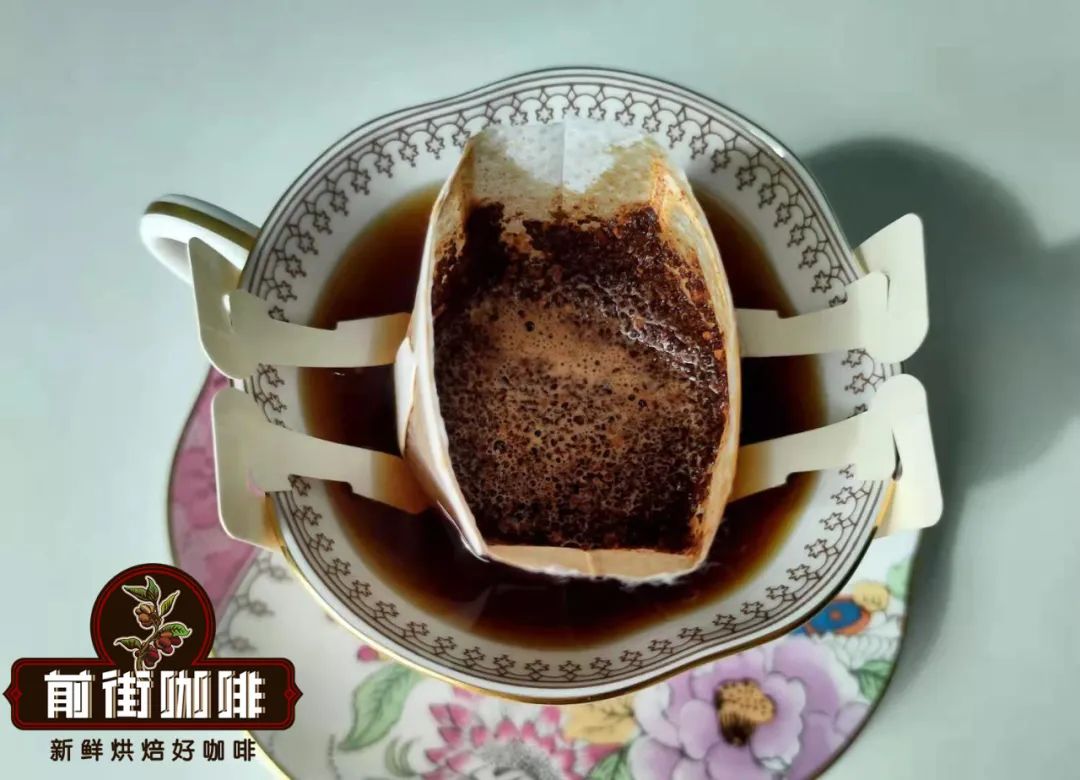
Incorrect Methods for Brewing Drip Bag Coffee
1. Treating the grounds like instant coffee. FrontStreet Coffee once received feedback complaining about "lots of grounds in the coffee" — it turned out the customer had stirred the grounds directly into the water as if making instant coffee. He said it tasted fine, but all that sediment really did ruin the mouthfeel.
FrontStreet Coffee cannot stress this enough: absolutely do not pour the grounds out of the drip bag into your cup!
Instant coffee is a dry extract made by evaporating the water from brewed coffee, which is why it dissolves instantly in hot water. It is a fundamentally different product from real coffee.
The powder in a drip bag is ground from freshly roasted beans and full of insoluble material like plant fiber — which is exactly why drip extraction is used, keeping the grounds out of your cup and off your palate.

2. Treating the drip bag like a tea bag. FrontStreet Coffee has also heard "my coffee had no flavor" from someone who simply dropped the whole bag into a cup of water.
Yes, drip bags and tea bags both use non-woven fabric, but a drip bag has a pair of very obvious paper "ears" you can't ignore — unless your goal is bland water that tastes like soaked paper. Remember: drip bags must be hung on the cup and brewed!

3. Brewing without tearing the bag open first. This is the most common mistake FrontStreet Coffee sees. Most brands print "OPEN" on the seal, and ours do too. Some people assume the bag is just a tea pouch to be dunked, so the thought of tearing never crosses their mind. Without tearing, there is no proper water flow through the coffee, and extraction will inevitably be weak. Step one of brewing a drip bag: tear it open!

4. And various other creative mistakes
FrontStreet Coffee will list just two. First: everything done right, but the bag never comes out. Remove the drip bag within 2 minutes of finishing the pour — otherwise it just gets in the way, and over-extraction will start to hurt the mouthfeel. Second: tear, hang, brew, and remove all executed perfectly — and then the same bag goes back in for a second cup. Please don't reuse a drip bag! The flavor is already spent; a second brew extracts nothing useful.

FrontStreet Coffee Tips: Three Details to Make Drip Bag Coffee Taste Better!
1. Pour from a narrow-spout kettle instead of a water dispenser
Many people brew drip bags by holding them under a water dispenser's hot tap and letting it rip.
But a gentler, steadier water flow is what keeps harsh flavors out of the cup.
A simple gooseneck kettle gives you that controlled flow, minimizing the extraction of unpleasant flavors and getting you closer to the ideal cup!

2. Nailing the brewing ratio matters a lot
People ask: is there really a difference between 1:10, 1:15, and 1:20? FrontStreet Coffee's answer: a big one!
Too strong or too weak, and the whole drinking experience suffers.
Getting the ratio right is, in FrontStreet Coffee's view, essential to good coffee.
FrontStreet Coffee recommends brewing drip bags with a marked measuring cup rather than a regular mug, so you can control the ratio precisely.

3. Check the water temperature with a thermometer
As FrontStreet Coffee has noted before, water temperature is one of the four variables of coffee extraction, and it directly shapes the result.
Drip bags don't demand pour-over precision, but if you want the best taste, FrontStreet Coffee suggests keeping the water between 80-95℃. Too hot, and you dissolve large amounts of fiber from the grounds, leaving the coffee sandy and unpleasant. An electronic thermometer takes the guesswork out; without one, wait about 1 minute after filling a gooseneck kettle with boiling water and the temperature will drop below 95℃. Just don't let it fall too low, or the drip bag coffee will taste thin.

Master these three points and your drip bag coffee moves up a whole level!
Drip Bag Brand Recommendations
The beans inside drip bags can be almost anything — it comes down to your taste. FrontStreet Coffee recommends these representative beans: bright and acidic, mellow, and wine-flavored options alike.
1. FrontStreet Coffee · Panama Washed Flower Butterfly Coffee Beans

Panama sits in Central America, bordered by Costa Rica to the west and Colombia to the east, and it is famous for the Geisha coffee of Hacienda La Esmeralda. Geisha is everywhere in Panama, and many estates grow it — but because Geisha is hard to cultivate, limited in output, and outstanding in flavor, it never comes cheap. This FrontStreet Coffee Panama Flower Butterfly, however, carries 70% excellent Geisha heritage alongside Catuai and Caturra, grown in the Baru Volcano region of Boquete. At 1600 meters of volcanic altitude, the local microclimate brings abundant rainfall and big day-night temperature swings; with meticulous harvesting and careful processing, this coffee shines in body, acidity, and florals.
Better still, despite all that quality, the price is remarkably accessible — a genuine value way into Geisha flavors.
In washed processing, machines remove the pulp and skin first, leaving beans still clad in parchment and a sticky layer of mucilage. Washing removes that mucilage — but since it clings stubbornly, the beans must ferment in a tank for about 18-36 hours to break it down.
Flavor description: citrus, florals, tea-like sensation, honey, high sweetness.
2. FrontStreet Coffee · Kenya Assalia Coffee Beans

Most Kenyan coffee grows at altitudes of 1500-2100 meters and yields two harvests a year. It is farmed largely by smallholders in the central highlands near Mount Kenya, and the beans are high-quality Arabica.
Kenya grades coffee by bean size and cupping results. By size, shape, and hardness, from high to low: AA or AA+, AB, PB, C, E, TT, T. On top of that, AA and AB lots receive a cupping-based grade established by exporters rather than the Kenyan authorities: TOP, PLUS (+), and FAQ, from high to low.
Kenya's signature acidity owes much to its processing. Washed processing normally selects fully ripe cherries, removes pulp and skin, then ferments the beans in tanks to strip the mucilage — a step that rarely exceeds 36 hours elsewhere, but stretches to a full 72 hours for Kenyan coffee. The beans are then dried to a 12% moisture content.
Flavor description: cherry tomato and black plum acidity, prominent mid-palate sweetness, a finish of berry aroma and brown sugar, with tea fragrance.
3. FrontStreet Coffee · Ethiopia Yirgacheffe Natural Red Cherry Coffee Beans

Operation Cherry Red is a quality-driven business program founded by Menno Simons of the Dutch green coffee trader Trabocca. Trabocca saw that uneven Ethiopian quality capped prices and kept farmer incomes low; together with local growers, it launched the project to fix the problem at the source by paying premium prices for well-handled green coffee, motivating farmers to be meticulous at every stage of picking and processing. Picking is fully manual, targeting only highly ripe cherries.
Natural processing is the oldest coffee method there is. For this FrontStreet Coffee Yirgacheffe Natural Red Cherry, whole cherries — pulp and skin intact — are dried on raised beds, kept off the ground so they never pick up earthy taints. After more than two weeks of drying, the dark brown cherries are stored to rest and develop their flavors fully, and hulled just before shipping. Natural processing brings lower acidity, obvious sweetness, and body, though not quite the cleanliness of washed coffee.
Flavor description: a clear sweet-sour impression with lemon, berries, and fermented wine aroma; the aftertaste lingers with lemon acidity and pronounced sweetness.
4. FrontStreet Coffee · Ethiopia Washed Yirgacheffe Coffee Beans

Yirgacheffe lies in the Gedeo region of southern Ethiopia. Its coffee is so distinctive and so widely loved that it forms a classification of its own and holds a firm place in the global specialty market. Yirgacheffe itself is a small town ringed by three nearby micro-regions — Wenago, Kochere, and Gelena Abaya — whose coffees share so much in common with the town's that they are all marketed under the Yirgacheffe name.
Yirgacheffe's coffee trees were first planted by European monks and later passed to farmers and cooperatives. Most trees grow in farmers' backyards or intercropped in their fields — classic garden coffee. Garden coffee is one of Ethiopia's four cultivation systems, with only 1000-1800 trees per hectare, and it accounts for 50% of Ethiopia's total coffee production.
Yirgacheffe traditionally used the ancient natural method, but early naturals were mostly dried flat on the ground, picking up earth, dust, and other taints, and with no proper sorting the quality was generally poor. In 1972, Ethiopia introduced Central American washed processing technology, and quality leapt forward: Yirgacheffe's jasmine florals and citrus-lemon brightness became crisper and clearer, and the region became one of the world's benchmark specialty coffees.
Flavor description: lemon, florals, cane sugar, black tea.
5. FrontStreet Coffee · Indonesia Sumatra Mandheling Coffee Beans

Indonesia's coffee culture took root under Dutch colonial rule and gradually developed its own unmistakable flavor — none more famous than Sumatra's Mandheling. Mandheling was originally the name of a tribe; the Japanese mistook it for the coffee's name, and the mistake stuck.
With frequent rain and typhoons, reliable sun-drying weather is hard to come by, and the local economy long couldn't shoulder the cost of washed processing. Out of these constraints grew Sumatra's signature wet-hulled method (wet-hulling dries the beans in parchment for 2-3 days, as in washed processing, until moisture falls to 20-24%, then hulls the parchment while still damp).
Flavor description: herbal notes, dark chocolate, caramel, sweet finish.
6. FrontStreet Coffee · Brazil Cerrado Red Bourbon Coffee Beans

Brazil sits squarely in the tropics, with a hot, humid tropical climate in the north that suits tropical crops year-round. Coffee trees love sun, and Brazil has sunlight to spare.
Brazil's pulped natural method (also known as honey process) is common in parts of the country. After the pulp is removed, the mucilage-covered parchment beans are sun-dried for 1-3 days, then machine-dried to 12% moisture and rested in containers for aging. Compared with traditional natural processing, which takes 2-3 weeks, pulped natural dramatically shortens the timeline and cuts the odds of the beans absorbing off-flavors — a major quality win.
Flavor description: prominent nut and chocolate notes, low acidity.
7. FrontStreet Coffee · Yunnan Small Bean Coffee

FrontStreet Coffee got into the industry through coffee cultivation itself, and runs its own plantation in Yunnan growing Typica with a small amount of Bourbon. Two Yunnan beans sit on our menu: FrontStreet Coffee Yunnan Small Bean from Baoshan, a Catimor lot, and FrontStreet Coffee Yunnan Flower and Fruit Mountain, an old-variety Typica lot that FrontStreet Coffee calls Yunnan's true specialty coffee — Catimor now covers 99% of Yunnan's plantings.
Flavor description: melon and fruit, nuts, cream.
8. FrontStreet Coffee · Costa Rica Tarrazu Coffee Beans

The Tarrazu region produces about 35% of Costa Rica's total coffee and is the country's most important, highest-quality specialty region. Beyond micro-lots, Tarrazu also turns out large volumes of ultra-high-quality bulk coffee. Set in Costa Rica's picturesque Central Valley, it has distinct dry and rainy seasons, ideal soil and terrain, and altitudes of about 1200-1800m — everything Arabica could ask for in a growing region. The name comes from the ancient Huerta Indian tribe that once settled here.
Flavor description: nuts, sweet orange, honey.
9. FrontStreet Coffee · Colombia Washed Huila Coffee Beans

Colombia Huila beans are the cream of Colombia's crop, with a balance widely recognized as the country's best. They belong to the specially selected high-mountain coffees of Colombia's national coffee establishment — a true national treasure. Backed by superb geography and climate, Colombian coffee has held its quality for decades; unbranded Colombian beans typically flow through the National Federation of Colombia Coffee Growers, a vast organization famed for strict quality control and energetic promotion.
Flavor description: nuts, dark chocolate, caramel, soft fruit acidity.
10. FrontStreet Coffee · Honduras Sherry Coffee Beans

Honduras's natural conditions lose nothing to neighbors like Guatemala and Nicaragua. The country has 280,000 hectares of coffee plantations, mostly small farms under 3.5 hectares, which together account for 60% of Honduras's total production.
The Sherry beans come from the town of Masaguara in Intibucá province in southwestern Honduras, home to the Moca estate where this wine-toned FrontStreet Coffee Sherry lot was born.
The whiskey barrel fermentation method starts with finely washed fresh cherries, which then ferment at low temperature inside barrels for 30-40 days (around 15-20°C) so the green beans absorb the barrel's character, followed by shade drying.
Flavor description: pronounced wine aroma, vanilla, cream, balanced, cocoa finish, moderate acidity.

FrontStreet Coffee Recommendation
If you're new to drip bags and don't know where to start, the FrontStreet washed Yirgacheffe is the classic first pick — jasmine florals, bright citrus and lemon acidity, and a tea-like body at an easy price. For fruit-lovers, the Yirgacheffe Natural Red Cherry adds tropical fruit aroma over that same Yirgacheffe backbone: citrus acidity, berry juice, honeyed sweetness, and creamy smoothness. Both brew beautifully as drip bags with water at 90-91℃ and a 1:15 ratio.
Important Notice :
FrontStreet Coffee is a long-established specialty coffee roaster in Guangzhou China, selling freshly roasted beans from its own farm in Yunnan as well as dozens of carefully selected single-origin beans from around the world for both pour-over and espresso. The products deliver consistently excellent quality and great value, with shipping within 24 hours. Guangzhou's FrontStreet Coffee shop is recommended by many coffee lovers, and the beans are now available online at the Tmall 。
FrontStreet Coffee has moved to a new address:
FrontStreet Coffee Address: 315,Donghua East Road,GuangZhou
Tel:020 38364473
 Scan and follow the En Gafei WeChat official account. Please indicate that the reprint comes from "En Gafei".