Sidamo Coffee: A Comprehensive Guide to All Aspects of Sidamo Coffee
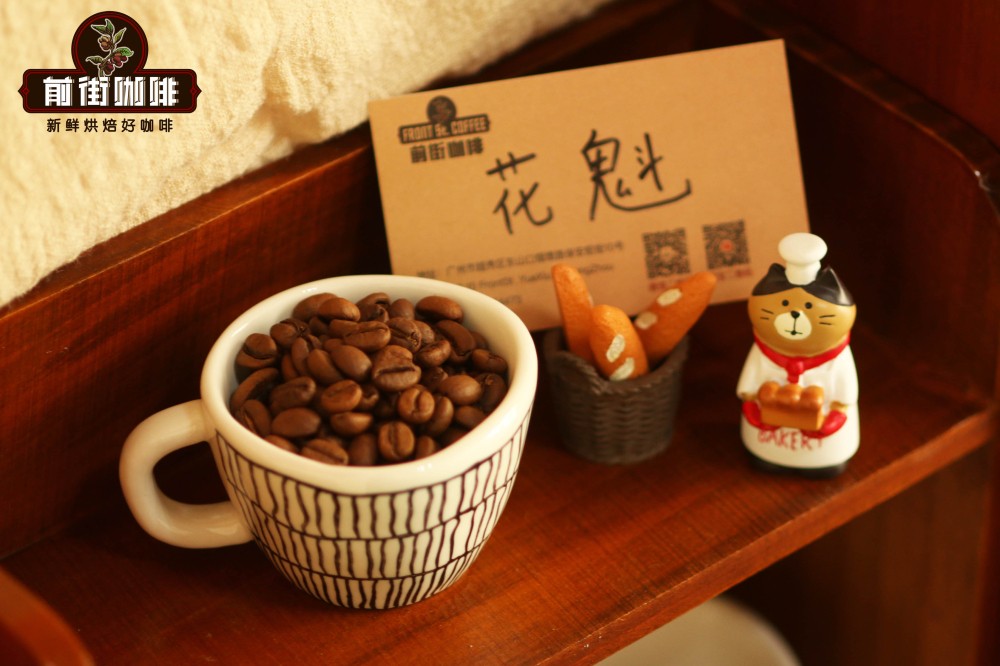
Ethiopia is the birthplace of coffee, and it holds a wealth of varieties - nearly all coffee varieties worldwide trace back to Ethiopia. Each of its producing regions offers distinct flavors. Both Sidamo and Yirgacheffe are premium coffee regions of Ethiopia, producing both washed and natural processed coffees. Yirgacheffe is most famous for its washed coffee, while Sidamo is renowned for its natural processed "Hua Kui" coffee. At FrontStreet Coffee, both coffees from the Sidamo region are natural processed.
Sidamo green coffee beans appear slightly grayish, coarse in some areas and fine in others. They possess both gentle and bright acidity, moderate body, and sweet, spicy flavors - true garden coffees of Ethiopia's southern highlands. Unlike typical African coffees, Sidamo features clear fruit acidity, a smooth mouthfeel, and delicate floral and herbal aromas.

Ethiopia's climate is polarized: half is humid rainforest, the other half arid desert and Gobi. Coffee cultivation is concentrated in high-altitude rainforests. The main rainy season runs from June to August, with annual precipitation in the coffee-growing areas ranging from 1000-2000mm and average temperatures between 15-30°C. Ethiopia has many tropical cloud-forest mountains, with coffee grown primarily on plateaus. The cooler temperatures at high altitude mean fewer pests and less need for pesticides; moreover, coffee cherries ripen more slowly, giving the trees more time to absorb nutrients.
The Sidamo Coffee Region
Sidamo lies in southern Ethiopia, extending east to the Arsi and Bale administrative regions and west to Gamogofa. Sidamo coffee is cultivated at altitudes between 1400m and 2000m. Agriculture dominates the local economy, with the main coffee-growing areas ringing the Great Rift Valley. Sidamo has developed rapidly in recent years and become an important coffee export hub. Its flavors are incredibly diverse: different soil types, microclimates, and countless native varieties give each town's coffee its own distinct character.

The most famous growing areas within Sidamo include Guji and West Arsi. Most of Sidamo uses natural processing for its green beans. FrontStreet Coffee believes natural processing gives Sidamo beans their rich fruity aromas and smooth mouthfeel.
The Guji Region
Guji was formerly part of Sidamo but was established as an independent new region by the Ethiopia Commodity Exchange (ECX) in 2010. Located southeast of Yirgacheffe, Guji features complex terrain - towering mountains, valleys, and plains. Its geology consists of fertile black Vertisol soil reaching depths of nearly two meters, with an average altitude above 1800 meters. The significant day-night temperature swings created by this geography provide exactly the terroir conditions needed for high-quality specialty coffee. And when discussing what made Guji famous, FrontStreet Coffee must mention "Hua Kui" (the oiran bean).

The "Hua Kui" coffee comes from Hambella, in Ethiopia's largest coffee-producing region of Guji, administratively part of Oromia state. Hambella's western side faces Yirgacheffe's Kochere across mountains, separated by a 3200-meter-high, 30-kilometer-wide highland. To the southeast, east, and north, it borders Guji's Shakiso, Uraga, and Kercha sub-regions, making it Ethiopia's highest-altitude coffee sub-region.
Today there are about 20 processing plants of various scales in the Hambella region. In 2017, Ethiopia's DW green coffee company entered its beans into the Taste Of Harvest (TOH) green coffee competition hosted by the African Fine Coffee Association. A natural processed batch from the "Buku Abel" plant won the TOH Ethiopia championship with its rich strawberry and cream aroma. That same year, the batch was imported to China by the Beijing green coffee trader Hongshun, and Li Jianfei subsequently used this coffee to take second place in the 2017 World Brewers Cup China competition. This Ethiopian bean outshone many competing Geisha coffees, earning it the name "Hua Kui" (in Japanese-influenced terminology, while "geisha" refers to a geisha performer, "oiran" denotes the leader among geishas - a nod to this coffee's outstanding quality).
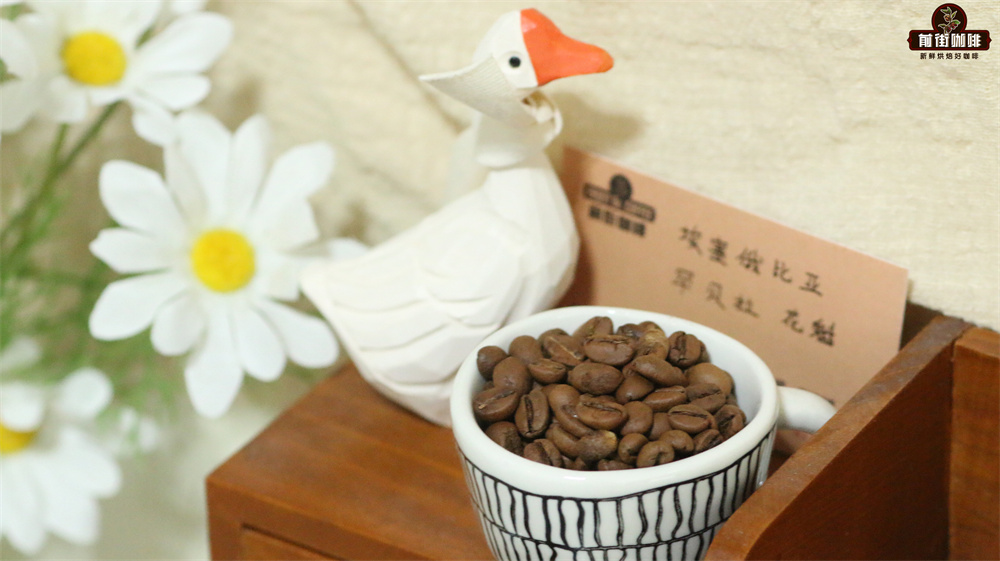
Strictly speaking, "Hua Kui coffee" originally referred only to the 2017 TOH champion natural process batch that entered China. But it would have been a pity for such a wonderful name to be fleeting. Hongshun therefore continued importing beans from the "Buku Abel" plant in Hambella, naming them Hua Kui 2.0, Hua Kui 3.0, and Hua Kui 3.1 to distinguish them from the original and represent different batches or harvest seasons. Throughout, Hua Kui kept certain constants: it was still procured and imported by Hongshun, and the growing region was locked to Hambella's "Buku Abel" processing plant.

Subsequently, DW company established additional processing plants in Hambella's core Dimtu region: "Buku Abel," "Buku Saysay," "Haro Soresa," and "Tirtiro Goye," with an annual coffee production of about 1100 tons. In terms of growing region and stations, only the beans handled at "Buku Abel" cover the original small producing area that yielded the natural processed "Hua Kui." In other words: only natural process coffee produced by Buku Abel can be called "Hua Kui."
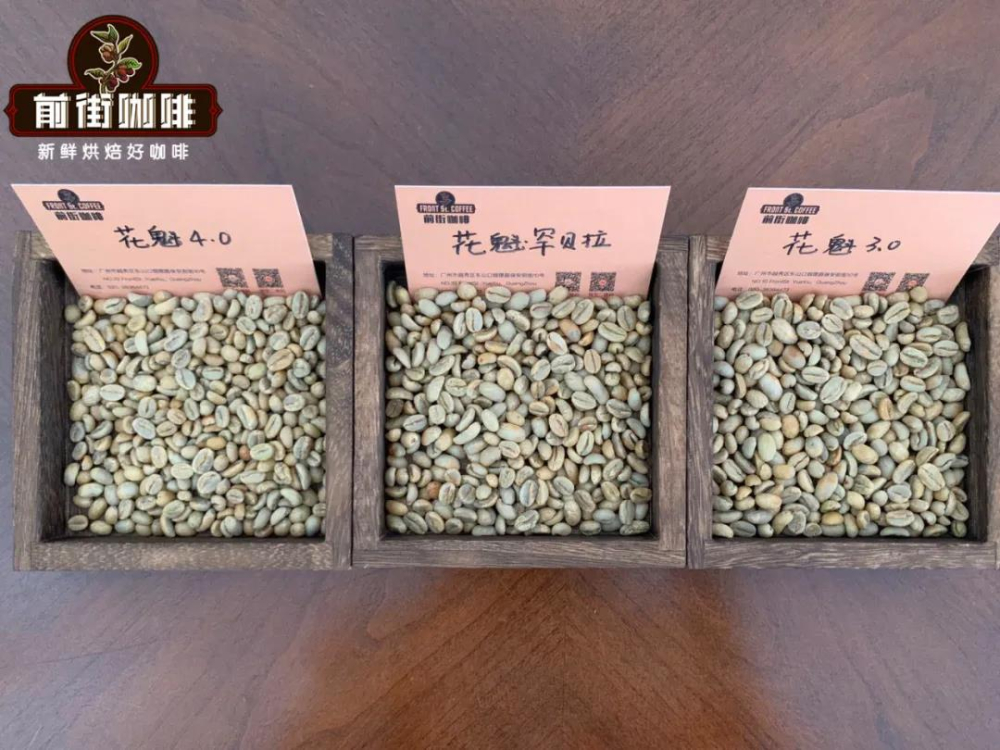
The area where Hua Kui is grown sits at altitudes above 2000 meters, with coffee trees shaded by tropical plants such as sugarcane and bananas. Coffee is an agricultural crop with a direct relationship to climate and environment, so each year's flavors differ somewhat. The Hua Kui X.0 naming system tracks the year: Hua Kui 2.0 launched in 2018, Hua Kui 3.0 and 3.1 in 2019, Hua Kui 4.0 in 2020, Hua Kui 5.0 in 2021, Hua Kui 6.0 in 2022... Now Hua Kui 8.0 has also been officially released, becoming a must-buy daily drinker on many people's lists.

The West Arsi Region
West Arsi lies between the famous Yirgacheffe coffee region and Hararge, at altitudes of 1900-2200m, in the western part of Sidamo. The area's name comes from a branch of the Oromo people who have long inhabited the region.
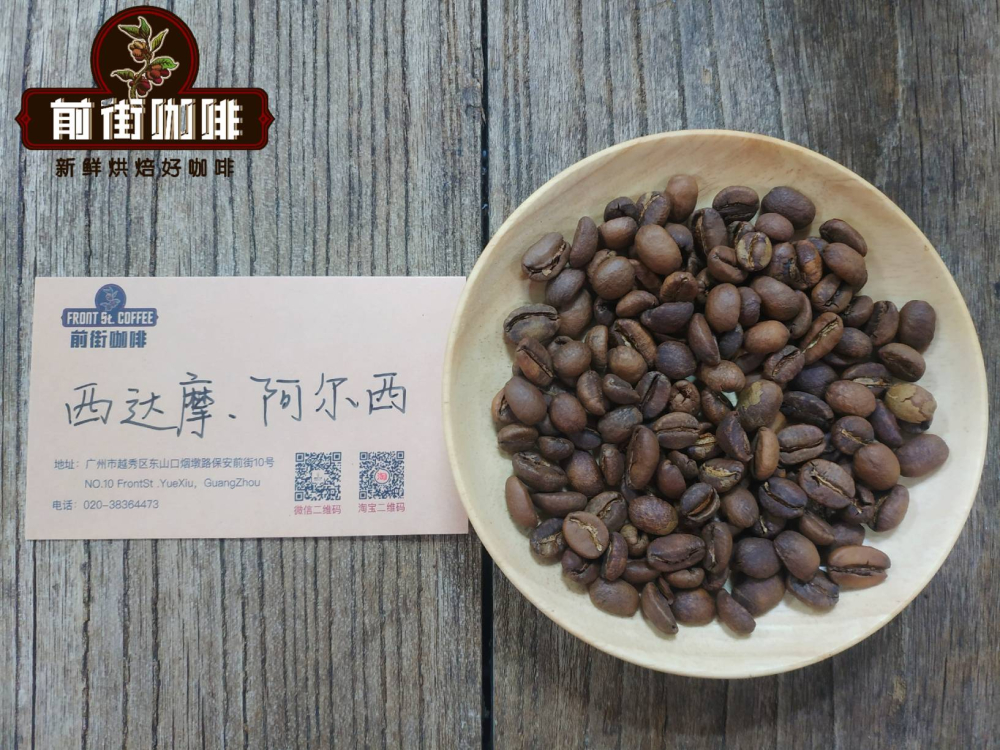
West Arsi consists of three woredas (Ethiopia's third-level administrative divisions): Arsi, Bale, and East Shewa. Approximately 88.52% of West Arsi's population are Oromo people - significant in coffee history because they were the first tribe in human history to drink coffee. Half of Ethiopia's coffee production comes from this region.
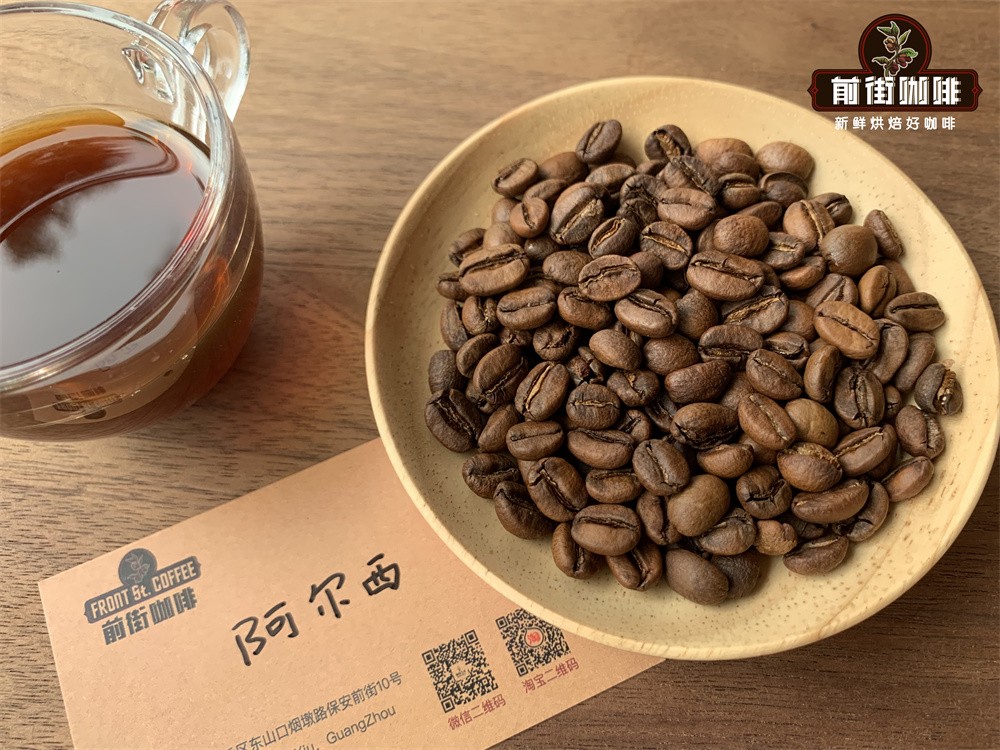
Coffee cultivation in West Arsi follows a smallholder pattern, with average farms of about 2-3 hectares each - modest, yet often slightly larger than the typical 1.5-2 hectares in most Ethiopian regions. Although cultivation techniques are still developing, West Arsi's technology is advancing very rapidly compared with other regions. Farmers don't need to hire temporary or full-time laborers; instead, they pick coffee with family help, which gives them better control over quality. Processing stations typically pay extra for fully ripe red cherries, greatly motivating the farmers.
Hua Kui's Coffee Variety
Like many Ethiopian coffees, Hua Kui's variety is what we commonly call "Heirloom." The garden planting system is the survival mode for the vast majority of Ethiopian smallholders. Heirloom varieties come from "unknown varieties" in family backyards - trees may have been left by previous landowners, shared between neighbors, or grown from seeds of another origin. Various coffee plants are intercropped with other economic crops, harvested when ripe, and sold.

Heirloom, therefore, does not refer to a specific variety; it represents a green coffee blend from the growing area. A single batch may combine the concurrent harvests of dozens or hundreds of smallholders and undifferentiated varieties. Precisely because of these varietal differences and the varying mixing methods, the beans vary in size and shape - some large, some small, some long, some round - rather like a mixed stew.
Processing Methods
Sidamo coffee beans are processed using both washed and natural methods. Washed processing selects quality fruit, removes pulp and skin, then ferments and soaks the beans in water tanks before drying to about 12% moisture content. Natural processing is comparatively simpler: the fruit is sun-dried whole to about 12% moisture before the pulp and skin are removed.
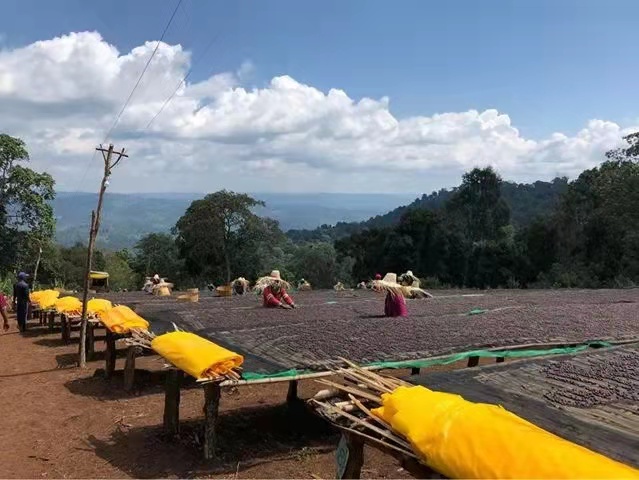
Different processing methods yield different flavor profiles. Washed processing better reflects Sidamo's original citrus acidity and floral aromas, while natural processing adds aroma on top of the original flavors.
Natural processed Sidamo shows flavors close to floral notes with slight earthy tones; washed carries nutty fruit aromas with light cocoa. Both share a smooth, viscous mouthfeel and comfortable, pleasant acidity. Light or medium roast suits single-origin brewing, while medium or dark roast works well for blends and as a good espresso base.
FrontStreet Coffee's Sidamo Brewing Parameters
For light roast Sidamo, FrontStreet Coffee chooses: a V60 dripper, 90°C water, a 1:15 ratio, a 15g dose, and a grind size at an 80% pass-through rate on the China #20 standard sieve.
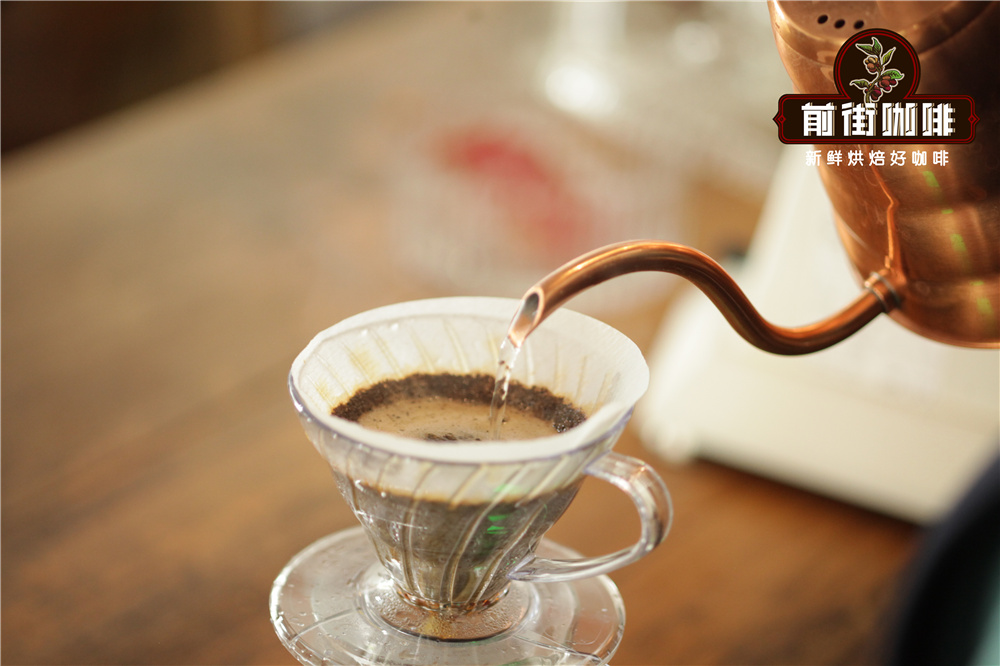
Using segmented extraction, bloom with twice the coffee dose in water - 30g of water for 30 seconds. Blooming lets the grounds release internal carbon dioxide, making subsequent extraction more stable. Pour in small circles to 125g for the second stage, continue to 225g, then stop. Once the dripper finishes dripping, remove it. Timing from the start of pouring: extraction time 2'00". Swirl the full cup evenly, then pour into cups for tasting.
[Natural Process Arsi Coffee Flavor]: Aromas of berries and honey; jam-like sweetness spreads through the mouth on the entry, full of sweetness, with nectarine in the finish and a juice-like mouthfeel. After cooling, it becomes even more like plum and nectarine juice.
[Natural Process Hua Kui 5.0 Coffee Flavor]: Very prominent floral and fruit aromas - citrus, passion fruit, strawberry, oolong tea - with high sweetness.
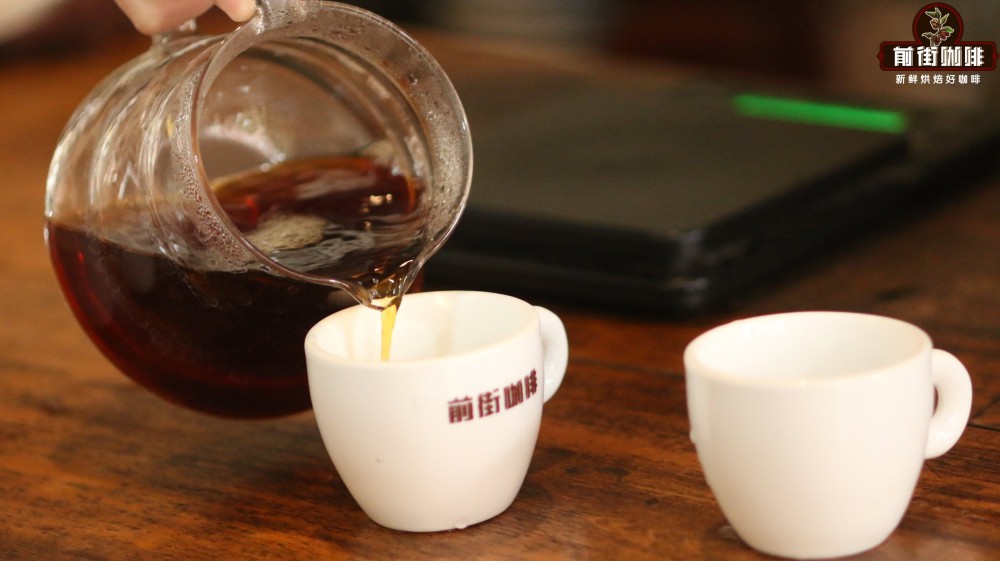
In the flavor comparison between these two coffees, Arsi's fruity sweetness and juice-like quality have a slight edge; especially when hot, the jam and honey flavors are irresistible, and the juice sensation grows more pronounced as the cup cools - very comfortable.
Hua Kui leans toward tropical fruit, with alternating surprises of sweetness and acidity. Between the two, Hua Kui shows a more pronounced fermentation character.
FrontStreet Coffee's Brewing Suggestions
Whatever the coffee, FrontStreet Coffee has always believed that bean freshness greatly affects flavor. Coffee beans shipped by FrontStreet Coffee are all roasted within 5 days. The roasting philosophy is "Freshly Roasted Good Coffee," ensuring every customer receives the freshest coffee on arrival. Coffee's resting period is about 4-7 days, so it arrives at peak flavor.
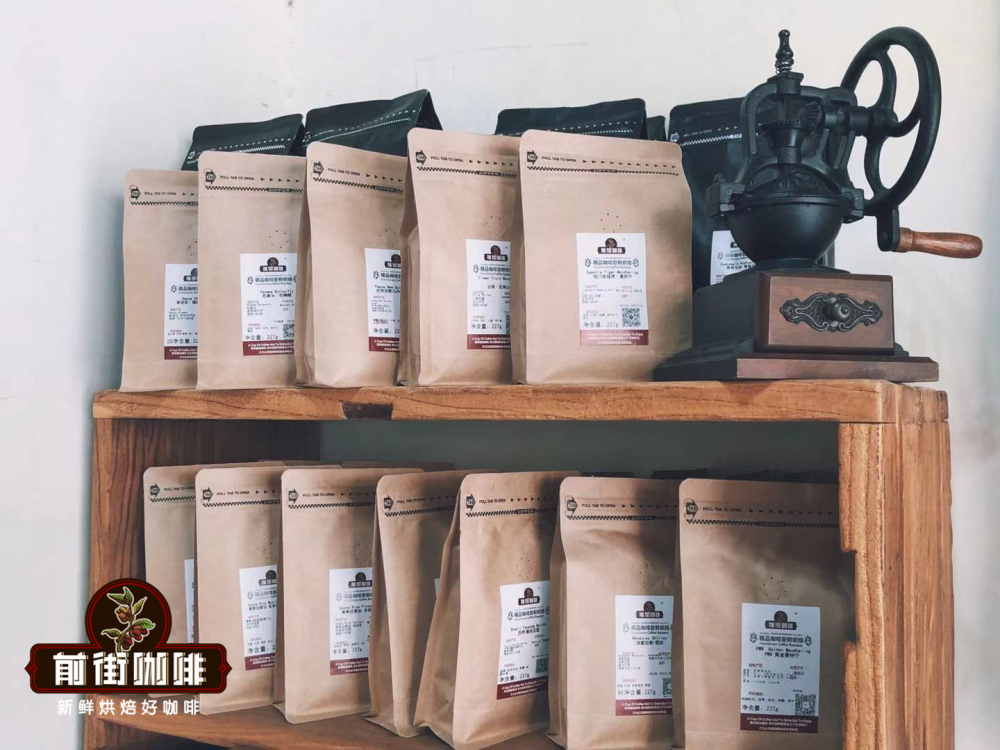
For those who need pre-ground coffee, a friendly reminder: if beans are ground in advance, no resting is needed, because during shipping the pressure from carbon dioxide in the packaging helps round out the flavors - you can brew a cup immediately on receipt. However, ground coffee must be brewed promptly: it oxidizes quickly in air, flavors dissipate faster, and the cup suffers. FrontStreet Coffee therefore recommends buying whole beans and grinding fresh before brewing to experience the coffee at its best.
Sidamo is just one of Ethiopia's specialty coffee regions. Ethiopia is a treasure waiting to be discovered, with each producing region offering different flavors. FrontStreet Coffee has sourced over a dozen Ethiopian coffees, including local heirloom and Geisha varieties. Ethiopia's Geisha differs from Panama's - each has its merits - though Panama's Geisha flavors are consistently better than Ethiopia's, a product of Panama's climate and environment. Whether Ethiopia, Panama, Costa Rica, Colombia, or Brazil, FrontStreet Coffee carries coffees from all these countries, and has selected the most representative ones as its daily drink beans so everyone can find their favorite flavors.
For more specialty coffee beans, please add FrontStreet Coffee on private WeChat, WeChat ID: qjcoffeex
FrontStreet Coffee Recommendation: A Sun-Dried Sidamo to Try Next
If Sidamo's natural process charm has hooked you, FrontStreet Coffee's Natural Red Cherry from the neighboring Yirgacheffe region is the perfect next cup. It uses an all-red-cherry natural process: only fully ripe, defect-free cherries are harvested, passed through a first round of sorting at the mill, and laid directly on raised beds to sun-dry, turned every 2-3 hours during the first days to prevent uneven fermentation. After three to five weeks of drying, the pulp is machine-scraped away and the beans rest in warehouse. Because the fruit dries whole on the bean, the cup keeps Yirgacheffe's classic profile while gaining tropical fruit depth - citrus-like acidity, berry juice body, honeyed sweetness, and a creamy smoothness that pairs beautifully with a V60 at 90-91°C.
Important Notice :
FrontStreet Coffee is a long-established specialty coffee roaster in Guangzhou China, selling freshly roasted beans from its own farm in Yunnan as well as dozens of carefully selected single-origin beans from around the world for both pour-over and espresso. The products deliver consistently excellent quality and great value, with shipping within 24 hours. Guangzhou's FrontStreet Coffee shop is recommended by many coffee lovers, and the beans are now available online at the Tmall 。
FrontStreet Coffee has moved to a new address:
FrontStreet Coffee Address: 315,Donghua East Road,GuangZhou
Tel:020 38364473
 Scan and follow the En Gafei WeChat official account. Please indicate that the reprint comes from "En Gafei".