Civet Coffee Flavor Characteristics and Story: Differences Between China's Yunnan and Indonesian Civet Coffee Beans

Indonesian civet coffee is often called the "Hermès" of the specialty coffee market. As far back as 2002, a pound of civet coffee beans fetched as much as $500 in New York. Production is extraordinarily low—though the name may not sound elegant, the cup carries Indonesia's unique herbal fragrance, remarkable body, and an indescribable sweetness. Below, FrontStreet Coffee introduces the character and story of civet coffee beans.
The Origin of Indonesian Civet Coffee
Civet coffee originates from Indonesia. As its fame spread, Vietnam and Myanmar also began producing it, but their quality doesn't match Indonesia's, so theirs sells at more affordable prices.
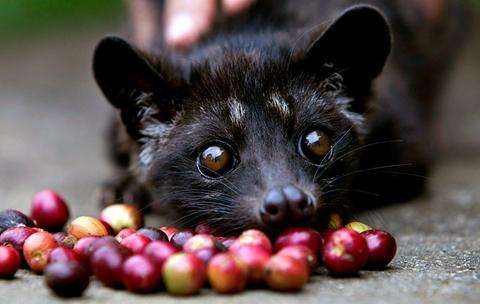
According to FrontStreet Coffee, civet coffee first emerged in Indonesia in the early eighteenth century. Dutch colonists had introduced coffee trees to Sumatra and Java to build a coffee trade—and they forbade local farmers from picking and eating the coffee fruit.
But the farmers longed to taste what they grew. Meanwhile, Indonesia's distinctive feline, the civet, kept raiding the trees. Civets are remarkably picky eaters: though omnivores with a carnivorous bent, they stole only the ripest, reddest cherries. The farmers could only watch helplessly as their labor disappeared into wild civets, unable to taste so much as a single fruit themselves.

Against this backdrop, farmers began finding civet droppings full of coffee beans in the grass. A civet cannot fully digest coffee cherries—it digests only the ripe pulp, and the hard beans pass through semi-intact. Whether out of craving or curiosity, farmers collected these civet-processed beans, washed them thoroughly, roasted them, and tasted. The flavor proved exceptionally good—remarkably rich with a pronounced sweetness—and civet coffee was born among the local farming communities.
The secret didn't stay secret. Dutch colonists discovered it and sold civet coffee at steep prices to European royalty. Given its scarcity, it then cost far more than premium coffees such as Jamaican Blue Mountain, making it the most expensive bean in the industry.

Here FrontStreet Coffee must stress: not every bean passed by a feline deserves the name. Only beans excreted by Indonesia's wild civets can properly be called civet coffee.
How Does Indonesian Civet Coffee Taste?
Just how good must civet coffee be to drive coffee lovers worldwide wild? FrontStreet Coffee actually finds its flavor very close to Indonesia's most famous coffee: Mandheling.
The reason is geography. Civets mainly inhabit Indonesian hills below 2,100 meters—low-altitude country where the coffee grown is predominantly Robusta. Civet coffee therefore contains not only Indonesia's Typica but also Robusta beans, and carries Robusta's characteristic earthy, herbal aromatics. On top of that, Indonesia's distinctive wet-hulled processing (giling basah) deepens the body and adds its own herbal signature.

The biggest difference between civet coffee and Mandheling, though, is the civet's selection: guided by a keen nose, it picks only the ripest, sweetest cherries. The concept resembles Ethiopia's Red Cherry Project—one relies on humans hand-harvesting 100% ripe cherries, the other on an animal doing the selecting. Either way, that guarantee of full ripeness lays the foundation for excellent flavor.
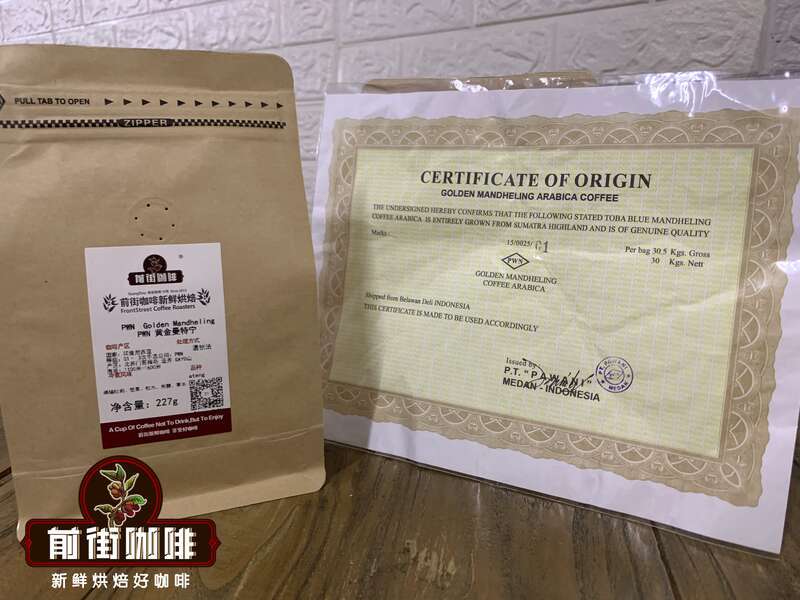
So yes, FrontStreet Coffee agrees civet coffee tastes good. But as the specialty coffee market has matured, many producers now use fully ripe fruit with rigorous sorting. Indonesia's own PWN company, for instance, builds its Golden Mandheling from fully ripe cherries subjected to three hand sortings and one machine sorting to strip out defects, guaranteeing quality. Against that standard, civet coffee is more of a gimmick. Unless you're genuinely curious whether it hides some special flavor, FrontStreet Coffee would point coffee lovers toward PWN Golden Mandheling instead.

Moreover, in FrontStreet Coffee's research, some cupping experts say civet coffee's selling point is its story, not its quality: under SCAA standards its scores sometimes fail to beat ordinary beans—and sometimes land below them.
In our own cupping, FrontStreet Coffee found civet coffee somewhat milder in acidity and overall taste than other Indonesian coffees such as Mandheling. As experts who have tasted it put it: Indonesian coffee generally carries earthy and herbal-medicine notes with a thick body and a very distinctive aroma. If Indonesian flavors aren't your thing, civet coffee probably isn't either. But if you can accept the aged, distinctive character of well-rested Mandheling, you may well fall for civet coffee's unique profile.
Does "In-Body Fermentation" Really Change the Flavor?
As FrontStreet Coffee often says, coffee flavor is determined mainly by terroir, variety, and processing method. So does the civet's digestion genuinely transform the beans?
Some merchants argue that although the beans aren't digested, the highly corrosive digestive juices etch their surface, and the special proteases they contain break down the beans' original protein chains—splitting long-chain proteins into short-chain peptides and free amino acids that supposedly improve flavor.
In fact, according to FrontStreet Coffee, civets pass beans in as little as one to two hours after eating them. That's the total time the beans spend inside the animal—far too short, in our view, to drive the changes described above. The beans that come out are essentially the beans that went in, and any flavor difference is subtle.
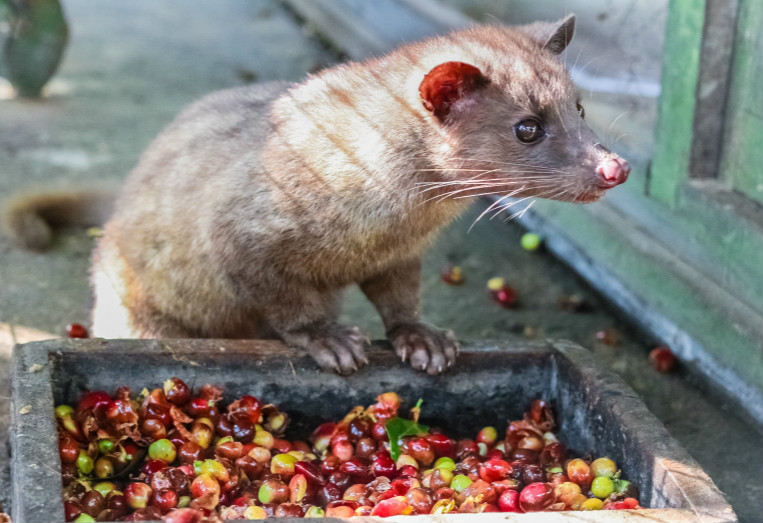
The "in-body fermentation" story is largely a selling gimmick, because after collection the beans are still processed with Indonesia's signature wet-hulled method. The civet's real contribution is simply selecting ripe cherries. So the animal's digestion contributes little, if anything, to civet coffee's flavor profile.
That's the story of civet coffee as FrontStreet Coffee has compiled it. Next, we share the civet coffee we stock at the FrontStreet Coffee shop, along with its roasting and brewing data.
FrontStreet Coffee's Indonesian Civet Coffee Beans
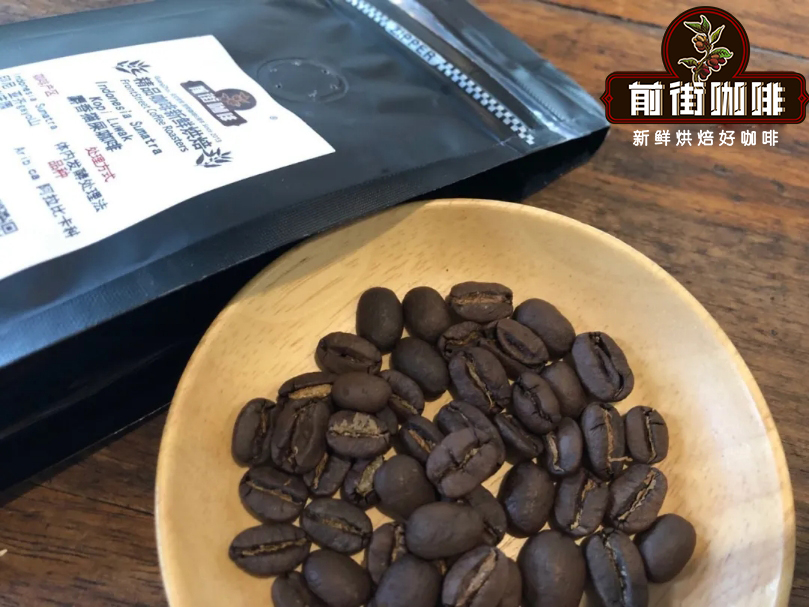
Country: Indonesia
Region: Sumatra
Altitude: 1,600-2,100 meters
Variety: Arabica
Processing Method: Civet in-body digestion, then wet-hulled
Flavor Profile: Herbal, nutty, dark chocolate, fermented notes
FrontStreet Coffee's Roasting Recommendations for Civet Coffee

Roasting machine: Yangjia 800N. Preheat the drum to 200°C, then reduce to 160°C before charging the beans. Set airflow to 3 and heat to 130. Turning point at 1'28". Hold the heat; at 5'40" the beans yellow, the grassy aroma disappears, and the drying stage begins. Raise heat to 140 and open airflow to 4. Wrinkles form on the surface and the toast aroma shifts into coffee aroma—the prelude to first crack. Cut heat to 100, open airflow to 5, and listen for the crack. First crack begins at 9'15" with airflow fully open at 5. Develop for 4'25" after first crack and drop the beans at 203°C.
FrontStreet Coffee's Brewing Recommendations for Civet Coffee

Dripper: KONO
Water Temperature: 86-87°C
Coffee-to-Water Ratio: 1:15
Grind Size: Medium-coarse (75% retention on a China standard #20 sieve)
FrontStreet Coffee uses segmented pouring: bloom with 30g of water for 30 seconds, then pour in small circles up to 125g and pause. When the water level drops to just expose the coffee bed, pour again to 225g and stop. Once the bed breaks the surface again, lift out the dripper (timing starts at the bloom). Total extraction time: 2'00".

Civet Coffee Flavor Description: Herbal, nutty, dark chocolate, fermented notes, rich body, smooth.
FrontStreet Coffee Recommendation
If civet coffee's story intrigues you but its price gives you pause, FrontStreet Coffee suggests starting closer to home with Yunnan coffee—China's answer to accessible exotic flavor. Yunnan coffee, known locally as "small-bean" coffee because Arabica bears the smallest fruit of the three cultivated species, traces back to 1904, when the French missionary Tian Deneng carried Typica seeds from Vietnam into Yunnan's Binchuan County and planted the first tree in Zhugula village. FrontStreet's Yunnan Baoshan small-bean coffee—washed and medium roasted—shows soft nut and chocolate sweetness with a touch of plum acidity at a very friendly price, making it many drinkers' first taste of Yunnan terroir.
Ready to go deeper? The FrontStreet 2013 Natural Yunnan Typica comes from FrontStreet's own estate, where Typica—the oldest and purest of Arabica varieties, and the very one the missionaries first planted—was set out in 2013 in search of Yunnan's original "regional flavor." Only fully ripe, whole red cherries are picked and sun-dried, then roasted medium for balance: dark berry tones, caramel sweetness, chocolate and a whisper of dried apricot, finishing on black tea. And if it's the Indonesian herbal, chocolatey profile of civet coffee you love, the PWN Golden Mandheling delivers that same Sumatran richness without the gimmick.
Important Notice :
FrontStreet Coffee is a long-established specialty coffee roaster in Guangzhou China, selling freshly roasted beans from its own farm in Yunnan as well as dozens of carefully selected single-origin beans from around the world for both pour-over and espresso. The products deliver consistently excellent quality and great value, with shipping within 24 hours. Guangzhou's FrontStreet Coffee shop is recommended by many coffee lovers, and the beans are now available online at the Tmall 。
FrontStreet Coffee has moved to a new address:
FrontStreet Coffee Address: 315,Donghua East Road,GuangZhou
Tel:020 38364473
 Scan and follow the En Gafei WeChat official account. Please indicate that the reprint comes from "En Gafei".