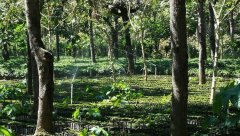
Complete Guide to Common Coffee Varieties and Origins: Typica Coffee Beans
Coffee, as a tropical plant, comes in many varieties—relatively common ones include Typica, Bourbon, Caturra, and Catuai. All of these belong to the Arabica species. In this article, FrontStreet Coffee introduces the most common Arabica varieties and their branches.
Arabica originated from the Ethiopian branch of the coffee family, and it demands relatively high altitudes. The same variety planted in different regions produces different flavors. Let's go through the major Arabica branches one by one.
Ethiopian Heirloom
"Local heirloom" usually refers to Ethiopia's native varieties; wild coffee trees can still be found across the country today. It is estimated that Ethiopia currently holds some 10,000 to 15,000 coffee varieties, most of which have never been formally identified genetically. With so many heirloom varieties in play, farmers find them difficult to separate, so mixed cultivation and mixed harvesting are the norm—which also explains why Ethiopian beans vary so much in size.
Sidamo and Yirgacheffe are Ethiopia's most famous specialty producing areas, and FrontStreet Coffee's bean list features many Ethiopian lots. In cupping, we find that washed beans from Yirgacheffe have extremely rich aromas—full of citrus and floral notes with a delicate, elegant mouthfeel—while natural-processed beans from Sidamo show exuberant fruit aromas with a unique, delicious character.
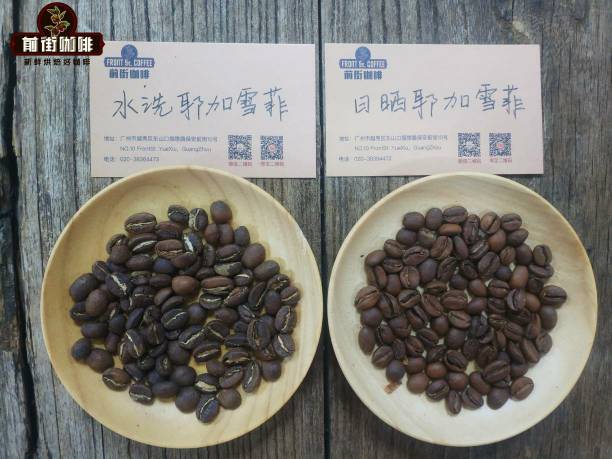
FrontStreet Coffee Yirgacheffe Gedeb Coffee Beans
Country of Origin: Ethiopia
Region: Yirgacheffe
Altitude: 2000–2100 meters
Variety: Heirloom
Processing: Washed
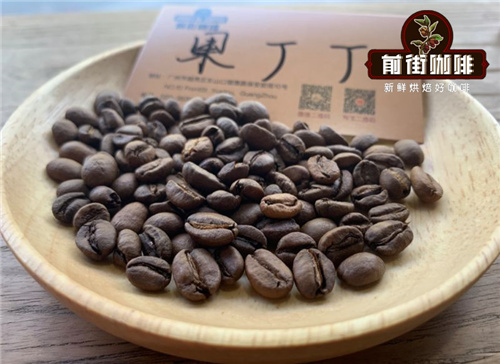
FrontStreet Coffee Sidamo Guji Hambella Coffee Beans
Country of Origin: Ethiopia
Region: Sidamo, Guji, Hambella
Altitude: 2050 meters
Variety: Heirloom
Processing: Natural
Typica
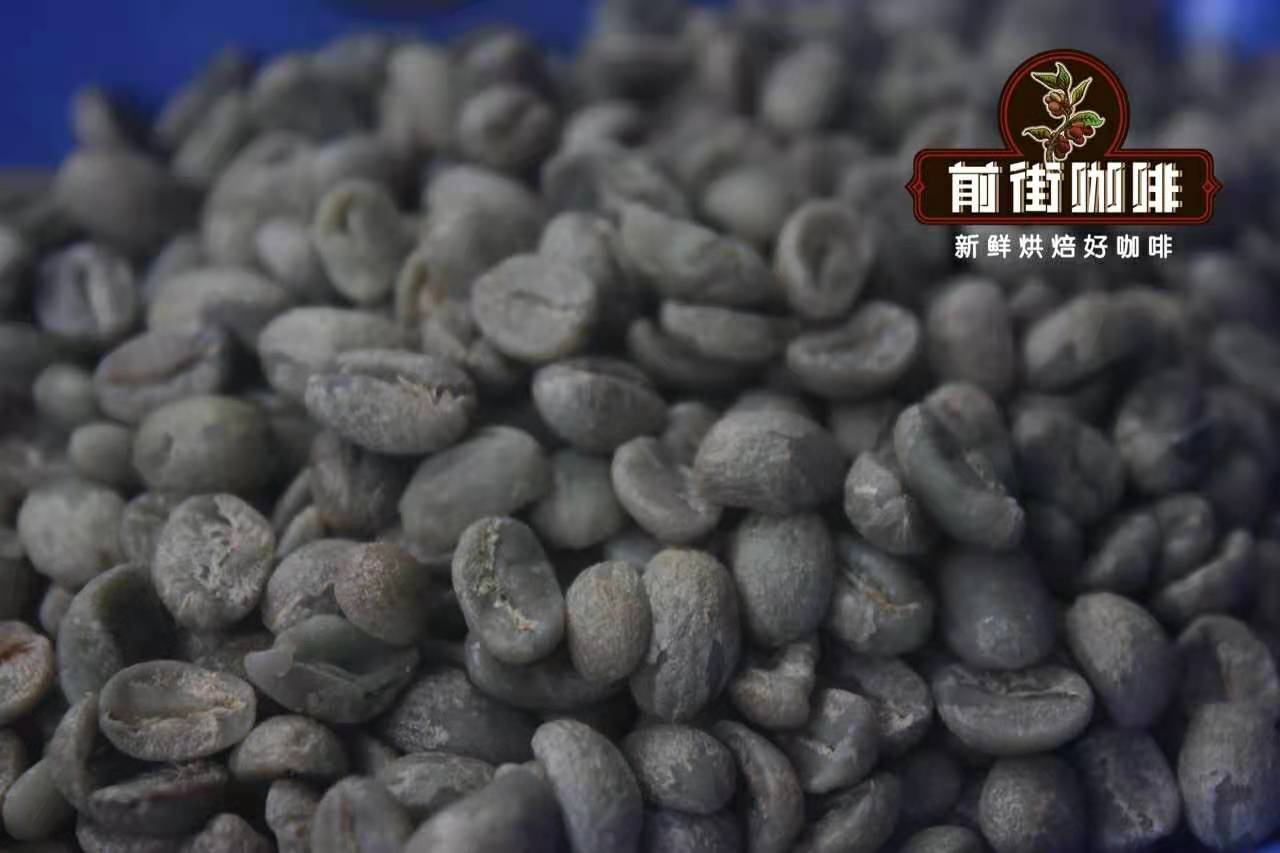
Typica is one of the oldest coffee varieties in the world, originating from Ethiopia's original forests. It is an excellent variety: bronze-colored young leaves, superb cleanliness and body, lemon-like acidity, and a sweet finish. Its disadvantages are poor disease resistance and low yield. When FrontStreet Coffee receives Typica green beans, we notice both ends of each bean tilt up slightly, the oval shape runs long and flat, and the center crease is S-shaped; from the side the beans look thin. Even across different altitudes, the side-profile thickness varies little.
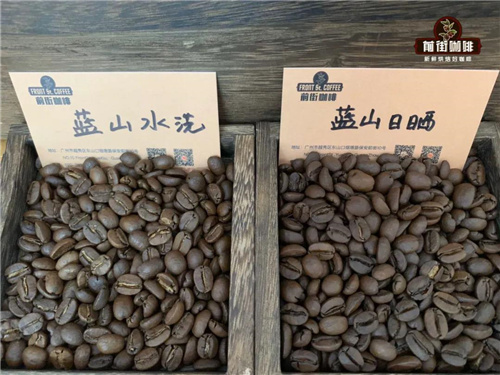
Typica has produced many derivatives as environments and cultivation techniques changed, and with them disease resistance and yield. Jamaica Blue Mountain, on FrontStreet Coffee's list, is a Typica variety, and so is the coffee from Papua New Guinea known as "Little Blue Mountain"—introduced from Blue Mountain Typica and named for a growing environment remarkably similar to the Blue Mountains. FrontStreet Coffee's representative Typica beans include:
FrontStreet Coffee Jamaican Blue Mountain No. 1 Coffee Beans
Region: Jamaican Blue Mountain
Estate: Clifton
Altitude: 1310 meters
Variety: Typica
Processing Method: Washed
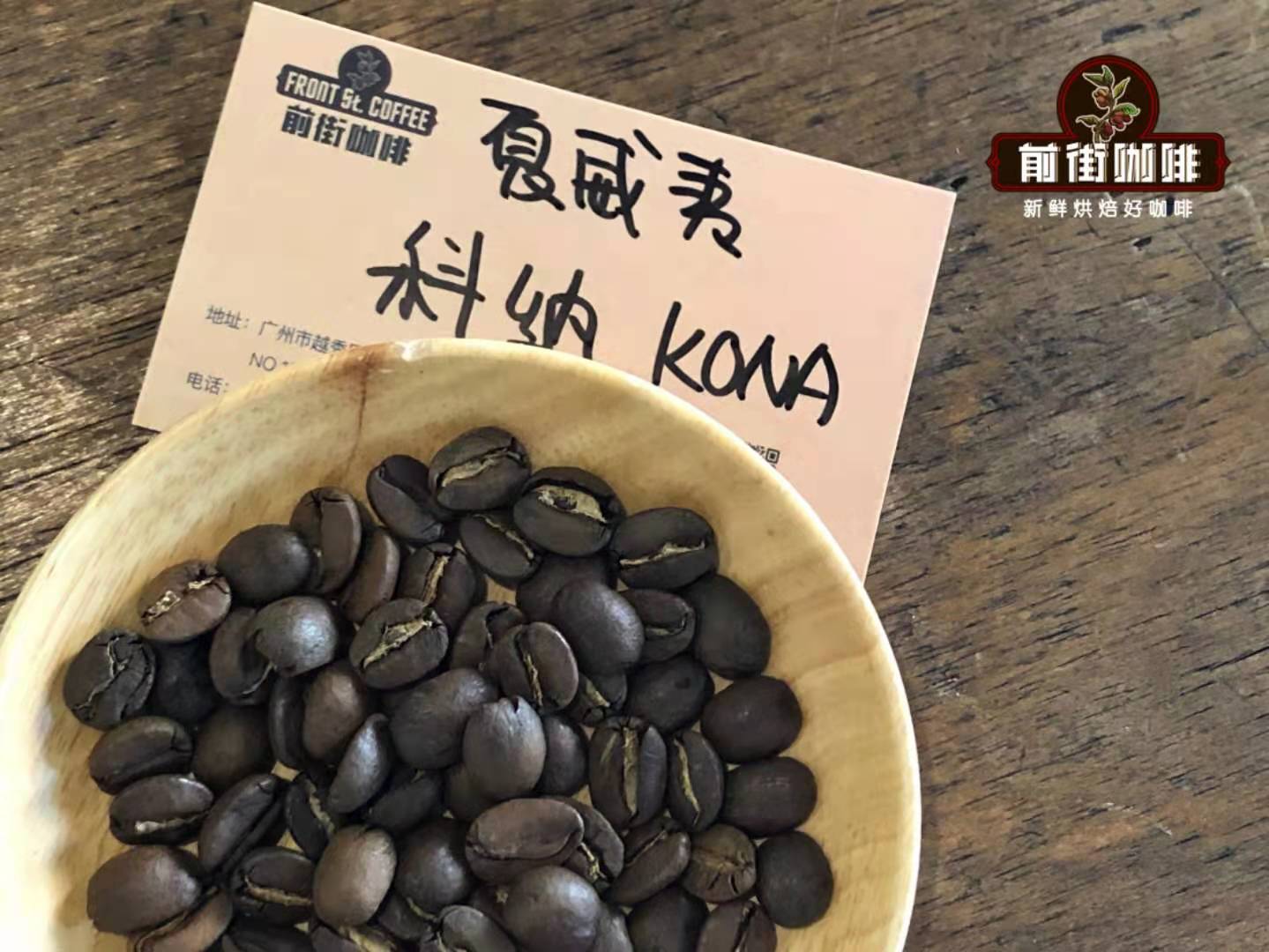
FrontStreet Coffee Hawaiian Kona Coffee Beans
Country: United States
Region: Hawaiian Kona
Estate: Queen's Estate
Altitude: 1100 meters
Processing Method: Washed
Variety: Typica
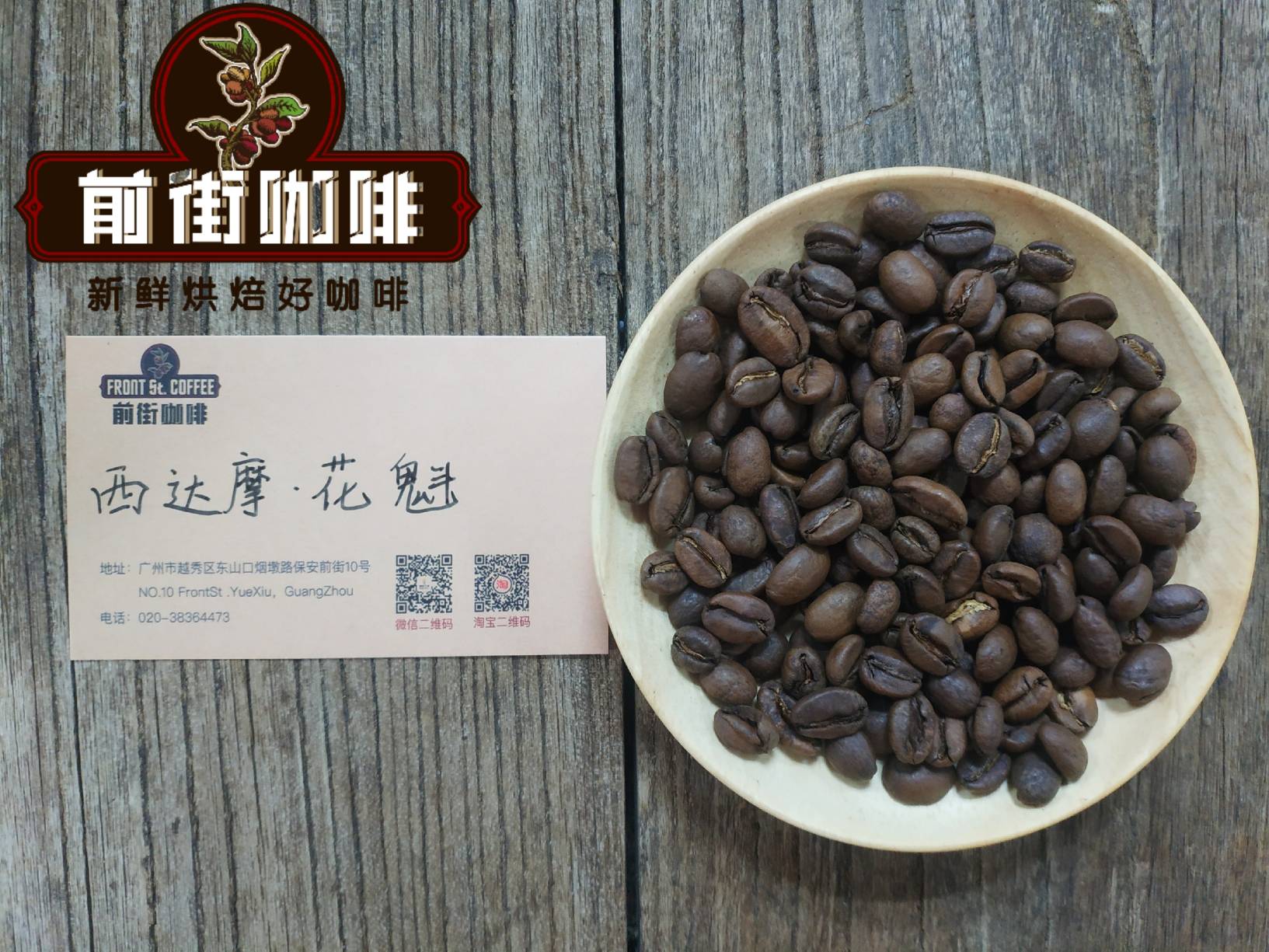
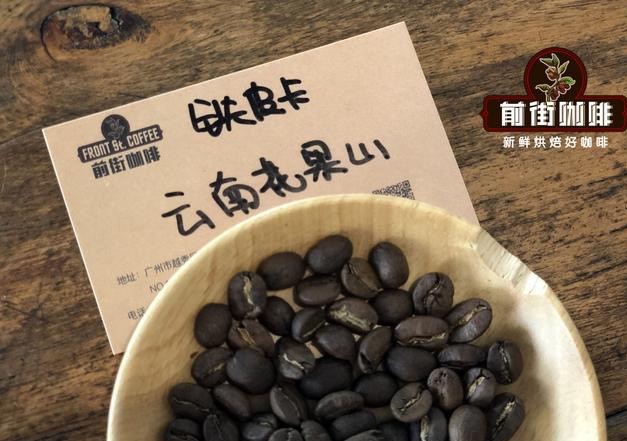
FrontStreet Coffee Yunnan Huaguoshan Coffee Beans
Region: Baoshan, Yunnan, China
Altitude: 1200 meters
Variety: Typica
Processing Method: Washed
Java
Java was originally a coffee tree from Ethiopia's original forests, collected by local peoples and carried through Yemen to Indonesia, where it took the name Java. From Indonesia it spread to the nearby Timor island groups and then to Cameroon in East Africa, where it was first released for farmer cultivation in 1980.
Today Java is cultivated mainly on Java Island itself, introduced from India by the Jember Coffee Research Center in East Java and handed to Javanese farmers. The variety belongs to the S795 line, locally called Jember, and is artificially cultivated.
FrontStreet Coffee lists a Java coffee from Indonesia, and cupping shows it can express the delicate aroma of the Java region with relatively soft acidity, a fine mouthfeel, and good balance—the aroma and acidity outranking coffees from Sumatra and Sulawesi.
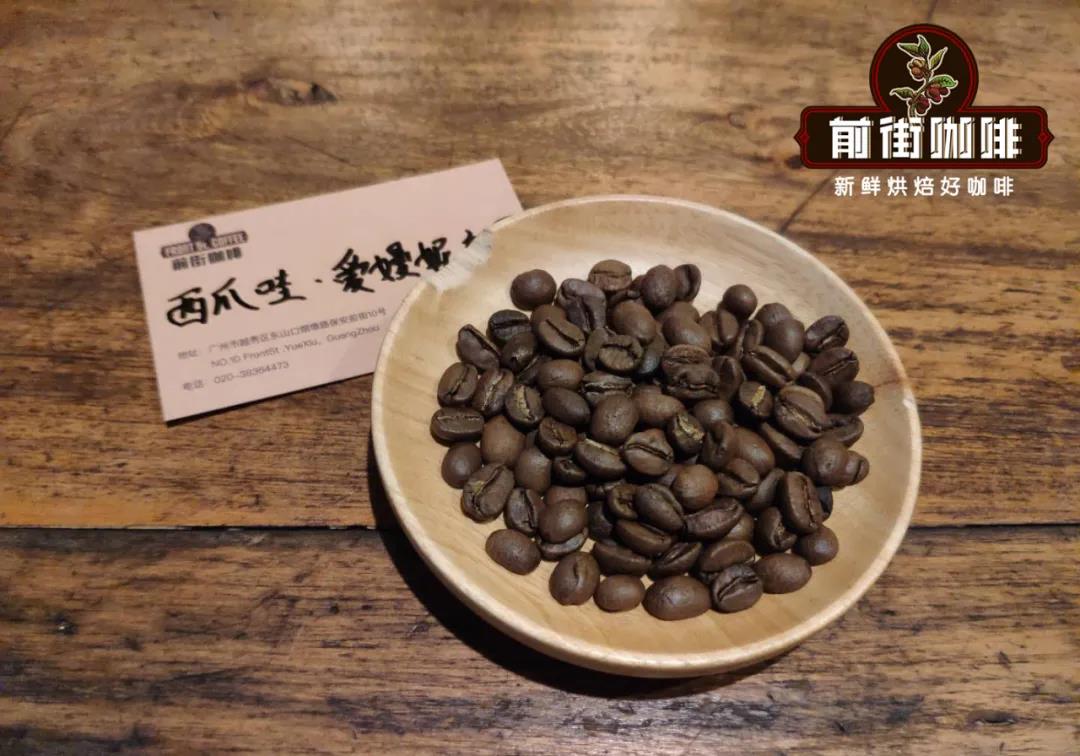
Java later spread to Central and South America. Under breeding expert Benoit Bertrand, the variety was introduced to Costa Rica, and as it took hold there, the Mierisch family of Nicaragua was the first to draw the specialty market's attention to it. To distinguish the Central American variety from Indonesian Java coffee, they named it JAVA NICA—Java from Nicaragua. The variety has since emerged across Central and South America and reached Bolivia, where the Rodriguez family cultivates it with care.
Genetic comparison revealed that Java descends from an Ethiopian branch called Abyssinia—an ancient original variety that is in fact the same lineage as Geisha, sharing its excellent floral and fruity character. For this reason Java is often called Geisha's cousin.
Java's fruit and seeds are very long, its young shoots bronze, and the plant tall but low-yielding. With flavor that rivals Geisha plus stronger resistance to leaf rust and coffee berry disease, it suits smallholder cultivation well.
Indonesia West Java Emmanie Coffee Beans
Region: West Java, Tangkuban Perahu Mountain
Altitude: 1400–1600m
Variety: S795 Jember
Processing Method: Natural Honey
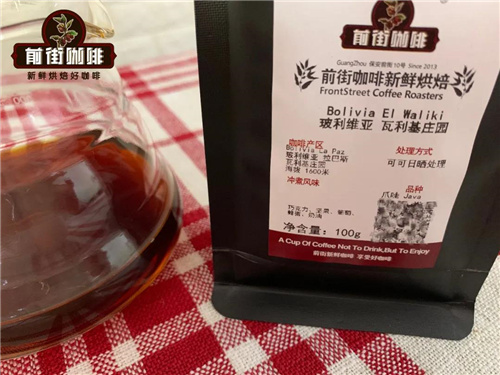
Bolivia Waliki Coco Natural Java
Coffee Region: La Paz
Planting Altitude: 1600 meters
Coffee Variety: Java
Processing Method: Cocoa Natural
Maragogype
Maragogype is the best-known variant of Arabica, discovered in the Bahia town of the same name in Brazil. Its beans are at least three times larger than ordinary Arabica—hence the nickname "Elephant Bean." The flavor is very mild with a slight sweet-tart edge. It was first found in 1870 in the Maragogype producing area of Bahia state, northeastern Brazil. At low altitudes its flavor is poor, but at high altitudes it improves markedly, with mild acidity and a pleasant sweet aroma.
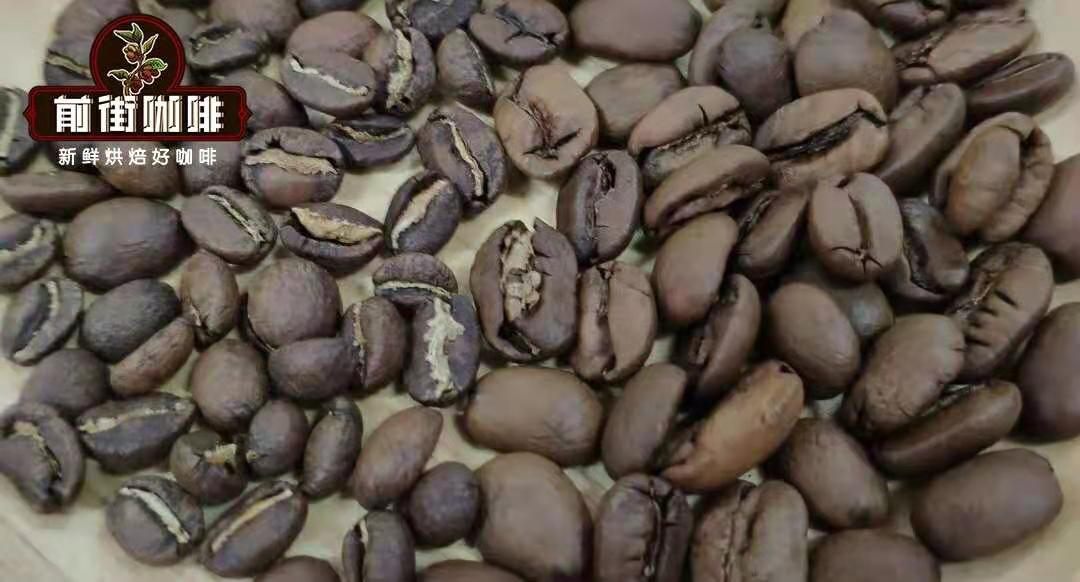
Maragogype (right)
FrontStreet Coffee has long worked to build archives of coffee bean information, so this variety couldn't be missed. We have cupped many Maragogypes from different regions and find the Nicaraguan lots excellent, with the beans grown at Mamina Manor in Nicaragua the best of all.
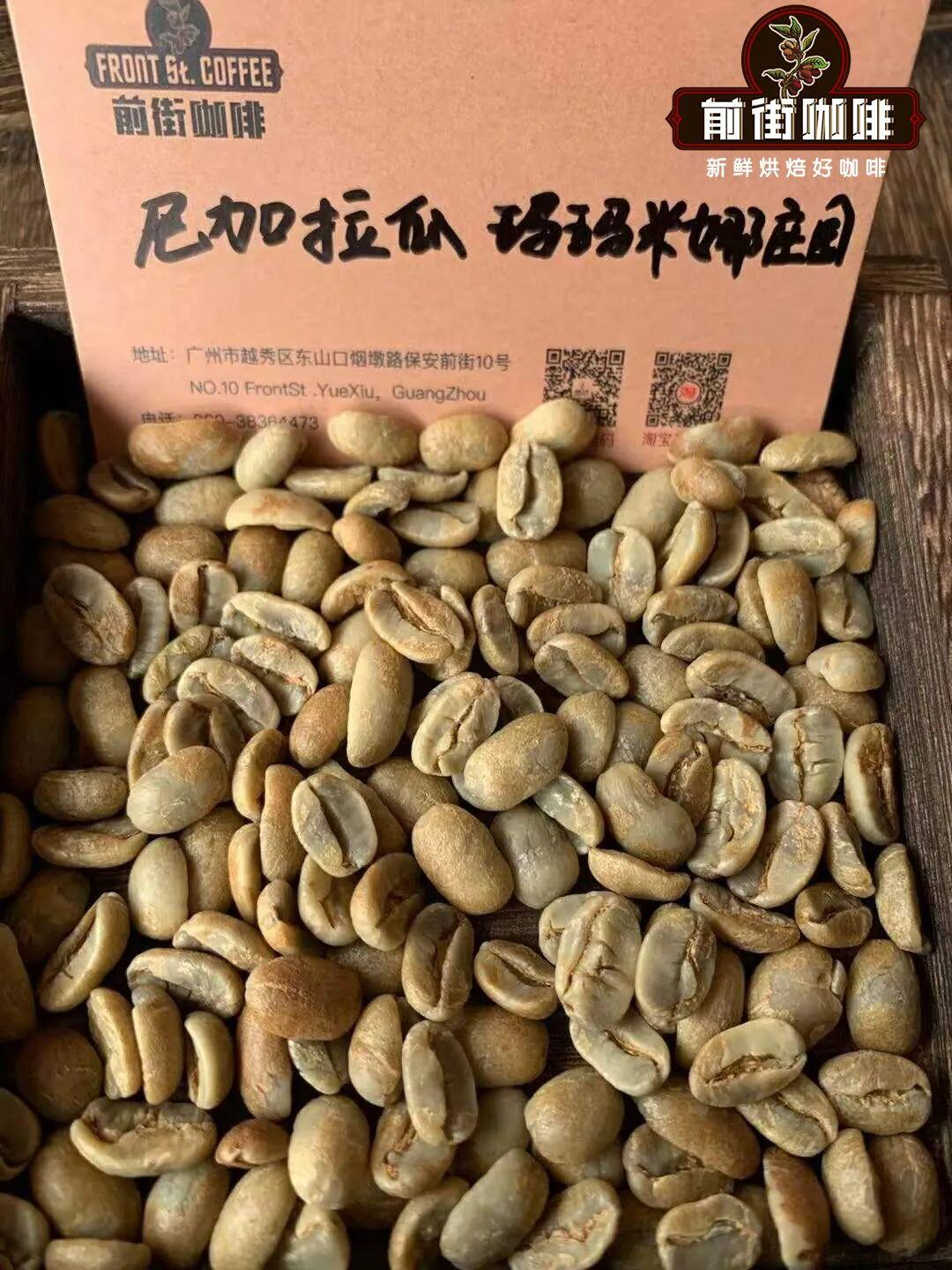
Bourbon
Bourbon is a variety mutated from Typica and, together with Typica, ranks among the world's oldest coffees. Bourbon green beans are rounder and smaller: after spreading from southwestern Ethiopia to Yemen, the bean shape changed from slender and pointed to round, with larger, thicker particles. Comparing beans from different altitudes, FrontStreet Coffee finds low-altitude beans slightly thinner than high-altitude ones. In 1715, after France transplanted the round beans from Yemen's Mocha to Bourbon Island off the east coast of Africa (renamed Réunion after the French Revolution), the variety took the name Bourbon.
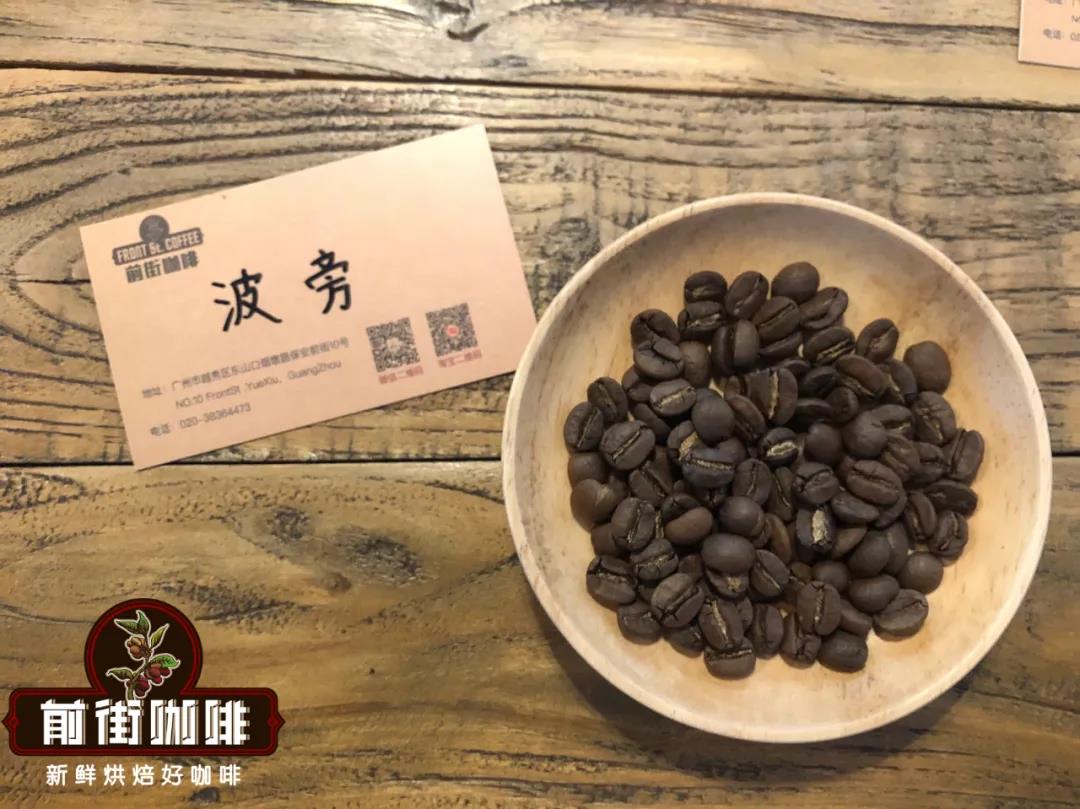
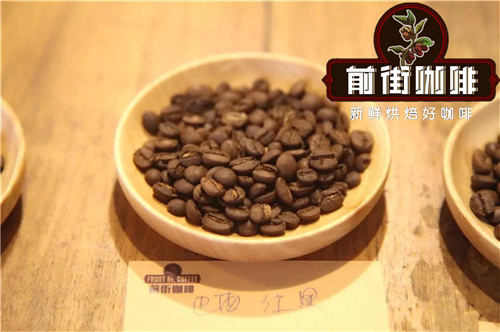
Bourbon shows complex acidity, caramel sweetness, and a relatively balanced profile. Ripe cherries come in red, yellow, and pink, giving the names Red Bourbon, Yellow Bourbon, and Pink Bourbon—Red being the most common, and the variety in FrontStreet Coffee's Brazilian daily bean. Though Bourbon out-yields Typica, it is highly susceptible to leaf rust, berry disease, and nematodes.
FrontStreet Coffee Brazilian Red Bourbon Coffee Beans
Region: South Minas, Brazil
Altitude: 1000 meters
Variety: Red Bourbon
Processing Method: Pulped Natural
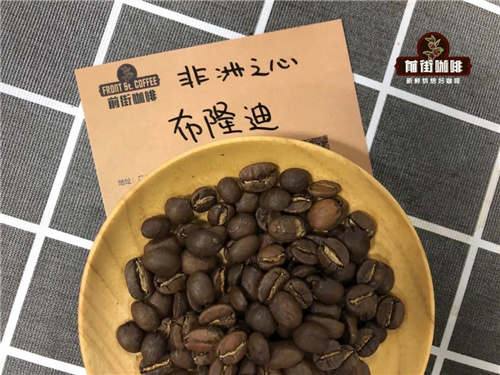
FrontStreet Coffee Burundi Heart of Africa Coffee Beans
Region: Ruterana Town
Altitude: 1400–1700 meters
Variety: Bourbon
Processing Method: Washed
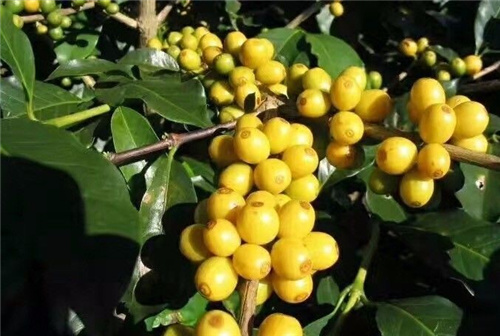
Yellow Bourbon
Yellow Bourbon's fruit turns yellow when ripe. It was first discovered in Brazil in 1930 and is a mutation arising from the cross of red-fruited Bourbon with a yellow-fruited Typica variant called "Amerelo de Botocatu" (found in São Paulo state in 1871). Because of its lower yield and poor tolerance of wind and rain it was never widely planted, but in high-altitude areas it performs exceptionally.
The Yellow Bourbon from FrontStreet Coffee's Brazilian Queen Estate, for example, offers sweet, smooth fruity sweetness with obvious nutty notes, balanced soft acidity, faint and clean bitterness, rich chocolate aroma, and a bright, refreshing mouthfeel.
FrontStreet Coffee Brazil Queen Estate Coffee Beans
Region: Mogiana, Brazil
Altitude: 1000–1950 meters
Variety: Yellow Bourbon
Processing Method: Pulped Natural

Pink Bourbon
Pink Bourbon cherries turn pink when ripe—a genuinely rare new variety, bred from a cross of Red Bourbon and Yellow Bourbon. Its rarity comes down to genetics: the final fruit color is governed by recessive genes carried in the pollen, and the pollen selected for hybridization carries both yellow genes leaning toward Yellow Bourbon and red genes toward Red Bourbon—all recessive, all prone to interfering with one another. Initially harvested mixed with other Bourbon and Caturra, it is now picked and processed separately, and today is grown mainly in Colombia and Guatemala.
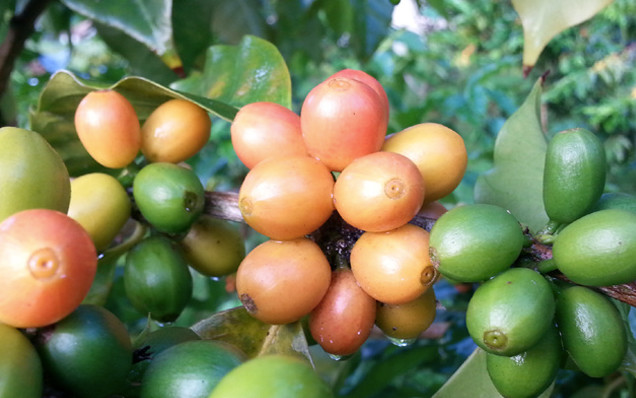
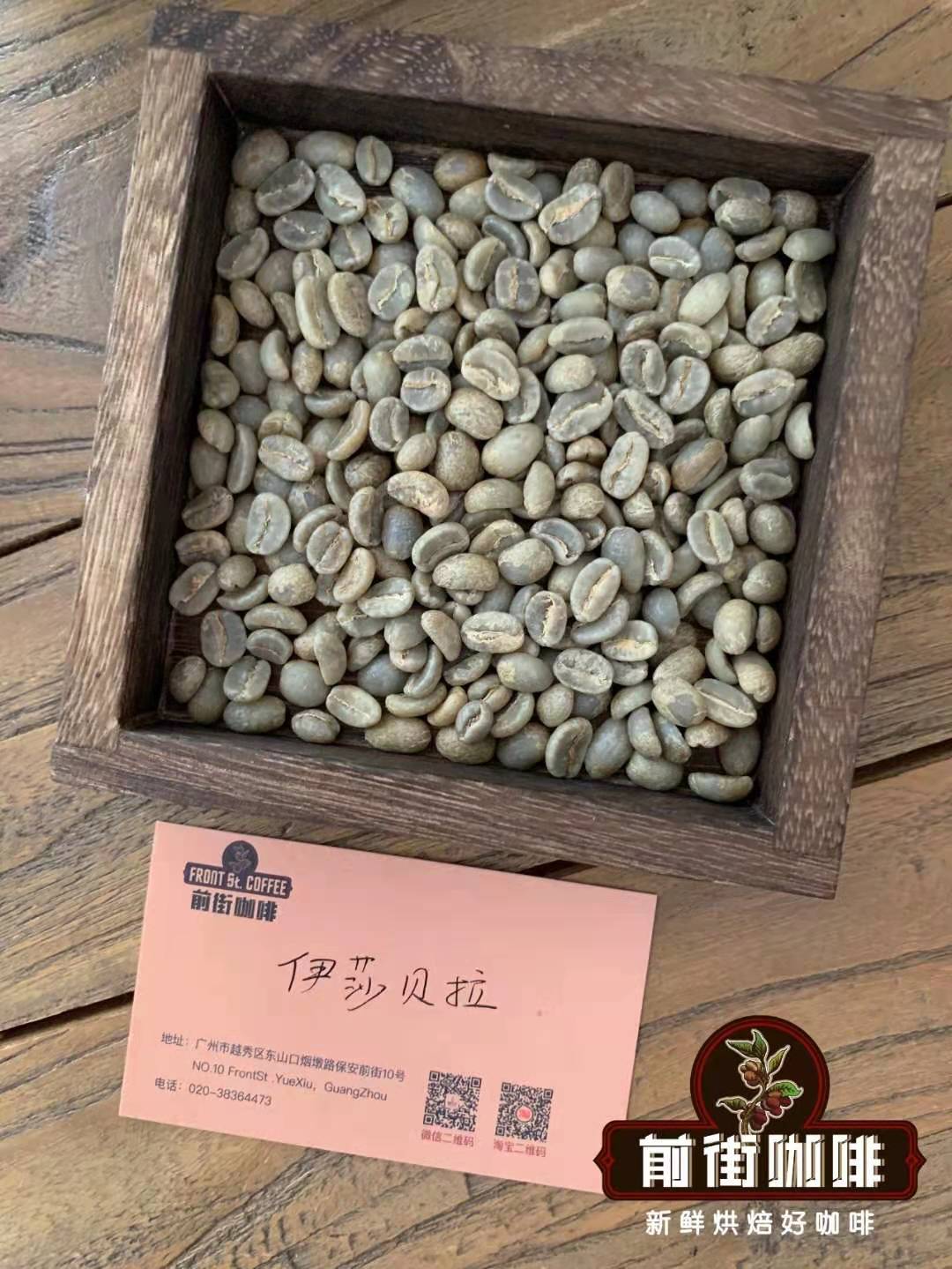
FrontStreet Coffee's list includes a Pink Bourbon from Colombian Isabella coffee, with flavors leaning toward citrus, florals, honey, and berry notes.
FrontStreet Coffee Colombia Isabella Coffee Beans
Region: Huila, Colombia
Altitude: 1760 meters
Variety: Pink Bourbon
Processing Method: Semi-washed
Bourbon Pointu
Discovered on Bourbon Island in 1810, Bourbon Pointu trees are relatively small and produce pointed fruits; the beans are slender and tapered at both ends, whereas ordinary Bourbon beans are shorter with a slightly oval outline. Its caffeine content is only half that of regular Arabica coffee, earning it the names Bourbon Pointu and "natural low-caffeine coffee." Susceptible to disease and low-yielding, it was shunned by local farmers and nearly went extinct. Until 2000 it existed only on Bourbon Island, after which it was successfully trial-planted in Colombia and El Salvador.

Kenya's SL-28 and SL-34
Scott Laboratories selected 42 varieties from different origins and studied their yield, quality, drought resistance, and disease resistance. SL28 and SL34 now account for the majority of Kenya's coffee production. Relatively speaking, SL-34 is higher yielding and tolerates slightly lower altitudes, while SL28 suits medium-to-high altitudes and resists drought but is sensitive to coffee's main diseases. SL28 can be found across Kenya, and even at 60–80 years of age the trees remain highly productive. Recent genetic testing has confirmed that SL28's genome is closer to Bourbon's, while SL34's is closer to Typica's.
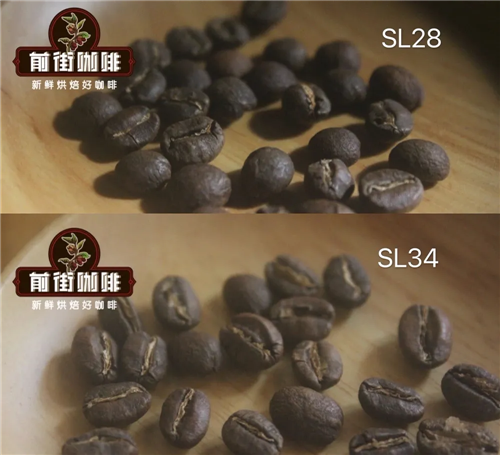
FrontStreet Coffee finds SL28 beans similar in appearance to Bourbon—round and thick—while SL34 leans toward the Typica look: slender, oval, and relatively flat from the side. Flavor-wise the two are alike: complex, varied berry-like acidity with a caramel sweet finish. SL34 carries a heavier body than SL28, with acidity leaning toward blackberries and other berries, an overall sweet-sour balance, and a caramel aftertaste.
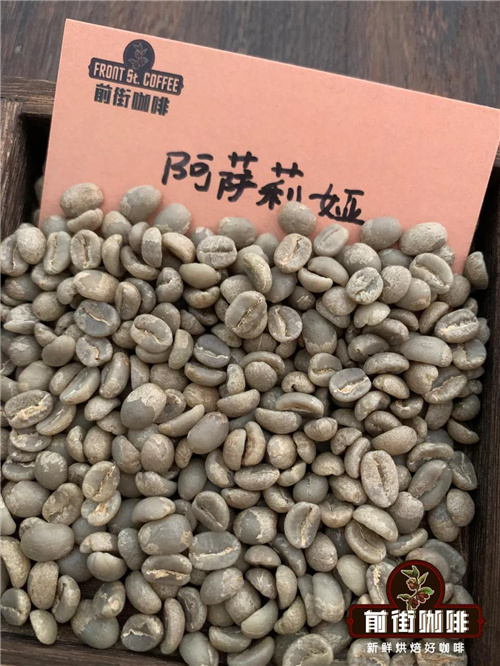
FrontStreet Coffee Kenya Assalia Coffee Beans
Region: Thika, Kenya
Processing Station: Asali Honey Processing Station
Altitude: 1550–1750 meters
Grade: AA TOP
Variety: SL28, SL34
Processing Method: Kenya 72-hour Washed
FrontStreet Coffee Kenya Thiani Estate Coffee Beans
Origin: Kiambu Region
Estate: Thiani Estate
Altitude: 1650 meters
Grade: AA
Variety: SL28, SL34
Processing Method: Washed
Pacas
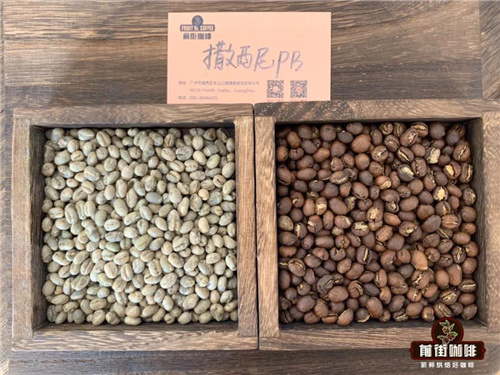
Pacas is a natural Bourbon variant first discovered in 1949 by the Pacas family in El Salvador's Santa Ana region. In 1974 the Honduran Coffee Institute introduced Pacas and cultivated it in Honduras. Pacas resembles Caturra—round and slender in shape, though from the side it is thinner than Bourbon. The plants are smaller and can be planted more densely, yielding more than the original Bourbon.
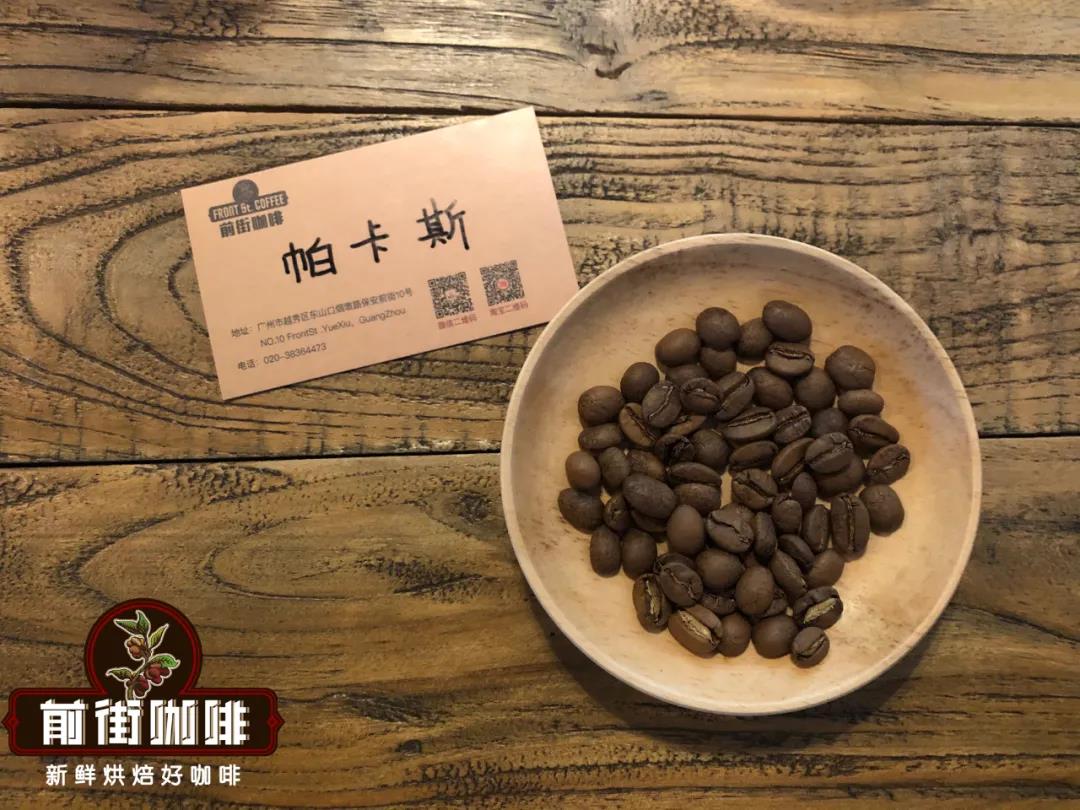
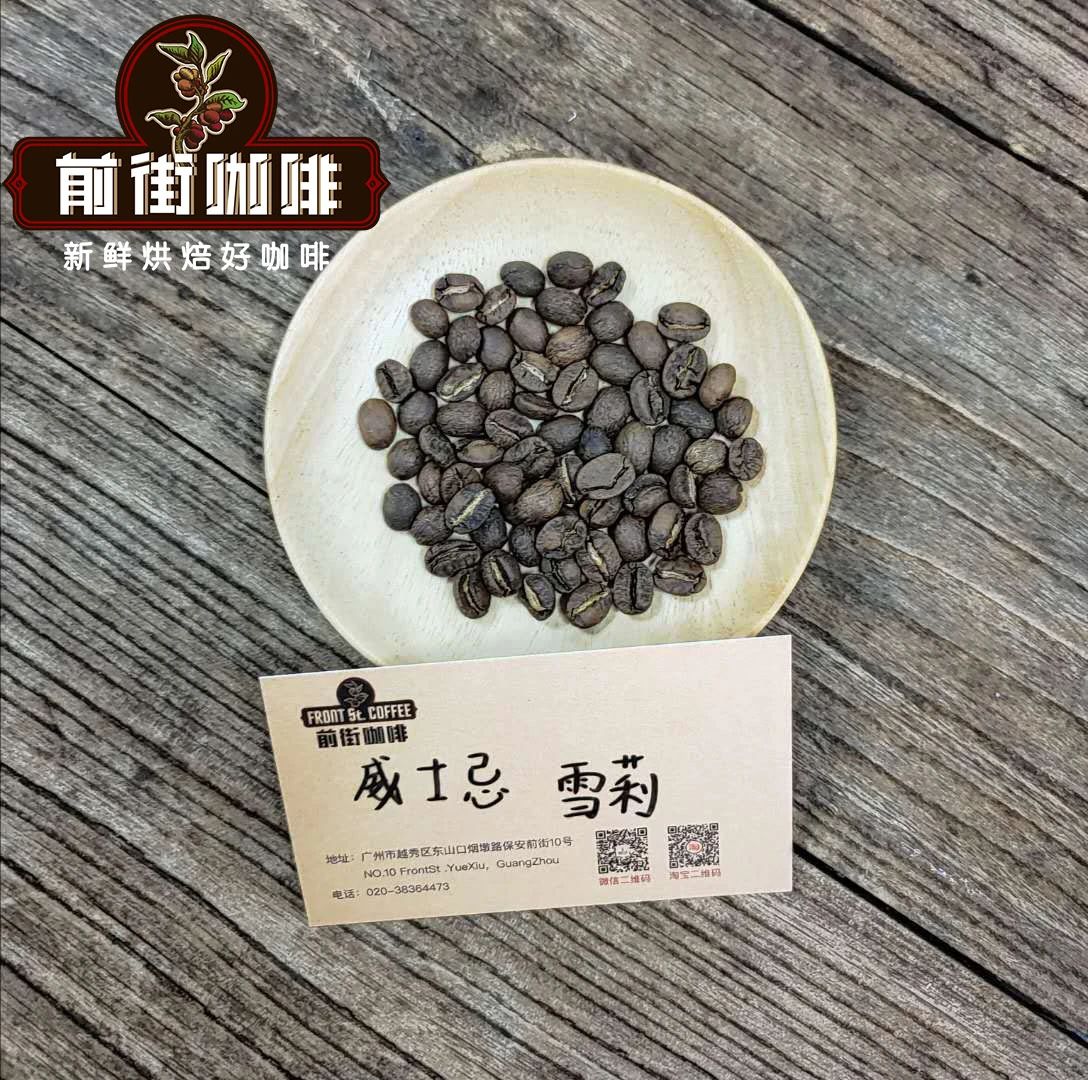
FrontStreet Coffee Honduras Sherry Coffee Beans
Region: Marcala, Honduras
Estate: Moca Estate
Altitude: 1500–1700 meters
Variety: Caturra, Catuai, Pacas
Processing Method: Refined Washed Whiskey Barrel Fermentation
Caturra
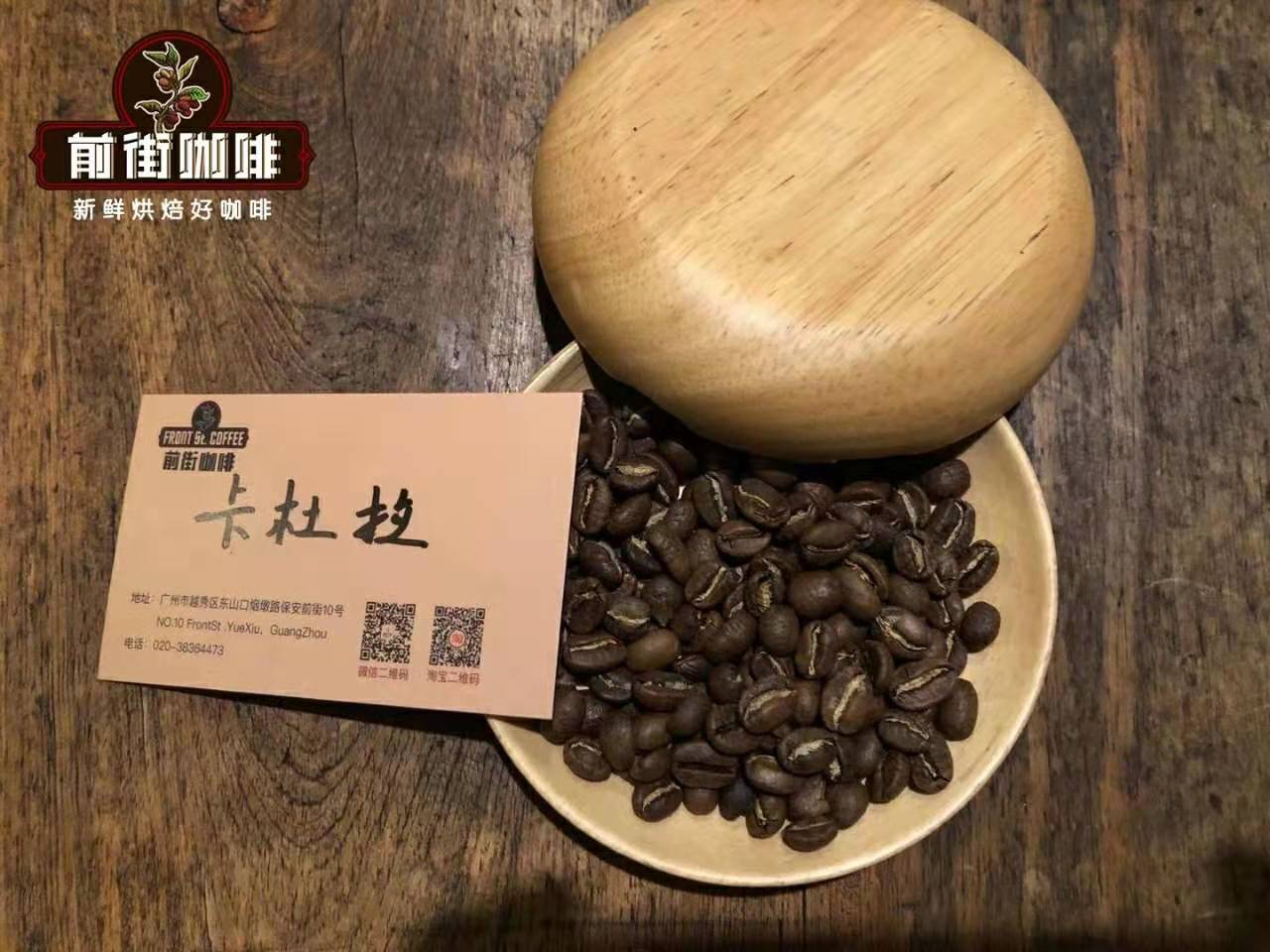
Caturra is a single-gene mutation of Bourbon and therefore closely resembles it; its branch tips are more curved, and a round, slender build is its main visual trait. Discovered in Brazil in 1937, it outperforms Bourbon in both productivity and disease resistance, with shorter plants that ease harvesting. Its flavor is excellent, and crucially it adapts superbly—no shade trees required, which is why it's also called Sun Coffee and handles high-density planting. Caturra grows from 700 meters up to 1700 meters; the higher the altitude, the better the flavor, though yields drop accordingly.
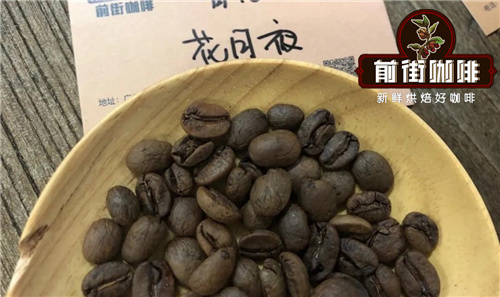
FrontStreet Coffee Colombia Huayueye Coffee Beans
Region: Huila, Everest Addington Farm
Altitude: 1800m
Variety: Caturra
Processing Method: Anaerobic Natural
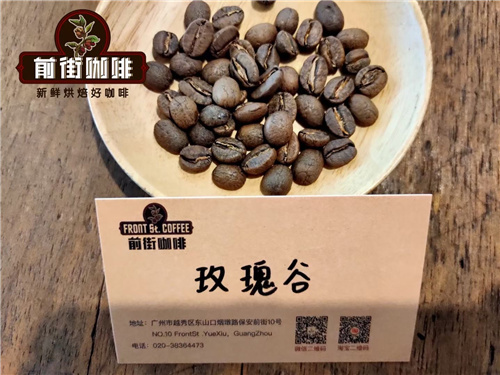
FrontStreet Coffee Colombia Rose Valley Coffee Beans
Region: Santander Region
Estate: Big Tree Estate
Altitude: 1700m
Variety: Caturra
Processing Method: Anaerobic Enzyme Washed
Mundo Novo
Mundo Novo is the natural hybrid of Bourbon and Sumatran Typica, first discovered in 1943 in São Paulo's Tete Mineiros, Brazil. It was initially planted in the town of Mundo Novo, now called Urupês. The variety spread to other countries but never achieved widespread local adoption for various reasons. Mundo Novo plants are tall, with green or brown leaf tips, and the beans tend to be round with large particles.
Catuai
Catuai is a cross of Mundo Novo and Caturra—a true second-generation hybrid, combining Caturra's slender round shape with Mundo Novo's flat-sided form. It inherits Caturra's low plant height, and its fruit holds firm in strong winds. Its overall flavor, however, is simpler than Caturra's. Catuai comes in red- and yellow-fruited forms, and Catuai, Caturra, Mundo Novo, and Bourbon are listed as Brazil's four main coffee varieties.

Catuai is widely grown elsewhere, too: in Honduras it covers nearly half the planted area, it is cultivated in Costa Rica, and after its 1970 introduction to Guatemala it now accounts for about 20% of national production.
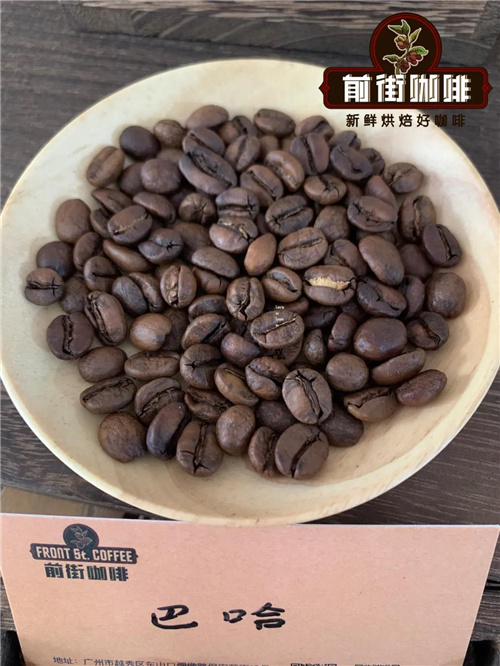
FrontStreet Coffee Costa Rica Musician Series Baha Coffee Beans
Region: Tarrazú, Costa Rica
Estate: Canet Estate
Processing Method: Raisin Honey
Variety: Yellow Caturra
Altitude: 1900m
FrontStreet Coffee Costa Rica Musician Series · Beethoven Coffee Beans
Region: Tarrazú, Costa Rica
Estate: Canet Estate
Processing Method: Washed
Variety: Yellow Catuai
Altitude: 1900m

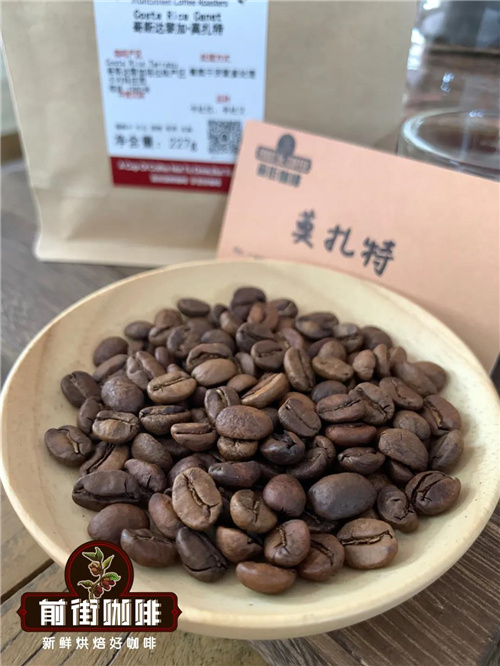
FrontStreet Coffee Costa Rica Musician Series Mozart Coffee Beans
Region: Tarrazú, Costa Rica
Estate: Canet Estate
Processing Method: Raisin Anaerobic Honey
Altitude: 1980 meters
Variety: Caturra, Catuai
Timor
Timor is a natural hybrid variety found in East Timor—a cross of Arabica and Robusta. With 44 chromosomes it sits closer to Arabica, but its flavor is plain and unremarkable: low acidity, little character, and thus often relegated to low-cost blends.
Catimor
In 1959, the Portuguese crossed Brazilian Caturra with Timor to create Catimor, a second-generation hybrid with formidable disease resistance and productivity. Its green beans are large and thick with relatively slender tips. To repair Catimor's poor cupping reputation, botanists in recent years have gone back to crossing Arabica with Catimor over multiple generations, trying to dilute its Robusta heritage.
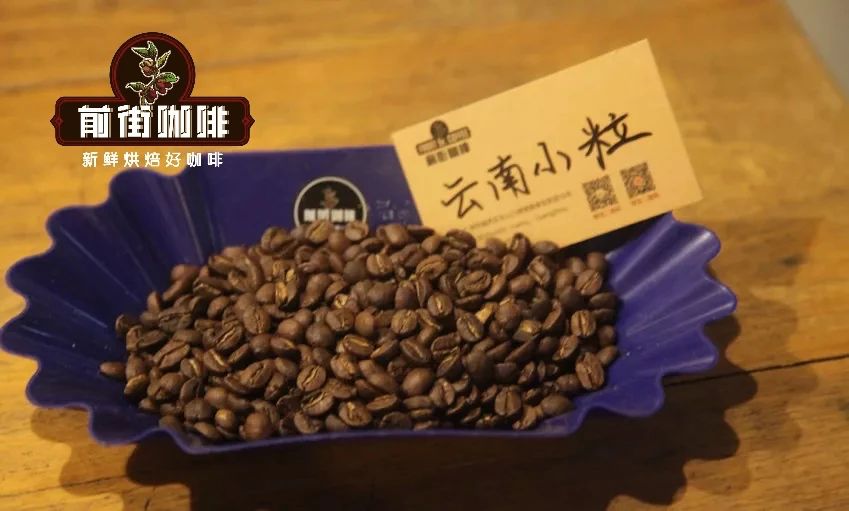
FrontStreet Coffee Yunnan Xiaoli Coffee
Region: Baoshan, Yunnan
Altitude: 1200 meters
Variety: Catimor
Processing Method: Washed
Geisha
Geisha originates from Geisha Mountain in Ethiopia and was introduced to Panama from Costa Rica in 1963—but with such low productivity, no farmer wanted to grow it. Panama remains the main Geisha-producing country.
Geisha is an Arabica native variant from Ethiopia's Geisha region, with large beans, and has become a variety uniquely identified with Panama. In 1931–1932 it was imported to Kenya under the names Abyssinian and Geisha respectively; in 1936 Kenya sent harvested Geisha seeds to Uganda and Tanzania for cultivation; in July 1953 Tanzania sent daughter trees to Costa Rica while keeping the mother plants; and in 1960 Panama began cultivating Geisha officially.
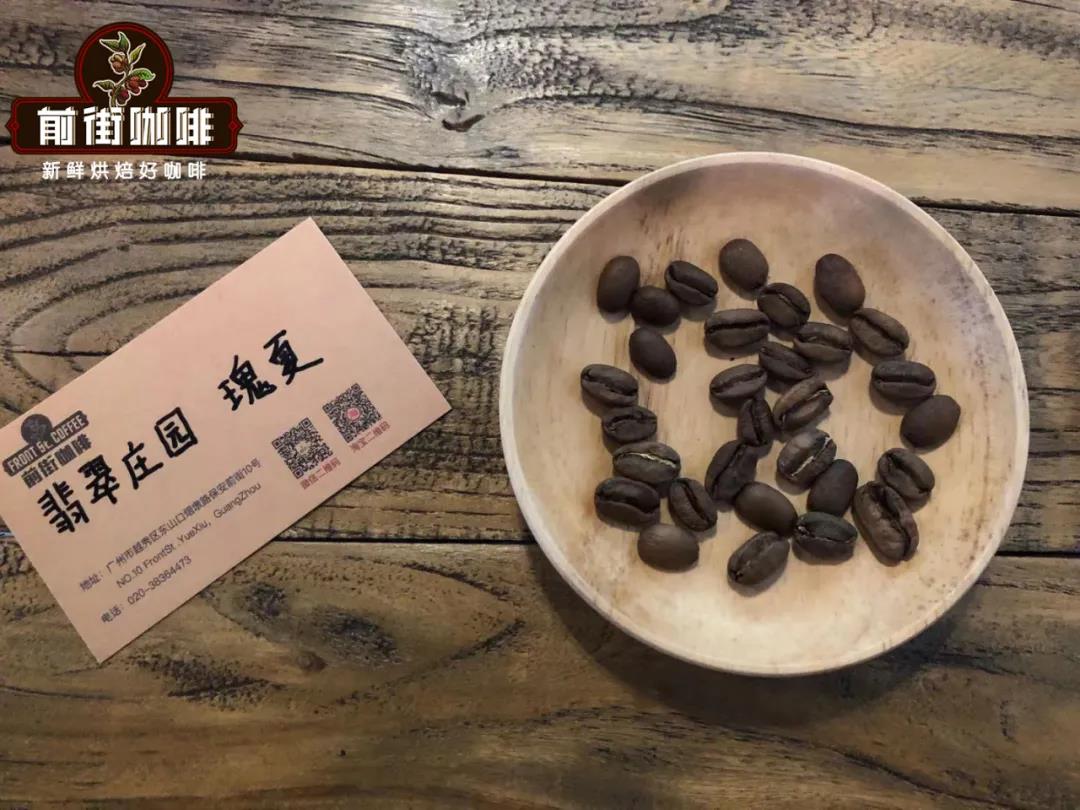
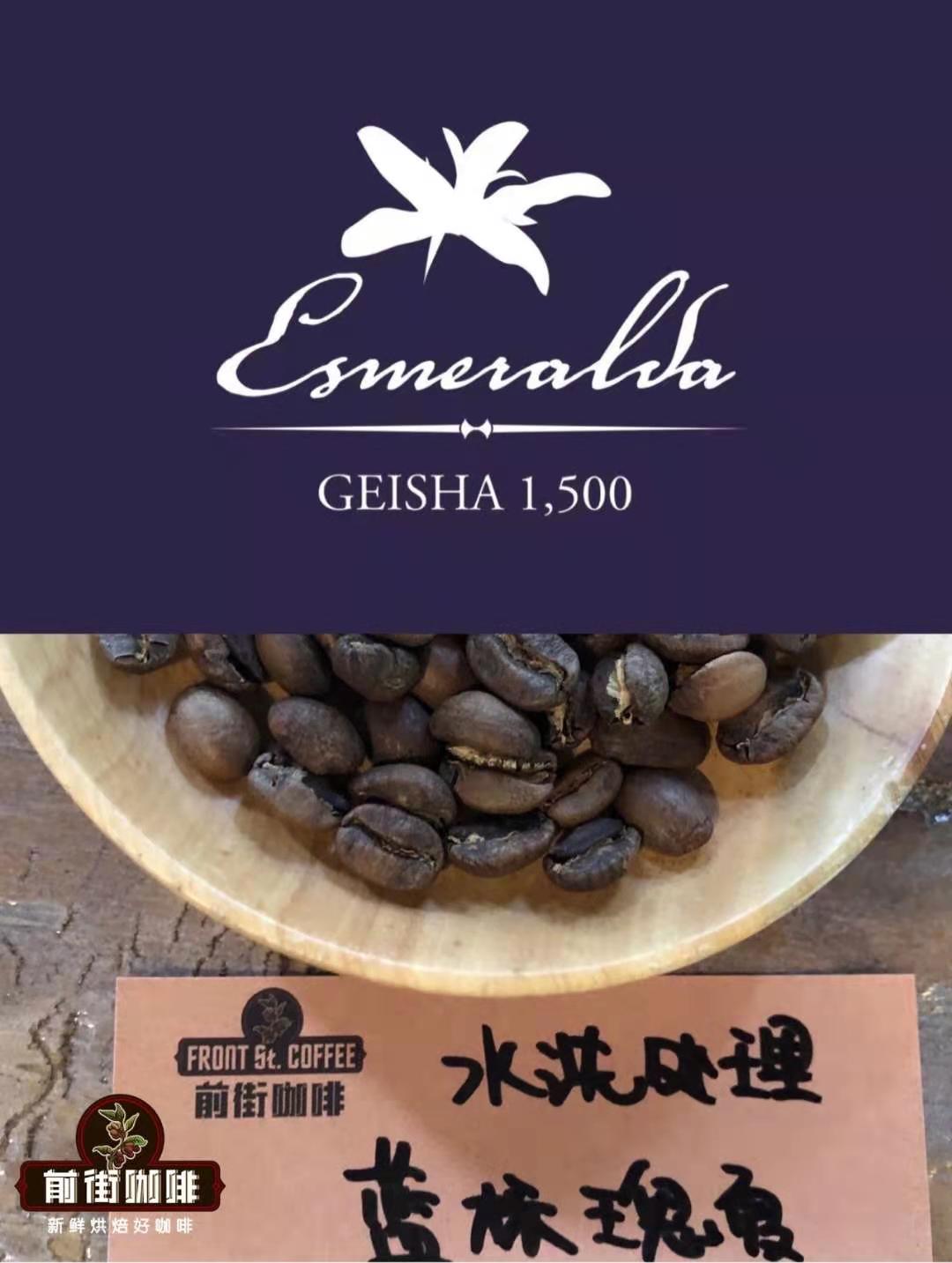
Among the Geishas on FrontStreet Coffee's list, the first is the American Geisha, represented by Panama's Hacienda La Esmeralda—its most distinctive look being slender, pointed ends with a full, plump middle, and top lots reaching Pacamara-like sizes (18–19 screen). The second is the African Geisha, represented by Ethiopia's Gesha Village, whose varieties include Gor Geisha (selected from the Gor Geisha forest) and Geisha 1931 (selected from a diverse forest population similar to Panama Geisha); these show elongated, smaller beans than Panama Geisha, with less obvious characteristics.
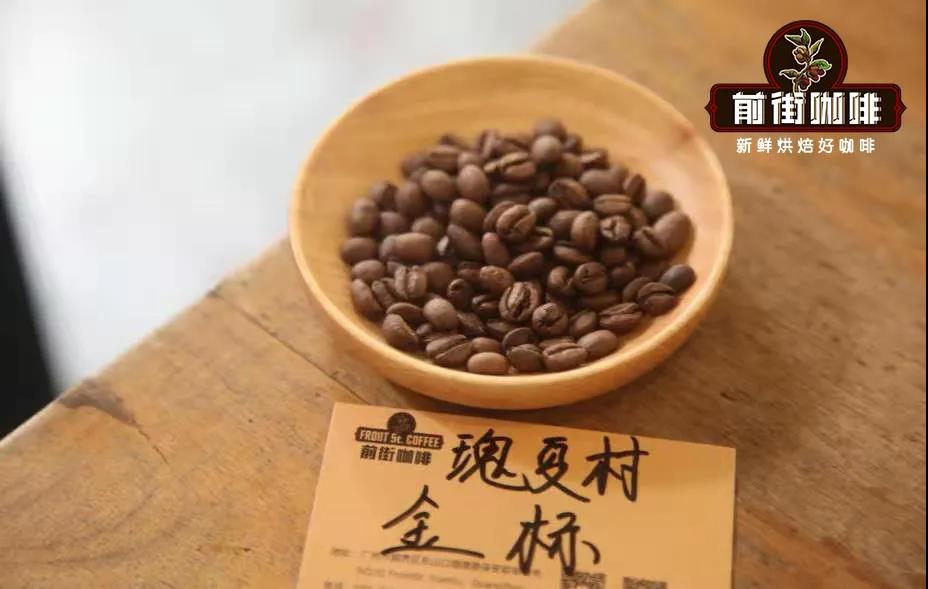
Geisha trees are tall and slender (up to 4.5 meters), with spreading branches and leaves, long green-and-red leaves, and late fruiting. They resist leaf rust but are susceptible to berry disease and nematodes, with medium-to-small fruit and medium-low yield. Panama Geisha has a truly singular flavor: beans from high-altitude lots show superb aroma, a sweet and clean characteristic finish, jasmine and peach aromas, bright fruit acidity, and a very smooth mouthfeel.
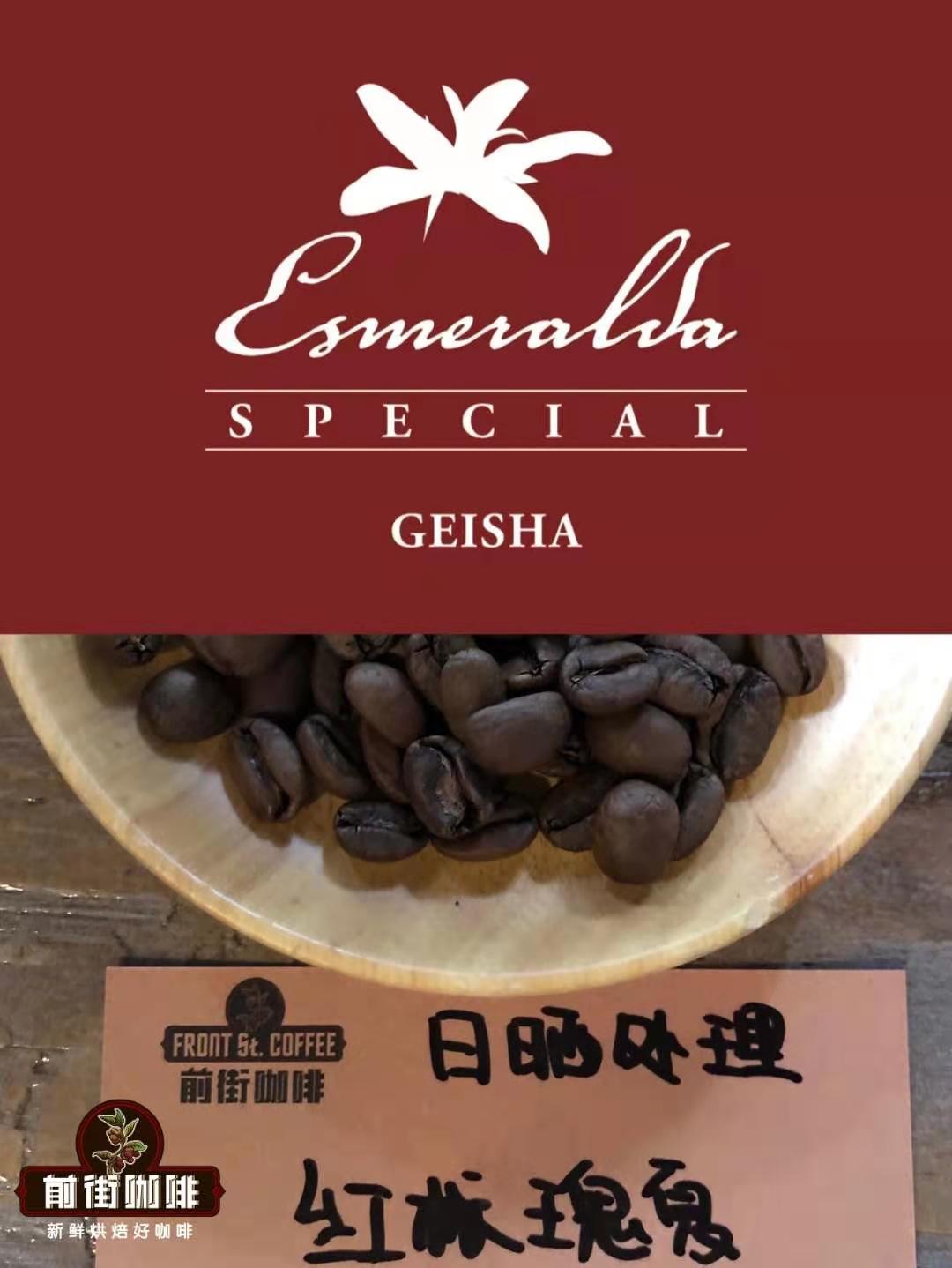
FrontStreet Coffee Hacienda La Esmeralda Red Label Geisha Coffee Beans
Region: Boquete, Panama
Estate: Hacienda La Esmeralda
Altitude: 1600–1800 meters
Variety: Geisha
Processing Method: Natural
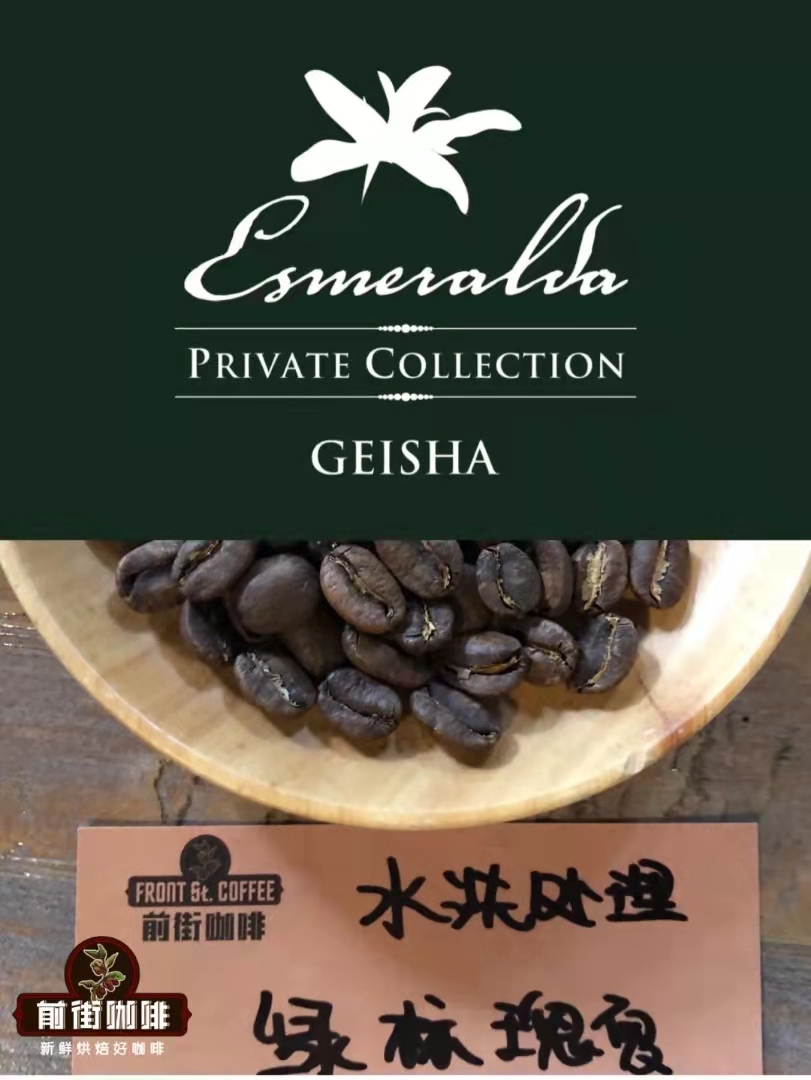
FrontStreet Coffee Hacienda La Esmeralda Green Label Geisha Coffee Beans
Region: Boquete, Panama
Estate: Hacienda La Esmeralda
Altitude: 1600–1800 meters
Variety: Geisha
Processing Method: Washed
FrontStreet Coffee Hacienda La Esmeralda Blue Label Geisha Coffee Beans
Region: Boquete, Panama
Estate: Hacienda La Esmeralda
Altitude: 1400–1500 meters
Variety: Geisha
Processing Method: Washed
FrontStreet Coffee Recommendation
To experience the Ethiopian heirloom end of this family tree, FrontStreet Coffee's washed Yirgacheffe house bean is the classic entry point—white jasmine florals, bright citrus and lemon acidity, and a clean, tea-like cup from trees grown at 1800 meters and above in one of the world's highest coffee regions. It's the bean many drinkers use as their reference for what washed Ethiopian coffee should taste like.
One step deeper in the same region, FrontStreet Coffee's Guodingding Cooperative lot—from Worka at the southeastern tip of Yirgacheffe, an independent cooperative of about 300 farming families since 2012—uses traditional washed processing: the fruit flesh is stripped before drying, so the coffee's own aromas come through clearer and cleaner, presenting citrus and lemon tones with elegant white florals in a bright, delicate cup. And for the natural side of the heirloom story, FrontStreet Coffee's Red Cherry lot—sun-dried with the fruit intact, turned every 2–3 hours at first and hand-sorted repeatedly—delivers citrus acidity, berry juiciness, honey sweetness, and cream-smooth texture: the wild, fruity face of the same genes.
Important Notice :
FrontStreet Coffee is a long-established specialty coffee roaster in Guangzhou China, selling freshly roasted beans from its own farm in Yunnan as well as dozens of carefully selected single-origin beans from around the world for both pour-over and espresso. The products deliver consistently excellent quality and great value, with shipping within 24 hours. Guangzhou's FrontStreet Coffee shop is recommended by many coffee lovers, and the beans are now available online at the Tmall 。
FrontStreet Coffee has moved to a new address:
FrontStreet Coffee Address: 315,Donghua East Road,GuangZhou
Tel:020 38364473
 Scan and follow the En Gafei WeChat official account. Please indicate that the reprint comes from "En Gafei".