The Origin of Ethiopian Gesha Village Estate - Does Gesha Coffee Really Originate from Gesha Village?
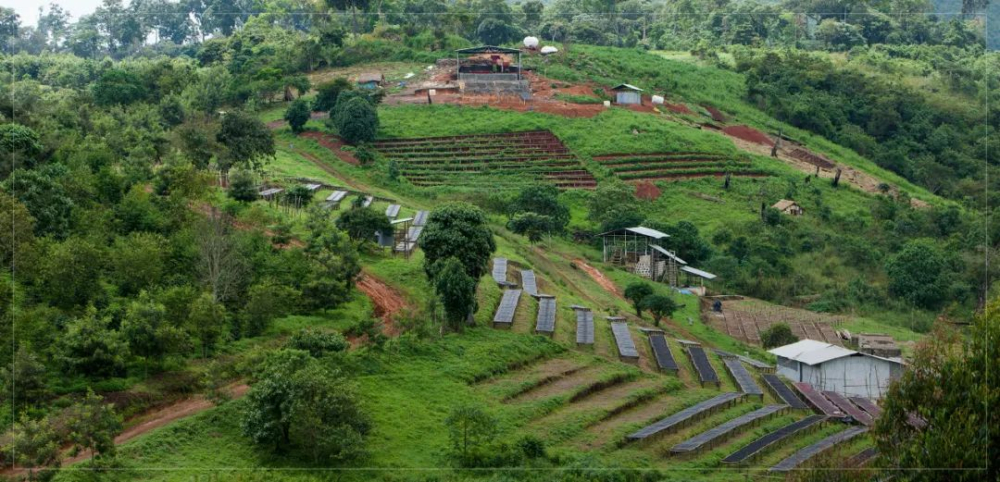
The Origin and Development of Gesha Village Estate
Gesha Village Estate is owned by Adam Overton—an American who was never a coffee-shop owner but a documentary filmmaker. His wife, Rachel Samuel, is Ethiopian and works as a photographer. In 2007, the couple was commissioned to shoot a documentary about coffee in Ethiopia, and as the filming progressed and their bond with the land deepened, a dream took root: to have an estate of their own.

In 2009, they met Willem Boot, a Dutchman whose family ran a coffee business before he emigrated to the United States and worked with the roasting equipment company Probat. In 2004, Willem served as a judge at the Best of Panama (BOP)—the first competition where the Geisha variety appeared. One taste and he was floored; it was so good it made him feel like he could fly. So in 2006 he bought La Mula, then a little-known small estate, and planted 6,000 Geisha trees.
At the 2014 BOP, La Mula competed for the first time and took first place—and eleventh place—in the Natural Geisha category. Famous estates like Hacienda La Esmeralda, Kotowa, and Elida were all beaten by this farm that had existed for barely 8 years. Willem's greatest wish, though, was to return to Ethiopia and find the land where Geisha was born.
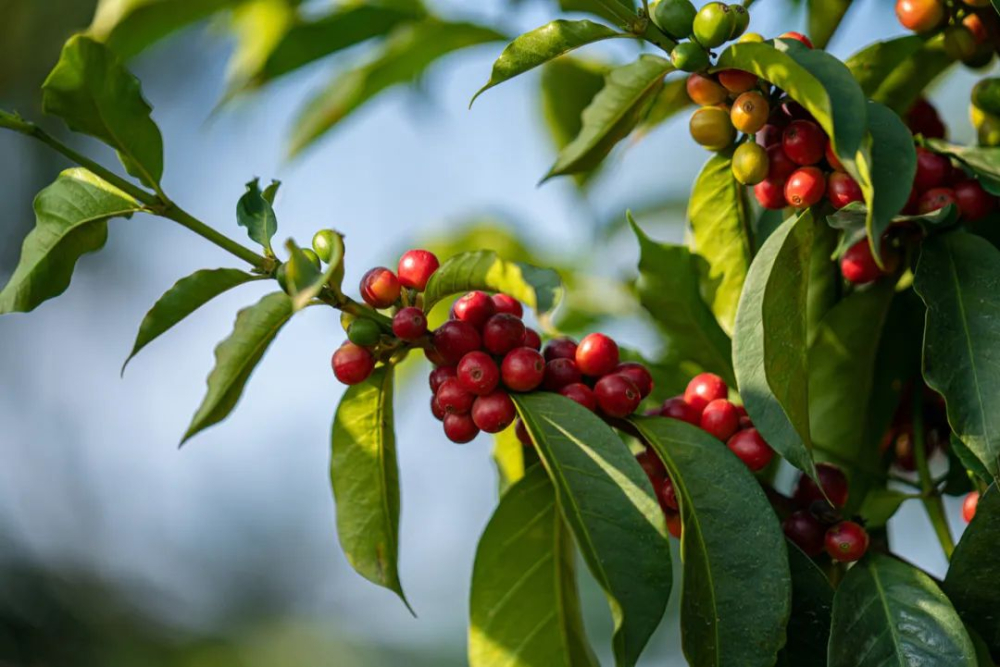
The Geisha variety was first collected in 1931 from a forest near the mountain called Geisha in Ethiopia. It later made its way to Costa Rica thanks to Don Pachi, and from there spread to other estates. At first it was a low-yielding, mold-resistant, tall-growing curiosity that many estates planted along field edges as windbreaks—until 2004, when Hacienda La Esmeralda separated it out, entered it in competition, and it became famous overnight.
After meeting Willem Boot, Adam and Rachel became serious about building a Geisha estate in Ethiopia. They flew to Addis Ababa, initially hoping to find land close to the capital. But having studied the microclimates and soils of Panama, they ultimately settled on the Bench-Maji region in southwestern Ethiopia near the South Sudan border. The area contained many places called "Gesha Village" and seemed the most likely home of the original Geisha. So they founded their estate there and named it Gesha Village Estate.
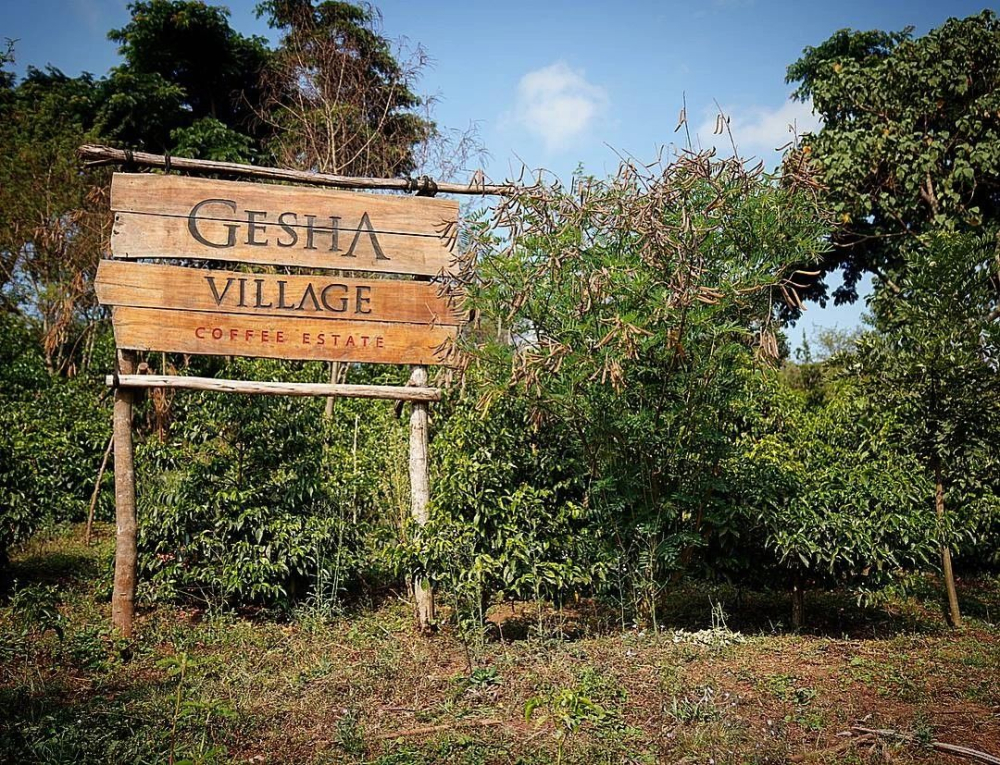
In 2011, Willem Boot attended the estate's groundbreaking and served as its consultant. Something remarkable happened: near the estate, in a primary forest the locals call Gori Gesha, they discovered wild coffee that closely resembled the trees at La Mula. The whole forest was perfumed with coffee blossoms. They became convinced this was where Geisha was originally found—and later variety identification backed them up. The estate accordingly planted two Geisha lines: Gori Gesha from that very forest, and Gesha 1931, the variety first collected back then.
Only a handful of estates in the world hold their own auctions—the most famous being Panama's Hacienda La Esmeralda, Guatemala's El Injerto, Brazil's Daterra, Nicaragua's Mierisch, and Ethiopia's Gesha Village. Gesha Village is unlike most Ethiopian farms: not a smallholder plot but a 500-hectare estate with its own washing station and laboratory, near the Sudanese border in the southwest. Most notably, the entire estate grows only Geisha varieties, not the typical mixed heirloom stock of uncertain pedigree. The farm is divided into 8 blocks with 3 main Geisha varieties, all sourced from seeds collected in the nearby forests—not from Panama.
Gesha Village's Block Layout
Looking at the owner's block map, the western part of the estate sits at the highest elevations—especially the OMA, SURMA, and SHEWA-JIBABU blocks, between 1900-2069 meters, with SHEWA-JIBABU having the highest average altitude. The southern blocks have more shade cover, while the northern ones get longer sun exposure. Across the eight blocks, Adam matched each one with the variety best suited to its microclimate—altitude, soil, and shade—so that every block can express its own flavor character.
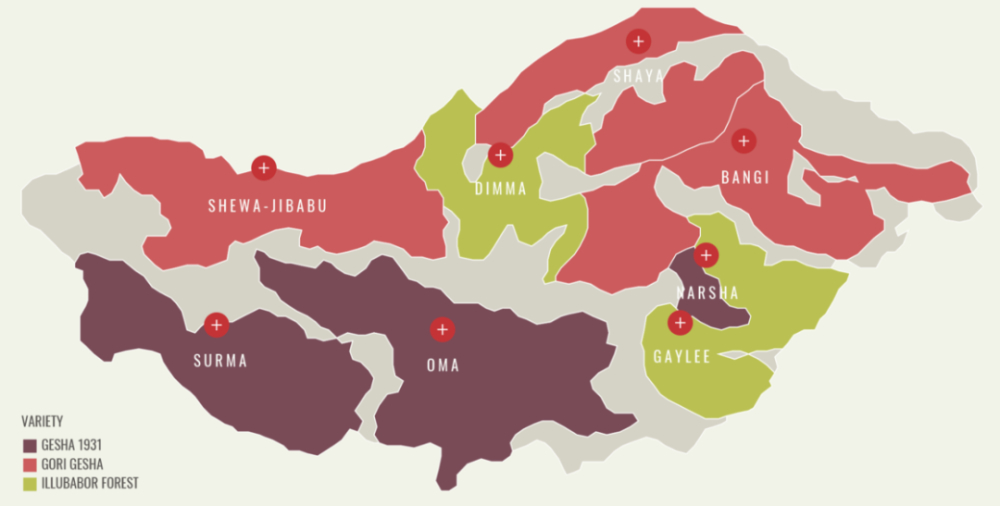
FrontStreet Coffee would like to remind everyone that the Geisha grown at Ethiopia's Gesha Village is not the same variety that made Panama famous. Gesha Village grows 3 Geisha varieties: Gori Gesha, Gesha 1931, and Illubabor Forest. Gori Gesha and Gesha 1931 share a lineage with Panama Geisha but are still distinct varieties. Gesha 1931 behaves remarkably like Panama Geisha in the cup, while Illubabor is a disease-resistant variety supplied by the Ethiopian research institute.
To guarantee quality, Adam established a strict tier system, dividing the estate's Geisha into: Auction, Gold Label, Red Label, Green Label, and CHAKA.

Gesha Village Auction
Auction lots are the estate's absolute top tier, obtainable only through buyer bidding. They account for just 3.7% of annual production and pass through multiple rounds of strict screening.
Gesha Village Gold Label
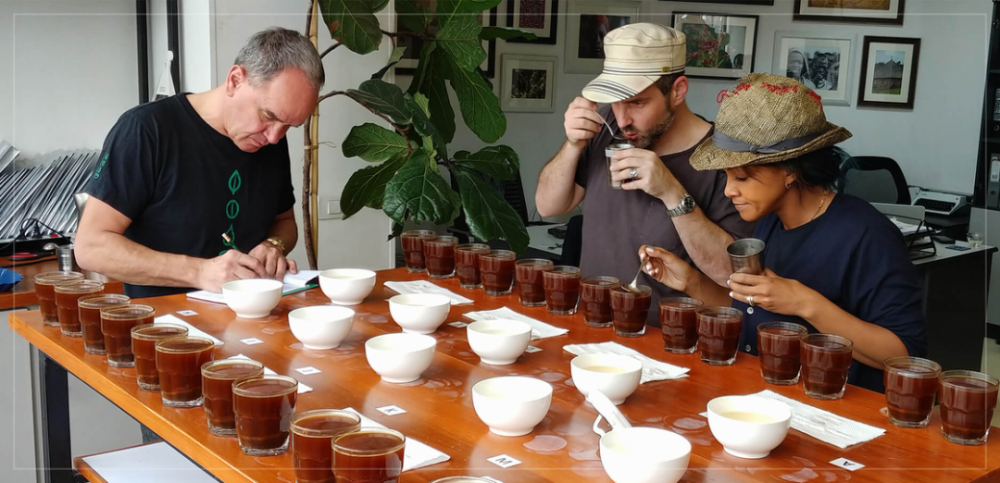
Gold Label is the tier frequently bought by competition baristas worldwide and quality-obsessed roasters, making up about 10% of annual production and carrying full traceability information. The Gold Label batch FrontStreet Coffee purchased offers complex, layered flavors. On the cupping table it leaves a real impression—the distinctive dry fragrance as much as the flavors, mouthfeel, and finish in every sip.
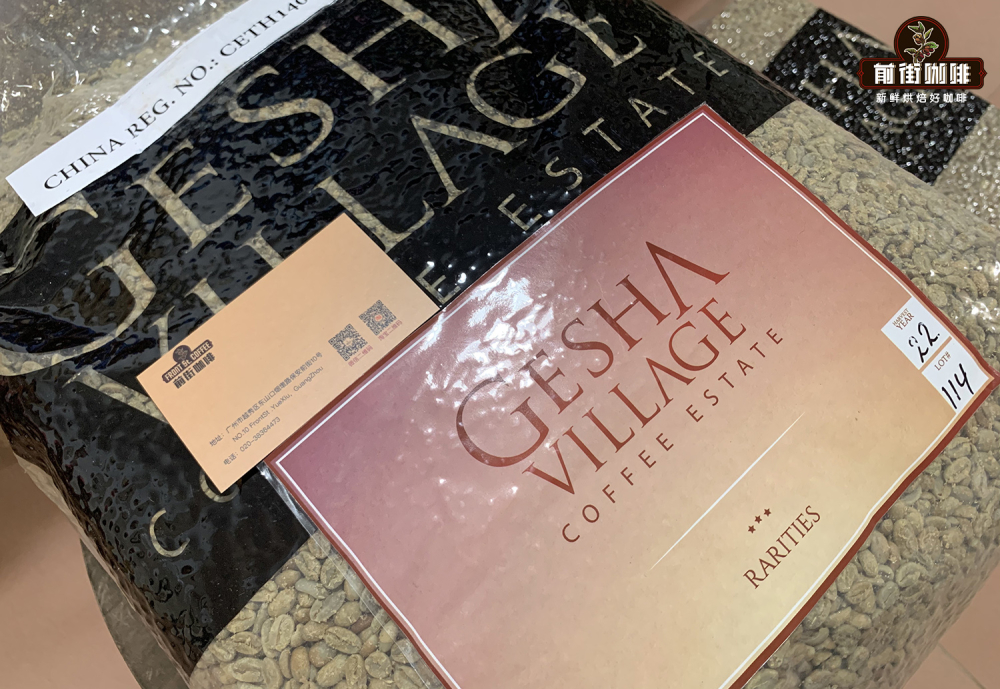
FrontStreet Coffee Ethiopia Gesha Village Estate Gold Label Geisha
Region: Bench Maji, Ethiopia
Estate: Gesha Village Estate, Oma Block
Altitude: 1900-2040 meters
Variety: Gesha 1931
Processing: Natural
Flavor: Citrus, Berries, Cream, Caramel, Melon, Honey
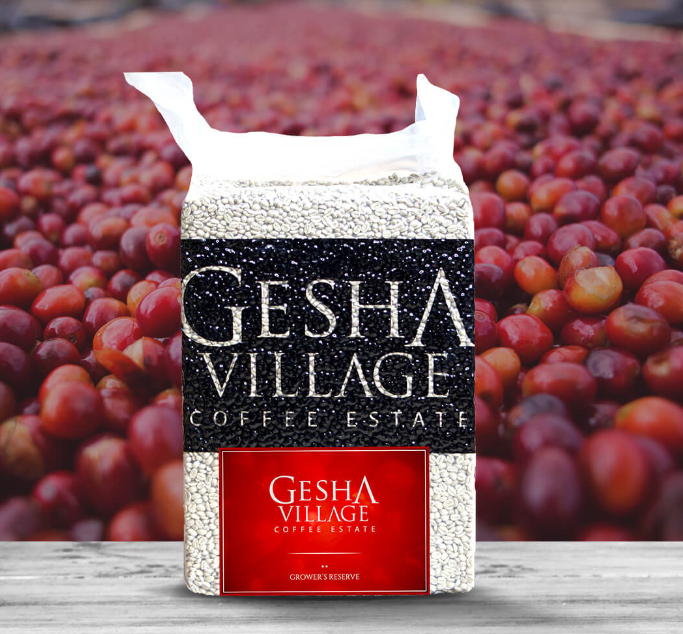
Gesha Village Red Label
Red Label also carries complete traceability information, accounts for 15% of annual production, and represents premium Geisha scoring 88 points or above on the SCA scale. While its intensity and complexity don't quite match Gold Label and Auction lots, Red Label delivers very classic Gesha Village character. FrontStreet Coffee considers it the best-value tier and a worthy purchase for any Geisha enthusiast.
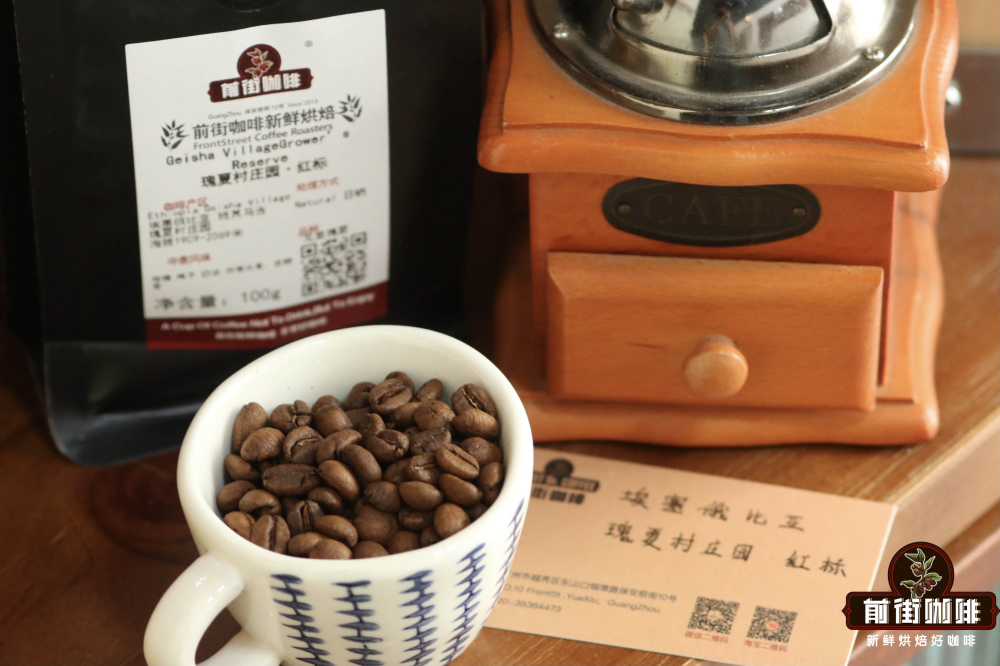
FrontStreet Coffee Ethiopia Gesha Village Estate Red Label Geisha
Region: Bench Maji, Ethiopia
Estate: Gesha Village Estate, Shewa-Jibabu Block
Altitude: 1973-2069 meters
Variety: Gori Gesha
Processing: Natural
Flavor: Lemon, Plum, Citrus, Tropical Fruits, Floral Tea
Gesha Village Green Label
Green Label refers to single-block, single-variety lots. Every lot number comes with full traceability—the block name, the variety, and the processing date. Unlike Red Label and Gold Label, Green Label has no cupping-score requirement, making it the entry level of the estate's single-block Geisha range.
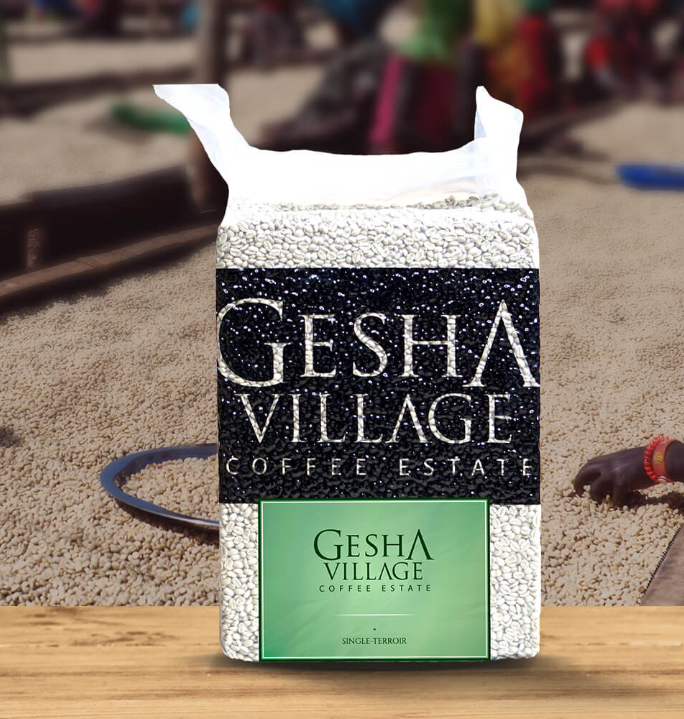
FrontStreet Coffee: Ethiopia Gesha Village Estate Green Label Geisha
Region: Bench Maji, Ethiopia
Estate: Gesha Village Estate, Bangi Block
Altitude: 1911-2001 meters
Variety: Gori Gesha
Processing: Natural
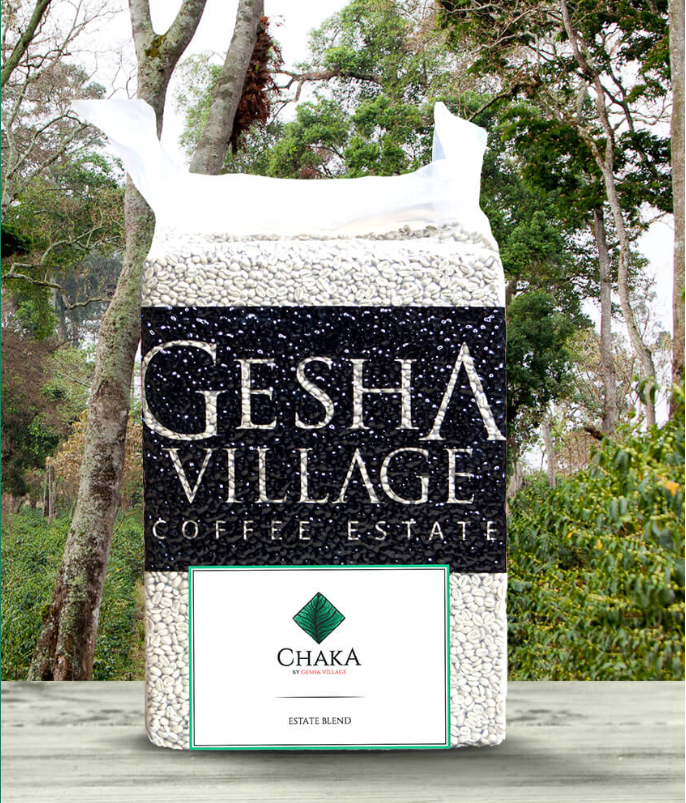
Gesha Village CHAKA
Unlike every other Gesha Village tier, CHAKA blends Geisha from all blocks and the whole harvest season, mixing all three varieties the estate grows: Gesha 1931, Gori Gesha, and Illubabor. It's offered in both washed and natural; FrontStreet Coffee bought the natural.
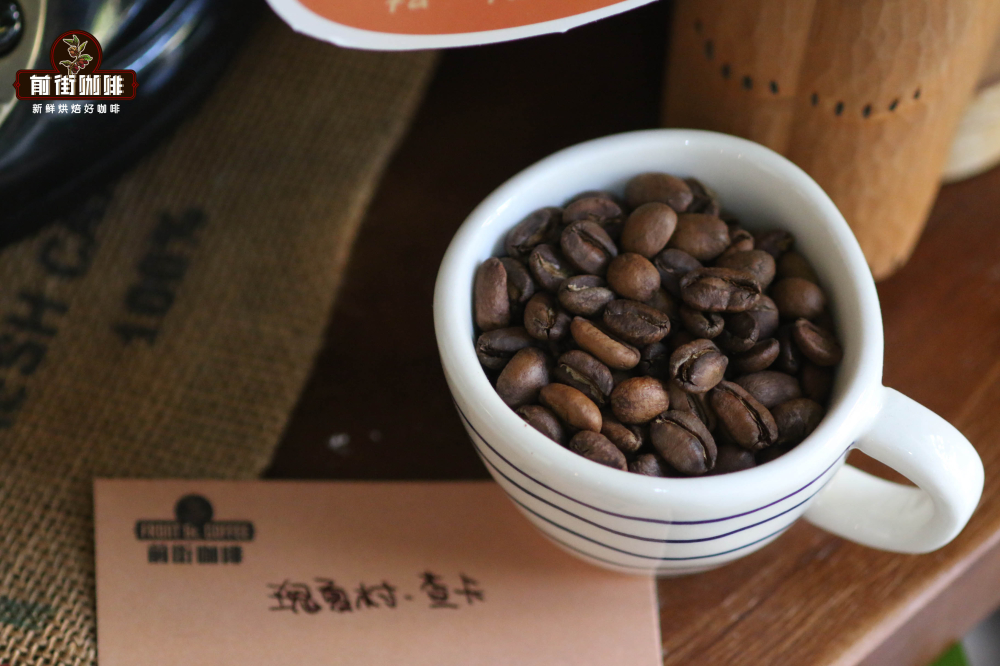
First the cherries are float-separated to remove debris and underripe fruit, then spread thin on African raised beds under plastic sheeting for sun-drying, turned regularly and hand-sorted for unevenly colored beans. Total drying time is 18-30 days. To preserve more fruit acidity, FrontStreet Coffee roasts this lot light to medium. On the cupping table, CHAKA shows floral, citrus, berry, cream, oolong tea, and cane sugar notes.
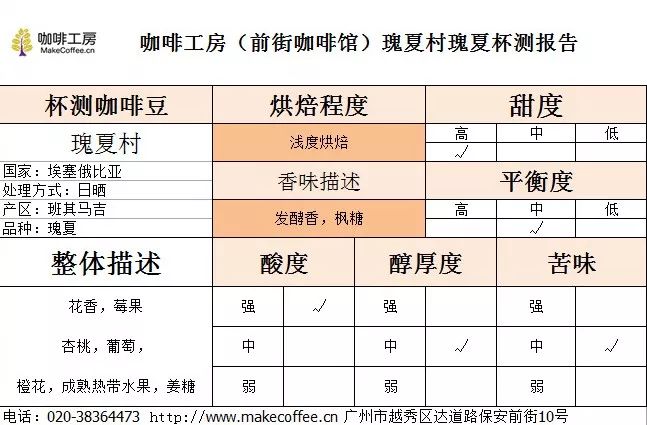
Green Bean Analysis
The green beans run smaller than Panama's. Washed Gesha beans show a beautiful blue-green color, while naturals carry a slightly yellowish-green, jade-like warmth. They smell of fresh grass, peach, and berry, plus the milky-sweet oolong-tea aroma that most coffees simply don't have. Some of these descriptors call for a bit of imagination, but the light tea note is something you can perceive clearly.
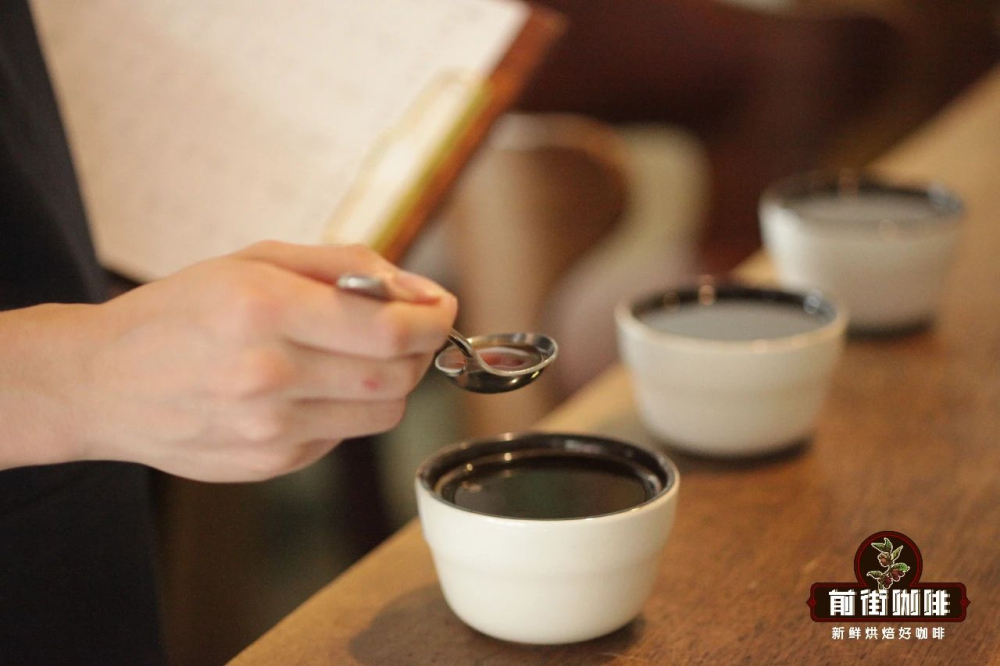
Cupping:
Dry aroma: winey, apricot. Wet aroma: sweet orange juice, jasmine, ripe peach, wine notes, pineapple—bright and rich. In the sip: citrus, tropical fruit, ripe fruit, berry notes, a light fermented winey touch, clear and bright acidity, a smooth texture, grape, maple syrup, wild ginger flower, delicate fruit acidity, a clean and balanced mouthfeel, and a lively, lingering fruity-sweet finish.
Brewing Recommendations:
FrontStreet Coffee believes Geisha, with its rich spectrum of fruit flavors, is best enjoyed as pour-over, where its aromatics can fully unfold. Preparation matters. Because these are fine beans, buy them freshly roasted: all coffee has a best flavor window, generally 7-30 days after roasting, and brewing within it is the only way not to waste them. Beans shipped by FrontStreet Coffee are roasted no more than 5 days before dispatch, so they arrive right at their peak.
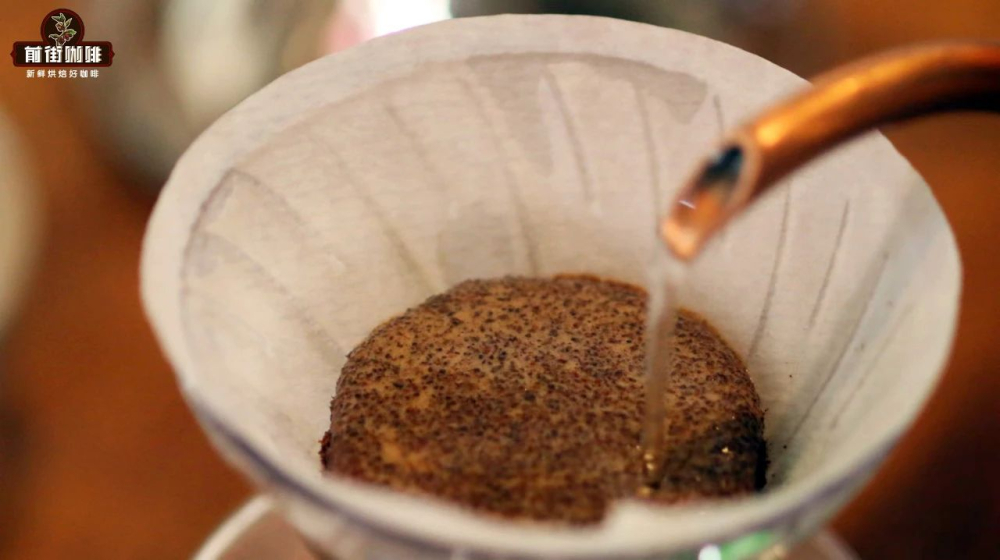
Geisha is world-famous for its florals and complex fruit tones. FrontStreet's roasters roast it light to medium (with small adjustments per batch) to preserve its fine acidity. This roast level doesn't soften the high hardness typical of high-altitude beans, so brewing needs a higher extraction rate to unlock the full flavor layers: use hotter water and a slightly finer grind to draw out more aromatics. For an even clearer flavor expression, FrontStreet uses a slightly larger coffee-to-water ratio of 1:15.
To raise the extraction rate while avoiding over-extraction and highlighting the sweet-sour layers, FrontStreet's baristas brew Geisha on a V60. The V60's ribs run from top to bottom and the large central hole speeds water flow, while the spiral grooves lengthen the water's path, extending contact time between grounds and hot water. Each pour converges along the grooves toward the filter's center, concentrating pressure on the coffee bed and producing a cup with richer layering.

Dripper: V60
Water Temperature: 91-92°C
Coffee Dose: 15g
Coffee-to-Water Ratio: 1:15
Grind Size: Fine-sugar texture (80% passes through a #20 sieve)
Three-Stage Extraction: Stage one, pour 30g of water to bloom for 30 seconds, pouring evenly in circles to form a dome. Stage two, inject 95g of hot water. When the coffee bed drops to half, begin stage three with 100g of water and let the coffee finish draining. Start each pour from the center point, using a small, gentle, circular flow throughout to avoid uneven extraction.
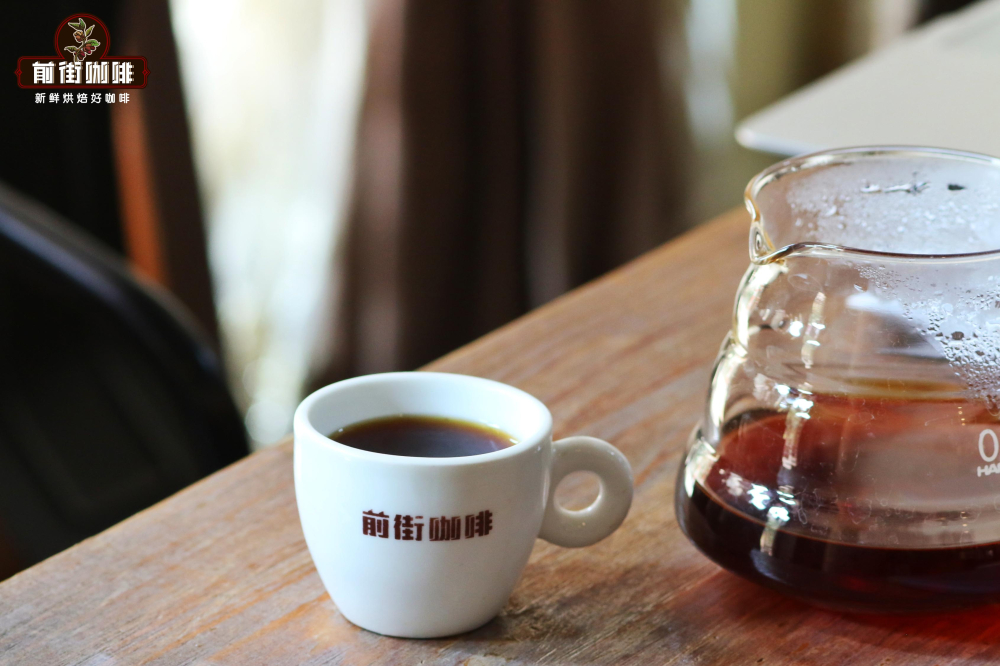
Hand-poured Gesha Village Red Label Gori Gesha tastes of tropical fruits, bergamot, and citrus, with creamy sweetness laced through fermented notes. As the cup cools, jasmine fragrance gradually emerges.
For more coffee knowledge and specialty coffee beans, follow FrontStreet Coffee.
FrontStreet Coffee Recommendation
Geisha (from the English "Geisha") is the most beloved Arabica variety in the world, prized for its unique florals and exquisite sweet-sour balance—while its low yields, weak disease resistance, and demanding cultivation keep prices high. If you want to taste great Geisha without a painful bill, it helps to know the tiers. Panama is where Geisha became famous: after Hacienda La Esmeralda entered it in the Best of Panama in the early 2000s, it stunned the judges and broke records, and FrontStreet carries both the Esmeralda Red Label ("Esmeralda Special," grown at 1600-1800 meters, each lot cupping above 90 points from a single plot) and the more affordable Green Label ("Private Collection," a blend of multiple high-altitude plots).
Ethiopia is where Geisha was born, and Gesha Village Estate is its most famous champion there. FrontStreet's Gesha Village Gold Label is a Gesha 1931 batch—10% of the estate's production, the top coffee it sells outside the auction, and a frequent choice of competition baristas—while the Red Label is a Gori Gesha single-terroir series (15% of production, scoring 88+ on the SCA scale) with full traceability down to block, variety, and processing date. For an accessible introduction to Ethiopian Geisha, FrontStreet's Genlana Estate Gesha, roasted medium-light, shows bright citrus acidity, elegant ginger-flower aromatics, ripe-fruit sweetness, and a silky body with Geisha's signature refined finish.
As for brewing: Geisha is a medium-light, floral-fruity coffee with a dense, hard bean that tends to sink and clog the dripper. FrontStreet suggests a grind at about fine-sugar size (roughly 78% through a #20 sieve), water at 91°C, and 15g of coffee on a small Hario V60 at a 1:16 ratio using a three-stage pour: 30g to bloom for 30 seconds, then a second stage to 125g, then top up to 225g once the bed drops to half, finishing around 2:10-2:20.
Important Notice :
FrontStreet Coffee is a long-established specialty coffee roaster in Guangzhou China, selling freshly roasted beans from its own farm in Yunnan as well as dozens of carefully selected single-origin beans from around the world for both pour-over and espresso. The products deliver consistently excellent quality and great value, with shipping within 24 hours. Guangzhou's FrontStreet Coffee shop is recommended by many coffee lovers, and the beans are now available online at the Tmall 。
FrontStreet Coffee has moved to a new address:
FrontStreet Coffee Address: 315,Donghua East Road,GuangZhou
Tel:020 38364473
 Scan and follow the En Gafei WeChat official account. Please indicate that the reprint comes from "En Gafei".