Kenya SL28 SL34 Coffee Bean Variety Characteristics Description | Kenya AA AB Grade Coffee Bean Flavor
FrontStreet Coffee's Kenyan coffee beans occupy a strong place in the African specialty market thanks to their extremely pleasant acidity. Kenya's coffee-growing history isn't especially long compared with other producing regions, yet its bean quality has stayed consistently stable. FrontStreet Coffee believes this comes down to Kenya's unique coffee varieties, SL28 and SL34. In this article, FrontStreet Coffee will introduce Kenya's distinctive coffee varieties.
What are the characteristics of FrontStreet Coffee's Kenya SL28 coffee variety?
The SL28 variety emerged because the Kenyan government placed great emphasis on coffee cultivation. In the 1930s, the government established a laboratory dedicated to selecting coffee varieties for future cultivation in Kenya. At the time, the ancient Typica variety had poor resistance to disease and pests and was difficult to cultivate. Kenya's coffee history was short, which made variety selection crucial: once good varieties were selected, they could be promoted to farmers, saving them from pest disasters.
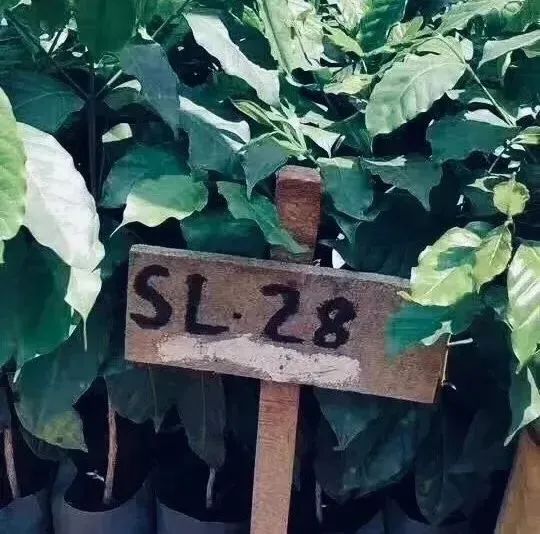
This laboratory is now Kenya's renowned "Scott Laboratory." Between 1935-1939 it selected forty-two different individual coffee trees, studying their yield, quality, and resistance to drought and disease, naming them with the laboratory's English initials, "SL."
According to FrontStreet Coffee, SL28 was first selected and cultivated from a drought-resistant tree from Tanganyika in 1935. Historical records show that in 1931, Scott Laboratory's coffee cultivator AD Trench found a variety that seemed tolerant to drought and disease while inspecting the Moduli area of Tanganyika (now Tanzania). He collected seeds and brought them back to Scott Laboratory. Once its drought resistance was verified, it was widely cultivated until it was replaced by its descendant, SL28.
To this day, SL28 remains one of Africa's most famous and respected varieties. It has spread from its selection site in Kenya in the 1930s to other parts of Africa (especially the Arabica growing areas of Uganda) and now to Latin America. SL28 suits medium to high altitudes and has drought resistance, but it is sensitive to major coffee diseases. It can be found in many parts of Kenya and remains highly productive even at 60-80 years of age.
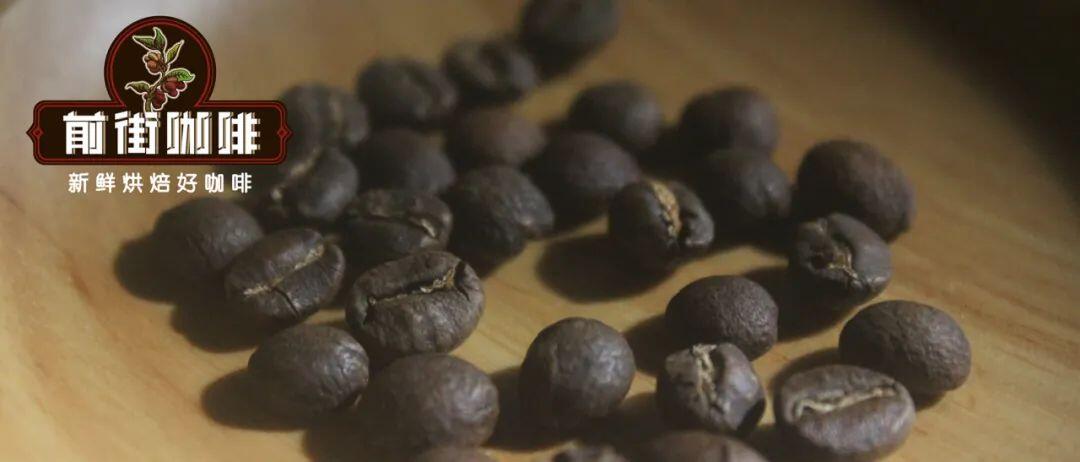
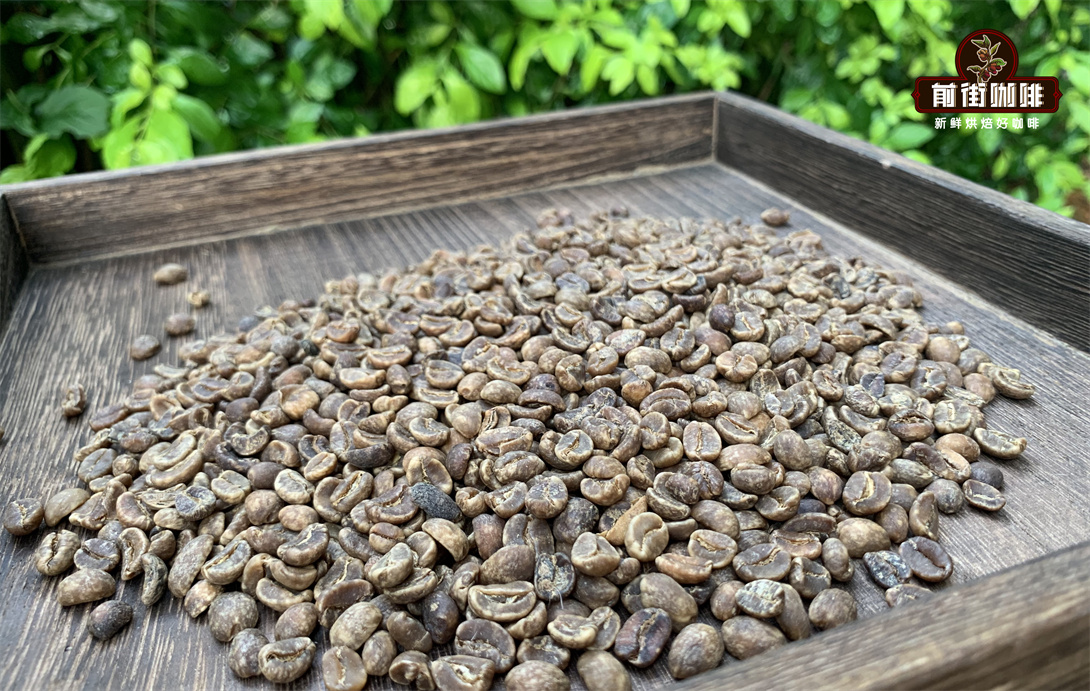
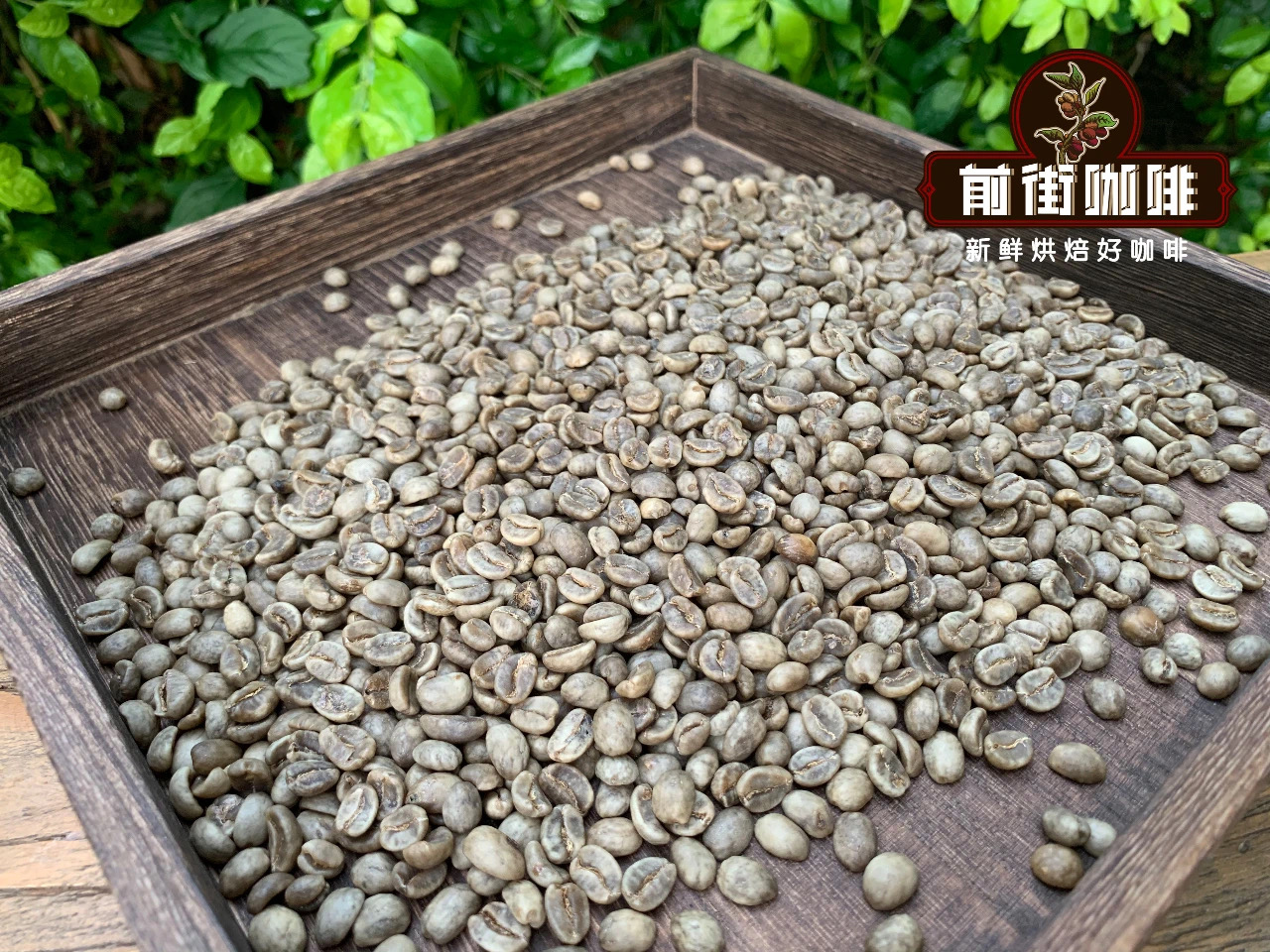
FrontStreet Coffee understands that recent genetic testing has also confirmed SL28 belongs to the Bourbon genetic group. SL28 beans therefore resemble Bourbon in appearance — round and thick. (As shown in the picture.)
What are the characteristics of Kenya SL34 coffee variety?
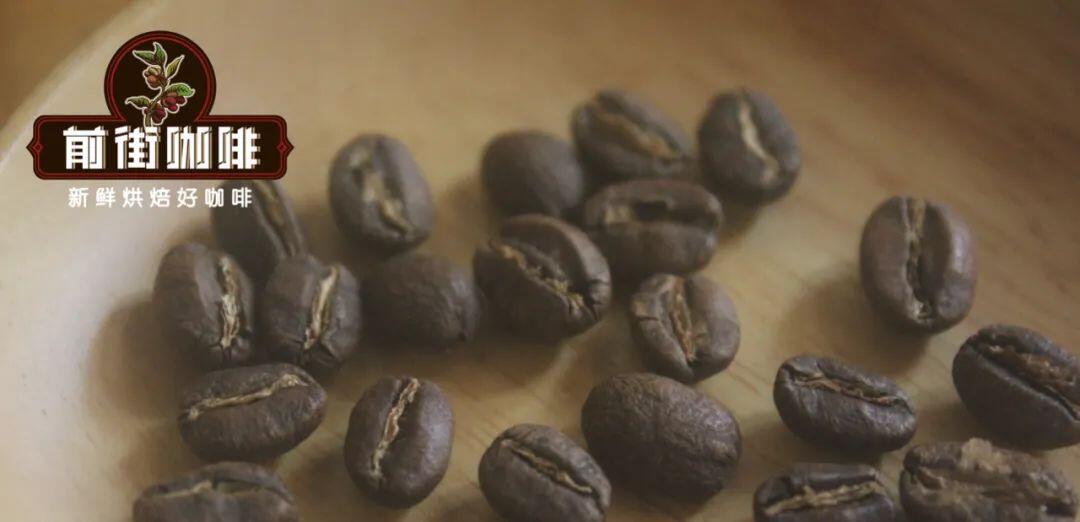
SL34 was first selected from the "French Mission" (Bourbon variety) at the Kabete Loresho estate. According to FrontStreet Coffee's research, however, current genetic testing confirms it belongs to the Typica genetic group, and its plant characteristics are also similar to Typica. SL34 is therefore believed to have originated from Typica. Because it is close to the Typica variety, its beans are elongated, oval-shaped, and appear flatter from the side. (As shown in the picture.)
What are the flavor differences between SL28 and SL34 coffee beans?
After understanding these two varieties, FrontStreet Coffee will share the differences between them. According to FrontStreet Coffee, SL-28 has gained the higher reputation, while SL-34 has larger harvest yields and is cultivated at slightly lower altitudes. According to SL laboratory botanists, SL28 and SL34 are genetic variants. SL28 has a mixed lineage of Mocha and Yemeni Typica. The original goal of cultivating SL28 was to mass-produce beans combining high quality with resistance to disease and pests. Although SL28's later yields were not as massive as expected, its copper-colored leaves and fava-bean-shaped beans — with wonderful sweetness, balance, and complex, variable flavors, plus significant citrus and dark plum characteristics — kept it in cultivation to this day.
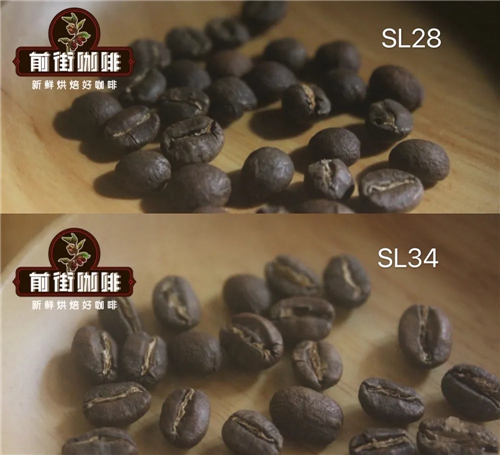
FrontStreet Coffee believes SL34 beans have flavors similar to SL28, but besides complex, variable acidity and wonderful sweet finishes, the mouthfeel is heavier, richer, and cleaner than SL28. SL34 has more Bourbon and Typica lineage. That's why many of FrontStreet Coffee's current Kenya single-origin beans are mixed varieties of SL28 and SL34.
FrontStreet Coffee also understands that Kenya later developed the Ruiru and Batian varieties, both widely cultivated in Kenya today. Next, FrontStreet Coffee will share the characteristics of these two varieties.
Ruiru 11
Ruiru appeared after SL28 and SL34. According to FrontStreet Coffee, in the 1970s the Ruiru station began trying to cultivate different CBD- and rust-resistant varieties. The result was Ruiru 11, released in the 1980s. High yield, with CBD and rust resistance — it seemed to be the solution to all of Kenya's coffee production problems.
Batian
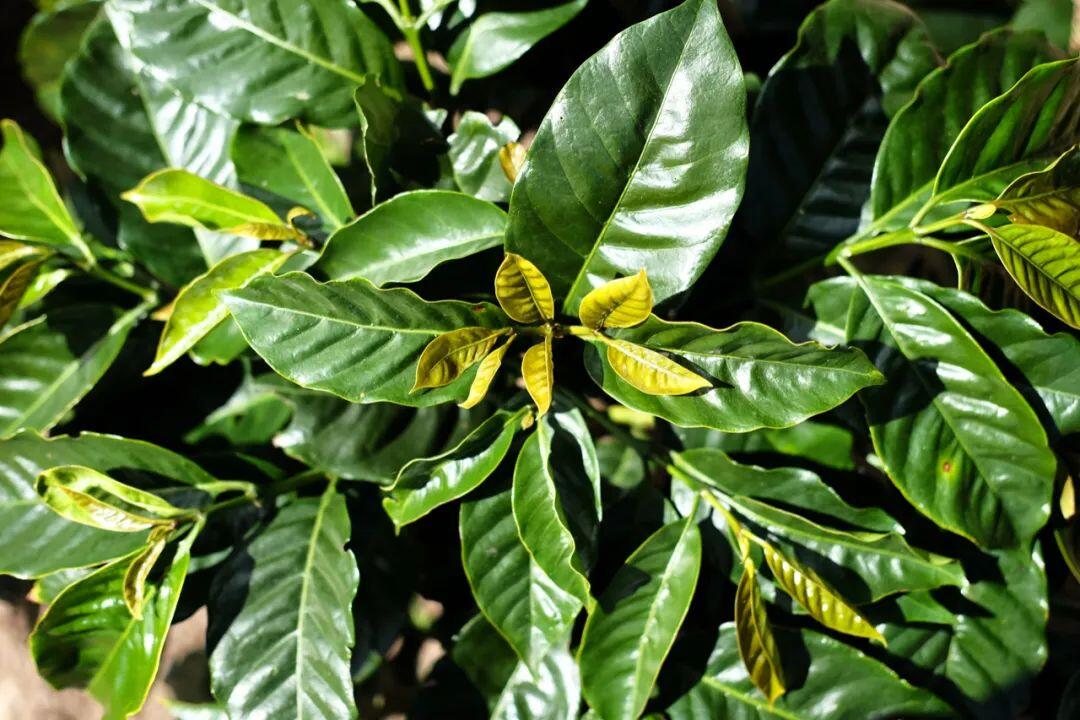
The Batian variety was launched by the Coffee Research Institute (CRI) on September 8, 2010, and is the latest variety Kenya has offered. It was a further experiment based on lessons learned from Ruiru 11. Genetically, it is essentially selected from backcrosses of SL28 and SL34, making it closer to SL28 than Ruiru 11. This eliminates problematic Robusta elements and improves cupping quality.
Kenya Coffee Bean Grading System
Besides varieties, Kenya's beans differ from other origins in their grading system. For example, FrontStreet Coffee's store carries FrontStreet Kenya coffee grades such as AA, AB, and PB. Although it's called "grading," does AA grade necessarily taste better than AB?
According to FrontStreet Coffee, Kenya's coffee bean grading standard is mainly based on size. The difference between AA and AB is only size. As for taste, FrontStreet Coffee concludes through cupping that both AA and AB grade Kenyan beans are very delicious. Flavor differences between producing regions may mainly come from region, altitude, and growing conditions. Still, AA and AB grade Kenyan coffee are definitely among the most quality-guaranteed coffees.
As described above, these grades are only distinctions in bean size. The most famous processing method for FrontStreet Kenya beans is undoubtedly the K72 washed method, so Kenya's highest-quality beans are mainly washed. Washed coffee grading is generally divided into eight grades:
E: Elephant Bean, also called Elephant ear, flat beans with a particle size above 19 mesh
AA: Particle size 17 to 18 mesh
AB: Particle size 15 to 16 mesh, accounting for the majority of production
TT: Lighter-weight beans blown from AA and AB grade beans using air screeners
C: Smaller than AB screen size / below 14 mesh, too small to be classified as specialty grade
T: Lighter-weight beans blown from C grade beans (below 14 mesh) using air screeners, meaning both size and density are too small for specialty grade
PB: Peaberry, meaning round beans, classified by shape rather than size, unrelated to flavor or weight, accounting for about 10% of total production
UG: Those that do not meet the above standards
Additionally, there are lower-quality natural bean grades that don't undergo Kenyan-style washed processing due to poorer quality and are generally used for the Kenyan domestic market. This bean grade is called M'buni.
MH: M'buni Heavy = large beans
ML: M'buni Light = small beans
FrontStreet Coffee also wants to emphasize that this "green bean grading system," still in use today, was issued by government agencies in 1938 — 40 years earlier than the birth of the "specialty coffee" concept. Kenya now has new grading standard concepts, but the size-based standard is still more common today.
The following are Kenya's current new coffee grading standards:
According to FrontStreet Coffee, the Kenya Coffee Research Institute and local industry commonly use a "Coffee Bean Quality Grading Procedure" formulated by the institute when identifying coffee quality, grading comprehensively based on three aspects: green bean quality, roasted bean quality, and cupping quality.
Green Bean Quality: subdivided into green bean appearance and size, green bean color, and defects.
Roasted Bean Quality: subdivided into central crack condition, roasted bean condition, and defective beans.
Cupping Quality: scored based on acidity, body/texture, flavor, and negative defects.
Combining the scores from these three aspects, coffee beans are divided into grades 1 to 10, with grade 1 being the best and grade 10 the worst.
The above is the knowledge about FrontStreet Kenya coffee bean varieties and grading compiled by FrontStreet Coffee, in the hope of helping coffee enthusiasts who want to understand the subject. Next, FrontStreet Coffee will share the flavors and brewing data of FrontStreet Kenya coffee beans.
FrontStreet Coffee Kenya Asalia Coffee Beans
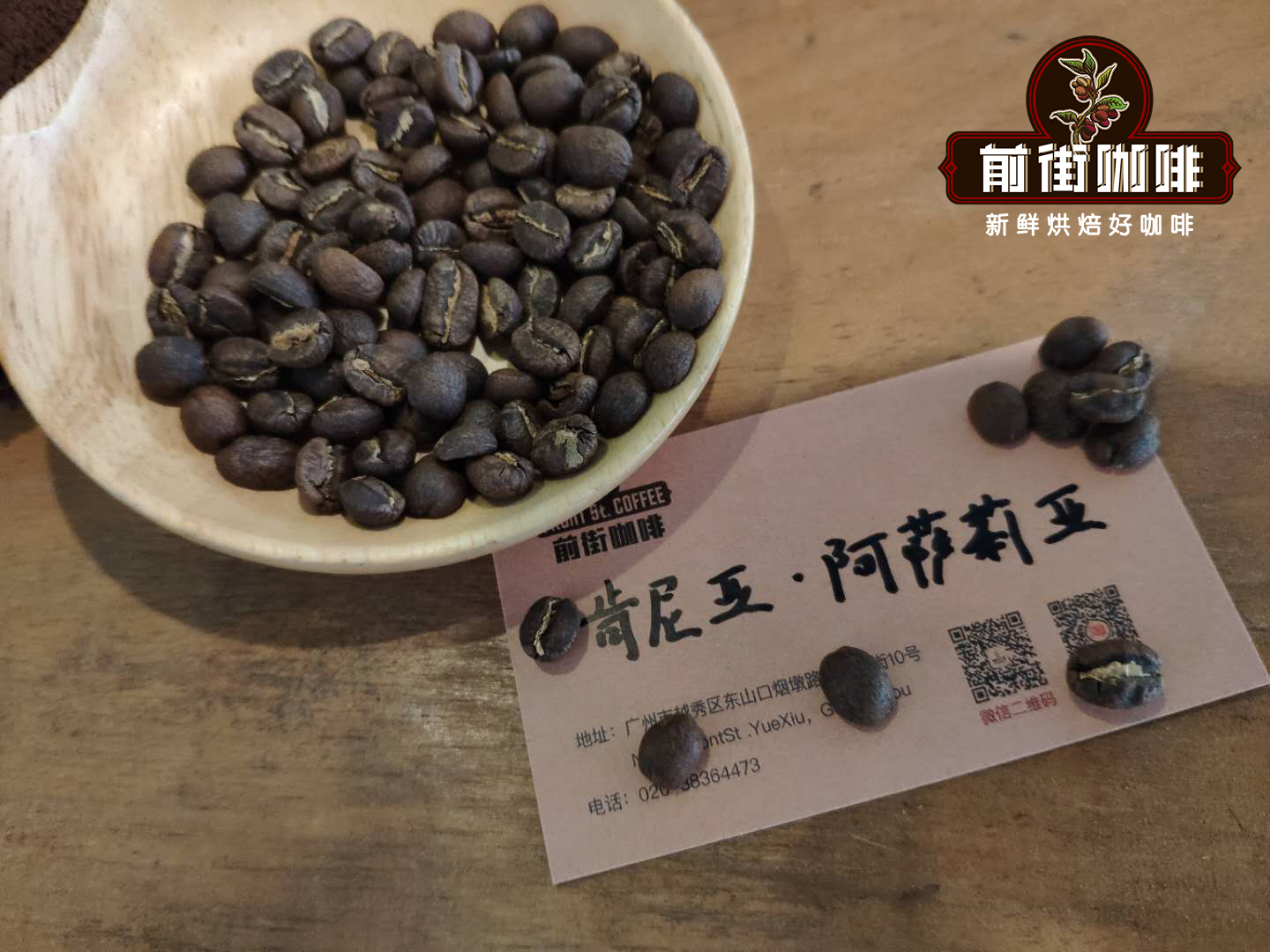
Country: Kenya
Region: Asali (Honey Processing Factory)
Altitude: 1550-1750m
Varieties: SL28, SL34
Processing Method: 72-hour washed processing
Flavor: Snow pear, dark plum, brown sugar, cherry tomato, plum
FrontStreet Coffee Kenya Thaini Estate PB Coffee Beans
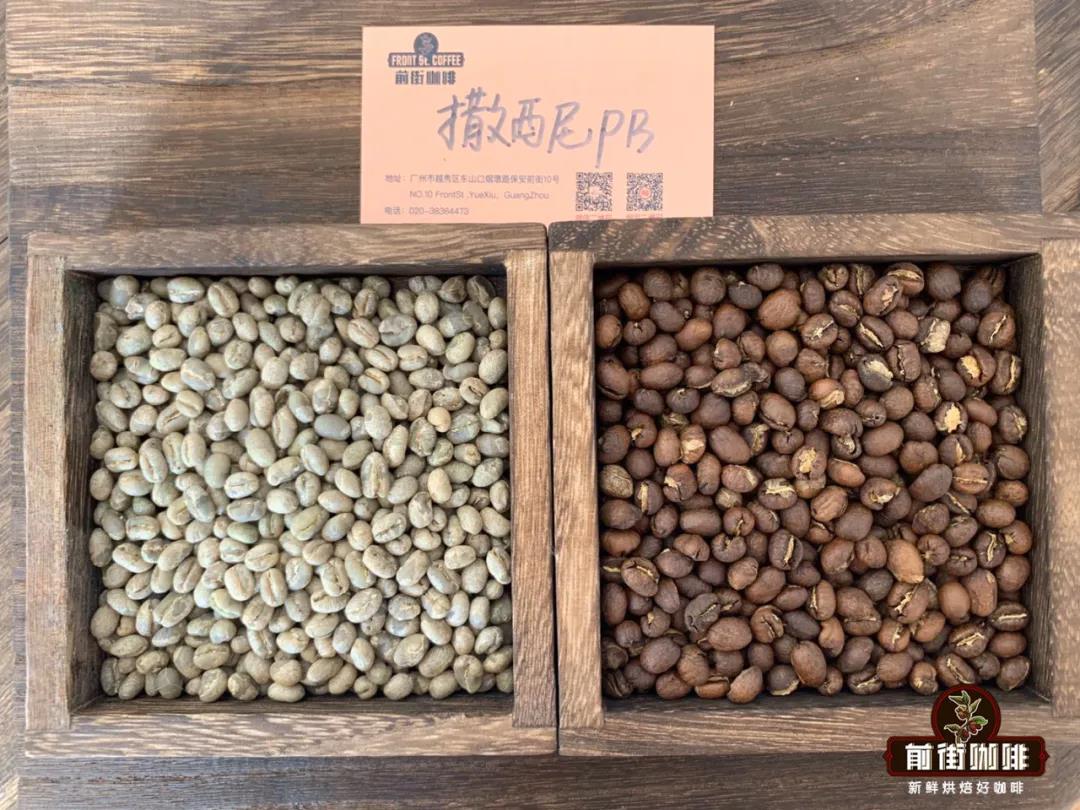
Country: Kenya
Region: Thaini Estate
Altitude: 1680m
Varieties: SL28, SL24, Ruiru
Processing Method: 72-hour washed processing
Flavor: Cherry tomato, almond, dark plum, honey, grape
FrontStreet Coffee Roasting Parameters Sharing
FrontStreet Kenya Asalia Coffee Beans:
These FrontStreet Kenya Asalia beans are full and round. To fully express their bright, mellow acidity, FrontStreet Coffee uses light roasting.
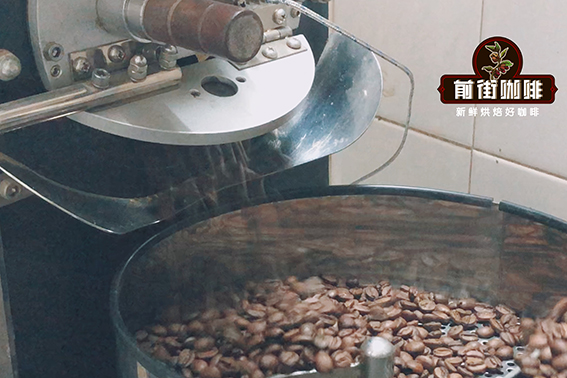
Yangjia 800N semi-direct fire, 480g bean input: heat the roaster to 160°C, set damper to 3, heat power to 120. Return temperature point: 1'28". When temperature rises to 130°C, set damper to 4. Roast to 6'00", temperature 154.6°C — the bean surface turns yellow, the grassy aroma disappears completely, dehydration complete.
When ugly wrinkles and black spots appear on the bean surface and the toast aroma clearly changes to coffee aroma, this can be defined as the prelude to first crack. Listen carefully for the first crack. At 9'28" first crack begins; damper unchanged, first-crack development time 2'20", discharge at 193.8°C.
FrontStreet Kenya Thaini PB Coffee Beans:
These rich FrontStreet Kenya Thaini beans, because of their higher altitude, have a harder texture. Start with a faster temperature rise; the yellowing point is around 5 minutes, then reduce heat into the Maillard reaction, and reduce heat again at 166°C to prolong the Maillard reaction. When first crack begins, heat absorption is strong, so it's best to maintain heat at this stage to prevent stalling. A longer first-crack development helps reduce acidity and develop flavor.
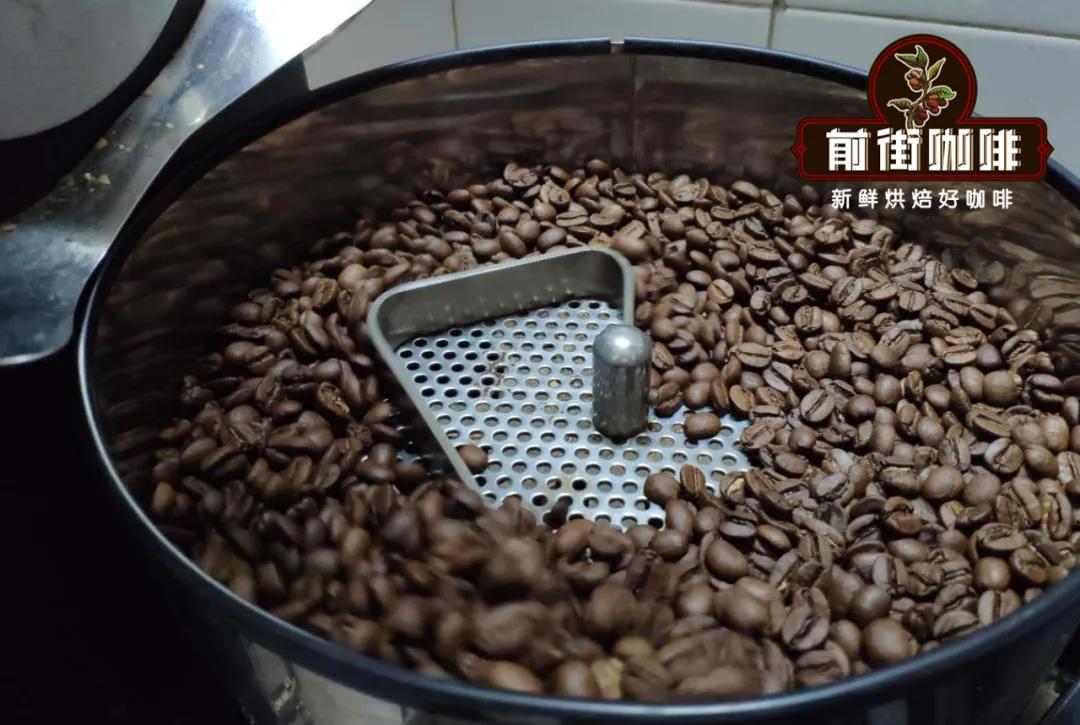
Yangjia 800N roaster (300g batch), heat to 170°C, heat power 100, damper set to 3; return temperature point 1'42"; when roaster temperature reaches 140°C, open damper to 3.5, heat power unchanged; when roaster temperature reaches 149°C, the bean surface turns yellow, the grassy aroma disappears completely, and the beans enter the dehydration stage; at 7'14" dehydration completes, heat power and damper unchanged; at 7'30" wrinkles and black spots appear on the bean surface, the toast aroma changes to coffee aroma — the prelude to first crack, so pay attention for the first-crack sound. At 8'20" first crack begins; open damper to 4, reduce heat power to 50. Post-first-crack development 1'50"; when temperature reaches 188°C, reduce heat to 30 to flatten the temperature rise, and discharge at 193.3°C.
FrontStreet Coffee Brewing Suggestions
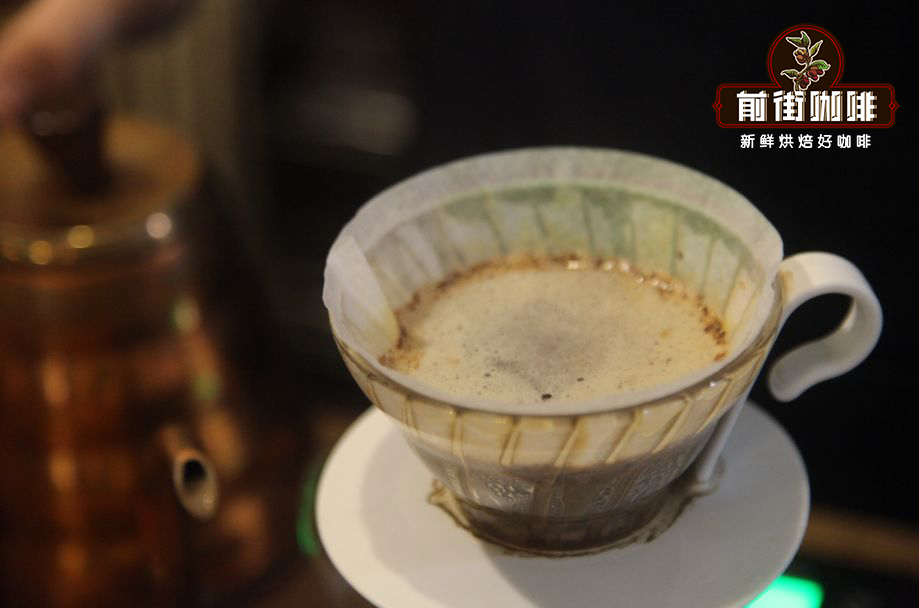
Dripper: V60 or cake cup
Water Temperature: 90-91°C
Coffee-to-Water Ratio: 1:15
Grind Size: Fine grind (80% pass rate through a China standard #20 sieve)
Brewing Method: Staged extraction. Use 30g of water for a 30-second bloom, then pour in a circular motion with a small stream to 124g and pause. When the water level drops and is about to expose the coffee bed, continue pouring to 228g and stop. When the water level drops and is about to expose the bed, remove the dripper. (Timing starts from the bloom.) Extraction time: 1'55".
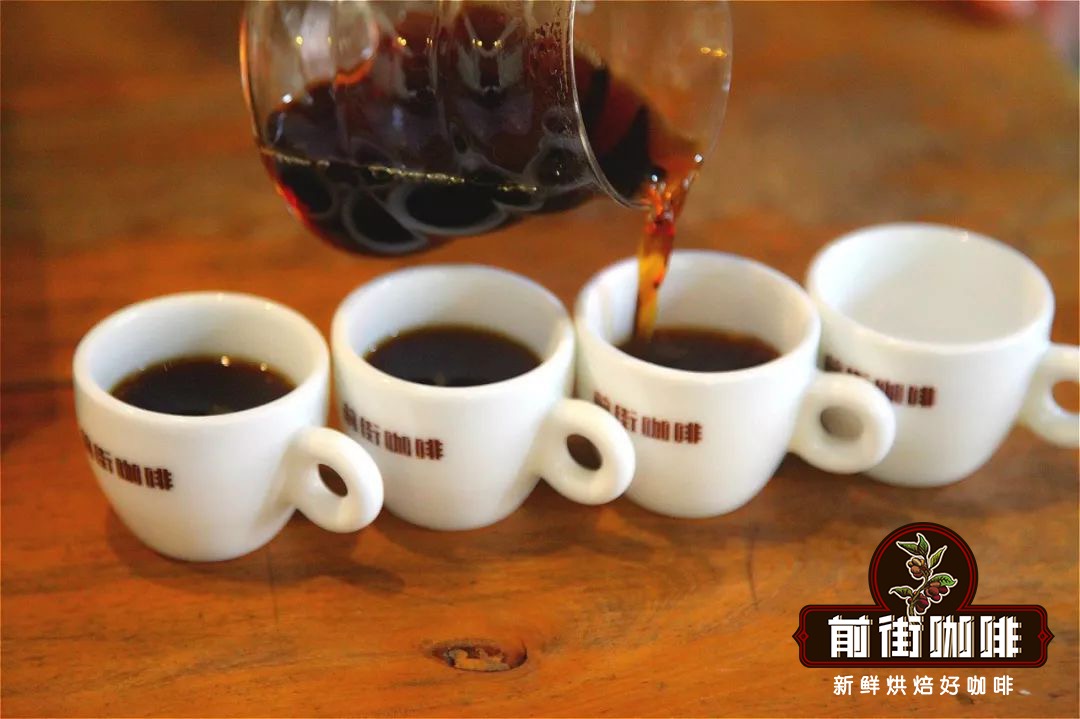
FrontStreet Kenya Asalia Coffee Bean Flavor: the wet aroma has ripe tomato and floral notes. Entry shows cherry tomato and dark plum with bright acidity and a clean, rich mouthfeel. The mid-section has prominent sweetness with a juicy sensation. The aftertaste has berry aroma and brown sugar sweetness, with a green tea fragrance.
FrontStreet Kenya Thaini Coffee Bean Flavor: floral on the nose; entry shows cherry tomato, citrus, and a nutty acidity. The mid-section has cream aroma and a brown sugar sweet aftertaste. The aftertaste has cocoa and oolong tea sensations. Rich flavor layers with prominent floral notes.
FrontStreet Coffee Recommendation
If Kenya's SL28 and SL34 have your attention, the clearest way to taste what those varieties can do is FrontStreet Kenya Small Tomato. It comes from Kenya's Sika region at 1,550-1,750 meters and uses the classic SL28 and SL34 varieties, with full, round beans. It's processed with Kenya's signature 72-hour double washed fermentation, which maximizes the fruit while keeping the cup clean, and FrontStreet roasts it light to preserve as much lively acidity and layered fruit as possible.
The flavor is unmistakably Kenyan: even the dry aroma shows concentrated sun-dried tomato and florals, and the entry brings clear cherry tomato and smoked plum with a bright, solid acidity that's as full as fresh-pressed juice. The middle is sweet, with the fresh fruit tones of snow pear and black plum, and the finish is clean and long, carrying brown sugar sweetness and a faint green-tea note — a beautifully balanced, highly recognizable cup.
If you enjoy that floral-and-fruit-acidity direction, FrontStreet's light-roast range has more to explore. FrontStreet Yirgacheffe Gedeb offers jasmine and bright citrus over green tea and honey; FrontStreet Ethiopia Flower Queen leans tropical with strawberry, passion fruit, and lychee and almost no bitterness; and FrontStreet Panama Esmeralda Red Label Geisha brings elegant jasmine, citrus, and bergamot with a long, layered finish. All are best brewed as pour-over to keep those delicate notes intact.
Important Notice :
FrontStreet Coffee is a long-established specialty coffee roaster in Guangzhou China, selling freshly roasted beans from its own farm in Yunnan as well as dozens of carefully selected single-origin beans from around the world for both pour-over and espresso. The products deliver consistently excellent quality and great value, with shipping within 24 hours. Guangzhou's FrontStreet Coffee shop is recommended by many coffee lovers, and the beans are now available online at the Tmall 。
FrontStreet Coffee has moved to a new address:
FrontStreet Coffee Address: 315,Donghua East Road,GuangZhou
Tel:020 38364473
 Scan and follow the En Gafei WeChat official account. Please indicate that the reprint comes from "En Gafei".