What is the Flavor Profile of Caturra Coffee Beans? The Single-Gene Bourbon Variant - Caturra
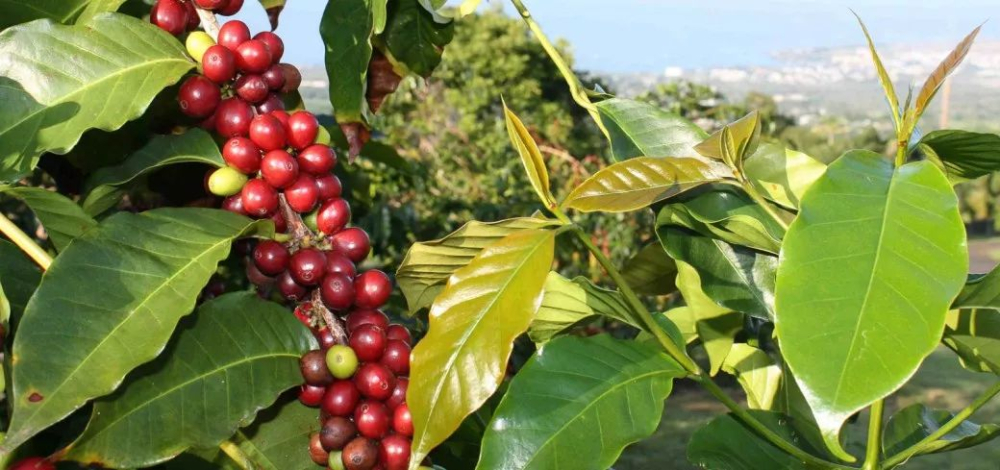
Anyone who drinks Central and South American coffee has probably noticed that, besides Geisha, Caturra is one of the varieties you run into most often. In countries like Colombia and Costa Rica, Caturra and Catuai are effectively the main varieties.
What is the Caturra Variety?
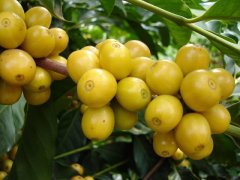
Caturra is a single-gene mutation of Bourbon, discovered in Brazil in the 1950s. It yields better and resists disease better than Bourbon, with shorter plants that make harvesting easier, though like Bourbon it suffers from biennial production cycles. Its flavor is comparable to, or slightly behind, Bourbon, but more importantly it is extremely adaptable: it needs no shade trees and thrives in direct sunlight, which earned it the nickname "Sun Coffee." It tolerates high-density planting, but demands more fertilizer, raising costs, so farmers were initially reluctant to accept it. This new variety, with its distinctive biology, was called "Caturra" in the local Guarani language, meaning "small." It is sometimes also called "Nanico."
When coffee prices soared in the 1970s, however, farmers switched to Caturra to raise yields. With vigorous promotion by Brazilian and Colombian authorities, the results were abundant. Farmers' acceptance of Caturra marked a major shift in cultivation technique. Brazil and Colombia adopted high-yield, high-density sun cultivation, and by 1990 one million hectares could harvest 14 million bags of coffee, raising production by 60%. Small wonder that Caturra, high-yielding and high-quality, became a relied-upon variety in coffee-producing countries.
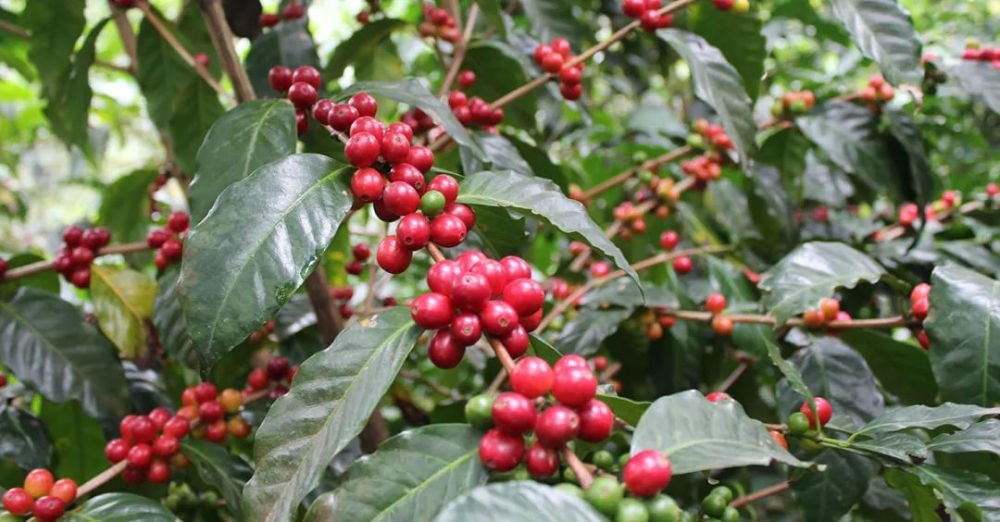
After its discovery and screening through IAC research, Caturra was introduced to Guatemala in the 1940s but was not widely adopted commercially over the following 30 years. It spread from Guatemala to Costa Rica, Honduras, and Panama, where it remains one of the most economically important coffee varieties today. Among FrontStreet Coffee's extensive selection, varieties such as Guatemala's Flor Divina, Honduras's Lychee Orchid, Colombia's Rose Valley, and Panama's Floral Butterfly all contain Caturra.
Caturra can be grown from low altitudes of 700 meters up to 1,700 meters, showing strong altitude adaptability. The higher the altitude, though, the better the flavor — and the lower the yield. Such is the fate of specialty coffee. Academics sometimes describe Caturra as the intensive, sun-grown version of Bourbon, and that is exactly right. Central and South America also grow a yellow variant called Caturra Amarello, whose reputation does not match that of Yellow Bourbon.

Caturra Coffee Flavor Profile
From cupping at FrontStreet Coffee, we have found that Caturra beans processed by traditional methods show distinct acidity and overall brightness. With proper processing, the sweetness can be remarkably good. The body, however, is relatively thin compared with Bourbon, and the cleanliness of the mouthfeel is somewhat lacking.
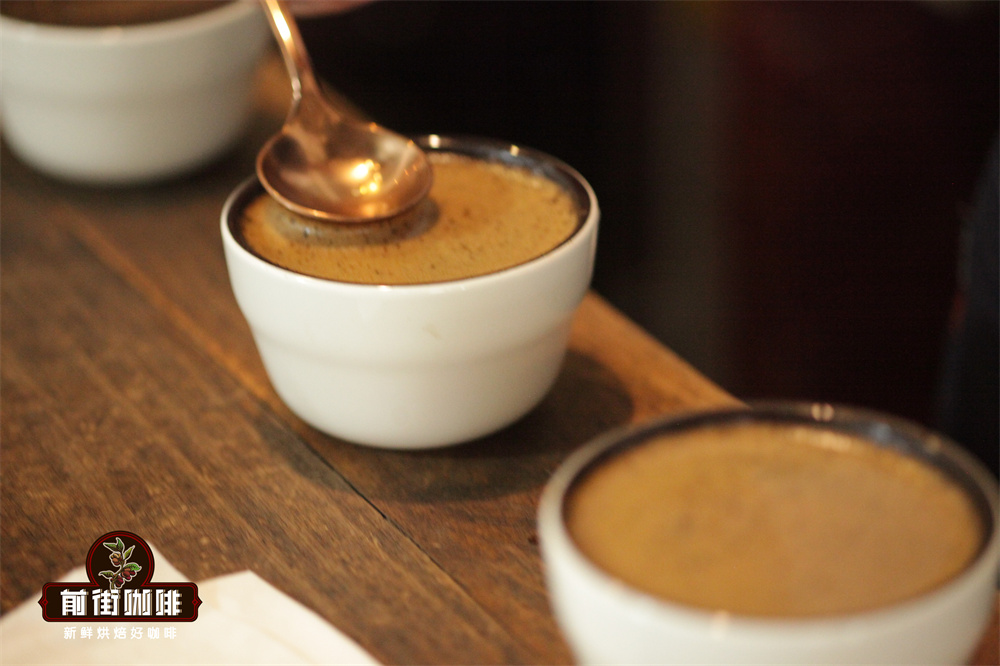
Naturally processed Caturra shows pleasant berry aromatics, which combine into something reminiscent of berry juice. Washed Caturra shows bright citrus-like acidity, coming together into something akin to lemonade.
Recommended Caturra Coffee Beans
Among the regional-selection beans FrontStreet Coffee currently sells, the representative beans from Colombia's Huila region are precisely the Caturra variety. FrontStreet Coffee selected beans grown at 1,500-1,800 m and processed by traditional washing. After a medium roast, the coffee presents notes of nuts, dark chocolate, caramel, and a gentle citrus acidity.
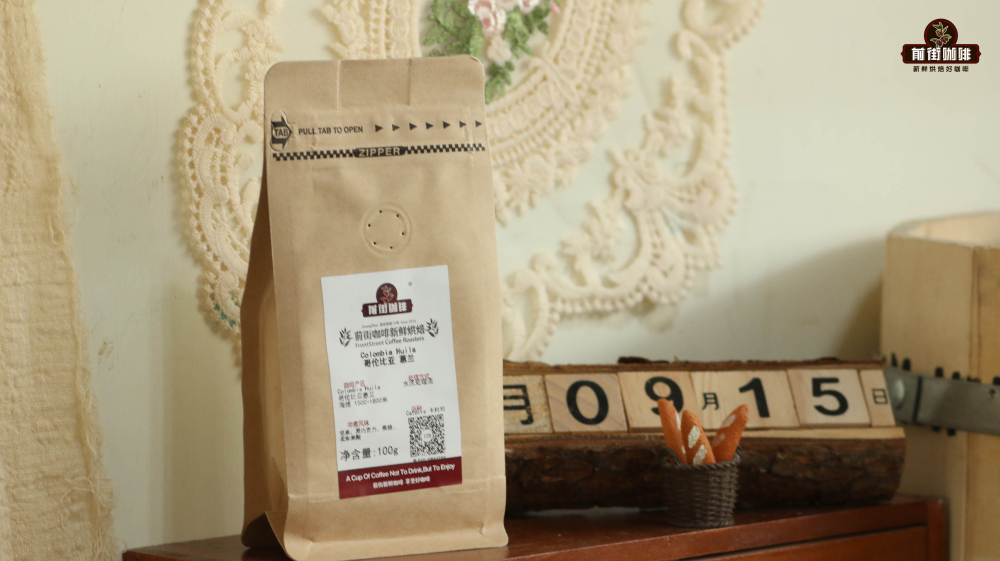
FrontStreet Coffee: Colombia Huila Coffee Beans
Region: Colombia, Huila
Altitude: 1500-1800 meters
Processing: Washed
Variety: Caturra
Flavor: Nuts, dark chocolate, caramel, gentle fruit acidity
Brewing Suggestions for FrontStreet Coffee's Huila Daily Beans
FrontStreet Coffee's flavor descriptions for each coffee are based on freshly roasted beans. If beans have been stored for over a month, some aromatics will have diminished, making the original flavors hard to reproduce during brewing. FrontStreet Coffee understands how much freshness matters, so only beans roasted within 5 days are shipped, letting everyone enjoy the complete flavor window on arrival.
Because the Huila daily beans use a medium-dark roast, the flavors lean rich, nutty, and chocolatey with a full body. The darker roast makes the beans more porous and more absorbent. To avoid over-extraction, FrontStreet Coffee uses a medium grind and medium water temperature paired with a KONO dripper. Brewing parameters: KONO dripper, 90°C water, a grind of 20 standard sieve with 75% passing rate, a 1:15 coffee-to-water ratio, 15 g dose, three-stage extraction.
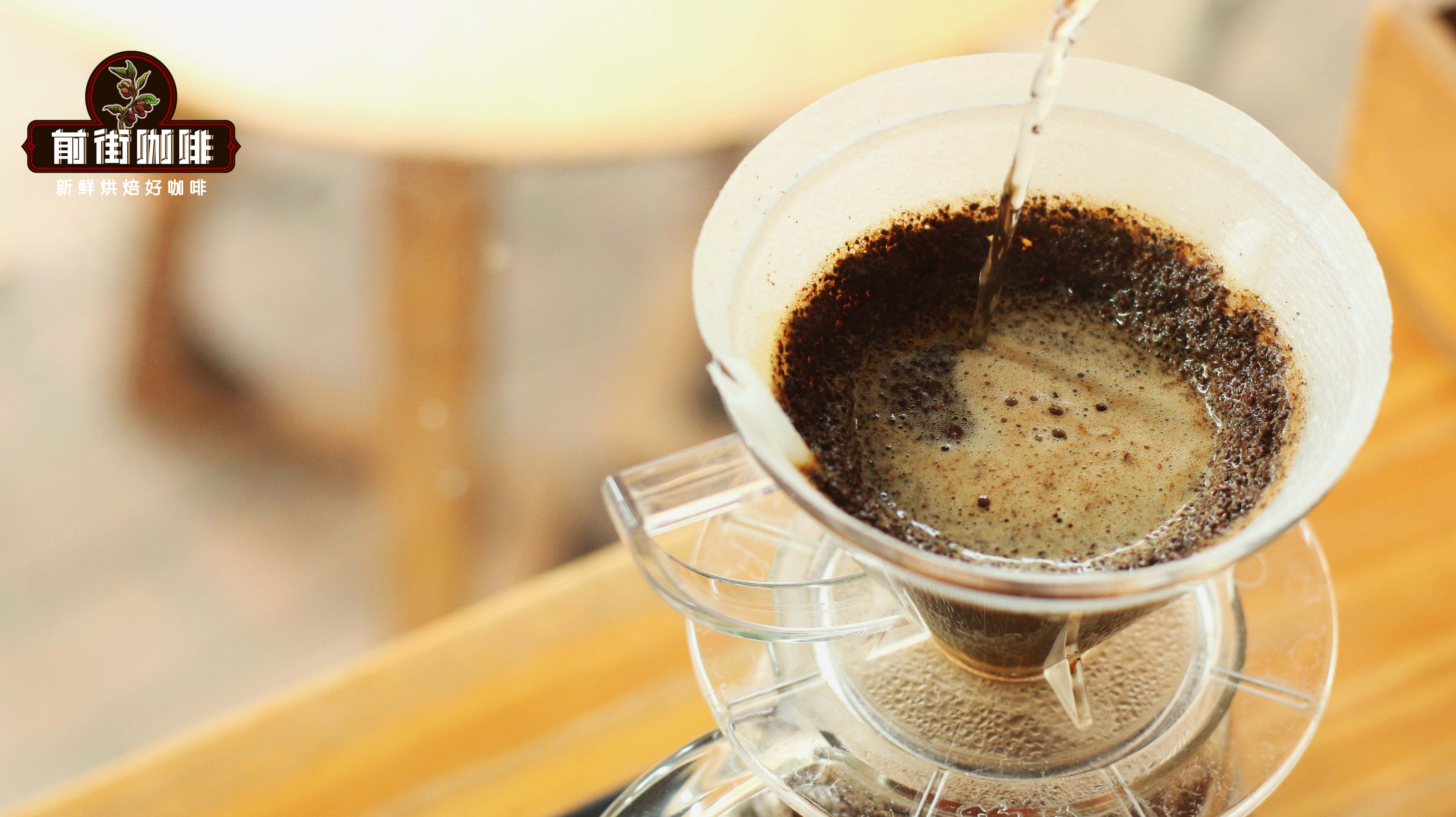
Pour the grounds into the dripper and wet the coffee bed with twice the weight of the grounds, forming a dome, then let it bloom for 30 seconds. Using a small stream, pour in circles from the inside out until the scale reads 125 g, completing the first stage. When the coffee bed drops to half the dripper's height, continue with the same fine stream for the third stage until the scale reads 225 g. Remove the dripper once all the coffee has filtered through, about 2 minutes in total.
This Colombia Huila daily coffee opens with distinct roast notes of chocolate, nuts, and caramel — smooth and sweet, with moderate body and a clean mouthfeel. As the temperature drops, a pleasant, gentle acidity appears.
FrontStreet Coffee Recommendation
If Caturra leaves you curious about what else the coffee world can do, FrontStreet's Geisha range is the natural next step, and the Emerald Estate sits at its center. Emerald Estate's Geisha line is divided into two grades. The Red Label is officially called "Esmeralda Special": grown at 1,600-1,800 meters, every lot must cup above 90 points, each lot carries its own number, and all the beans in a lot come from a single small plot, so buyers can pick the lot whose subtle flavors suit them. The Green Label, originally "Private Collection," is named for its green branding; unlike the Red Label it does not emphasize plot details, instead blending lots from several plots to express the signature high-altitude Geisha character of Emerald Estate. Think of it as Geisha without the plot designation, offered at a friendlier price, which makes the Green Label outstanding value.
For a first taste of the fabled "Geisha flavor," FrontStreet usually points newcomers to the Panama Boquete Geisha. This entry-level Geisha lets you enjoy the classic orange-blossom honey character of high-quality Panamanian Geisha at an accessible price, with an oolong-tea note, a delicate fruit-like sweet-tartness, and clearly defined layers. Ethiopia, coffee's birthplace, has its own famous Geisha estate as well: Geisha Village, which enforces a grading system every bit as strict as Panama's. Where Emerald Estate splits Geisha into Red and Green Labels, Geisha Village is more intricate still, growing three Geisha varieties — Gori Gesha, Geisha 1931, and Illubabor Forest — and grading lots as Gold Label Rarities, Red Label Growers Reserve, Green Label Single-Terroir, and Chaka, on top of further variety distinctions. The Gold Label is the Geisha 1931 variety and accounts for 10% of Geisha Village's output; it is the top coffee Geisha Village produces outside auction and is often chosen by competition baristas. FrontStreet's Gold Label uses a refined natural process and shows complex, layered flavor, with a distinctive dry aroma and a slurp, mouthfeel, and finish that linger. The Red Label is the Gori Gesha variety, 15% of production, scoring 88 or above on the SCA 100-point scale; it is the estate's single-terroir series, so every lot is fully traceable, including the farm block name, variety, and processing date.
FrontStreet's Grana Geisha comes from the Genlana Gesha farm in Yirgacheffe, Ethiopia — a rare estate growing only a single variety. The beans come from the Grana processing station on the border of Ethiopia's Kochere and Genlana Abaya districts. The station was founded in 2014 and is run by Mr. Israel Degefa; the surrounding area covers as much as 700 hectares of coffee plantings, much of it uncultivated, with fertile soil and shade trees throughout. Thanks to that rich rainforest soil and abundant shade, this native Ethiopian Geisha shows especially varied layering. Only fully ripe cherries are hand-picked, then dried on raised beds off the ground for 14-20 days depending on the weather, which is what makes today's Grana Estate natural Geisha so delicious. Roast it medium-light and the cup shows bright citrus acidity, an elegant ginger-flower aroma, the full sweetness of ripe fruit, and a delicate, silky texture with the refined finish that marks the Geisha variety. Because Geisha is a medium-light, floral-and-fruit type with a dense bean that tends to sink and block the dripper, FrontStreet suggests a grind of Chinese standard #20 sieve at 78% passing, roughly fine-sugar size, with water at 91°C: 15 g of coffee, a Hario V60 small dripper, and a 1:16 ratio, brewed in three stages — pour to 30 g for a 30-second bloom, then a small circling pour to 125 g, wait for the bed to drop halfway before pouring to 225 g, for a total extraction of about 2 minutes 10 seconds to 2 minutes 20 seconds.
Important Notice :
FrontStreet Coffee is a long-established specialty coffee roaster in Guangzhou China, selling freshly roasted beans from its own farm in Yunnan as well as dozens of carefully selected single-origin beans from around the world for both pour-over and espresso. The products deliver consistently excellent quality and great value, with shipping within 24 hours. Guangzhou's FrontStreet Coffee shop is recommended by many coffee lovers, and the beans are now available online at the Tmall 。
FrontStreet Coffee has moved to a new address:
FrontStreet Coffee Address: 315,Donghua East Road,GuangZhou
Tel:020 38364473
 Scan and follow the En Gafei WeChat official account. Please indicate that the reprint comes from "En Gafei".