Differences Between Yirgacheffe and Sidamo: Flavor Characteristics and Distinctive Features
ETHIOPIA, YIRGACHEFFE, Cherry Red
FrontStreet Coffee - Ethiopia Yirgacheffe Cherry Red G1
01 | Introduction to Growing Region
Unique Geographical Environment
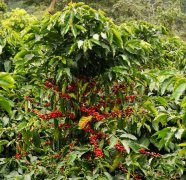
Yirgacheffe is a small town in Ethiopia at an altitude of 1700-2100 meters, making it one of the world's highest coffee-growing regions and a byword for Ethiopian specialty coffee. Lakes Turkana, Abaya and Chamo bring abundant water vapor to the area. Represented by the Misty Valley, the rift is perennially filled with fog, spring-like through the seasons, with gentle breezes and a cool, humid climate. Thousands of coffee tree varieties thrive and propagate here, nurturing the unique terroir of FrontStreet Coffee's Yirgacheffe, where floral and fruit aromas intertwine and shift unpredictably.
The Historical Origin of Ethiopia Yirgacheffe
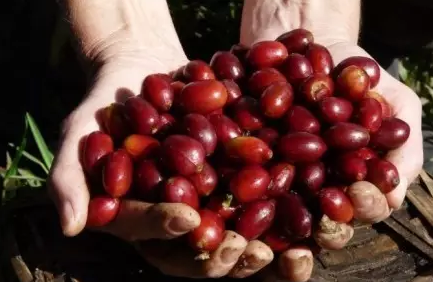
Yirgacheffe's coffee trees were first cultivated by European monks, somewhat like Belgian monks growing grain to brew beer, and were later managed by farmers or cooperatives. Coffee trees spread naturally through forests, fields and backyards. During harvest season, Ethiopian coffee trading companies come to town to buy the beans farmers have gathered, eventually auctioning and exporting them under the "Yirgacheffe" brand.
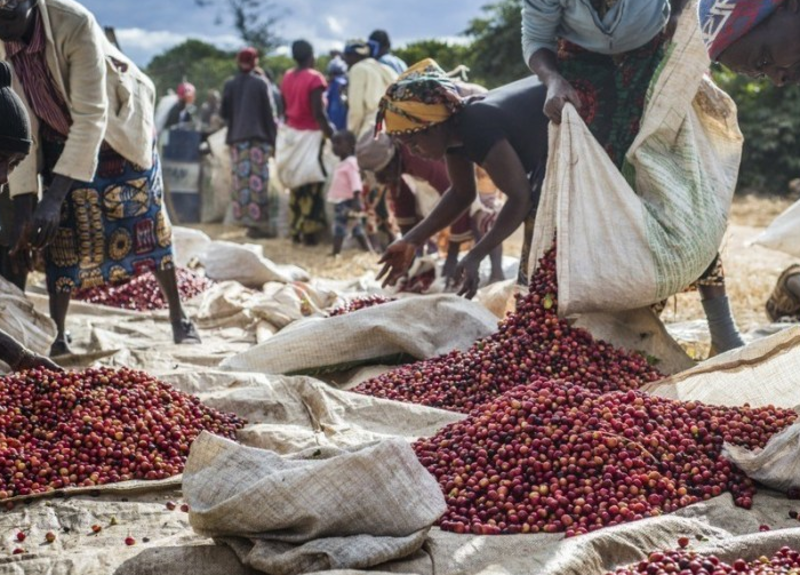
Sidamo grows in the southernmost Ethiopian highlands at altitudes between 4600 and 7200 feet, in Sidamo province, making it a famous specialty region in southern Ethiopia that borders Kenya, to the southeast of Jimma and directly south of the capital. It typically shows noticeable sweetness and is favored by many drinkers. Annual production is roughly 225,000 bags of 60kg. The beans are slightly smaller than Longberry, greenish with gray tones. On Sidamo's natural drying fields, coffee is placed on hemp-net wooden frames where workers take turns stirring the coffee by hand under the sun. Natural Sidamo is mostly exported as G4, while washed Sidamo, being more refined, is mostly exported as G2.
Ethiopian Sidamo flavors are extremely diverse. Different soil types, microclimates and countless native varieties create distinct characteristics. The region's towering mountains, highlands, plateaus, valleys and plains offer varied topography. The geology is nutrient-rich, well-drained volcanic soil nearly two meters deep, with surface soil appearing dark brown or brown. The region's greatest advantage is maintaining soil fertility through the circulation of organic matter, using fallen leaves from surrounding trees or plant roots as fertilizer. That produces noticeable differences in the coffee from town to town. From 2010-2012 it consistently scored a high 92-94 on the authoritative American coffee review site CR, a sign of the exceptional quality of green beans from the region.
FrontStreet Coffee's Ethiopian Sidamo green beans are slightly grayish, coarse in some areas and fine in others. They carry both a gentle and an intense acidity, an appropriate body and a sweet-spicy flavor, making them one of the courtyard coffees of Ethiopia's southern highlands. Unlike typical African coffees, FrontStreet Coffee's Ethiopian Sidamo has clear fruit acidity, a smooth mouthfeel and delicate floral and herbal aromas.
About Ethiopia's Natural Processing Method (High-Rack Natural Processing):
Traditional Ethiopian natural processing laid wild-harvested cherries directly on the ground to dry. That approach had two drawbacks:
1. Post-harvest beans were not specially screened or processed, mixing uneven quality and maturity together in a relatively crude process, which left bean quality unstable and prone to defects.
2. Farmers usually found open ground near their homes to process on, where impurities and dirt often contaminated the coffee and produced off-flavors.
Improved natural processing fixes both problems:
1. At harvest, only fully ripe deep red cherries are picked. Before drying, the beans go through defect screening at the processing plant so that size and maturity are relatively uniform.
2. Elevated wooden frames, or entire rack structures, are used for natural drying, removing the risk of beans picking up off-flavors from contact with the ground. During drying the beans must be watched closely for even moisture loss; every three to five days, workers hand-sort out defective or moldy beans. By the time drying is done and the beans go to depulping, the brilliantly dried deep red cherries carry very few defects.
Once green beans are obtained, a final screening is sometimes performed in pursuit of perfect flavor, which is how FrontStreet Coffee's natural Sidamo reaches the highest G1 grade.
Region Introduction:
Shakisso sits in Guji, in the southern part of the Oromia region, bordering Sidamo and Gedeo. The area has many mining pits, previously worked for gold, leaving numerous holes across the coffee-growing land and making it dangerous to walk through the plantations. Shakisso is a distinctive area within Guji and Sidamo, remote even by Sidamo standards and far from most coffee-producing regions, with gold mining as another local specialty. Miners, land and ethnicity also brought instability to the region in 2006. The biggest challenge facing the area now is the manpower needed to maintain the cultivation areas and harvest the coffee. Local smallholders began growing organic coffee in 2001 and work closely with medium-sized producers who understand how to grow forest coffee in the highlands.
FrontStreet Coffee's Sidamo Shakisso coffee is quite distinctive, and the coffee it produces frequently draws market attention. Ninety Plus' legendary bean (nekisse) originally means "Nectar from Shakisso," with both its origin and its name coming from Shakisso.
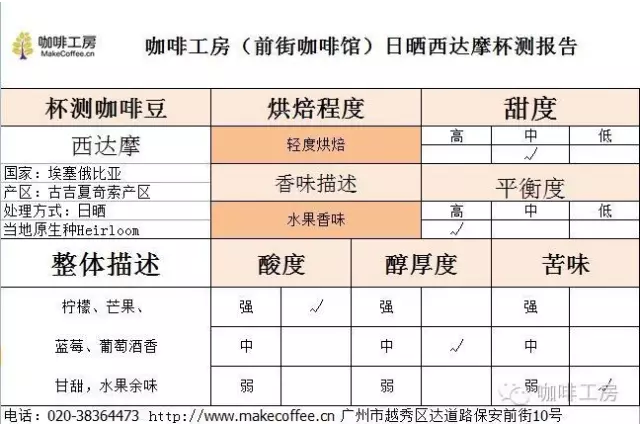
Product Name: FrontStreet Coffee - Ethiopia Sidamo Natural Shakisso
Ethiopian Sidamo Shakisso Natural
Country: Ethiopia
Region: Guji Zone, Shakisso Region
Altitude: 1800-2000 meters
Processing Method: Elevated bed natural processing
Variety: Local Heirloom varieties
Producer: Local small farmers
Flavor: Lemon, mango, blueberry, wine notes
About the Cherry Red Program - OPERATION CHERRY RED
Many friends know the name "Cherry Red Program," but only a few can say specifically what it involves.
To help Ethiopian coffee farmers earn better income and raise local living standards, in 2007 the Dutch trader Trabocca launched the "OPERATION CHERRY RED PROJECT" with local farmers, purely to motivate farmers to improve bean quality. At the start of the harvest season, Trabocca sets microclimate-zone harvest plans and hand-picks 100% mature red cherries, with production ranging from 1500-3000 kilograms.
In 2008 the Cherry Red Program invested $5,000 to buy new natural drying racks. In 2009 it invested another $8,000 for new drying racks and shade nets. In 2010 a $9,000 generator was purchased, and in 2011 $10,000 went into improving some local coffee transport roads, making transport more convenient and efficient. Trabocca provides interest-free loans to buy new cherry depulpers and bean sorters. To make supplier purchasing easier, $14,000 was invested in 2012 to build a high-quality coffee cupping laboratory in Addis Ababa.
Trabocca supplies financial loan support, new hardware and production processing knowledge to help farmers raise their production level. It promises generous purchase prices as long as the actual quality meets cupping standards in both the Addis Ababa and Amsterdam cupping rooms. Trabocca's passing standard is 88 points.
Cherry Red Program beans are packed immediately after processing at origin in plastic inner bags, either GrainPro bags or vacuum-packed individual bags, then transported to Djibouti for shipping. Through real-time monitoring, secure transport and timely, appropriate processing, the program strives for perfect quality. Roasters can also buy high-quality beans through the Cherry Red Program, improving Ethiopian coffee quality and achieving better prices, and Trabocca can then return profits to farmers, continuously improving quality.
02 | Processing Method
This FrontStreet Coffee Ethiopian Yirgacheffe natural processed coffee has slightly larger beans with lower density and moisture content. Every coffee from this processing plant can be considered high-quality specialty coffee, with characteristics superior to other coffees. Whatever the processing method, beans from here are considered the best in the Yirgacheffe region.
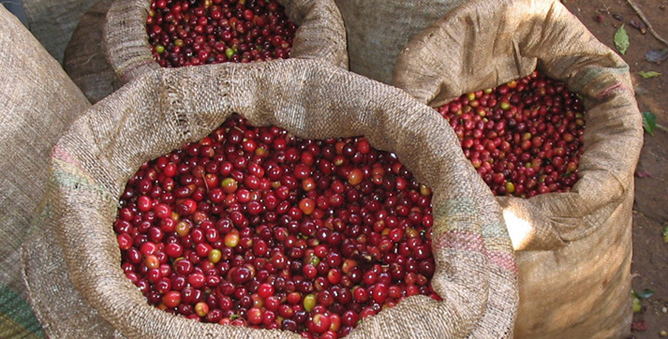
After screening the available cherries, the processing plant places whole cherries with the pulp and skin intact on elevated racks for natural processing. This labor-intensive rack-drying isolates the beans from the ground, preventing earthy off-flavors during drying and creating exceptionally clean fruit flavors. After more than two weeks of natural drying, the dark brown cherries are professionally stored while the flavor develops fully. Before shipment, the plant removes the beans from the cherries, resulting in remarkable sweetness.
03 | Green Bean Analysis
About Yirgacheffe Grading
Based on processing method, Yirgacheffe is divided into two main categories:
Class A: Washed processing, with grade standards set by the Specialty Coffee Association of America (SCAA), divided into Gr-1 and Gr-2, where the smaller number indicates the higher grade. FrontStreet Coffee's Yirgacheffe G1 has a distinctive style, with citrus and floral notes blended into the liquid, a delicious flavor few can resist.
Class B: Natural processed green beans, graded as Gr-1, Gr-3, Gr-4 and Gr-5. Here too the highest grade is G1, and a natural Yirgacheffe at that grade has a rich fruit aroma. Opening a bag of freshly roasted FrontStreet Coffee natural Yirgacheffe G1 can overturn people's original understanding of coffee; only those who have tasted the highest grade will believe that coffee is a fruit.
Difference One
Two different green bean processing methods:
Harvested beans must enter processing immediately, or they begin to ferment and produce off-flavors. The processing methods include "natural" and "washed," and they create different flavors.
Natural processed beans have complete natural mellow flavors, gentle aromas and more body; washed processing gives good mellow flavor, high aromatics and lively acidity.
Natural Processing Method (Natural/Dried-in-the-Fruit):
After harvest, the fruit begins the natural drying process without any processing. This is the oldest method still in use. Drying typically lasts about 4 weeks, and the method must be very rigorous so the coffee loses none of its flavor. Natural processing requires extremely dry local climate conditions. In some regions people use drying machines to assist the process, since the hot air can speed drying and help control the degree of dryness.
Full Washed Method:
Washing and fermentation are used to remove pulp, skin and mucilage. Farms using washed processing must build washing pools and have access to a continuous supply of fresh water. During processing, fermented beans are placed in pools and moved back and forth, using bean friction and flowing water to wash the beans until they are smooth and clean.
After washing, the beans are still encased in parchment with 50% moisture content and must be dried down to 12%, or they will keep fermenting and turn moldy and spoiled.
The better finishing method is sun-drying; though it takes 1-3 weeks, the flavor is excellent and very popular.
Difference Two:
Coffee Bean Appearance
Green beans: washed green beans are generally bluish-green, while natural green beans are yellowish-green
Roasted beans: FrontStreet Coffee's washed Yirgacheffe has more silver skin, while FrontStreet Coffee's natural Yirgacheffe has less
Difference Three: Flavor Differences
Dry Aroma Differences:
Cupping: use 8 grams of powder to 150ml of 94°C hot water in a cup, and let the coffee steep for 3-4 minutes until a crust forms.
FrontStreet Coffee - Natural Yirgacheffe: light fermented wine aroma, spice fragrance
FrontStreet Coffee - Washed Yirgacheffe: jasmine floral aroma, lemon or lime citrus fragrance
Flavor Differences:
FrontStreet Coffee - Natural Yirgacheffe: natural processing is somewhat complex, with light fermented wine aroma, slightly stronger bitter notes, a much richer mouthfeel, honey sweetness, cocoa notes with hints of spice, a full body and a persistent aftertaste.
FrontStreet Coffee - Washed Yirgacheffe: washed processing has brighter acidity, like lemon acidity, a cleaner mouthfeel, a more prominent citrus aroma and some tea-like sensation in the finish.
Similarities: Both have fruit acidity, similar to lemon and citrus fruits.
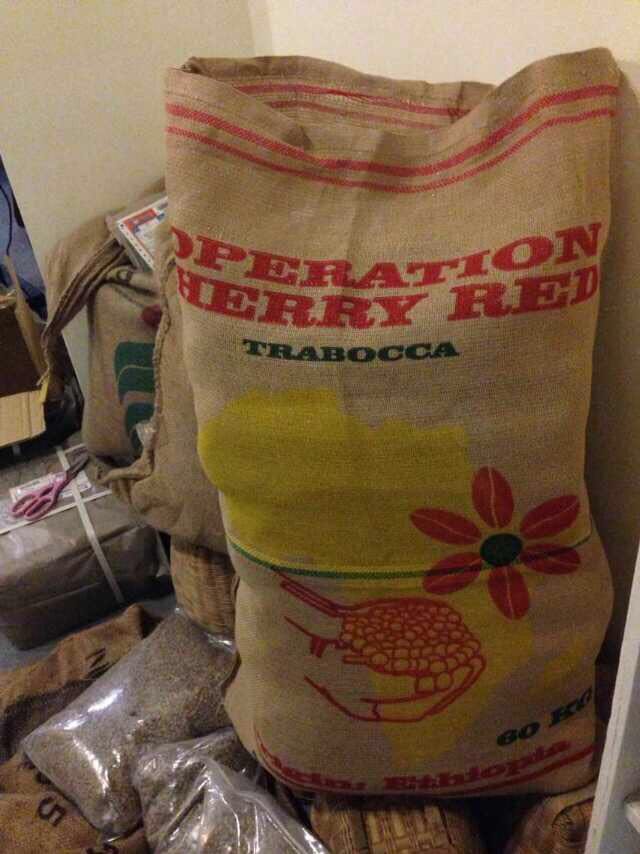
Exported using ordinary jute bags printed with Trabocca branding.
FrontStreet Coffee's Ethiopia Yirgacheffe variety is a local heirloom, a small-grain type with a rounder appearance and very small beans, mostly between 14-15 screen size.
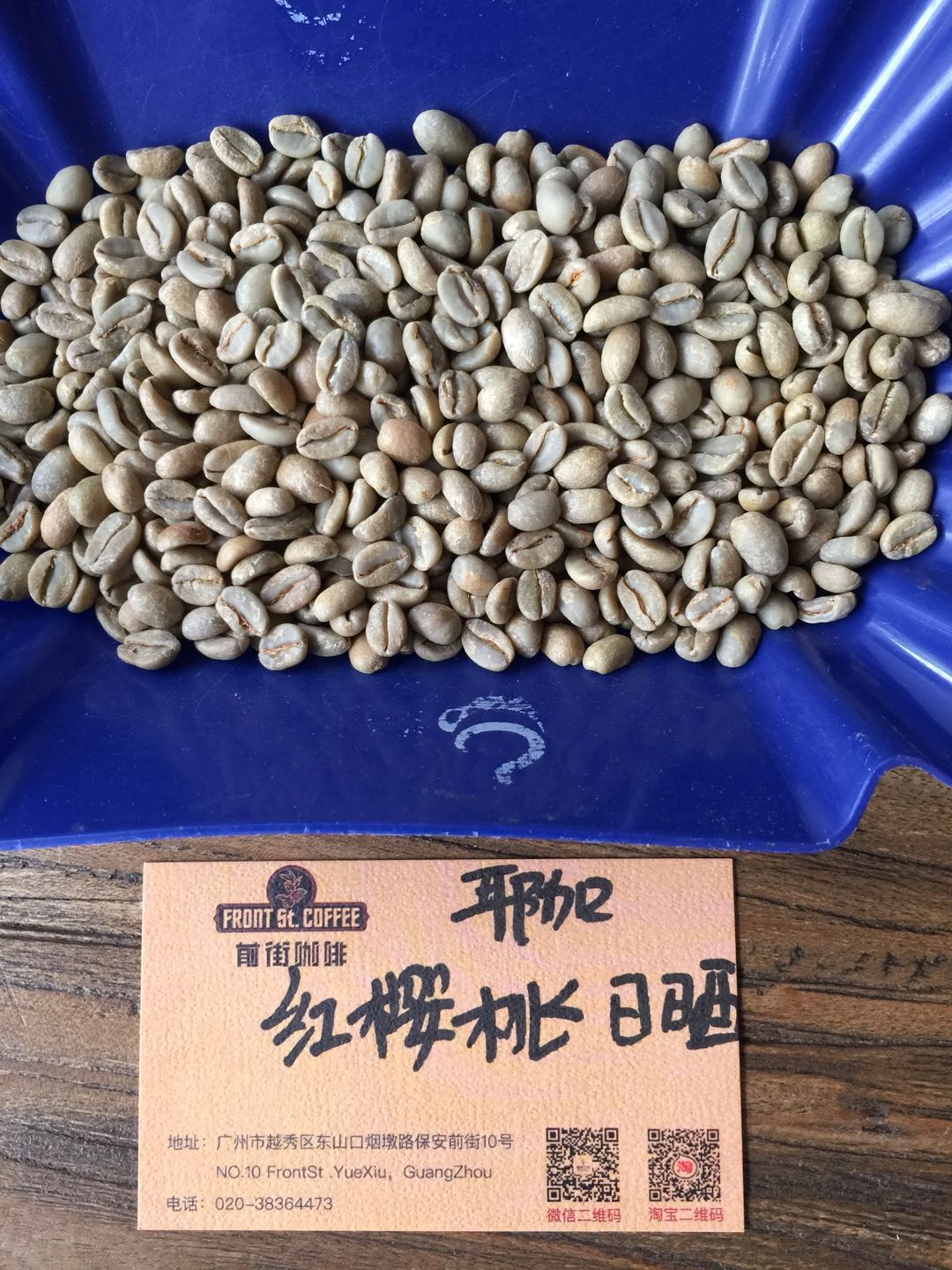
FrontStreet Coffee's Ethiopia Yirgacheffe Cherry Red G1 (Yirgacheffe Cherry Red Grade 1) green beans have a yellow-green color, typical of natural coffee, with uniform, plump beans and few defects.
04 | Roasting Analysis
Beans with flavor this brilliant are naturally not suited to a medium-dark roast, so this FrontStreet Coffee Yirgacheffe uses a light, slow roast to best express its round, sweet character and rich floral and fruit aromas.
This FrontStreet Coffee Yirgacheffe Cherry Red has relatively small beans with low moisture content, absorbing more heat during roasting, and the Maillard reaction runs relatively faster.
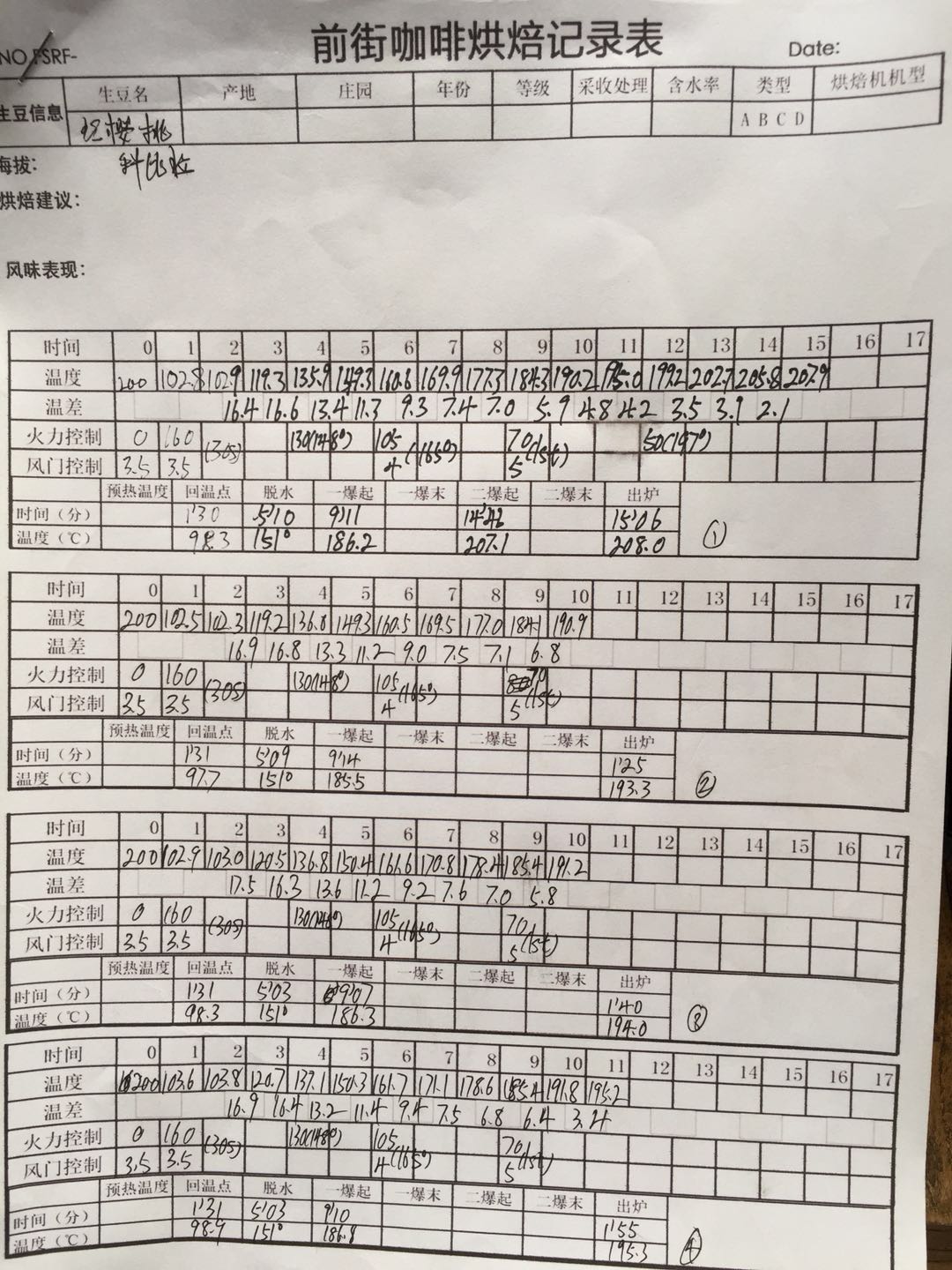
In the first roast I used a high drop temperature, holding 160 heat before the beans dehydrated and turned yellow, ensuring enough heat to carry through first crack directly to second crack and fixing the development curve.
In the second, third and fourth roasts, I used the same 200°C entry temperature and the same heat, gradually reducing heat during roasting as needed.
This roast is a fast light roast:
Cupping:
Roast one: strawberry, raspberry, vanilla, honeydew, juicy
Roast curve 2: strawberry, raspberry, vanilla, honey, fruit juice
Roast two: mango, black plum, citrus juice
Roast curve 3: mango, black plum, blueberry, citrus juice
Roast three: citrus juice, cream
Roast curve 3: citrus juice, cream
Roaster: Yangjia 600g semi-direct flame
Using quick roast mode, bring the roaster to 200°C, open the damper to 3.5, and after 1 minute adjust the heat to 160°C with the damper unchanged; adjust the heat once at 148°C, reducing to 130°C, roast to 5'03" when the temperature is 151°C and the bean surface turns yellow, the grassy aroma disappears completely and dehydration is complete, then set heat to 105°C and open the damper to 4.
At 8 minutes the bean surface shows irregular wrinkles and black spots, and the toast aroma shifts clearly to coffee aroma, the signal that first crack is near. Listen carefully for the first crack sounds from here; first crack begins at 9'07", so reduce the heat to 70°C and open the damper fully, adjusting the heat very carefully so the crack does not stall, and drop the beans at 194°C.
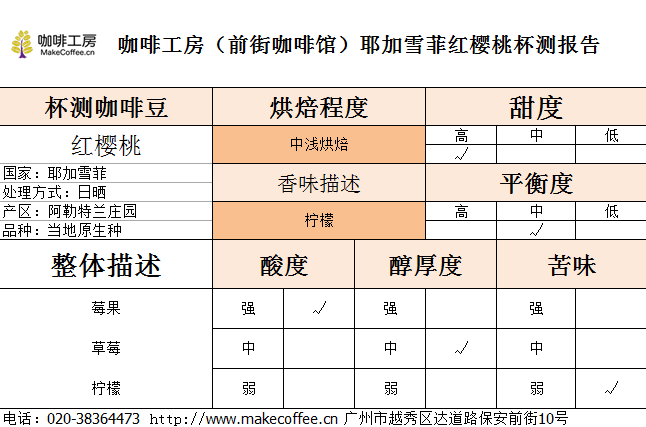
FrontStreet Coffee's Yirgacheffe Cherry Red gives a dry aroma of strong fruit fragrance with heavy dried-fruit notes, strawberry, mango and apricot jam aromas.
The wet aroma is like sweet syrup, like thick apricot pulp juice wrapped in rustic honey or chocolate. The entry is not intense, with a medium body and an acidity that is not obvious but lively and bright, like fruit tea.
04 | Brewing Analysis
FrontStreet Coffee - Ethiopia Yirgacheffe Flavor
Brewing Methods
For brewing, pour-over and siphon are optimal. During grinding you can smell the intense natural fruit aroma with noticeable sweetness.
Gentle and elegant, sweet and lovely. FrontStreet Coffee's Yirgacheffe coffee gives off extremely complex aromas and shows an exceptionally refined flavor that is hard to describe.
First Brew:
V60 dripper, 15g powder, water temperature 90°C, grind setting 4, water-to-coffee ratio close to 1:15
31g water for bloom, bloom time 29s
Segments: pour water to 99ml, pause, slowly pour water to 230ml
That is: 31-99-100
Flavor: strawberry fruit acidity obvious, astringent finish, off-flavors present
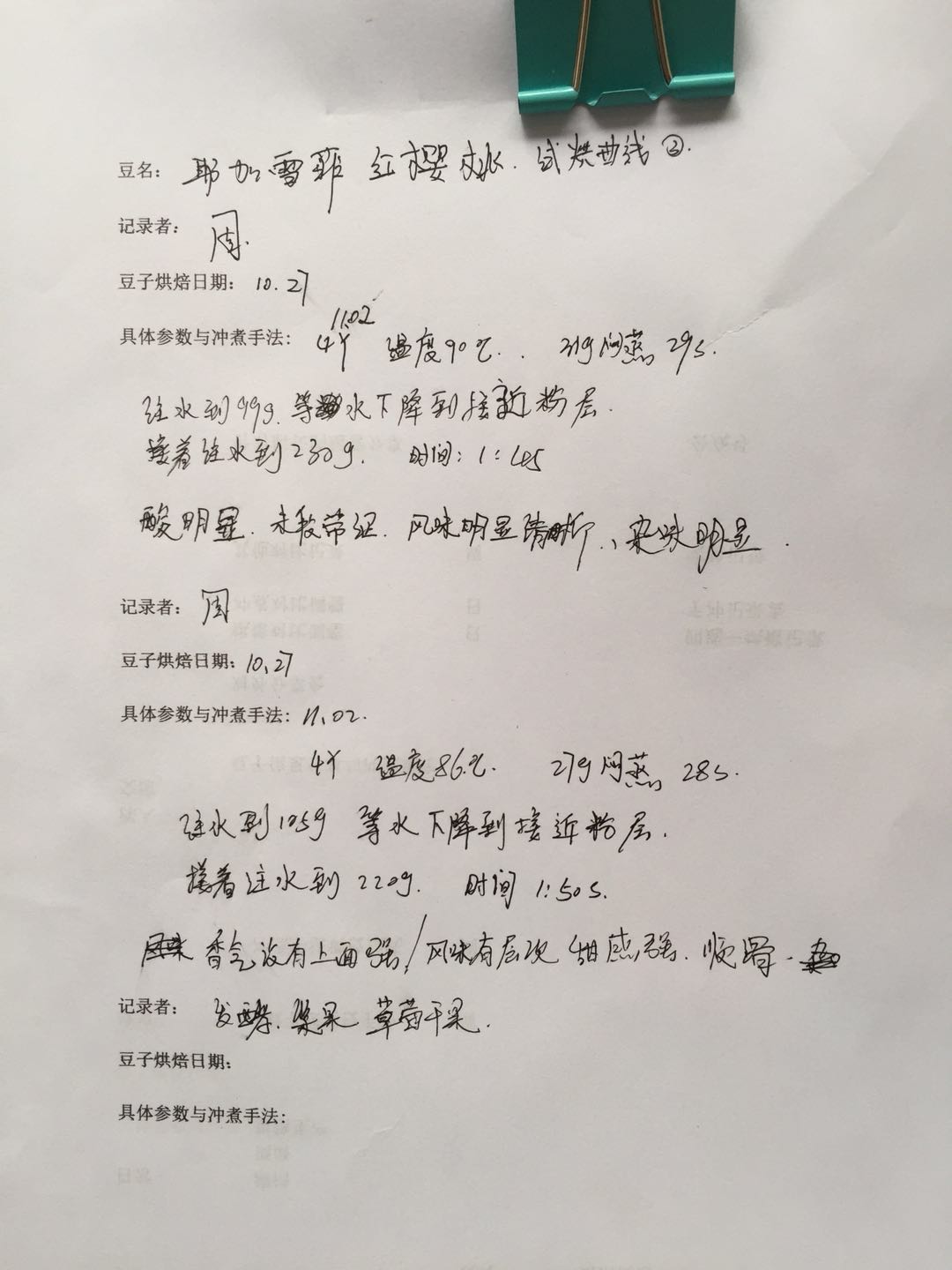
Adjusting Grind Setting 4 to 3.5 (finer), lower water temperature
Second Brew (Correction):
V60 dripper, 15g powder, water temperature 86°C, grind setting 3.5
Water-to-coffee ratio close to 1:15
27g water for bloom, bloom time 28s
Segments: 27-105-88, time 1:50 (timing starts from bloom)
Flavor: smooth, much richer flavor, layered, fermented berry sweetness enhanced
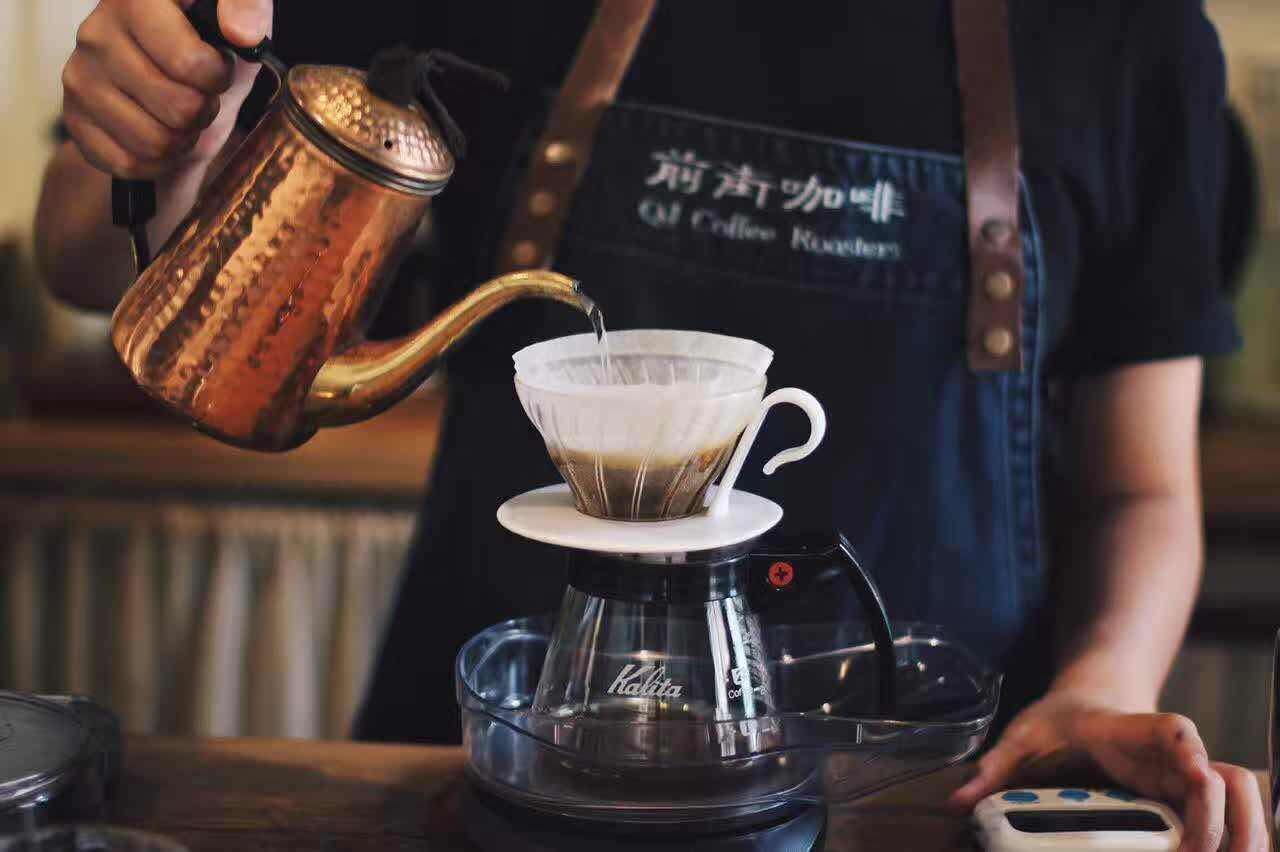
The wet aroma of fermented berries and fruit wine that came off makes it hard to believe this is FrontStreet Coffee's Yirgacheffe, though personally I do not particularly like that wet aroma. Even so, from the exceptionally smooth entry to the delicate body, the emergence of ripe fruit's sweet-and-sour flavors is truly stunning. The sweetness exceeds any Yirgacheffe I have tasted before. The aftertaste performs beautifully too, truly earning the name "fruit bomb": it will basically leave sweetness in your mouth for half an hour after drinking.
FrontStreet Coffee Recommendation
Because this whole piece turns on the difference between natural and washed Yirgacheffe, the most fitting way to taste that contrast is to try both from FrontStreet. The natural side is FrontStreet's Natural Red Cherry. It is processed as a full red-cherry natural, meaning only fully ripe sound fruit is picked, sorted once at the mill, then laid on raised beds in the sun and turned every 2-3 hours in the first days to avoid uneven heat and over-fermentation. After three to five weeks of drying the fruit is machine-scraped off according to the weather and temperature, and the beans move to storage. Drying the coffee with the fruit still attached gives it classic Yirgacheffe character along with the tropical fruit aroma of a natural: citrus-like acidity, a berry-juice body, honeyed sweetness and a creamy smoothness, much as the cupping notes above describe.
For the washed side, FrontStreet's Gudingding Cooperative makes the comparison easy. It comes from the Gudingding washing station in the Woka area at Yirgacheffe's southeastern edge, processed in the most traditional washed way, and the cup is clean and bright, with none of the traditional bitter note, a fresh citrus and lemon acidity and jasmine blossom. Brew either as a pour-over: use water at 90-91°C, 15g of coffee, a 1:15 ratio and a grind around 10 on an EK43s, a caster-sugar texture with 80% passing a No. 20 sieve.
Important Notice :
FrontStreet Coffee is a long-established specialty coffee roaster in Guangzhou China, selling freshly roasted beans from its own farm in Yunnan as well as dozens of carefully selected single-origin beans from around the world for both pour-over and espresso. The products deliver consistently excellent quality and great value, with shipping within 24 hours. Guangzhou's FrontStreet Coffee shop is recommended by many coffee lovers, and the beans are now available online at the Tmall 。
FrontStreet Coffee has moved to a new address:
FrontStreet Coffee Address: 315,Donghua East Road,GuangZhou
Tel:020 38364473
 Scan and follow the En Gafei WeChat official account. Please indicate that the reprint comes from "En Gafei".