Yirgacheffe Coffee Bean Grades and Characteristics Flavor Differences Between Washed Yirgacheffe Gedeb and Red Cherry Coffee
For more premium coffee knowledge, follow the WeChat official account: FrontStreet Coffee.
When it comes to representative African coffee beans, the one most people know best is FrontStreet Coffee's Yirgacheffe. The elegant floral notes and bright, fresh acidity of FrontStreet Coffee's Yirgacheffe beans leave a lasting impression. On FrontStreet Coffee's bean menu there are several Yirgacheffe coffees from Ethiopia. Under FrontStreet Coffee's sourcing model, if similar beans by origin and flavor profile are already listed, they won't appear on the same menu. So here is everything you need to know about Yirgacheffe coffee.
Yirgacheffe Coffee Region
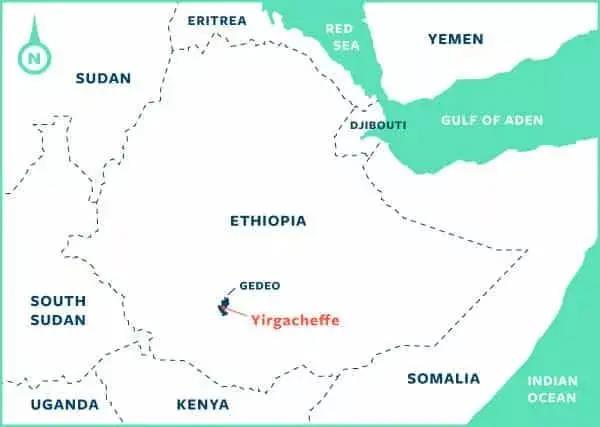
Yirgacheffe has always been one of Ethiopia's most important coffee regions. It was formerly part of the Sidamo coffee region but later became an independent region because of the unique flavor of its beans. Yirgacheffe is not just a place name but also a term describing a specific set of flavor characteristics. It is a high-altitude region, at around 2,000 meters, with more than 40 cooperatives, mainly managed through family-run coffee cultivation.
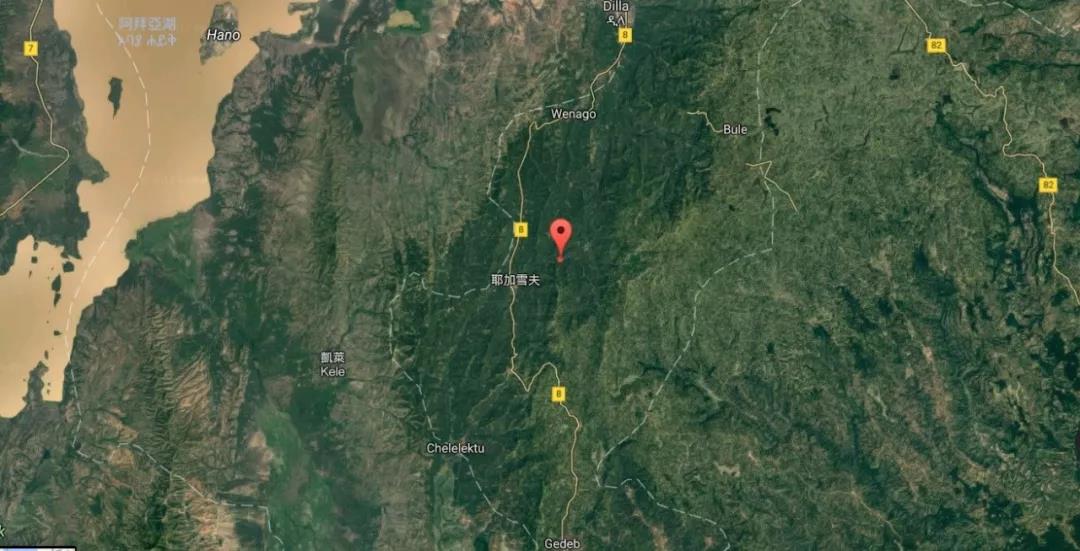
Beneath the Yirgacheffe region are many well-known micro-regions, such as Kochere, Fog Valley, and Gedeb. These micro-regions all have excellent cooperatives, and the beans they produce each carry their own version of the Yirgacheffe flavor. When FrontStreet Coffee selects Yirgacheffe beans, beyond their unique character and excellent quality, FrontStreet Coffee also emphasizes distinctiveness. FrontStreet Coffee believes each of its Yirgacheffes has its own flavor, such as the prominent tea notes of FrontStreet Coffee's Yirgacheffe Gedeb or the berry-toned profile of FrontStreet Coffee's Yirgacheffe Red Cherry. Every bean FrontStreet Coffee lists, even from the same region, will show subtle differences due to micro-climate, management technique, and processing, which is one of the purposes behind FrontStreet Coffee's bean selection.
Yirgacheffe Coffee Bean Varieties
Yirgacheffe varieties are local native species, small-seed varieties with a relatively round appearance and very small beans, mostly between 14 and 15 mesh. Ethiopia is known as the coffee gene pool, with numerous varieties that are difficult to classify and identify. The Ethiopian government is also unwilling to disclose these details, in order to protect its natural coffee, so exported Ethiopian beans are often collectively called "Heirloom" native varieties.
FrontStreet Coffee has noticed, however, that in this year's Ethiopian COE competition Ethiopia has also begun classifying varieties, with 13th place going to the Kurume variety from the Yirgacheffe region. Kurume does not refer to a single variety but rather to the coffee varieties in the Yirgacheffe area that have formed over long periods under the local climate and soil. Kurume trees produce small fruits with high annual yields, rich sweetness, and abundant floral notes, and are commonly cultivated in the Guji and Yirgacheffe regions.
In recent years, many numbered varieties have also emerged, such as 74110 and 74158. These were developed by JARC, the Jimma Agricultural Research Center, where 74 indicates classification and screening done in 1974 and the following three digits are the screening numbers.
Yirgacheffe Coffee Bean Grading
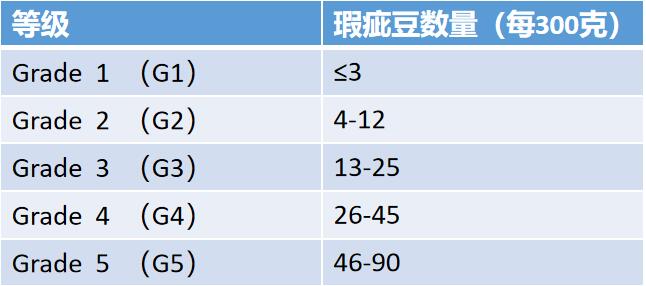
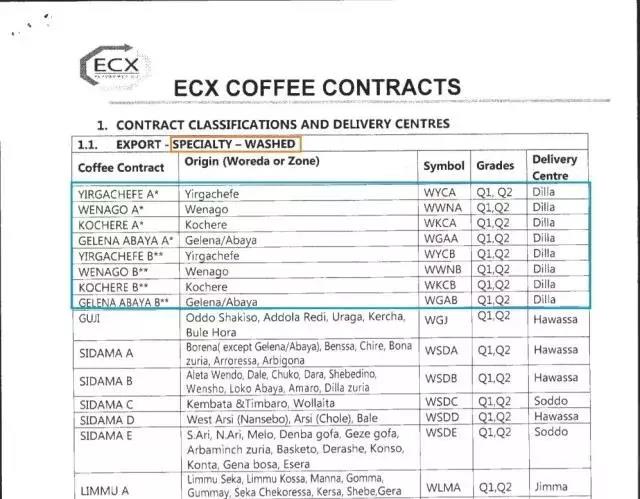
The ECX, the Ethiopian Commodity Exchange, classifies Ethiopian coffee in two respects. One is grading by defect rate: whether washed or natural, export-grade green beans with fewer than 3 defective beans per 300g are graded G1, while export-grade green beans with 4-12 defective beans per 300g are graded G2.
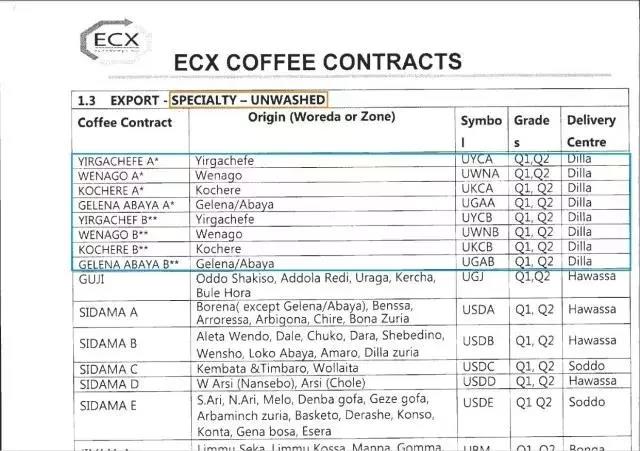
After the ECX was established in 2008, it began using a combination of green bean physical characteristics and cupping flavor profiles for grading.
The ECX classifies all coffee into three types based on processing method, washed and non-washed:
a. Specialty - few defects, high cupping quality
b. Commercial - does not meet specialty grade but ranks above the Local/Domestic consumption grade
c. Local/Domestic - many defects (unripe beans), off-season or poorly stored with relatively poor flavor; consumed inside Ethiopia and not circulated in international markets
Among these, Specialty and Commercial are for international export markets. Different types have slightly different grading standards.
Yirgacheffe Coffee Processing Methods
Ethiopia traditionally used ancient natural processing, but after washed processing was introduced in 1972, over several decades the washed method became much more common than natural. Washed beans reduce defects and show cleaner, brighter flavors.
Natural processing is one of the oldest and most traditional methods. The cherries are dried in the sun immediately after harvest, and it is more common in areas with abundant sunlight or scarce water. Nearly 70% of coffee cherries from all Ethiopian regions are processed naturally. FrontStreet Coffee finds that compared with washed coffee, natural coffee has lower acidity, higher sweetness, a clearer mouthfeel, but slightly less cleanliness. Flavor-wise it produces more berry tones and greater complexity.

FrontStreet Coffee's Yirgacheffe natural processing selects usable cherries and places the whole fruit, pulp and skin intact, on raised beds to dry. This labor-intensive approach keeps the fruit off the ground, avoiding earthy off-flavors and producing exceptionally clean fruit flavors. After more than two weeks of natural drying, the dark brown cherries are professionally stored until the flavor fully develops. Before shipment the beans are removed from the cherries, resulting in remarkable sweetness.
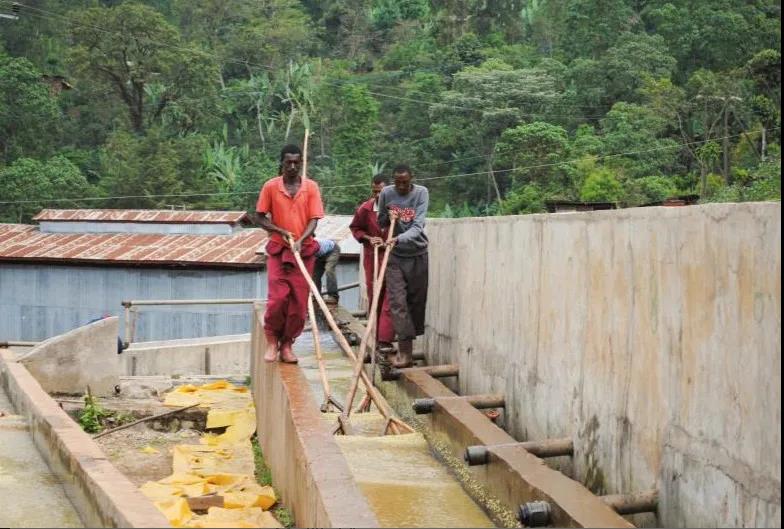
Washed processing uses a pulper to remove the skin and pulp first, then lets the beans rest in fermentation tanks for 18-36 hours until the mucilage layer decomposes, with the duration varying by local temperature and humidity. Next, the parchment beans are washed through channels for 30-60 minutes. The channel design and water flow remove low-density, poor-quality beans. The quality parchment beans are then placed on African raised beds to dry for about 14 days. After drying they are first stored in the station's warehouse. Before export, the parchment is transported to a dry mill for hulling, followed by a series of screening steps including foreign matter removal, silver skin polishing, gravity sorting, and color sorting, before finally being bagged for export.
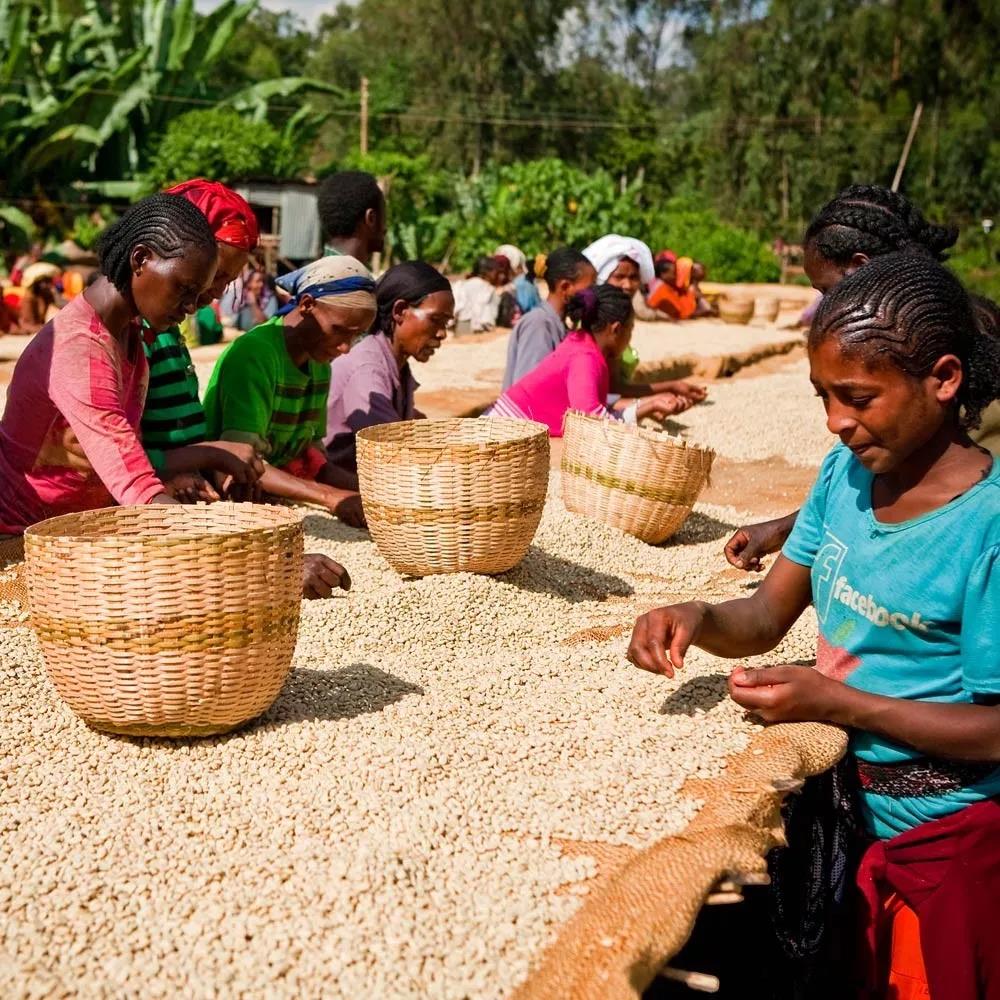
The most fundamental difference between natural and washed processing is that natural processing preserves the pulp's flavor, while washed processing removes it, revealing the bean's most essential flavor. In mouthfeel the difference is obvious: washed is cleaner and brighter, natural is richer. Because washed processing can showcase a bean's most essential flavor, when customers are tasting a region for the first time, FrontStreet Coffee prioritizes washed beans, so people can understand the region's flavor characteristics more clearly.

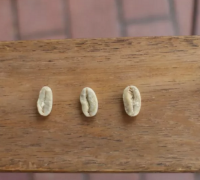
They are also easy to tell apart by appearance. Raw washed beans are generally turquoise-green, while natural ones are yellow-green. Roasted washed beans have obvious silver skin, while natural beans have almost no silver skin residue and smoother surfaces. Below, FrontStreet Coffee introduces its natural and washed beans.
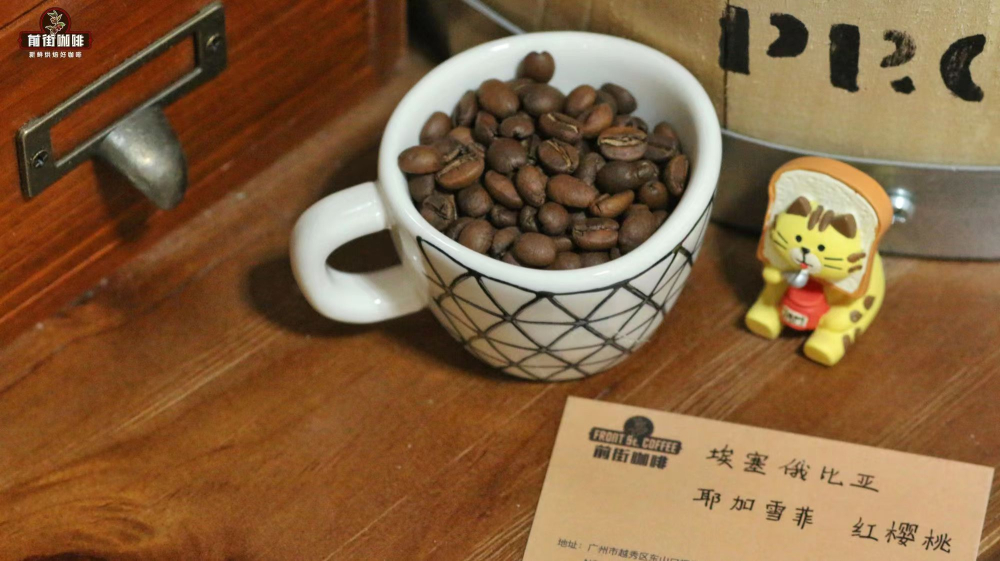
FrontStreet Coffee · Yirgacheffe Natural Red Cherry Coffee Beans
Country: Ethiopia
Region: Yirgacheffe
Processing Station: Aricha
Altitude: 2300 meters
Variety: Local Heirloom
Processing Method: Natural Process
Grade: G1
Flavor: Berries, lemon, strawberry, fermented wine notes
Red Cherry Project
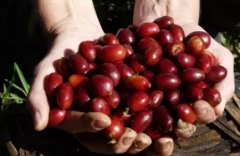
The Red Cherry Project, Operation Cherry Red Project, is abbreviated as OCR. Today many coffee shops sell Red Cherry Project beans. The idea was first proposed in 2007 by the Dutch green coffee trader Trabocca. Trabocca provides funding for production conditions at origin and offers higher purchase prices to acquire Ethiopian coffee cherries, in exchange for farmers harvesting only fully ripe cherries.

Coffee turning red is a sign of maturity, but cherries on a single tree do not all ripen at once; the window spans about three months. Because harvesting selectively is troublesome, farmers would once pick red (ripe) and green (unripe) cherries together for processing. In photos of machine harvesting in South America, you often see many unripe cherries mixed in. When green coffee buyers are willing to pay more for these beans, and farmers want higher income, the Red Cherry Project emerged.
The Red Cherry Project is also an approach that pushes farms to invest more effort in screening and selection, and these coffees command relatively higher prices. In 2008 the project invested $5,000 to purchase new natural drying beds. In 2009 another $8,000 went to new drying beds and shade nets. In 2010 a $9,000 generator was invested, and in 2011 another $10,000 improved some local coffee transport roads, making transport more convenient and efficient. Trabocca provides interest-free loans to purchase new cherry depulpers and bean sorters. To facilitate supplier procurement, in 2012 $14,000 was invested to build a high-quality Addis Ababa coffee cupping laboratory.

Trabocca provides financial loan support, new hardware and equipment, and production and processing knowledge to help farmers improve their level. It promises generous purchase prices as long as the actual output quality meets cupping standards in both the Addis Ababa, Ethiopia and Amsterdam, Netherlands cupping labs. Trabocca's passing standard is 88 points.
Red Cherry Project beans are immediately packed in separate Grain Pro bags or vacuum-sealed bags after processing at origin, then transported to Djibouti to await shipping. Through real-time monitoring, safe transport, and timely processing, the project pursues perfect quality. Roasters can also buy high-quality beans through the Red Cherry Project, which improves Ethiopian coffee quality and fetches better prices, allowing Trabocca to return profits to farmers and keep improving quality.
The Red Cherry Project is mainly implemented in regions including Yirgacheffe, Sidamo, Bench Maji, Lekempti, Kembata, Illubabor, Harar, and Limu, all of which have distinctive flavors that showcase Ethiopian coffee. These days, FrontStreet Coffee believes, almost any bean that qualifies as specialty grade is basically operating on the Red Cherry Project model.
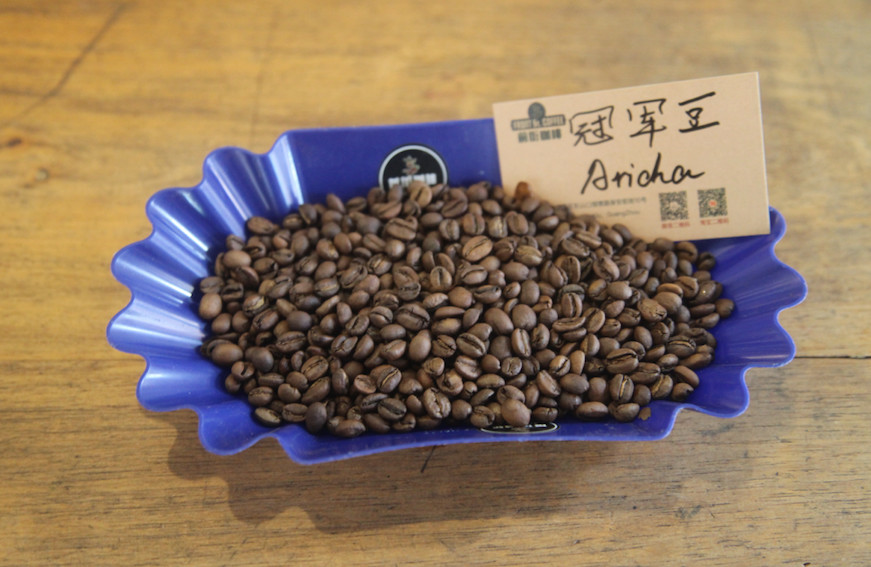
FrontStreet Coffee · Yirgacheffe Aricha Coffee Beans
Region: Yirgacheffe Adorsi Processing Station
Altitude: 1900-2000m
Processing Method: Natural
Grade: G1
Variety: Heirloom
Flavor: Ripe fruits, green grapes, lemon, cream, grapes
In the 2019 Ethiopian harvest season cupping competition, the natural processing category was won by Adorsi Processing Station.
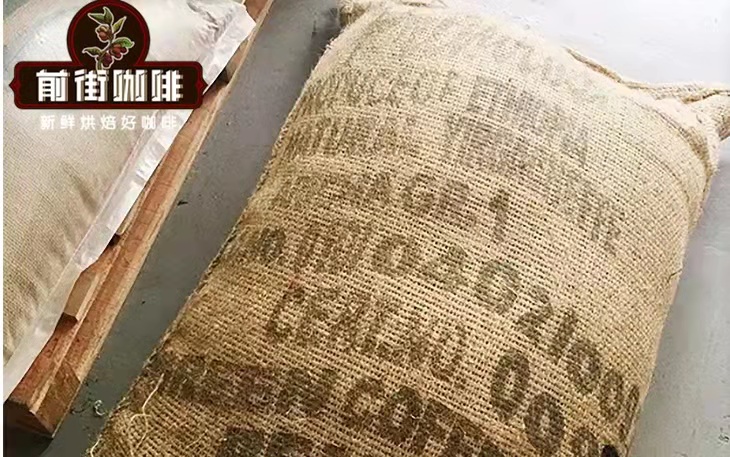
Adorsi Processing Station is owned by Testi Coffee, an export company run by the Yonis family, established in 2009 by Faysel A. Yonis. In competition results, this championship batch scored 91 points, while last year's Mulan scored 88 points in the same competition, so Adorsi's 2019 score was 3 points higher.
This batch of FrontStreet Coffee's beans comes from FrontStreet Coffee's Yirgacheffe Konga Cooperative natural processed beans, at an altitude of 1850-2050 meters. Konga Cooperative consists of 1,556 small coffee farmer families, located 5 kilometers south of Yirgacheffe. Cultivation altitude averages above 1800 meters, with harvest from October to February each year. Konga Cooperative was established in 1994 and joined the YCFCU cooperative union in 2002 as one of 26 unions. It is located in the Gedeo region of southern Ethiopia, named after the nearby Konga River and local Konga village.
FrontStreet Coffee · Yirgacheffe Washed Goditi Coffee Beans
Country: Ethiopia
Region: Yirgacheffe Gedeo Zone
Altitude: 1900-2300m
Variety: Heirloom
Processing Method: Washed
Grade: G1
Flavor: Citrus, black tea, cream, caramel, almonds
FrontStreet Coffee's Yirgacheffe Goditi Cooperative is located in the Worka region at the southeastern end of Yirgacheffe. It was originally part of the Worka Cooperative under the Yirgacheffe Union YCFCU. Later, as more people emphasized bean origin, distinctive small regions were gradually discovered by coffee hunters worldwide. In 2012, Goditi, with about 300 members, became independent from the Worka Cooperative and established Goditi Cooperative. Goditi village was one of the first independent village areas, and many small farmers were originally members of the Worka Cooperative, so their production skills are excellent. Goditi Cooperative is known as the last pure land of Yirgacheffe, and it uses very traditional processing methods, both washed and natural.
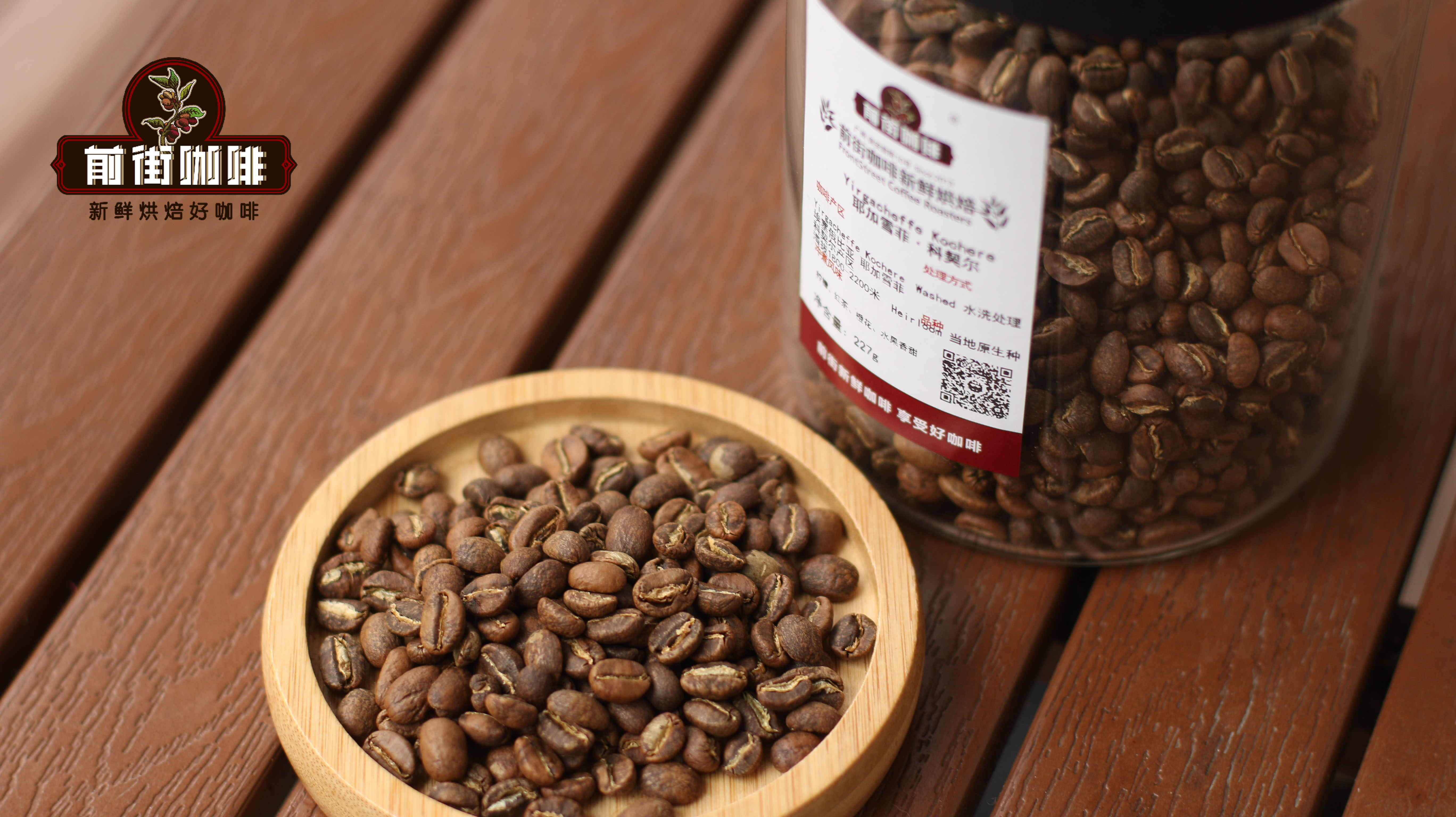
FrontStreet Coffee · Yirgacheffe Kochere Washed Coffee Beans
Region: Ethiopia Yirgacheffe Kochere
Variety: Heirloom
Altitude: 1650-1800 meters
Processing Method: Washed
Grade: G1
Flavor: Citrus, berries, tea notes, cream, light nuts
Kochere is located 25 kilometers southeast of Yirgacheffe, a small micro-region at an altitude of 1650-1800 meters. It is a prosperous region known for coffee production and one of Yirgacheffe's three famous micro-regions. The local population is about 100,000 people, with coffee as their main source of income. The processing equipment here is very advanced, and the renowned review site Coffee Review gave Kochere washed beans a high rating of 94 points.
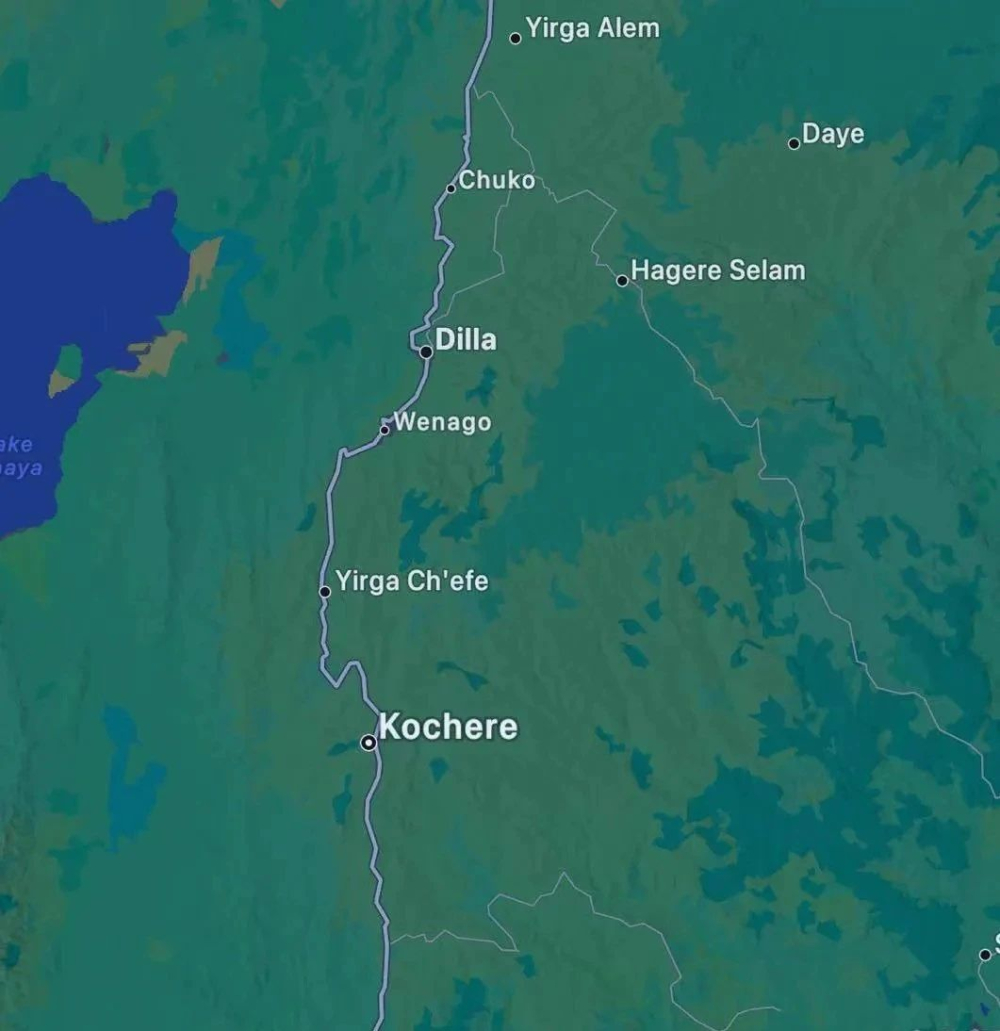
Kochere is one of the 77 Woredas, or administrative divisions, in Ethiopia's SNNPR. In coffee terms, Kochere belongs to the Gediyo part of Yirgacheffe and is one of its most important regions. Kochere can be further divided into several micro-regions, and coffee from these areas is sometimes named more specifically by source town, such as Chelelektu or Teklu Dembel, by processing station, such as the Teklu Dembel and Alimu stations for this batch, or by micro-region, such as Banko Gutiti, aligning with current trends toward traceability. Batches with stronger traceability naturally have more specific origins, with higher annual flavor stability and reproducibility, and higher prices.
Kochere's production model mainly involves local small farmers sending batches to cooperatives for unified processing. The local Chalalacktu village has about 100,000 people who rely on coffee for their livelihood, with related production becoming their main source of income. Thanks to coffee revenue, local living standards are much better than in many Ethiopian villages, with complete health facilities and higher education institutions. Advanced processing equipment has long given Kochere coffee a high level of performance in washed processing, featuring clean sweetness with complex molasses and citrus tones.

FrontStreet Coffee's washed Kochere, unlike general batches of green beans, belongs to the highest-specification G1 grade, with strong regional character: clean, fresh lemon aromas and elegant jasmine, cantaloupe, citrus, ginger, and spice tea.
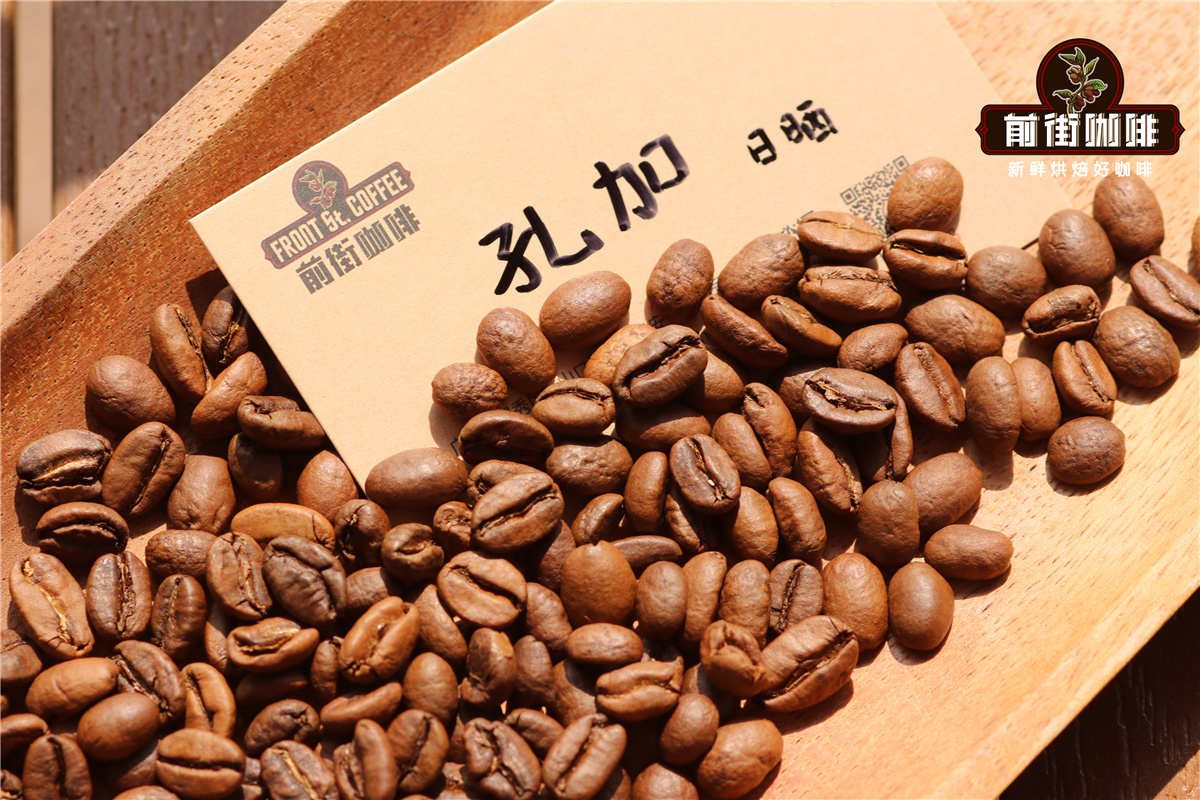
FrontStreet Coffee · Yirgacheffe Konga Cooperative
Country: Ethiopia
Estate: Konga Cooperative
Region: Yirgacheffe
Altitude: 1300-2000m
Variety: Ethiopian Heirloom
Processing Method: Washed
Flavor: Berries, cream, honey, citrus, bright juicy notes
Konga Cooperative consists of 1,556 small coffee farmer families, located 5 kilometers south of Yirgacheffe. It was established in 1994 and joined the YCFCU in 2002. These small farmers' plots average less than 1.25 hectares, with cultivation altitudes of about 1800-2000 meters. The varieties are mainly a mix of Typica and Heirloom.

Every one to two years, cooperative members hold elections to select an executive committee, which can decide on new equipment purchases, exchange business information with members, and determine payment methods. YCFCU also assigns professional managers to cooperatives to guide harvesting, production, and other procedures in order to increase yield and improve quality. Cooperatives allow farmers to avoid low-price exploitation by buyers, and in hard times they can provide loan assistance, benefiting both farmers and coffee production.
FrontStreet Coffee Washed Yirgacheffe G2
FrontStreet Coffee also carries another Yirgacheffe, a G2 washed lot. G2 is a grade: Ethiopia grades by defect rate, with G1 being the best and G2 sitting below it on the defect count. Many people assume G1 must be better than G2. In quality terms, with more clean green beans, G1 indeed ranks above G2, and the price is several times higher. But once roasted, the difference is not too significant, even though the price gap is large.
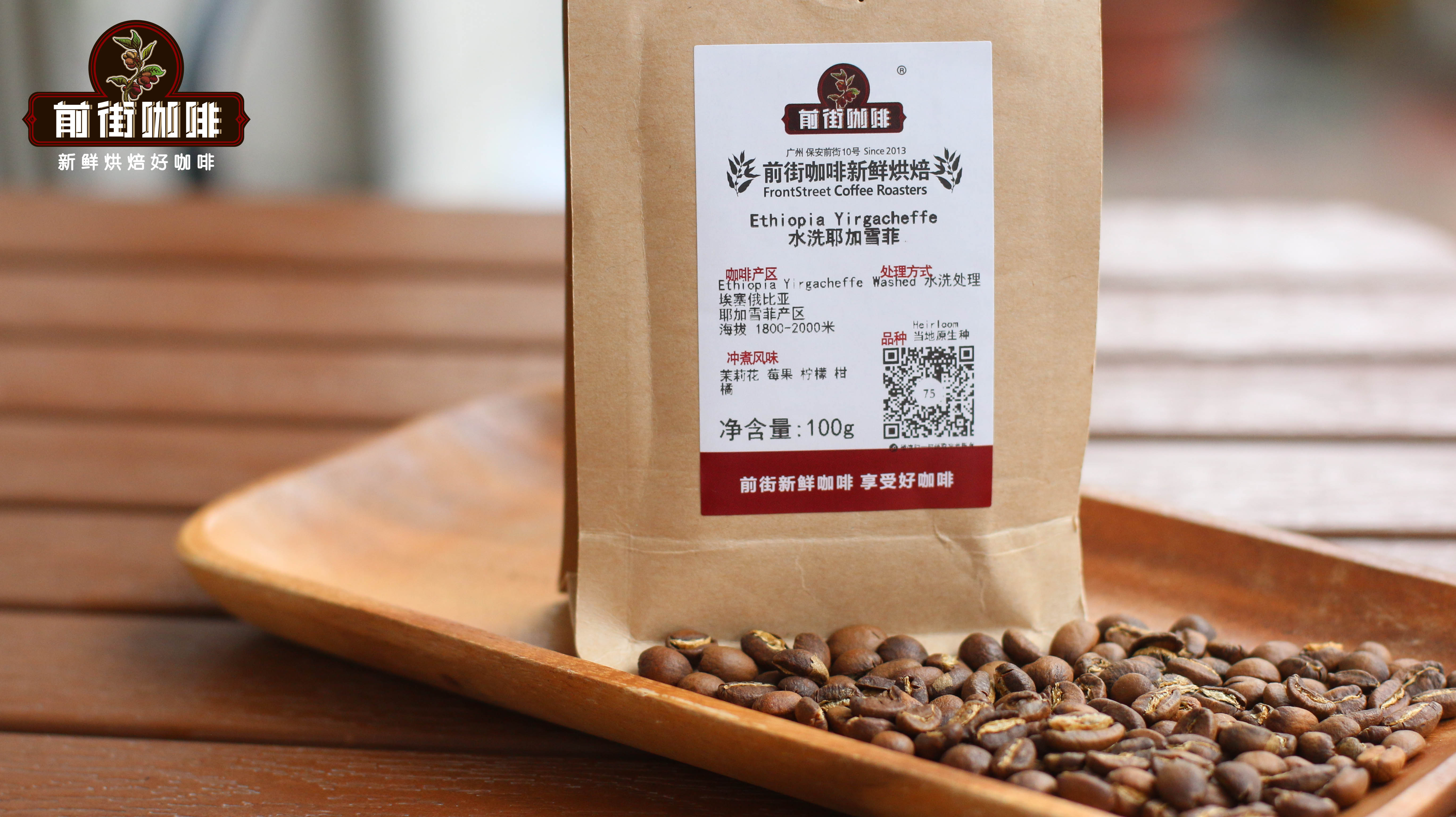
FrontStreet Coffee understands that defective beans affect roasting, so before roasting they always hand-select the green beans once to remove obvious defects. After that step, G1 and G2 beans can be said to have no difference. People who understand coffee might unhesitatingly choose G2, first for its attractive price of 25 yuan per 100g, with roasted beans 30 yuan cheaper than G1. Second, if you are familiar with Ethiopian coffee, you will find that the sweet fruit flavors actually come from small beans, while G1 tends toward larger beans and G2 is more of a mix of large and small, which better highlights Yirgacheffe's unique flavors.
FrontStreet Coffee Roasting Analysis
FrontStreet Coffee will take its Red Cherry and Goditi as examples of Yirgacheffe natural and washed processing.
FrontStreet Coffee's natural Red Cherry undergoes two rounds of manual defect selection before roasting, which lays the foundation for roasting high-quality coffee. This natural Red Cherry has extremely low defects. Using a Yangjia 800N with 600g input: heat the roaster to 200°C to load the beans, damper set to 3.5. After 1 minute, adjust the heat to 160°C with the damper unchanged. Adjust heat once at 148°C, reducing to 130°C. Roast to 5'03", temperature 151°C, when the bean surface turns yellow and the grassy smell disappears completely, dehydration is complete. Adjust heat to 105°C and the damper to 4. At the 8th minute, the bean surface shows wrinkles and black spots and the toast aroma clearly transitions to coffee aroma, marking the prelude to first crack. Listen carefully for the crack. At 9'07" first crack begins, adjust heat to 70°C, and open the damper fully (adjust heat very carefully, not so low that the crack sounds disappear). Unload at 194°C.
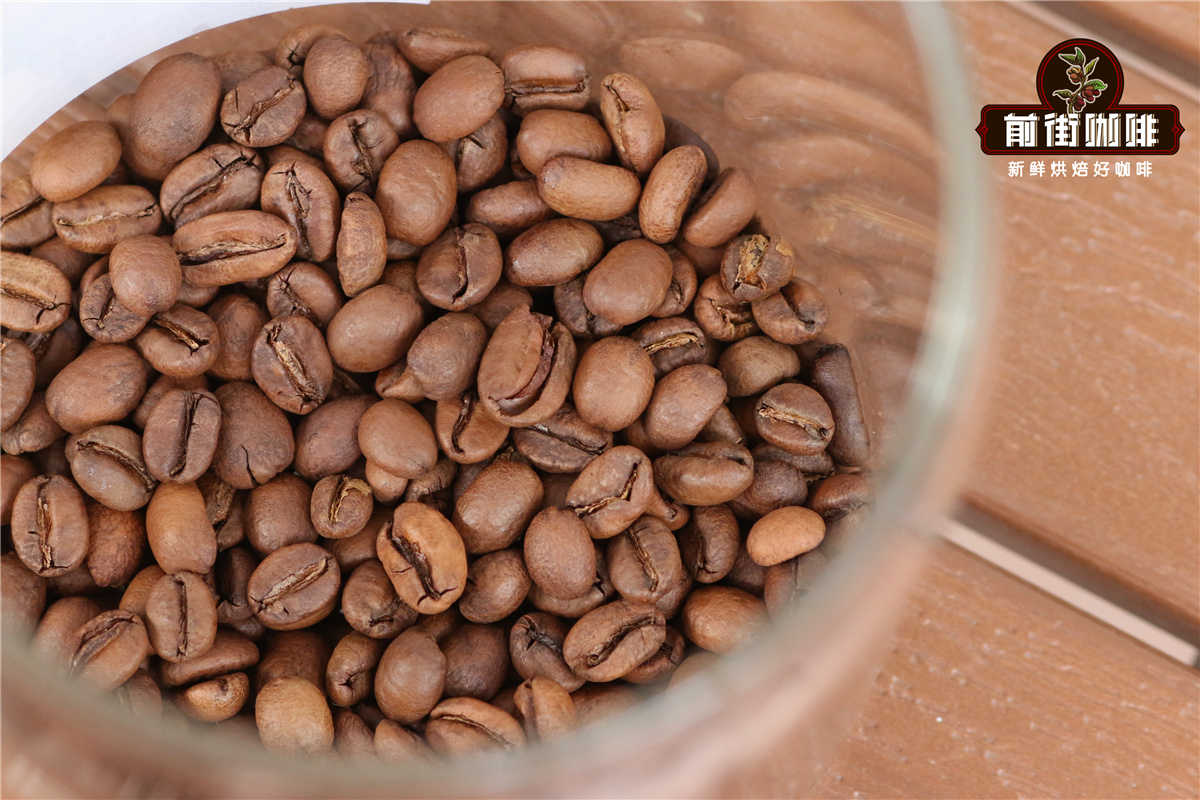
FrontStreet Coffee's roaster considers that this Goditi batch is characterized mainly by fruit acidity, making it more suitable for a light roast, which highlights its clean mouthfeel, bright fruit acidity, and obvious aftertaste.
Using a Yangjia 800N, input: 480g. Heat the roaster to 175°C to load the beans, damper set to 3, heat at 120. Return to temperature at 1'32", roaster temperature 140°C, heat unchanged, damper to 4. At this point the bean surface turns yellow and the grassy smell disappears, entering the dehydration stage. At 166°C, heat reduces to 100; at 176°C, heat reduces to 80, damper unchanged. At 8'28", the bean surface shows wrinkles and black spots and the toast aroma clearly transitions to coffee aroma, marking the prelude to first crack. Listen carefully for the crack. At 9'38" first crack begins, adjust the damper to 5 (adjust heat very carefully, not so low that the crack sounds disappear). Develop for 1'30" after first crack, and unload at 193.5°C.

Brewing Method
FrontStreet Coffee recommends a V60 dripper, water temperature at 90°C (you can start at 90.5°C), a water-to-coffee ratio of 1:15, 15g of coffee, and a grind of BG#6M (80% pass rate on the Chinese No.20 standard sieve). One point here on why grind size should be screened before deciding: this is a grinding recommendation the Specialty Coffee Association (SCA) gives for pour-over, and FrontStreet Coffee has verified extensively that different grind sizes produce significantly different results. Every bean's ideal grind varies, which is the point of screening. If you don't have a sieve at home, observe the flow speed instead: if water flows too fast, the grind is too coarse; if it flows too slow, the grind is too fine.
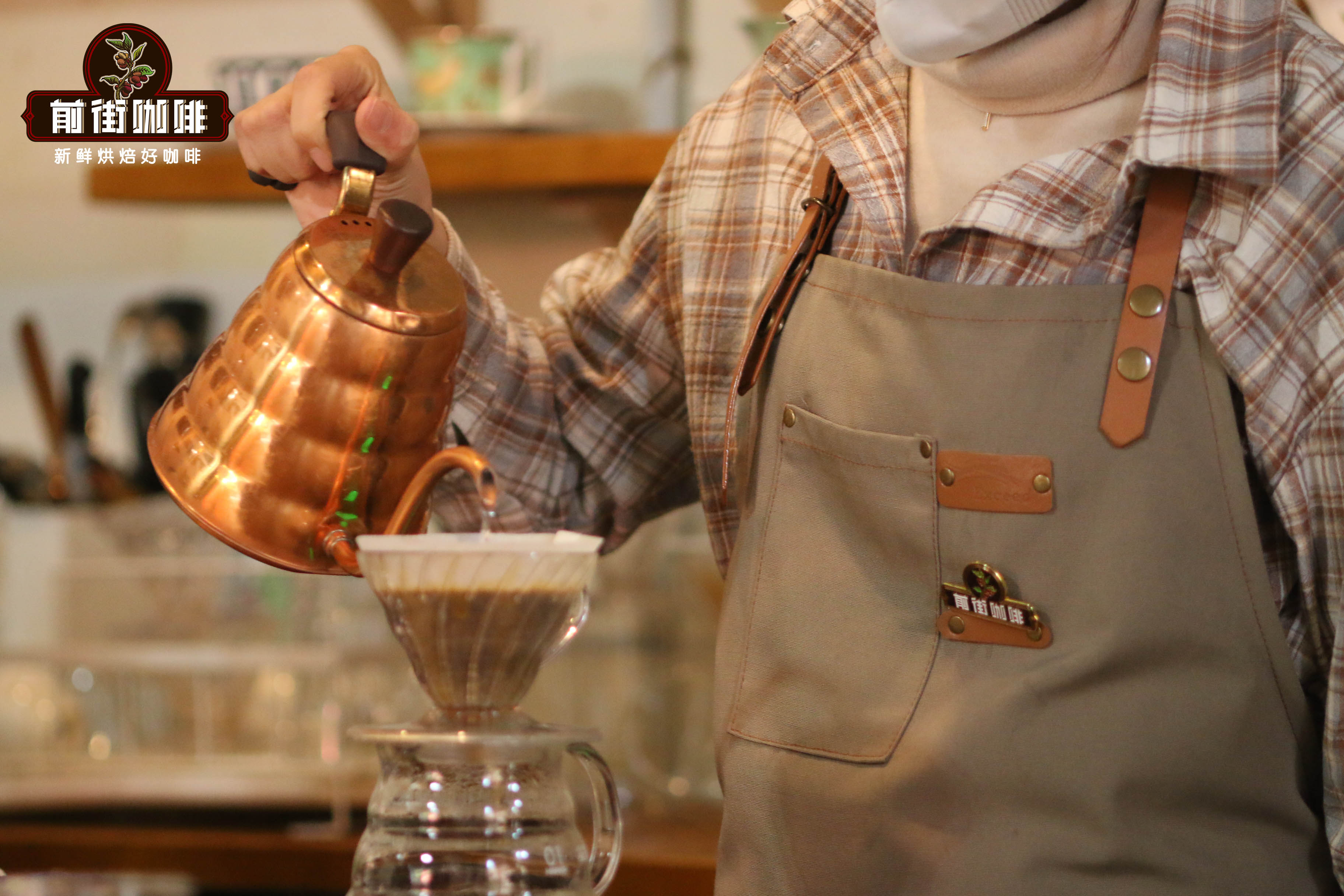
First wet the filter paper and preheat the dripper and coffee pot. For the first pour, inject 30g of water for a 30-second bloom, then inject 95g (the scale shows around 125g), finishing in about 1 minute. When the water level drops to two-thirds of the coffee bed, inject the remaining 100g (the scale shows around 225g), finishing in about 1 minute 35 seconds. Complete drip extraction at 2 minutes 5 seconds, remove the dripper, and the brew is done.
For professional coffee knowledge exchange and more coffee bean information, follow Coffee Workshop (WeChat official account: cafe_style).
For more premium coffee beans, add FrontStreet Coffee's personal WeChat, ID: kaixinguoguo0925.
FrontStreet Coffee Recommendation
With grades and processing laid out, the easiest way in is to taste the two ends for yourself. FrontStreet Washed Yirgacheffe is the classic starting point, known for white jasmine, bright citrus and lemon acidity, and a tea-like body at an affordable price, which has made it the first specialty bean for many drinkers. If you would rather start with a fruitier, brighter cup, FrontStreet Yirgacheffe Gedeb, the washed cooperative coffee described above, keeps that clean Yirgacheffe clarity.
For the natural side, FrontStreet Natural Red Cherry uses whole ripe cherries dried on raised beds, so it carries the classic Yirgacheffe profile together with tropical fruit from the sun-drying: citrus acidity, berry juice, honey sweetness, and a creamy smoothness. FrontStreet Goditi Cooperative is another expression of Yirgacheffe, with prominent tea notes and clean, bright fruit acidity.
If you want to compare the grades directly, FrontStreet also carries a G2 washed Yirgacheffe. At 25 yuan per 100g and 30 yuan cheaper than G1 when roasted, it is a smart way to drink the region for less, especially since the sweet fruit flavors tend to come from the smaller beans that G2 includes more of.
Important Notice :
FrontStreet Coffee is a long-established specialty coffee roaster in Guangzhou China, selling freshly roasted beans from its own farm in Yunnan as well as dozens of carefully selected single-origin beans from around the world for both pour-over and espresso. The products deliver consistently excellent quality and great value, with shipping within 24 hours. Guangzhou's FrontStreet Coffee shop is recommended by many coffee lovers, and the beans are now available online at the Tmall 。
FrontStreet Coffee has moved to a new address:
FrontStreet Coffee Address: 315,Donghua East Road,GuangZhou
Tel:020 38364473
 Scan and follow the En Gafei WeChat official account. Please indicate that the reprint comes from "En Gafei".