Characteristics and Flavor Profile of Honduras Shigua SHB Specialty Coffee Beans - Honduras Coffee Bean Story

According to FrontStreet Coffee's research, Honduras is a mountainous country in Central America with a population of over 8.3 million and an area of approximately 112,000 square kilometers. It sits in northern Central America, bordering the Caribbean Sea to the north and the Gulf of Fonseca in the Pacific to the south, with Nicaragua and El Salvador to the east and south and Guatemala to the west. More than three-quarters of the country is mountains and plateaus. Mountain ranges run west to east, with volcanic plateaus inland cut by many intermontane valleys, plus coastal plains. The climate is tropical, and the coastal plains see a tropical rainforest climate.
Honduras's growing conditions are no less favorable than those of its coffee-producing neighbors such as Guatemala and Nicaragua. The country has 280,000 hectares of coffee plantations, predominantly small farms mostly smaller than 3.5 hectares. Together these smallholdings account for sixty percent of Honduras's total coffee production.
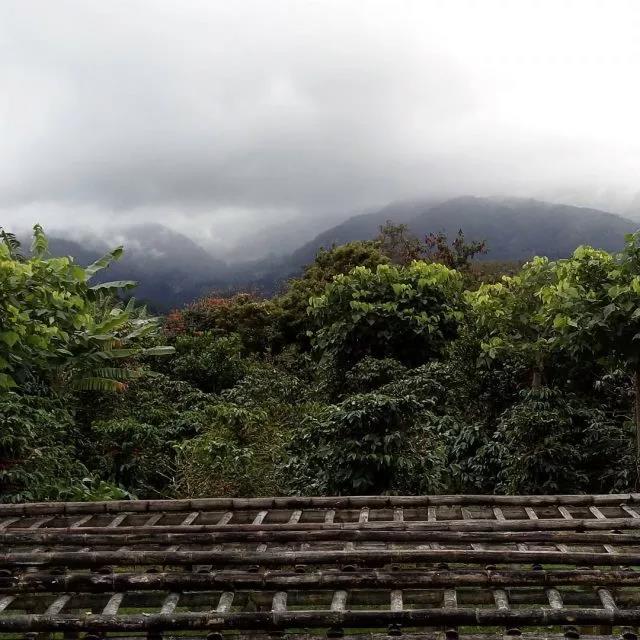
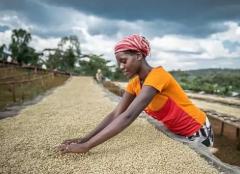
The growing areas sit in mountainous regions where coffee is harvested by hand and then carefully processed into higher-quality beans. Honduras harvests three million bags of coffee annually, giving it abundant, high-quality supply, and it is now one of the world's top ten coffee-exporting countries.
Honduras divides its coffee regions into six main areas across the west and south: Santa Barbara, El Paraiso, Copan, La Paz, Comayagua, and Olancho. The average growing altitude is above 1,100 meters. The coffee is Arabica, with 69% graded HG (High Grown), 12% SHG (Strictly High Grown), and 19% CS. The main varieties include Typica, Bourbon, Caturra, Villa Sarchi, and Lempira.
Honduran coffee reveals different layers depending on the roast. A medium roast can draw the sweetness out to the maximum, while a dark roast adds bitterness without losing the sweetness. Generally, the medium roast gives the best profile—rich, distinctive aromas that Honduran coffee fans prize.
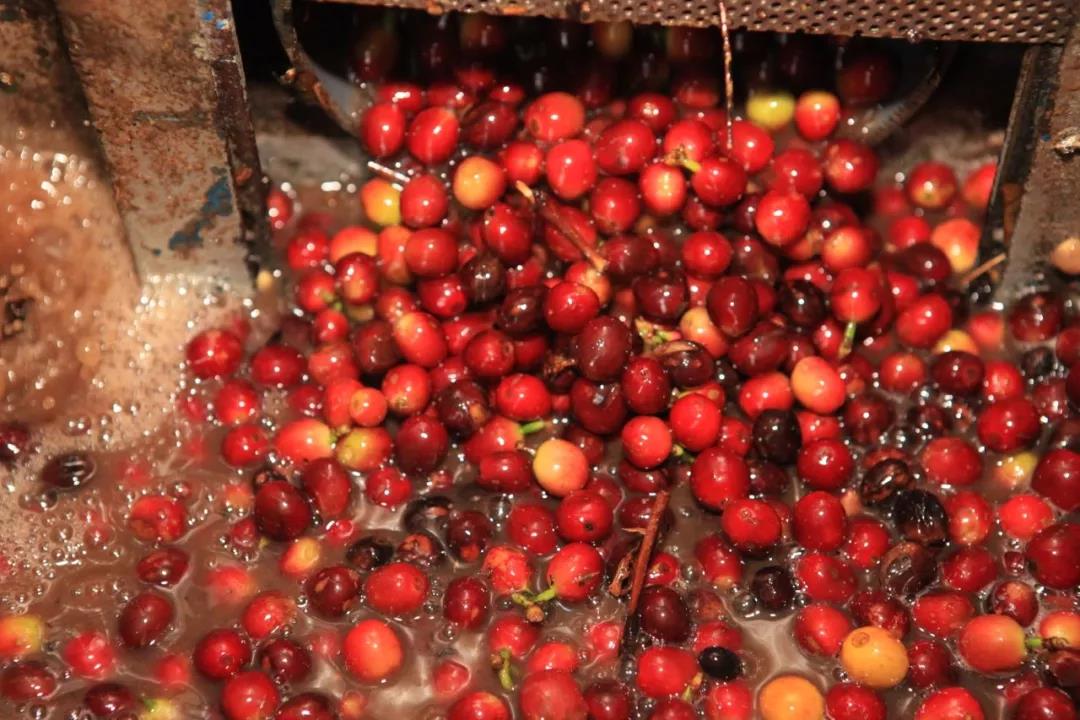
High-quality Honduran coffee uses the washed process. The beans are first soaked, during which defective fruits float to the surface and are discarded. The good fruits go into a pulper, where rotational force removes the skin. The pulped fruit is then machine-screened to select good beans—larger fruits usually mean better maturity. Honduran coffee dries under natural sunlight, which is why it always carries a faint fruity aroma.
FrontStreet Coffee Honduras Sigua RFA EP Coffee Beans
Estate: BECAMO
Grade: SHB
Processing: washed
Altitude: 1,200-1,800 meters
Cupping notes: slightly acidic, balanced overall, bright, with good body
FrontStreet Coffee's French Press Parameters

1. Brewer: French press
2. Water temperature: 88°C
3. Grind size: granulated sugar
4. Roast level: medium-dark roast
5. Steeping time: 2.5 minutes
Flavor: balanced, chocolate notes, a persistent caramel sweetness in the finish
FrontStreet Coffee's recommended method: use 15 g of grounds, ground to granulated-sugar consistency, steep at 88°C for 2.5 minutes, press the plunger, filter, and pour out the coffee.
FrontStreet Coffee Recommendation
Honduran coffee is loved for its balance, so pair it with a bean that shares that quality. FrontStreet's Brazil Queen Estate is a natural companion for anyone building a gentle, low-acid morning cup: a rare Yellow Bourbon grown in Mogiana on fertile red volcanic soil, it pours out nutty, cocoa, and caramel notes with sugarcane-like sweetness and a smooth, mellow body, and it performs equally well as pour-over, moka pot, or espresso.
If you'd rather follow the fruit-forward side of Arabica, FrontStreet's Ethiopia Huakui is the opposite pole in the best way—a naturally processed lot bursting with strawberry, mango, jackfruit, and citrus, with low bitterness and a juicy, syrup-like body. Either way, the lesson Honduras teaches holds: land the roast in the middle, and the sweetness comes out without the bitterness taking over.
Important Notice :
FrontStreet Coffee is a long-established specialty coffee roaster in Guangzhou China, selling freshly roasted beans from its own farm in Yunnan as well as dozens of carefully selected single-origin beans from around the world for both pour-over and espresso. The products deliver consistently excellent quality and great value, with shipping within 24 hours. Guangzhou's FrontStreet Coffee shop is recommended by many coffee lovers, and the beans are now available online at the Tmall 。
FrontStreet Coffee has moved to a new address:
FrontStreet Coffee Address: 315,Donghua East Road,GuangZhou
Tel:020 38364473
 Scan and follow the En Gafei WeChat official account. Please indicate that the reprint comes from "En Gafei".