Ethiopian Coffee Starbucks, Ethiopian Coffee Cooperative Names and Introductions
Yirgacheffe: Ethiopia's Premium Coffee Region
Yirgacheffe is a small town in Ethiopia at an elevation of 1,700-2,100 meters, in the northwestern part of Sidamo province. Nestled among mountains and lakes, it is one of Ethiopia's highest-altitude coffee-growing regions and has become synonymous with Ethiopian specialty coffee. Strictly speaking, Yirgacheffe is a sub-region of Ethiopia's Sidamo region, but it was separated out because of its distinctive flavor.
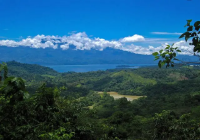
At nearly 2,000 meters, Yirgacheffe is one of the world's highest coffee-producing areas. The land has been wetland since ancient times. "Yirga" means "to settle down," and "Cheffe" means "wetland." Lake Turkana, Lake Abaya, and Lake Chamo bring abundant moisture to the region. In the rift valleys, represented by the Misty Valley, mist persists year-round, creating a spring-like climate with gentle breezes, cool and humid conditions. Thousands of coffee tree varieties thrive and multiply here, cultivating the unique terroir of FrontStreet Coffee's Yirgacheffe coffee - an intricate, ever-changing interplay of floral and fruity aromas.
European monks established the local coffee cultivation industry, which was later taken over by the coffee communities or cooperatives in the villages around the town. There are no dedicated plantations here; coffee trees grow naturally, scattered through forests and farmlands. During harvest season, the Ethiopian Coffee Trading Corporation comes to town to buy the beans collected by farmers.
Besides Yirgacheffe town itself, the region includes three other sub-regions: Wenago, Kochere, and Gelena/Abaya.
1. Cultivation System and Environment
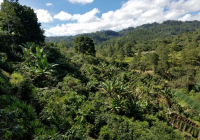
The mountain villages of the Yirgacheffe region are cool and misty, with spring-like conditions year-round. Summer brings gentle, cool-not-hot breezes with rain but not excessive humidity, while winter brings no cold damage - the perfect environment for Arabica. There are no large-scale plantations; farmers grow coffee mixed with other crops, typically under banana trees, creating a unique landscape.
2. Processing Methods
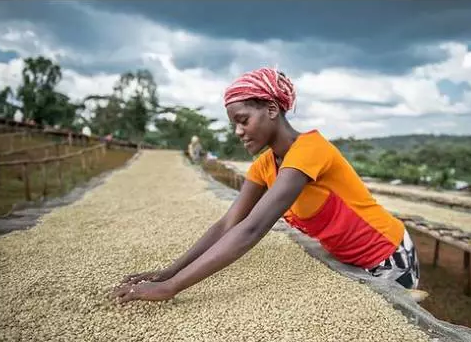
Ethiopia's traditional natural processing was relatively crude, with significant off-flavors, and drew criticism. In 1959, the Yirgacheffe region introduced washed processing from South America. Most areas now use washed processing, pulping the cherries, then fermenting and washing to remove the mucilage before drying. Since 2006, some processing stations have adopted refined raised-bed natural processing. This labor-intensive method keeps the cherries off the ground, avoiding earthy off-flavors during drying and producing exceptionally clean fruit flavors. After more than two weeks of natural drying, the dark brown cherries are professionally stored and left to mature. Before sale, the dried pulp and parchment are removed, followed by sorting out unripe and over-fermented beans. Strict quality control has significantly improved the quality of natural-processed beans.
3. Flavor Characteristics
FrontStreet Coffee's Washed Yirgacheffe: a distinctive lemon flavor, refreshing jasmine florals, and a soft fruit acidity with citrus notes. The cup is bright and refreshing.
FrontStreet Coffee's Natural Yirgacheffe: captivating fruit acidity, clean fermented fruit sweetness, elegant fruit-wine aromas, and a sweet aftertaste.
4. Grading
Ethiopia's coffee grading system is based not on bean size but on the percentage of defective beans in the green coffee. Ethiopia implemented the ECX specialty coffee trading and grading system, in which Q-Graders evaluate the beans: washed Yirgacheffe is divided into Grade 1 and Grade 2, while natural Yirgacheffe is divided into Grade 1, Grade 3, Grade 4, and Grade 5. Grade 1 is the highest, representing Yirgacheffe with the lowest defect rate and the most excellent quality. This article is compiled from Han Huaizong's "Specialty Coffee Studies" and other online sources.
Ethiopia Coffee Cooperative Names and Introductions
Sigiga Cooperative (1600-2500 meters)
Region: Gedeo-Kochere
Members: 1,862
Soil Type: Red-brown soil
Certifications: Fair Trade, UTZ Certified, Organic
Finchewan Cooperative (1450-2000 meters)
Region: Gedeo-Wenago
Members: 1,271
Soil Type: Red-brown soil
Certifications: Fair Trade, Organic
Konga Cooperative (1750-2300 meters)
Region: Gedeo-Yirgacheffe
Members: 1,556
Soil Type: Red-brown soil
Certifications: Fair Trade, Organic
Hafursa Cooperative (1750-2300 meters)
Region: Gedeo-Yirgacheffe
Members: 1,975
Soil Type: Red-brown soil
Annual Green Coffee Production: 798,000 kg
Average Farm Size: Maximum 4 hectares, approximately 600 kg per hectare annually
Cooperative has a washing station
Certifications: Fair Trade, Organic
Resa Cooperative (1000-1400 meters)
Region: Gedeo-Wenago
Members: 2,719
Soil Type: Red-brown soil
Can provide two sets of coffee processing equipment
Certifications: Fair Trade, Organic
Addis Katema Cooperative (1000-1400 meters)
Region: Gedeo-Wenago
Members: 891
Cooperative has a washing station
Soil Type: Red-brown soil
Certifications: Fair Trade, Organic
Biloya Cooperative (1600-2500 meters)
Region: Gedeo-Kochere
Members: 1,203
Soil Type: Red-brown soil
Provides two sets of coffee processing equipment
Certifications: Fair Trade, Organic
Worka Cooperative (1650-2700 meters)
Region: Gedeb
Members: 305
Soil Type: Red-brown soil
Annual Green Coffee Production: 457,000 kg
Average Farm Size: Maximum 4 hectares, approximately 699 kg per hectare annually
Cooperative has all processing equipment
Certifications: Fair Trade, Organic
Koke Cooperative (1750-2300 meters)
Region: Gedeo-Yirgacheffe
Members: 828
Soil Type: Red-brown soil
Can provide one set of processing equipment
Certifications: Fair Trade, UTZ Certified, Organic
Hama Cooperative (1600-2500 meters)
Region: Gedeo-Kochere
Members: 1,505
Soil Type: Red-brown soil
Can provide one set of processing equipment
Certifications: Fair Trade, Organic
Chichu Cooperative (1410-2000 meters)
Region: Gedeo-Dila
Members: 1,675
Soil Type: Red-brown soil
Average Farm Size: Maximum 4 hectares, approximately 591 kg per hectare annually
Can provide one set of processing equipment
Certifications: Fair Trade, Organic
Michile Cooperative (1410-2000 meters)
Region: Gedeo-Dila
Members: 1,206
Soil Type: Red-brown soil
Average Farm Size: Approximately 592 kg per hectare annually
Can provide one set of processing equipment
Certifications: Fair Trade, UTZ Certified, Organic
Hase Haro Cooperative (1450-2000 meters)
Region: Gedeo-Wenago
Members: 1,519
Soil Type: Red-brown soil
Average Farm Size: Maximum 4 hectares, approximately 591 kg per hectare annually
Can provide one set of processing equipment
Certifications: Fair Trade, Organic
Dumerso Cooperative (1750-2300 meters)
Region: Gedeo-Yirgacheffe
Members: 246
Soil Type: Red-brown soil
Can provide two sets of processing equipment
Certifications: Fair Trade, Organic
Tumticha Cooperative (1410-2000 meters)
Region: Gedeo-Yirgacheffe
Members: 960
Soil Type: Red-brown soil
Can provide two sets of processing equipment
Certifications: Fair Trade, Organic
Aramo Cooperative (1750-2300 meters) (90+ Q1 grading area)
Region: Gedeo-Yirgacheffe
Members: 2,254
Soil Type: Red-brown soil
Can provide two sets of processing equipment
Certifications: Fair Trade, Organic
Edido Cooperative (1750-2300 meters)
Region: Gedeo-Yirgacheffe
Members: 1,044
Soil Type: Red-brown soil
Can provide one set of processing equipment
Certifications: Fair Trade, Organic
Adame Cooperative (1000-1400 meters)
Region: Gedeo-Wenago
Members: 533
Soil Type: Red-brown soil
Can provide one set of processing equipment
Certifications: Fair Trade, Organic
Belekara Cooperative (1000-1400 meters)
Region: Gedeo-Wenago
Members: 685
Soil Type: Red-brown soil
Can provide one set of processing equipment
Certifications: Fair Trade, Organic
Adado Cooperative (1200-1700 meters)
Region: Sidamo-Bule
Members: 1,128
Soil Type: Red-brown soil
Can provide one set of processing equipment
Certifications: Fair Trade, Organic
Haru Cooperative (1200-1700 meters)
Region: Gedeo-Yirgacheffe
Members: 1,187
Soil Type: Red-brown soil
Can provide one set of processing equipment
Certifications: Fair Trade, Organic
FrontStreet Coffee Ethiopia Yirgacheffe G1 Idido
Country: Ethiopia
Region: Yirgacheffe
Altitude: 1750m-2300m
Processing: Washed
Grade: G1
Variety: Heirloom
Flavor Notes: Grapes, apples, peaches, blueberries, floral notes, rich fruit character, balanced flavor
The Idido Cooperative has over 1,000 members and is one of the YCFCU (Yirgacheffe Coffee Farmers Cooperative Union) members. Most small farmers use less than two hectares of farmland to grow coffee. The cooperative sits in the high-altitude valleys of Yirgacheffe town, with annual rainfall of about 1400-1800 mm. Local small farmers grow coffee at approximately 2000 meters, benefiting from cool mountain air that lets the coffee mature slowly in good soil and a healthy ecosystem. The farmers then harvest fully ripe red cherries from December to February each year. Like other cooperatives, Idido has excellent conditions for producing top-tier coffee: 1. high altitude; 2. excellent processing techniques; 3. nutrient-rich soil; 4. Ethiopia's heirloom varieties.
FrontStreet Coffee Recommendation
For a first taste of the region, FrontStreet Coffee's Washed Yirgacheffe everyday bean is the most classic starting point. Known for white jasmine, bright citrus and lemon acidity, and a tea-like body, at an affordable price it has become many drinkers' first specialty single origin.
Yirgacheffe town lies at about 1,700-2,100 meters, with the coffee trees planted above 1,800 meters - one of the world's highest coffee regions. FrontStreet Coffee's Gidding Cooperative comes from the Woka area at the southeastern end of Yirgacheffe. It was originally part of the Woka cooperative under the YCFCU, and as demand for traceability grew it was singled out as a single origin. Gidding follows the most traditional washed processing, with bright citrus and lemon acidity and jasmine fragrance and none of the customary bitterness.
For the natural side, FrontStreet Coffee's Natural Red Cherry selects only fully ripe, sound cherries and dries them on raised beds, turning them every two to three hours in the first days and finishing over three to five weeks. Keeping the fruit on during drying preserves the classic Yirgacheffe character while adding tropical fruit: citrus-like acidity, a berry-juice quality, honey sweetness, and a creamy smoothness. For brewing, FrontStreet suggests a V60 dripper at 90-91°C, 15 g of coffee, a 1:15 ratio, and a grind like fine sugar (about 80% passing a standard #20 sieve).
Important Notice :
FrontStreet Coffee is a long-established specialty coffee roaster in Guangzhou China, selling freshly roasted beans from its own farm in Yunnan as well as dozens of carefully selected single-origin beans from around the world for both pour-over and espresso. The products deliver consistently excellent quality and great value, with shipping within 24 hours. Guangzhou's FrontStreet Coffee shop is recommended by many coffee lovers, and the beans are now available online at the Tmall 。
FrontStreet Coffee has moved to a new address:
FrontStreet Coffee Address: 315,Donghua East Road,GuangZhou
Tel:020 38364473
 Scan and follow the En Gafei WeChat official account. Please indicate that the reprint comes from "En Gafei".