Brazilian Coffee Beans: Brewing Flavor Characteristics, Taste Varieties, Grading, Growing Regions, Processing Methods and Introduction to Brazilian Coffee Culture

Where Does the Most Coffee Come From? Brazil, Of Course
Brazil is currently the world's largest coffee producer, home both to large-scale commercial coffee traded as a commodity and to specialty coffee led by the Cup of Excellence. Despite that enormous output, FrontStreet Coffee's Brazilian range occupies only two slots online and in store. Why? Look carefully at FrontStreet Coffee's bean menu and you will find that every coffee has its own distinct character. FrontStreet Coffee wants customers to treat its stores as experience shops, so it prioritizes offering as many regional flavors as possible and selects coffees that represent classic regional profiles. FrontStreet Coffee considers Brazilian coffee to be stable in flavor but also somewhat uniform, which is closely related to the country's highly mechanized production.
Come and learn about the two Brazilian coffees FrontStreet Coffee sells. First, let us introduce FrontStreet Coffee's Brazilian Daily Bean.
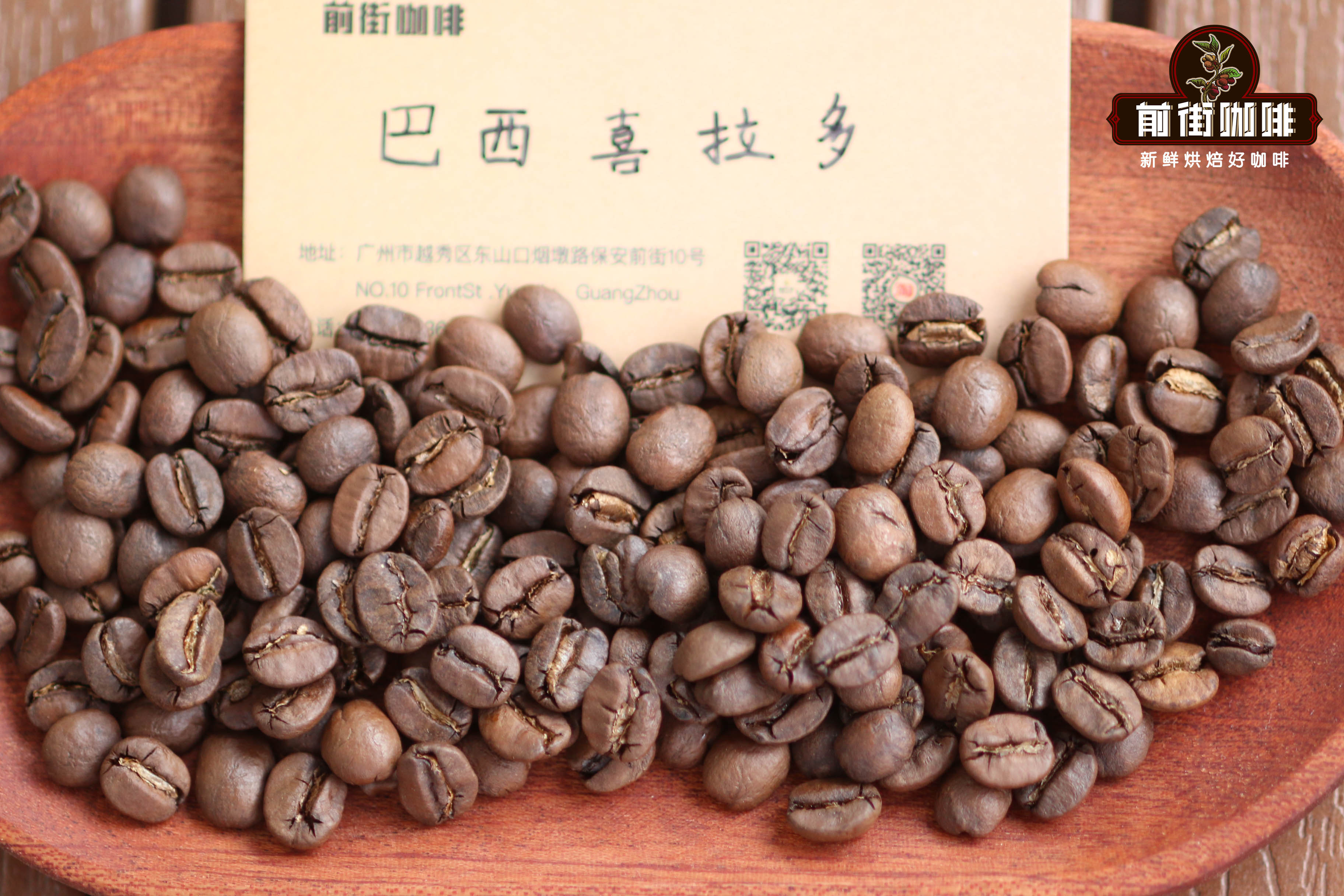
FrontStreet Coffee · Brazil Cerrado Daily Bean
Country: Brazil
Region: South Minas
Altitude: 1000 meters
Variety: Red Bourbon
Processing: Pulped Natural
Flavor: Nuts, chocolate, cream, peanut, caramel
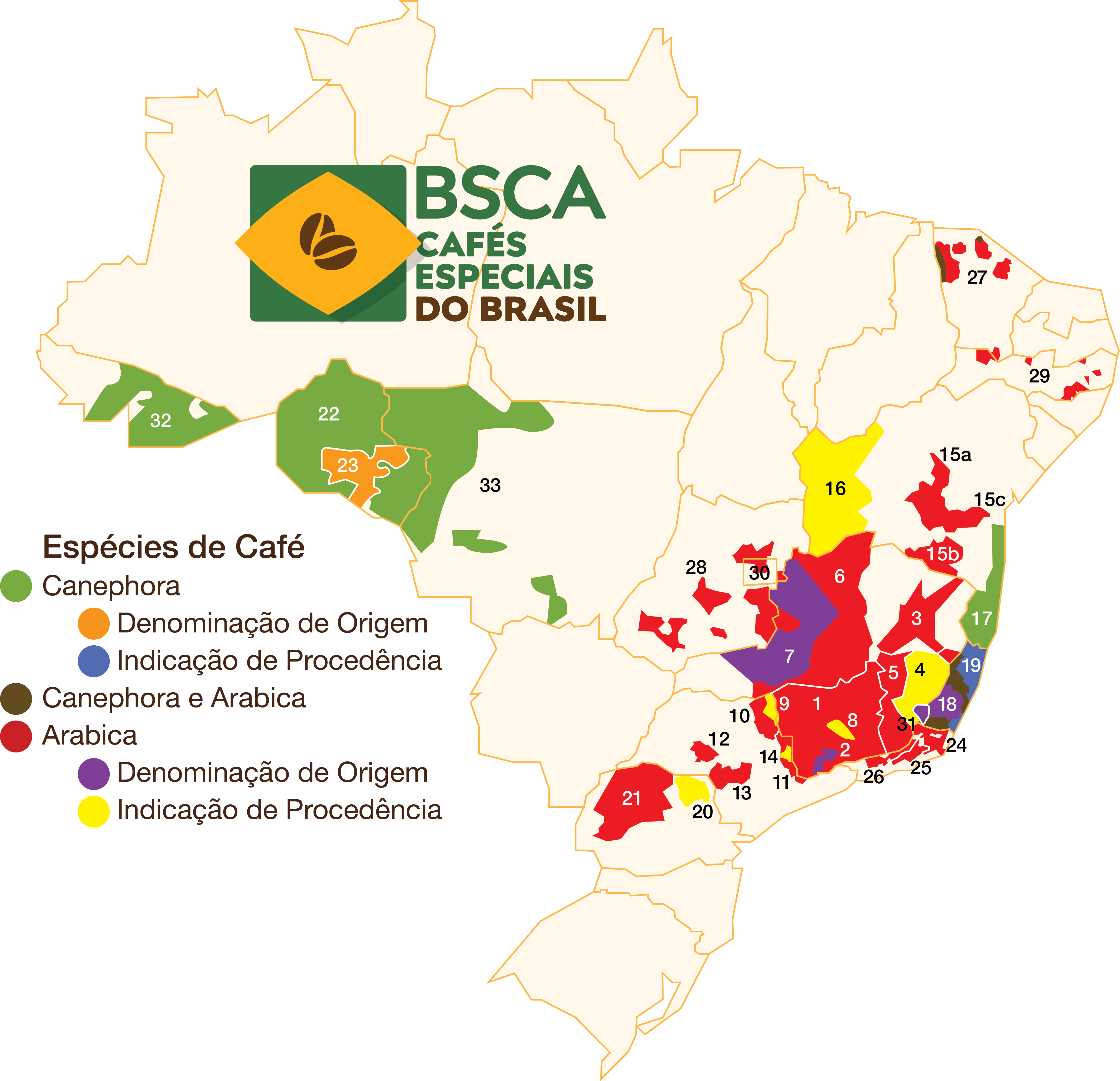
FrontStreet Coffee's Brazil Cerrado coffee comes from Minas Gerais state. The representative coffee regions of Minas Gerais include Cerrado and South Minas, both high-altitude areas. Cerrado lies in the western part of the state, a flat plateau at elevations of 750m-1200m. South Minas consists of hilly terrain at elevations of 700m-1200m. Since 1999, South Minas has produced the largest number of winning farms in Brazil's Cup of Excellence. FrontStreet Coffee was drawn to South Minas for its high-yield, high-quality beans, which is why the daily bean is positioned there.
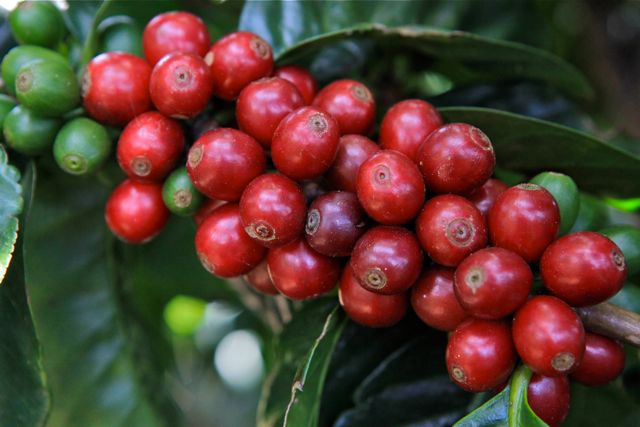
Flavor follows variety. Red Bourbon is what we generally call the Bourbon variety. When the cherries mature they turn a wine-red color, and the beans are relatively round. Bourbon grown at high altitude typically has excellent aroma and bright acidity, with flavors reminiscent of red wine. The fermented note, however, is not only about variety; the distinctive pulped natural process is another source of it.
Before 1990, Brazilian coffee was processed almost entirely by rough dry methods, which left the beans susceptible to woody or earthy flavors, because the cherries had to spend two to three weeks in the sun. When rain made the air humid, moldy flavors developed easily. To escape this dependence on the weather, in 1990 Brazil leveraged its relatively dry climate and developed the pulped natural method to shorten processing time.
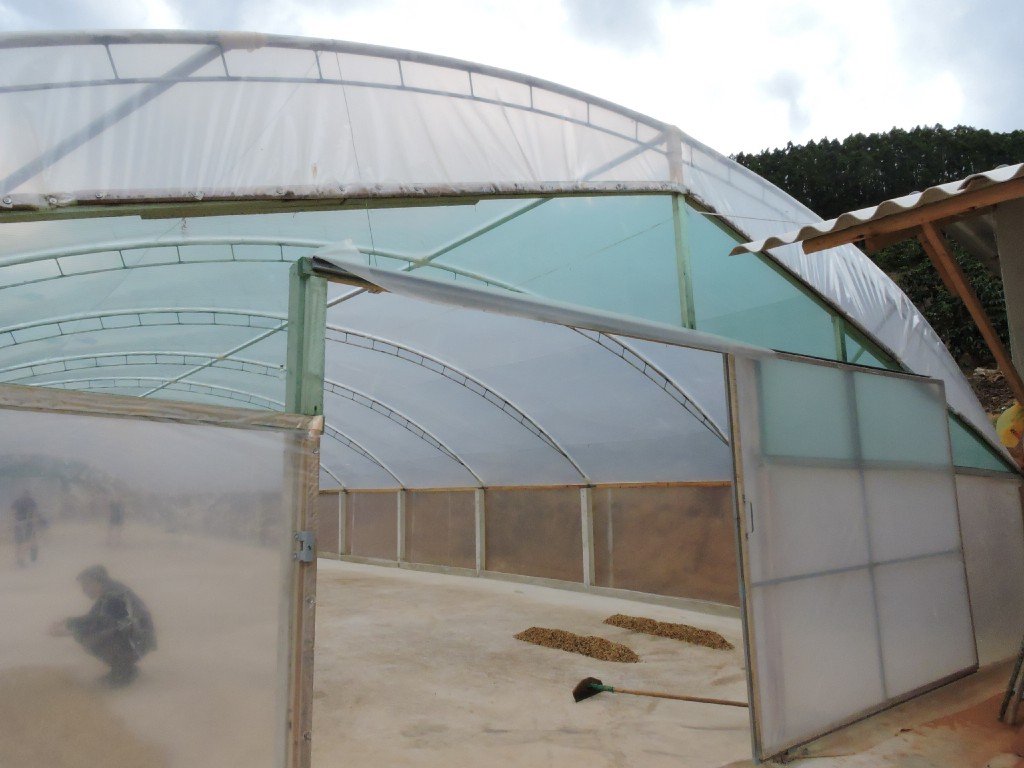
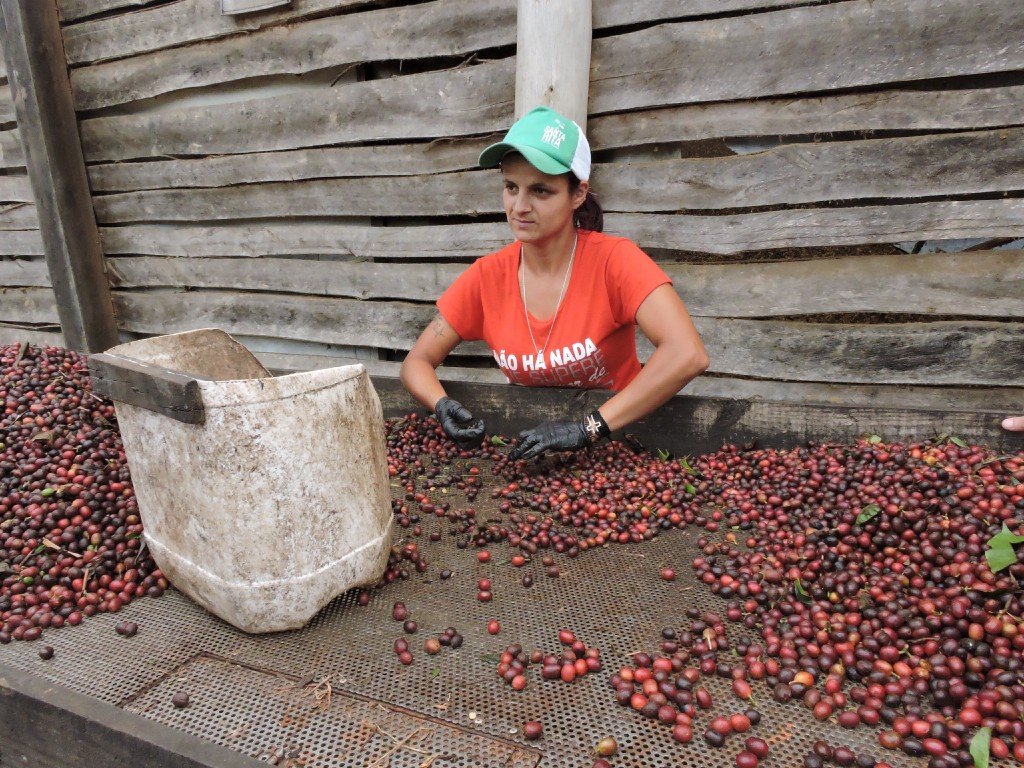
Pulped natural processing removes the skin and pulp of the cherry, which allows control over how far the mucilage-covered beans ferment after pulping. Traditional natural processing dries the cherry with skin and pulp intact, making the mucilage fermentation impossible to monitor. Pulped natural sits between dry and washed processing, but without the fermentation-tank washing and clear-water rinsing of the washed method; the beans go straight to sun drying. Although the methods look similar, the absence of that fermentation step makes the resulting flavors completely different. During pulping, ripe pulp comes off easily while unripe green cherry skins are difficult to process, so a second screening can filter out unripe fruit and standardize maturity. Compared with natural processing, FrontStreet Coffee believes this selection and processing improves cleanliness and maturity, producing a more consistent cup.

The arrival of pulped natural processing does not mean every Brazilian region uses it. The drier Cerrado region still relies mainly on natural processing, with pulped natural secondary there. The Red Bourbon from Brazil Cerrado that FrontStreet Coffee acquired, however, uses pulped natural processing, with the aim of amplifying the fermented flavors.
FrontStreet Coffee has another Brazilian coffee on its menu: FrontStreet Coffee's Brazil Queen Farm. It comes from Brazil's Mogiana region, very close to southern Minas. Coffee is planted among shrubs, grassland, and other vegetation. The area is home to many farming families, some running traditional large farms and others small modern operations. Modern technology combined with mountain coffee culture has produced the highest-quality green beans. Through cupping, FrontStreet Coffee found that beans from this region carry a cane-sugar-like sweetness. Here is this coffee's green bean information:
FrontStreet Coffee · Brazil Queen Farm Natural Yellow Bourbon
Region: Brazil Mogiana Region
Farm: Queen Farm
Altitude: 1400-1950m
Variety: Yellow Bourbon
Processing: Natural Processing
Unlike Brazil's large-scale harvesting and processing, Queen Farm uses refined natural processing, which solves the quality degradation caused by large-scale centralized processing elsewhere in the country.
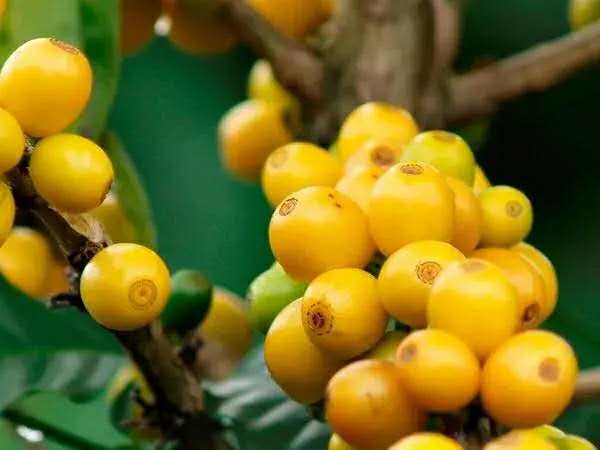
FrontStreet Coffee chose Yellow Bourbon specifically, distinct from the Cerrado Red Bourbon. When this variety matures, the cherries do not turn red like regular coffee cherries but yellow. It was first identified in Brazil in 1930 and grows mainly there today. It is generally believed to be a mutation from a cross between red-fruited Bourbon and a yellow-fruited Typica variant called "Amerelo de Botocatu," discovered in Sao Paulo state in 1871. Because of its lower yield and weaker resistance to wind and rain, it was not widely cultivated, but grown at high altitude it shows excellent flavor and has become more common in recent years.
When FrontStreet Coffee received Brazilian green beans, it noticed an interesting detail: on Brazilian coffee sacks you can see information such as "Brazil NY.2 SC - 17/18 FC." This turns out to be Brazil's unique three-part grading method, not used by other countries. The reason is that the producing area is so large and the volume so great that beans are often blended for export, producing inconsistent quality that requires cupping to grade. Buyers can then judge quality roughly just from the green bean information.
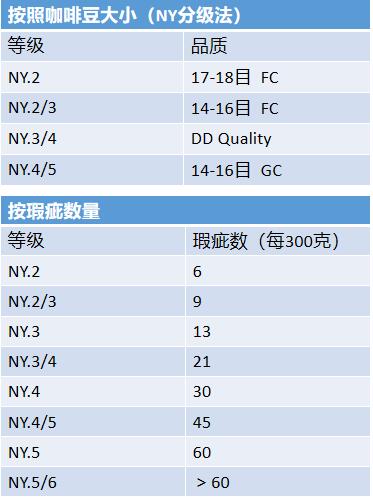
Brazilian coffee grading is complex and generally considers three aspects: defect rate, screen size, and cupping quality.

1. Grading by Defect Rate
Brazilian coffee uses a deduction method, ranking grades by the number of defective beans per 300 grams of main beans. There are seven levels from No.2 to No.8. A deduction below 4 qualifies as No.2. Having no defective beans would certainly qualify as No.1, but that is rare and cannot sustain a reliable supply, so Brazil sets No.2 as the highest grade rather than No.1.
2. Grading by Bean Size
Screen Size: This is screened with a sieve based on 1/64 inch standards, with screen sizes typically ranging from 14-20. Note that the screen size refers to the bean's short side, its width. The largest screen size for Brazilian beans is 19, but production is limited, so 17/18 is considered the highest grade.
3. Cupping Quality
fine cup | fine | good cup | fair cup | poor cup | bad cup | FC (Fine Cup) and GC (Good Cup) are the more common designations. Many companies and platforms also add the processing method (natural, washed, or honey) and farm information.
Brazilian coffee was once synonymous with low-quality coffee. Farmers pursued quantity over quality, even mixing in soybeans, small stones, and other debris. Because Brazilian coffee was named after its export port, the largest port, Rio (Rio de Janeiro), also became associated with notoriously poor beans. The arrival of COE was intended precisely to change the quality of Brazilian coffee, and the NY grading system standardized Brazilian quality standards. As a result, Brazilian coffee was later removed from the low-quality category.
So what flavors do today's Brazilian beans present? Let us follow FrontStreet Coffee into the brewing details.
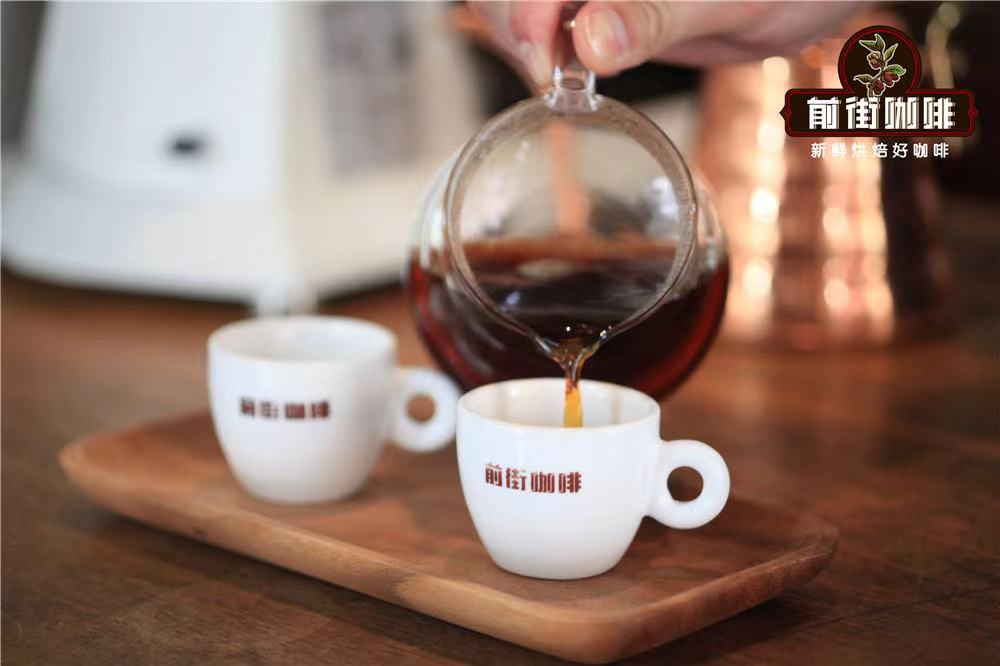
FrontStreet Coffee Brewing Suggestions:
Dripper: V60
Dose: 15g
Water Temperature: 90°C
Grind Size: Medium grind, 70% pass-through rate with #20 standard sieve
Water Ratio: 1:15
FrontStreet Coffee uses staged extraction. The bloom water is twice the coffee dose, meaning 30 grams of water for a 30-second bloom. Using a small stream, pour in circles to 125 grams, then pause. When the water level drops and is about to expose the coffee bed, continue pouring to 225 grams and stop. The total extraction time is 2 minutes.

[FrontStreet Coffee Brazil Cerrado Red Bourbon] Flavor: high sweetness, clean, smooth, low acidity, with peanut, almond, nut, and chocolate flavors.
[FrontStreet Coffee Brazil Queen Farm Natural Yellow Bourbon] Flavor: balanced mouthfeel, with almond and cocoa as the main notes, highlighting cane sugar sweetness, making it a coffee with good body and full sweetness.
FrontStreet Coffee Recommendation
As the largest coffee-producing country, Brazil offers a wide range of coffees. Brazilian beans carry moderate acidity with a well-balanced combination of sweetness, bitterness, and body, which makes them well suited to a medium roast; the resulting cup is full of nut aroma, mellow on the palate, and lightly acidic, and it works either as a single origin or in a blend. If you simply want a first taste of Brazilian regional flavor, FrontStreet Coffee suggests the FrontStreet Brazil Cerrado Red Bourbon, a classic Brazilian single origin. Cerrado is a well-known local region prized for high-quality beans, and this lot is the Red Bourbon variety common to South America. At a medium roast it shows rich aromas of cream peanut, toasted bread, caramel, and hazelnut, with a rounded body, no acidity, and a slight bitterness. It brews by pour-over and also suits the moka pot, espresso SOE, siphon, and French press.
Behind the flavor is the variety. Bourbon varieties grown at high altitude typically have excellent aroma and bright acidity, with a taste reminiscent of red wine, while the pulped natural process adds a fermented note. Before 1990, Brazilian coffee used rough dry processing almost exclusively, which left beans prone to woody or earthy flavors because the cherries spent two to three weeks in the sun and could develop mold when the weather turned humid. To reduce that dependence on the weather, Brazil developed the pulped natural method in 1990, removing skin and pulp so that the mucilage fermentation can be controlled while the beans still dry in the sun. The result is higher cleanliness and more uniform maturity.
FrontStreet Coffee's other Brazilian single origin, the FrontStreet Brazil Queen Farm, comes from Mogiana, close to South Minas, where fertile red volcanic soil lets the fruit absorb abundant nutrients and develop a full aroma. Its variety is the rare Yellow Bourbon, which arose as a mutation of Red Bourbon and gives a cleaner fruit character. Brewed by pour-over, moka pot, or a home espresso machine, it shows the cane-sugar sweetness not found in other regions, along with fruit and chocolate notes. Brazil's low acidity, balanced body, and friendly price also make it a first choice in many espresso recipes; the FrontStreet Classic Blend, the nutty FrontStreet Specialty Blend, the balanced FrontStreet Black Cocoa Blend, and the shop-focused FrontStreet Commercial Blend all contain Brazilian coffee, which supplies not only chocolate and cream aromas but also a soft sweet-sour-bitter balance that helps extraction stay stable.
Important Notice :
FrontStreet Coffee is a long-established specialty coffee roaster in Guangzhou China, selling freshly roasted beans from its own farm in Yunnan as well as dozens of carefully selected single-origin beans from around the world for both pour-over and espresso. The products deliver consistently excellent quality and great value, with shipping within 24 hours. Guangzhou's FrontStreet Coffee shop is recommended by many coffee lovers, and the beans are now available online at the Tmall 。
FrontStreet Coffee has moved to a new address:
FrontStreet Coffee Address: 315,Donghua East Road,GuangZhou
Tel:020 38364473
 Scan and follow the En Gafei WeChat official account. Please indicate that the reprint comes from "En Gafei".