Papua New Guinea Sigri/Bird of Paradise Estate AA Washed Coffee Flavor Characteristics
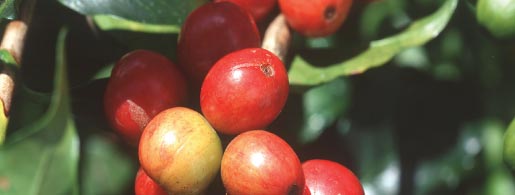
Papua New Guinea Waghi Valley Sigri Estate Washed AA
Flavor Profile: Grapefruit acidity, a bright and juicy pear mouthfeel, and subtle lemon peel notes while sipping; cheese, tea, and dark chocolate emerge in the mid-to-late finish, with high levels of cleanliness and balance.
Origin: Papua New Guinea
Region: Wahgi Valley, near the Mt. Hagen mountains in the Goroka Highlands, Western Province
Estate: Sigri Estate
Varieties: Arusha, Blue Mountain, Catimor, Caturra, Mundo Novo, Typica
Grade: Washed AA
Altitude: 1,600 meters
Processing: Traditional washed processing
Harvest Period: April to September
Introduction
Sigri Estate's parent company, WR CARPENTER COMPANY-PNG, owns approximately 1,000 hectares of Arabica coffee cultivation in Papua New Guinea. Carpenter accounts for 80% of the country's tea and coffee bean exports, making it the largest coffee producer and exporter, shipping about 1.6 million kilograms of high-quality washed Arabica beans each year. Its cultivation areas lie in Goroka, Western Highlands Province, near the Mt. Hagen mountains in the Wahgi Valley at an altitude of roughly 1,600 meters. Since 1957, Typica variety seedlings from Jamaica's Blue Mountain region have been cultivated on this land. Sitting in the optimal coffee growing zone, the location provides excellent climate and soil conditions for these seedlings, creating uniquely favorable circumstances for superior coffee quality.
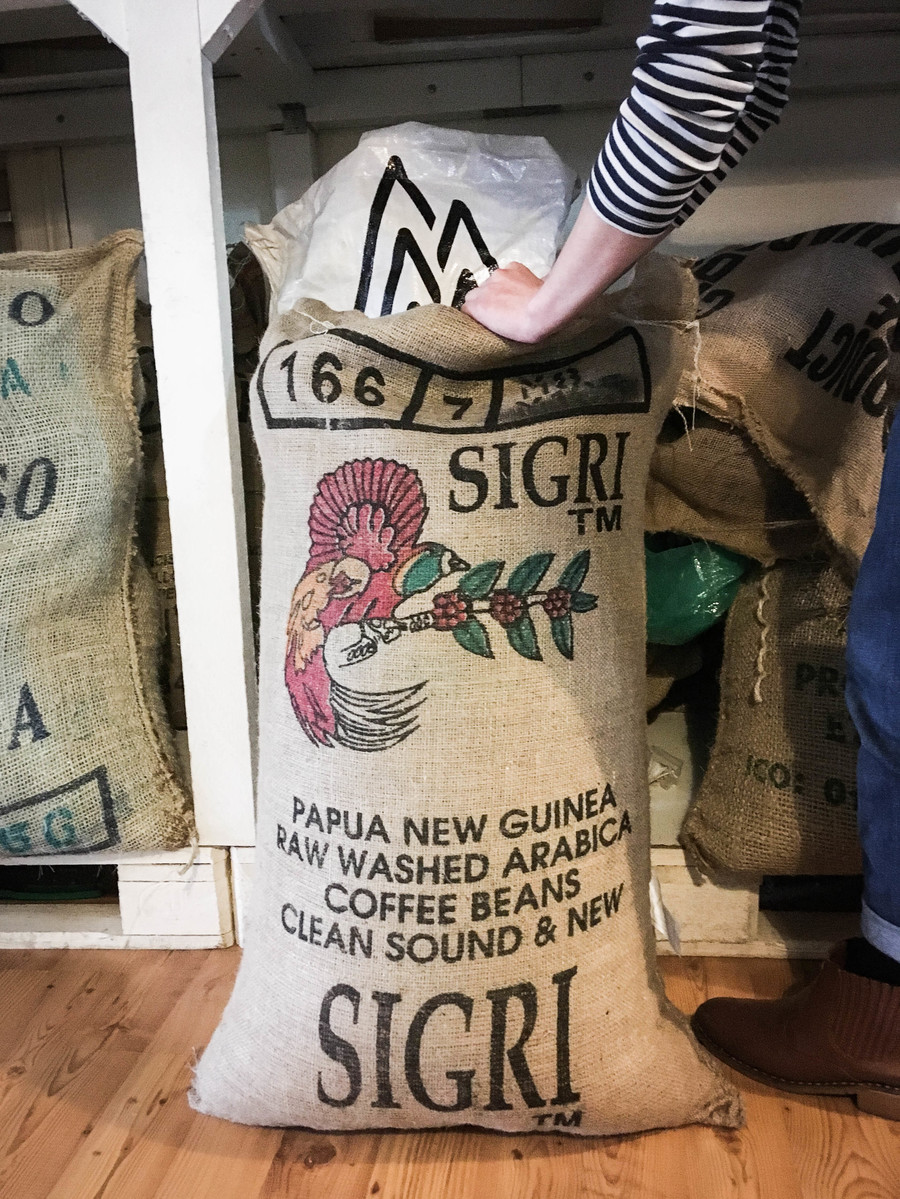
Sigri Estate manages and operates two different estates under its well-known market brands Sigri and Bunume Wo. With six major cultivation areas and two advanced processing facilities, CARPENTER provides excellent working environments and professional consulting. Comprehensive guidance and purchasing programs encourage farmers to commit more to cultivation care. Using natural organic farming methods with no chemical fertilizers, fully ripe fruit is harvested and sorted by hand, processed on the day of harvest, fermented and washed with natural spring water, and dried under the sun to achieve optimal dryness and flavor. After hulling, the beans are carefully graded to ensure the best export quality.
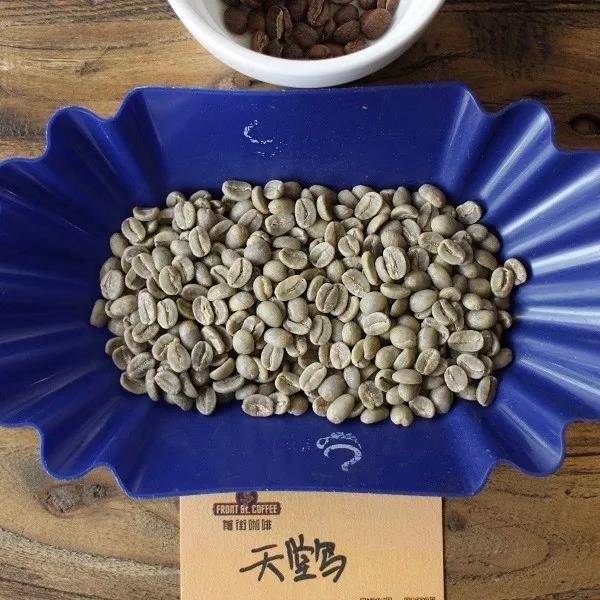
The beans are large, complete, and emerald green. After roasting they show high aroma saturation. The dry aroma presents a unique fruity sweetness, with an immediate sweet aftertaste on entry. The sweetness is particularly excellent, with distinctive bittersweet chocolate flavors. That rich, sweet mouthfeel is one of its major characteristics.
Flavor Profile: Grapefruit acidity, a bright and juicy pear mouthfeel, and subtle lemon peel notes while sipping; cheese, tea, and dark chocolate emerge in the mid-to-late finish, with high levels of cleanliness and balance.
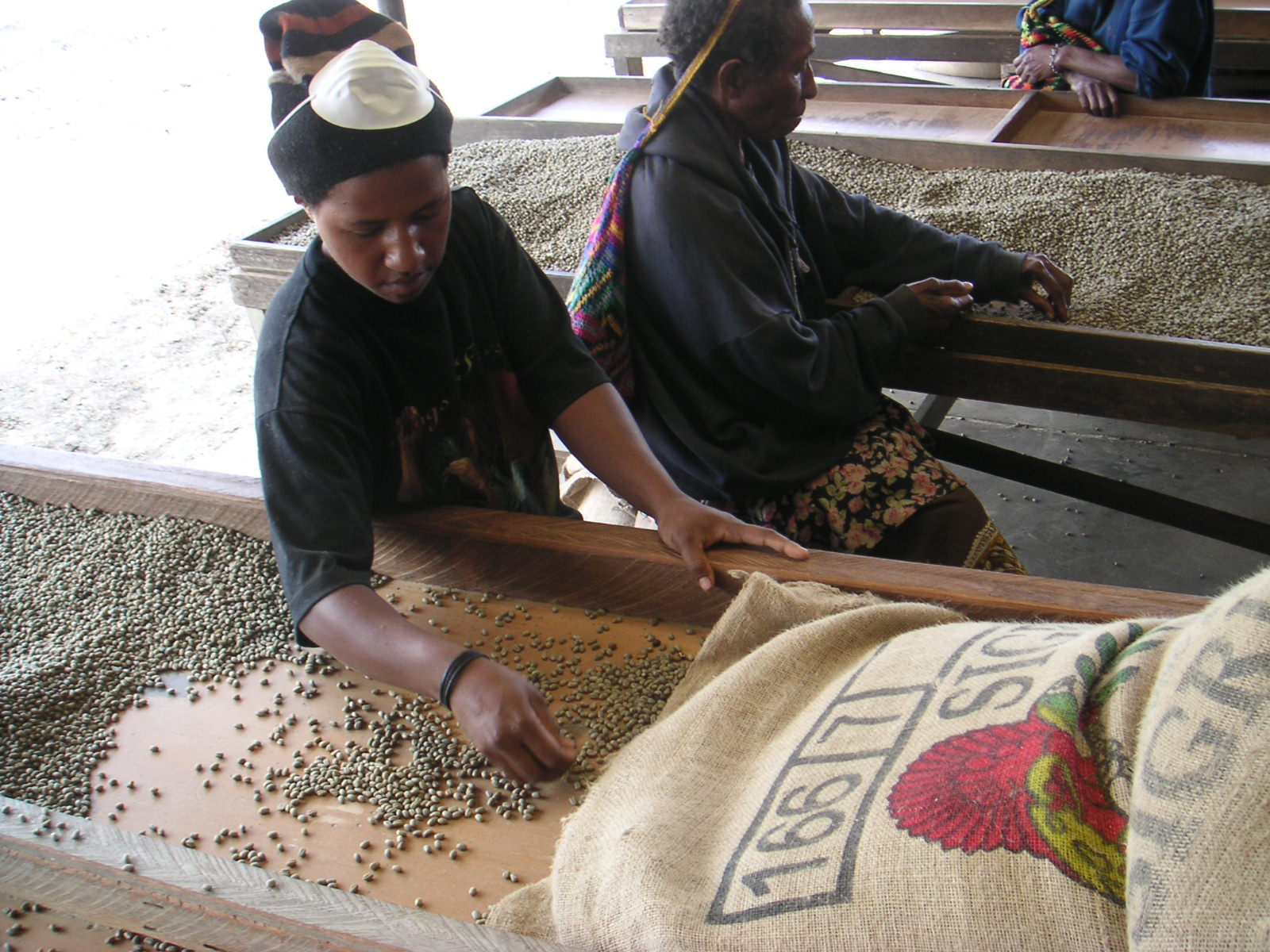
Papua New Guinea coffee was first introduced in the late 18th century by Dutch sailors, with cultivation beginning in 1892 in the Rigo area. By 1908, the country had 180 acres of coffee cultivation. By 1970, it could produce 460,000 bags of coffee. Today, its annual production capacity reaches 900,000 to 1.2 million bags. Papua New Guinea is divided mainly into four provinces: Eastern Highlands, Momase, New Guinea Islands, and Southern. Located east of the Indonesian archipelago, its predominantly highland terrain supports both large estate and smallholder cultivation, growing multiple coffee varieties. Papua New Guinea coffee flavors differ significantly from other Asian regions such as Indonesia, India, or the Pacific islands. Compared with the mostly wet-hulled Indonesian beans of Sumatra and Sulawesi, which show low acidity, rich body, and earthy notes, washed Papua New Guinea coffee always has brighter, more fruit-acid characteristics, similar to Central American coffee.
FrontStreet Coffee Roasting Recommendations
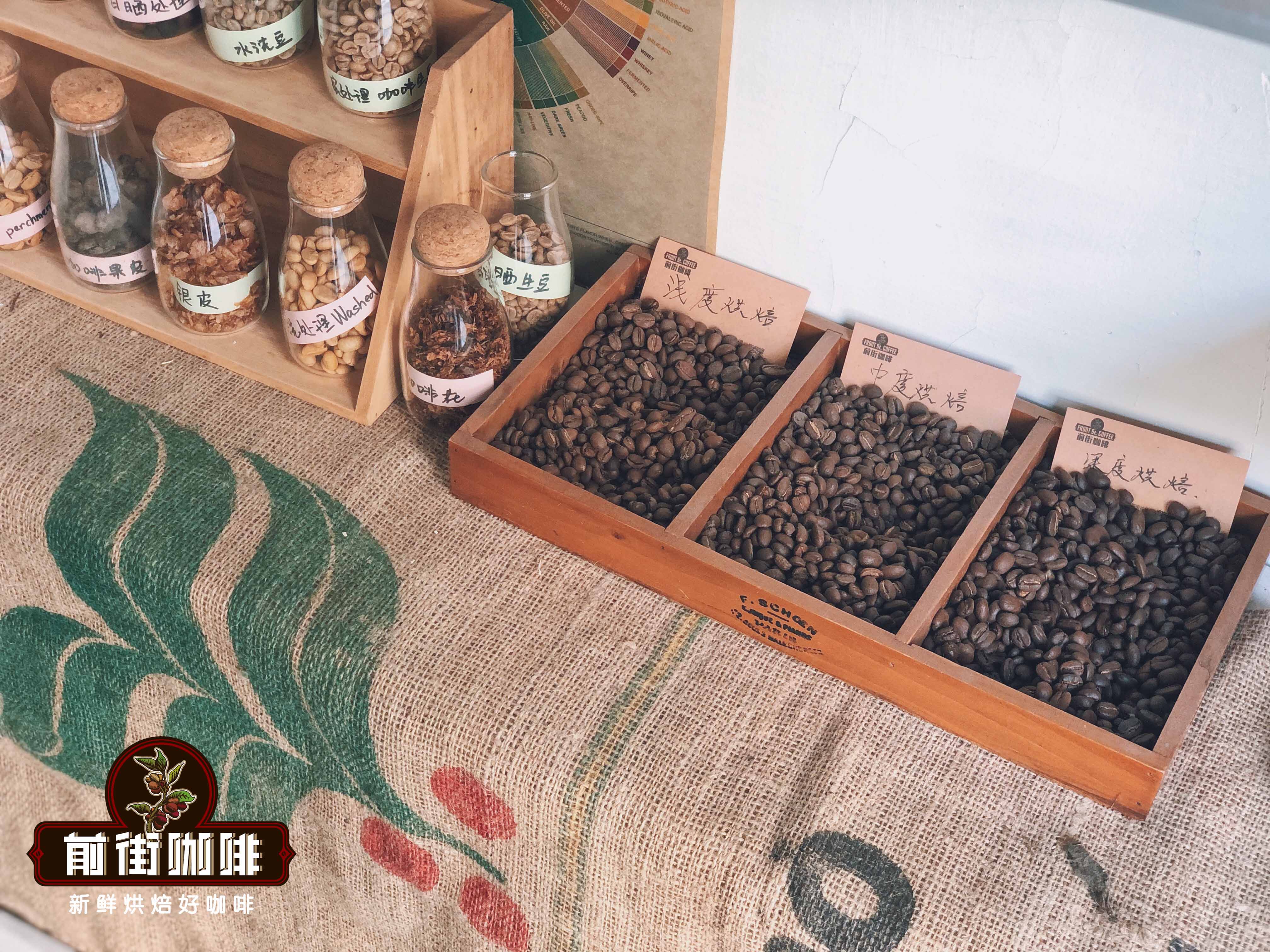
Typica is a low-density green bean, so it is not well suited to dark roasting. It naturally has refreshing acidity and fruity aromas. FrontStreet Coffee chooses a medium roast, focusing on heat adjustment after first crack. First assess the basic condition of the green beans, then determine the roasting approach. This is a washed, low-density bean with 10% moisture content and 17 months of age. The loading temperature is set according to the current green bean condition.
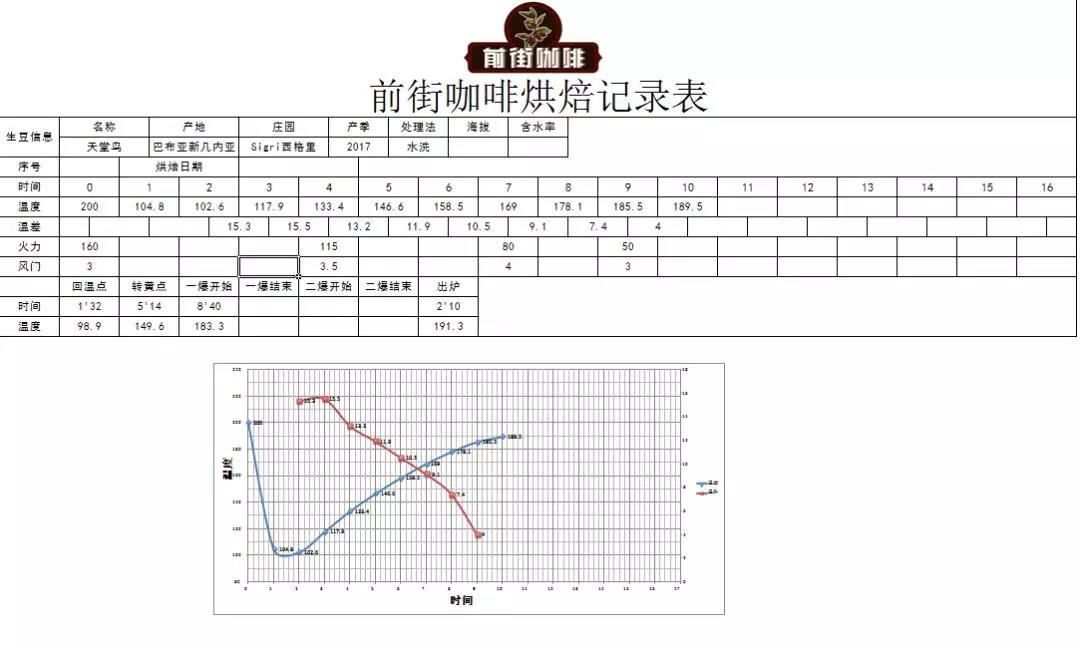
Yangjia 800N, 550g green beans loaded. FrontStreet Coffee's specific method:
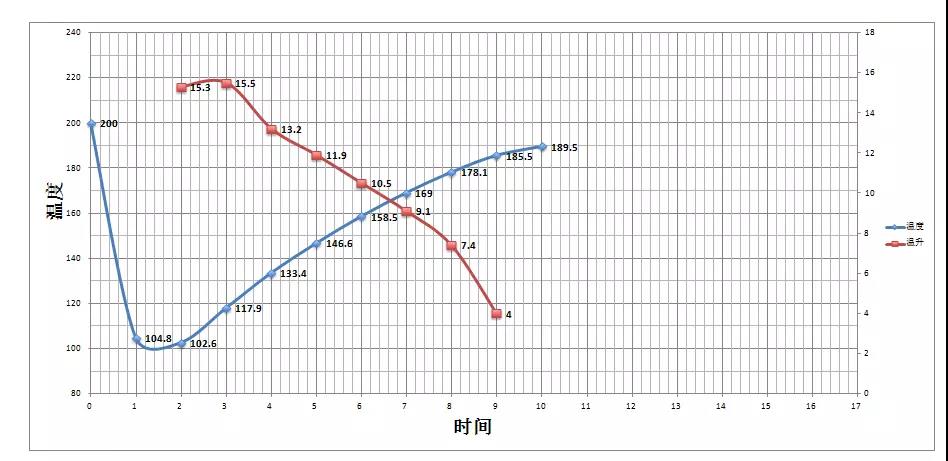
Heat the drum to 200°C, open the damper to 3. After 1 minute of steaming, adjust heat to 160°C, damper unchanged. When the drum temperature reaches 160°C, adjust heat once more, reducing to 115°C. Roast to 5'35" at 152°C, when the bean surface turns yellow and grassy aromas completely disappear, indicating dehydration is complete. Adjust the damper to 4.
At the 9th minute, ugly wrinkles and black spots appear on the bean surface, and toast aromas clearly transform into coffee aromas, which can be defined as the prelude to first crack. At this point, listen carefully for the sound of first crack. First crack begins at 8'40". Keep the heat at low and unchanged, open the damper fully to 5 (adjust heat very carefully, since it cannot be so low that the cracking sounds disappear). Drop at 191.3°C.
FrontStreet Coffee Brewing Recommendations
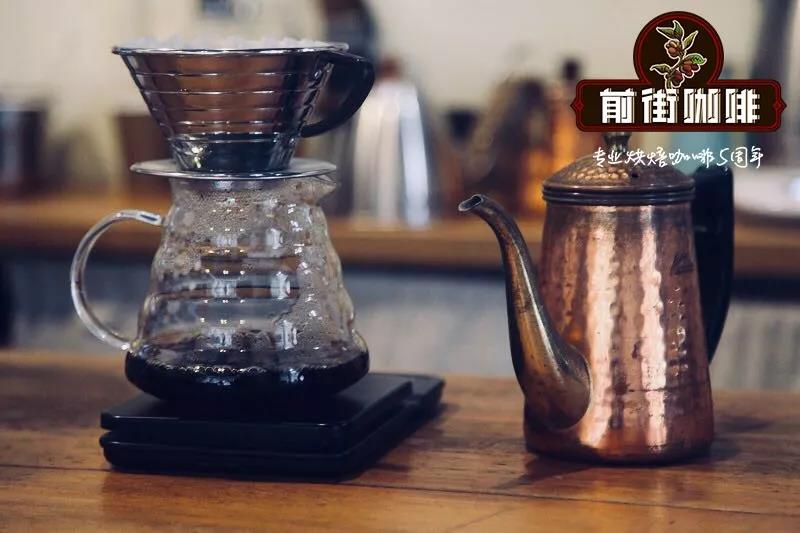
Recommended Brewing Method: Pour-over
Grind Size: 4 (Fuji R440 Japan)
Water Temperature: 88-89°C
Dripper: V60
Time: Around 2 minutes
Other Extraction Recommendations:
French Press: Recommended grind size 3.5-4, water temperature 88°C
AeroPress: Recommended grind size 4, water temperature 88-89°C
Siphon: Grind size 4.5, water temperature 89°C

FrontStreet Coffee Recommendation
Papua New Guinea's Sigri Estate is often called the "little Blue Mountain" because it shares the Typica lineage and a similarly balanced, approachable character. If that comparison sparks your interest, the natural next step is FrontStreet Coffee's Jamaica Blue Mountain No. 1. Authentic Blue Mountain is neither sharply fruity like some African coffees nor heavily bitter like a dark roast, but balanced across acidity, sweetness, bitterness, and aroma, with layers of cream, caramel, chocolate, nuts, honey, and a light fruit tone.
What makes authentic Blue Mountain worth seeking out is its provenance and its standards. Genuine beans come from specific zones of Jamaica's Blue Mountains and carry official Jamaican certification and proof of origin, traditionally shipped in wooden barrels stamped with detailed lot information. FrontStreet Coffee's Blue Mountain No. 1, for instance, comes from the historic Clifton estate, with complete certification materials and original shipping barrels that make the source easy to trace.
On the palate it stays rich and mellow, with a perfect balance of sweet, acidic, and bitter notes, essentially no bitterness, only moderate and well-judged acidity, and a persistent fruity finish. Like the Sigri AA, it is a washed Typica-family coffee grown at high altitude, so it rewards a clean pour-over.
Important Notice :
FrontStreet Coffee is a long-established specialty coffee roaster in Guangzhou China, selling freshly roasted beans from its own farm in Yunnan as well as dozens of carefully selected single-origin beans from around the world for both pour-over and espresso. The products deliver consistently excellent quality and great value, with shipping within 24 hours. Guangzhou's FrontStreet Coffee shop is recommended by many coffee lovers, and the beans are now available online at the Tmall 。
FrontStreet Coffee has moved to a new address:
FrontStreet Coffee Address: 315,Donghua East Road,GuangZhou
Tel:020 38364473
 Scan and follow the En Gafei WeChat official account. Please indicate that the reprint comes from "En Gafei".