Major Asian Coffee Growing Regions: Flavor Characteristics, Differences, and Cultural Stories of Indonesia, India, and Vietnam Coffee Beans
The coffee-growing world is broadly split into three great regions: Africa, Asia, and the Americas. Every region, and often every single production area within it, brings its own varieties, processing methods, and flavor signatures. FrontStreet Coffee's founding mission is to taste coffee beans from all over the world, to understand every variety, every growing region, and every processing style, to compare them side by side, and to build a visual database along the way. Our hope is that every coffee lover comes away with a deeper feel for the coffee world. Today, FrontStreet Coffee turns its attention to Asia, a region whose coffees are prized for their rich, full-bodied character.
Indonesia
The Development History of Indonesian Coffee
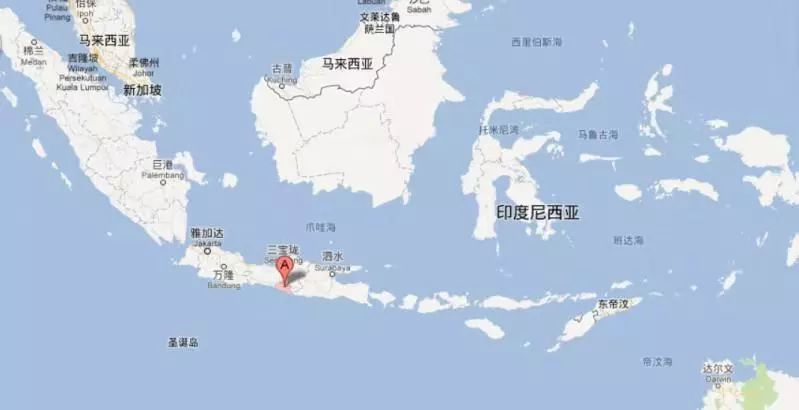
Indonesia sits in Southeast Asia, and its coffee story begins in 1696, when the Dutch brought coffee beans to the archipelago. Trial plantings succeeded, and Java Island was judged ideal for large-scale cultivation. Then, in 1877, leaf rust struck nearly every coffee tree in the country. Arabica could not withstand the disease and was all but wiped out, inflicting devastating losses on growers.
Indonesia was forced to import Robusta from Africa. Robusta's strong disease resistance helped the country's coffee economy recover, and today Indonesia is the world's largest producer of Robusta. Arabica now accounts for only 6%-10% of national output, yet it includes the celebrated Mandheling. Robusta is concentrated in southern Sumatra, while Arabica is grown in the north.
Indonesian Coffee Growing Environment
Indonesia has a classic tropical rainforest climate, with an average annual temperature of 25-27°C, no distinct seasons, and annual rainfall of 1600-2200mm. The country lies within a volcanic belt, and its fertile, mineral-rich soils are well suited to coffee. Elevation ranges from 900-2100 meters, with the main growing areas clustered around 1200 meters.
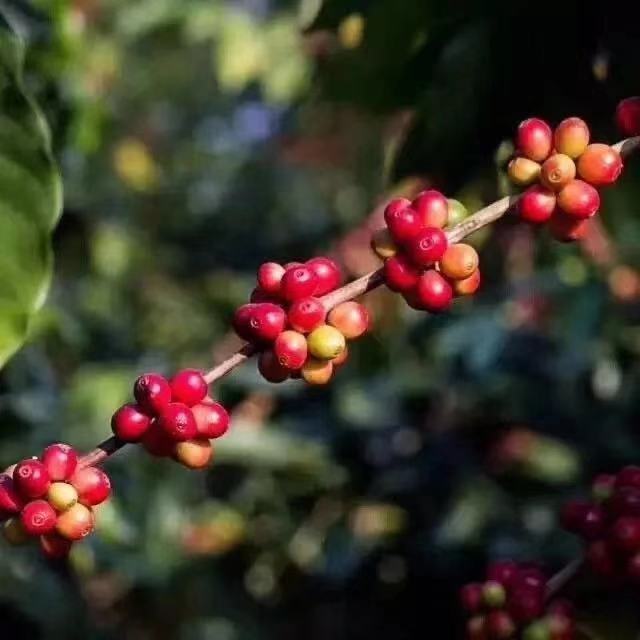
Indonesian coffee has two main harvest windows: the primary season runs roughly from September to October, and the secondary season from May to June.
Java Island
Java occupies an outsized place in coffee history. Unlike most Indonesian coffee, which comes from smallholdings and receives only basic initial processing, Java coffee is grown on large estates and plantations, most of them state-run, using modern wet processing. The dominant variety is S795, known locally as Jember and established through deliberate cultivation.
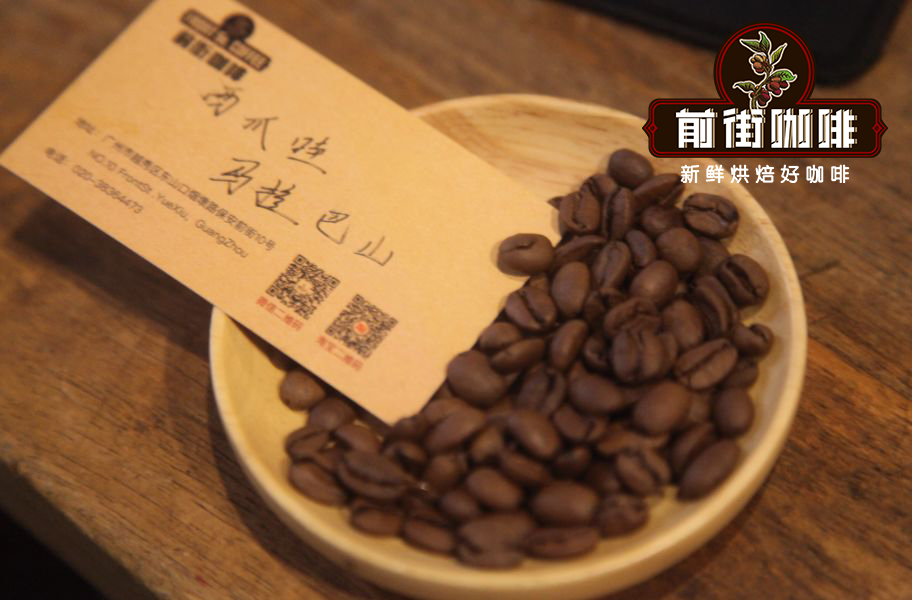
Java produces a refined, aromatic cup with relatively low acidity, a delicate mouthfeel, and good balance. Its aroma and acidity outshine those of Sumatra and Sulawesi. The finest Java plantations include Blawan, Jambit, Kayumas, and Pankur. Java Mocha is a blend of Java coffee and Yemen Mocha.
The island's best coffee comes mostly from West Java Province in the west, a first-level administrative region. It is typically supplied by state-owned and private plantations. State plantations, backed by government support, find it easier to reach European and American buyers and enjoy greater renown. Their farms sit mostly above 1400 meters, and the local volcanic soil lends the cup a distinctive character.
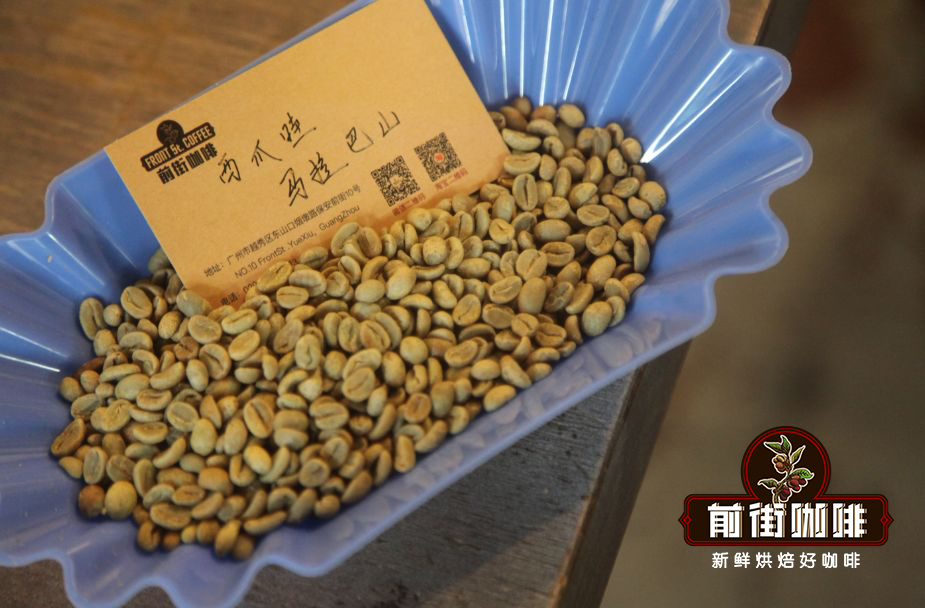
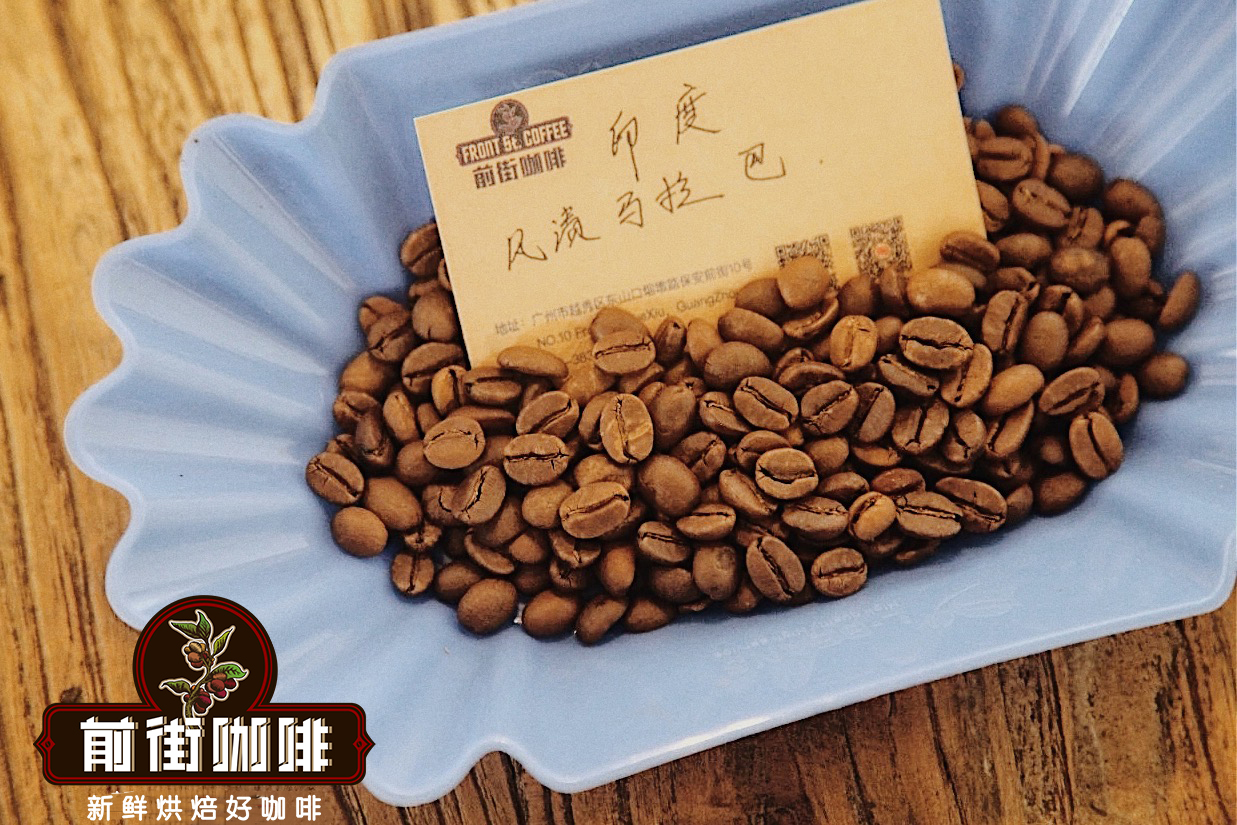
FrontStreet Coffee · West Java Mount Malabar
Region: West Java, Indonesia
Elevation: 1400-1800 meters
Processing Method: Natural
Grade: G1
Variety: TIM TIM, Bourbon
Flavor: Berries, plum, citrus, cream, hazelnut, cane sugar, chocolate, oolong tea
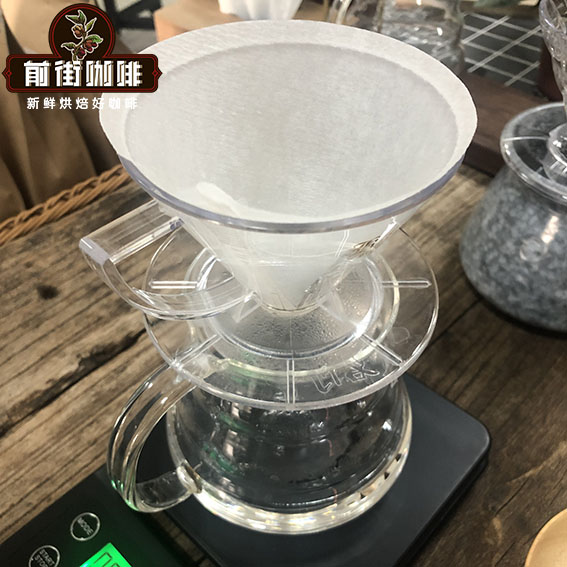
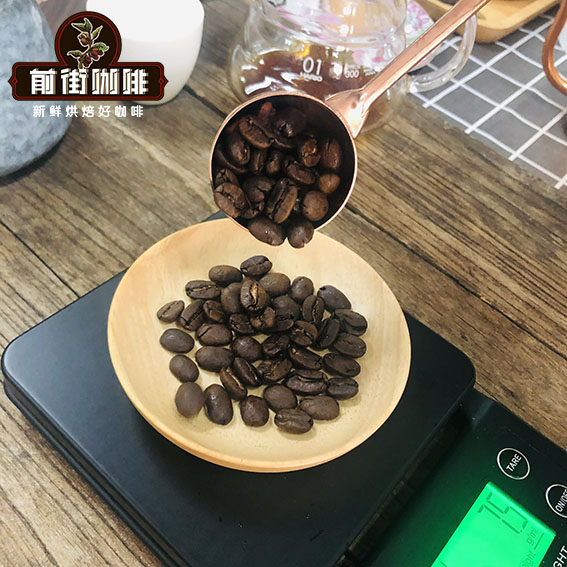
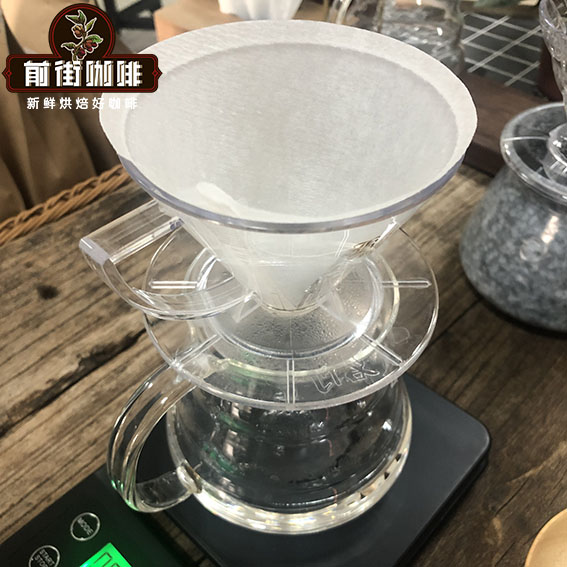
Brewing Parameters: V60 dripper, water temperature 90°C, 15g coffee grounds, 1:15 coffee-to-water ratio, grind size (BG#6S, 70-75% pass-through rate on #20 standard sieve)
Sharp-eyed readers may notice that FrontStreet Coffee's grind setting for this coffee differs from the previous bean. Variety, elevation, processing method, and roast profile all shape a bean's ideal grind size. That is why, whenever FrontStreet Coffee receives a freshly roasted bean, the team first screens it to determine the right hand-drip grind.
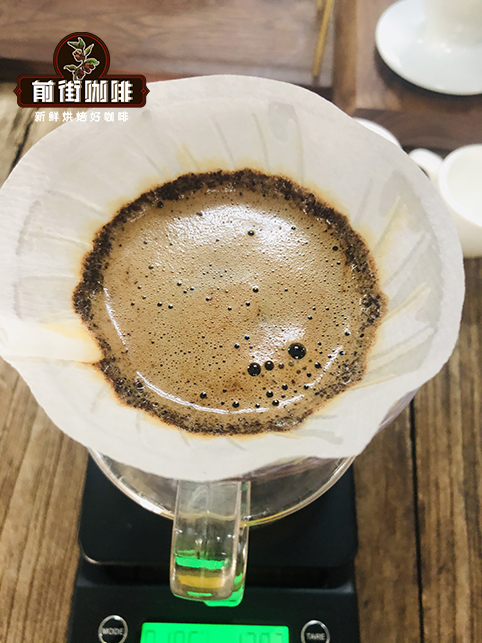
FrontStreet Coffee brews in stages: 30g of water for a 30-second bloom, then a small, steady stream to 125g followed by a pause, then continued pouring to 225g once the water level drops to just expose the coffee bed. Total extraction time is 2'00", timed from the start of the bloom.
Sulawesi Island
Sulawesi was formerly known as Celebes. It is one of the oldest islands in the archipelago, with exposed rock dating back millions of years. Yellowish-red podzolic soils appear in the coffee areas; these soils often conceal several layers of clay beneath the surface and are rich in iron. The most famous district is Toraja, in the highlands of South Sulawesi.
Kalosi, south of Toraja, is the region's main urban center, with two lesser-known areas nearby: Mamasa to the west and Gowa south of Kalosi. A handful of especially interesting wet-processed beans are worth seeking out whenever they appear. Semi-washed processing is common throughout Sulawesi, and the island also yields a great deal of Robusta. The regional name most often stands in for Sulawesi coffee as a whole, known for its full viscosity, rich flavors, and deep yet lively acidity.
Most Arabica is grown at high elevation around Tana Toraja, while Kalosi in the south has become a brand name in its own right.
Kalosi: A market name for coffee from southwestern Sulawesi, taken from the central town of Kalosi, the main trading hub for Toraja coffee beans.
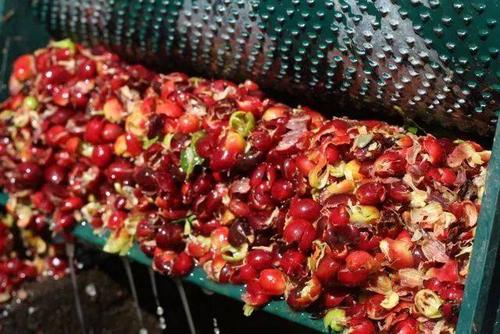
Toraja: A growing area in the southeastern highlands of Sulawesi and the name given to the island's premium beans. Toraja is not a place name, a city, or a variety; it refers to the Toraja people, skilled coffee growers who live in the central mountains of Sulawesi. Toraja is also among the world's rarest premium coffees, with annual production of around 1,000 metric tons, spread across rugged slopes at roughly 1200 meters in central and southwestern Sulawesi. Cultivation and harvesting are difficult, and the average yield is only about 300kg per hectare, far below the 1000kg-plus typical of Central and South America.
Toraja's three largest plantations are "PT Kapal Api," with 2000 hectares of coffee gardens; "CSR," second with 1100 hectares; and Japan's "Key Coffee" venture "Toarco Jaya," third with 700 hectares. In other words, Toraja is rarer and more precious than Mandheling or Golden Mandheling.
Toraja is wet-processed or semi-washed, with a brighter aromatic acidity than Sumatra's Mandheling or Golden Mandheling and more distinct layers. It carries rich caramel sweetness, yet its earthy, woody notes and body are far more restrained than Mandheling, with a faint floral lift.
Indonesian Sumatra Province
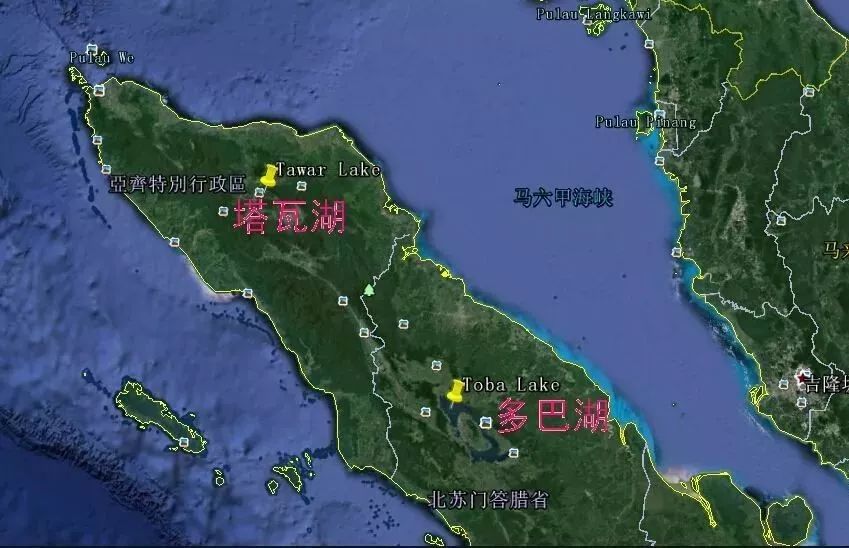
In Sumatra, the best coffee comes from two places: Central Aceh near Lake Tawar in the north, and the area around Lake Toba in the south. Because of the many small tenant farmers, their distinctive semi-washed methods, and iron-poor soils, beans from this region show a characteristic bluish tint at the raw green stage.
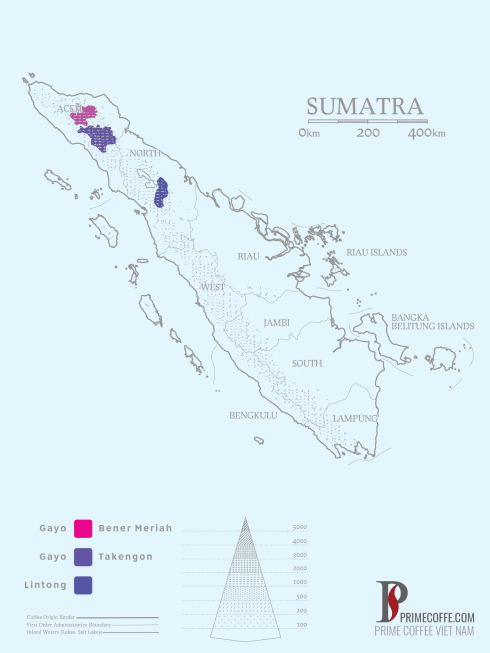
Mandheling
The name refers to semi-dry or natural processed beans from the Lintong highlands at 900-1200 meters on the southwest shore of Lake Toba in north-central Sumatra. The Batak people are the area's principal coffee farmers. Mandheling was once acclaimed as the world's fullest-bodied coffee. It is a trademark applied to Arabica from North Sumatra, produced in the Tapanuli region of the northwest and named after the Mandailing people. It carries a distinctive herbal, woody aroma.
Lintong Region
Lintong Mandheling, at 1200 to 1500 meters, is the most famous coffee of the Lake Toba area in North Sumatra. To understand Golden Mandheling correctly: not every golden-colored Mandheling is Golden Mandheling.
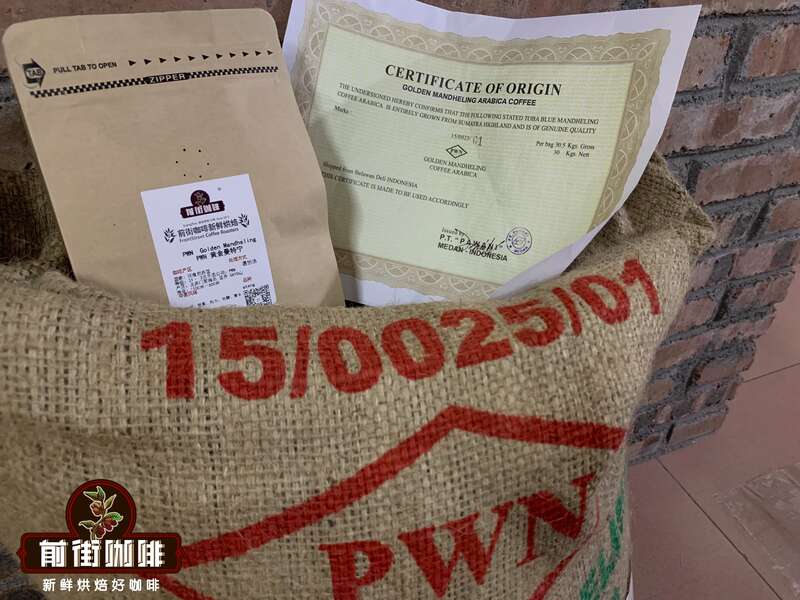
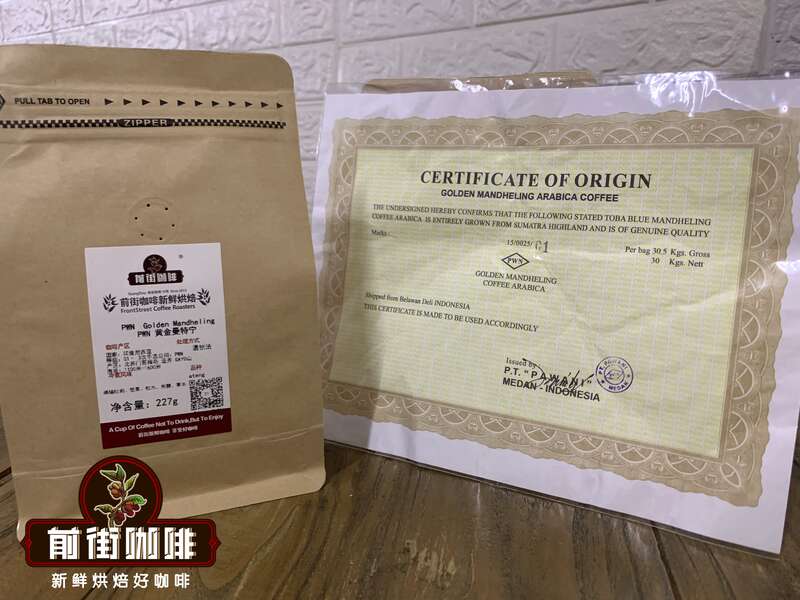
Golden Mandheling is produced in the Lintong area of northern Sumatra, Indonesia. Harvesting is limited to fully manual, single-cherry picking of fully ripe fruit to secure initial quality. The cherries undergo wet-hulled (semi-washed) processing, natural sun drying, and, after hulling, a further drying refinement, two green-bean cleaning operations, and four rounds of hand-picking. The result is a strictly selected premium Mandheling. The "PWN" mark on Golden Mandheling stands for Indonesia's Pawani company, whose Golden Mandheling is registered in Indonesia.
Lake Toba lies in central North Sumatra province. In 1888, Dutch colonists moved "Java Mandheling" north to the Lake Toba region. Both Lintong in South Sumatra and the Lake Toba area may be called Mandheling, with Lintong being the true production area. Mandheling comes from the mountains around Lake Toba. The lake sits north of Medan, the capital of Sumatra, and is a high-altitude freshwater lake with an average elevation of about 900 meters. The Mandheling most people mean is Typica or its variants grown in the mountains around the lake. The lake is diamond-shaped, 100 kilometers long, 30 kilometers wide, covering 1,130 square kilometers at an average elevation of about 900 meters, making it the world's largest volcanic lake.
Lake Tawar lies in the Central Aceh Special Administrative Region, at the northern tip of Sumatra. Most coffee from North Sumatra is Gayo, mainly of the Ateng variety. Coffee from the northern Lake Tawar area may be called Aceh coffee or Lake Tawar coffee. Its area is less than one-tenth that of Lake Toba, yet in recent years its quality and production have surpassed Lake Toba's.
Gayo Mountains, Aceh
Aceh, at 1110 to 1300 meters, occupies the northernmost tip of Sumatra. In Aceh province, Gayo coffee is grown on mountain slopes around the town of Takegon and Lake Tawar. Production areas average between 1110 and 1300 meters. Coffee is grown by small tenant farmers beneath shade trees. Wet-processed coffee is cleaner but usually loses Sumatra's signature character, while traditionally processed coffee resembles that of the Mandheling region, with unique flavors and a deep yet lively viscosity.
Because of long-term political instability, Aceh is not a place most people would visit. The Gayo are a people of firm character and hard work, and nearly 20% of coffee processors there are women.
Because Mandheling grows at lower elevations and its beans are softer, FrontStreet Coffee generally chooses a medium-dark roast to bring out its chocolate and caramel notes and full body. That makes it well suited to both espresso and hand-drip brewing.
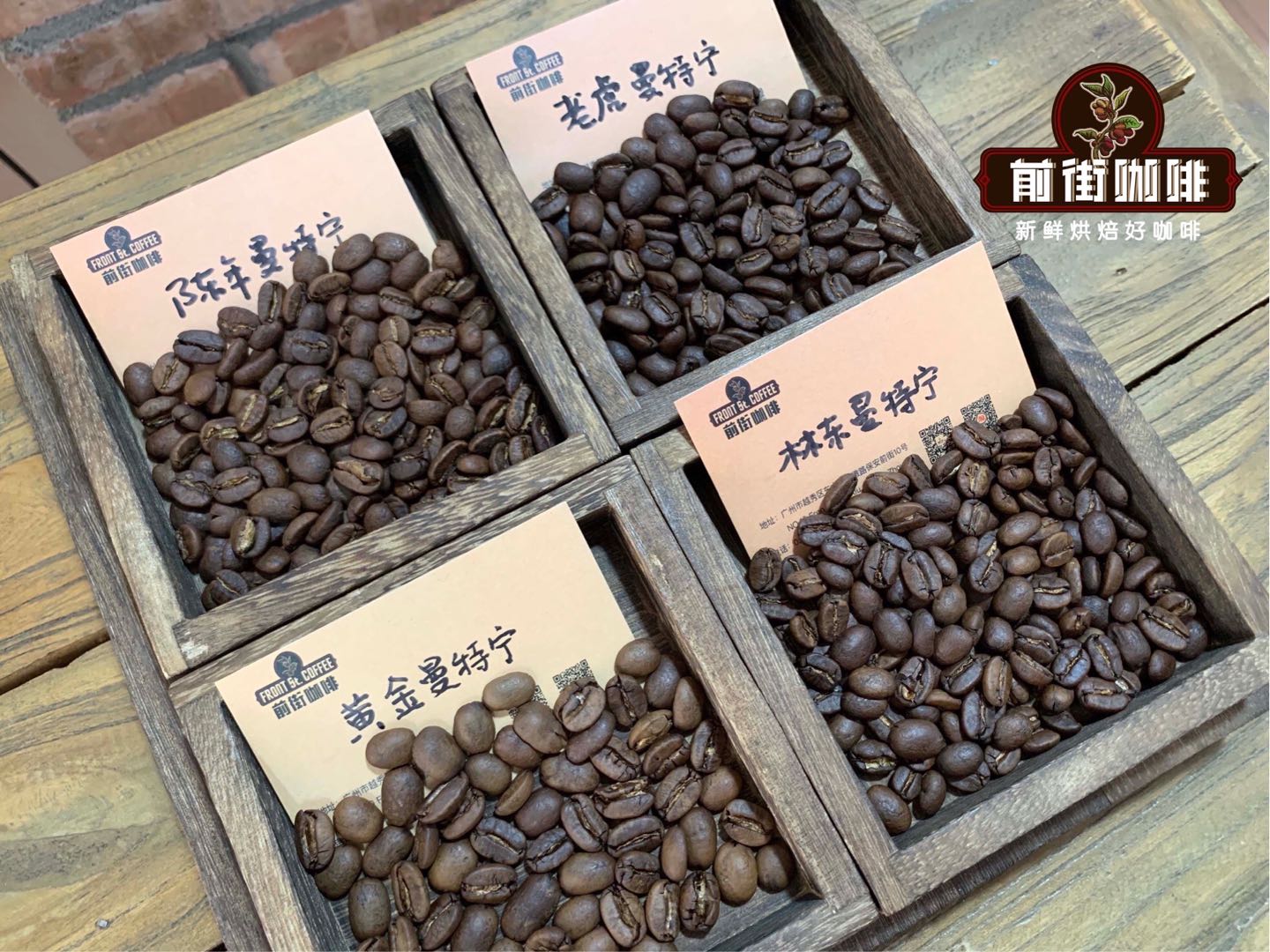
For hand-drip, FrontStreet Coffee recommends a Kalita trapezoidal dripper or a Kono dripper, since their slower flow encourages a soaking-style extraction. Use a large but slow stream to reduce agitation, letting the coffee extract through soaking, which lowers the risk of over-extraction and boosts body and balance. Choose a medium grind, a water temperature of 86-88°C, and a 1:13-1:14 coffee-to-water ratio.
FLORES
Flores is a small island about 320 kilometers (200 miles) east of Bali, at 1200 to 1700 meters. A relatively late entrant to the coffee trade, it has built a strong reputation for coffee cultivation.
In the past, much of Flores' output was consumed domestically or blended into other coffees for export, and it was rarely sold directly as "Flores coffee." The island has both active and dormant volcanoes, and the Bajawa volcano's soils have a marked positive influence in the main growing areas. In processing, semi-washed is the most common method, with some growers still using fully washed. The harvest runs from May to September.
Timur Island
Timur is divided into East Timor and West Timor and dates to the early 20th century. East Timor has used no chemicals or fertilizers for the past 25 years and should be the world's largest producer of organic coffee. Political instability, however, makes exporting difficult, so most beans available today come from West Timor.
Bali
Although Bali is part of Indonesian coffee, its farmers feel that Indonesian coffee quality is inconsistent and does not match Bali's own premium standard, so they branded themselves as "Bali Coffee" to set themselves apart. Bali grows not only Arabica but also abundant Robusta. According to some sources, Bali Golden Coffee is grafted from Arabica roots and Robusta branches and leaves, commonly known as the Catimor variety.
Coffee arrived in Bali relatively late, first in the Kintamani highlands at 1000 to 1500 meters. Production was hit hard when Mount Agung erupted in 1963, killing over 20,000 people and devastating eastern Bali. By the late 1970s and early 1980s, the government distributed Arabica seedlings to boost output, though some believe the effect was limited, since roughly 80% of the island's current production is Robusta. Tourism provides the largest income, but agriculture employs the most people, and Japan was traditionally the biggest buyer. The harvest runs from May to October.
Luwak Coffee
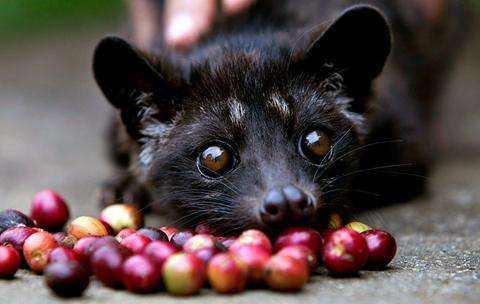
Luwak coffee, from Bali, is famed not for its origin but for its unusual processing. A mammal called the civet eats ripe coffee cherries, digests only the fruit pulp, and excretes the extremely hard beans. After manual selection, cleaning, sun-drying, deodorizing, screening, processing, and roasting, the result is "civet coffee." Its limited production and rare, distinctive taste place it among the world's rarest and most expensive coffees.
Some companies now simply create a product also called "Kopi Luwak" by raising and feeding coffee cherries to captive civets. Wild civets are captured and kept in iron cages for three years, constantly fed and excreting beans; many suffer malnutrition and psychological trauma (zoochosis), are unable to adapt to nature, and die.
FrontStreet Coffee explains how Luwak coffee should be brewed:
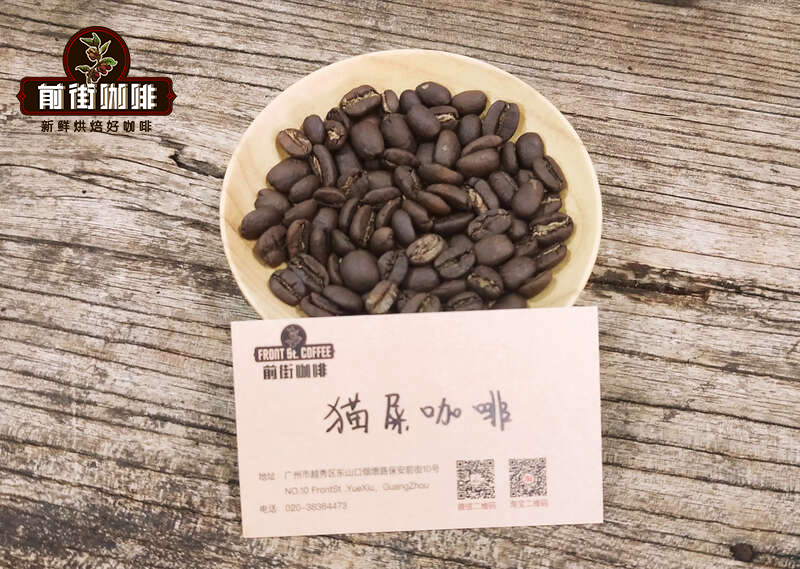
Medium grind, 15g coffee grounds, 1:15 coffee-to-water ratio, water temperature 86-88°C
1. Moisten the filter paper
2. Add coffee grounds, tap gently to level
3. Pour 30g of water for a 30-second bloom
4. Pour in a circular motion to 125g, then pause briefly
5. Slowly pour in a circular motion again to 225g
6. Let the water drain completely, remove the dripper, and enjoy
Soil Types
In the highlands of Aceh, Bali, Papua, and Flores, the soil is mainly Andosols, a name derived from the Japanese words "an" (black) and "do" (soil). These young soils come from volcanic mud and are highly fertile, containing important trace nutrients. For Arabica in Java and Lintong, the soil is a combination of Andosols and Umbrisols. Umbrisols are weathered volcanic soils with brown podzolic characteristics, mixed with considerable organic material.
Varieties
More than 20 Arabica varieties circulate in Indonesia's commercial market. Common ones include Catuai, Catimor, Timor hybrid, Typica, Robusta, Liberica, Excelsa, and Sidikalang. The most famous is Typica, the original cultivated variety introduced by the Dutch. When leaf rust attacked Indonesian coffee, many Typica lines vanished in the late 1880s. In Sumatra, Sulawesi, and Flores, however, especially at high elevation and in remote areas, the Bergandal and Sidikalang local Typica varieties can still be found.
Another variety is Longberry Mandheling, also called TimTim. Because of its elongated shape, many call it "horse face bean" or "long Mandheling." TimTim is not a pure variety but a natural hybrid of Arabica and Robusta, discovered on Timor island in the 1940s and cultivated for its natural disease resistance. In the Americas it is called Hybrido de Timor, abbreviated TimTim; in Indonesia it is also known as Bor Bor.
After beans are sorted by size, some producers store the coffee for one to three years before sale. This gives the coffee a very mild, warm character with woody and cinnamon notes, and the raw beans gradually shift from dark yellow to brown.
Processing Methods
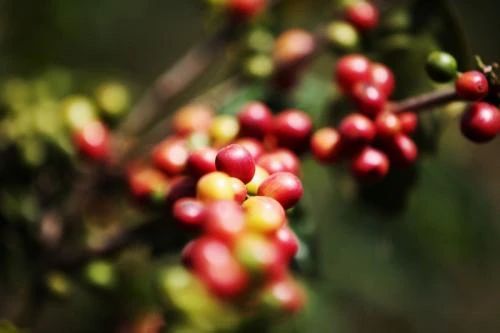
The three main methods are natural drying, semi-washed (wet-hulled), and fully washed. Because of the humid climate and frequent rain, wet-hulling is widely used for more efficient drying. Most farmers harvest only fully red cherries. After collecting cherries in the morning, they remove the pulp and fruit flesh in the afternoon. Sumatra's natural environment is excellent, and most of the water used is mountain spring water.
1. Remove the fruit skin and place the parchment beans in water-filled barrels or tanks, skimming off floating defective parchment.
2. Clean the dense parchment that sinks to the bottom, then place it in barrels or plastic bags for a brief dry fermentation, letting the mucilage sugars on the seed coat ferment and develop flavor. Generally, the longer the fermentation, the stronger the acidity. Fermentation time varies by producer, often only a few hours, but some estates skip the dry fermentation and sun-dry the parchment directly to reduce acidity and increase viscosity, letting the mucilage sugars ferment fully to enhance flavor. Fermentation usually lasts 12-36 hours, depending on conditions.
3. Sun-dry the parchment for one to two days until moisture content reaches 30%-50%, when the beans are still semi-hard and semi-soft, then use a hulling machine to remove the parchment and continue drying. After about two more days, moisture content reaches 12%-13%, at which point the beans are collected into woven bags, usually 40kg and 80kg per bag, and sent to processing plants for hulling. The whole process takes about four days.
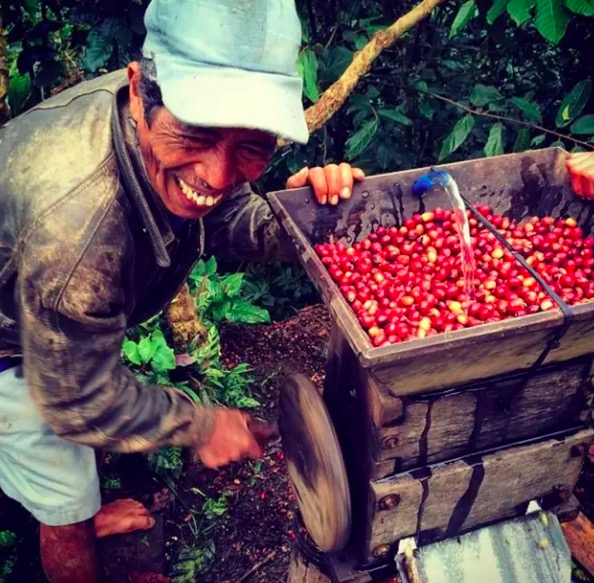
The risk of wet-hulling: beans are easily damaged and split like goat hooves, and there is a greater chance of mold, fungi, and yeast contamination.
Green Bean Grading
Defective beans are a major factor that undermines final coffee flavor, so the last step in green bean processing is removing them. Grading is therefore based on defect percentage, with sieve size as a supplement. As the specialty coffee trend has grown, producing countries focus more and more on quality, and controlling defects is the most important lever. Using defect percentage as a grading method or supplementary basis is thus increasingly common. Indonesian beans use this defect-percentage system, divided mainly into six levels, G1-G6.
Grading by defect rate (based on 300g), grade standards:
G1 Grade1 Total defects less than 11
G2 Grade2 Total defects greater than 12, less than 25
G3 Grade3 Total defects greater than 26, less than 44
G4a Grade4a Total defects greater than 45, less than 60
G4b Grade4b Total defects greater than 61, less than 80
G5 Grade5 Total defects greater than 81, less than 150
G6 Grade6 Total defects greater than 151, less than 225
India
Indian coffee is grown mainly in the mountainous, moisture-rich southern regions, at elevations of 800-1600 meters. Few coffee-producing areas in the world hold such biodiversity: forests, herbaceous plants, shrubs, flowers, and animal life form a spectacular paradise. Summers are tropical, winters are quite cool, and the environment favors every coffee farmer. Coffee flowering is a magnificent sight worth witnessing in person, with white blossoms dotting the landscape throughout the season, releasing an enticing aroma while bees and butterflies dance among them. The region's coffee flowers spread out like a white sea, like jewels on a farmer's crown.
Production Status
You might not imagine that India produces far more coffee than Ethiopia or any Central American country: 900,000 hectares are planted with coffee. India has about 140,000 coffee farms, over 90% of them smaller than 10 acres, making it a smallholder industry. These farms run along the southern and eastern coastal mountain ranges, with annual production of 440,000-450,000 bags, making India the world's fifth-largest producer. Nearly 80% of India's coffee is exported to Germany, Russia, Spain, Belgium, Slovenia, the United States, Japan, Greece, the Netherlands, France, and Italy, among others. Most exported beans move through the Suez Canal.
Production Regions
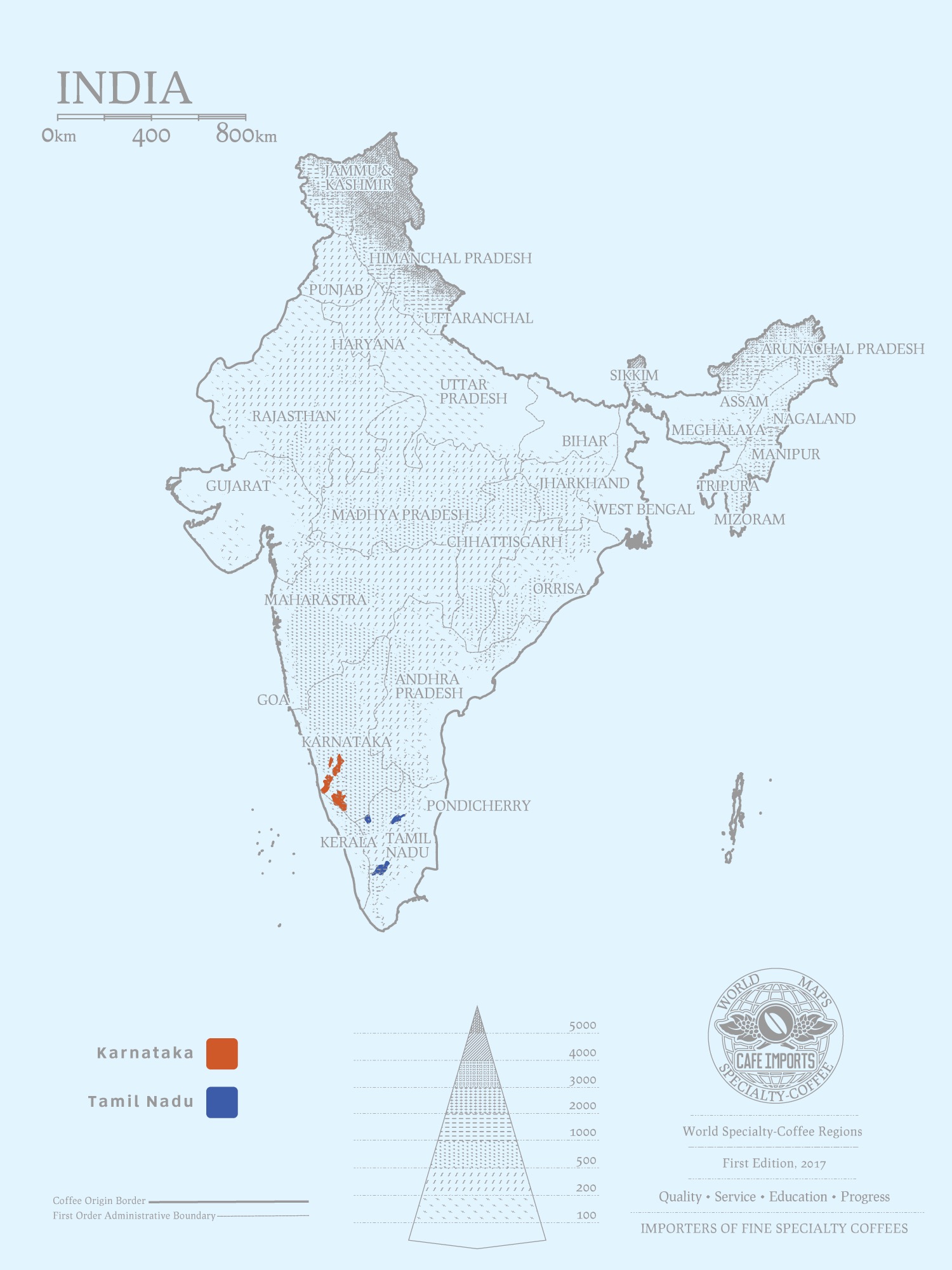
Karnataka, Kerala, and Tamil Nadu are India's main coffee regions, together accounting for over 90% of national output. Today, Indian coffee is two-thirds Robusta and one-third Arabica. Coffee is concentrated in southwestern Karnataka, where both varieties grow, accounting for 50% of national output. Southern Kerala focuses on Robusta, at 30% of output. Southeastern Tamil Nadu grows both, at 10% of output. The remaining 10% is spread across emerging northern regions.
Cultivated Varieties
[Kent]
A Typica hybrid discovered in 1911 at the Kent coffee plantation in India's Mysore region, created by crossing S288 with Typica. It is high-yielding and rust-resistant. Its aroma is fuller than Bourbon and it has been introduced to new-world producing countries such as Kenya and Indonesia, making notable contributions.
[S795]
This variety was hybridized in India in the 1940s from Kent (a Typica selection that is tall, high-yielding, and extremely rust-resistant) and Liberica (Coffea Liberica). In 1955, the Indonesian Coffee and Cocoa Research Institute (ICCRI) named it Jember, and it is now widely planted in India, Indonesia, and Ethiopia. It has some resistance to coffee leaf rust, though that resistance fades over time. It carries maple syrup or brown sugar-like flavors. S795 is currently India's main variety, accounting for 70% of total Arabica production.
[S274]
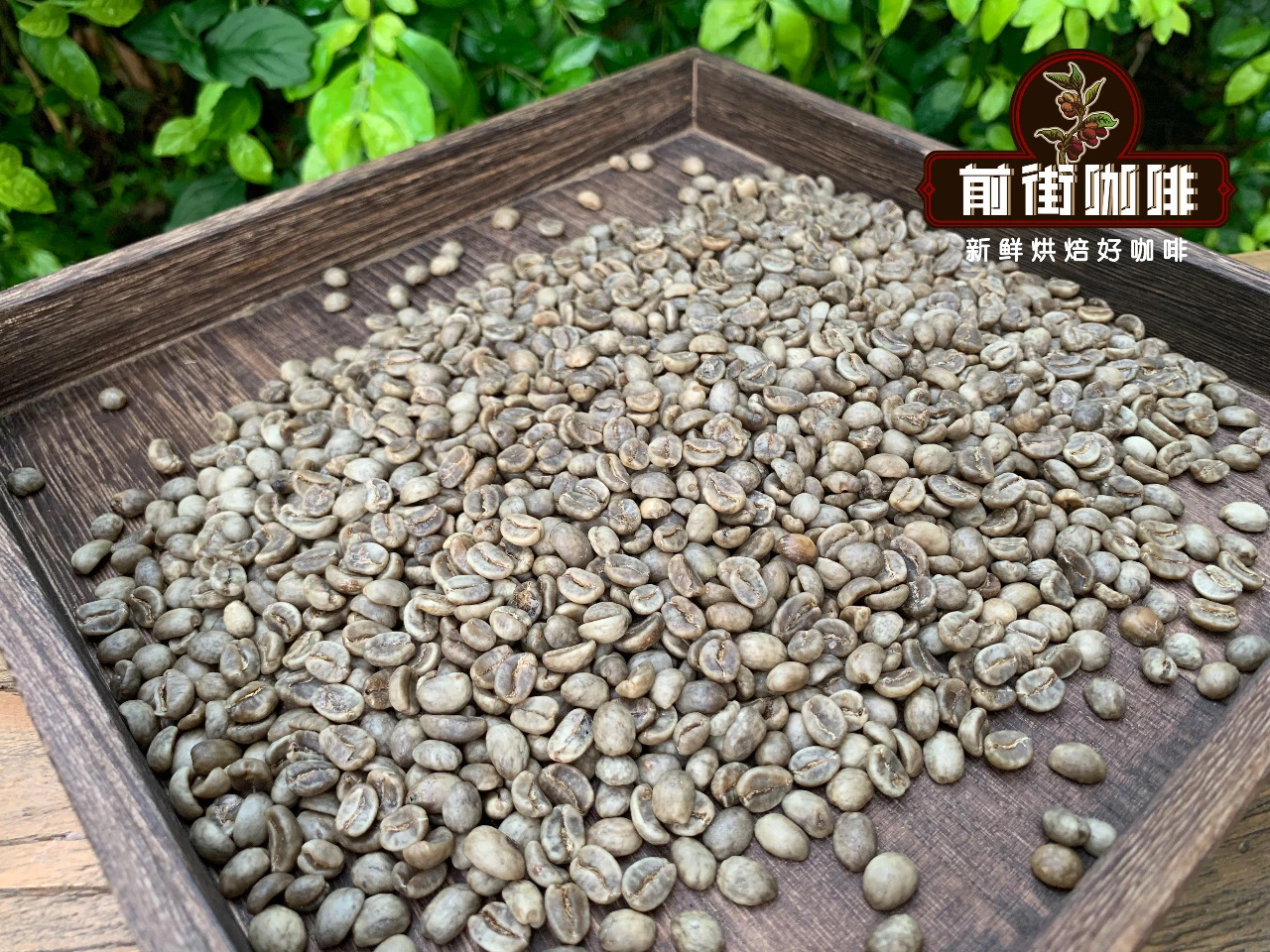
India's most famous small-seed Robusta, marketed as Robusta Kappi Royal, is the world's most noble Robusta. This Kappi Royal, screen size 16/17, has a clean surface, hard bean quality, and a plump, beautiful appearance. Compared with ordinary natural Robusta, Kaapi Royal lacks any stimulating astringency, earthy taste, or rubbery note. Some say it recalls Japanese genmaicha. Drunk on its own, it hardly tastes like coffee at all: very tea-like, with high viscosity.
[Sln C×R]
This is India's newest espresso blend, breaking with the Arabica-Robusta hybrid tradition by crossing Congensis with Robusta, i.e., Congensis×Robusta. It has entered the American specialty scene and is produced with natural processing. It tastes of Indian spice with a light fruity acidity, reportedly a quite unorthodox experience. Sln C×R is expected to become a strong competitor to Monsooned Malabar and Royal Robusta.
Processing Methods
Monsooned Malabar - A Marvelous Creation from the Age of Discovery
As early as the seventeenth century, India was already an important European coffee supply region besides Yemen's Mocha port. At the time, most Indian beans traveled to Europe by sailing ship on voyages lasting about six months.
During that long half-year at sea, sea breezes and the absorption of moisture and salt from the ship's hold changed the beans in both appearance and flavor: the green beans gradually shifted from deep green to a rice-like yellowish-brown, and the beans swelled and grew larger.
The fruit acidity was smoothed away, replaced by developing nut, caramel, and tea aromas (a ripening transformation somewhat similar to Sumatra's aged beans), along with a thick texture. Indian monsoon beans genuinely have a flavor of their own, usually rich in nuts and grain sweetness with almost no acidity, often carrying a genmaicha aroma. Northern Europeans of the era especially favored this distinctive golden coffee.
Shrewd coffee traders naturally sensed the market's demand. Curiously, when the Suez Canal opened in 1869 and steamships arrived, travel time from India to Europe fell sharply, which should have been a great advantage for merchants selling Indian coffee. Instead, European customers complained that the coffee had lost its flavor, and orders plunged.
Investigating why old customers had stopped buying, the traders found the answer: the canal had made the voyage too short. Just two to three months of transport meant the flavor had no time to "mature." Without the sea breeze to enhance it, the gourmets no longer loved it. Only then did merchants realize that this accidental deliciousness was in fact a masterpiece co-created by the ocean and time.
And so this remarkable country invented the world's only shortcut processing method: monsooning.
Monsooned coffee must be made from natural processed beans. Every monsooning facility faces west to catch the humid monsoon winds from the southwest sea. Beans are spread across monsooning floors with all windows open, then bagged after reaching a certain degree of monsooning. Because the beans expand considerably during the process, the bags cannot be filled too full or stacked too densely, or poor ventilation invites mold. The beans must also be periodically poured out and moved to fresh burlap to prevent mold, a genuinely time-consuming and labor-intensive undertaking.
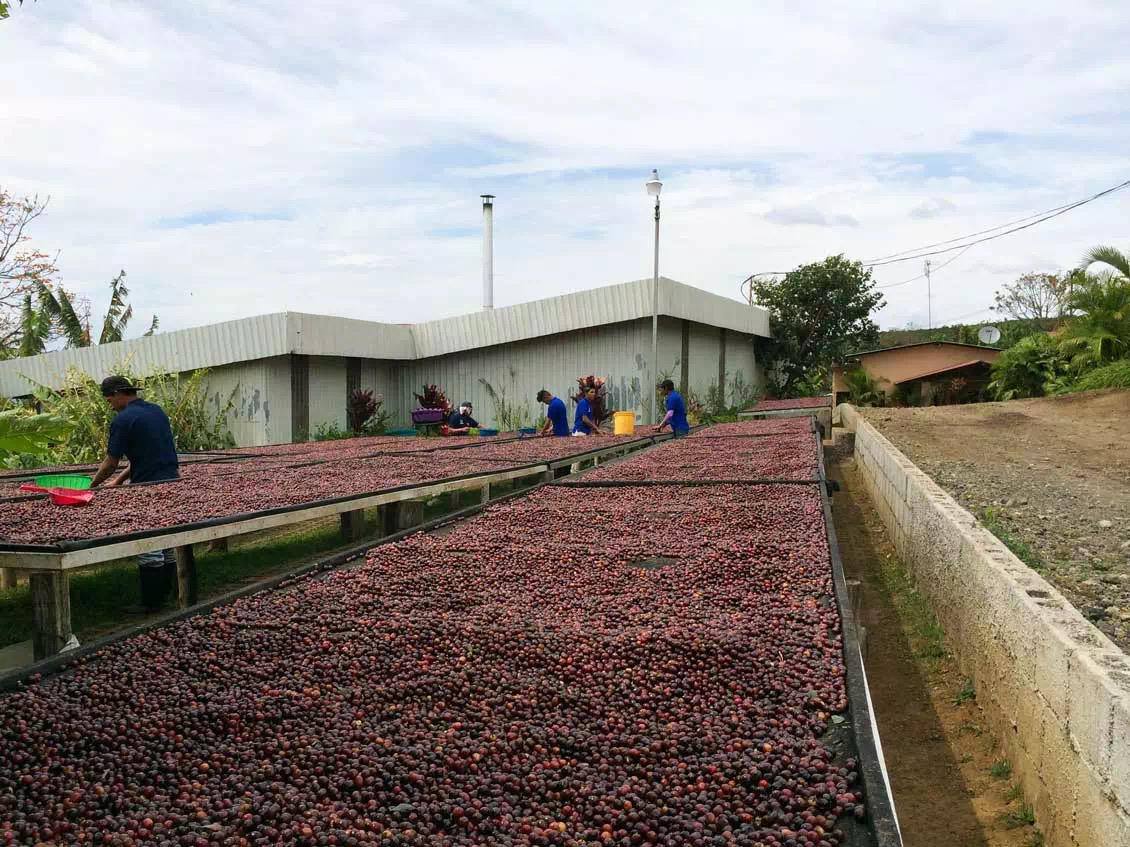
Monsoon coffee is stored in special warehouses until the monsoon arrives. The ventilated structure lets the humid monsoon winds circulate among the beans, causing them to swell and develop a full-bodied but intensely musty aroma.
The monsooning period is about twelve to sixteen weeks. After maturing, the beans undergo a smoking treatment to drive off weevils, followed by manual sorting to remove those that have not turned golden. After three to four months of monsooning, the green beans expand one to two times in size, with reduced weight and density.
The process is labor-intensive: coffee is spread in specially ventilated warehouses and raked or turned by hand so the beans absorb moisture from the humid air. The full process lasts 12 to 16 weeks, during which the beans expand to twice their original volume and take on a dull golden color. Additional processing then removes incompletely expanded beans, and the remainder is ready for export.
Although monsooned Malabar beans look large and plump, they are actually soft despite their imposing appearance, a change produced by months of weathering. Weeks of exposure to humid monsoon winds not only turn the beans yellow but also sharply reduce their natural acidity, creating a very special mouthfeel. Indian Malabar beans suit single-origin drinking and are also excellent in espresso blends.
FrontStreet Coffee chooses a medium-dark roast for Malabar, yet because of its special processing the roasted color comes out particularly light, differing markedly from normal roast levels.
FrontStreet Coffee · Indian Monsooned Malabar Coffee
Region: Malabar Coast, Southern India
Elevation: 1100-1200 meters
Varieties: Kents, S795, Catimor, Selection 9
Processing Method: Monsooned Natural Processing
Brewing Parameters: Kono dripper, 1:15 coffee-to-water ratio, 15g coffee grounds, medium-fine grind (70-75% pass-through rate on #20 standard sieve)
The brewing technique uses staged extraction: 30g of water for a 30-second bloom, a small stream to 125g, a pause, then continued pouring to 225g. Total extraction time is 2 minutes.
Flavor: Rich caramel, raisins, herbal notes, a genmaicha-like mouthfeel, with a berry finish.
Vietnam
The Origin of Vietnamese Coffee
Vietnamese coffee was brought to the country around 1860 by French Jesuit missionaries. Over nearly 150 years, Vietnam has gradually developed its own coffee culture. Today, from Ho Chi Minh City in the south to the mountain town of Sapa on the Vietnam-China border, you can often see canvas awnings or sunshades clustered along the roadsides, with reclining chairs, hammocks, or even small stools facing the street. On the small tables beside them sit simple aluminum drip filters. People sit, lie, or prop up their feet, sipping (experience this, not drinking, not gulping, but sipping) capheda, iced coffee. By the time the coffee is finished, half a pack of cigarettes is gone too, and a morning or two-thirds of an afternoon has been idled away.
Strolling through Vietnamese streets, coffee shops of all sizes are everywhere. Ordinary Vietnamese people slowly drip coffee through Vietnamese coffee pots, leisurely passing an afternoon. Vietnamese coffee drinking does not use a pot for brewing; it requires a special drip cup to "drip."
Many countries are famous for unique coffee cultures: Italy, France, the United States, and Turkey each have their own origins and traditions, but Vietnam is still somewhat different. In Vietnam, a cup of coffee costs from 10,000 to 50,000 Vietnamese dong, and most small shops do not exceed 20,000 dong, roughly the price of a bottle of mineral water. Compared with a domestic bitter, hard-to-swallow latte costing thirty to forty yuan, this is simply paradise for coffee lovers.

The Most Traditional
Drip Sweetened Condensed Milk Coffee
Vietnam was once a French colony, and the romantic, pleasure-loving French brought coffee culture with them. Many years have passed, but Vietnamese people still keep this ancient way of drinking coffee: drip. The method is simple: sprinkle coffee grounds on the press plate of the drip cup, press them down firmly, pour in hot water, then patiently wait for the coffee to drip, drop by drop, through the fine holes. The resulting coffee, however, is extremely black and very bitter, and few people can enjoy it that way.
Creative Vietnamese drinkers pour thick sweetened condensed milk into the bottom of the cup, a tweak that creates a magical pairing: the intense sweetness of condensed milk and the bitterness of Vietnamese coffee are a natural match. The sweetness is unimaginably strong, yet it does not blend with the black coffee's bitterness. Sweet and bitter coexist between the teeth. Friends who have been to Vietnam, I hear, never forget that taste.
The Most Special
Egg White Coffee
Like signature cocktails made with spirits and egg whites, coffee can be paired with egg whites too: this is egg white coffee, found only in Vietnam. Some jokingly call it "Vietnamese cappuccino." Shop owners deftly separate eggs into yolks and whites. The whites are whisked in high-speed mixers until frothy, ideally showing fine texture; then coffee that barely covers the bottom of the cup is poured in. Taste this specially crafted delicacy carefully: the coffee's bitterness neutralizes the eggy smell, while the egg whites enhance the coffee's aroma. Great satisfaction.
The Most Refreshing
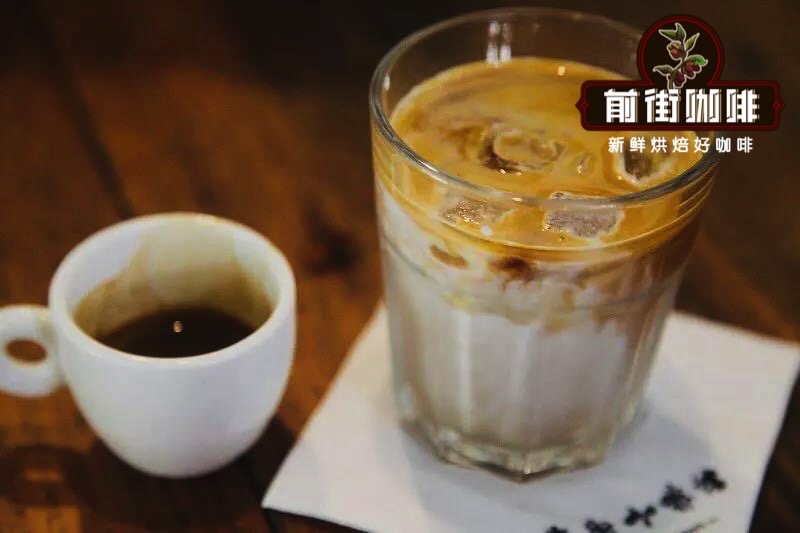
Yogurt Coffee
In Vietnam, most restaurants and drink shops have no air conditioning. Imagine walking for half an hour under a 37-degree sun and then entering an un-air-conditioned restaurant: you probably will not have much appetite. Start with a refreshing yogurt coffee to whet it.
Coffee's biggest fear is turning sour, yet Vietnamese people mix yogurt and coffee, and the taste is surprisingly good. A cup of yogurt coffee reveals different layers of detail: coffee's acidity, aroma, and sweetness. It is refreshing and light, and one sip of such delicate flavor changes is irresistible. Vietnamese yogurt is also praised by everyone who has been there: thick in texture, sweet in taste, and perfect with coffee.
FrontStreet Coffee Recommendation
If Indonesia's wet-hulled character is what you are after, start with FrontStreet Mandheling. Sourced from the Toba Lake area of the Lintong region, it is roasted medium-dark to bring out the classic Mandheling profile: low acidity, a rich, full body, and layers of caramel, dark chocolate, and toasted bread, with a long, sweet finish. It is a natural fit for anyone who prefers a strong cup over a bright one.
For the top of the Indonesian range, FrontStreet PWN Golden Mandheling is the benchmark. PWN is a trading house that buys only premium-grade Mandheling lots, and Golden Mandheling is its signature. Selection is exacting, with density, screen size, shape, and color all taken into account, and every lot passes machine sorting plus hand-picking to remove defects, so the beans come out complete, even, and large, with the muddy and grassy notes reduced. Freshly roasted, it delivers sandalwood, herbal, spice, roasted hazelnut, caramel, and dark chocolate, clean and sweet with a rich, layered body that suits both daily drinking and gifting.
If you would rather explore Indonesian coffee through espresso, FrontStreet Classic Blend is the classic route. Inspired by the old "Mamba" recipe, which combined Mandheling and Brazil, it balances Mandheling's wild edge against Brazil's smooth roundness, while the nutty sweetness softens Mandheling's stronger bitterness and herbal notes. A small proportion of Robusta and a dark roast push the dark chocolate, nut, and caramel aromas to the fullest, and the blend is stable enough that even a beginner can pull a convincing Mandheling-style shot.
Important Notice :
FrontStreet Coffee is a long-established specialty coffee roaster in Guangzhou China, selling freshly roasted beans from its own farm in Yunnan as well as dozens of carefully selected single-origin beans from around the world for both pour-over and espresso. The products deliver consistently excellent quality and great value, with shipping within 24 hours. Guangzhou's FrontStreet Coffee shop is recommended by many coffee lovers, and the beans are now available online at the Tmall 。
FrontStreet Coffee has moved to a new address:
FrontStreet Coffee Address: 315,Donghua East Road,GuangZhou
Tel:020 38364473
 Scan and follow the En Gafei WeChat official account. Please indicate that the reprint comes from "En Gafei".