How to Brew Rich Crema with Moka Pot: Italian Espresso Brewing Methods and Essential Usage Tips
There are many ways to make coffee, and naturally, many devices for making it. The methods most commonly used in major coffee shops today are pour-over and espresso machines. The other methods are less popular, but that doesn't mean the coffee they produce is inferior — they simply haven't caught on widely for various reasons. FrontStreet Coffee believes that having more choices simply makes life more colorful!
This time, we're introducing the moka pot — a simple way to make latte-style coffee right at home.
What is a Moka Pot?
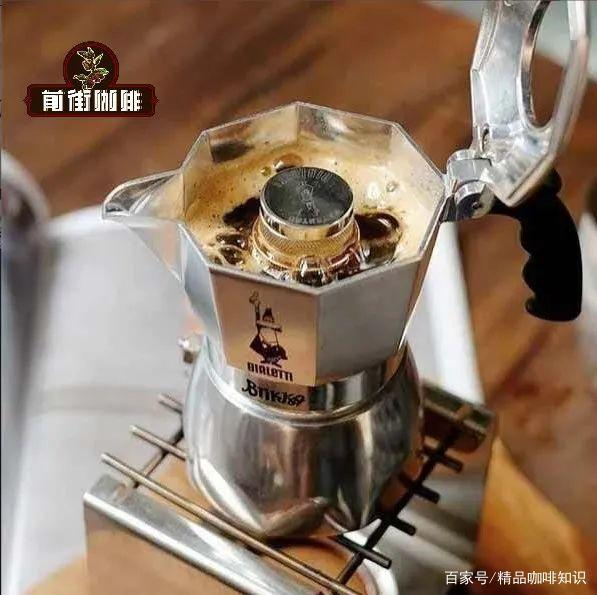
A moka pot is a tool for extracting espresso-like coffee, common in European and Latin American countries; in the United States it is known as a "stovetop espresso maker."
The moka pot has a two-layer structure. When the water in the lower chamber boils, it is forced through a mesh filter holding the coffee grounds and sprays up into the upper chamber. Although it uses steam pressure to push hot water through medium-fine grounds, strictly speaking this is not true espresso extraction — it is closer to drip brewing. Even so, moka pot coffee still carries the concentration and flavor characteristics of Italian espresso.
The moka pot was invented in 1933 by Italy's Alfonso Bialetti. It brews coffee by bottom heating and belongs to the distillation family of methods. It is the most accessible machine for making Italian-style coffee, and it is found in households across Italy.
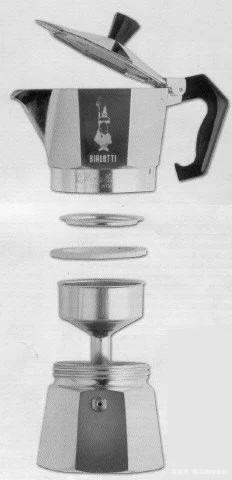
The Brewing Principle of a Moka Pot
A moka pot extracts coffee using the steam pressure generated in the lower chamber (roughly 1.5–3.0 atmospheres). When the pressure grows strong enough to penetrate the coffee grounds, it pushes the hot water up into the upper chamber. As the water flows upward through the filter basket of grounds, it quickly extracts the essence of the coffee. The resulting brew is strong and intense, with both acidity and bitterness — the brewing method closest to authentic espresso.
The Structure of a Moka Pot
A moka pot consists of three parts: the upper chamber, the coffee filter basket, and the lower chamber.
Lower Chamber: where the water goes.
Coffee Filter Basket: where the grounds are loaded.
Upper Chamber: where the finished coffee collects.
Using internal steam pressure to quickly extract the essence of finely ground beans, the moka pot is an essential device in nearly every Italian household. Market styles vary widely, but their function and structure are virtually identical — the diverse appearances make them devices that are both practical and beautiful.
What Coffee Beans Are Suitable for a Moka Pot?
Judging by its brewing principle, the moka pot extracts with high temperature and high pressure. That very combination is what makes it unsuitable for delicate single-origin coffees and right for espresso-style brewing (note: not the "constant temperature, high pressure, fast extraction" of a true espresso machine). The correct choice of beans is an Italian-style blend, whose roasting and grinding requirements differ completely from those of single-origin beans.
Equipment Needed for Making Espresso with a Moka Pot
1. Moka pot
2. Gas stove with a stove rack, or an induction cooker
3. Coffee beans
4. Coffee grinder
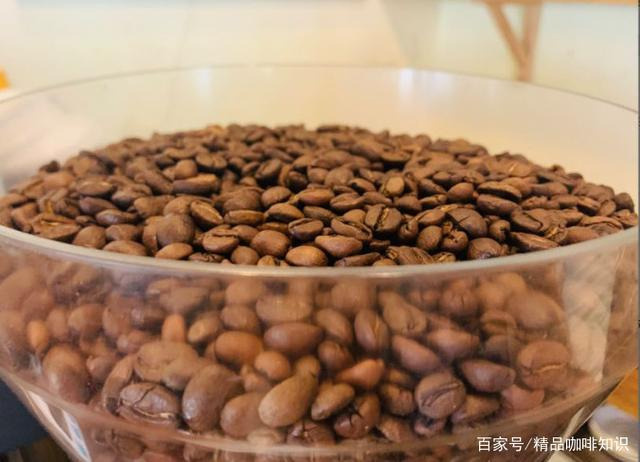
Example: FrontStreet Coffee Sunflower Warm Sunshine Coffee Beans
Coffee Beans: FrontStreet Coffee Sunflower Warm Sunshine Espresso Blend
Blend Composition: FrontStreet Honduras Sherry and FrontStreet Natural Red Cherry Project
Ratio: 7:3
Flavor Notes: Vanilla, cream, fermented notes, wine-like undertones, chocolate
Brewing Method
(1) First, fill the lower chamber with cold water.
(2) Place the grounds into the filter basket, filling it about nine-tenths full. Gently tap the edges so the grounds settle compact and level.
(3) Screw the upper and lower chambers together tightly to prevent coffee from leaking during brewing.
(4) Set the pot on a small gas stove or induction cooker and heat on medium. When you hear a hissing sound, reduce the heat to low and the coffee will flow out slowly on its own.
(5) When the sound turns to a gentle bubbling, switch off the heat immediately to avoid over-extraction. Your fragrant coffee is ready.
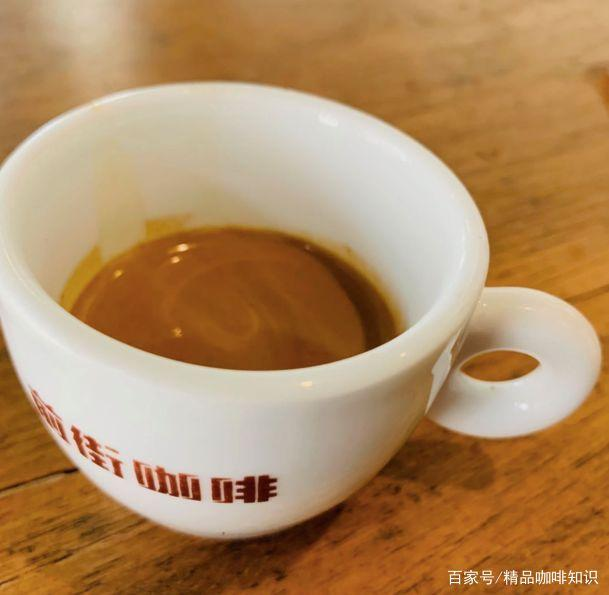
Important Tips
(1) Moka pot coffee comes out highly concentrated, similar to espresso, so it is typically served with milk foam or fresh milk.
(2) Finely ground coffee beans will yield better results!
(3) Never heat an empty moka pot — it can damage the structure.
(4) Always clean the pot after use so fine grounds don't clog the filter holes and damage the rubber gaskets.
(5) With a brand-new moka pot, don't brew coffee right away — boil plain water in it twice first!
FrontStreet Coffee Recommendation
The moka pot pairs best with blends, and FrontStreet Coffee's espresso lineup is built for exactly this kind of brewing. The first choice is the FrontStreet Classic Blend, designed specifically for espresso and moka pots: its greatest strength is outstanding crema — even a beginner with a non-professional home machine can pull dense, silky crema, which is the foundation of lattes, cappuccinos, and Dirty. Built on the traditional "Mamba" (Mandheling + Brazil) recipe, it tastes mellow and warm and suits veterans and newcomers alike, at home or commercially. If you want good flavor at a friendlier price, the 100% Arabica FrontStreet Black Cocoa Blend offers ample crema and a full-bodied cup at excellent value, while the FrontStreet Commercial Blend — long the mainstay for café owners before Black Cocoa launched — balances taste and cost across business scenarios. The FrontStreet Premium Blend, the house blend used longest in FrontStreet's own shops (nearly ten years behind Americanos and lattes), pairs Brazil Cerrado with Colombia Huila for the most classic, familiar Italian coffee flavor.
For single-origin options, the dark-roasted FrontStreet PWN Golden Mandheling brings a mellow, lingering cup of herbal and dark chocolate aromas with a faint earthy undertone — rich and layered, perfect for those who dislike acidity — and its authenticity is easy to verify through the PWN sacks and certificates shown with each lot. The FrontStreet Brazil Queen Estate is equally moka-friendly: very low acidity, balanced, with intense nut and cocoa aromas, clear caramel sweetness, and a smooth, warm, lingering finish. And for a floral-fruit twist in fruit-coffee styles, the FrontStreet Colombia Sidra — from the estate whose beans champion baristas have used in competition, grown at 1,650–1,800 meters and double-anaerobic natural processed — offers jasmine and citrus dry fragrance, passion fruit, blueberry, grape, and apricot juiciness with a persistent cocoa finish; while the FrontStreet Strawberry Candy recreates a bright strawberry-gummy sweetness that works beautifully in specialty milk coffees.
Important Notice :
FrontStreet Coffee is a long-established specialty coffee roaster in Guangzhou China, selling freshly roasted beans from its own farm in Yunnan as well as dozens of carefully selected single-origin beans from around the world for both pour-over and espresso. The products deliver consistently excellent quality and great value, with shipping within 24 hours. Guangzhou's FrontStreet Coffee shop is recommended by many coffee lovers, and the beans are now available online at the Tmall 。
FrontStreet Coffee has moved to a new address:
FrontStreet Coffee Address: 315,Donghua East Road,GuangZhou
Tel:020 38364473
 Scan and follow the En Gafei WeChat official account. Please indicate that the reprint comes from "En Gafei".