Typica Special Feature: Flavor Differences Between Yunnan Typica Coffee Beans and Catimor
Arabica
The third wave has turned everyone into a specialty coffee drinker, and specialty coffee rests on three pillars: variety, growing altitude and processing method. Variety alone is a vast subject. Everything most of us can actually buy comes from Arabica. On FrontStreet Coffee's list, the only beans that may include Robusta are FrontStreet Coffee's Commercial Blends; every other coffee is Arabica.
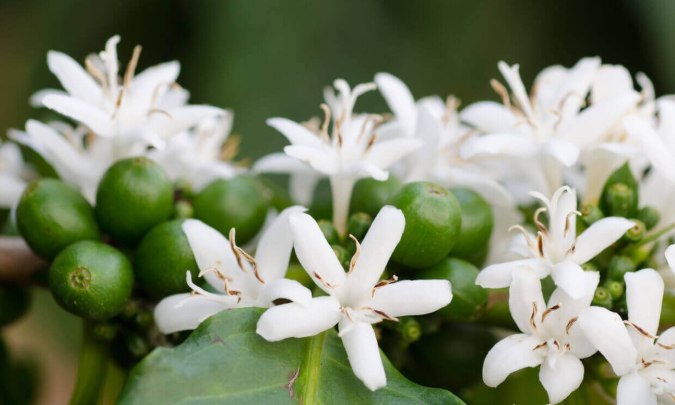
The earliest written mention of the coffee tree dates to the 9th century AD. In "The Comprehensive Book of Medicine" by the Persian philosopher, physician and physicist Razi (Muhammad b. Zakariya), the juice "bunchum," brewed from "bunn," is described as refreshing the mind, sharpening the brain and relieving headaches. "Bunn" refers to coffee cherries. From this we can place the arrival of Arabica on the Arabian Peninsula somewhere in the 9th to 10th century AD.
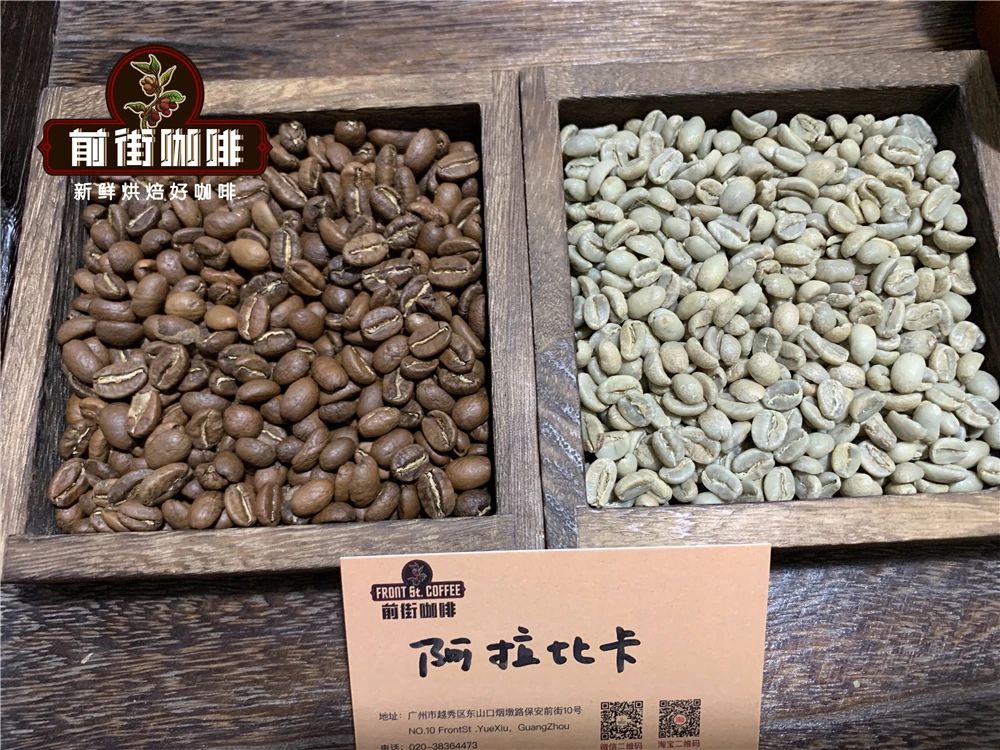
In the 17th century, the Swedish botanist Carl Linnaeus gave the plant its scientific name in "Species Plantarum": Coffea Arabica L., meaning coffee genus, Arabian species, named by Linnaeus. Linnaeus assumed the Middle East was coffee's birthplace. Only in 2002 did that assumption finally give way. A research project found that genetic diversity among coffee in Yemen and surrounding areas was far lower than in Ethiopia, which points to Ethiopia as the true homeland of Arabica.
Typica
Typica's homeland is Ethiopia, and it reached the Arabian Peninsula in the 9th century, but its scientific name did not appear until 1913: Coffea arabica L. var. typica Cramer, meaning coffee genus, Arabian species, named by Linnaeus, variety, Typica, named by Cramer. The intent was to present it as the reference form of Arabica, which is why it was called "Typica," the typical one.
As noted, Typica arrived on the Arabian Peninsula in the 9th century. After several centuries of putting down roots, a coffee-drinking culture emerged around the 16th century in the Yemeni ports of Mocha and Aden. People crushed dried coffee cherry pulp and steeped it in water; later they roasted beans together with spices and cherry pulp, then ground and brewed the mixture. Around 1600 a devout Muslim from India made the pilgrimage to Mecca. He fell in love with coffee, smuggled 7 seeds home, and planted them successfully on the Chandragiri hills.
Around the 17th century, Yemen protected its monopoly by exporting only roasted beans, so that no one could plant them. The Dutch saw the opening. In 1616 they obtained coffee seedlings from Yemen illegally and carried them back to a large greenhouse in Amsterdam, where the trees were cultivated with great care. That Typica tree became known as the "European mother tree." In 1699 the Dutch transplanted Indian Typica to Java and grew it successfully, and in 1706 they brought Java's Typica back to the Netherlands.
In the 1710s the mayor of Amsterdam presented a Typica seedling to the French king. After cultivating it, the French transplanted it to South America. In the 1720s the French naval officer Gabriel de Clieu stole Typica seedlings from the Royal Botanical Garden and carried them to the French colony of Martinique. The "European mother tree" bore heavily, and its seedlings and seeds were distributed to several Central American countries. In 1825 Hawaii introduced improved Typica from Guatemala and planted it in the Kona region, giving rise to the Kona coffee we know today.
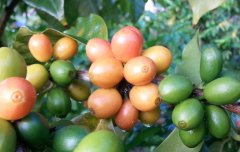
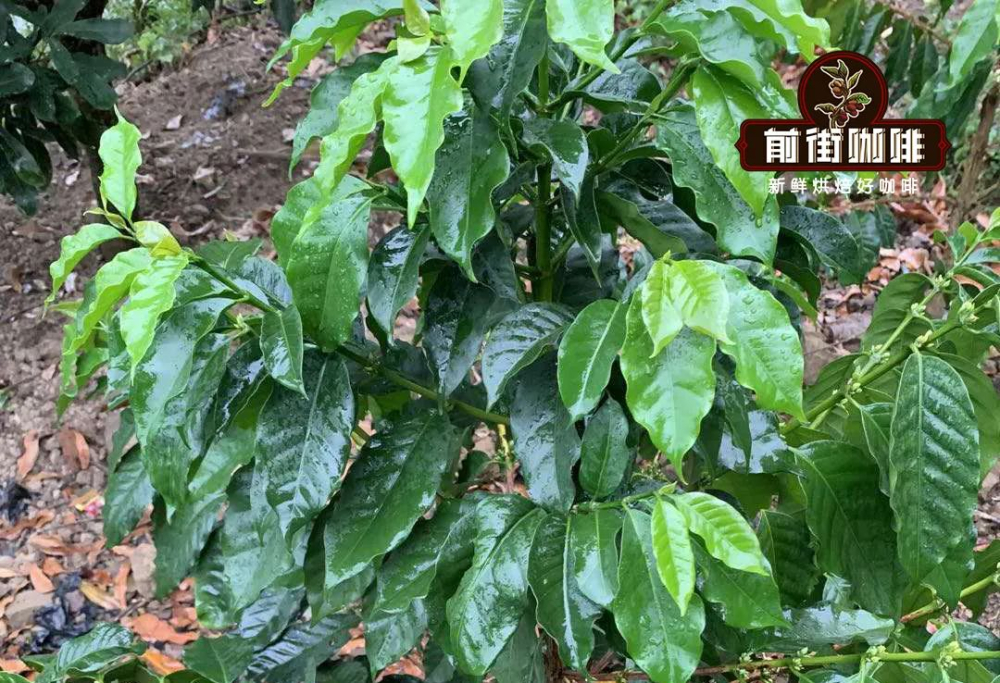
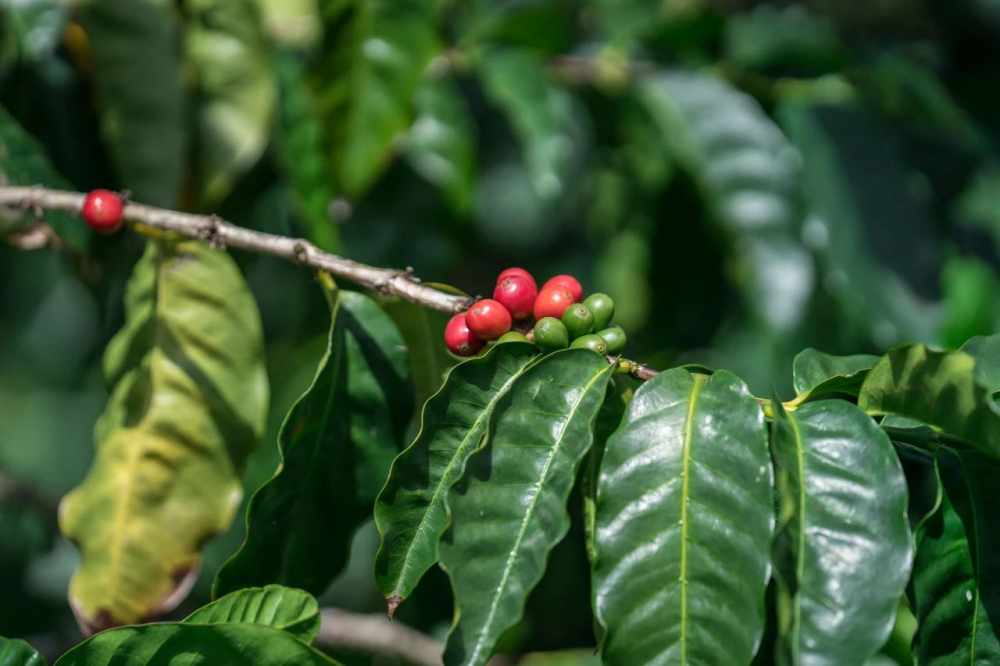
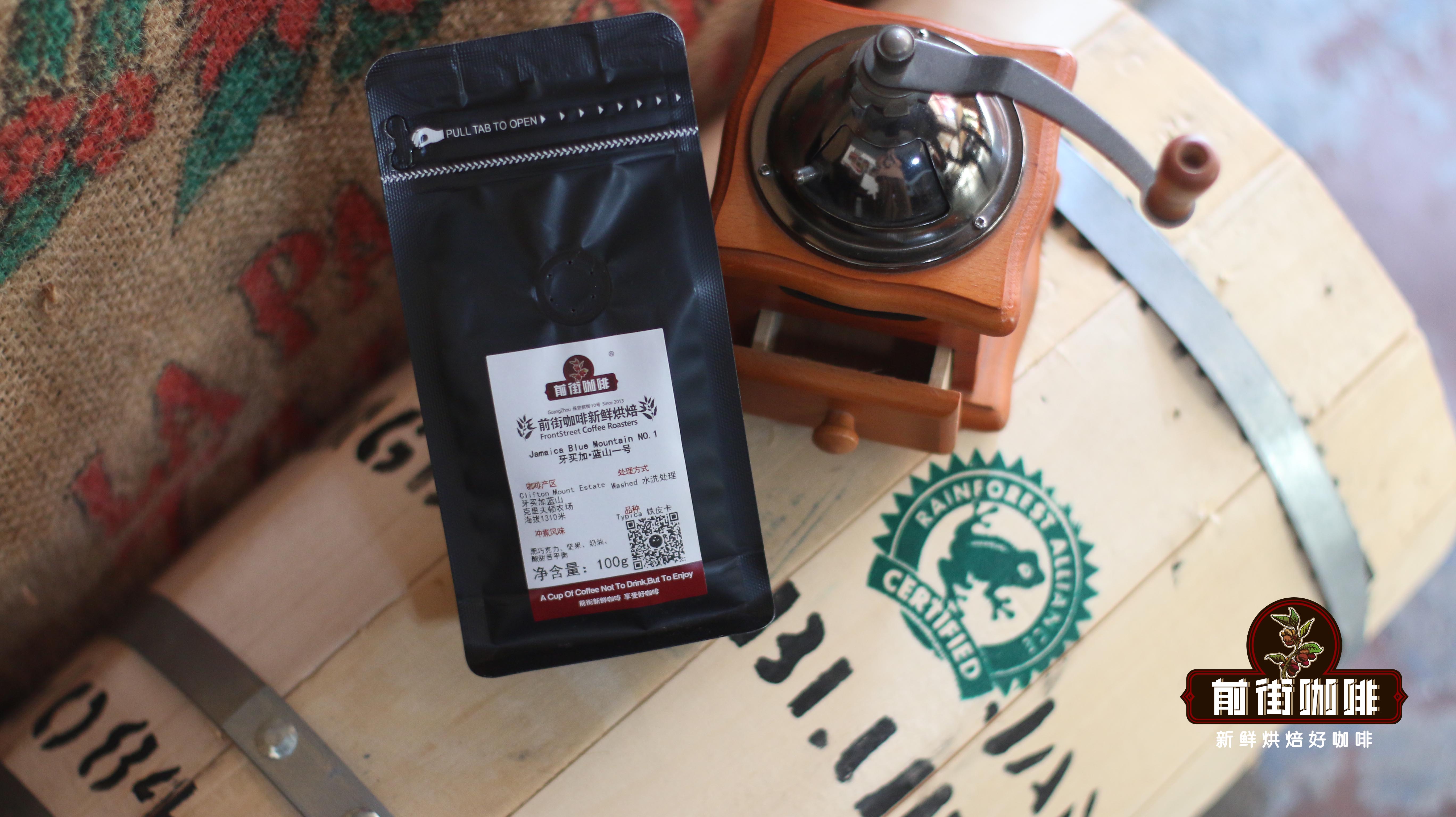
It was not until the late 19th and early 20th centuries that a French missionary brought Typica to Yunnan. In 2013, while Catimor was still the popular choice for planting in Yunnan, FrontStreet Coffee chose instead to propagate Typica. Typica's young terminal leaves are bronze-brown, the tree is tall, the leaves narrow, and the beans long and pointed. Its flavor is rich and varied, showing layered fruit acidity and a fine texture, and it is widely recognized as a high-quality variety. FrontStreet Coffee's Jamaican Blue Mountain and Hawaiian Kona coffees are both Typica.
Catimor
In the late 19th century, leaf rust swept through most of the world's Typica. In 1959 Catimor, a hybrid developed by the Portuguese Coffee Leaf Rust Research Center CIFC from a cross between Timor and Caturra, was promoted widely for its strong disease resistance and high productivity. Yunnan's production areas had originally planted the elegant but fragile Typica. When international brands such as Nestle and Starbucks entered the Chinese market looking for coffee raw material, farmers, chasing higher returns and encouraged by those brands' promotion of Catimor, cut down the fine Typica trees and switched to the high-yielding, disease-resistant hybrid.
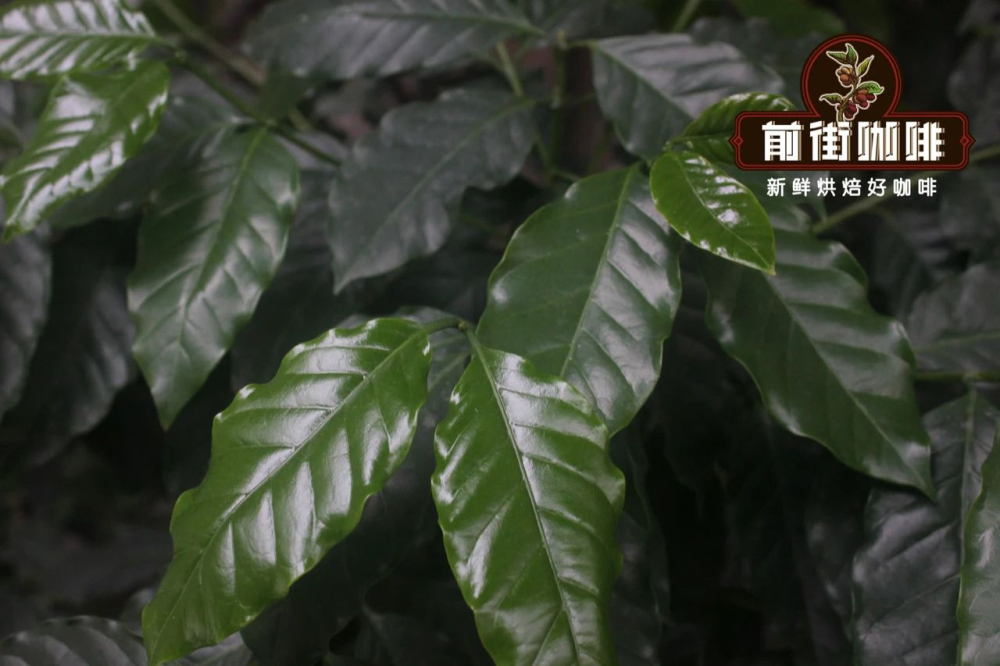
Catimor 7963 was developed by the Portuguese Tropical Research Center (HCT) specifically for coffee rust resistance, and its characteristics are stable. The plant is compact and dwarfed, with many branches and short fruit nodes. It grows vigorously, and its great strengths are remarkable rust resistance and high productivity. That is why Yunnan's coffee farmers embraced it, and today more than 90% of the coffee trees in Yunnan are Catimor.
Catimor has delivered commercial value, but its cupping quality is often questioned, and poor processing easily produces defective flavors. As domestic specialty coffee has gained attention, more professionals and researchers have turned to the cultivation side in Yunnan, steadily improving quality through pest and disease control, shade trees, soil and water conservation, planting altitude, and more careful cherry picking and processing. Today, Yunnan Catimor grown and processed with professional care can show good aroma and cleanliness.
Yunnan Production Region
Yunnan is the heart of Chinese specialty coffee. Average altitude is over 1000 meters, the terrain is complex and varied, and the soil is fertile, with ample sunlight, generous rainfall and a wide swing between day and night temperatures. These are ideal conditions for Arabica, and they give Yunnan coffee its particular character: rich without bitterness, aromatic without harshness, with a hint of fruit.
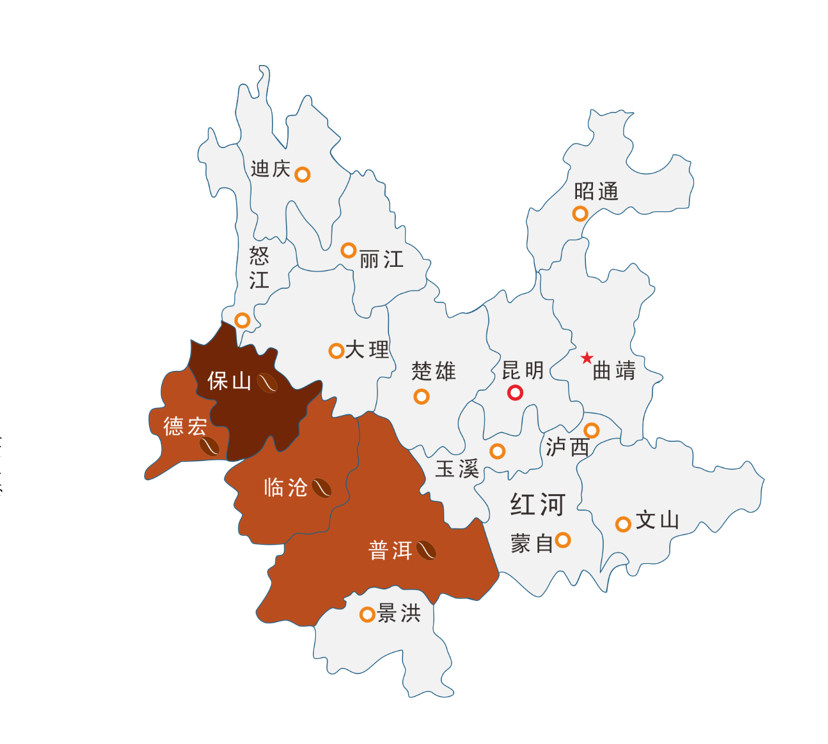
Dehong: Known as the "coffee hometown of China," Dehong has a classic South Asian tropical rainforest climate, with no severe cold in winter, no extreme heat in summer, short frost periods and small temperature swings. Average planting altitude is over 1000 meters, and domestic experts regard the area as China's most suitable for growing small-grain coffee. The coffee produced here has a distinctive flavor and excellent quality, and enjoys a strong reputation in domestic and international markets.
Baoshan: Coffee cultivation in Baoshan began in the mid-1950s, when the first seedlings were introduced from Southeast Asia by the patriotic overseas Chinese Mr. Liang Jinshan. Baoshan small-grain coffee is known worldwide and holds national geographical indication status. Buyers from Europe, the Americas and the Middle East, particularly from Britain, the United States, Egypt and Hong Kong and Macau, treat it as premium coffee, and supply struggles to keep up with demand.
Lincang: Lincang sits in the southwestern part of Yunnan Province, with the Tropic of Cancer crossing its southern edge. It borders Pu'er to the east, Dali to the north and Baoshan to the west, and meets Myanmar in the southwest. Its name comes from its position beside the Lancang River. The combination of geography and climate has made Lincang a focus of attention for many coffee companies, and it is the production area FrontStreet Coffee chose for its Typica.
Pu'er: The tea town of Pu'er has a coffee-growing history stretching back 150 years. Pu'er is world-famous for tea, yet its coffee planting area has reached 789,000 mu, with bean production of 58,600 tons and a total output value of 2.469 billion yuan, making it the largest coffee planting base in Yunnan. Its climate, geography and soil are unusually well suited to the crop.
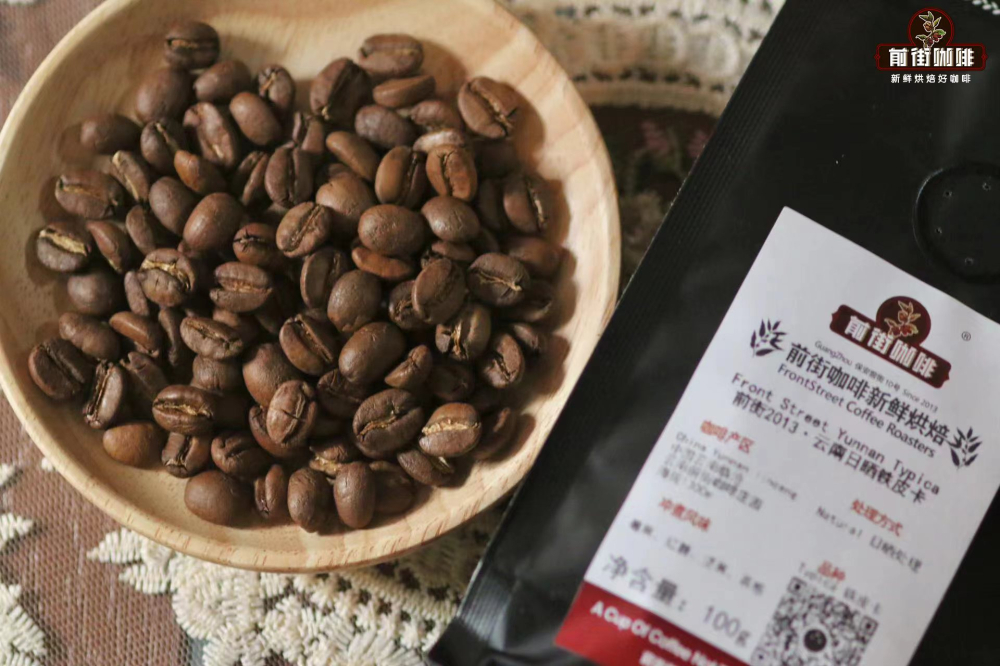
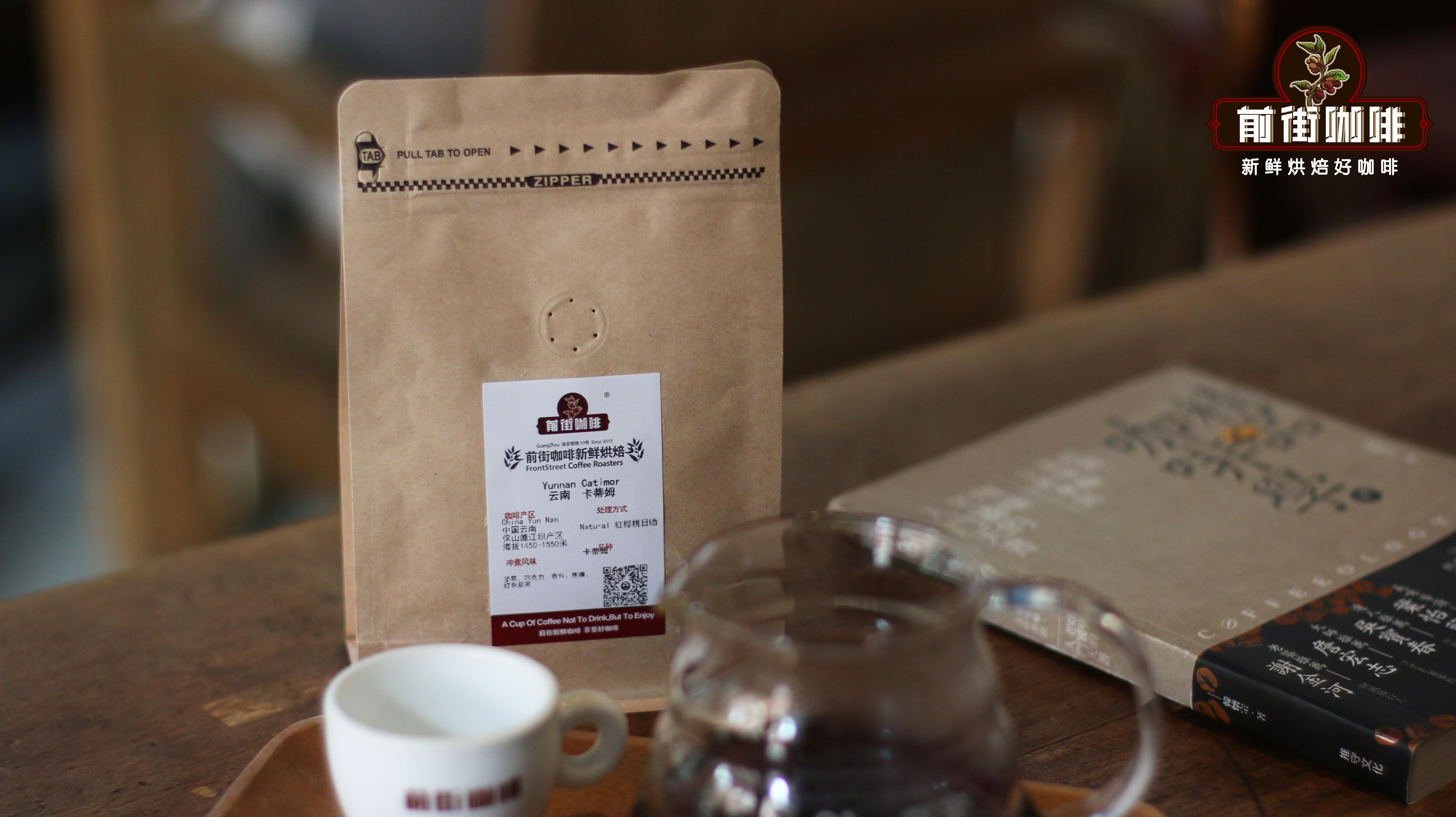
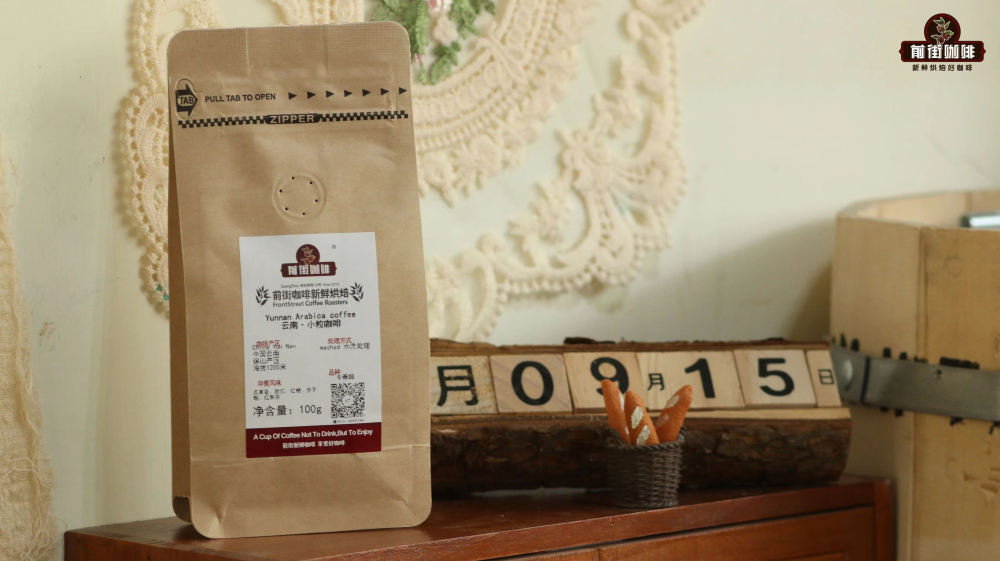
Two coffees from Yunnan production areas appear on FrontStreet Coffee's list: FrontStreet Coffee 2013 Natural Typica, grown on FrontStreet Coffee's own estate, and a FrontStreet Coffee Yunnan Washed Small-grain Catimor daily bean. Together they let you taste the flavor of China's own growing regions while comparing these two varieties side by side.
Brewing Suggestions
Dripper: Hario V60
Dose: 15g
Water Temperature: 90°C
Grind Size: 75% pass-through on a #20 sieve
Water Ratio: 1:15
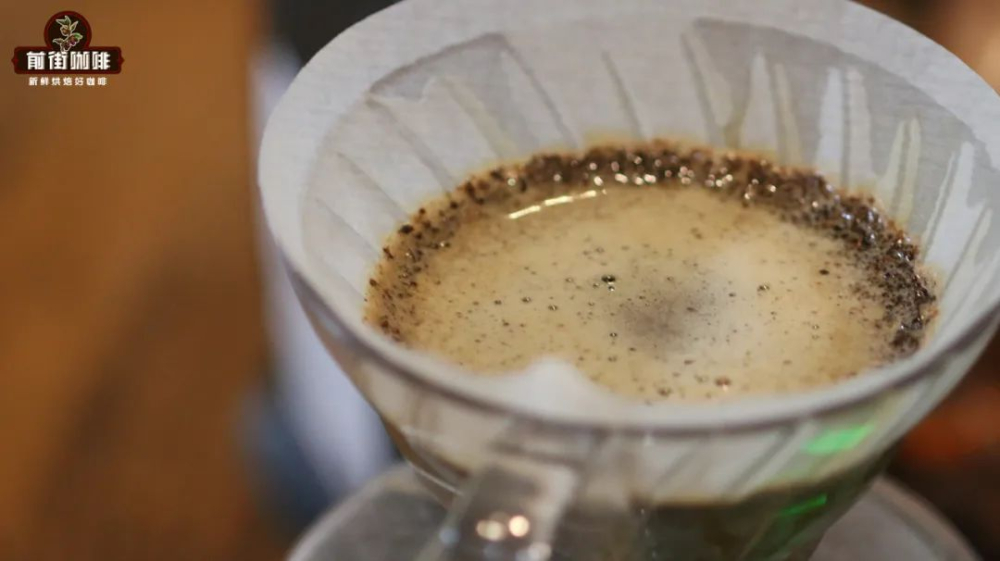
Three-Pour Method: Wet the bed with twice the weight of the coffee in water and let it form a dome for a 30-second bloom. Then pour in slow circles from the inside out until you reach 125g, breaking the pour into stages. When the bed has dropped to half the height of the dripper, resume the same fine stream for the third pour, up to 225g. Remove the dripper once all the liquid has drained, about 2 minutes in total.
FrontStreet Coffee Yunnan Small-grain Daily Bean Coffee Flavor: A strong nutty aroma, with herbal, chocolate and caramel notes on the palate and a light fruit acidity in the aftertaste. The overall mouthfeel is balanced and clean.
FrontStreet Coffee 2013 Natural Typica Coffee Flavor: The dry grounds offer caramel, nut and citrus aroma. Piping hot, the cup shows chocolate, fermented notes and berries. As it cools, plum acidity appears, followed by a clean sweet finish of black tea and sugarcane. Medium-high body, a clear mouthfeel and plenty of layered variation.
FrontStreet Coffee Recommendation
For anyone curious about the two varieties described above, the simplest way to taste the difference is to brew them side by side. FrontStreet Coffee Yunnan Small-grain Washed is the entry point: grown in Baoshan, washed and roasted medium, it highlights a gentle caramel sweetness while keeping some of its acidity, so the cup reads as soft nuts and chocolate with a light plum edge, an easy and affordable introduction to the region. FrontStreet Coffee 2013 Natural Typica comes from our own estate and takes the opposite approach, using the oldest and most traditional post-harvest method, natural drying of whole ripe cherries. Grown around 1300m and roasted medium, it pours heavier and more layered, with dark berry and citrus notes, a touch of fermented wine, caramel sweetness and a creamy finish, which many drinkers find a clearer picture of Yunnan terroir than a washed Catimor can give. Because Yunnan's climate divides into a dry season and a rainy season rather than four distinct seasons, the fruit ripens under clear skies, and the slow drying concentrates sugars rather than flattening them, which is why the Typica shows more fruit and a rounder balance alongside the nutty base note that both coffees share.
If you want to taste Yunnan through an espresso machine instead, FrontStreet Coffee Black Cocoa Blend combines Yunnan small-grain with Brazil Cerrado. The Brazilian component contributes mixed nut aroma and a balanced structure, while the Yunnan component supplies the chocolate and citrus notes, so an Americano comes out with acidity, sweetness and bitterness in equilibrium, carrying nut and brown sugar sweetness, and a latte turns smooth and creamy with almond overtones. It is a pairing that suits beginners particularly well, and it shows how the two Yunnan varieties fit into a blend as naturally as they do into a single-origin pour-over.
Important Notice :
FrontStreet Coffee is a long-established specialty coffee roaster in Guangzhou China, selling freshly roasted beans from its own farm in Yunnan as well as dozens of carefully selected single-origin beans from around the world for both pour-over and espresso. The products deliver consistently excellent quality and great value, with shipping within 24 hours. Guangzhou's FrontStreet Coffee shop is recommended by many coffee lovers, and the beans are now available online at the Tmall 。
FrontStreet Coffee has moved to a new address:
FrontStreet Coffee Address: 315,Donghua East Road,GuangZhou
Tel:020 38364473
 Scan and follow the En Gafei WeChat official account. Please indicate that the reprint comes from "En Gafei".