The Origin Story of Sumatra Mandheling Coffee Bean Name - Differences Between Mandheling Coffee and Espresso, Which is Better
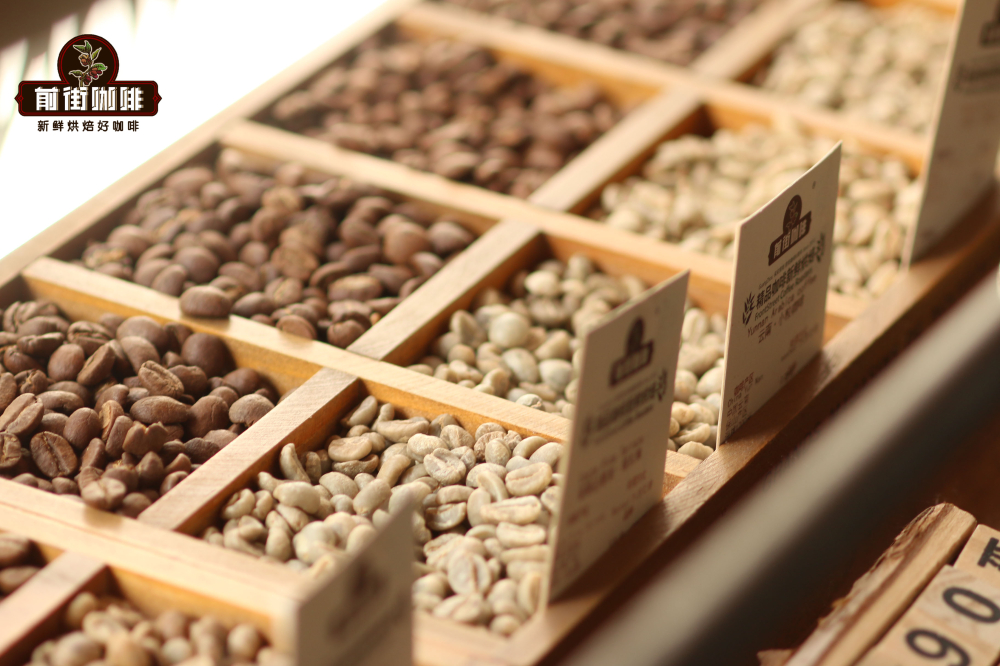
Compared with the bright acidity of Central and South American coffees, Asian coffees lean toward woody, herbal, and spicy flavors, with deep mellow notes far outweighing fruit acidity. Among them, Indonesian Mandheling is the most representative of all.
The Origin of Mandheling Coffee
Indonesia, the "Archipelago of a Thousand Islands," is a historic coffee-producing nation where cultivation began in 1696. After 300 years, production remains dominated by small farmers who largely practice organic cultivation, hand-picking and hand-sorting beans to ensure quality. Plantations are spread across the islands, each region's coffee shaped by its own geography. The elegantly flavored Arabica is grown mainly in northern Sumatra, Sulawesi, and the higher elevations of Java — only about 10% of Indonesia's coffee production, yet the reputation of Mandheling, Golden Mandheling, Sulawesi coffee, and Aged Mandheling has kept Indonesian coffee famous in specialty circles for decades.
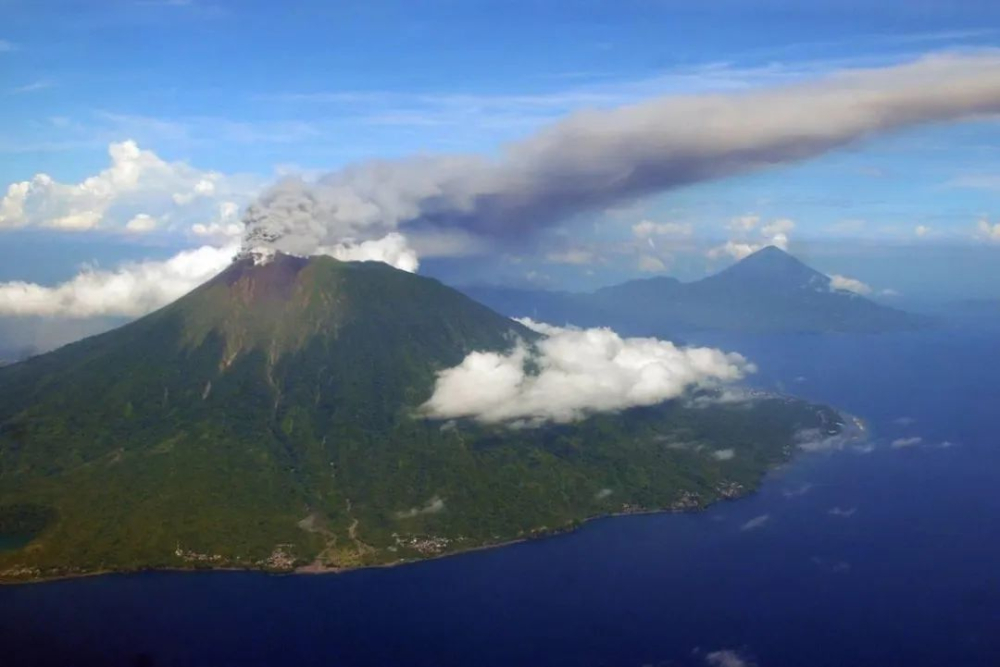
Indonesian coffee originated on Java and has since spread mainly to the other islands: Sumatra, Bali, and Sulawesi are all important producing regions. Sumatran coffee is a legend in the coffee world — one of the earliest large-scale coffee-growing areas anywhere, with most production from Aceh Province in the north and North Sumatra Province just south of it. These two main areas center on the famous volcanic lakes — Lake Toba and Lake Tawa — traditionally known as the Lintong and Aceh producing regions. Volcanoes have endowed Sumatra with fertile soil, and its coffee typically carries creamy, chocolatey, and earthy aromas — something the Japanese discovered many years ago.
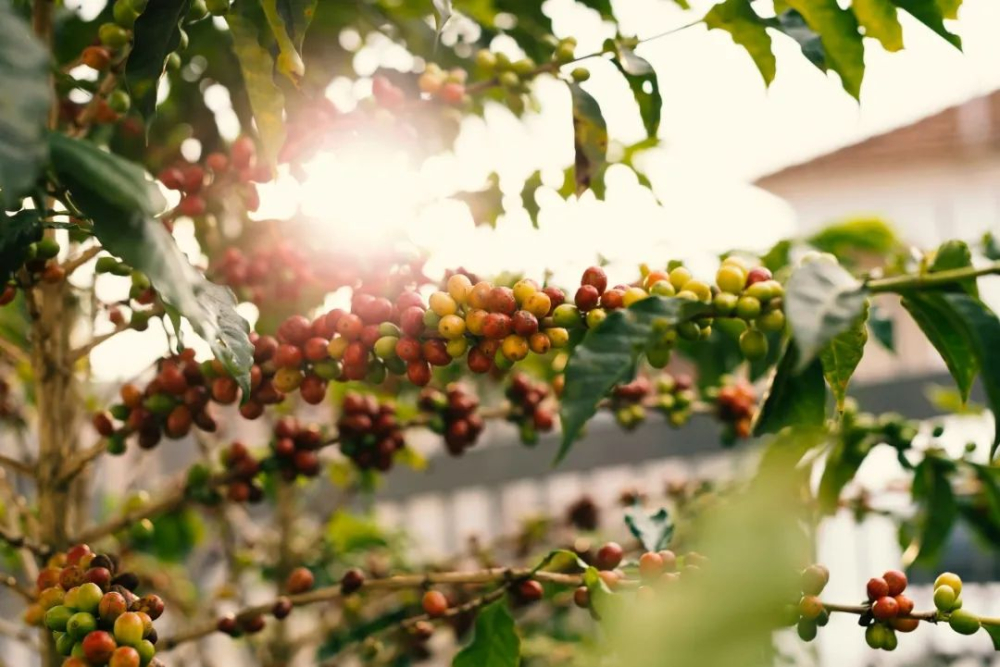
According to legend, during World War II, when Japan occupied Indonesia, a Japanese soldier drank an exceptionally mellow coffee at a café. When he asked the owner what it was, the owner mistook the question and replied with his own origin: "Mandailing." After the war, the soldier remembered the "Mandheling" he had drunk in Indonesia and commissioned locals to ship 15 tons to Japan, where it became hugely popular — and the name spread.
Reasons Behind Indonesian Coffee's Unique Flavor
Sumatra sits on the equator with a typical tropical rainforest climate: year-round rain and humidity, frequent typhoons, and scarce freshwater. Farmers cannot process large quantities of coffee by traditional washing, nor dry it through prolonged sun exposure. To adapt, they developed a faster method — wet hulling. Wet hulling forcibly removes the parchment surrounding the green beans before they are fully dry, letting the "naked" beans finish their final drying in the open air.
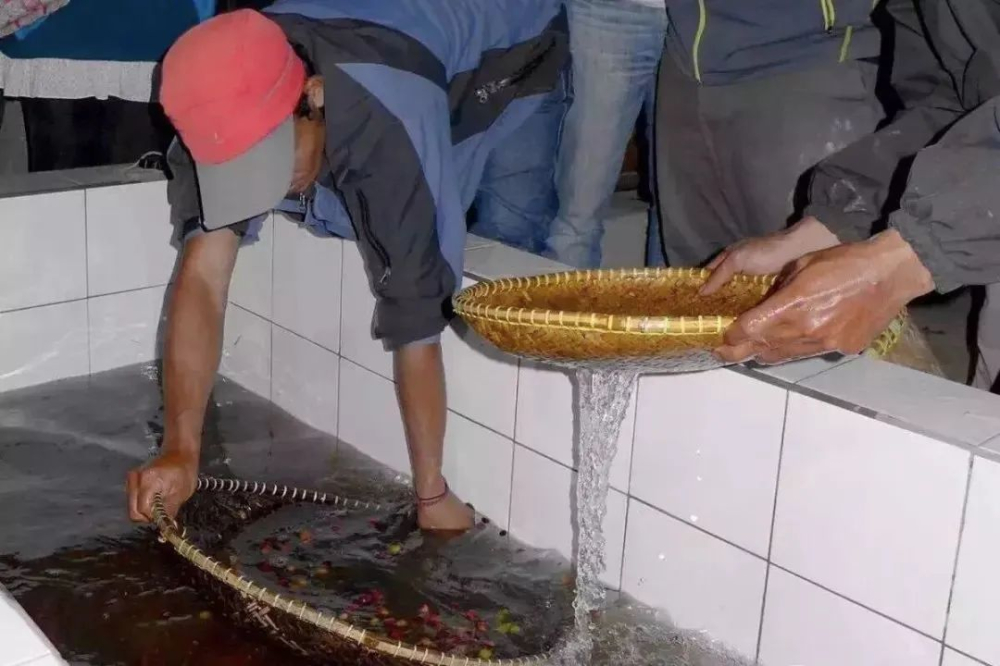
Wet hulling diverges from washed processing at fermentation: it uses less water and a shorter fermentation, leaving a little mucilage on the bean shell. When the green beans reach 35-40% moisture in their first drying, farmers sell them to collectors, who hull the semi-dry parchment beans directly, stripping mucilage and shell to obtain green beans. Though every step is shortened, the exposed beans still absorb moisture from the hot, humid air — giving Mandheling its additional woody, herbal, and spicy mellow aromas. Both Mandheling coffees on FrontStreet Coffee's single-origin list are wet-hulled, presenting rich chocolate, brown sugar, and nutty notes after roasting, with herbal notes in the aftertaste.
Indonesian Green Bean Grading System
Wet hulling brings unique flavor, but its rough processing also raises defect rates. To meet Indonesian export standards, coffee must be sorted to remove irregular beans.
Indonesian green beans are graded by defect count and size. General quality requirements include: no live insects, no moldy or rotten beans, maximum moisture of 12.5%, and impurities below 0.5%. By defect rate (based on 300g samples) there are six grades, G1-G6. PWN company takes sorting to the extreme: its G1-grade Mandheling undergoes strictly 1 machine selection plus 3 manual selections to remove defective beans entirely and slash the defect rate. Before packaging, PWN also runs the green beans through density and color sorting, making Golden Mandheling uniformly bright and clear.
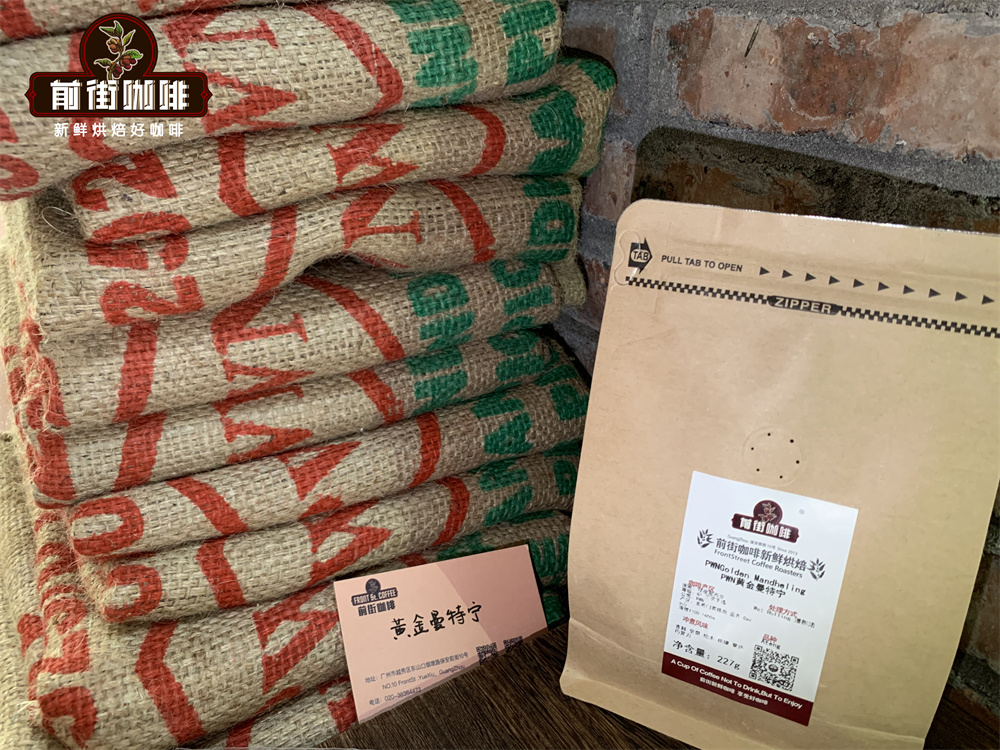
After FrontStreet Coffee acquired premium Golden Mandheling, we could not wait to cup it after roasting. The entry showed extremely high cleanliness, clear and transparent aromas, noticeable sweetness, and a rich, substantial body.
Brewing Suggestions:
- Water temperature: 87-88°C
- Coffee: 15g
- Coffee-to-water ratio: 1:15
- Dripper: KONO dripper
- Grind size: Medium-coarse (70% pass-through on China standard #20 sieve)
Use a three-stage pour, which better expresses Golden Mandheling's rich body and caramel sweetness.
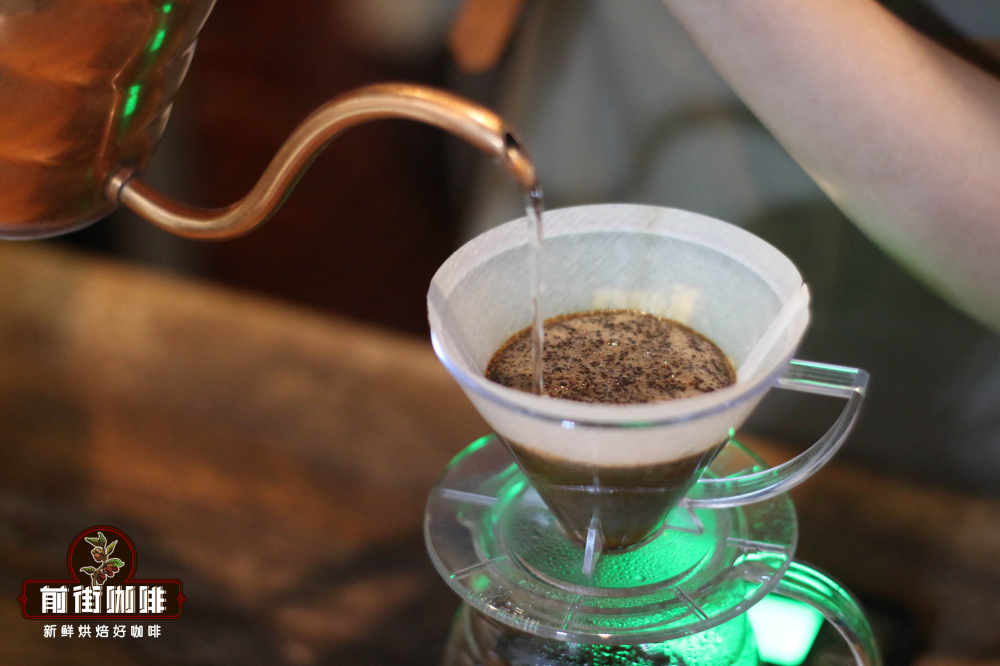
First stage: a 30g bloom pour — this fully wets the grounds for degassing, enabling better extraction of flavor compounds later.
Second stage: pour 100g — this brings out Mandheling's golden foam and lifts the coffee bed.
Final stage: pour a gentle 95g in the center — this enhances the coffee's sweetness.
Is Mandheling Coffee Suitable for Espresso?
First, FrontStreet Coffee must stress: Mandheling is a single-origin coffee with prominent flavors that can be extracted in many ways. Espresso, by contrast, is concentrated coffee extracted by finely grinding and properly dosing beans, then forcing hot water through at high pressure in a semi-automatic or automatic machine for a short extraction.
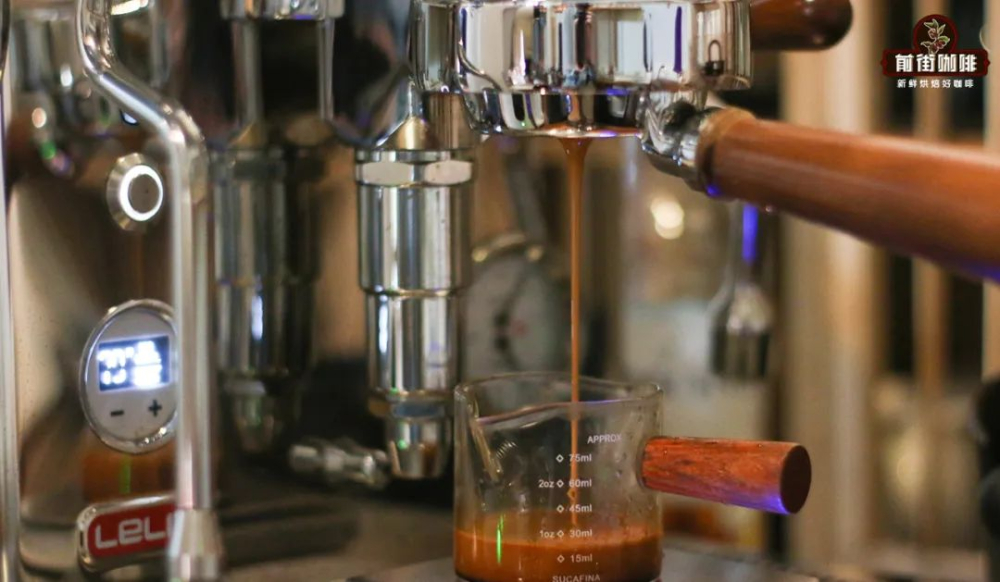
Although single-origin coffee can express rich flavors as a pour-over, it is harder to handle as espresso, which amplifies every flavor — small parameter changes can swing the cup. For example, the moderate brightness of a pour-over easily turns sharp in espresso, and a pour-over's rich body can turn bitter. FrontStreet Coffee therefore suggests matching beans to the extraction method: buy pour-over single origins for pour-over brewing, and use espresso roast blends or SOE beans for espresso.
FrontStreet Coffee Recommendation
For the definitive taste of wet-hulled Sumatra, FrontStreet Coffee's PWN Gold Mandheling is the top pick: PWN sorts its G1-grade beans with one machine selection plus three manual selections, then density- and color-sorts before packing, so the cup is remarkably clean and sweet — high cleanliness, transparent aromas, noticeable sweetness, and a full, substantial body.
Brew it as FrontStreet does: a KONO dripper, 15g of coffee at a medium-coarse grind (70% through a #20 sieve), 87-88°C water, a 1:15 ratio, and a three-stage pour — 30g bloom, 100g to raise the bed and draw out the golden foam, then a gentle 95g center pour for sweetness. Expect chocolate, brown sugar, and nuts with an herbal finish. If you love the profile but want it under pressure, pair the same style with an espresso blend rather than forcing a pour-over bean into the machine — Mandheling's mellow depth, butter and roasted chestnut character, shows up beautifully in blends built for espresso.
Important Notice :
FrontStreet Coffee is a long-established specialty coffee roaster in Guangzhou China, selling freshly roasted beans from its own farm in Yunnan as well as dozens of carefully selected single-origin beans from around the world for both pour-over and espresso. The products deliver consistently excellent quality and great value, with shipping within 24 hours. Guangzhou's FrontStreet Coffee shop is recommended by many coffee lovers, and the beans are now available online at the Tmall 。
FrontStreet Coffee has moved to a new address:
FrontStreet Coffee Address: 315,Donghua East Road,GuangZhou
Tel:020 38364473
 Scan and follow the En Gafei WeChat official account. Please indicate that the reprint comes from "En Gafei".