How to Handle Excessive Acidity in African Kenya AA Pour-Over Coffee Beans - Kenya AA Coffee Introduction
Introduction to Kenyan Coffee
When people think of African coffee, Ethiopia comes first, and right behind it is Kenya — famous for its acidity. Today, FrontStreet Coffee takes a closer look at Kenyan coffee. Although Kenya borders Ethiopia and shares its reputation for prominent acidity, the two produce distinctly different acid profiles. FrontStreet Coffee believes Kenya's current success is inseparable from its early history of British colonial rule: while that era brought harsh conditions for local farmers, it also introduced refined management models to the coffee industry, giving Kenya's later development a clear direction.

Kenyan Coffee Overview
Kenya sits in eastern Africa, bordering Ethiopia, the birthplace of coffee — yet coffee didn't arrive in Kenya until the early 20th century, completing nearly a full circle of the globe before returning to Africa. Even though Kenyan coffee started late, it developed fast. Under British colonial rule, everything from breeding programs to grading systems pushed Kenyan beans toward the specialty coffee market, and today Kenyan specialty coffee enjoys a worldwide reputation. FrontStreet Coffee summarizes the key reasons below.
1. Establishment of Breeding Mechanisms
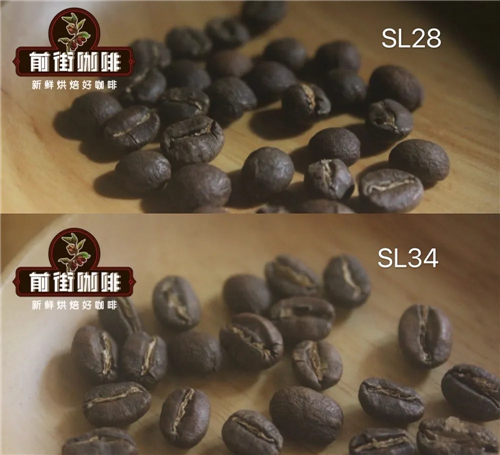
In 1883, the British brought coffee to Kenya from Réunion Island. In 1922, Kenya founded the Scott Agricultural Laboratory (Scott Labs — hence the names SL28 and SL34) to research coffee cultivation. In the decade after its founding, the laboratory selected SL28 and SL34 from 42 coffee varieties as the ones best suited to local cultivation, laying an excellent foundation for the industry.
2. Government Support
In 1931, the Kenya Growers Cooperative Union and the Kenya National Coffee Committee were established, guiding the industry from both the civil and national levels. In 1937, the Nairobi Coffee Exchange was founded, launching Kenya's auction system in which good coffee commanded good prices and setting the tone for pricing. This year, the Kenyan Ministry of Agriculture also launched a 1.5 billion shilling coffee revitalization plan.
3. Determination of Grading Systems
Kenya grades coffee by bean size and cupping results. By size, shape, and hardness, the grades from highest to lowest are AA or AA+, AB, PB, C, E, TT, and T. For AA and AB green coffee, an additional cupping-based grade applies (not officially recognized by the Kenyan government; established by exporters), ranked from highest to lowest as TOP, PLUS (+), and FAQ.
AA Plus (AA+): AA grade with exceptionally excellent cup quality (flavor, mouthfeel).
AA: Screen size 17-18.
AB: Screen size 15-16, accounting for the majority of production.
C: Smaller than AB.
TT: Lighter-weight beans blown out of AA and AB lots with air classifiers.
T: Lighter-weight beans blown out of C grade with air classifiers.
E (Elephant Bean): Large mutant beans where two beans are fused together, also called elephant ear beans.
PB (Peaberry): Classified by shape, unrelated to flavor or weight.
For AA and AB green coffee, the cupping-based special grading (TOP, PLUS (+), FAQ) applies as noted above. The flavor grade of FrontStreet Coffee's Kenya Asalia on the bean list reaches TOP — but as mentioned, this is not an official grading system, and several Kenyan beans FrontStreet Coffee sources carry no flavor grade at all, so there is no need to worry too much about it. Generally, coffee at AA and AB grade is already considered excellent quality by default.

4. The K72 Process
Kenya's characteristic acidity is closely tied to its excellent processing. In ordinary washed processing, ripe cherries are selected, pulped, and soaked in fermentation tanks to remove the mucilage — a step that rarely exceeds 36 hours. Kenyan fermentation, however, lasts up to 72 hours, after which the beans are dried to a moisture content of 12%. FrontStreet Coffee believes this uniquely Kenyan washed process is what lets Kenyan beans show such bright acidity and a full, juicy mouthfeel.
Kenyan Coffee Growing Regions
Kenya's coffee regions are concentrated in the central and western parts of the country. The central regions include Kiambu, Nyeri, Kirinyaga, Muranga, Embu, Machakos, Ruiri, and Thika; in the west there are Kisii and Bungoma, on Mt. Elgon.
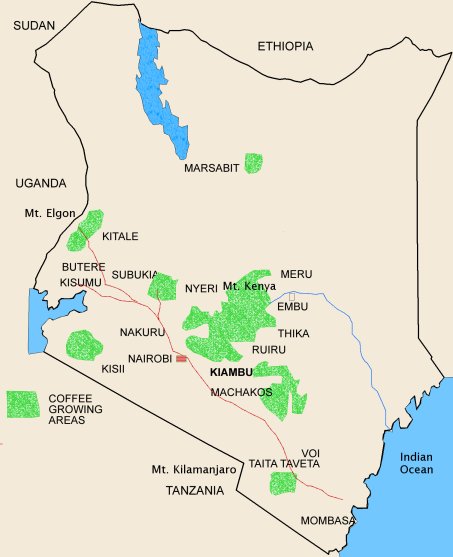
FrontStreet Coffee periodically updates the regions on its bean list, and Kenya is no exception. Last month FrontStreet Coffee sourced a batch of Kenyan beans from different regions; through roasting, cupping, and pour-over evaluation, we found each region has its own character. The specialty regions came mainly from Nyeri, Kirinyaga, and Murang'a.
Nyeri
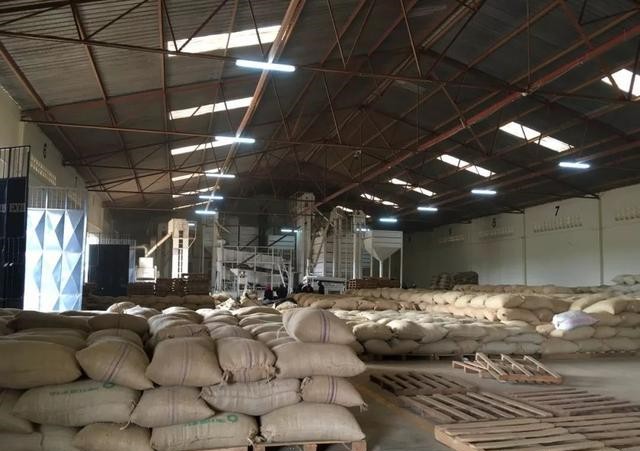
Nyeri, in central Kenya, is home to the extinct volcano Mount Kenya, whose red soil nurtures Kenya's best coffee. Agriculture dominates the region, with coffee as the main crop, and smallholder cooperatives are more common than large estates.
Altitude: 1200 to 2300 meters
Harvest Period: October to December (main season), June to August (secondary season)
Varieties: SL-28, SL-34, Ruiru 11, Batian
Muranga
Muranga belongs to the Central Province and has about 100,000 coffee farmers. This inland region was one of the first settlement areas chosen by missionaries, after the Portuguese barred them from living on the coast. It benefits from volcanic soil like Nyeri, and smallholder farmers outnumber estates here too.
Altitude: 1350 to 1950 meters
Harvest Period: October to December (main season), June to August (secondary season)
Varieties: SL-28, SL-34, Ruiru 11, Batian
Kirinyaga
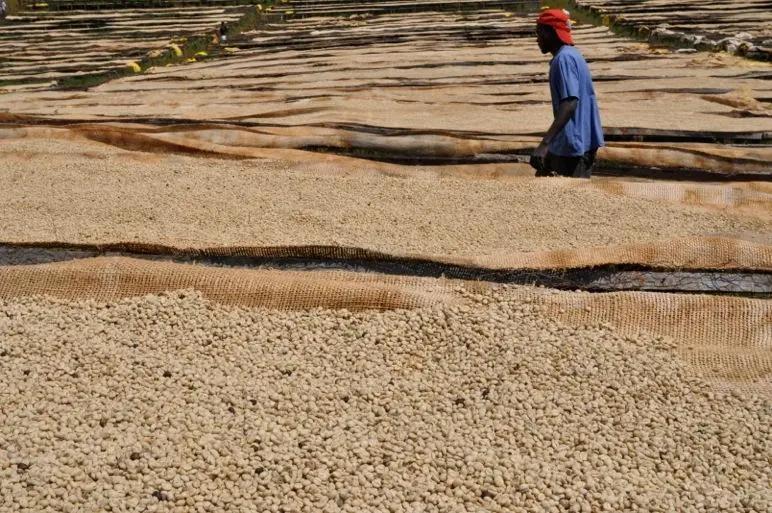
Kirinyaga lies on the slopes of Mount Kenya, adjacent to Nyeri, and is known worldwide for coffee with intense flavors, rich layers, and a solid mouthfeel. Together with Nyeri, it is recognized as one of Kenya's two best growing regions. Most producers are smallholder farmers who join cooperatives; the cooperatives coordinate and run washing stations where farmers deliver their cherries for processing.
"Kirinyaga" originally referred to Mount Kenya itself, but during British colonial rule the name was judged too hard to remember and the mountain was renamed "Mt Kenya." Mount Kenya is Africa's second-highest peak, and although it sits in the tropics its summit is often snow-covered — "Kirinyaga" originally meant "white peak." It is both a UNESCO conservation area and a popular tourist destination, with wildlife gathering on the surrounding foothills and grasslands. The name comes from the Kikuyu people, meaning "white mountains," and it is considered the dwelling place of gods. The Kikuyu are Kenya's largest ethnic group, about one-fifth of the population.
Altitude: 1300 to 1900 meters
Harvest Period: October to December (main season), June to August (secondary season)
Varieties: SL-28, SL-34, Ruiru 11, Batian
The Kenyan Auction System
As noted earlier, during Kenya's colonial history local farmers saw little of coffee's profit — a dark chapter in Kenyan coffee history. In 1931, to help farmers earn better prices and escape the control of distant traders, the government established the Kenya Growers Cooperative Union and the Kenya National Coffee Committee and built an auction mechanism. In 1937 the Nairobi Coffee Exchange opened, and the auction trading system spread and gained wide support.

Most beans are graded and inspected by the Kenya Coffee Board and then sold at auction. The public auction system predates 1934 and runs on an agent system: Kenya has 50 licensed agents who send sample beans to their clients for cupping, and clients bid on coffees they like through their agents at auction. But the system tended to reward the middle agents while eroding farmers' income, so in 2006 Kenya opened the door to 32 independent sales agents who could deal directly with foreign coffee buyers without going through the auction.
All of these, however, must meet the Kenya Coffee Board's standards for quality, storage, and bank guarantees. The two systems now operate in parallel, and after years of development the auction has become one of the most transparent distribution systems in coffee: better quality earns better prices through cupping, encouraging more cooperatives and farms to take part. FrontStreet Coffee follows the auction market closely — it helps us understand shifts in the local market, and the improved mechanism benefits not only farmers but buyers worldwide.
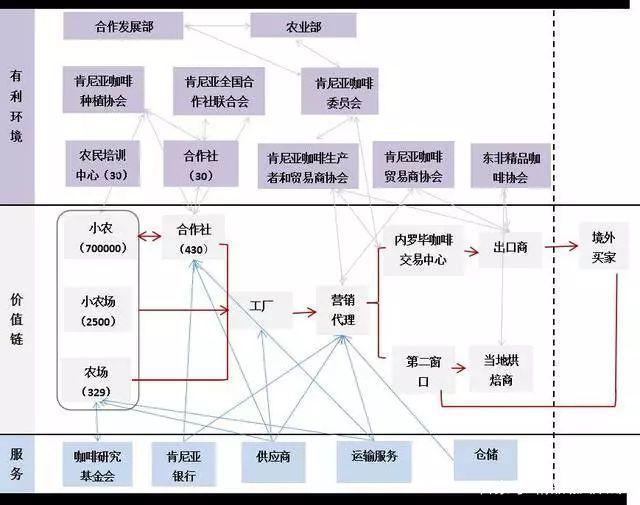
Kenyan coffee has two main trading models:
① The Nairobi Coffee Exchange auction (central auction system) — 85% of beans trade this way. Since the auction system was established in the 1930s, the vast majority of Kenyan coffee has been sold through it. Auctions are held every Tuesday during the harvest season, and the format evolved from an "open outcry" system in which traders bid by pressing an electric trigger. Competition among agents means prices for highly sought-after, high-quality coffee can skyrocket.
② Direct trade (often called the "second window") — only 15% of beans. After 2006, the Kenyan government allowed farmers and foreign buyers (such as roasters or importers) to trade directly, agreeing on a price different from the auction price before or during the harvest. Some exporters also buy directly from marketing agents or factories, using the previous week's auction prices for a given grade as the reference. Direct trade lets farmers of high-quality coffee earn more; when it isn't feasible, the coffee returns to the exchange for auction.
Kenyan Coffee Cultivation Model
Kenyan coffee is grown by two main types of producers: large plantations — more than 3,000 large farms occupying about 25% of Kenya's coffee land — and agricultural cooperatives, which cover the remaining 75%: 270 cooperatives made up of 700,000 smallholder farmers.

In the 1960s, small farmer cooperatives began building shared processing stations, letting them process coffee the way large plantations do. FrontStreet Coffee believes this model lets farmers focus on cultivation and production. Ethiopia's main cultivation model is also the smallholder cooperative — a recent batch of FrontStreet Yirgacheffe Konga cooperative beans showed outstanding flavor.
After several rounds of evaluation, only two or three of an initial dozen regional lots ultimately make it onto the shelves. That doesn't mean the others are inferior — FrontStreet Coffee's goal is not merely to sell, but through this process to understand every growing region, the different varieties within a region, the different processing methods for the same variety, and the comparisons between regions, building a database along the way. FrontStreet Coffee hopes to help more coffee lovers understand the world of coffee.

FrontStreet Coffee · Kenya Cherry Tomato Coffee Beans
Region: Thika, Kenya
Processing Station: Asali Honey Processing Station
Altitude: 1550-1750 meters
Grade: AA TOP
Varieties: SL28, SL34
Processing Method: Kenya 72-hour washed
FrontStreet Coffee Roasting Records
These FrontStreet Kenya Cherry Tomato beans are full and round. To fully express their bright, rich acidity, FrontStreet Coffee uses a light roast. On a Yangjia 800N semi-direct-fire machine with 480g of beans: charge at a drum temperature of 160°C, damper at 3, heat at 120. Turning point: 1'28". When the temperature reaches 130°C, set the damper to 4. At 6'00" the temperature reads 154.6°C — the bean surface turns yellow, the grassy smell disappears completely, and dehydration is done.
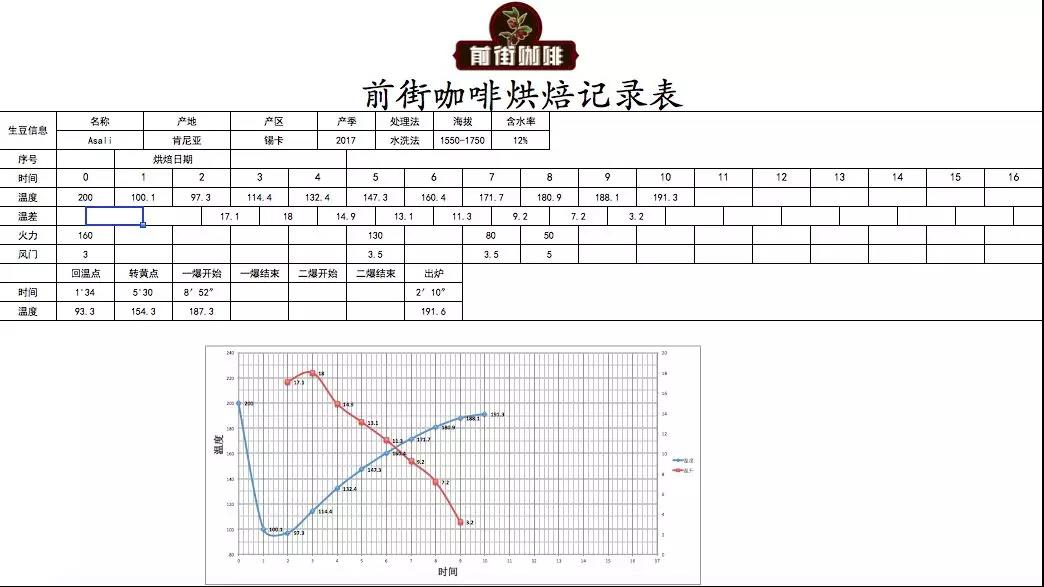
When wrinkles and dark spots appear on the bean surface and the toast smell clearly shifts to coffee aroma, that is the prelude to first crack. Listen carefully for its sound: first crack begins at 9'28", damper unchanged, development time 2'20", dropped at 193.8°C.
FrontStreet Coffee Cupping Notes
FrontStreet Coffee Brewing Recommendations
Dripper: Hario V60
Water Temperature: 90°C
Dose: 15 grams
Ratio: 1:15
Grind Size: EK43s setting 10 (80% pass through a #20 sieve)

FrontStreet Coffee Brewing Method: 30g of water for a 30-second bloom, pour in small circles up to 125g, continue pouring up to 225g when the water level drops to just above the coffee bed, stop, wait for the level to drop again, then remove the dripper (timing starts from the bloom). Extraction time: 2'00".
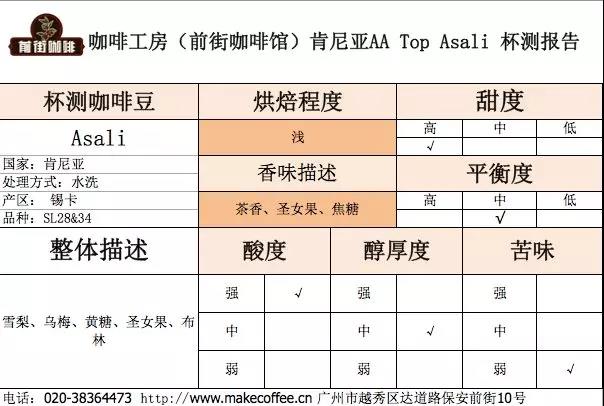
[FrontStreet Kenya Cherry Tomato] Flavor Description: The wet aroma shows mature tomato and floral notes. The entry brings cherry tomato and dark plum flavors with bright acidity, a clean and rich mouthfeel, and prominent juiciness and sweetness in the middle. The aftertaste carries berry aroma, brown sugar sweetness, and green tea fragrance.
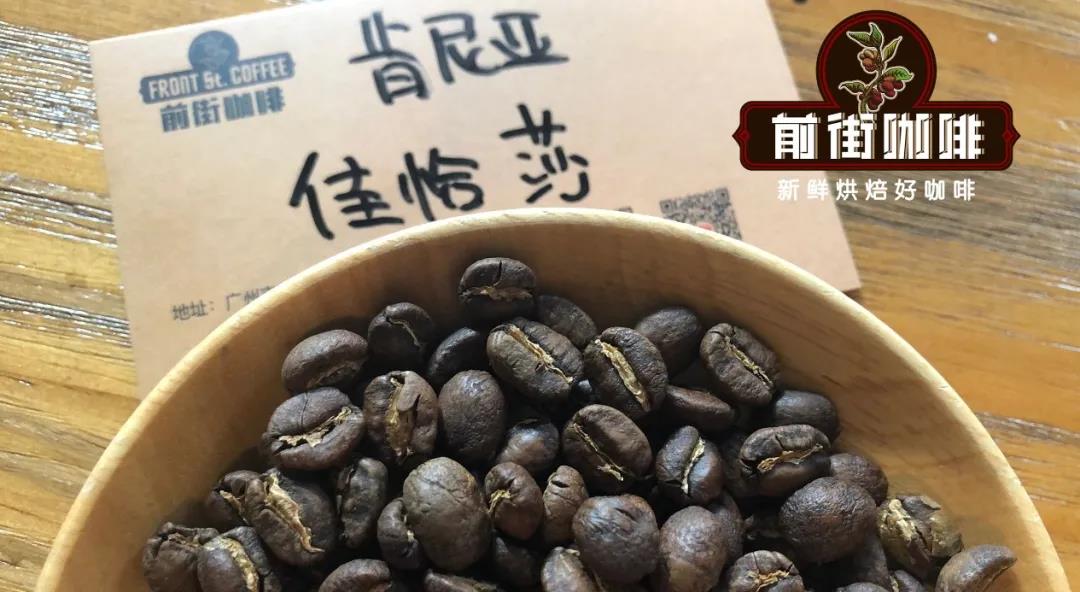
FrontStreet Coffee · Kenya Gachatha Cooperative AB Coffee Beans
Region: Gachatha Cooperative, Nyeri, Kenya
Processing Station: Gathaithi Processing Station
Altitude: 1825m
Varieties: SL28 & SL34
Processing Method: K72 washed
FrontStreet Coffee Roasting Recommendations
FrontStreet roasters use the Yangjia 800N semi-direct fire with 480g of beans: charge at a drum temperature of 160°C, damper at 3, heat at 120. Turning point: 1'28". At 130°C, set the damper to 4. At 6'00" the temperature reads 154.6°C — bean surface yellow, grassy smell gone, dehydration complete.
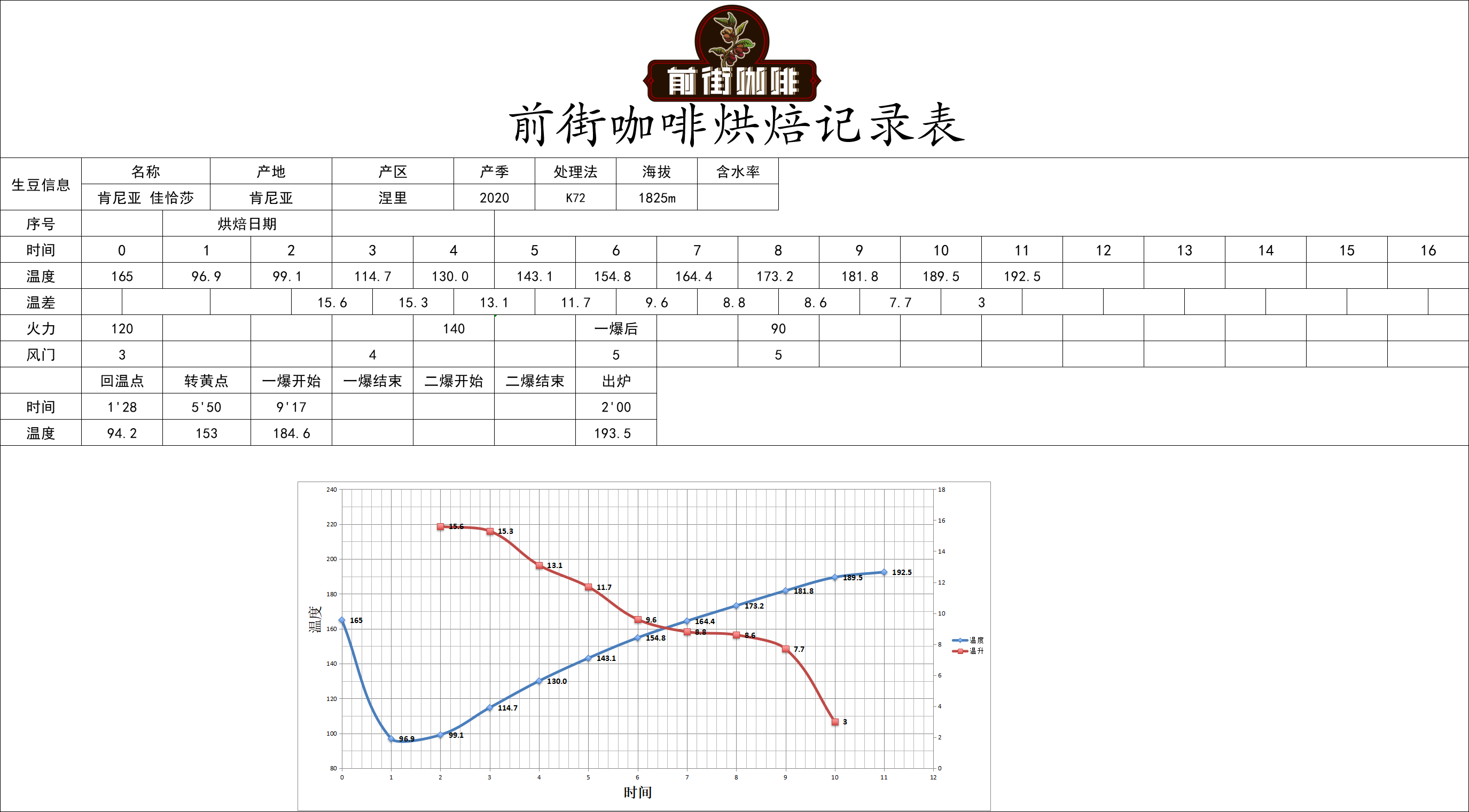
When wrinkles and dark spots appear and the toast smell shifts to coffee aroma, first crack is near. First crack begins at 9'28", damper unchanged, development time 2'20", dropped at 193.8°C.
FrontStreet Coffee Cupping Notes
FrontStreet Coffee Brewing Recommendations
Dripper: Hario V60
Water Temperature: 90°C
Dose: 15 grams
Ratio: 1:15
Grind Size: EK43s setting 10 (80% pass through a #20 sieve)

FrontStreet Coffee segmented extraction: 30g of water for a 30-second bloom, pour in small circles up to 125g, continue to 225g as the water level drops to just above the bed, stop, wait, then remove the dripper (timing from the bloom). Extraction time: 2'02".
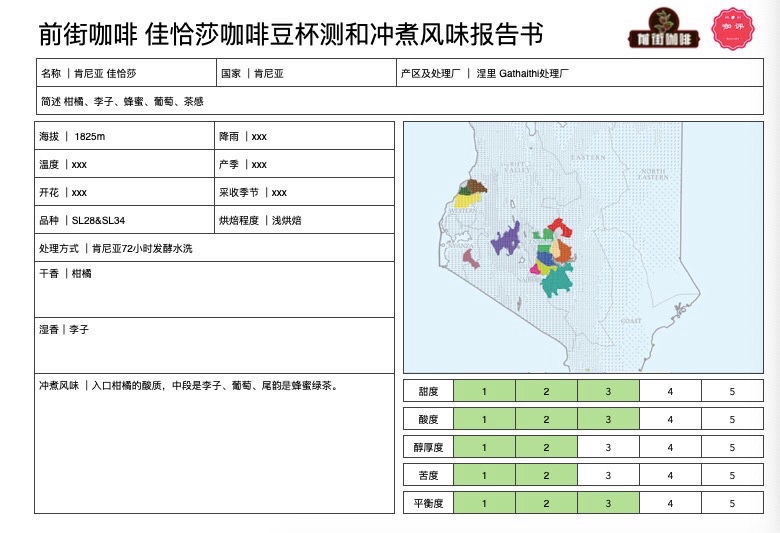
[FrontStreet Kenya Gachatha] Flavor Description: Prominent dark plum and cherry tomato, almond in the middle section, a honeyed finish, juice-like mouthfeel, and bright acidity.
FrontStreet Coffee Recommendation
Kenya's berry-bright acidity is thrilling, but if you find it a touch too intense, Ethiopia — Kenya's neighbor and coffee's birthplace — offers a gentler on-ramp into African fruit. FrontStreet Coffee's washed Yirgacheffe shows the classic profile: clear jasmine florals and bright citrus acidity with a tea-like finish, light and elegant, like a clean lemon tea.
For a bridge between the two, FrontStreet Coffee's Sidamo Hamasho 74158 comes from a washing station that is a fixture on Ethiopia's green bean competition lists, built mainly on the disease-resistant 74-series varieties released by the Jimma Agricultural Research Center (JARC). The 74158 beans run small but the florals are outstanding: sweet notes of lemon perfume, strawberry, and starfruit on the nose, with clear strawberry, starfruit, and green grape sweetness in the cup as faint florals unfold behind them.
And for a taste of Ethiopia's wild side, FrontStreet Coffee's Kafa Forest coffee grows entirely wild at 1400-2100 meters in shade, native microclimates, and red soil. Roasted medium-light, it opens with white florals and a bright lemon acidity, shows sweet orange and bergamot, and finishes with a faint melon-and-nut note and a green-tea mouthfeel — all the aromatic thrill of Africa at half the acidity punch of a Kenyan AA.
Important Notice :
FrontStreet Coffee is a long-established specialty coffee roaster in Guangzhou China, selling freshly roasted beans from its own farm in Yunnan as well as dozens of carefully selected single-origin beans from around the world for both pour-over and espresso. The products deliver consistently excellent quality and great value, with shipping within 24 hours. Guangzhou's FrontStreet Coffee shop is recommended by many coffee lovers, and the beans are now available online at the Tmall 。
FrontStreet Coffee has moved to a new address:
FrontStreet Coffee Address: 315,Donghua East Road,GuangZhou
Tel:020 38364473
 Scan and follow the En Gafei WeChat official account. Please indicate that the reprint comes from "En Gafei".