Flavor Profile of Yirgacheffe Kochere Coffee Beans - Is It Good to Drink? Differences Between Classic Washed and Natural Yirgacheffe Coffee

Ask any single-origin enthusiast which coffees define the category and names like FrontStreet Coffee's Yirgacheffe, FrontStreet Coffee's Mandheling, FrontStreet Coffee's Indonesian Kopi Luwak, and FrontStreet Coffee's Jamaica Blue Mountain come up immediately. As the coffee that rewrote people's definition of what coffee can taste like, FrontStreet Coffee's Yirgacheffe has won over seasoned drinkers for decades with its luminous acidity. Whenever FrontStreet Coffee recommends beans to beginners, its Yirgacheffe sits at the top of the list. And it isn't only for pour-over: it also features in daily espresso drinks — FrontStreet Coffee's Sunflower Warm Sunshine blend contains 30% sun-dried Yirgacheffe for layered berry notes, while the remaining 70% Honduras Sherry brings body and aroma.
ETHIOPIA, YIRGACHEFFE, KOCHERE
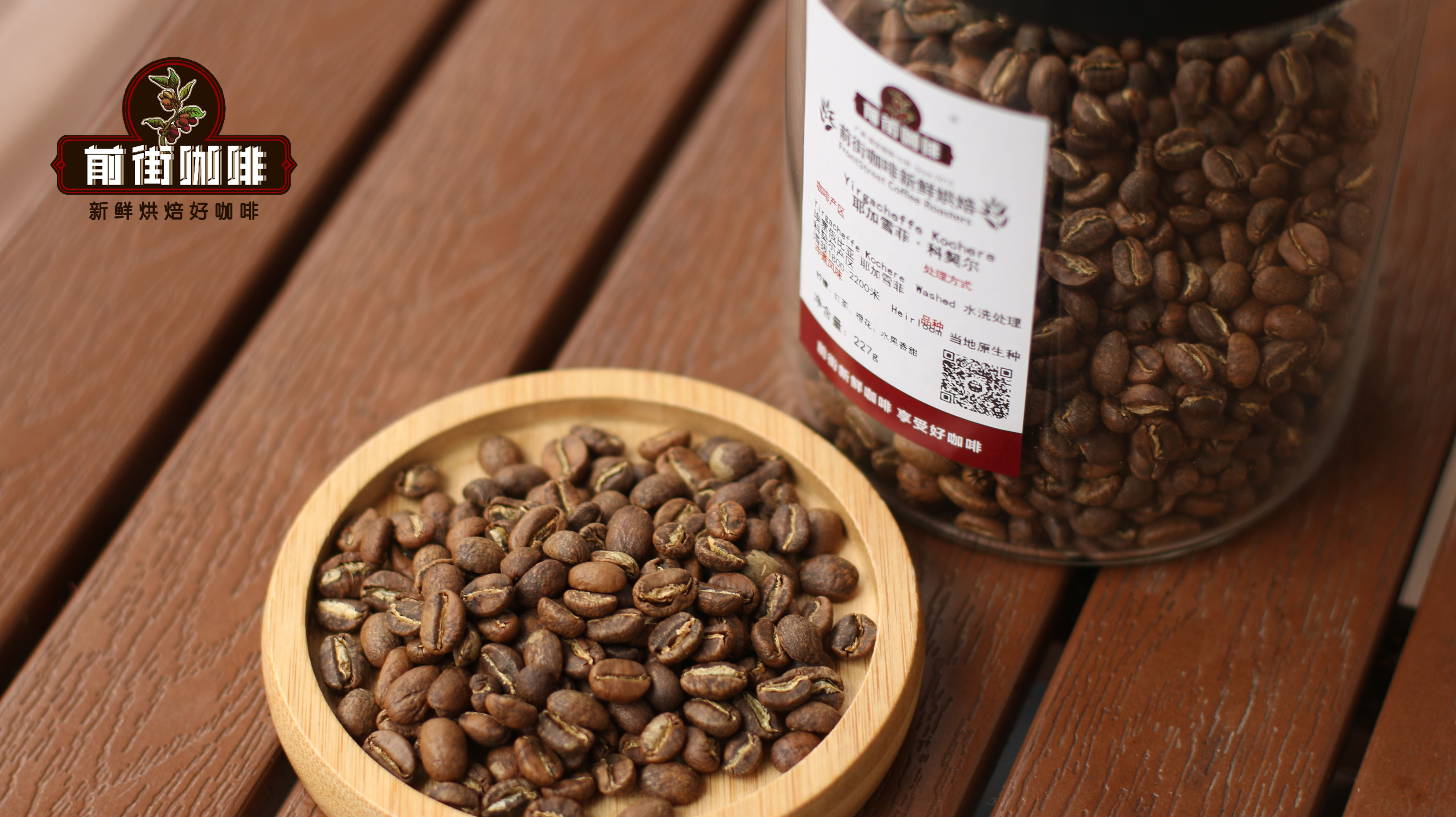
FrontStreet Coffee · Ethiopia Yirgacheffe Kochere Coffee Beans
- Country: Ethiopia
- Region: Yirgacheffe
- Grade: G1
- Variety: Heirloom
- Altitude: 1650m~1800m
- Processing: Washed
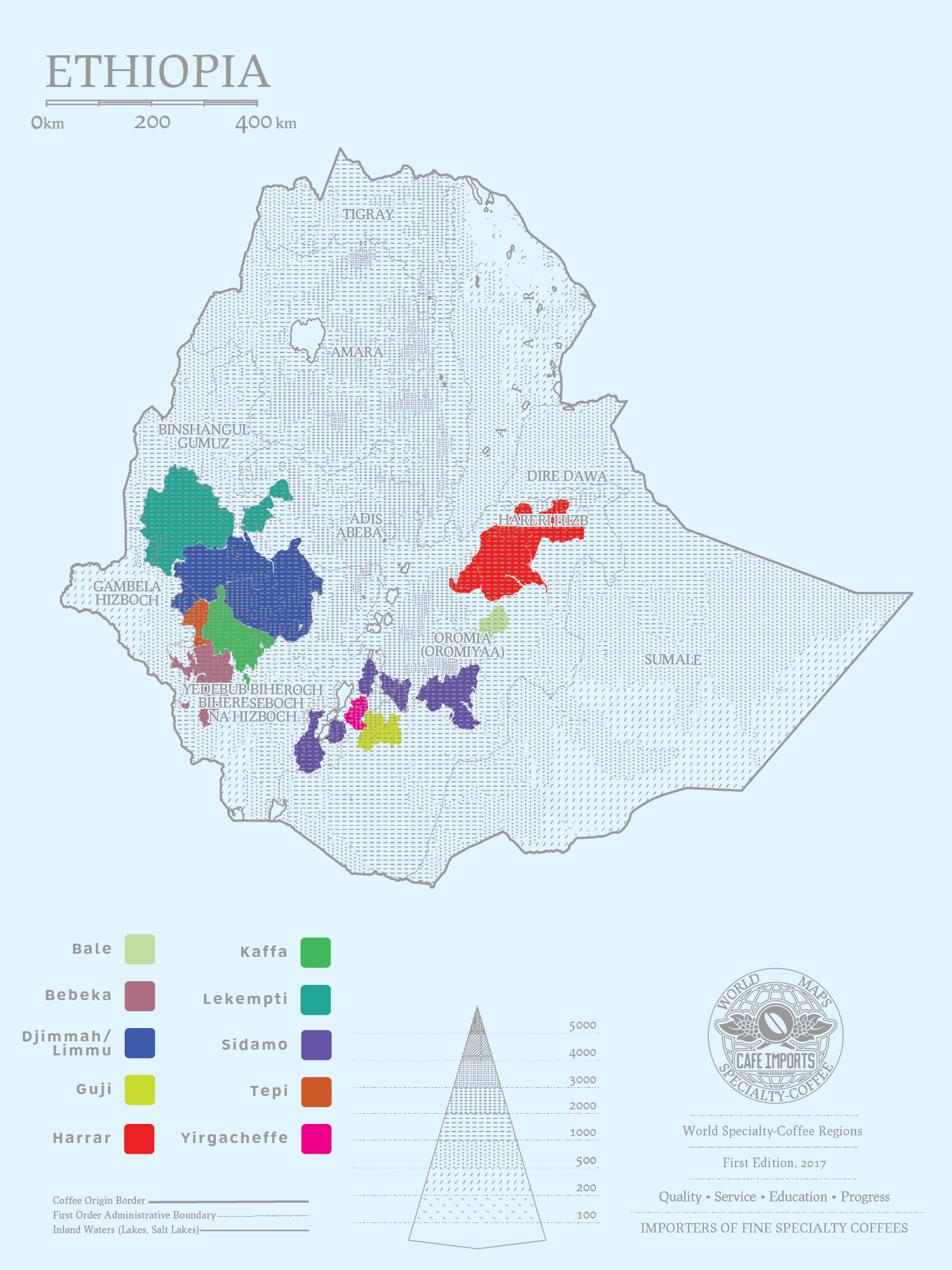
In 1995 Ethiopia redrew its administrative map, and the Yirgacheffe area we know was placed within the Gedeo zone of the newly formed SNNPR region. Yirgacheffe now sits in central Gedeo, with Kochere lying about 25 miles from the famous Yirgacheffe town. Production is dominated by smallholder farmers who deliver their harvests to cooperatives for centralized processing, and for years this area has been hailed as one of the finest coffee origins in southern Ethiopia. Ethiopia has eight principal coffee-producing regions: Nekempte (Lekempti), Gimbi, Limu, Illubabor, Djimma, Harrar, Teppi/Bebeka, Sidamo, and Yirgacheffe.
Regional Profile
Kochere sits on a plateau at 1650m~1800m. Ethiopia's main harvest runs through November and December. Most farmers here still work without modern inputs, tending their trees by hand and skipping pesticides and herbicides altogether — so virtually all Ethiopian coffee is organic by default, certification or not. The pairing of traditional cultivation with precise processing has made the region's coffee world-famous. As one farm owner put it: "We didn't have time to prepare this season, but we'll pursue RFA organic certification at the next harvest."
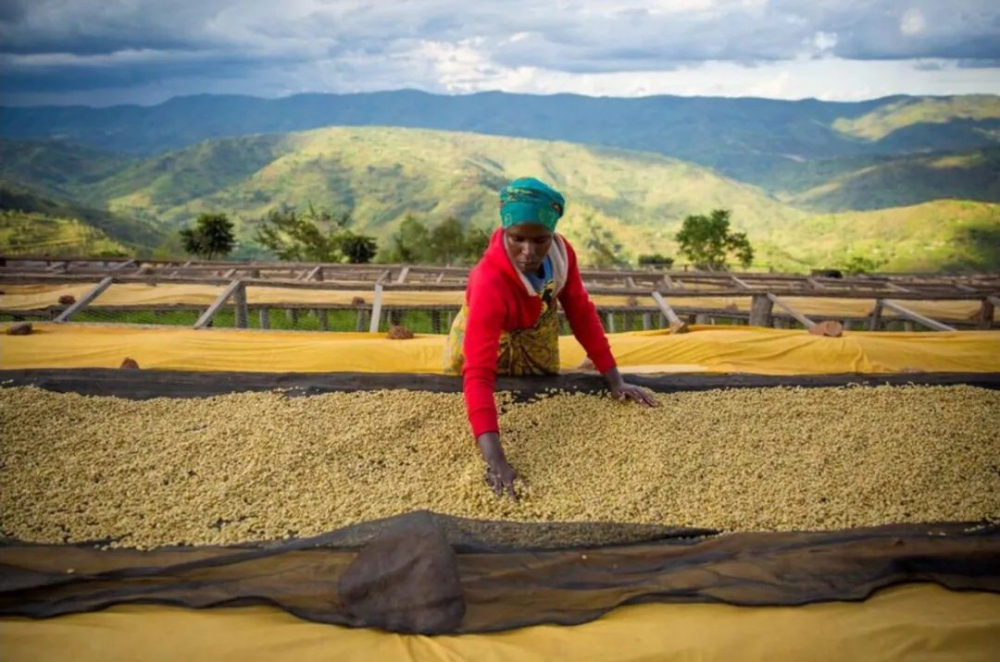
Washed processing demands more resources (water) than the natural method, but it yields higher-quality green coffee. The beans are spread evenly on drying beds for ventilation and turned regularly to prevent over-fermentation.
Washed coffee shows brighter acidity than natural, which is what gives Yirgacheffe its trademark "clean" taste. We prefer washed Yirgacheffe because it's clearer in the cup.
Flavor Profile: fruity (rich fruitiness), fresh jasmine aroma, berries, citric acidity, pineapple, apple, smooth, clean, long aftertaste.
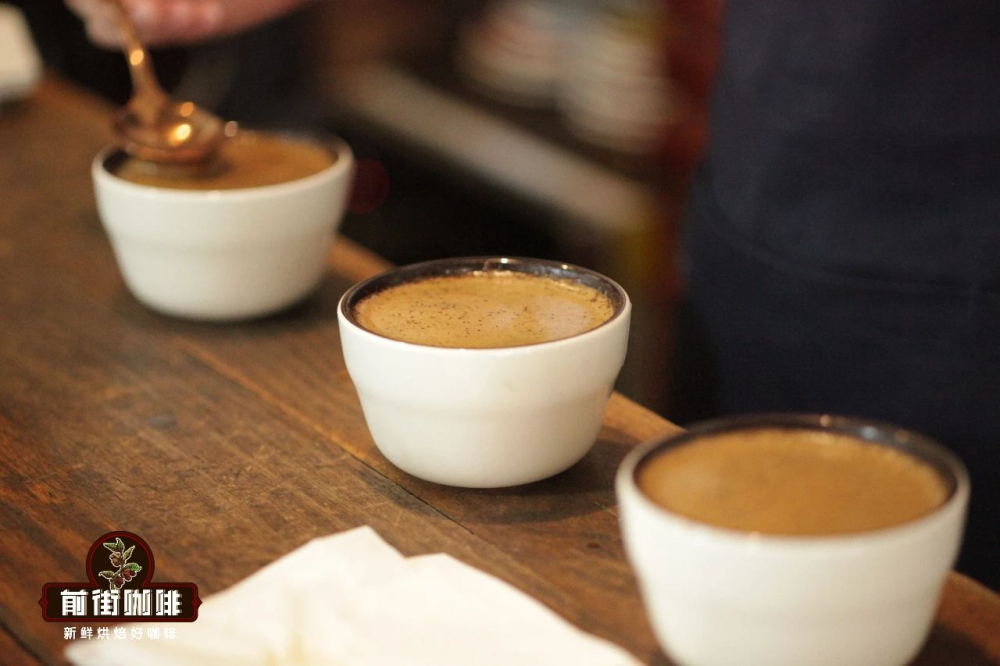
Washed vs. Natural Yirgacheffe — Part One
Coffee cherries must move straight into processing after harvest or they begin fermenting and picking up off-flavors. There are two principal routes — natural and washed — and each shapes a different flavor.
Natural-processed beans offer complete, natural richness, a gentle aroma, and more mucilage character; washed processing delivers good richness, high aroma, and lively acidity.
Natural (Dried-in-the-Fruit) Method:
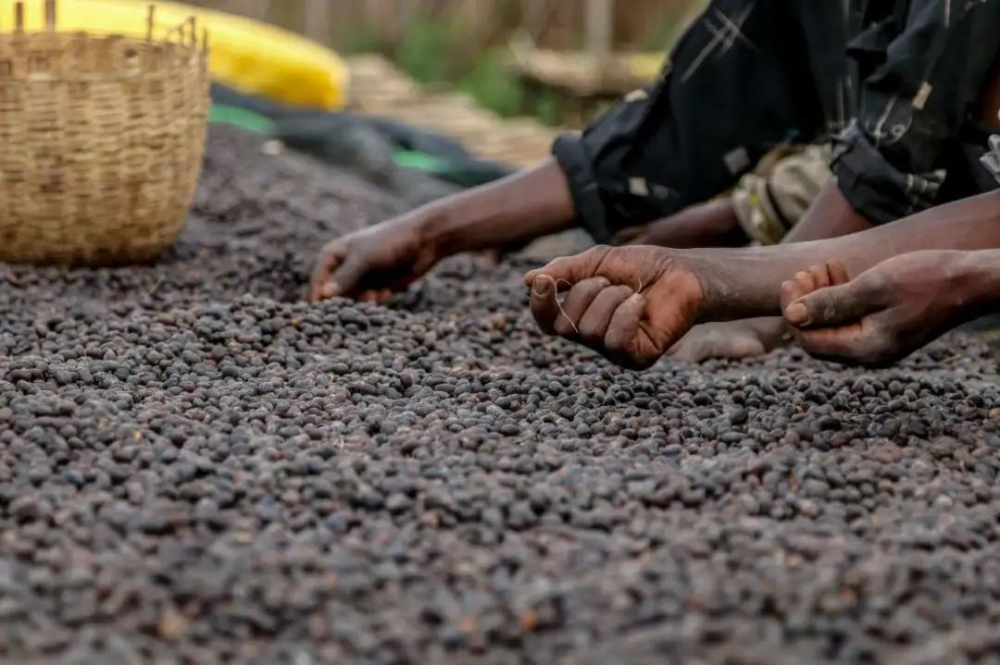
Cherries are laid out to sun-dry whole, straight off the tree, with no prior processing. This is the oldest processing method still in use, and drying typically takes about 4 weeks. It demands real rigor — any lapse and the coffee loses flavor.
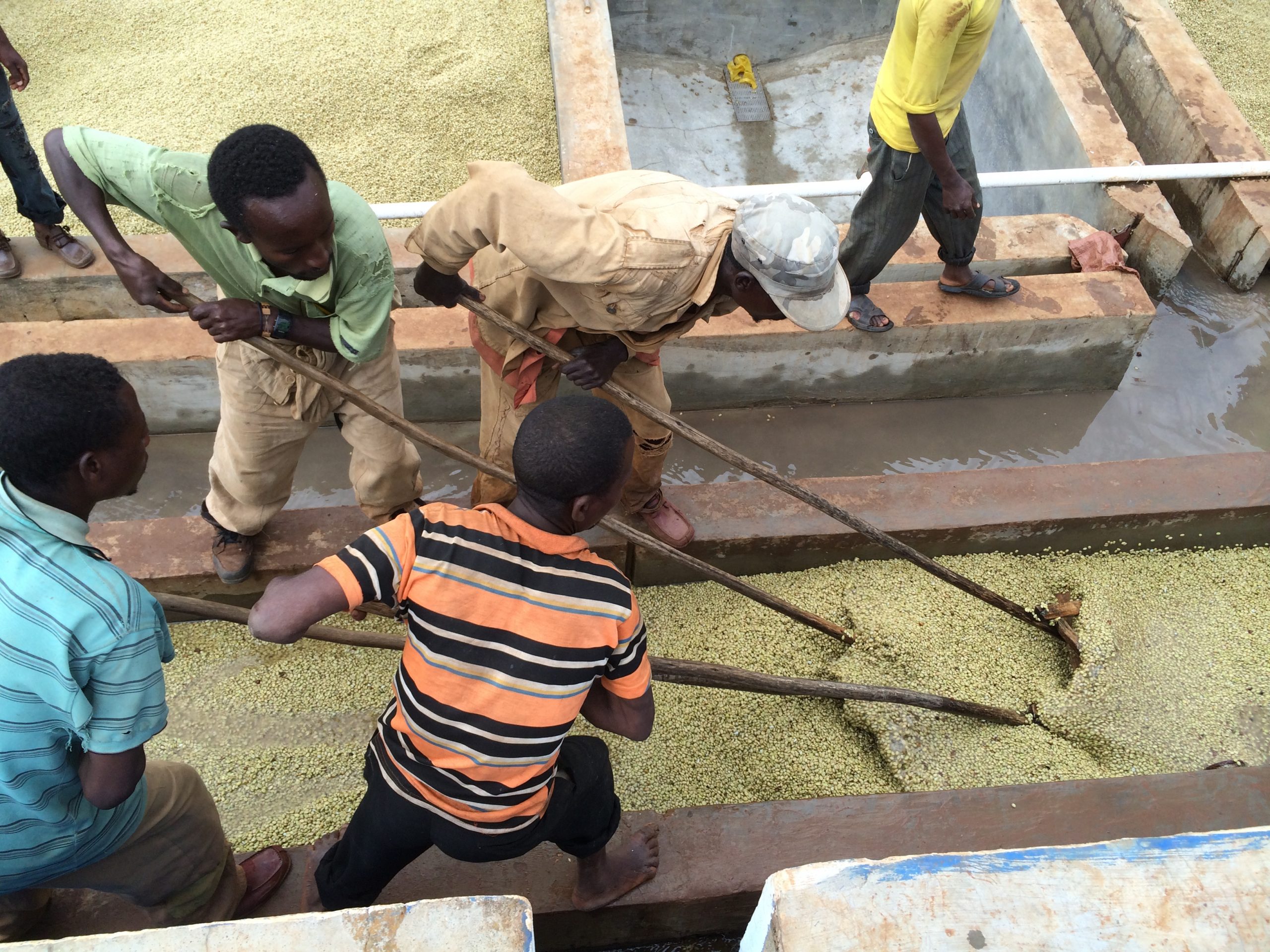
Fully Washed Method:
Here water and fermentation remove the pulp and mucilage. Farms using this method must build washing tanks and have a reliable supply of fresh water. The fermented beans are agitated back and forth in the tank, the friction between beans and the push of flowing water scrubbing them until smooth and clean.
After washing, the beans are still sealed in parchment at about 50% moisture and must be dried down to 12% — otherwise they keep fermenting and mold.
The preferred drying is sun-drying, which takes 1-3 weeks; done well, the flavor is exceptional and much loved.
Washed vs. Natural Yirgacheffe — Part Two
Coffee Bean Appearance
Compare two FrontStreet Coffee beans from the Yirgacheffe region: on the left, the washed Yirgacheffe Kochere; on the right, the natural Yirgacheffe Red Cherry.
Green beans: as a rule, washed green beans are bluish-green while natural green beans are yellowish-green.
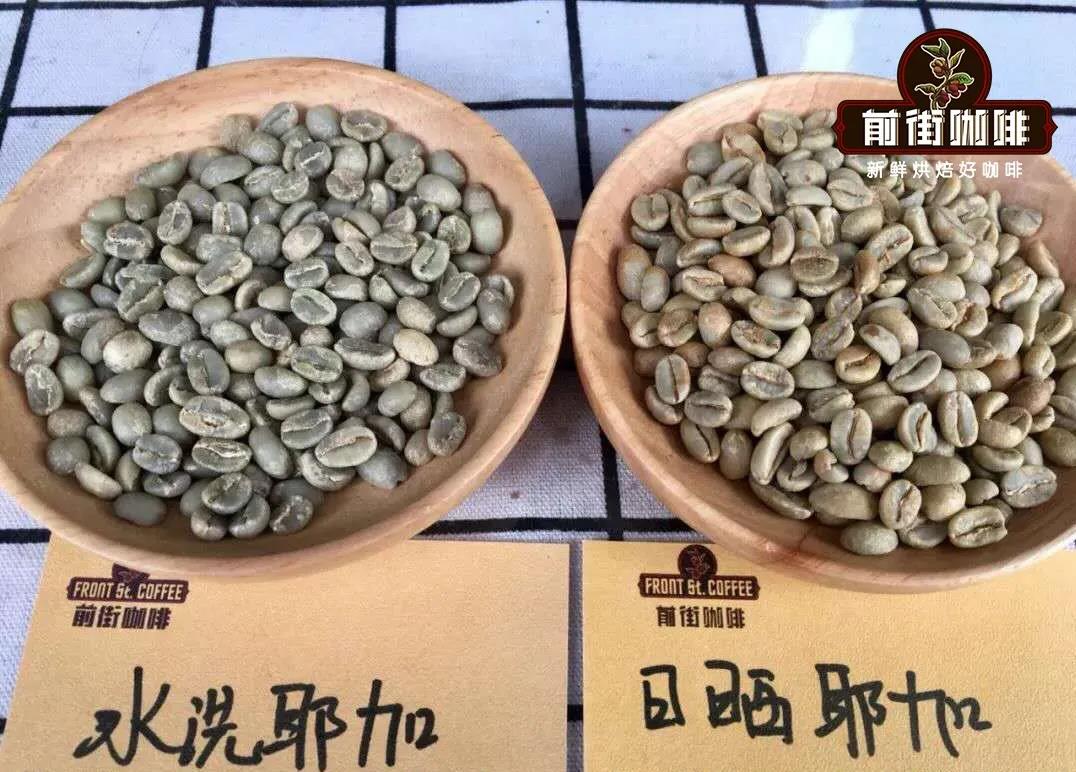
Looking at the silver skin: washed processing generally strips the silver skin from the bean during processing, leaving a distinctive luster, while the natural method removes only the outer husk and leaves the silver skin fully intact.
Silver Skin/Chaff: inside the parchment there is an even thinner film wrapped around each bean. Because of its lustrous, silvery sheen, people habitually call it "silver skin."
Green bean differences: washed green beans are generally bluish-green; natural green beans yellowish-green.
Roasted beans: FrontStreet Coffee's washed Yirgacheffe shows more silver skin after roasting; the natural Yirgacheffe shows less.
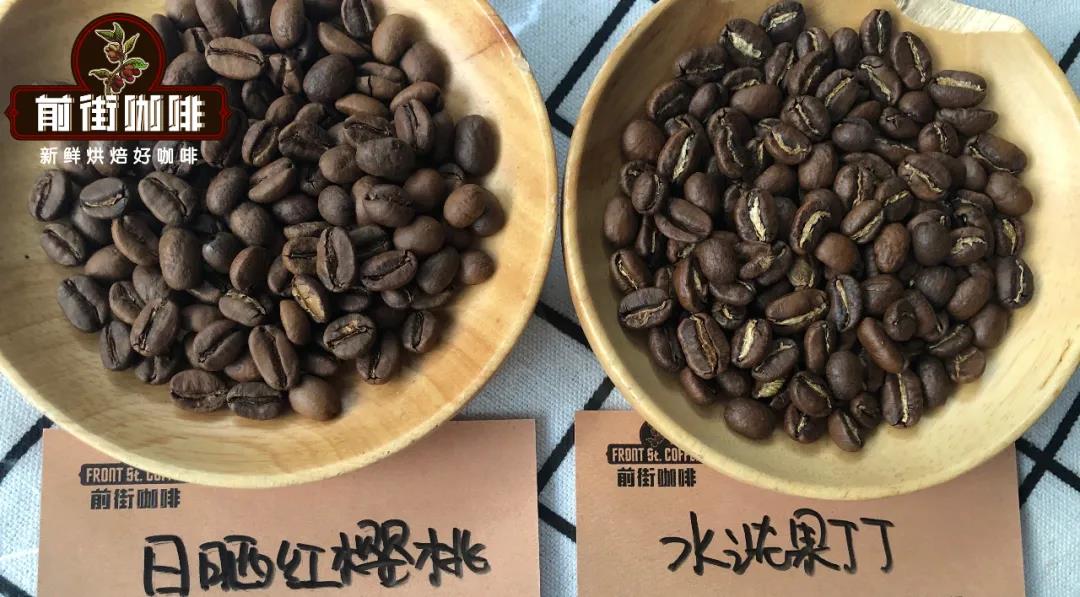
Natural beans carry more outer silver skin, which burns off thoroughly during roasting and therefore appears less when grinding. Washed beans carry more inner silver skin, much of which survives roasting and shows up in the grinder. Roast degree matters too — the darker the roast, the more completely the chaff is shed.
To find out what chaff actually tastes like, a FrontStreet Coffee barista once brewed a cup of nothing but silver skin — and found it lacked the heavy bitterness people assume. In excess, though, chaff does cause astringency; yet stripping green beans aggressively to remove it costs flavor. Besides, washed beans always retain some chaff along the center cut. The question is whether that residue necessarily causes noticeable astringency — there's no need to pick the beans absolutely clean.
Dry Aroma Differences:
FrontStreet Coffee's natural Yirgacheffe: light fermented wine aroma, spicy fragrance.
FrontStreet Coffee's washed Yirgacheffe: jasmine florals, lemon or lime acidity.
Cupping
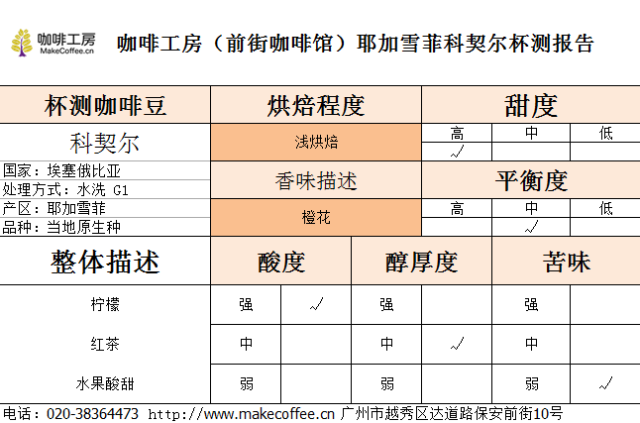
FrontStreet Coffee has a deep soft spot for Ethiopian coffee — the creamy berry notes of the Sidamo Hambela Flower Queen, the citric fragrance of the washed Yirgacheffe... the sheer diversity makes Ethiopia a treasure trove.
FrontStreet Coffee's natural Yirgacheffe: the natural process is a touch more complex — a light fermented wine note, much richer fruitiness, honey sweetness, cocoa with hints of spice, full body, persistent finish.
FrontStreet Coffee's washed Yirgacheffe: washed processing gives brighter, citric-acid brightness, a cleaner cup, more prominent citrus, and a black-tea sensation in the finish.
Similarities: both share fruit acidity reminiscent of lemon and citrus.
Roasting Analysis
When roasting Yirgacheffe, FrontStreet Coffee's roasters generally choose a light roast. Light roasting makes the fruit character of this tropical-grown coffee more vivid and rich, with an approachable acidity like the fragrance of fresh apple. That acidity actually reinforces the body, turning bitterness aromatic and memorable. Coffee is, at heart, a fruit — and keeping its fruity sweetness and tartness alive through high-heat roasting is precisely the hallmark of Yirgacheffe. It reflects FrontStreet Coffee's roasting philosophy: every bean should speak for its origin.
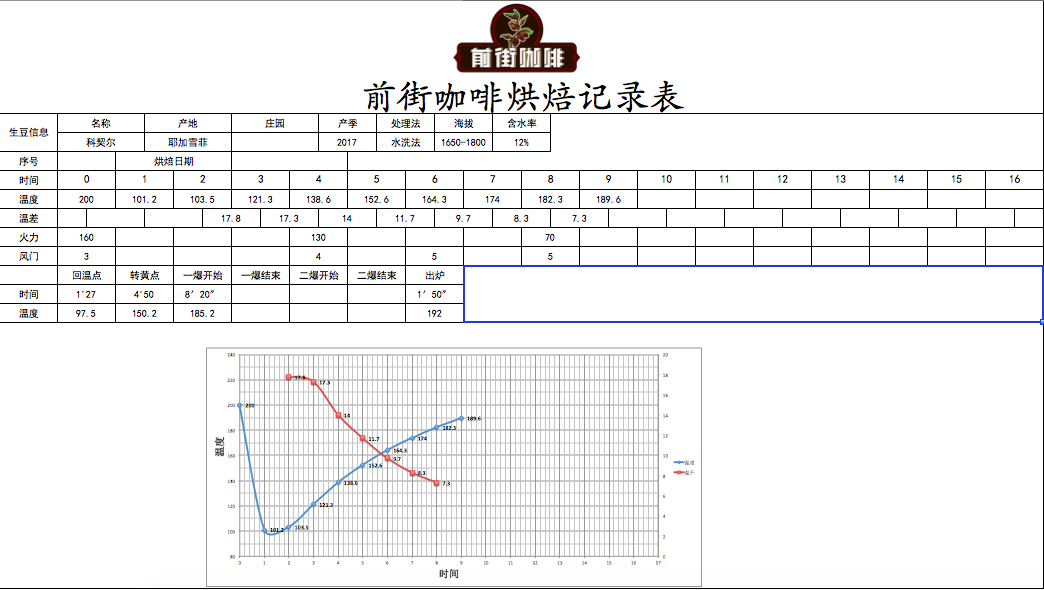
Roaster: Yangjia 600g, semi-direct flame.
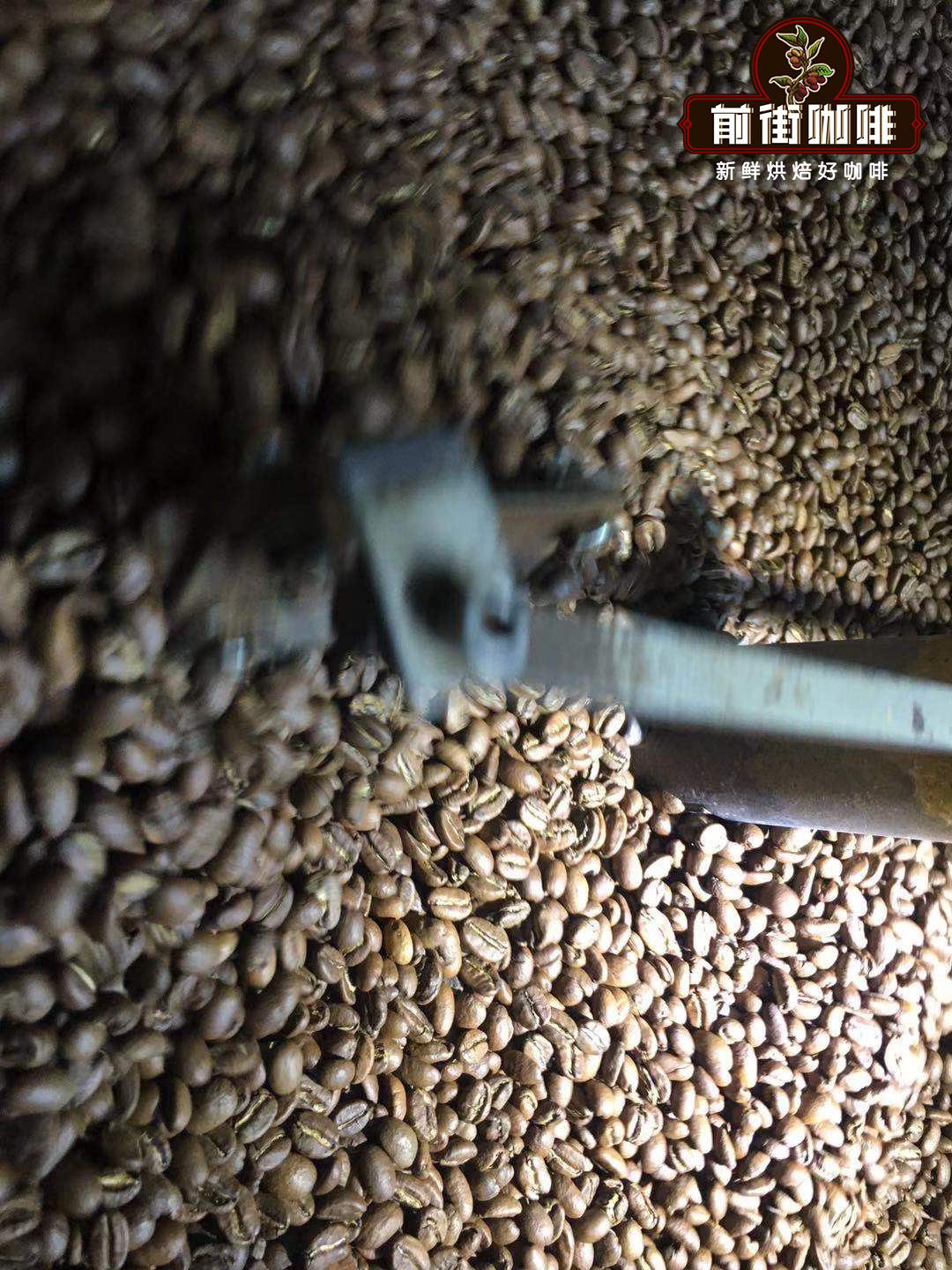
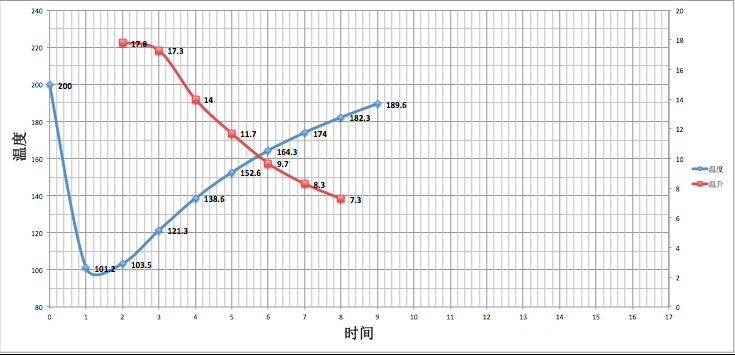
Charge at 200°C on quick-roast mode, air damper at 3. After 1 minute cut heat to 160°C, damper unchanged. At 4'50'' the probe reads 150°C, the bean surface yellows, the grassy smell is gone — dehydration complete. Cut heat to 130°C, damper to 4. At 8 minutes the bean surface shows wrinkles and dark speckles and the toast aroma turns unmistakably to coffee aroma — the prelude to first crack. Listen closely: first crack begins at 8'20. Reduce heat to 70 (carefully — too little heat can stall the crack), damper fully open. Drop the beans at 192°C.
FrontStreet Coffee's Brewing Recommendations
FrontStreet Coffee's Yirgacheffe daily bean is washed and medium-light roasted, with the classic Yirgacheffe flavor profile, and suits pour-over, cold brew, French press, and more. The daily bean line lets newcomers to coffee experience foundational regional flavors at friendly prices, and the small packaging avoids waste when you can't finish a bag. For tasting the classic Yirgacheffe aroma, FrontStreet Coffee believes hand-brewed black coffee is the ideal vehicle.
- Filter: V60
- Water Temperature: 92-93°C
- Dose: 15g
- Coffee-to-Water Ratio: 1:15
- Grind Size: fine sugar texture (78% pass through a #20 sieve)
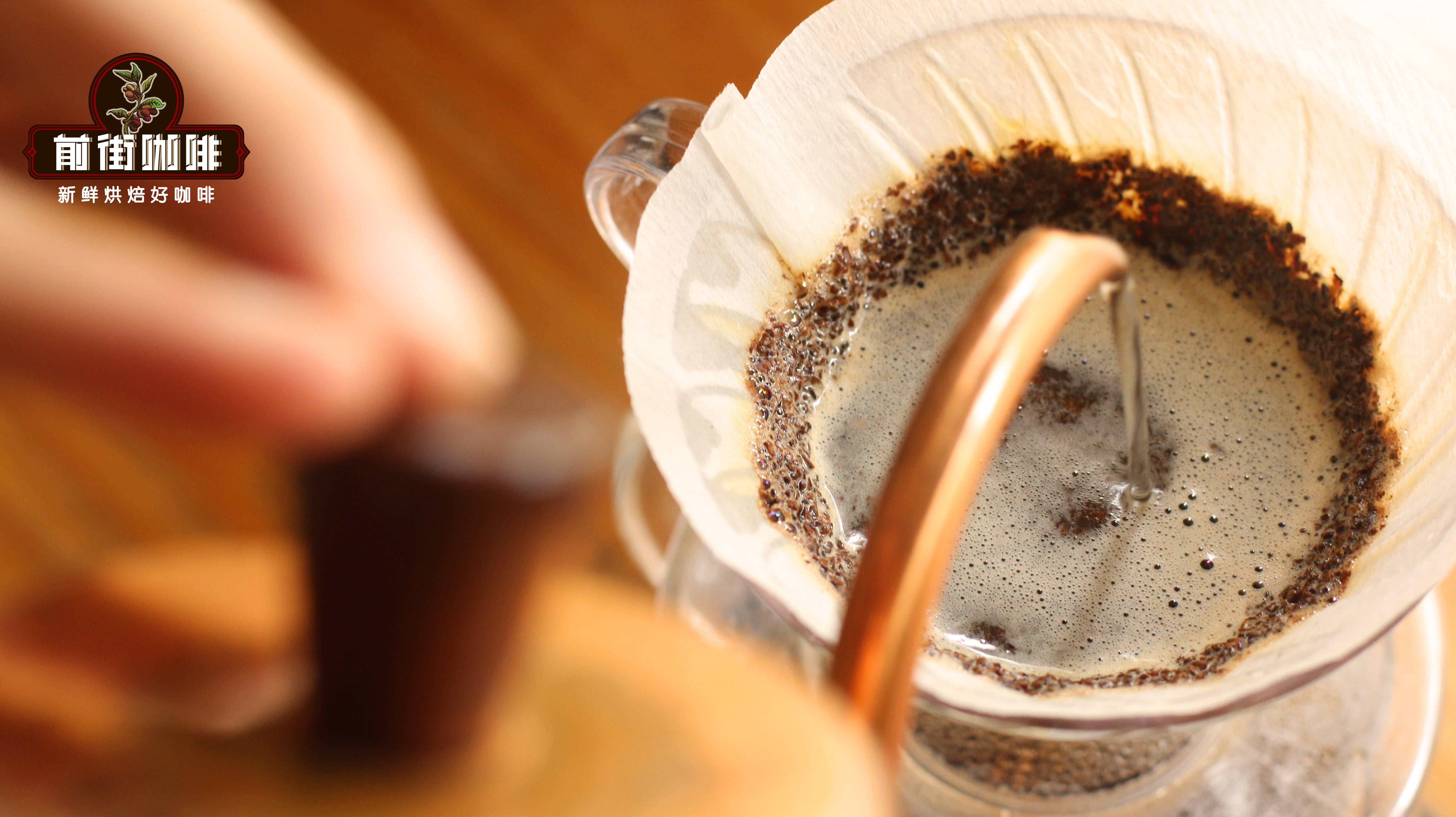
Three-pour method: start with twice the coffee's weight in water to wet the bed into a dome and bloom for 30s. Then pour in small circles from the center outward to 125g for the second pour. Once the coffee bed drops to half the depth of the dripper, continue with the same fine flow for the third pour to 225g. Remove the dripper once all the liquid has drawn down — about 2 minutes total.
Ground fresh, FrontStreet Coffee's washed Yirgacheffe daily bean smells of honey and jasmine. When the hot water hits, berry notes begin to lift. The brewed cup opens with bright lemon, citrus, and green tea; as it cools, berry, cream, and sugarcane notes trail through the finish — distinctly sweet, clean, and satisfying.

FrontStreet Coffee Recommendation
Want to explore Yirgacheffe beyond Kochere? Start with the FrontStreet washed Yirgacheffe daily bean — the classic first bottle for anyone entering specialty coffee, loved for its white jasmine florals, bright citrus and lemon acidity, and tea-like finish, all at a very friendly price. Brew it on a V60 with 15g of coffee at a 1:15 ratio and 90-91°C water for the full picture.
Then step up to the FrontStreet Guodingding Cooperative coffee, from Worka at the southeastern edge of Yirgacheffe. Once part of the Worka cooperative under the YCFCU union, it became a sought-after single terroir as drinkers began chasing traceability. Traditionally washed, it drops the bitter baseline entirely: crisp, luminous citrus and lemon acidity wrapped in jasmine fragrance — a coffee many people fall in love with on the first sip. If you prefer fruit over florals, the FrontStreet natural Red Cherry is the one: fully ripe cherries sun-dried for three to five weeks, turning regularly every 2-3 hours at first, and showing citrus-like acidity, a berry-juice juiciness, honeyed sweetness, and cream-smooth texture.
Important Notice :
FrontStreet Coffee is a long-established specialty coffee roaster in Guangzhou China, selling freshly roasted beans from its own farm in Yunnan as well as dozens of carefully selected single-origin beans from around the world for both pour-over and espresso. The products deliver consistently excellent quality and great value, with shipping within 24 hours. Guangzhou's FrontStreet Coffee shop is recommended by many coffee lovers, and the beans are now available online at the Tmall 。
FrontStreet Coffee has moved to a new address:
FrontStreet Coffee Address: 315,Donghua East Road,GuangZhou
Tel:020 38364473
 Scan and follow the En Gafei WeChat official account. Please indicate that the reprint comes from "En Gafei".