How to Drink Yirgacheffe: How to Taste Yirgacheffe Pour-Over Coffee?
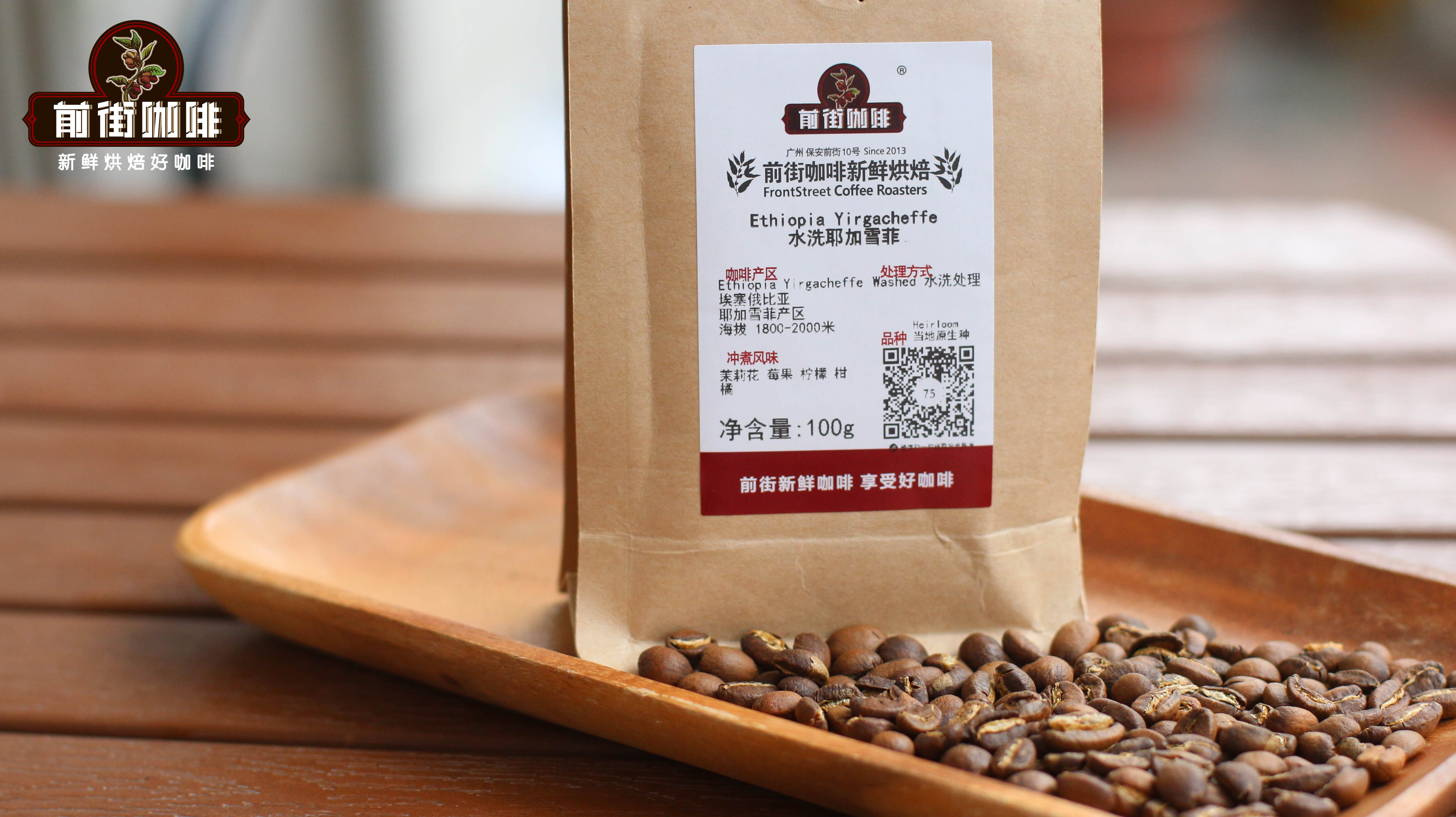
Yirgacheffe is one of the most instantly recognizable coffees on the planet. Its fresh, elegant white florals and citrusy acidity sear the name into your memory from the very first sip. To countless coffee lovers it delivers something Geisha often cannot: remarkable flavor at a price you can happily drink every day. On FrontStreet Coffee's bean board alone there are four different Yirgacheffes, covering both traditional washed and natural styles, which says a great deal about how popular this coffee has become.
Where Does Yirgacheffe Coffee Come From?
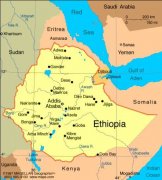
Like so many great coffees, Yirgacheffe comes from Ethiopia, the birthplace of coffee. But "Yirgacheffe" is neither a variety nor an estate name; it is the name of a town. Around that town, coffee trees grow at elevations between 1,700 and 2,200 meters. The cooler air up there slows the cherries' growth and ripening, giving them more time to accumulate nutrients and flavor compounds. The result is a distinctive, high-quality bean that quickly earned worldwide fame. When the Ethiopian government later patented "Yirgacheffe" as a regional name, the word became shorthand for Ethiopian specialty coffee itself.
As one of the flagship origins of global specialty coffee, Yirgacheffe is defined by its citrus and lemon aromatics and its jasmine fragrance. Bright floral-fruit notes, layered acidity, a clean cup with no off-flavors, and a rich yet balanced body are what make it so compelling. It is widely regarded as the standard-bearer of premium African coffee and enjoys a sterling reputation among connoisseurs around the world.
How Did the Yirgacheffe Flavor Win the World Over?
At FrontStreet Coffee, we describe the signature Yirgacheffe profile as layered citrus, lemon and berry sweet-tartness, delicate white florals, and a clear tea-like quality that is unforgettable at first taste. Expressing flavors this refined takes everything working in concert: an excellent growing environment, the right varieties, careful processing, and precise roasting and brewing.
Ethiopia's limited water resources meant that, traditionally, green beans were dried in the sun using ancient natural methods. That rough technique often produced inconsistent quality. It was not until 1972 that Ethiopia introduced washing technology and equipment from Central and South America to lift bean quality. Unlike other regions, Yirgacheffe is a wetland area, which makes it especially well suited to washed processing. That shift amplified the citrus and lemon aromatics already present in the beans, making the cup fresher and brighter.
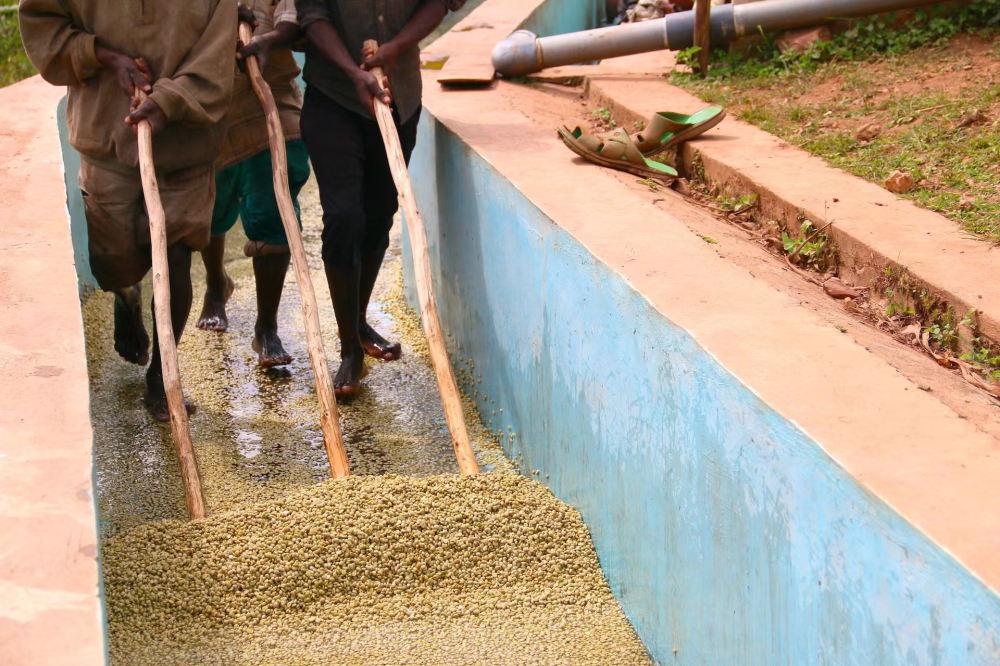
Washed processing steps: after the cherries are harvested, they go into water, where buoyancy separates out the under-ripe fruit. A depulper then removes the fruit pulp. The beans rest in fermentation tanks for 18 to 36 hours until the mucilage layer breaks down. After fermentation, the parchment beans are scrubbed in channels; the gentle water flow through these purpose-built channels removes low-density, poor-quality beans. Finally the beans are drained and spread out on raised African beds to dry. Because defects are eliminated at multiple stages, the defect rate drops sharply, the cup becomes cleaner, and the bean's own aroma comes through more clearly. FrontStreet Coffee's daily offerings from the Buna Dira Cooperative and Kochere are processed this way.
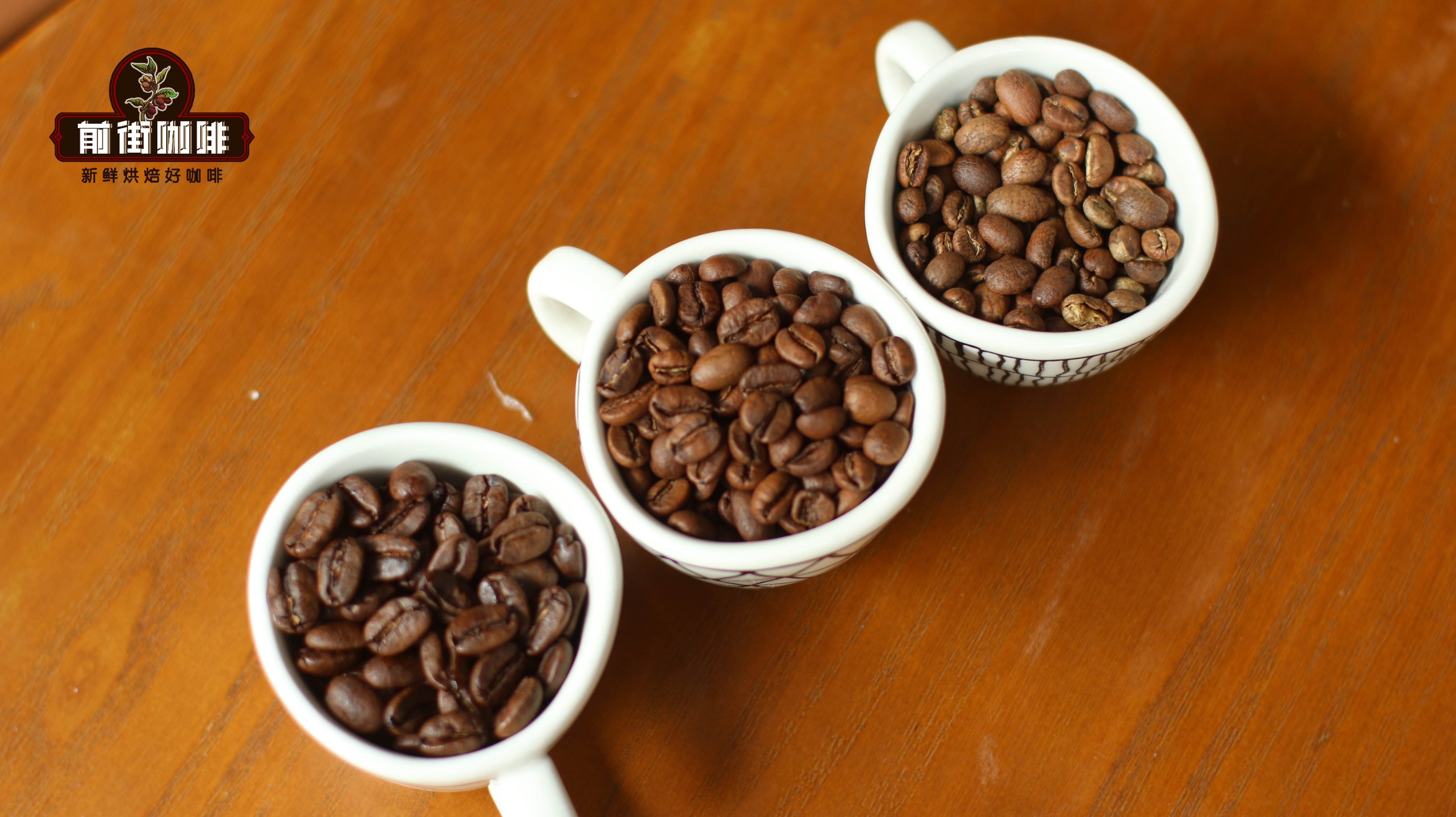
In the past, most of the coffee people drank was predominantly bitter. The main reason coffee tasted so bitter and strong was that roasters took the beans dark, aiming for nuts and dark chocolate. With the arrival of specialty coffee, roasters began pulling Yirgacheffe back to a light roast so more acidity could survive. Light-roasted Yirgacheffe expresses pleasant fruit sweet-tartness and white florals, and in a real sense it opened the "new era of fruity, acidic coffee." Favoring sweetness and avoiding bitterness happened to match mainstream taste, which is exactly why Yirgacheffe is so popular worldwide.
Is There a Natural-Processed Yirgacheffe, and Is It Any Good?
Even though washed coffee once became the trend, natural processing still accounts for the majority of Ethiopian coffee, and high-quality naturals are not hard to find. Unlike the past, today's natural processing invests far more thought in hand sorting and in keeping the drying details uniform. The Red Cherry beans on FrontStreet Coffee's bean board are selected from high-quality Yirgacheffe and given a traditional natural process.

To raise local farmers' incomes and improve coffee quality, the Dutch trading company Trabocca BV launched the Operation Cherry Red project in 2007, aimed mainly at high-altitude areas such as Ethiopian Yirgacheffe, to improve washed, semi-washed and natural processing techniques. Professional cuppers joined the project, setting different harvest targets for different microclimate zones across the season: only 100% ripe red cherries were to be picked, with production running roughly 1,500 to 3,000 kg. The financial loans, new equipment and production know-how Trabocca provided greatly improved bean quality across Yirgacheffe and even throughout Ethiopia, leading to higher prices and better farmer incomes.
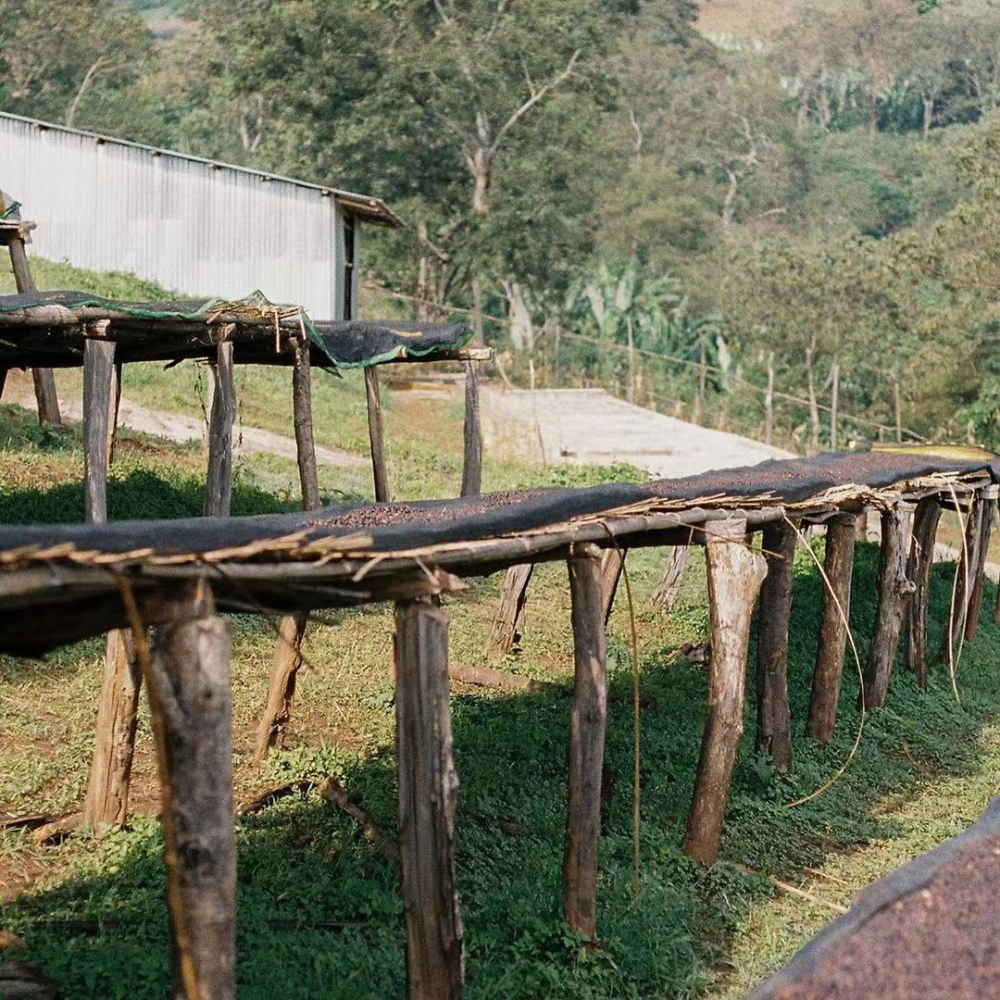
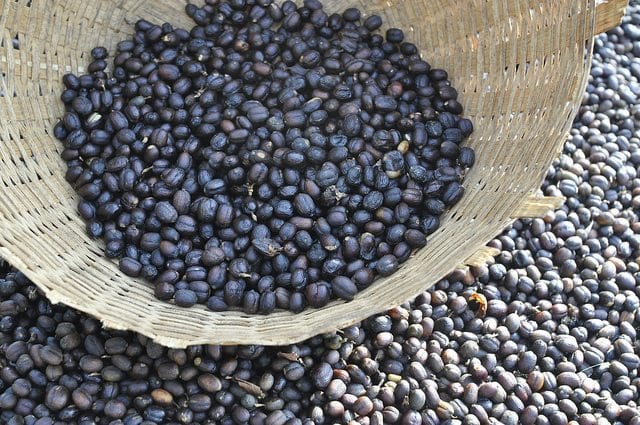
Freshly harvested red cherries are hand-screened to remove defective, overripe or insect-damaged fruit, leaving only good beans, which then go to drying sites. Different regions use different drying surfaces; some rely on waterproof tarps or high beds, but the most common is raised African beds. Drying generally takes 27 to 30 days, until the coffee turns dark purple and moisture drops to 11%, at which point it is considered complete. Natural-processed Yirgacheffe has more intense flavors and richer layers, with fermented, wine-like aromas and noticeably higher sweetness.
Yirgacheffe Pour-Over Parameters
FrontStreet Coffee often receives brewing questions from enthusiastic learners around the country. Today we will use our natural-processed Red Cherry beans as the subject and walk through our extraction philosophy according to our shop standards, so take notes.
Because Yirgacheffe beans grow at high altitude and have a hard texture, we use high-temperature water, 92°C to 93°C, to pull more floral and fruit notes out of the coffee. For grind size, FrontStreet Coffee recommends a medium-fine grind (a 78% pass-through rate on a China-standard No. 20 sieve). Too coarse and you will not extract the body, leaving the coffee thin; too fine and the high water temperature can easily over-extract and turn it bitter.

During cupping, FrontStreet Coffee noticed that this bean shows different flavors at different temperatures, so we use a three-stage pour to let the various flavor compounds express themselves as the coffee bed gradually warms. To highlight the refreshing, charming aroma of washed Yirgacheffe, FrontStreet Coffee brews with a V60 dripper. The dripper's spiral ribs help the grounds degas, maximizing the release and dissolution of the acidic aromatics.
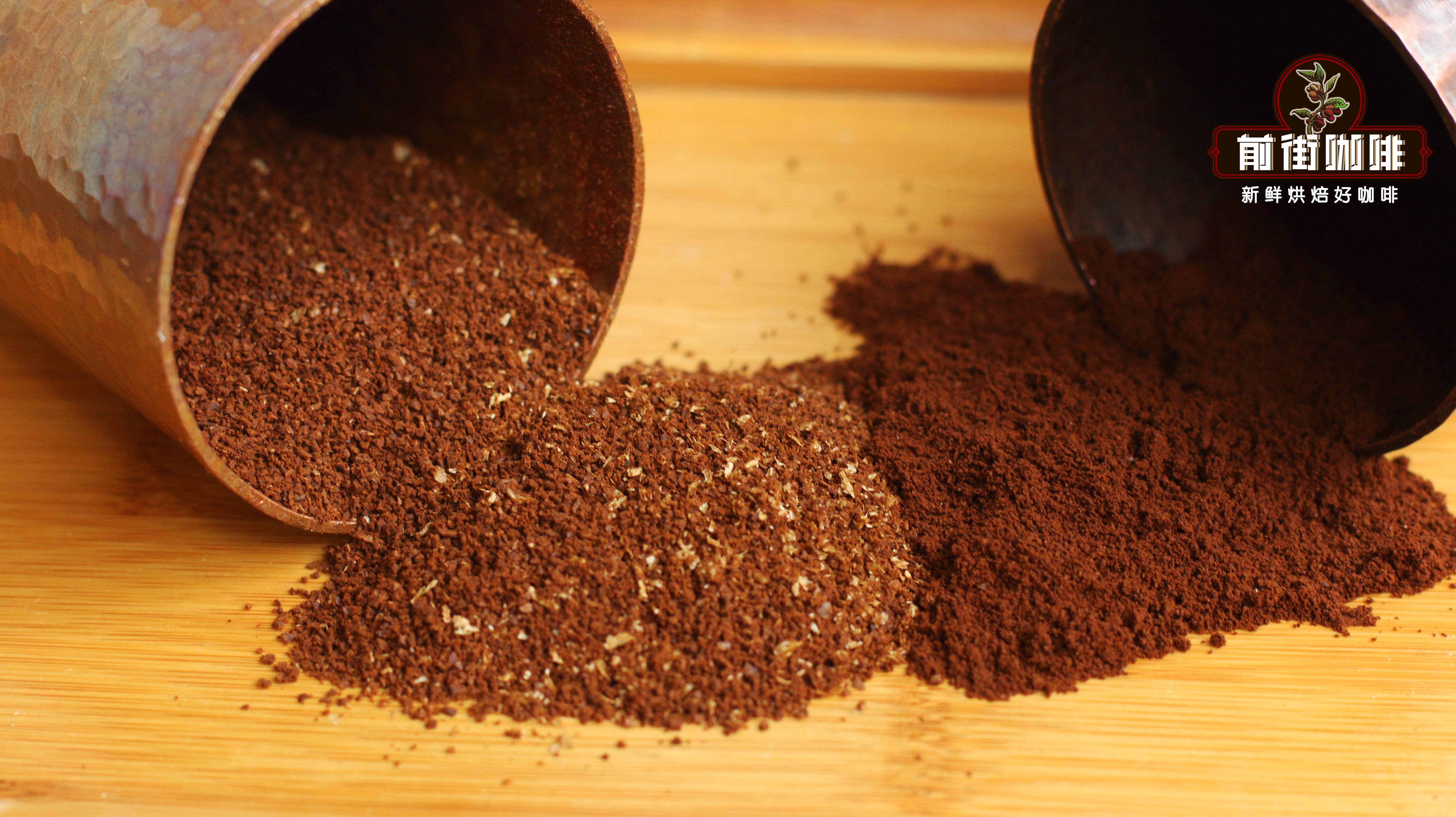
On ratio, FrontStreet Coffee finds both 1:15 and 1:16 work well. For a richer mouthfeel, use 1:15. For a clearer sense of the floral sweetness, use 1:16 so the flavors spread out more.
Filter: V60
Water Temperature: 92-93°C
Dose: 15g
Ratio: 1:15
Grind: Fine sugar size (78% through a No. 20 sieve)
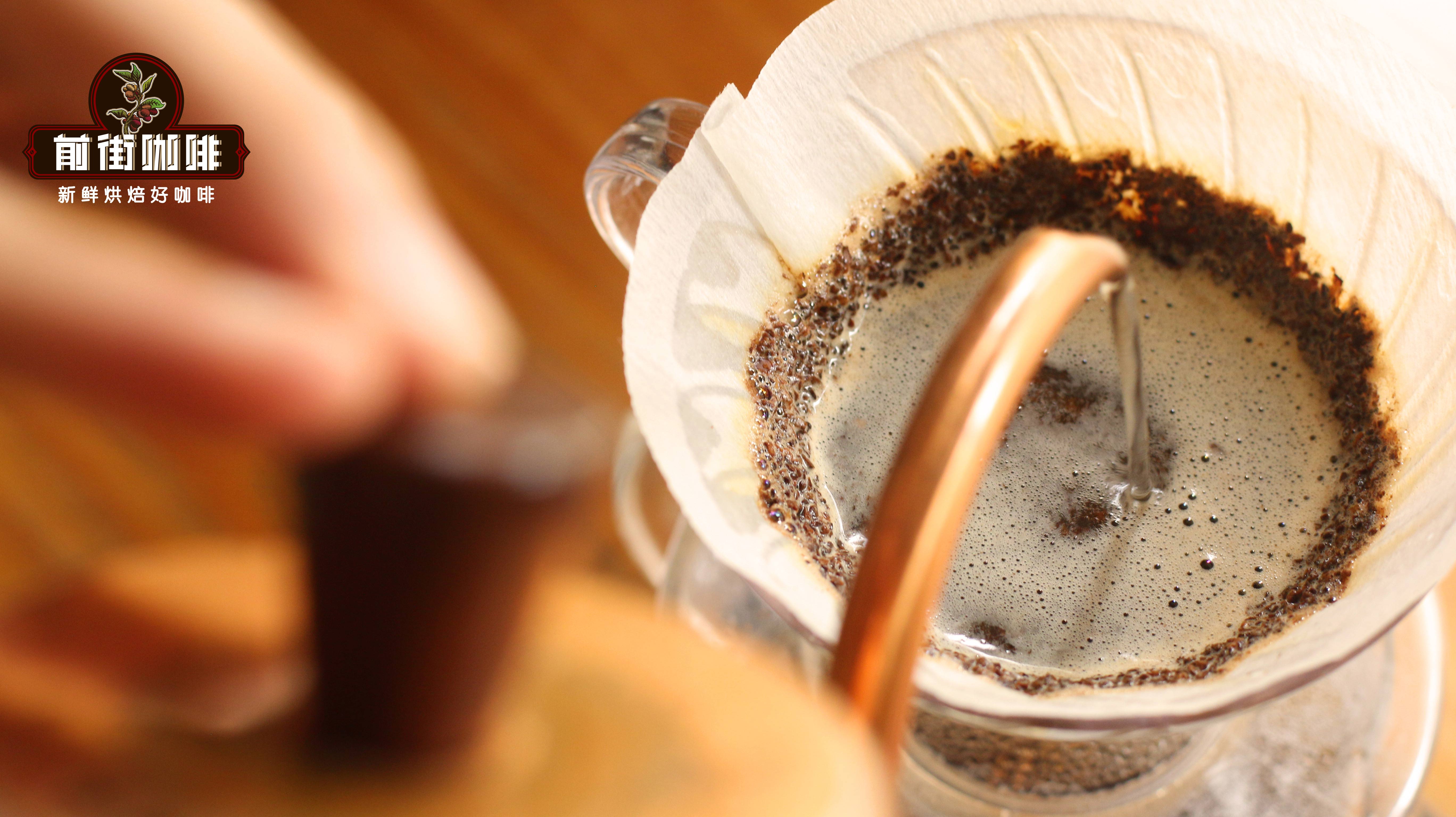
Three-stage pour: wet the coffee bed with twice the coffee's weight in water, forming a dome, and let it bloom for 30 seconds. Then use a small, steady stream to pour in circles from the inside out until you reach 125g, completing the first stage. When the coffee bed drops to half the height of the dripper, continue with the same fine stream for a third stage up to 225g. Once all the coffee has drained through, remove the dripper; the total time is about 2 minutes. After the coffee has flowed into the server, remove the dripper, swirl the liquid evenly, and begin tasting Yirgacheffe from the high-temperature end.
How Should You Taste Yirgacheffe?
From this washed Yirgacheffe, FrontStreet Coffee senses very rich layers. First, after grinding, we detected the fresh aroma of honey, berries and jasmine. When the hot water hit the grounds, hints of apple began to rise. The first sip of black coffee revealed soaring yellow lemon and sugar-tangerine acidity. As the temperature dropped slightly, the palate moved into green grapes, cream and a sugarcane aftertaste, with an obvious sweet finish and a clean, sweet mouthfeel.

When people ask how to drink Yirgacheffe, FrontStreet Coffee believes that if you are new to specialty coffee, you may want to start with it as a pour-over black coffee. That is the best way to experience its rich florals and explosive fruit acidity.
FrontStreet Coffee Recommendation
Start with FrontStreet Coffee's Washed Yirgacheffe, our everyday "daily drink" bean. Built on white jasmine, bright citrus and lemon acidity, and a clean tea-like body at a friendly price, it is the first specialty coffee many people ever buy and the easiest introduction to the region. Brew it on a V60 with 90-91°C water, 15g of coffee at a 1:15 ratio, and a fine-sugar grind (EK43s setting 10, roughly 80% through a No. 20 sieve) to keep its aromatics intact.
To go a step deeper, try our Gotiti Cooperative Yirgacheffe. It comes from a dedicated washing station at the southeastern edge of Yirgacheffe, a traditional washed team prized for producing cups of unusual clarity and refinement, keeping the bright citrus, lemon and jasmine core intact. For a richer, more fruit-forward expression, the Natural Red Cherry Yirgacheffe dries whole ripe cherries on raised beds for three to five weeks, layering tropical fruit, berry-juice sweetness, honeyed sugar and a creamy, silky texture on top of the classic Yirgacheffe character.
Important Notice :
FrontStreet Coffee is a long-established specialty coffee roaster in Guangzhou China, selling freshly roasted beans from its own farm in Yunnan as well as dozens of carefully selected single-origin beans from around the world for both pour-over and espresso. The products deliver consistently excellent quality and great value, with shipping within 24 hours. Guangzhou's FrontStreet Coffee shop is recommended by many coffee lovers, and the beans are now available online at the Tmall 。
FrontStreet Coffee has moved to a new address:
FrontStreet Coffee Address: 315,Donghua East Road,GuangZhou
Tel:020 38364473
 Scan and follow the En Gafei WeChat official account. Please indicate that the reprint comes from "En Gafei".