What is Drip Bag Coffee? How Many Times Can You Brew Drip Coffee Bags? Correct Brewing Methods for Premium Drip Coffee Beans
As the specialty coffee market has grown, many coffee lovers have set out to brew a delicious cup of single-origin pour-over at home. For those who work in offices, though, it is not practical to carry a full set of brewing gear around. FrontStreet Coffee therefore introduced drip coffee bags, designed to let coffee lovers who don't have time to brew pour-over themselves enjoy a delicious cup of single-origin coffee during a work break. In this article, FrontStreet Coffee explains what drip coffee bags are.
What Are Drip Coffee Bags?
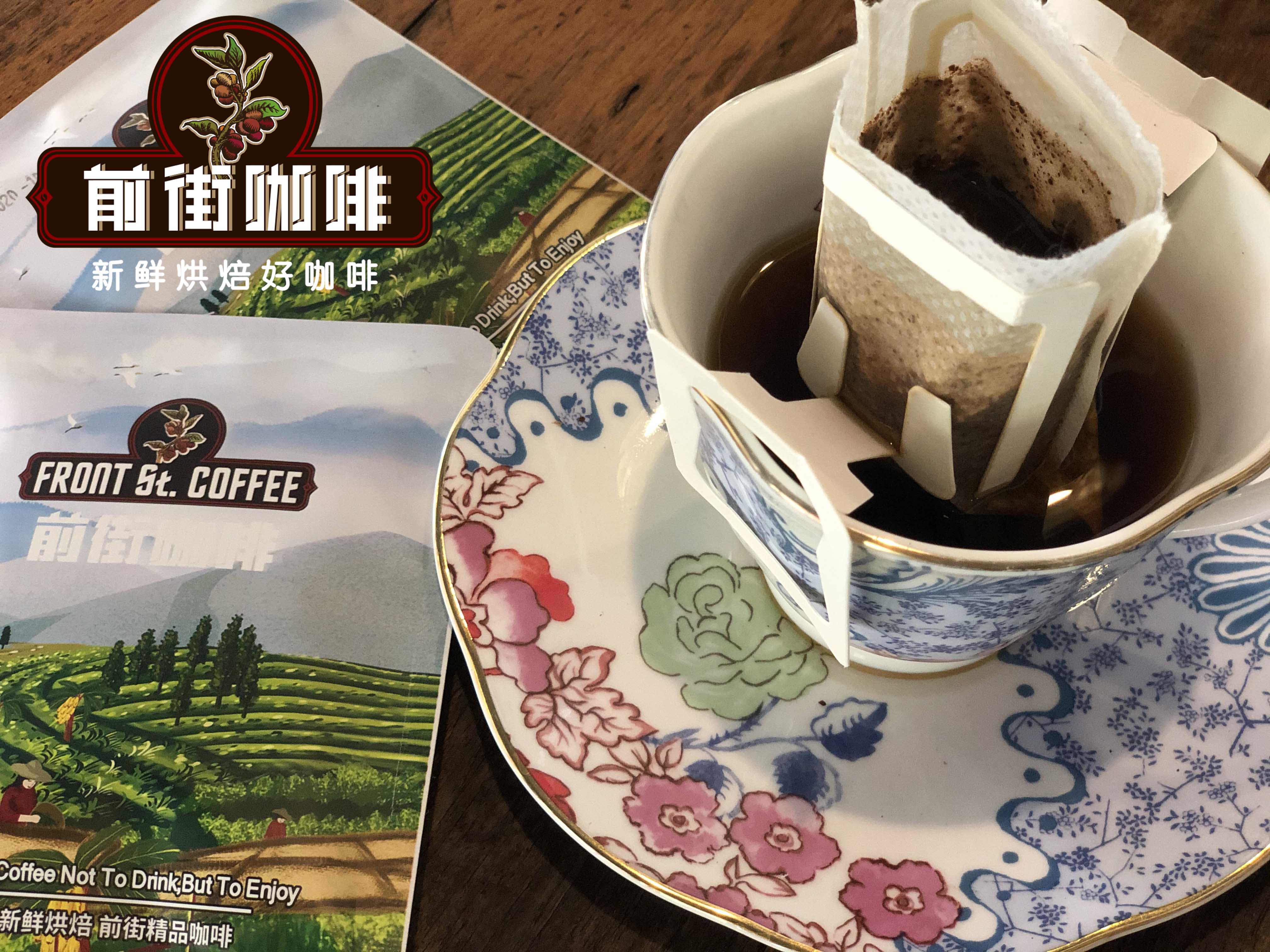
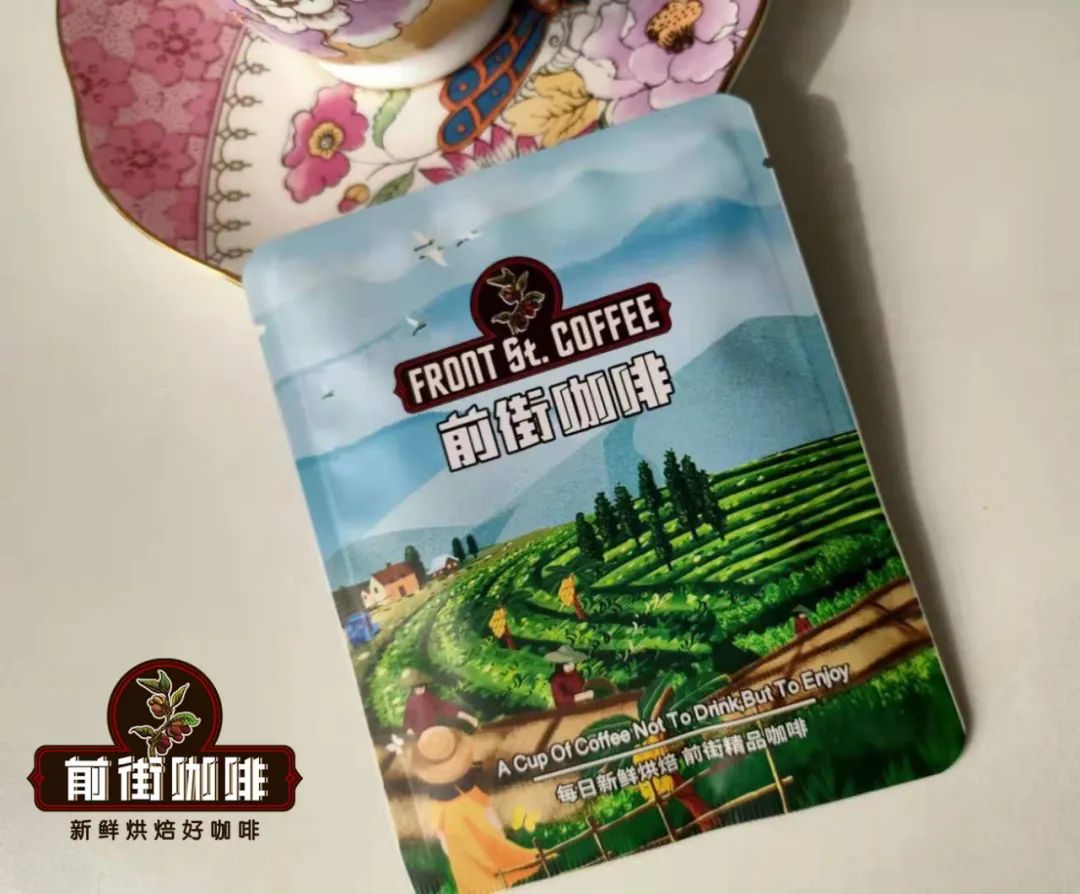
Drip coffee bags are a kind of portable coffee made by grinding beans into powder and sealing the powder inside a filter bag. During brewing, the small paper tabs on either side of the bag are propped up and hung on the rim of the cup, which is how they got the name "drip coffee bags."
According to FrontStreet Coffee's research, the inventor of the drip coffee bag was Japan's Yamanaka Industrial Co., Ltd. They applied the concept of the tea bag to coffee, inventing a filter-style drip coffee and applying for a patent. Their early drip bags, however, could not withstand the weight of the coffee during brewing and tended to lose balance, so Yamanaka Industrial never successfully commercialized them at the time.
It was not until 1998 that Japan's Daiki Shoji improved the original design by extending the hanging portion outward, which allowed the filter bag to bear the weight of the coffee during brewing. Drip coffee bags then began to spread widely among the office workers who enjoyed single-origin coffee at the time.
How Many Times Can Drip Coffee Bags Be Brewed?
As FrontStreet Coffee noted above, drip coffee bags use the concept of the tea bag, but FrontStreet Coffee emphasizes that they are not like tea bags, which can be left steeping in water or repeatedly brewed. Doing so is an incorrect way to brew drip coffee bags.
Because a drip coffee bag is essentially single-origin coffee ground and sealed in a filter bag, it simply saves coffee lovers the step of grinding beans themselves. In essence it uses the same coffee powder as pour-over, just without the same precision in timing and equipment.
Coffee lovers familiar with FrontStreet Coffee's pour-over know that the pour-over extraction process takes only about two minutes. If extraction runs too long it leads to over-extraction, which affects flavor. That is why anyone who has visited FrontStreet Coffee for pour-over knows the baristas discard the grounds along with the filter paper after extraction, let alone reuse them.
So a drip coffee bag must never be reused. Otherwise, what gets extracted are the undesirable substances inside the coffee bean, which harms both flavor and health. Next, FrontStreet Coffee lists several important points to keep in mind when brewing drip coffee bags.
Important Considerations for Brewing Drip Coffee Bags:
1. Do not brew repeatedly.
2. After brewing, do not leave the coffee bag soaking in the cup, as this causes over-extraction.
3. Do not throw the drip coffee bag straight into the cup. It may seem convenient, but before the hot water fully soaks the bag the water temperature begins to drop, leading to under-extraction and affecting the taste and flavor.
How to Properly Brew Drip Coffee Bags
Having explained some important considerations, FrontStreet Coffee now walks you through the proper process for brewing a drip coffee bag.
1. Warm the Cup
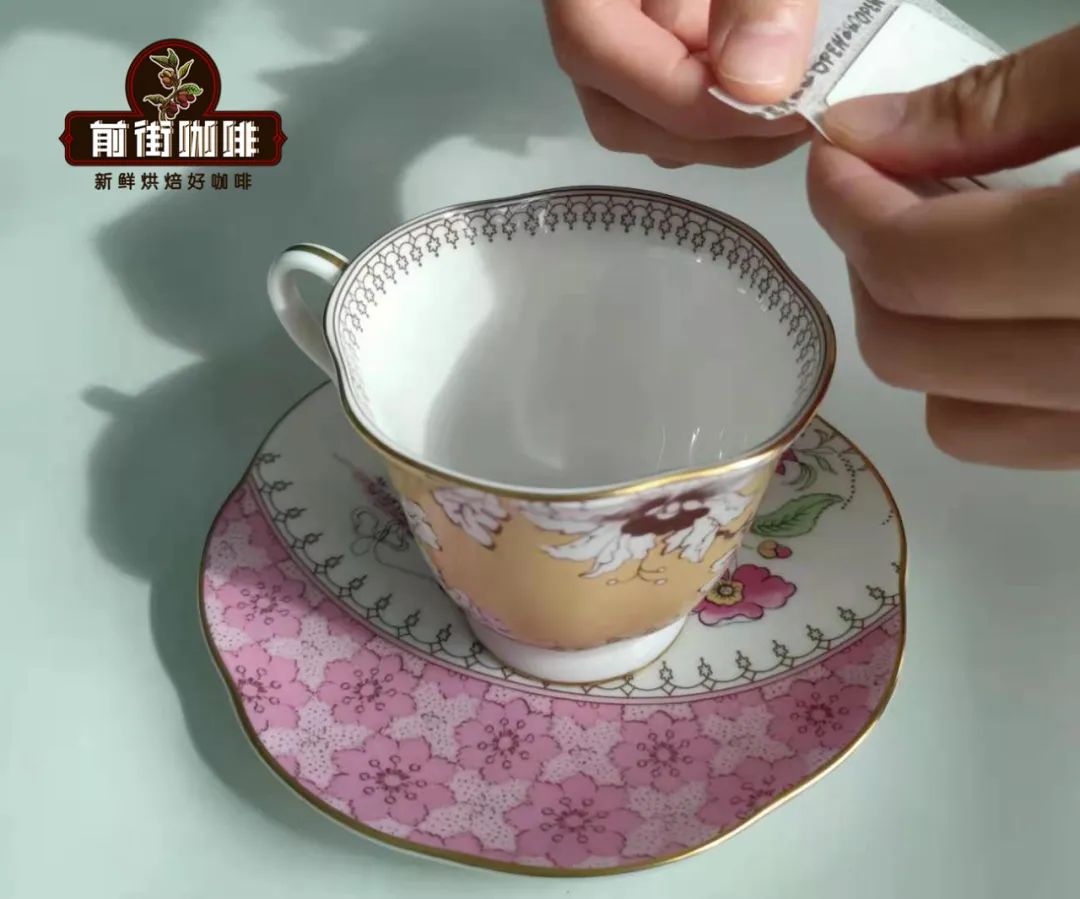
Prepare the cup and first pour in some hot water to warm it. The purpose is to keep the brewed coffee from cooling too quickly, since coffee develops different flavors as its temperature drops - these are the flavor layers. If it cools too fast, many of those taste experiences are missed.
2. Water Temperature
Water temperature matters a great deal. Keep it between 85 and 90°C. If the coffee turns out too bitter, try lowering the temperature; if it is too weak or too astringent, raise it, but still within the 85-90°C range.
3. Hang the Bag
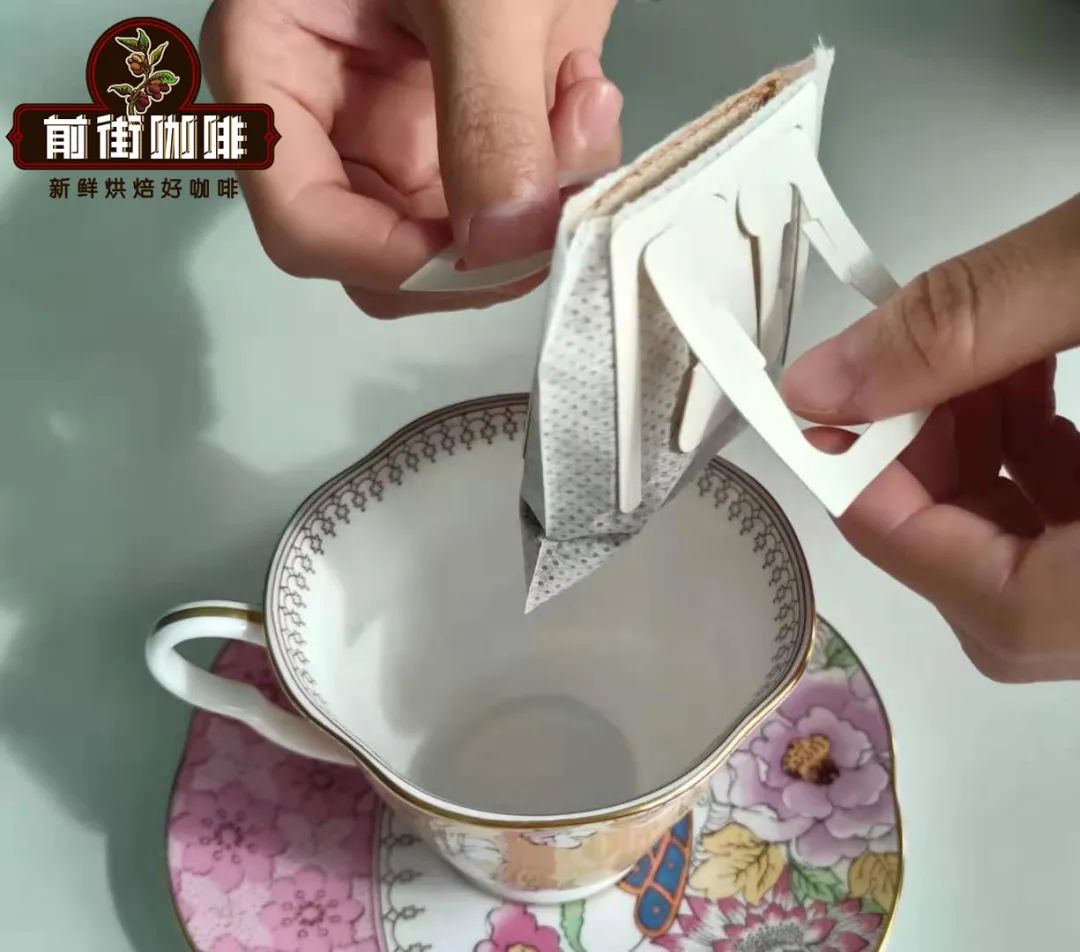
Gently shake the drip coffee bag first so the grounds settle and won't scatter when you open it. Then pour the hot water out of the cup. After tearing open the seal on the bag, open the paper hanging tabs on both sides and shake to level the grounds, then hang the bag on the cup rim.
4. Pre-wet the Coffee Bag
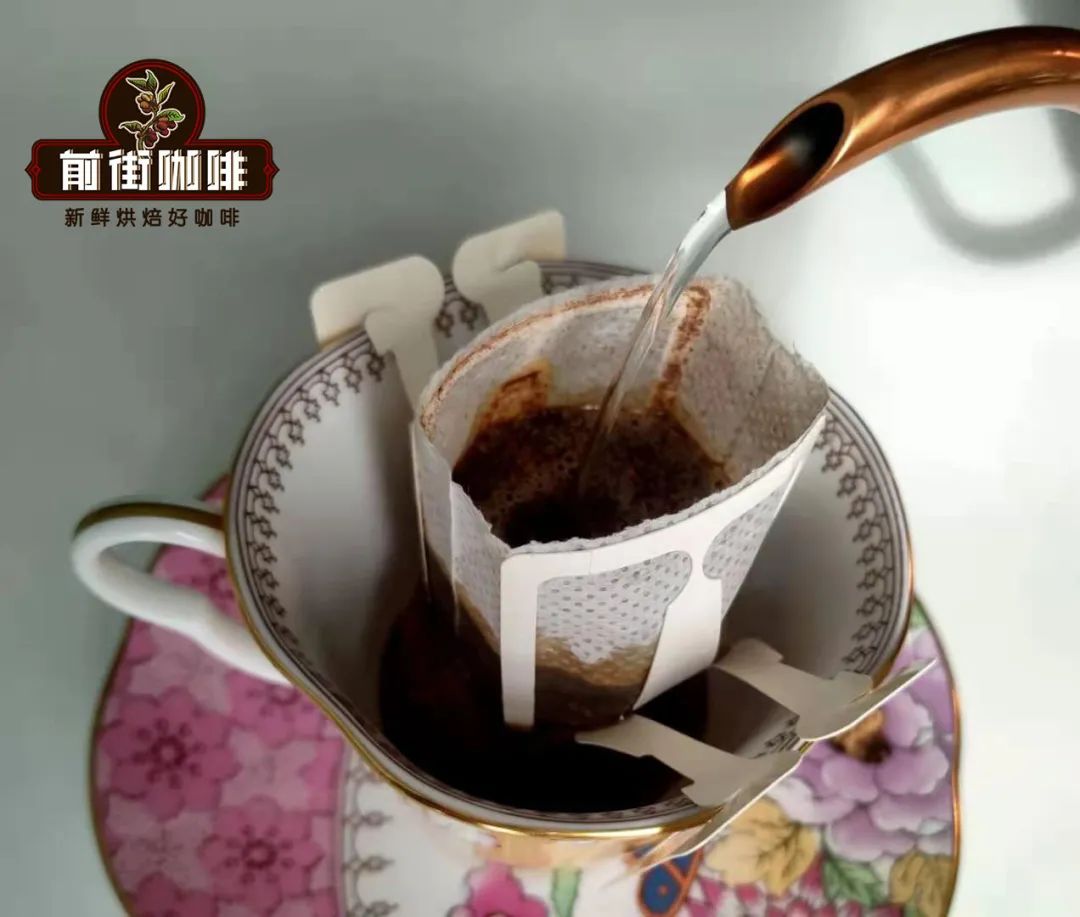
For the first pour, add just enough water to moisten the grounds - too much or too little affects the flavor. Then wait 20 seconds for the grounds to absorb the water fully. Strength can be adjusted through the pre-wetting time: extending it to 40 seconds yields a stronger cup.
5. Water Pouring
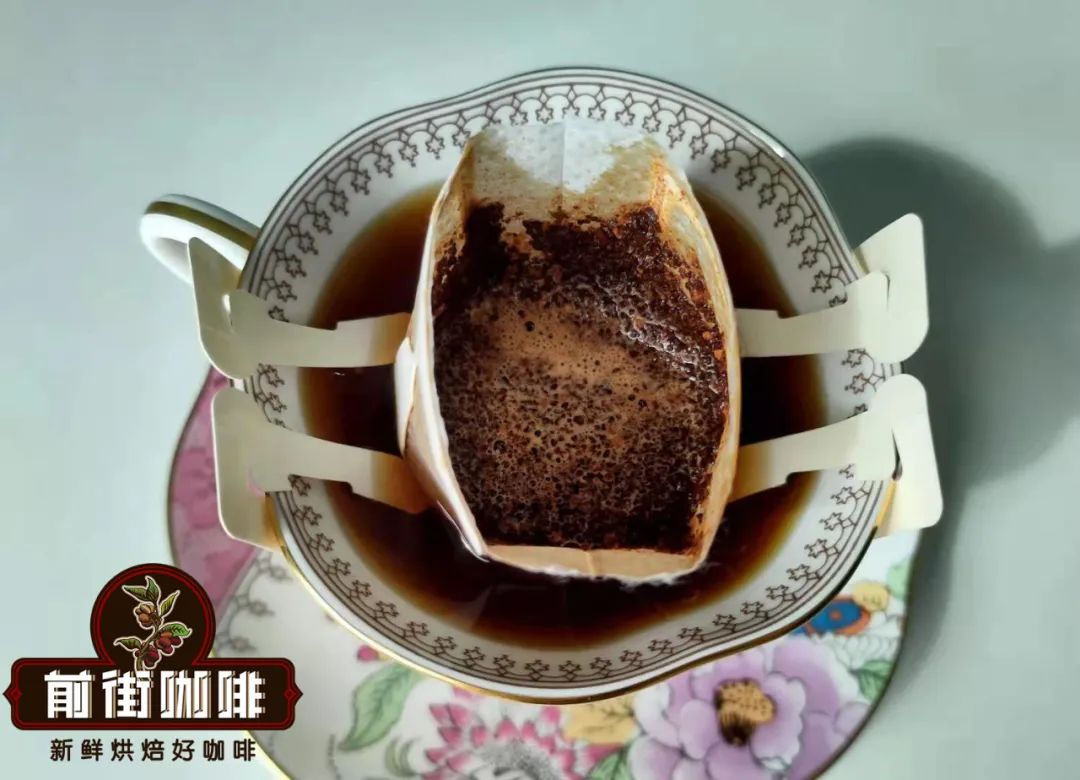
For the second pour, you can fill to eight-tenths of the filter paper's capacity. It is best to use a thin, steady stream of water. When the water level drops to the pre-wet height, continue pouring to eight-tenths full until you have extracted 150-180cc. Once extraction is done, there is no need to wait for all the water in the filter paper to drip through - just discard it.
Best Flavor Period for Drip Coffee Bags
Another important point: drip coffee bags should be consumed within two weeks. This is because making them involves grinding the beans into powder first, which increases the surface area exposed to air and makes preservation harder. Within two weeks you can fully experience the coffee's original aroma. This requirement applies only to coffee lovers with high standards for flavor; if you don't have especially high demands for aroma and flavor, consuming within a year is actually fine, as the beans won't spoil.
Extending the best-flavor period of a drip coffee bag is genuinely difficult. From FrontStreet Coffee's practical experience, even vacuum packaging cannot prevent the dissipation of coffee aroma, because carbon dioxide begins to release from the moment the beans are roasted. Careful coffee lovers will notice that the packaging is slightly puffed when they receive drip coffee bags mailed by FrontStreet Coffee, which means the bags were packaged fresh. So when coffee lovers receive their coffee from FrontStreet Coffee, they will find the drip coffee bags are right at their best-flavor period.
How to Choose Drip Coffee Bags
Newcomers to drip coffee bags often ask FrontStreet Coffee how to choose them. As noted above, a drip coffee bag is simply single-origin coffee ground and made into a filter bag, so you can choose based on the single-origin coffees you already enjoy, such as Indonesian Mandheling, Brazil Queen Estate or Honduras Sherry. FrontStreet Coffee can make drip coffee bags from all of these.
That is FrontStreet Coffee's introduction to drip coffee bags. We hope that after reading this article, coffee lovers will have a deeper understanding of drip coffee bags and so choose the beans that best suit their taste.
FrontStreet Coffee Recommendation
Any of FrontStreet Coffee's single-origin beans can be made into drip coffee bags, and two are especially well suited to the format. The FrontStreet Yirgacheffe Gedebding, or Gedingding, is the first stop for many drinkers entering specialty coffee: vivid citrus, berries and florals with a green-tea sweetness, and a soft, bright acidity rather than a sharp one, making it an easy, forgiving cup for anyone starting with pour-over.
For something bolder in the same convenient format, the FrontStreet Kenya Little Tomato comes from Kenya's Thika region at 1550-1750 meters, made with the SL28 and SL34 varieties and Kenya's 72-hour double-washed fermentation, then lightly roasted. It leads with cherry tomato and preserved plum, has a bright, solid, fresh-pressed-juice acidity, and finishes clean and long with yellow sugar and a hint of green tea.
Important Notice :
FrontStreet Coffee is a long-established specialty coffee roaster in Guangzhou China, selling freshly roasted beans from its own farm in Yunnan as well as dozens of carefully selected single-origin beans from around the world for both pour-over and espresso. The products deliver consistently excellent quality and great value, with shipping within 24 hours. Guangzhou's FrontStreet Coffee shop is recommended by many coffee lovers, and the beans are now available online at the Tmall 。
FrontStreet Coffee has moved to a new address:
FrontStreet Coffee Address: 315,Donghua East Road,GuangZhou
Tel:020 38364473
 Scan and follow the En Gafei WeChat official account. Please indicate that the reprint comes from "En Gafei".

Flavor Profile of Yirgacheffe Kochere Coffee Beans - Is It Good to Drink? Differences Between Classic Washed and Natural Yirgacheffe Coffee