Flat White vs Americano Latte: Differences in Brewing Methods, Ratios, Flavor, and Texture

Flat White — also called Australian White or Fu Rui White — has become one of the most popular drinks in coffee shops in recent years. In this article, FrontStreet Coffee takes a closer look at this trendy cup.
How Flat White Evolved
As to where the Australian White was born, Australians and New Zealanders each claim it for their own country. We cannot settle the question definitively, but one thing is certain: the Flat White arose from consumers' growing demand for better coffee.

From the instant-coffee era into the Italian espresso era, drinkers kept looking for something different from a cappuccino. Back then a cappuccino carried at least three centimetres of "hamburger-style" foam on top, so people wanted the foam flatter — which gave rise to the balanced latte. As that foam grew flatter still, until it became a thin layer sitting level with the rim of the cup, today's Flat White was born.
From its early obscurity to Australian cafés putting Flat White on their permanent menus in the 1980s, it quickly became a standard drink in cafés as far afield as the United States. Flat White took off as a mainstream product after Starbucks introduced it in 2015 and made "Fu Rui White" one of its signature drinks — by then, this milk coffee had gone mainstream.

Different Presentations of Flat White
Every coffee shop presents the Australian White differently, because different countries — and different baristas — understand it differently. Let us go back to the original intent: baristas wanted anyone drinking an Australian White to taste the perfect union of foam and the milk coffee beneath it in every sip. Only when the foam is extremely dense and thin, and at the right temperature, can you taste both the foam and the rich coffee liquid at once, and finish the cup before the layers separate. This also sets the drink's basic traits: dense, thin foam; a moderate temperature; coffee flavour that is never masked; and a texture that holds together throughout.
New Zealand baristas serve the Australian White in smaller cups than a latte (about 150ml) and invariably build it on a double espresso. That way the milk drops and the coffee's share rises, so the coffee flavour is naturally more intense.

As extraction techniques advanced, Melbourne coffee shops began swapping the base for a double Ristretto so the bean's aroma could shine through better, using foam of roughly latte thickness in a 150ml cup. Ristretto means pulling less liquid weight from the same dose of grounds — essentially a condensed espresso, concentrated on the early and middle stages of extraction with a richer taste, which in turn demands higher-quality beans.
In Australia, though, baristas feel it is enough to keep the foam thinner than a latte's. When they make an Australian White they use the same cup size as a latte, putting the emphasis on the difference in foam thickness.
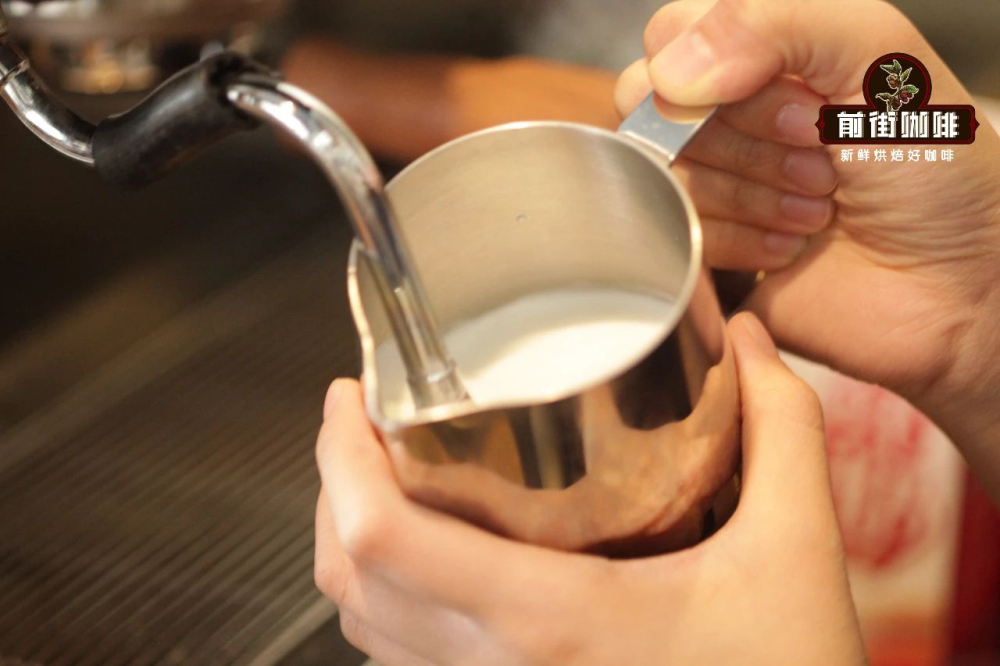
Foam thickness is one of our main reference points for telling an Australian White apart from other milk coffees. Thin foam exists to let you taste the coffee liquid better, stressing a smooth, silky "velvet" texture. Some baristas even want the drink untouched by the taste of fat and may skim the foam layer off entirely, keeping only the coffee liquid. In the early days, then, there was no fixed number for how thin the foam should be.
As the drink grew more popular, and to set it apart from ordinary hot lattes and cappuccinos, the thin foam of an Australian White was defined as roughly 0.3cm to 0.5cm. The thinner the foam, the more easily the milk sinks as it integrates, and without enough foam to hold the surface, the white foam "scatters" and latte art becomes harder — which is why some baristas skip latte art altogether. For a highly skilled barista it is another matter: as long as they can handle it, they can pour elaborate patterns even with very thin foam.

So each coffee shop offers its own Australian White style, shaped by its preferences and skills, the beans it chooses and its understanding of the drink. FrontStreet Coffee uses Warm Sun Blend espresso beans, which have a relatively smooth taste. To bring out the coffee's rich aroma, we build the drink on a double Ristretto and serve it in a 200ml cup.
FrontStreet Coffee's Coffee Bean Recommendations for Flat White
FrontStreet Coffee has noticed that many milk-coffee fans want to recreate a delicious Flat White at home. The flavour of a Flat White depends mainly on the espresso beans you use, so making a good one starts with an Espresso that has a rich aroma.
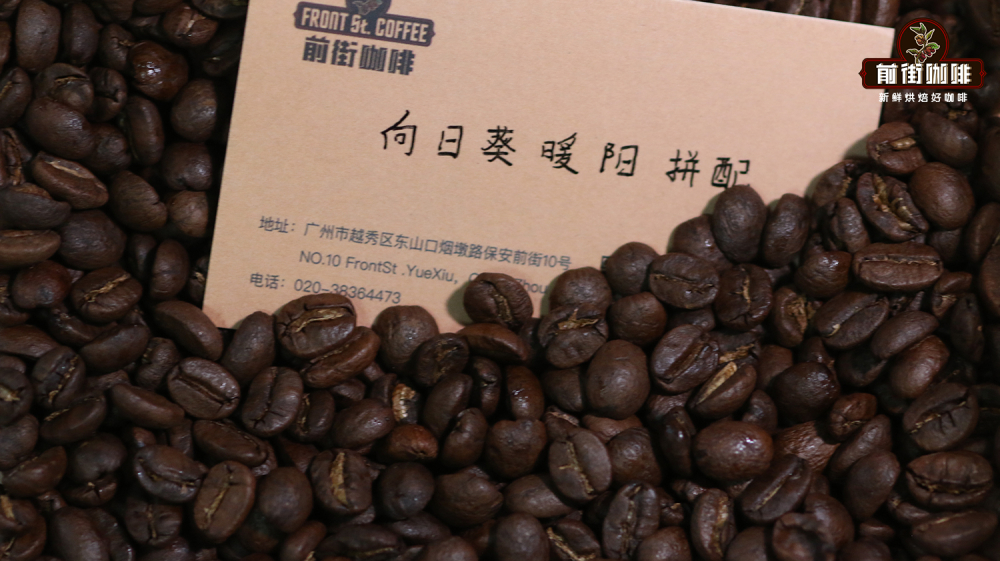
FrontStreet Coffee's store products use our house-roasted "Sunflower Warm Sun Espresso Blend", which marries sun-dried Yirgacheffe with Honduras sherry-barrel coffee beans. The Espresso it yields shows whiskey aroma, vanilla chocolate and tropical fruit, with rich, layered aromas and a full body. Poured into water at a 1:4.5 ratio it becomes a refreshing, pleasant Americano with fermented aromas plus berry sweet-and-sour notes; mixed with milk it makes a sweet, fragrant milk coffee. FrontStreet Coffee's Flat White made with Warm Sun tastes of whiskey chocolate hot milk and is loved by many customers.
Besides the smooth-style Warm Sun Blend, FrontStreet Coffee's espresso menu also offers three highly cost-effective blends with a rich body and intense aroma, equally suited to making an Australian White. After many comparisons and experiments, FrontStreet Coffee's blends cover excellent flavours from different coffee regions while also helping extraction stability.
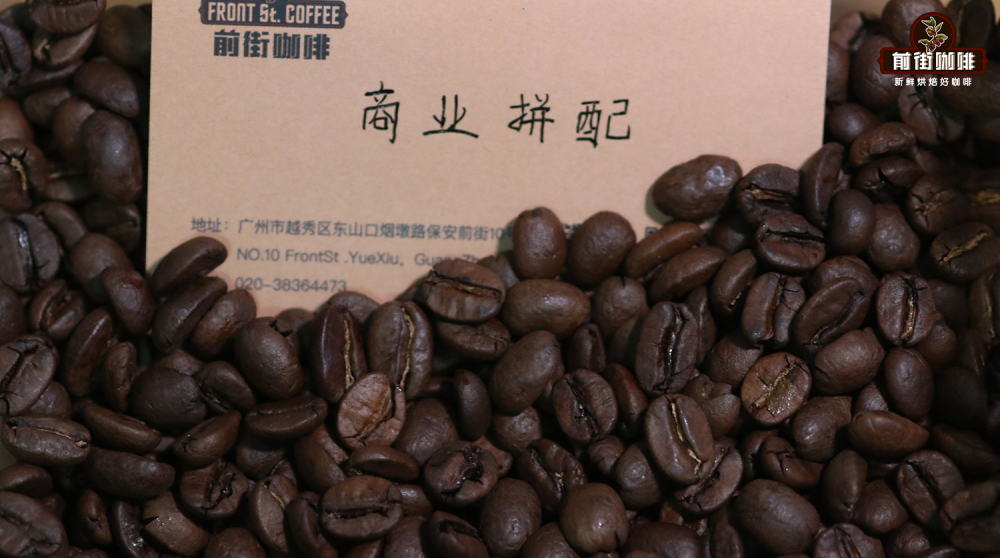
1. Classic Rich Type - FrontStreet Coffee Commercial Blend Beans
Robusta washed coffee beans (10%) + Colombia washed coffee beans (30%) + Brazil natural process coffee (60%)
The espresso has rich golden crema and nutty aroma. When mixed with milk in Flat White, it tastes with burnt coffee bitterness, but more accompanied by creamy full-bodied texture, and after swallowing, the bitterness dissipates, leaving a fragrant aftertaste.
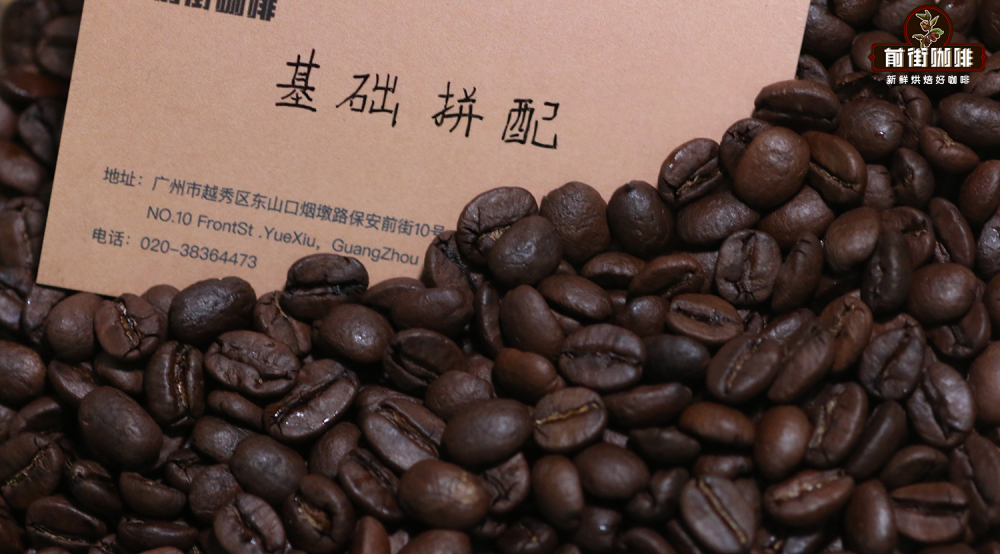
2. Slightly Acidic Rich Type - FrontStreet Coffee Basic Blend Beans
Yunnan washed small bean coffee (30%) + Brazil natural process coffee beans (70%)
Yunnan small bean coffee with soft acidity pairs with Brazil Cerrado coffee's rich aroma. The espresso has caramel, nut, and soft plum acidity tastes.
3. Balanced Rich Type - FrontStreet Coffee Specialty Blend Beans
Colombia washed coffee beans (30%) + Brazil natural process coffee beans (70%)
Adding Colombia coffee to the classic Brazilian coffee nut notes, the espresso presents dark chocolate flavor, caramel sweetness, and full-bodied roasted aroma.
FrontStreet Coffee Recommendation
The Flat White's history is far shorter than the latte's or the Americano's, and no matter how a shop changes its house recipe, three points usually hold: less milk, thinner foam, stronger coffee. A good Flat White starts with good beans and milk that match each other, then with how well the two come together. Where a latte stresses a perfect balance of coffee and milk, a Flat White lets the espresso lead while the milk supports it, so FrontStreet Coffee suggests choosing an espresso bean with a strong, memorable flavour. For home brewing, FrontStreet Coffee points to the butter-and-cheese-flavoured FrontStreet Classic Blend: full-bodied and low in acidity, with rich, fine crema that pairs with milk for an outstandingly creamy mouthfeel. If you love floral and fruity notes, FrontStreet Strawberry Candy Espresso Blend is the first choice — extremely low in bitterness, it pulls with full grape and blueberry flavour, a gentle sweet-and-sour balance, and, with fresh milk, a Flat White that drinks like a strawberry milkshake.
Milk matters just as much as the beans. Too thin and the Flat White feels watery; too strong and it masks the coffee's aroma. FrontStreet Coffee recommends chilled fresh milk, which steam-textures into a sweeter, more aromatic partner for espresso. To show off the coffee, FrontStreet uses only the early-and-middle portion of the shot — a Ristretto base (20g of grounds yielding 32g of liquid in 22-25 seconds) — with 160ml of fresh milk.
Like a latte or cappuccino, a Flat White's foam should be smooth and fine, but it must also be thin. Foam thickness is controlled by how long the steam wand draws in air: because Flat White foam has to be light and thin, that aeration must stay short, or the drink turns into a latte and you lose the coffee oils on the first sip. To give guests a creamy but never watery Flat White, FrontStreet finishes every cup with foam exactly 0.3cm thick. That normally takes only 1-2 seconds of aeration — a short "zz-zz" and the wand sinks into the milk, then creates a vortex as fast as possible to texture the milk until it reaches 50-55°C. The low aeration gives a sharper sound during texturing, and when the jug is swirled and the bubbles read as a glossy surface, the foam is ready. Once the espresso and hot milk are set, FrontStreet pours the hot milk gently into the coffee, lifts the jug to keep a thin stream and swirls it evenly through the crema under the milk's own weight, then lowers the jug and pushes out white lines — one continuous motion, and the Flat White is born. Freshly made, it is visibly silky and fine; at a moderate temperature you can take a generous first sip and taste the creamy hazelnut and white chocolate sweetness that FrontStreet Specialty Blend brings, rich and rounded without ever feeling heavy by the last drop.
Important Notice :
FrontStreet Coffee is a long-established specialty coffee roaster in Guangzhou China, selling freshly roasted beans from its own farm in Yunnan as well as dozens of carefully selected single-origin beans from around the world for both pour-over and espresso. The products deliver consistently excellent quality and great value, with shipping within 24 hours. Guangzhou's FrontStreet Coffee shop is recommended by many coffee lovers, and the beans are now available online at the Tmall 。
FrontStreet Coffee has moved to a new address:
FrontStreet Coffee Address: 315,Donghua East Road,GuangZhou
Tel:020 38364473
 Scan and follow the En Gafei WeChat official account. Please indicate that the reprint comes from "En Gafei".