Coffee Bean Varieties and Price List Commercial Wholesale Coffee Beans Quotation
Coffee Bean Origins: An Overview
Coffee Bean Growing Regions
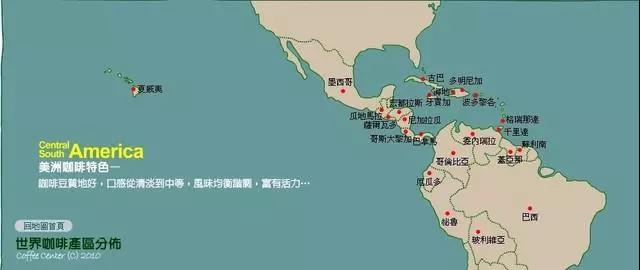
Coffee bean origins are mainly divided into: Africa, Central and South America, Asia, and the island regions.
Central and South American Coffee Characteristics
Generally speaking, Central and South American coffees offer relatively balanced flavor profiles. Among them, Brazilian coffee is rich and full-bodied, Costa Rican coffee is mild and smooth with a perfect blend of acidity, sweetness, and chocolate notes, and Panamanian coffee features intense citrus aromas, jasmine florals, peach and nectar sweetness, with bright, complex fruit acidity that closely resembles Yirgacheffe.
Flavor Profile: Balanced, moderate acidity with mellow richness
The Origin of Latin American Coffee
In 1721, French naval officer Gabriel Mathieu de Clieu endured countless hardships to bring the first coffee seedling from Africa to Martinique in Latin America. That event marked the beginning of coffee cultivation in Latin America. Since France was under Bourbon dynasty rule at the time, the Arabica coffee grown in Latin America acquired another name still renowned in the coffee industry today: "Bourbon." Today, Bourbon has become an important branch of Arabica coffee.
The overall flavor profile of Latin American coffee is characterized by balance — virtually every coffee flavor can be found among Latin American varieties. The widespread use of washed processing is another distinctive feature. This superior processing method also results in larger, more uniform bean sizes than African coffees, with lower defect rates.
Notable Varieties:
Brazil: Intense flavor with chocolate aftertaste.
Colombia: Milder flavor, good balance, nutty notes, fruity acidity in the aftertaste.
Jamaica Blue Mountain: Perfect balance of sweet, sour, and bitter — mild, aromatic, smooth, with black chocolate flavor.
Brazil (South America)
This largest coffee-producing region accounts for one-third of global coffee consumption across various grades and types, holding a significant position in the global coffee trading market. Although Brazil faces natural disasters several times more frequent than other regions, its vast planting area is sufficient to compensate for those losses.
Brazil produces a wide variety of coffees, but its industrial policy focuses on mass production at low cost, so truly premium lots are relatively rare. Even so, Brazilian coffee serves as an excellent base for blending with other origins.
Among the most famous is Santos coffee, with mellow, neutral flavors. It can be brewed directly or mixed with other beans to create excellent blends.
South Minas, with hills ranging from 700m-1200m in altitude, was Brazil's earliest coffee-producing region. Due to rising labor costs, mechanical harvesting is now predominant. Other Brazilian coffees, like Rio and Paraná, require less care and can be mass-produced; although their flavors may be somewhat coarse, they offer excellent value for money.
Because coffee is grown throughout the country at varying quality levels, Brazil has established its own standards (classified by impurity levels from NO.2 to NO.8, by bean size from NO.13 to NO.19, and by flavor into six grades). Almost all Arabica varieties offer good quality at stable prices, with "Brazil Santos" the most famous — since early times an essential component of blended coffee and widely recognized by the public. More recently, "Cerrado" has also received high praise.
Flavor Profile: Mild, balanced sweet and bitter, gentle aroma
Colombia (South America)
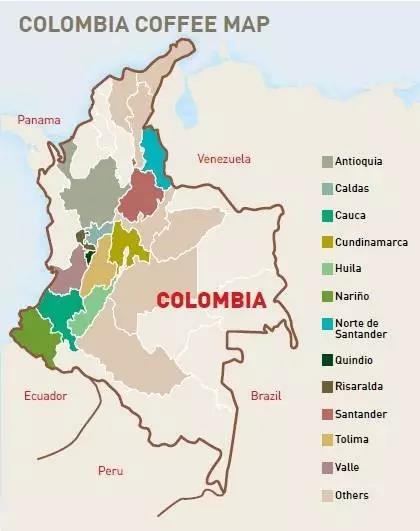
Colombia is one of the world's largest producers of high-quality coffee, a shining gem on the global coffee map, truly blessed by nature for coffee cultivation. Arabica is grown on steep slopes at altitudes of 800-1,900 meters above sea level, all harvested by hand and processed using the washed method.
Colombian coffee offers balanced flavors with a smooth texture — like a gentleman among coffees, well-mannered and refined. Its growing regions are extensive, with Medellin, Armenia, and Manizales the most famous, collectively known as "MAM."
Colombia's premium growing regions are mainly in the south, at altitudes above 1,500 meters. These include San Augustin in Huila, Popayan in Cauca, Nariño, and Tolima. Coffees from these areas display refined acidity and berry notes, with caramel sweetness and rich sweetness.
Honduras (Central America)
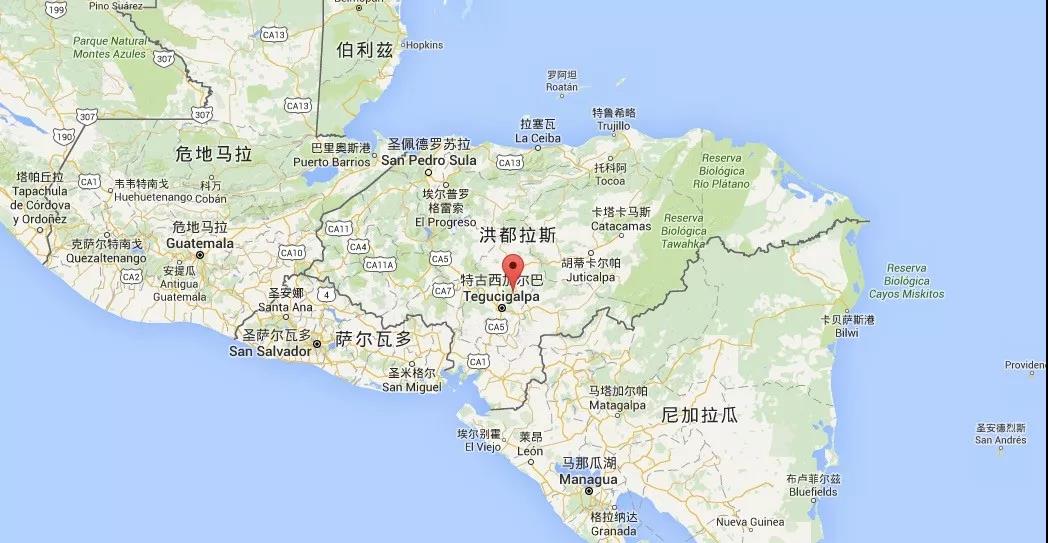
Honduras is located in northern Central America, bordering the Caribbean Sea to the north and the Gulf of Fonseca to the south. To the east and south it shares borders with Nicaragua and El Salvador, while Guatemala lies to the west. The terrain consists mainly of mountains and plateaus. With a tropical climate featuring mild temperatures and abundant rainfall, Honduras provides ideal conditions for coffee cultivation.
Honduras produces two excellent coffees highly regarded by enthusiasts: "Highland Coffee" grown at altitudes of 1,000-1,500 meters, and "Select Highland Coffee" grown at 1,500-2,000 meters, the country's highest grade. Most Honduran coffee is exported to the United States and Germany.
Twenty years ago, Honduras could barely compete with its neighbors in processing attention to detail, mill environmental maintenance, processing equipment investment, export procedures, and green bean logistics. Consequently, raw bean quality was coarse rather than refined, with only a few estates or Cup of Excellence-winning batches qualifying as specialty coffee. Since 2007 the situation has improved. Under the leadership of IHCAFE and several forward-thinking mills, Honduras's improvements in processing workflows, investment in green bean equipment, and upgrades to transport and export have gradually shown results. Although still relatively unknown in the international market, proactive roasters have begun investing in Honduran coffee regions, hoping to discover specialty gems.
In terms of production, Honduras ranked as the leading coffee-producing country in Central America in 2011-2012, harvesting approximately three million bags (46kg each) annually. Beyond volume, IHCAFE has partnered with like-minded producer associations and mills to implement programs aimed at providing international buyers with high-quality, delicious Honduran coffee.
Honduran coffee offers rich, full-bodied flavor that is neither astringent nor sharply acidic, with excellent body and aroma, making it quite suitable for beginners. It can reveal multiple layers of flavor depending on roast level: medium roasting maximizes the bean's sweetness, while dark roasting enhances bitterness without eliminating sweetness. Generally, a medium roast offers the best flavor profile with rich, unique aromas.
Panama (Central America)
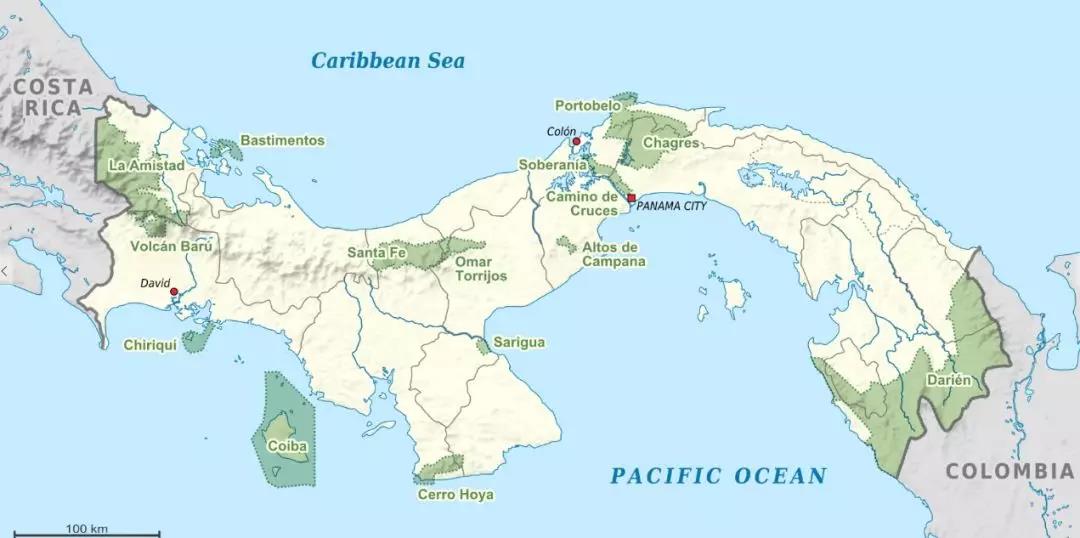
Panama coffee gained worldwide fame through Geisha, a success intimately connected to its unique natural geographical advantages. Panama is the southernmost country in Central America, bordering the Caribbean Sea to the east, the Pacific Ocean to the west, Costa Rica to the north, and Colombia to the south — an important isthmus connecting North and South America. Influenced by these geographical factors, Panama features complex and varied microclimates, which create the unique flavors of Panamanian coffee.
Panama is roughly divided into four growing regions:
Boquete Region: Altitude 1,450 meters
This region produces the largest quantity and highest quality coffee in Panama.
Volcán Region: Altitude 2,000-3,000 meters
Coffees from this region feature mild, balanced flavors and have recently been gaining attention from international experts and coffee enthusiasts.
Santa Clara Region: Altitude 1,500 meters
This region benefits from irrigation by the Chorerra waterfall and proximity to the Panama Canal, enabling convenient export of Panamanian coffee worldwide.
Piedra de Candela Region: Altitude 1,200 meters
This region is considered most promising for developing high-quality premium coffee.
Throughout the history of Panamanian coffee, one standout highlight has been Geisha. Compared with typical Panamanian flavors, Geisha's distinctive characteristics are particularly captivating. Under great expectations it carries exceptionally high risk: extremely high mortality rates, low yields, difficult pruning, and a need for complex, costly processing methods to maintain its original flavor profile.
Geisha's distinctive bright acidity is legendary. In the book "Bean Hunter," author Hsu Baolin wrote that "one who has never known Geisha beans cannot truly call themselves a connoisseur" — a testament to its unquestionable status in the coffee world. Is Geisha "expensive"? The answer is not to "expensive" — it is to "Geisha."
Costa Rica

Coffee beans produced in Costa Rica's high-altitude regions are world-renowned — rich and mild in flavor but with vivid acidity. The beans here are carefully processed, which is why they achieve such high quality.
Famous coffee comes from the Central Plateau region, where the soil consists of several thick layers of volcanic ash and dust.
Excellent Costa Rican coffee beans are called "Strictly Hard Beans," classified as follows:
SHB (Strictly Hard Beans): Altitude 1,200 meters (3,900 feet) and above
GHB (Good Hard Beans): Altitude 1,200-1,000 meters (3,900-3,300 feet)
MHB (Medium Hard Beans): Altitude 1,000-500 meters (3,300-1,600 feet)
Costa Rica's most mature processing method — honey processing — typically produces an excellent balance between sweetness and fruit acidity. The flavor is generally less intense than natural-processed coffee but fresher and more aromatic. The key to this difference lies in the sugars and acids of the mucilage layer: during drying, mucilage sugars become increasingly concentrated and penetrate the beans.
Its three most famous growing regions are Tarrazú, located south of the capital San José, plus the Central Valley and Western Valley regions. Natural processing is very traditional and requires minimal resources, but because there are too many uncontrollable factors, achieving excellent results is extremely difficult.
Flavor Profile: Chocolate aroma and nutty notes, moderate acidity with mellow richness, plum, sweet orange, peach, grapefruit, juicy character, natural sweetness, delicate texture, overall perfect balance.
Coffee varieties grown in Costa Rica include Caturra, Catuai, Villa Sarchi, as well as small quantities of the Kenya variety SL28, Obata, and others.
Villa Sarchi: Originated in Costa Rica; a Typica variant. Like Typica, it has a 60-degree angle between branches and trunk, with bronze-colored leaves.
Guatemala
Flavor Profile: Bitter and aromatic, excellent texture
Guatemala's central region grows world-renowned, exceptionally flavorful coffee. Most beans here carry roasted notes and cocoa aroma, with slightly stronger acidity. Mildly acidic, aromatic, and smooth, it is excellent material for blended coffee. Its classification divides into seven grades based on altitude; higher-altitude coffees are more aromatic, while lower-altitude beans are of lower quality.
Particularly famous is El Injerto, one of the world's top coffee estates. El Injerto is located on Guatemala's renowned Huehuetenango plateau and has been cultivated by the Aguirre family since 1900. The estate's name comes from a local fruit (also translated as "grafting estate").
Pacamara: A coffee variety discovered in El Salvador in the 1950s; a hybrid of Pacas (a Bourbon mutation) and Maragogype (Elephant Bean).
Peru
Peruvian coffee typically carries distinct chocolate, creamy, and herbal notes. Main varieties include Typica, Bourbon, and Catuai.
Peru's Main Growing Regions:
Northern Region: Nearly 70% of Peru's coffee comes from this area, primarily organic cultivation.
Central Region: This area is at high altitude (1,200-2,000m), and most coffee is also organically grown, featuring elegant, smooth acidity and layered complexity.
Peru uses planned cultivation methods that have significantly increased production. Its rich acidity and smooth, full body are its most distinctive characteristics. Peruvian coffee offers mild acidity, medium body, and excellent flavor and aroma, making it an essential component in blends. Outstanding Peruvian coffee features rich aroma, smooth texture with layered complexity, rich sweetness, soft fruit acidity, and intense premium dark chocolate notes.
Ecuador
Diverse ecosystems have created Ecuador's rich coffee flavors, though most still exhibit classic South American characteristics such as moderate body, layered acidity, and high sweetness. Most coffee is organically grown, with high-altitude regions producing excellent quality.
Ecuador's Main Growing Regions:
Manabí Province: This dry coastal area has gentle altitudes of 300-700m and is Ecuador's largest coffee-producing region, accounting for half of the country's Arabica production.
Zamora Chinchipe Province: Located in southeastern Ecuador at high altitudes of 1,000-1,800m, it primarily produces washed Arabica with distinct, sweet, berry-like notes.
Loja Province and El Oro Province: 20% of Ecuador's Arabica comes from this region. Due to the dry climate, almost all beans here are naturally processed.
Jamaica Blue Mountain
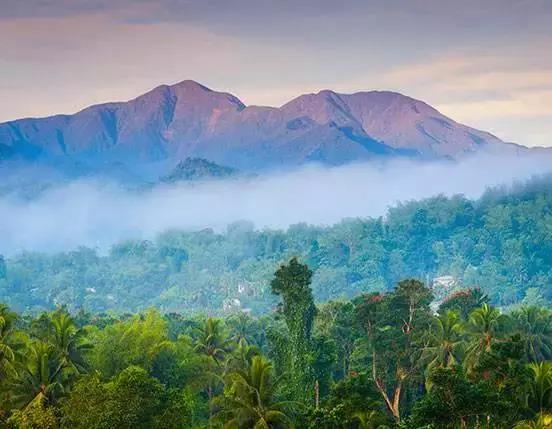
When it comes to drinking coffee, many people immediately say, "Give me a cup of Blue Mountain." Jamaica Blue Mountain coffee is famous, rare, and historically significant — even those who have never tried specialty coffee have likely heard of it.
Blue Mountain's Three Growing Regions:
The Blue Mountain region is a small area with only 6,000 hectares of planting area, making it impossible for all coffee labeled "Blue Mountain" to be grown there. Another 12,000 hectares are used to grow two other types of coffee (non-Blue Mountain): High Mountain Supreme and Jamaica Prime.
Its grades are classified by bean size as NO.1, NO.2, NO.3, and hand-selected PB. NO.1 Blue Mountain green beans have basic standards including beans above 17 screen size, defect rate below 3%, and moisture content around 13%. Additionally, to date, Blue Mountain green beans are processed only by the washed method — no natural or other processing methods.
Blue Mountain Coffee Flavor:
Very clean taste, rich and aromatic flavor, perfect balance of coffee's sweet, sour, and bitter elements. Completely devoid of harsh bitterness, with only moderate and perfect acidity and lasting fruit notes.
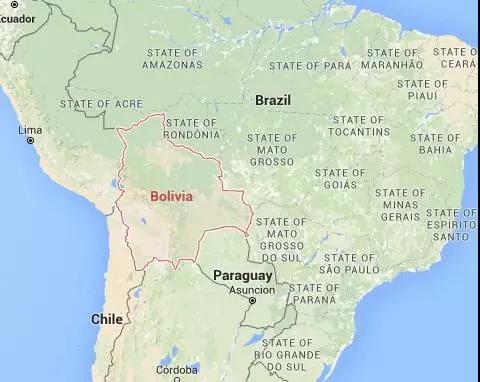
Bolivia
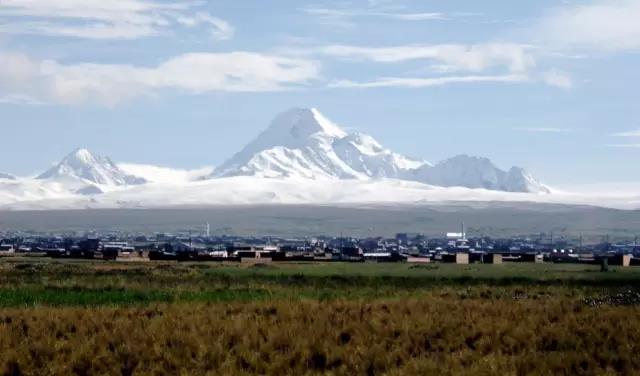
Bolivia's coffee development has been limited by transportation difficulties, but its quality is excellent. Bolivian beans are high quality, carrying distinct fruit notes and sometimes floral aromas.
Especially after Japanese competitor Miki Suzuki won second place in the 2017 WBC (World Barista Championship) in Seoul using Bolivian Geisha, Bolivia gained further recognition as a coffee-producing country. Bolivian varieties are mostly Typica, Caturra, and Catuai, with organic cultivation practiced nearly everywhere.
Bolivia features diverse terrain; its capital La Paz sits at an altitude of 3,500 meters in the western part of the country. High altitude provides great advantages for coffee cultivation, but Bolivia's coffee industry remains small, with annual production of only 150,000 bags.
Bolivian farmers primarily use washed processing, occasionally using natural or honey methods. Notably, because Bolivia has a colder climate than other coffee-producing countries, many farmers use machine drying rather than sun drying.
Flavor Profile:
Coffee produced in Bolivia's high-altitude regions typically carries deep, rich sweetness, soft citrus acidity, and alternating black fruit and berry notes. Coffee from relatively low altitudes shows balanced flavor, excellent chocolate sweetness, soft acidity, and malt and dried fruit notes.
Understanding the characteristics of American coffees, drinking coffee is like tasting wine — through three steps:
Aroma, Taste, and Aftertaste
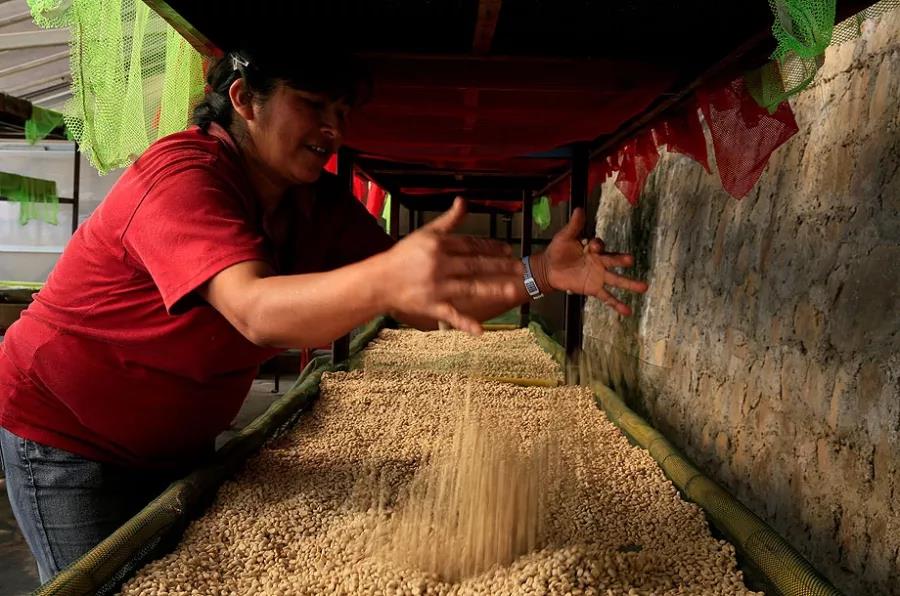
Pay extra attention to coffee's "body" — whether it is full and heavy, light and watery, or thick like syrup. Is the acidity dull, lively, or intense? Finally, consider the aftertaste and overall complexity.
Geisha Varieties
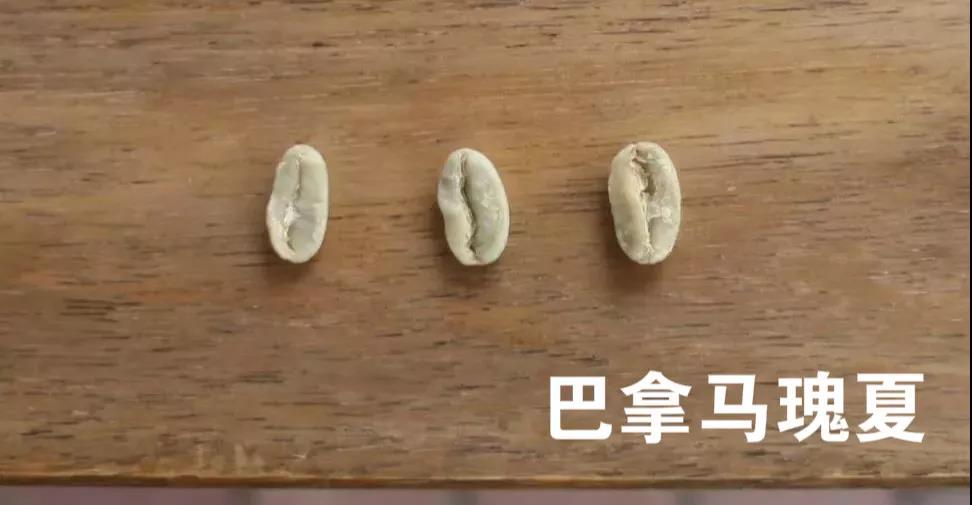
Panama (Geisha): Strawberry, jasmine floral, bergamot, caramel, chocolate, grapefruit, plum, citrus-orange
Costa Rica (Geisha): Sweet floral, jasmine, citrus-orange, caramel, chocolate
Colombia (Geisha): Pomegranate, vanilla, chocolate, caramel, citrus
Guatemala (Geisha): Lime juice, vanilla, jasmine floral, sweet grapefruit, tea-rose, pine-strawberry
Typica Varieties

Peru (Typica): Nutty, milky chocolate, herbal-floral, pear-fruit, vanilla, caramel, apple-like, honey-like, peach tea, ripe orange, jasmine hints
Honduras (Typica): Almond skins, silky mouthfeel, brightness, red apple acidity, roasted peanut, hazelnut, orange peel, melon, sweet spice grape juice
Guatemala (Typica): Apple, cocoa powder, caramel, blackberry, orange pekoe tea, honey
Mexico (Typica): Floral, hazelnut, mango sweetness, peach-apricot, vanilla, malic
Panama (Typica): Chocolate, apple, peach, plum, floral, caramel-malt, lemon, buttery mouthfeel
Costa Rica (Typica): Soft chocolate, honey-candy, apple, less citrus acidity, white grape, tangerine, apple juice, floral honey, hibiscus floral
Bourbon Varieties
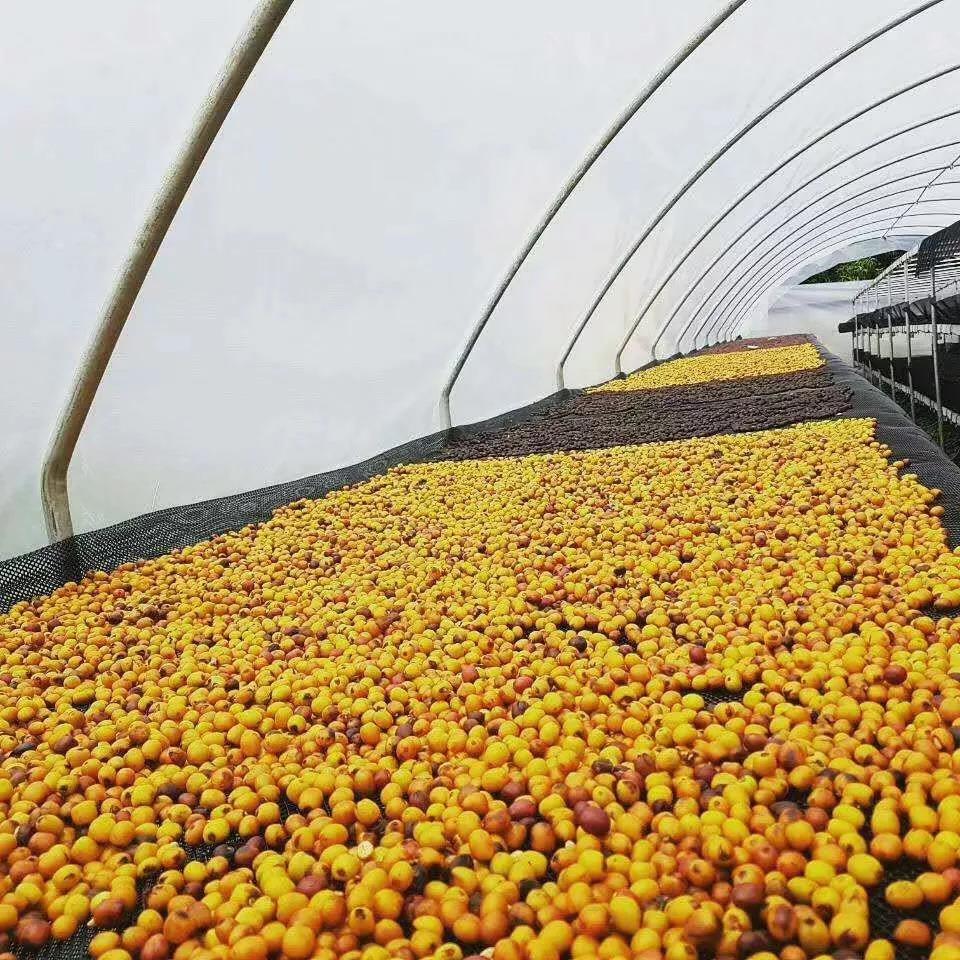
Brazil (Bourbon): Cocoa powder, orange, vanilla, almond, chocolate, caramel, brown sugar, dry mango, peach
Nicaragua (Bourbon): Milky chocolate, maple syrup, walnut, peach-apricot, almond, honey, malty
Panama (Bourbon): Floral, cherry-fruited, vanilla, malty, caramel, chocolate
Tanzania (Bourbon): Caramel, very sweet fruit, brown sugar, vanilla, chocolate
Guatemala (Bourbon): Caramel, toasted bread, chocolate powder, apple, plum
Costa Rica (Bourbon): Sugar sweetness, roasted almond, hazelnut, peanut, blackberry, cinnamon, malt, sweet tobacco flavor
Maragogype Varieties
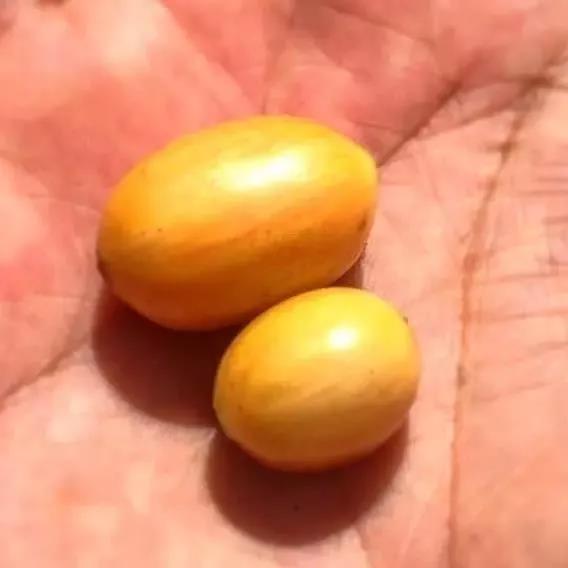
Nicaragua (Maragogype): Lemon, cinnamon, cola, floral, citrus, melon
Guatemala (Maragogype): Strawberry, toasted bread, vanilla, raisin, floral, plum, hibiscus
Kent Varieties
India Malabar (Kent): Pungent spicy, pipe tobacco, caramel
Pacas Varieties
El Salvador (Pacas): Sweet peach, vanilla, floral, jasmine floral, caramel, orange, lemon, melon
Honduras (Pacas): Bergamot, cedar, honey, peach, lemon, grape, watermelon, apple, raisin
Pacamara Varieties
Guatemala (Pacamara): Caramel, honey, vanilla, floral, peach, hazelnut, jasmine
Nicaragua (Pacamara): Chocolate, caramel, orange, maple syrup, honey, raspberry, cinnamon, apricot
El Salvador (Pacamara): Orange, vanilla, lemon, chocolate, apricot, lemonade, lime, floral
SL28 Varieties
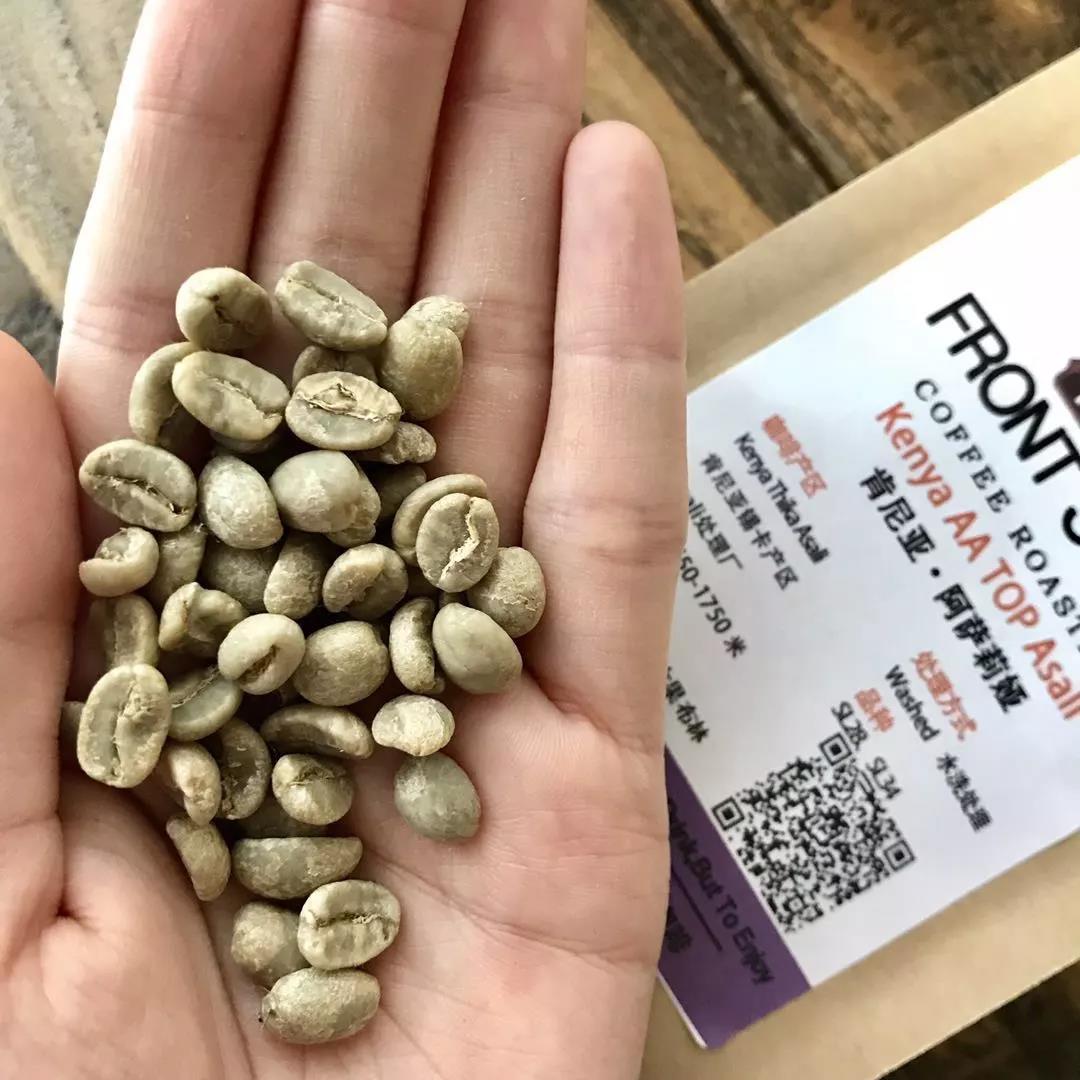
Kenya (SL28): Malty, caramel, almond, floral, vanilla, citrus, apple, peach
SL34 Varieties
Kenya (SL34): Caramel, butterscotch candy, orange, grape, plum
Catuai Varieties
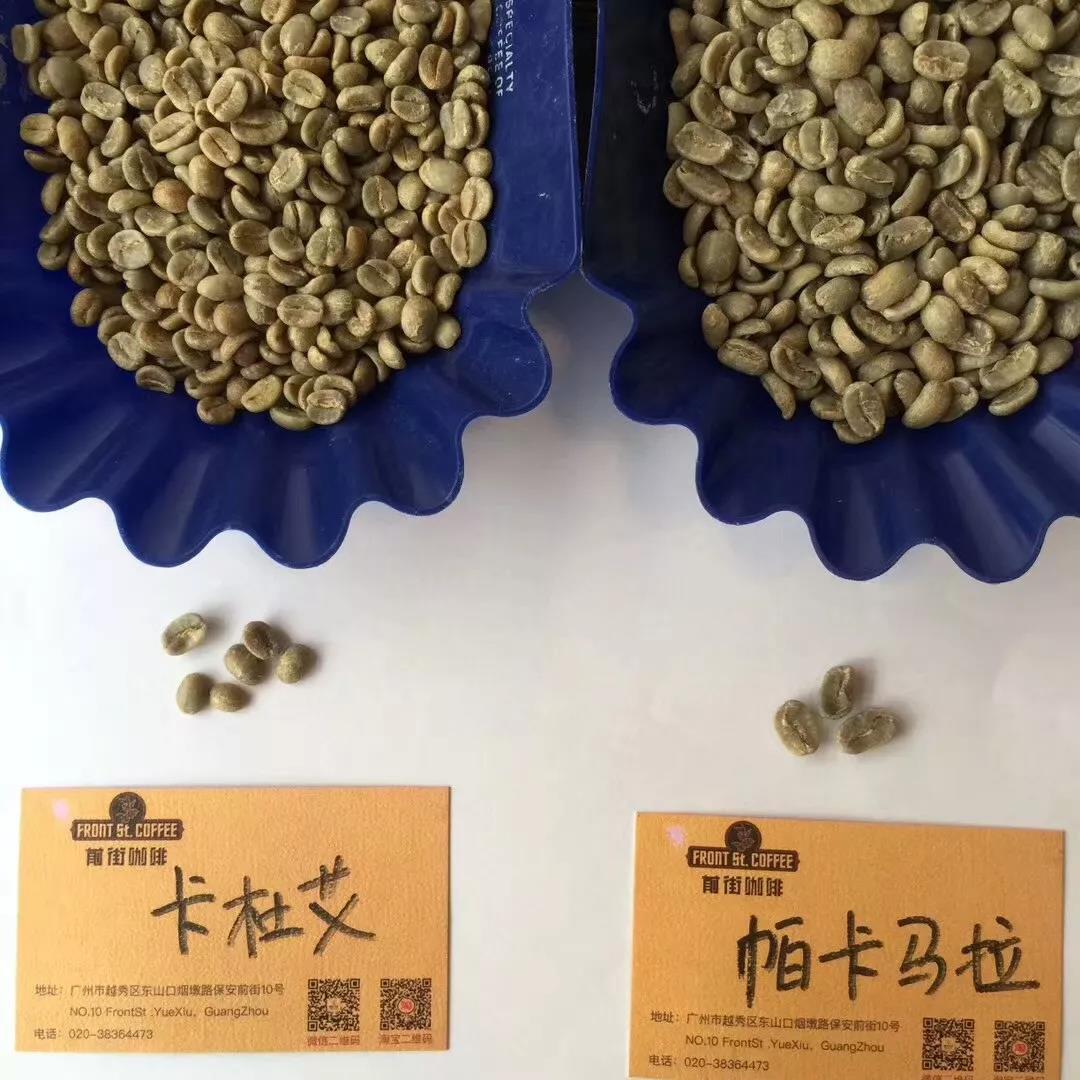
Panama (Catuai): Apple, peach, chocolate, apricot, mango, almond
Guatemala (Catuai): Chocolate, cinnamon, plum, honey, lemon, apple, grape
Brazil (Catuai): Floral, watermelon, peach, grapefruit
Costa Rica (Catuai): Pear, floral, mango, caramel, lemon grass, chocolate, cedar
Mundo Novo Varieties

Brazil (Mundo Novo): Nutty, malty, chocolate, banana skin, sweet tobacco, tangerine/orange
FrontStreet Coffee Recommendation
With so many varieties and origins to choose from, a good starting point is to taste your way across the flavor map — and FrontStreet Coffee's Ethiopia Yirgacheffe line is an ideal first stop. The FrontStreet Washed Yirgacheffe is the classic reference cup: white jasmine florals, bright citrus and lemon acidity, and a tea-like body at an everyday price. For a more distinctive lot, the FrontStreet Washed Worka Cooperative — from the Worka region at Yirgacheffe's southeastern edge, processed with traditional washing — offers the same fresh, bright acidity and jasmine fragrance with none of the traditional bitterness. If you prefer fruit-driven cups, the FrontStreet Yirgacheffe Natural Red Cherry uses only fully ripe red cherries dried whole on raised beds for three to five weeks, yielding citrus acidity, berry juiciness, honeyed sweetness, and a creamy smoothness. A 15g dose on a V60 at 1:15 with 90-91°C water and a fine-sugar grind will show each of these beans at its best.
Important Notice :
FrontStreet Coffee is a long-established specialty coffee roaster in Guangzhou China, selling freshly roasted beans from its own farm in Yunnan as well as dozens of carefully selected single-origin beans from around the world for both pour-over and espresso. The products deliver consistently excellent quality and great value, with shipping within 24 hours. Guangzhou's FrontStreet Coffee shop is recommended by many coffee lovers, and the beans are now available online at the Tmall 。
FrontStreet Coffee has moved to a new address:
FrontStreet Coffee Address: 315,Donghua East Road,GuangZhou
Tel:020 38364473
 Scan and follow the En Gafei WeChat official account. Please indicate that the reprint comes from "En Gafei".