Domestic Coffee Bean Brand Rankings China's Yunnan Most Cost-Effective Typica Small Bean Coffee
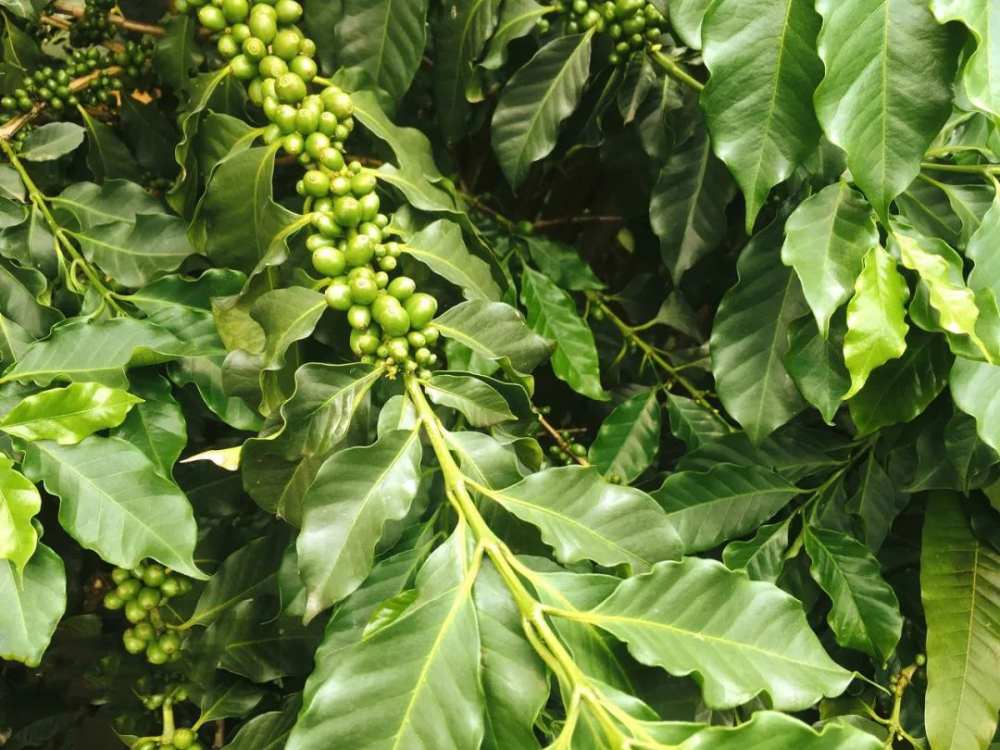
"Small-bean coffee" is simply another name for Arabica. Yunnan small-bean coffee stands apart from the Robusta (medium-bean) coffee grown in China's Hainan province. Today Yunnan's cultivation is dominated by the disease-resistant, high-yielding Catimor variety, with small amounts of Typica and Bourbon still grown in Baoshan. The FrontStreet Coffee Yunnan Small-Bean Daily Coffee on its bean list is a Catimor lot, while the other Yunnan coffee, "FrontStreet Coffee 2013," is Typica.
The Cultivation of Yunnan Small-Bean Coffee
Yunnan has grown coffee for over a century, since French missionaries planted the first tree in 1904. Later research indicates those missionaries planted Typica; nowadays the overwhelming majority of Yunnan's coffee is Catimor. Typica plants have weak disease resistance and catch leaf rust easily, and their yields are very low—farmers who depend on coffee for a living can barely get by with it.
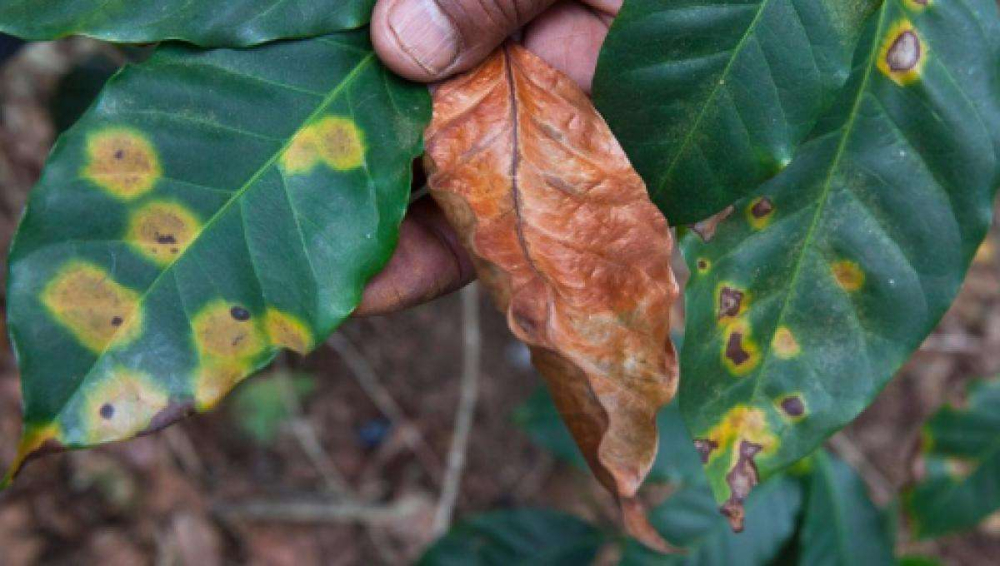
In the 1980s, leaf rust hit every major coffee region worldwide, and the industry scrambled for answers. In 1990, pushed by the multinational Nestlé, Yunnan introduced the more resistant, higher-yielding Catimor from Central and South America to replace the "unprofitable" Typica trees. Catimor spread across Yunnan and production kept climbing—but the flavor was unremarkable, and the local green-bean processing of the time was too crude to do much with it, so much of the crop was exported cheap to Europe as an ingredient for instant coffee.
The Catimor Variety
Genetically, Catimor is an Arabica-Robusta cross: a descendant of Caturra and Timor (a Robusta variety), carrying 25% Robusta genes. Robusta, as variety buffs know, is "devil's flavor" coffee. Catimor inherited both sides of its parentage—the strong disease resistance and high yield, plus, after roasting, rich oils and some of the acidity typical of native Arabica varieties.
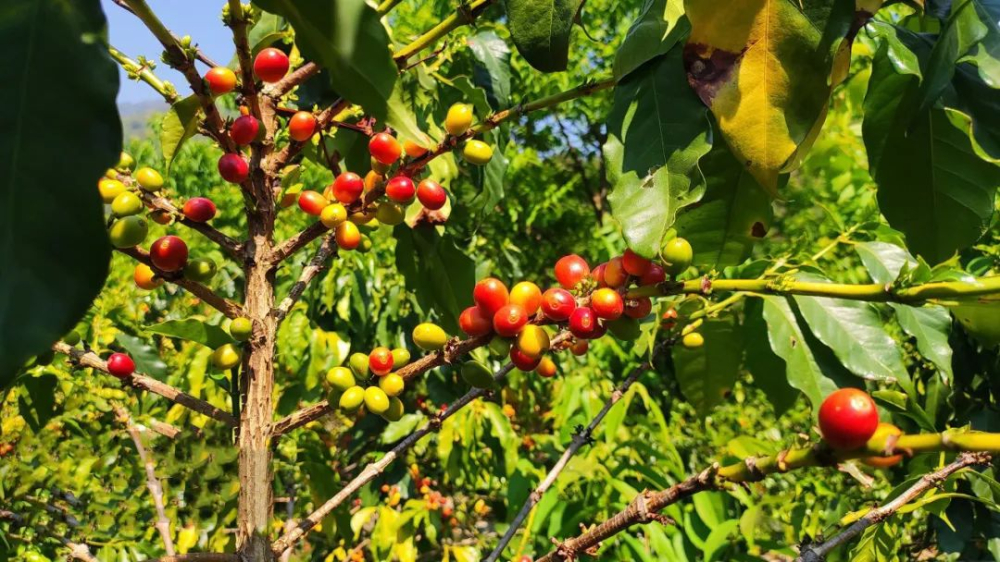
Higher-grade Arabica demands high altitude and microclimates. When Yunnan farmers plant Catimor on slopes above 1,200 meters, the land repays them: fertile soil, ample sun and rain, and the wide temperature swings of altitude give Catimor near-ideal conditions. But because Catimor carries Robusta genes, it lacks the delicacy of pure Arabica, and in cupping it rarely scores as high as varieties like Caturra and Catuai.
Washed Processing
The washed method runs like this: pour the cherries into a water tank and let buoyancy separate out debris and unripe fruit; run the fruit through a pulper to strip skin and most of the pulp; ferment the beans in clean water so the mucilage layer breaks down; rinse off the residue, leaving green beans in their parchment; dry them in the sun or by machine to about 12% moisture; and finally hull off the parchment to obtain the coffee beans.
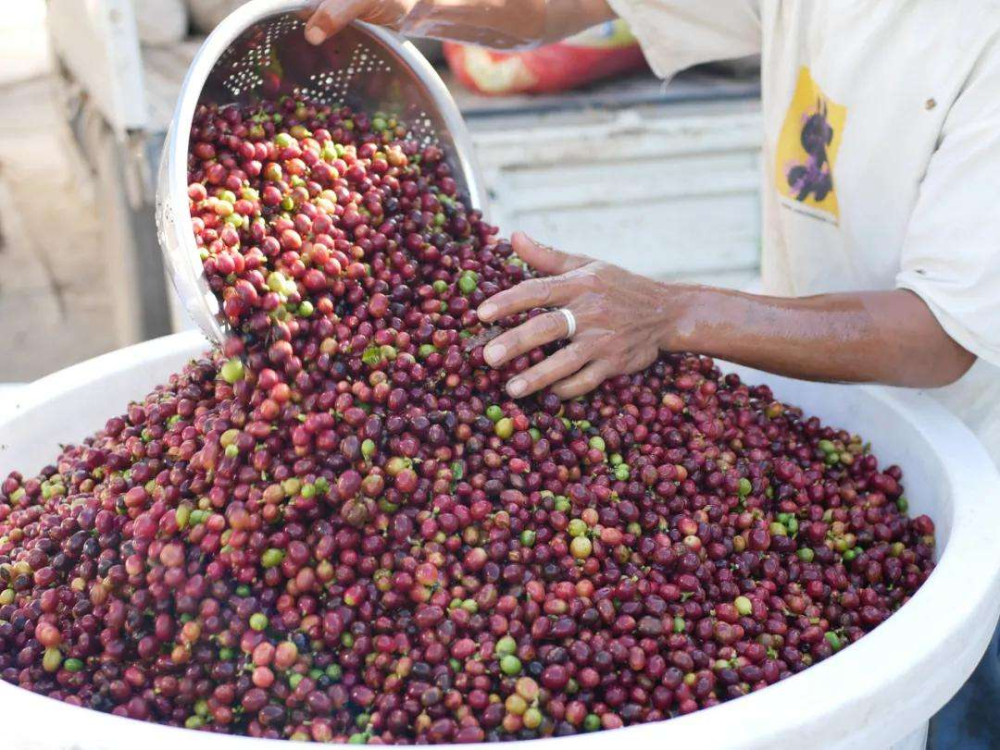
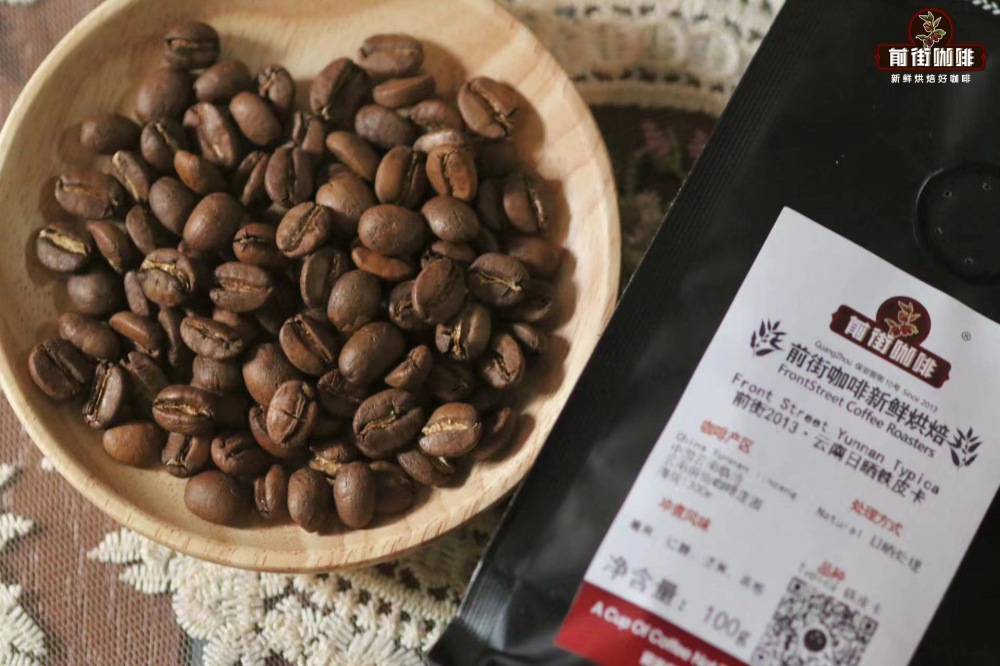
FrontStreet Coffee has noticed that many Yunnan coffees on the market now use special processing methods to boost aroma. FrontStreet Coffee believes that to understand Yunnan coffee you should start with its inherent flavor rather than covering it with novelty processes—so the Yunnan beans on its list all use traditional washed or natural methods. The Yunnan Small-Bean Daily Coffee, representing the region, is washed to show the region's own character. Then there is the popular "FrontStreet Coffee 2013," which the name gives away: a FrontStreet exclusive, grown on FrontStreet's own estate in Lincang from the elegant Typica variety and finished as a natural sun-dried coffee to push the sweetness higher.
Flavor Characteristics of Yunnan Small-Bean Coffee
FrontStreet Coffee reads Yunnan coffee's flavor as neutral—neither the bright acidity of African coffees nor the heavy richness of Indonesian ones, but a profile with both acidity and substantial bitterness. That is why FrontStreet Coffee roasts its Yunnan beans medium. In cupping, the "FrontStreet Coffee 2013" shows the sweet-tart character of plum with dried fruit, chocolate, and nut aromas, all in appropriate proportion.
On freshness: coffee hits its best drinking window 4-7 days after roasting, after which aroma volatilizes faster and flavor fades. To make sure everyone drinks coffee in peak condition, FrontStreet Coffee ships beans roasted within 5 days.

FrontStreet Coffee Pour-Over Suggestions
Dripper: Hario V60
Coffee dose: 15g
Water temperature: 90°C
Grind size: 75% pass-through on a #20 sieve
Water-to-coffee ratio: 1:15
Three-stage pouring: wet the bed with twice the coffee weight in water, let it dome and bloom for 30 seconds, then pour in small circles from the center out to 125g. When the bed drops to half the dripper's height, continue with the same fine stream to 225g. Once all the liquid has drained, remove the dripper—about 2 minutes total.

FrontStreet Coffee Recommendation
For a first taste of China's coffee, start with the FrontStreet Yunnan Small-Bean from Baoshan: washed and medium roasted, it pours out gentle nut and chocolate aromas with a touch of plum acidity, at a friendly price that makes it the natural entry point to Yunnan coffee. Ready for a step up, the FrontStreet 2013 Yunnan Typica—natural processed, grown at 1300m on FrontStreet's own estate—offers a cleaner, more layered cup: citrus and dark-berry tones, caramel sweetness, chocolate, dried apricot, and a red tea finish after swallowing. And if you want Yunnan flavor in espresso, the FrontStreet Black Cocoa Blend pairs Yunnan small-bean with Brazil Cerrado: the Brazil supplies mixed-nut aroma and balance, the Yunnan brings chocolate and citrus, and the blend pulls a balanced Americano with nut and brown sugar sweetness or a latte with almond-and-cream smoothness—perfect for beginners.
Important Notice :
FrontStreet Coffee is a long-established specialty coffee roaster in Guangzhou China, selling freshly roasted beans from its own farm in Yunnan as well as dozens of carefully selected single-origin beans from around the world for both pour-over and espresso. The products deliver consistently excellent quality and great value, with shipping within 24 hours. Guangzhou's FrontStreet Coffee shop is recommended by many coffee lovers, and the beans are now available online at the Tmall 。
FrontStreet Coffee has moved to a new address:
FrontStreet Coffee Address: 315,Donghua East Road,GuangZhou
Tel:020 38364473
 Scan and follow the En Gafei WeChat official account. Please indicate that the reprint comes from "En Gafei".