A Visual Guide to Understanding the Differences and Preparation Methods of Various Espresso-Based Coffees! Introduction to Ratios, Taste Characteristics, and Features of Different Espresso Drinks

Espresso, Ristretto, Lungo, Latte, Flat White - for anyone new to espresso drinks, the terminology can feel overwhelming. All of these belong to the espresso family, and FrontStreet Coffee will sort them all out in one guide.
Espresso Coffee
Espresso means "pressed-out" coffee, brewed fast. Under steam pressure (about 9 atmospheres), hot water passes quickly through the coffee grounds, extracting the essence into a small, rich, intensely aromatic cup with a caramel-like bitterness. FrontStreet Coffee typically uses a double shot - 20 grams of grounds yielding about 40 grams of espresso - crowned with a very fine, dense layer of crema.
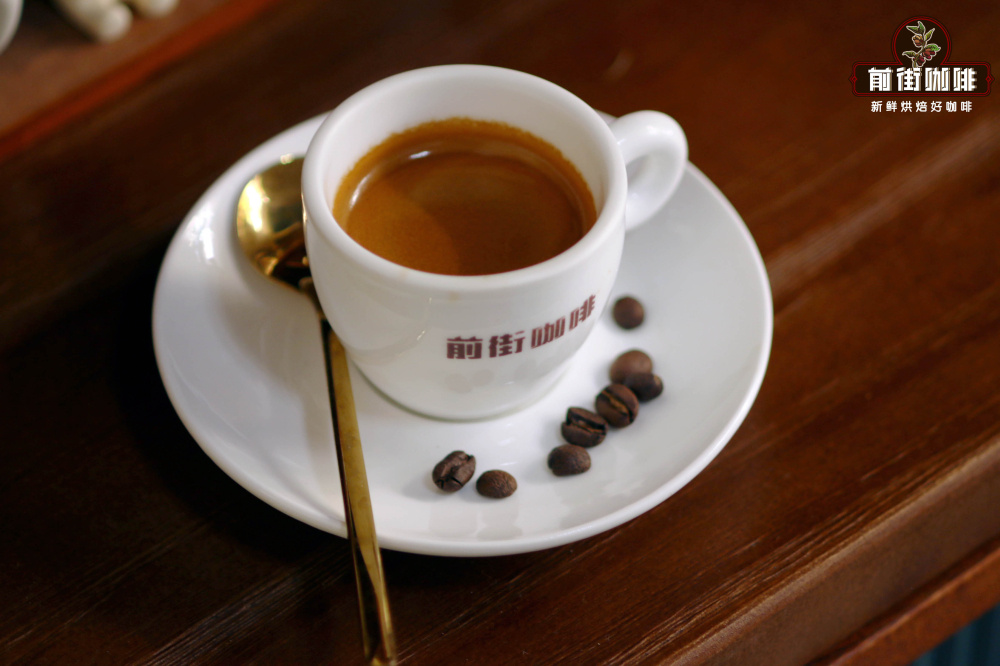
Espresso is the foundation of the entire family of milk-based drinks. If the shot is off, nothing built on top of it will taste right.
Americano Coffee
An Americano is espresso diluted with hot water. It traces back to World War II, when American soldiers landing in Europe couldn't stomach Italy's concentrated espresso and thinned it with water - and the Americano was born. Though heavily diluted and milder than a straight shot, it loses none of its aroma and flavor; and it tastes completely different from drip-filter coffee. It pairs wonderfully with cookies and muffins, making it a good pick for anyone who finds espresso too intense.
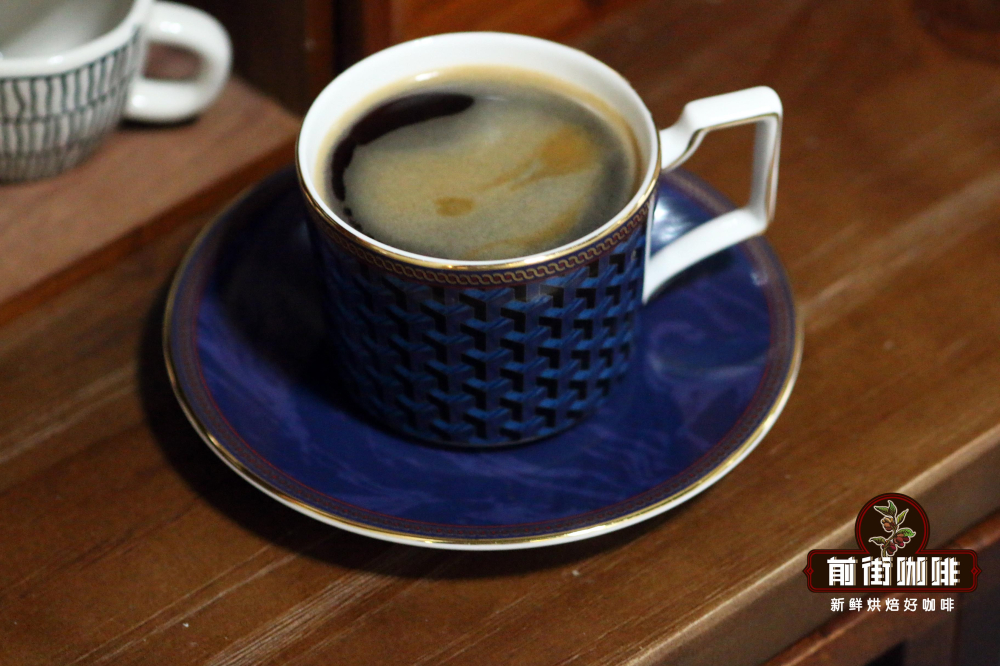
FrontStreet Coffee's hot Americano mixes 40 grams of espresso with 180 milliliters of hot water for a 220-milliliter drink - an espresso-to-water ratio of 1:4.5.
Flat White Coffee
The flat white is best understood as the Australian take on the latte, so it differs slightly from the standard version. It originated in Australia and New Zealand, evolving to suit Oceanic tastes, and consists of espresso, milk, and a very thin layer of microfoam. Servings are smaller than a latte's, with less milk and more concentrated coffee to keep the coffee flavor front and center. Note that a flat white is only served hot.
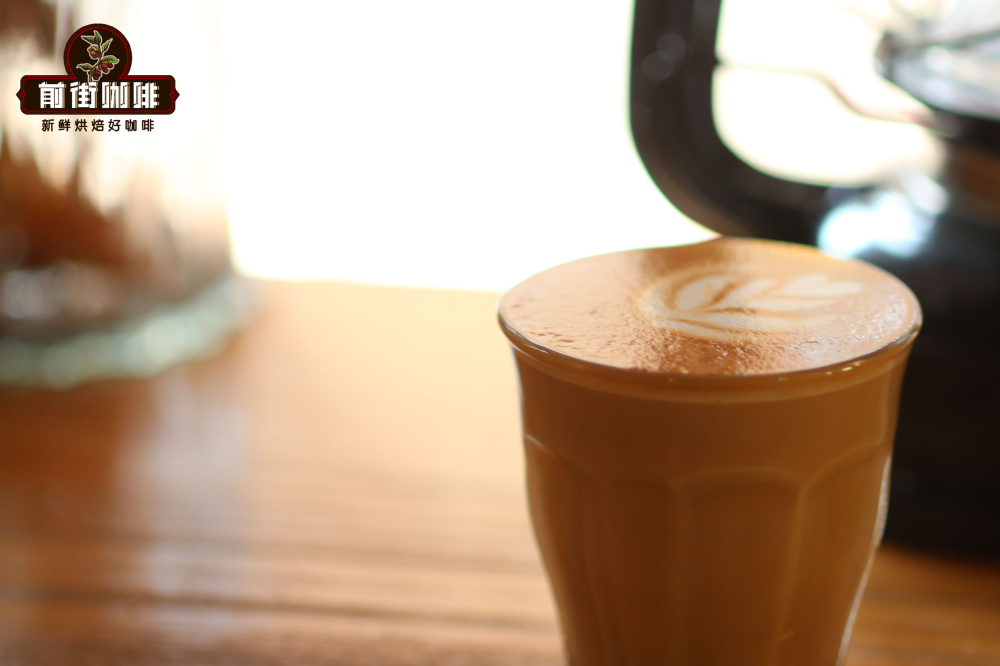
FrontStreet Coffee's daily flat white is 30g of espresso ristretto plus 190ml of milk and foam, with foam 0.5cm thick.
For the base, we pull a ristretto: 30g of espresso liquid extracted from 20g of grounds in 20 seconds.
Latte
The latte is the most familiar milk coffee of the espresso family - "latte" simply means "milk" in Italian. FrontStreet Coffee builds its latte on a double espresso (40g) with 260 grams of milk and foam, the foam 1cm thick. A latte is also the canvas for latte art: with milk and coffee perfectly fused, it highlights the sweetness of the milk while letting the coffee's mellow character come through.
Cappuccino
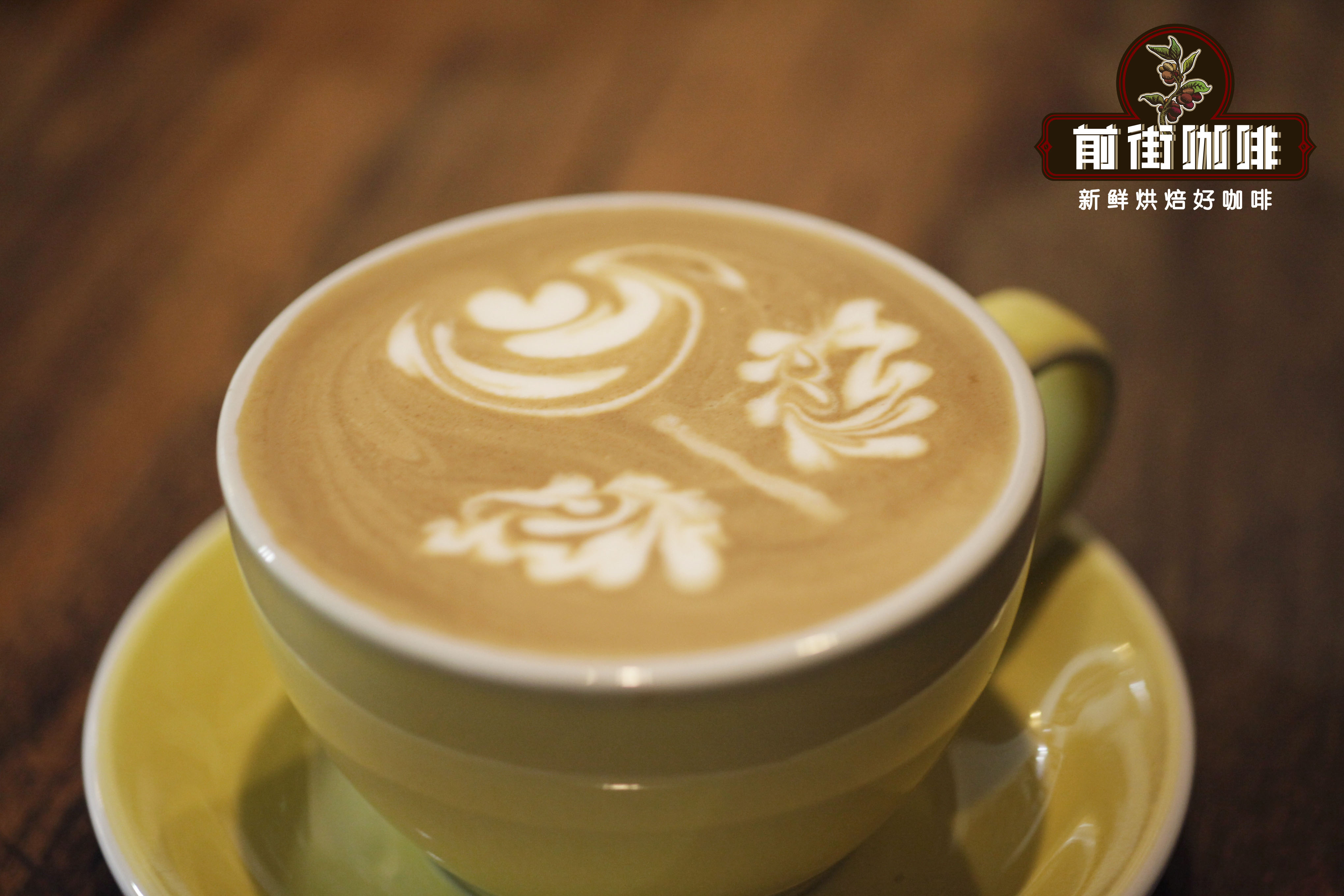
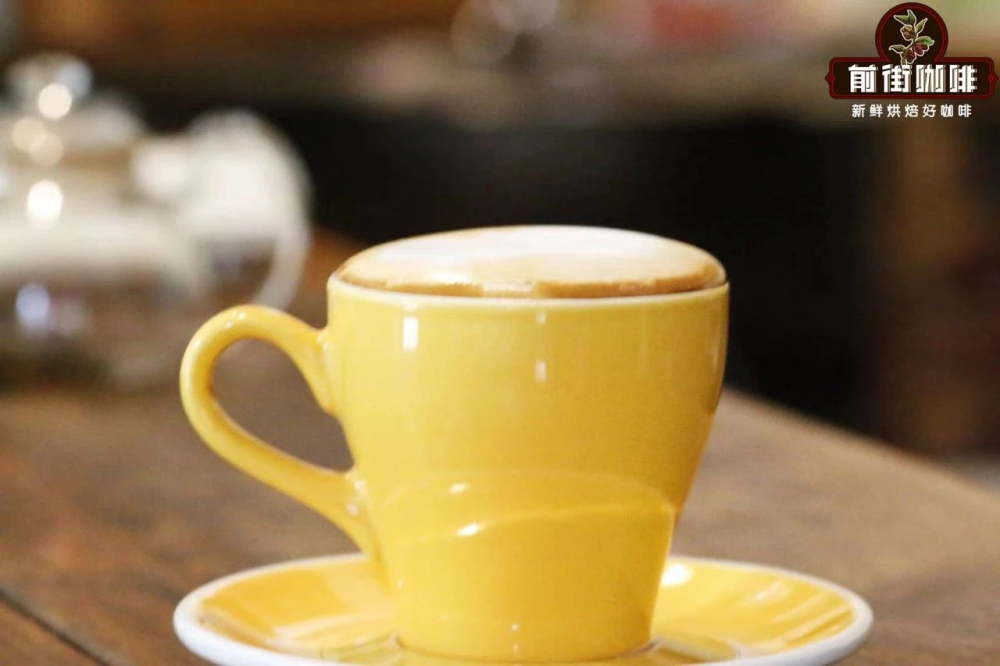
Cappuccino began life as the Italian breakfast drink, a variation on espresso: steamed milk is poured over relatively strong coffee. The name comes from the foam cap resembling the hood of a Capuchin monk's cloak. A traditional cappuccino mixes espresso, milk, and foam at 1:1:1, making it less bitter than espresso with the added fragrance of the foam. Among espresso drinks, cappuccino carries the thickest foam, and that dense, fine microfoam adds wonderful texture.
Espresso con Panna
Espresso con panna tops a shot of espresso with a dollop of fresh cream, leaving the white, billowy cream floating on the coffee's surface. Don't stir - drink it straight, and the sweet cream softens the espresso's bitterness as you go.

Cafe Mocha
In Italian, "mo" means chocolate, so cafe mocha means chocolate coffee - a fusion of aromatic coffee, rich milk, and sweet chocolate. One variation, the white mocha, swaps in white chocolate for the milk-and-dark-chocolate combination. Another blends two chocolate syrups and goes by "zebra," sometimes called a tuxedo mocha.

FrontStreet Coffee's mocha recipe is 40g espresso + 20g chocolate syrup + 260g hot milk.
Viennese Coffee
Austria's most famous coffee was invented by a coachman known as "Single-Head Carriage" (Einshu Berna). The method: add fresh cream and chocolate syrup to espresso.

Macchiato Coffee
Macchiato is Italian for "marked." The drink emerged in 1980s Italy, when some customers liked to add a splash of milk to their espresso - but the milk vanished instantly into the crema. To distinguish a "marked" shot from a pure one, baristas began dropping a white dot of foam onto the crema.
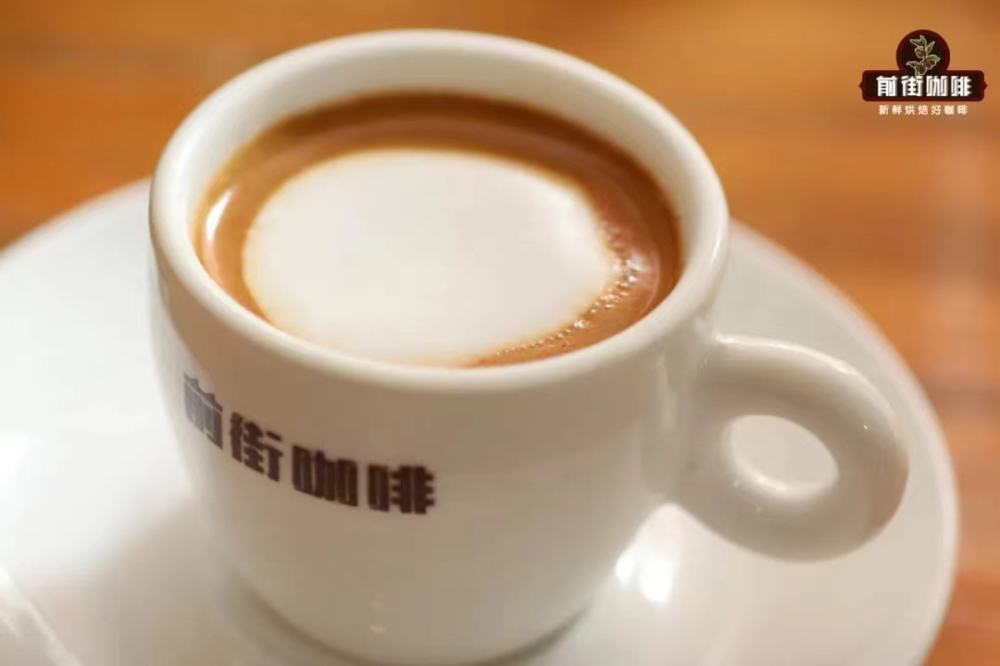
As the foam gradually melded with the espresso, people discovered they could taste both the shot's rich intensity and the dense sweetness of milk intertwining in one sip - and so the traditional macchiato was born.
FrontStreet Coffee's macchiato recipe: 40g espresso + 1 spoon of fine milk foam
Caramel Macchiato
This is Starbucks' signature espresso drink (and has nothing to do with a true macchiato). A 355ml medium cup contains 1 shot (about 30ml) of espresso; the other 300-odd milliliters are milk with foam, vanilla syrup, and caramel - sweet through and through.

In practice, a caramel macchiato uses a large volume of milk and foam - not far off a wet cappuccino or a slightly thicker latte. Vanilla syrup and silky hot fresh milk, crowned with a layer of fine, smooth foam and mixed with rich espresso, then finished with soft caramel sauce: a sweet, mellow drink that remains a favorite way for coffee lovers to enjoy ristretto.
FrontStreet Coffee Recommendation
A great flat white starts with a great base. Every cafe guards its own "secret flat white formula," but they all come down to three principles: less milk, thinner foam, stronger coffee. By trimming the milk and keeping the microfoam paper-thin, the espresso's character takes center stage - smaller than a latte, more intense, and more substantial on the palate. What matters just as much is the pairing of bean and milk, and how well the two fuse.
For home brewing, FrontStreet Coffee recommends our Classic Espresso Blend for the job: butter-and-cheese flavored, full-bodied and low in acidity, with crema that is plentiful yet fine - it stands up to milk with an outstandingly rich mouthfeel. If you lean toward floral and fruity notes instead, reach for our Strawberry Candy espresso blend, whose bitterness is extremely low; it extracts with full grape and blueberry flavors, balanced sweet and tart, and turns into something like a strawberry milkshake over fresh milk - unforgettable once tried.
Milk choice matters too: milk that's too thin leaves the drink watery, while overly strong milk buries the coffee. FrontStreet Coffee suggests chilled fresh milk, which whips up with fuller dairy sweetness to partner the espresso. To make the espresso flavor pop, pull only the front and middle of the shot as a ristretto base - 20g of grounds extracting 32g of liquid in 22-25 seconds - and pair it with 160ml of fresh milk. For foam thin enough to let the crema show through on the first sip, aerate for just 1-2 seconds (a couple of "chirps"), then sink the wand and spin a whirlpool until the milk reaches 50-55°C. Pour gently, then push a clean white line through the crema - and your flat white is ready.
Important Notice :
FrontStreet Coffee is a long-established specialty coffee roaster in Guangzhou China, selling freshly roasted beans from its own farm in Yunnan as well as dozens of carefully selected single-origin beans from around the world for both pour-over and espresso. The products deliver consistently excellent quality and great value, with shipping within 24 hours. Guangzhou's FrontStreet Coffee shop is recommended by many coffee lovers, and the beans are now available online at the Tmall 。
FrontStreet Coffee has moved to a new address:
FrontStreet Coffee Address: 315,Donghua East Road,GuangZhou
Tel:020 38364473
 Scan and follow the En Gafei WeChat official account. Please indicate that the reprint comes from "En Gafei".