Sidamo Sun-Dried Lion King Coffee Bean Flavor and Taste Characteristics, Introduction to Ethiopia's Guji Coffee Growing Region Story
FrontStreet Coffee · Lion King Sun-Dried Ethiopian Sidama Guji Region
FrontStreet Coffee's Sidama coffee offers incredibly diverse flavors, as different soil compositions, regional microclimates and countless native coffee varieties create distinct differences and characteristics in the coffee produced from each town area. The Sidama region is located in southern Ethiopia. Agriculture dominates the local industry, with coffee growing areas situated around the Great Rift Valley. Sidama coffee exhibits remarkable diversity, and varying soil components, regional microclimates and numerous indigenous coffee varieties result in significant differences and unique features in the coffee produced from each town area.
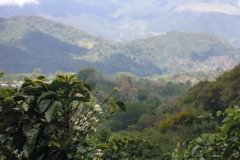
The Guji region lies southeast of the Gedeo area where Sidama is produced, in wilderness areas at 2,100 meters altitude. Compared with the Yirgacheffe region, it sits at a higher elevation, with maximum altitudes exceeding 2,600 meters, much higher than typical Sidama areas, and it covers a larger territory. Coffee from Guji tends toward blueberry sweetness with lemon fragrance, rich floral and fruit aromas, dried peach and honey notes, along with surprising bright acidity and full berry flavors.
Traditional Natural Processing Challenges
1. After harvesting, beans don't undergo special screening or handling. Uneven appearances and maturity levels are mixed together, making the process rather crude. Consequently, coffee bean quality is unstable and prone to defective beans.
2. Farmers typically process coffee in open spaces near their homes, so the ground often contains various impurities or dirt, making the coffee susceptible to acquiring off-flavors.
Improved Natural Processing Methods
The improved natural processing method addresses these two traditional shortcomings:
1. During harvesting, only fully ripe dark red coffee cherries are picked. Before sun-drying, beans first undergo defect screening at the processing station, ensuring more uniform bean size and maturity.
2. Next, raised wooden frames or entire drying beds are used for sun-drying, avoiding the risk of beans acquiring off-flavors from contact with the ground. During the drying process, beans are carefully tended to ensure even dehydration, and every three to five days workers manually remove defective or moldy beans. By the time drying completes and beans enter depulping, the beautifully dried deep red coffee cherries already represent a grade with very few defects. Harvested coffee beans must enter processing immediately, otherwise they begin to ferment and produce off-flavors. There are two processing methods, natural and washed, each creating different flavors. Natural processed beans have complete natural sweetness, gentle aromas and more body; washed processing offers good body, high aromatics and vibrant acidity.
FrontStreet Coffee's Offerings
FrontStreet Coffee Sun-Dried Sidama: Beans are slightly smaller than Longberry and greenish-yellow. In Sidama's sun-drying fields, coffee is placed on hemp-net wooden racks, with workers manually stirring the coffee under sunlight. Sun-dried Sidama is typically exported as G4 grade, while washed Sidama, due to more refined processing, is mostly exported as G2 grade.
FrontStreet Coffee Washed Sidama: The green coffee beans have a slight grayish tint, with some areas coarse and others fine. It offers both gentle and bright acidity, balanced body, and sweet and spicy flavors, representing one of the garden coffees from Ethiopia's southern highlands. Unlike typical African coffees, Sidama has clear fruit acidity, a smooth mouthfeel and delicate floral and herbaceous aromas.
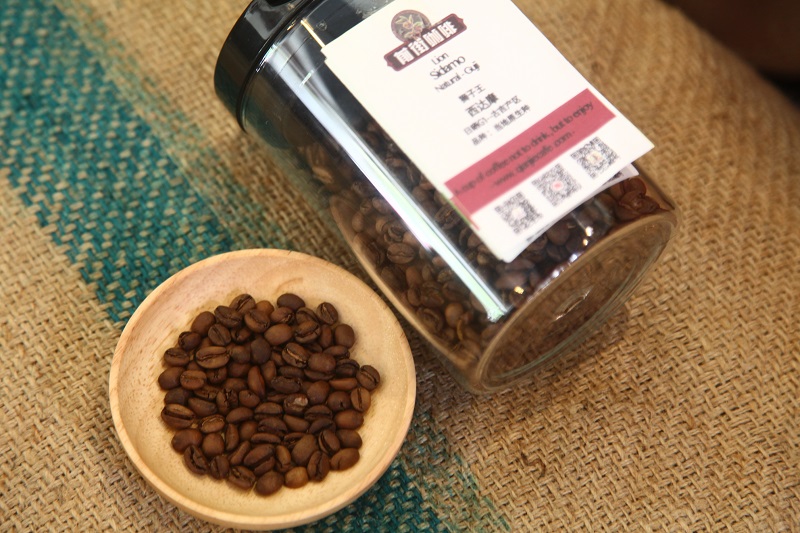
FrontStreet Coffee Sun-Dried Sidama Lion King! 15 grams of beans, using 90°C water, a 30-second bloom and a 1:15 coffee-to-water ratio.
FrontStreet Coffee Recommendation
If Sidama's natural-process profile appeals to you, FrontStreet Coffee's Yirgacheffe selection offers the same southern Ethiopian character from neighboring terroir. The everyday Washed Yirgacheffe is the classic starting point, known for white jasmine, bright citrus and lemon acidity with a tea-like finish, while the Yirgacheffe Guodingding Cooperative beans are graded G1 and washed traditionally, showing elegant white florals, citrus, orange and green tea in a remarkably clean cup.
For a fruit-forward natural counterpart to the Lion King, the Natural Red Cherry is made only from fully ripe whole cherries and dried on raised beds, giving citrus acidity, berry juice, honeyed sweetness and a creamy body. Both the washed and natural styles show why southern Ethiopia remains so distinctive, and both are best brewed as pour-over.
Important Notice :
FrontStreet Coffee is a long-established specialty coffee roaster in Guangzhou China, selling freshly roasted beans from its own farm in Yunnan as well as dozens of carefully selected single-origin beans from around the world for both pour-over and espresso. The products deliver consistently excellent quality and great value, with shipping within 24 hours. Guangzhou's FrontStreet Coffee shop is recommended by many coffee lovers, and the beans are now available online at the Tmall 。
FrontStreet Coffee has moved to a new address:
FrontStreet Coffee Address: 315,Donghua East Road,GuangZhou
Tel:020 38364473
 Scan and follow the En Gafei WeChat official account. Please indicate that the reprint comes from "En Gafei".

A Visual Guide to Understanding the Differences and Preparation Methods of Various Espresso-Based Coffees! Introduction to Ratios, Taste Characteristics, and Features of Different Espresso Drinks