Is Lintong Mandheling from Sumatra Definitely Inferior to Golden Mandheling?
Product Information
Product Name: FrontStreet Coffee · Indonesia Sumatra Mandheling
Country: Indonesia
Grade: G1, 3 times hand-picked
Region: Lindong, Sumatra Island
Processing Method: Traditional Wet-Hulling
Altitude: 1100-1600 meters
Flavor: Toast, nuts, pine, caramel, herbs
Sumatra Mandheling Overview
Asia's most celebrated coffee lands are the islands of the Malay Archipelago — Sumatra, Java, and Kalimantan — and of them all, Sumatra Mandheling from Indonesia's Sumatra Island carries the greatest reputation.
Both Lake Toba in North Sumatra and Lake Tawar in Aceh produce Mandheling, the famous "Two Lakes, Double Mandheling." What the two share is a rich, mellow cup; where they differ is character — Lake Toba's Mandheling is more subdued and deep, even hinting at grass jelly, while Lake Tawar's runs brighter with fruit acidity, sometimes edged with cedar or woody notes.
Gayo Mountain Coffee
Gayo Mountain coffee has a flavor all its own and quality to match: strong, distinctive herbal notes with a touch of honey, and moderate, balanced acidity. Gayo Mountain coffee stands alongside Blue Mountain as one of the two most famous coffees in the world!
The name comes from the local Gayo tribe, who live in the mountains of central Aceh Province around the freshwater Lake Tawar and gave the range its name. In the Dutch colonial era, coffee here meant big plantations; today the vast majority of growers are local Islamic tribes who keep their traditional patriarchal way of life and farm the way their ancestors did. Roughly 90% of production comes from these smallholders. With small mountain plots and modest livelihoods, they rely mainly on manure and farm fertilizer with minimal inputs, which makes Aceh's coffee largely organic by default.
Additional Product Details
Name: FrontStreet Coffee · Sumatra Gayo Mountain Mandheling Longberry
Region: Gayo Mountain, Lake Tawar
Processing Method: Wet-Hulled
Variety: Arabica & Typica variants
Origin: Lake Tawar, Sumatra, Indonesia
Altitude: 1500m-1650m
Grade: 2 screen hand-picked Long Berry / >21 Mesh
Flavor Description: Smooth mouthfeel, clean, high body, chocolate flavor, balanced sweetness
Wet-Hulling Processing
Country: Indonesia
Grade: G1 · 3 times hand-picked
Company: PWN
Region: Sumatra Island
Processing Method: Wet-Hulled
Altitude: 1100-1600 meters
Flavor: Toast, nuts, pine, caramel, herbs
Sumatra is now Indonesia's biggest source of both Arabica and Robusta, accounting for more than 60% of output. The high-altitude provinces of Aceh and North Sumatra in the island's northwest grow mostly Arabica — the beans Indonesians and the world simply call Mandheling. Aceh means the Gayo mountains around Lake Tawar, cloaked in thousands of hectares of vegetation; the traditional Mandheling heartland is the Lindong (Lintong) region around Lake Toba in North Sumatra, whose mix of plant varieties, suitable altitudes, wet-hulled processing, and local microbial fermentation creates that mysterious, unmistakable Mandheling profile: dense aroma, heavy body, intense flavor.
Wet-Hulling Flavor Characteristics
Summing up the wet-hulled cup, minor differences aside, most tasters agree on earthy, smoky, and chocolate notes, "low acidity," and a full body that somehow stays subdued.
That low acidity traces back to shorter, less effective fermentation and longer drying. The "earthy" character, though, is hotly debated. Some blame the varieties grown in wet-hulling regions (Timor & Catimor, with their Robusta lineage); others call it the product of organic interaction between raw beans and their environment; a few even pin it on too many defective beans! And to be fair, there are quite a few.
Defect Sources in Wet-Hulling
Wet-hulling generates defects from many directions. Some are natural and unavoidable, baked into the cherries themselves. The hulling step adds more, along with corrosion of wet parchment beans in transit, sun and moisture damage to exposed green beans, and uneven drying when the weather refuses to cooperate — all of it chipping away at the flavor. This is exactly why Mandheling demands so many rounds of hand-picking.
Processing Method Comparison
Finally, a summary of how the main processing methods stack up:
Acidity: Washed > Semi-washed > Honey > Wet-Hulled > Natural
Sweetness: Natural > Honey > Wet-Hulled > Semi-washed > Washed
Production Risk: Wet-Hulled / Natural > Washed / Honey > Semi-washed
Equipment Cost: Washed / Semi-washed > Honey / Wet-Hulled > Natural
Water Usage: Washed > Semi-washed > Honey / Wet-Hulled
FrontStreet Coffee Recommendation
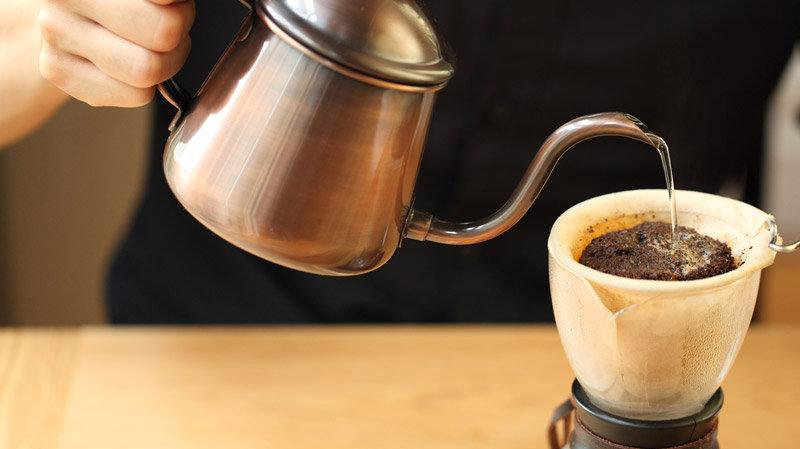
For the definitive Golden Mandheling experience, FrontStreet Coffee's PWN Golden Mandheling is the benchmark. Produced by Indonesia's PWN company to exacting standards — built on beans of 18 mesh and above, with fewer than 3 defects per 300g raw sample to meet the top G1 grade — it then goes through three rounds of hand selection, raising cleanliness and sweetness to levels ordinary Mandheling can't touch. Expect a clean, full-bodied cup with rich roast aroma, dark chocolate and caramel sweetness, and that wild herbal character unique to Sumatra. For pour-over, FrontStreet Coffee suggests water at 87-88℃, 15g of coffee at a coarse-sugar grind, a 1:15 ratio, and three-stage pouring to bring out its caramel sweetness and syrupy body.
Important Notice :
FrontStreet Coffee is a long-established specialty coffee roaster in Guangzhou China, selling freshly roasted beans from its own farm in Yunnan as well as dozens of carefully selected single-origin beans from around the world for both pour-over and espresso. The products deliver consistently excellent quality and great value, with shipping within 24 hours. Guangzhou's FrontStreet Coffee shop is recommended by many coffee lovers, and the beans are now available online at the Tmall 。
FrontStreet Coffee has moved to a new address:
FrontStreet Coffee Address: 315,Donghua East Road,GuangZhou
Tel:020 38364473
 Scan and follow the En Gafei WeChat official account. Please indicate that the reprint comes from "En Gafei".
Horse Champion Coffee Bean Guji Region Flavor Profile Description & Sidamo Horse Champion 8.0 Coffee Pour-Over Tutorial