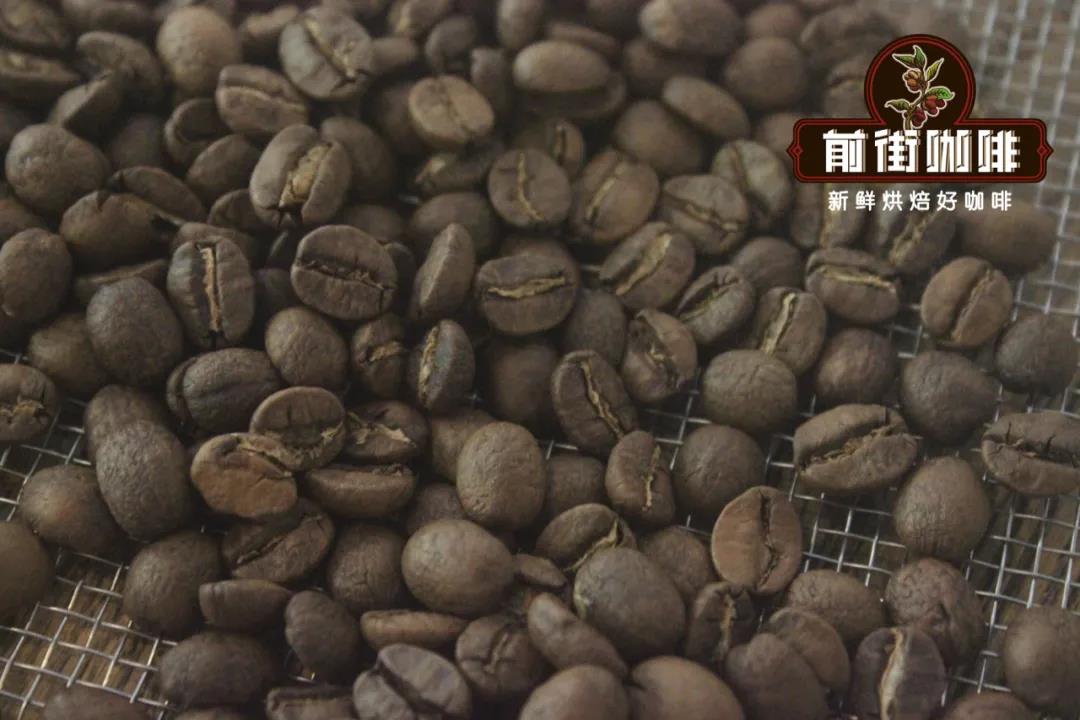
90+ Guji Speciality Coffee Beans: Is Guji Sidamo or Yirgacheffe?
90+ Coffee Beans: Premium Quality and Competition Favorite
90+ coffee beans have long been renowned for their high quality, becoming the preferred choice for many competition participants. Their Ethiopian bean named "Candelilla" has also been widely loved. FrontStreet Coffee is here to share what makes this Candelilla bean special.
What is 90+?
Ninety Plus Coffee, a specialty coffee supplier from the United States, was founded in 2006. In the decade since, it has already made coffee professionals worldwide recognize its unique charm, leading an unprecedented wave of specialty coffee enthusiasm around the globe. Since its first coffee in 2007, it has been the precious preferred choice of industry experts and competition participants. Today Ninety Plus has become synonymous with the world's top specialty coffee, with taste and quality far surpassing any other rare coffee.
Naming Philosophy and Brand Style
90+ coffee beans take a completely different naming approach from conventional specialty beans. They do not feature region and estate names. Instead, each bean is named after its flavor profile. Candelilla, for instance, means "best approach" in the local dialect. Starting from a flavor concept, then naming, then selecting regions and partner farms—this shows that 90+ is a brand with a boutique management style.
"Ninety Plus" does not refer to every coffee that scores above 90 points in evaluation. Good coffee appears one year and may not the next, and sometimes it appears in different estates with different flavor characteristics. "Ninety Plus" refers to a series of 13 top-tier flavored coffees. These coffees come exclusively from Ninety Plus Coffee, the American specialty coffee creator. They are all Ethiopian Heirloom old varieties, cultivated in ecological environments and processed under artistic standards for flavor optimization. The processing is Ninety Plus's specialty: they separate these coffees by variety, microclimate, and harvest timing, taste each one individually, and design specific processing methods for each flavor to reach particular flavor characteristics—much like a fashion designer's dedicated research and effort to complete an almost artistic craft. Natural products undergo extensive refinement and improvement before reaching their most beautiful state to be presented to everyone.
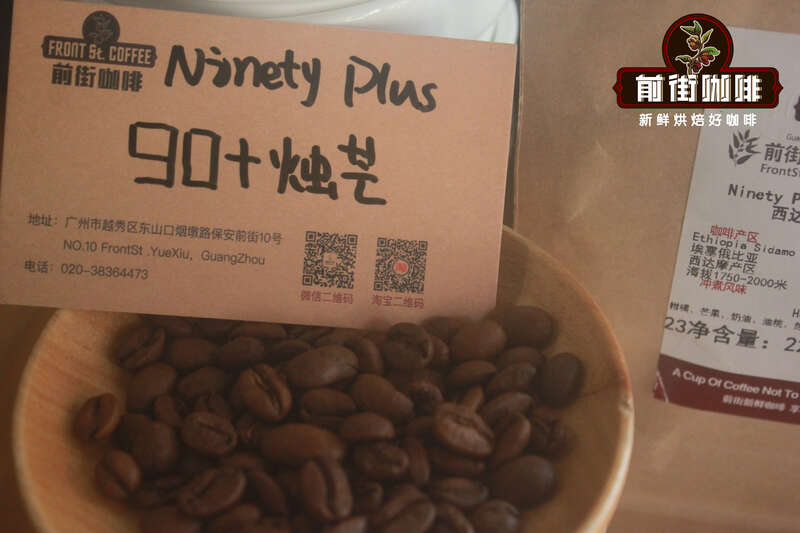
FrontStreet Coffee Ethiopia Sidamo Candelilla
Country: Ethiopia
Region: Sidamo 90+SNNP
Altitude: 1750–2000 meters
Processing: Natural processing
Variety: Local native varieties
Roast level: Light to medium roast
Coffee Region
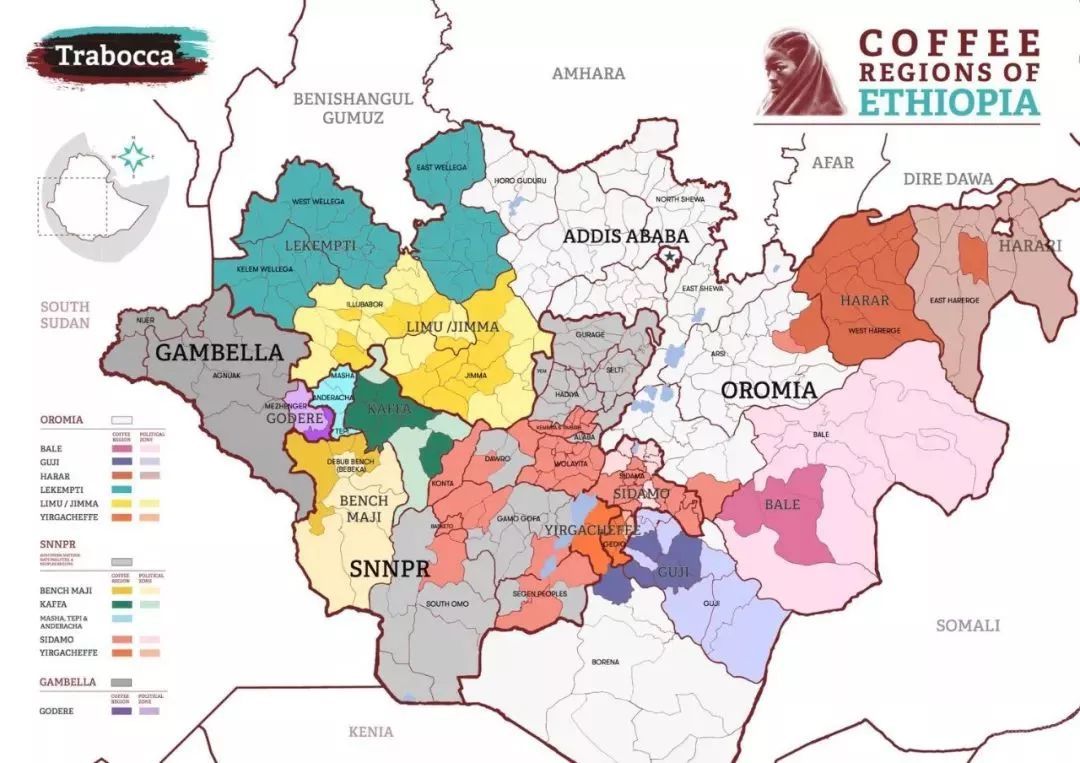
The source region of Ninety Plus Candelilla is actually Sidamo, not Yirgacheffe. Sidamo lies on the southernmost Ethiopian plateau at altitudes between 1400 and 2100m. It is a famous specialty coffee region in southern Ethiopia, bordering Kenya, southeast of Jimma and directly south of the capital. Sidamo coffee typically has distinct sweetness, which is why Sidamo is generally so popular among drinkers.
Sidamo's geographical conditions are exceptionally favorable, and its coffee flavors are very diverse. Different soil types, microclimates, and countless native coffee varieties create obvious differences and characteristics in the coffee produced by each town area.
Processing Method
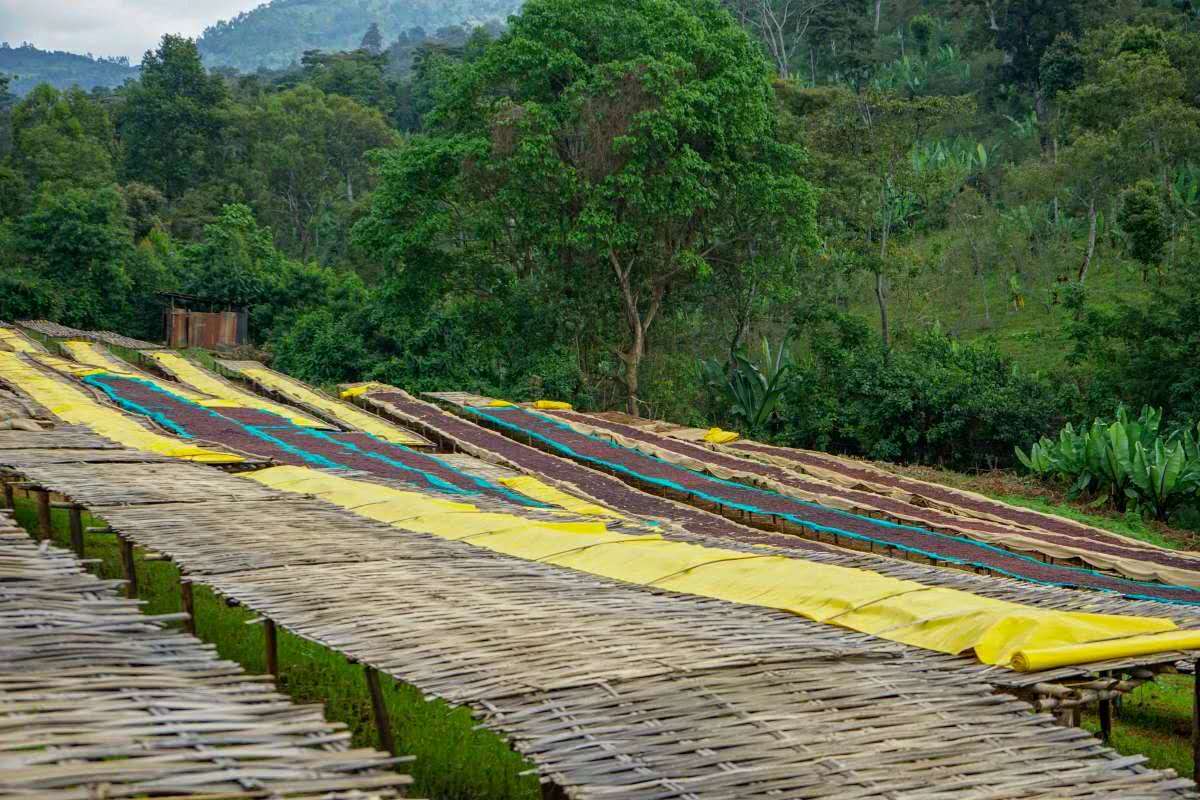
The ancient natural processing method makes it difficult to achieve pure flavors, but Drima Zede, with 90+'s technical support, hand-selects only the most mature cherries. The natural drying process involves meticulous, constant stirring to ensure uniformity. Sidamo green coffee beans are slightly grayish, some parts coarse and others fine. They possess both gentle and bright acidity, a moderate body, and sweet and spicy flavors, making them one of the garden coffees of Ethiopia's southern highlands. Unlike typical African coffees, Sidamo has clear fruit acidity, a smooth texture, and delicate floral and herbal aromas.
The final result is a very transparent, pure taste with significant changes between hot and cold. The aromas of fruit, flowers, and oak barrels are very charming. Unlike typical African coffees, Sidamo coffee has clear fruit acidity, a smooth texture, and delicate floral and herbal aromas.
As an Ethiopian natural-processed coffee, Candelilla has undergone strict supervision and selection, avoiding the annoying soil off-flavors and high defect rates common in natural beans and instead highlighting the charming sweetness natural processing is known for. FrontStreet Coffee believes that Candelilla's charming fruit notes inherit the fascinating aroma of traditional Ethiopian natural processing, unreservedly expressing a round, full-bodied sweetness with a long aftertaste and just the right mouth-watering fruit acidity. Candelilla is also very easy to brew day to day. The bean itself is rich in flavor, and whether you use a refreshing drip brew or a rich siphon, it expresses its own character well.
FrontStreet Coffee Roasting Analysis
FrontStreet Coffee's roaster believes that to bring out the explosive fruity aroma of Candelilla, the coffee should be roasted fast to extract its aroma, at a light to medium level.
Preheat the roaster to 200°C, add beans with the air damper at 3. After 30 seconds, adjust heat to 150°C, air damper unchanged. Return temperature point at 1'32", 103.7°C. Dehydration at 5'21", when the bean surface turns yellow and the grassy aroma disappears completely. Adjust the heat once at 150°C when dehydration is complete, reducing it to 100°C and setting the air damper to 4.
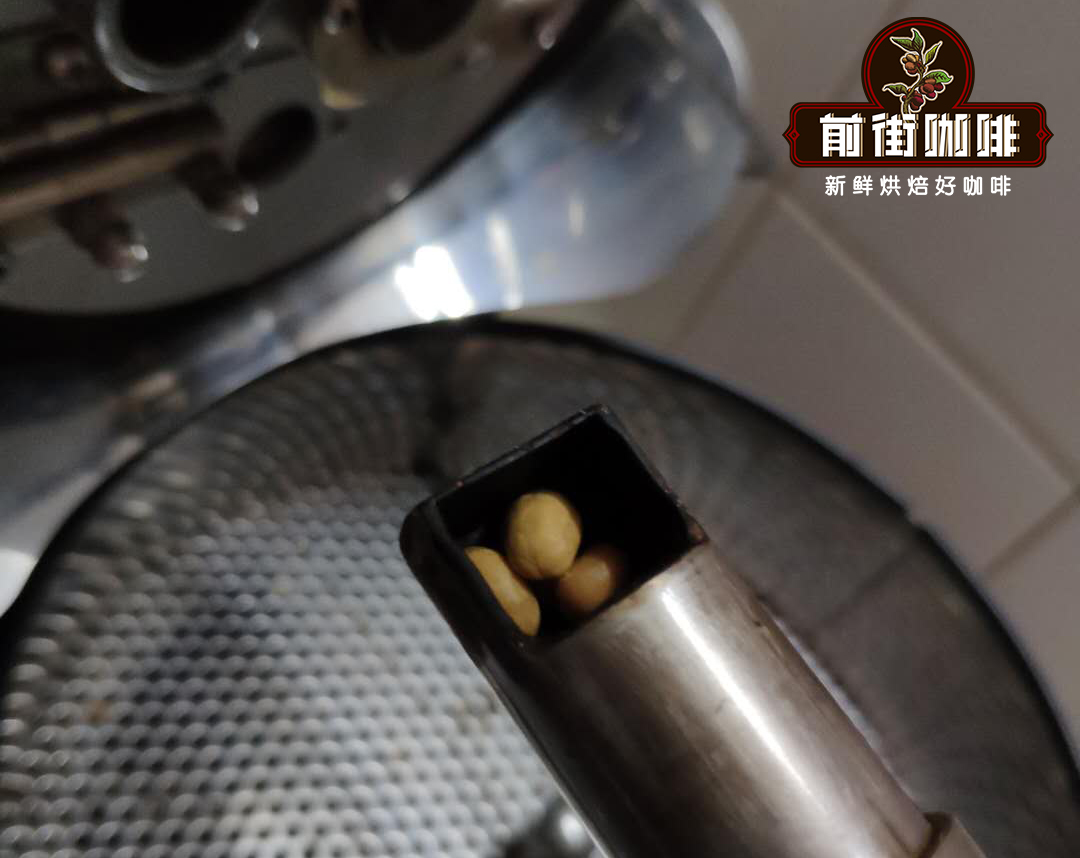
At 8 minutes 45 seconds, ugly wrinkles and black spots appear on the bean surface. The toast aroma clearly shifts to coffee aroma, which can be defined as the prelude to first crack. First crack starts at 9'00". At this point, listen carefully for the sound, reduce heat to 80°C, and open the air damper fully to 5 (adjust the heat very carefully—not so low that the crack sounds disappear). 1'55" after first crack, drop from the roaster at 195°C.
FrontStreet Coffee Brewing Suggestions
Filter: Hario V60
Water temperature: 90°C
Coffee dose: 15 grams
Coffee-to-water ratio: 1:15
Grind size: Medium-fine grind (BG 6m: China-standard 20-mesh sieve pass rate 80%)
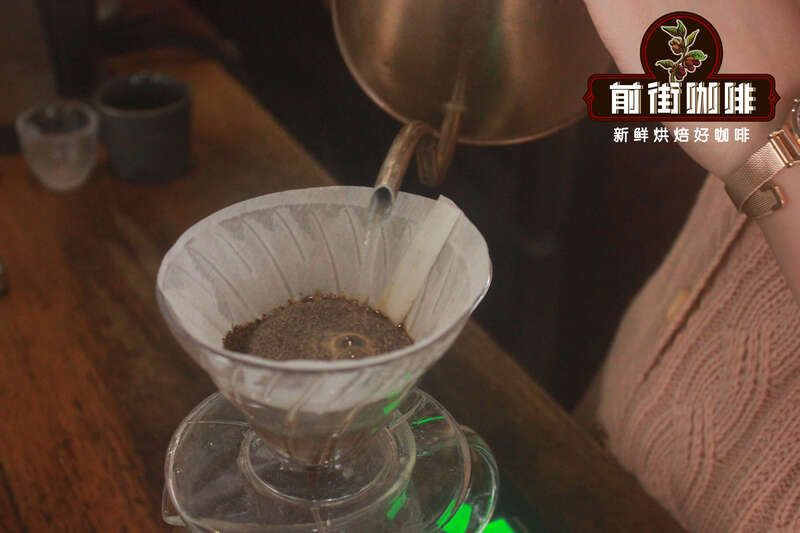
To brew out Candelilla's tropical fruit aroma, round full body, and pleasant fruit acidity, use a segmented brewing method.
Use 30g of water for a 30-second bloom. Then pour a small circular stream to 120g and segment. When the water level drops and is about to expose the coffee bed, continue pouring to 225g and stop. When the level again drops and is about to expose the bed, remove the filter cup (timing starts from the bloom). Extraction time is 2'00".
FrontStreet Coffee Recommendation
For anyone new to Ethiopian coffee, FrontStreet Coffee recommends starting with its classic washed Yirgacheffe staple: white jasmine florals, bright citrus and lemon acidity, and a tea-like body, all at an accessible price—which is why it has become the first specialty bean for so many drinkers. Yirgacheffe is a small town in Ethiopia's Sidama zone in the south, at roughly 1,700–2,100 meters, with the trees planted above 1,800 meters, placing it among the highest coffee regions in the world. The area was once a wetland, and its unmistakable white-floral and lemon-citrus acidity turned "Yirgacheffe" into a byword for Ethiopian specialty coffee. In 2010, once the name had grown so famous, the Ethiopia Commodity Exchange separated it from the Sidama growing region, giving us the Yirgacheffe coffee everyone knows today.
Yirgacheffe town breaks down into many smaller areas and villages, several of which have seasoned cooperatives whose mature techniques lift the flavor further. The most representative is the FrontStreet washed Gedebdingding Cooperative, in the Worka area at Yirgacheffe's southeastern edge. It was originally part of the Worka cooperative under the Yirgacheffe union YCFCU, and as the trade pursued traceability, single-origin areas like this were gradually uncovered; in 2012 Gedebdingding, with about 300 member farmers, became an independent cooperative. It keeps to the most traditional washed processing, and because the fruit is pulped before drying the coffee's own aroma comes through more clearly: clean, bright citrus and lemon acidity with jasmine florals, and none of the classic bitterness.
For a natural alternative, FrontStreet Coffee's sun-dried Red Cherry uses only fully ripe, sound cherries. After a first sort at the mill, the fruit is spread on raised beds and turned every two to three hours in the first days so it heats evenly and never over-ferments. Drying runs three to five weeks depending on weather and temperature, then the outer fruit is scrubbed off by machine and the beans are stored. Because the fruit dries on the bean, the cup keeps the typical Yirgacheffe character while taking on a natural's tropical fruit—citrus acidity, juicy berry, honey sweetness, and a creamy smoothness. Brew it on a V60 with 15g at a 1:15 ratio and 90–91°C water, ground to fine-sugar texture (EK43s setting 10, or a No. 20 sieve at 80% pass), in three stages: 30g for a 30-second bloom, then to 125g over about a minute, then the remaining 100g to 225g once the bed drops to two-thirds, finishing in 2:00–2:10.
Important Notice :
FrontStreet Coffee is a long-established specialty coffee roaster in Guangzhou China, selling freshly roasted beans from its own farm in Yunnan as well as dozens of carefully selected single-origin beans from around the world for both pour-over and espresso. The products deliver consistently excellent quality and great value, with shipping within 24 hours. Guangzhou's FrontStreet Coffee shop is recommended by many coffee lovers, and the beans are now available online at the Tmall 。
FrontStreet Coffee has moved to a new address:
FrontStreet Coffee Address: 315,Donghua East Road,GuangZhou
Tel:020 38364473
 Scan and follow the En Gafei WeChat official account. Please indicate that the reprint comes from "En Gafei".