Flavor Profile Introduction of Central and South American Coffee Beans - Single Origin Coffee Central and South America Edition
Professional Coffee Knowledge Exchange
For more coffee bean information, please follow Coffee Workshop (WeChat official account: cafe_style)
El Salvador
Active volcanism has left El Salvador with mineral-rich volcanic ash. The soil, made up mainly of that ash, holds more minerals but less organic matter. To preserve that natural advantage while making up for the lack of organic matter, Salvadoran farmers use processed coffee cherry pulp residue or organic matter from under the coffee trees as fertilizer, topping up the soil so the trees can produce beans with more harmonious flavors.
El Salvador's most meaningful contribution has been bringing organic agriculture to the world, cultivating over 150,000 tons of organic coffee annually.
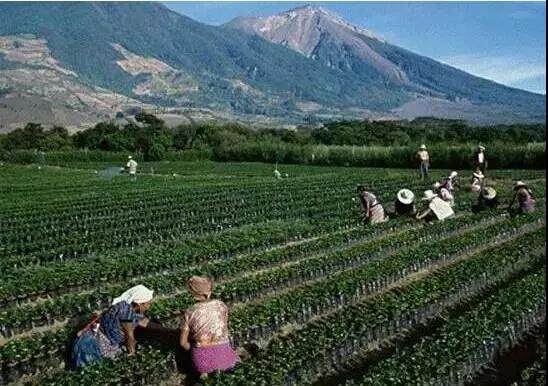
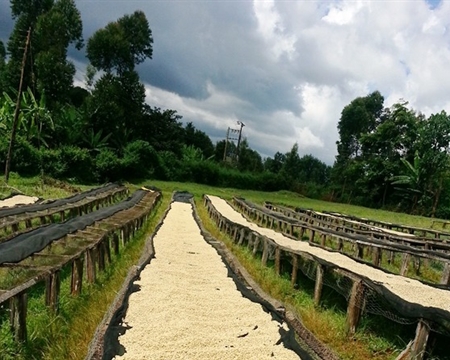
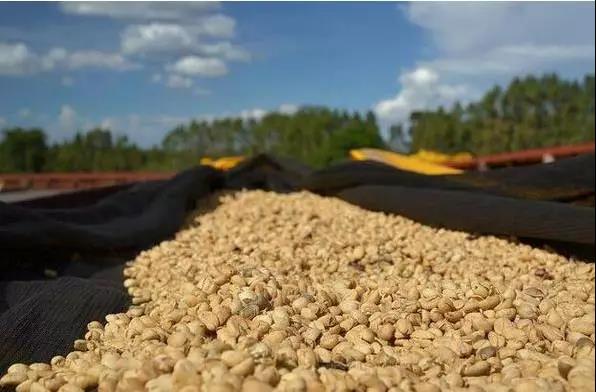
El Salvador has six major coffee-producing regions, mostly on high mountain slopes or plateau areas above 1,200 meters altitude covered in volcanic ash. The harvest season runs from November to April of the following year.
Because coffee thrives in moderate climates, El Salvador's trees are grown primarily under the shade of tall trees (shade-grown coffee) to avoid excessive heat and direct sun that would affect bean quality.
The beans are Arabica, with Pacas and Bourbon the main varieties. They are large and sweet with excellent taste profiles.
Regional Introductions
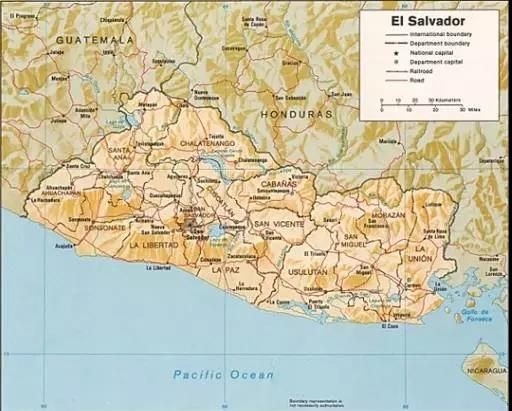
Apeneca-Ilamatepec Mountain Range
Location: Western El Salvador
Flavor Profile: Sweet, floral, and aromatic. Flavors of chocolate, nuts, peaches, and cream, with subtle citrus acidity, a refined texture, and a long-lasting aftertaste
Cultivation Altitude (m): 500 – 2,365
Alotepec-Metapan Mountain Range
Location: Northern El Salvador, bordering Honduras
Flavor Profile: Excellent aroma and floral flavors, with chocolate and citrus balanced by a special acidic caramel sweetness and prominent fruit flavors
Cultivation Altitude (m): 1,000 – 2,000
El Balsamo-Quezaltepec Mountain Range
Location: Southern foothills of the coastal mountains in La Libertad Province, El Salvador, roughly south of San Salvador and San Vicente cities, extending west from the Armenia Gorge to the neighboring province of La Paz in the northwest
Flavor Profile: Coffee from this region has excellent balance, creamy flavors, excellent concentration, vanilla aroma, and bright acidity, with a very smooth texture
Cultivation Altitude (m): 500 – 1,960
Chichotepec Volcano Region
Location: In San Vicente city, central El Salvador
Flavor Profile: Fragrant aroma, with orange blossom floral flavors and chocolate sweetness
Cultivation Altitude (m): 500 – 1,000
Tecapa-Chinameca Mountain Range
Location: Between San Miguel city, the Lempa River, and the Grande River, with northward-sloping mountains extending to the central valley and descending gently to the coast in the south
Flavor Profile: Very diverse flavors, with an excellent balance of concentration, aroma, acidity, and sweetness, featuring chocolate and ripe fruit alongside cantaloupe, apple, and grape sweetness
Cultivation Altitude (m): 500 – 2,139

Cacahuatique Mountain Range
Location: East of Barrios city, between San Miguel Province and Morazán Province, extending from the Torola River Valley in the north (the mountainous area along the Honduras border) to the Torola River Valley in the south, and eastward to San Francisco Gotera city
Flavor Profile: Refined juice flavors, excellent texture, rich coffee flavor, and almond aroma
Cultivation Altitude (m): 500 – 1,663
Nicaragua
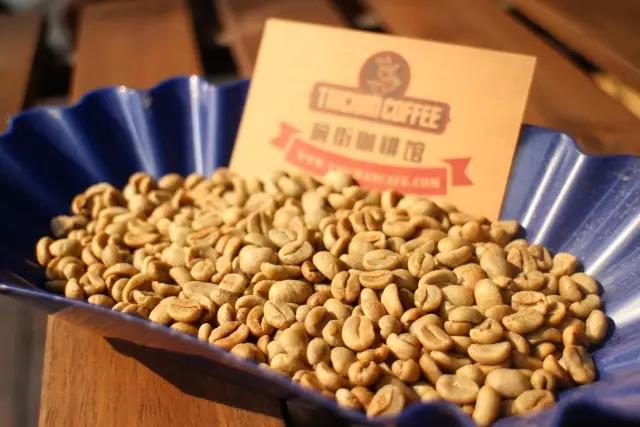
Nicaragua's coffee comes mainly from the central and northern regions. Widespread volcanic ash and shade-grown cultivation produce high-quality Nicaraguan coffee with mild, smooth flavors and subtle acidity, well suited to blends. Shade cultivation is a hallmark here, with beans processed using the washed method and sun-dried.
Compared with other countries, Nicaraguan beans are relatively large. The Maragogipe variety from the Matagalpa region in particular (a coffee species known as elephant beans for their enormous size) has a clean taste and excellent richness. Its round, smooth quality earns high praise in the market.
Regional Introductions
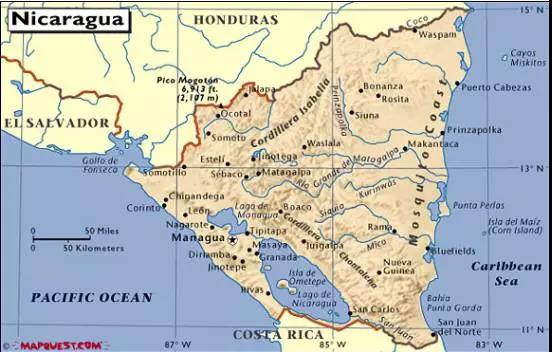
Nueva Segovia
Location: Cool climate in the northeast, with terrain of steep mountains and jungle
Flavor Profile: High acidity, small beans, moderate sweetness, with flavors of dark chocolate, cream, citrus, coconut, peaches, raisins, and cherries. The acidity closely resembles mulberry
Cultivation Altitude (m): 1,500 – 2,000
Matagalpa
Location: Mountainous region in the northeast, cool climate
Flavor Profile: Medium-high acidity, medium body, high sweetness, and a fragrant floral aroma. Both delicate and smooth, with unique flavors such as chocolate, caramel, fresh fruits, and lemon acidity, and a smooth, soft mouthfeel
Cultivation Altitude (m): 1,200 – 1,500
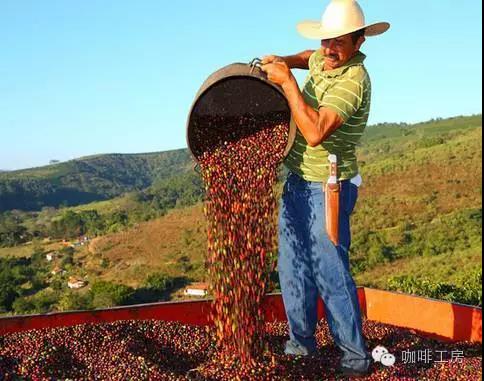
Jinotega
Location: Mountainous region in the northeast, cool climate
Flavor Profile: High acidity, good bean quality, moderate sweetness, with rich milk chocolate flavor and a combination of raisins, plums, oranges, peaches, lemon, and vanilla
Cultivation Altitude (m): 1,200 – 1,500
Madriz
Flavor Profile: High acidity, small beans, moderate sweetness, and a rich tulip fragrance. Also carries various fruit juice flavors such as grapefruit, peaches, apples, vanilla, honey, and cherries
Estelí
Flavor Profile: Moderate acidity, good bean quality, moderate sweetness, with peach and apricot flavors and a foamy character. A quality-balanced coffee with floral aromas
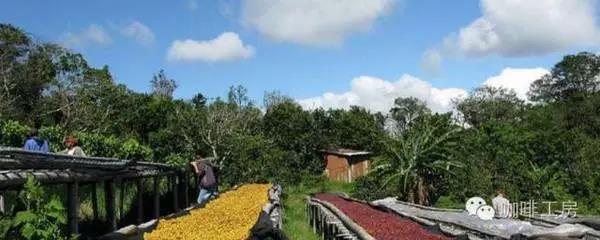
Guatemala
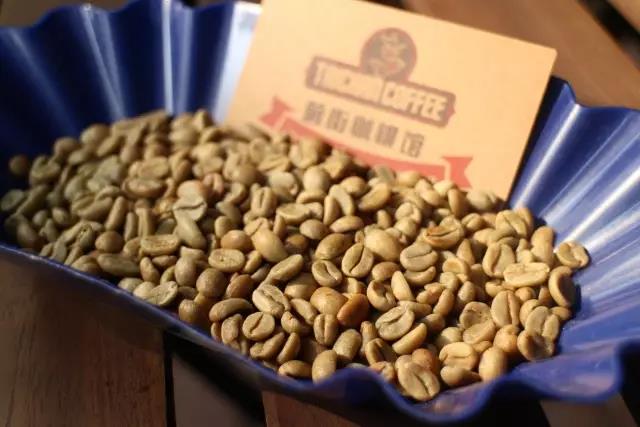
Guatemala sits at roughly 15 degrees latitude. Extensive mountain ranges create significant regional climate variation, giving the country eight major coffee-producing regions, all in highland terrain under a subtropical climate with abundant, stable rainfall and excellent, fertile volcanic ash soil. The beans are all Arabica, each region with its own flavor and character. Superior acidity and fruit aromas make them smooth and palatable, placing them among the world's top coffees and well suited to single-origin drinking.
Regional Introductions
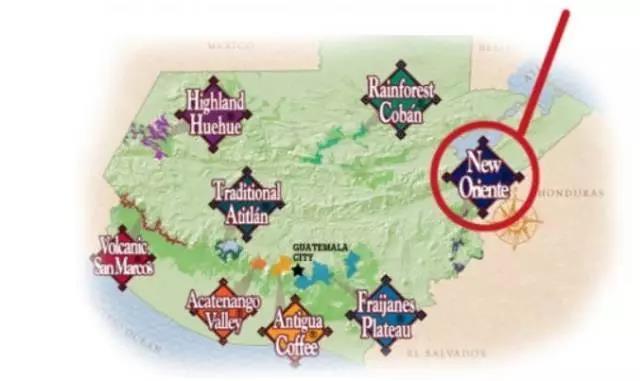
Antigua
Region Introduction: Rich volcanic soil, low humidity, intense sunlight, and cool evening winds define the Antigua region. Three spectacular active volcanoes - Agua, Acatenango, and Fuego - form a beautiful valley landscape
Flavor Profile: Premium Antigua coffee is rich and mild, with a full-bodied aroma and quality acidity
Cultivation Altitude (m): 1,500 – 1,700
Acatenango Valley
Region Introduction: Guatemala's emerging coffee-growing region, at 2,000 meters altitude, where lush forests shade smallholder coffee trees and also block hot air from the Pacific, turning it into moist air currents
Flavor Profile: Fruit acidity and rich aromatic flavors, leaving an unforgettable aftertaste
Cultivation Altitude (m): 1,300 – 2,000
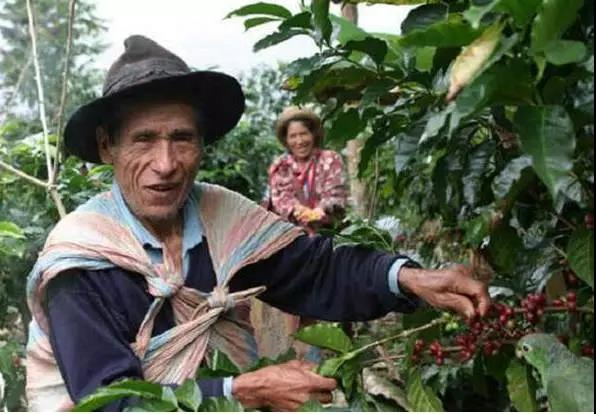
Rainforest Cobán
Region Introduction: Shrouded in cloud and mist year-round, with abundant rainfall and a cool climate. The local soil contains limestone and clay. Influenced by the Atlantic basin and a tropical jungle climate reaching northward, coffee here is mostly grown on gently sloping hills
Flavor Profile: Distinctly different from other Guatemalan regions. Full-bodied beans with distinct, subtle acidity and a light wine aroma
Cultivation Altitude (m): 1,300 – 1,500
Volcanic San Marcos
Region Introduction: The warmest coffee-producing region in Guatemala, with abundant rainfall, the longest rainy season, and the earliest flowering. The rainy season peaks from June to September, sometimes with torrential downpours, and some areas receive up to 197 inches of annual rainfall
Flavor Profile: Noticeable acidity, full-bodied beans, and a clear, light floral aroma
Cultivation Altitude (m): 1,400 – 1,800
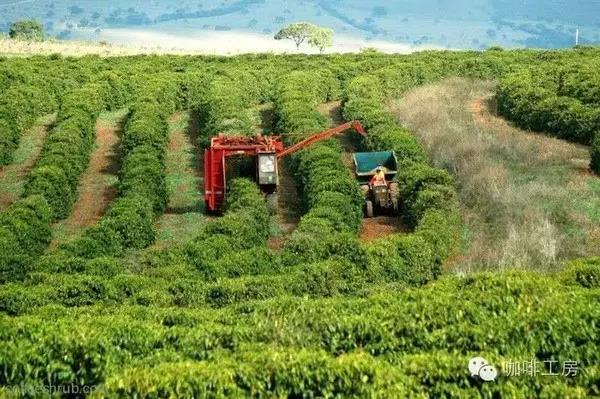
Traditional Atitlán
Region Introduction: One of Guatemala's four volcanic coffee regions, with soil rich in fertile organic matter. 90% of the coffee is grown along extremely steep slopes reaching down to Lake Atitlán, Guatemala's largest and most famous volcanic lake
Flavor Profile: Aromatic with an intoxicating fragrance, a sweet-acidic balance, and full-bodied beans
Cultivation Altitude (m): 1,500 – 1,700
Highland Huehuetenango
Region Introduction: The driest and highest-altitude of the three non-volcanic regions producing single-origin coffee. The Huehuetenango highlands are Guatemala's most rugged and remote area. Dry, hot winds from Mexico's Tehuantepec Plain blow into the mountains, preventing frost and allowing coffee cultivation up to 6,500 feet
Flavor Profile: Firm, full beans with special acidity and a light wine fragrance
Cultivation Altitude (m): 1,500 – 2,000
Fraijanes Plateau
Region Introduction: The volcanic altitude here is quite high, with soil rich in pumice. The Fraijanes Plateau remains an active volcanic zone, so its coffee shares some characteristics with Antigua. Abundant rainfall, high and variable humidity, and large temperature swings, however, give the Fraijanes Plateau a very different flavor
Flavor Profile: A fairly elegant aroma, a mild and full-bodied overall texture, and a special, pleasant acidity
Cultivation Altitude (m): 1,400 – 1,800
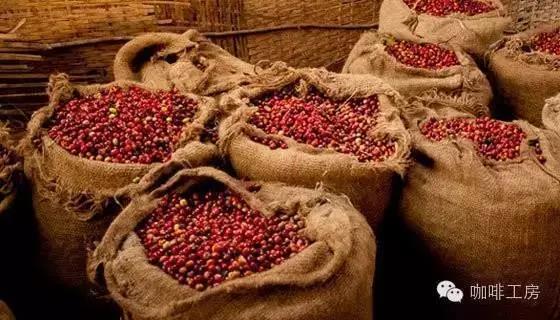
Honduras
In the past, Honduras had lower visibility in consumer markets because of weak support in green bean processing and transportation. In recent years it has actively transformed and promoted its coffee industry and gradually gained international recognition. Honduras harvests three million bags of coffee annually, giving the world excellent coffee and distinctive aromas. With both volume and quality, it is now Central America's second-largest coffee exporter and the tenth-largest in the world.
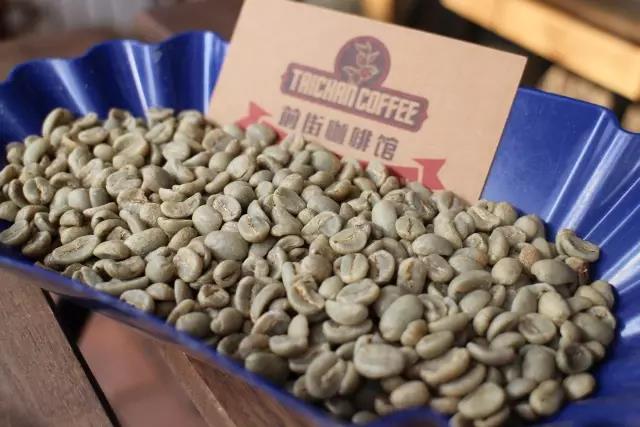
Honduran coffee is divided into six major regions: Copan, Opalaca, Montecillos, Comayagua, Agalta Tropical, and El Paraíso, distributed across the west and south with an average cultivation altitude above 1,100 meters.
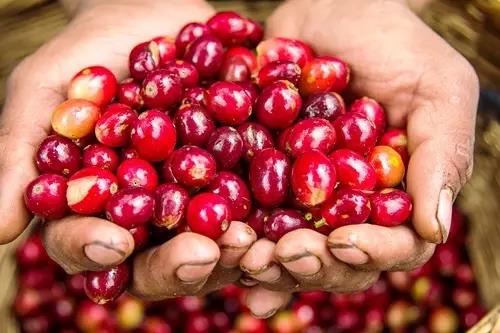
Honduran coffee is top quality and also the most competitively priced among Central American countries. Main exports go to the United States, Germany, and Japan. The varieties are 100% Arabica, with 69% HG grade, 12% SHG, and 19% CS. Main varieties include Typica, Bourbon, Caturra, Villa Sarchi, and Lempira.
Regional Introductions
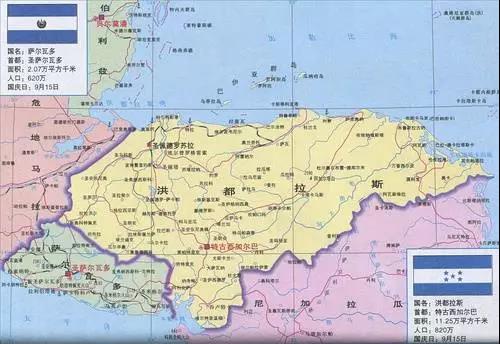
Copan Region
Origin: Between Copan, Ocotepeque, and Lempira regions
Flavor Profile: Intense chocolate flavors characterized by a combination of honey and caramel sweetness, with relatively light fruit flavors
Cultivation Altitude (m): 1,000 – 1,500
Opalaca Region
Origin: Between Santa Bárbara, Intibucá, and Lempira regions
Flavor Profile: Strong lemon flavors balanced with honey and caramel sweetness, featuring prominent fruit flavors
Cultivation Altitude (m): 1,100 – 1,400
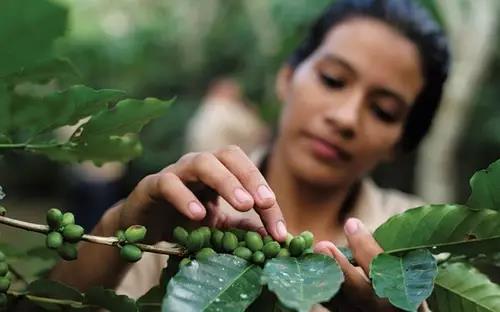
Montecillos Region
Origin: Between La Paz, Comayagua, Santa Bárbara, and Intibucá regions
Flavor Profile: Full of rich fruit and sweet aromas paired with lemon and floral notes. Lemon and fruit aromas are the key characteristics, especially peaches and oranges
Cultivation Altitude (m): 1,200 – 1,600
Comayagua Region
Origin: Between Comayagua and Francisco Morazán regions
Flavor Profile: Primarily lemon-flavored, with sweet and chocolate notes
Cultivation Altitude (m): 1,000 – 1,500
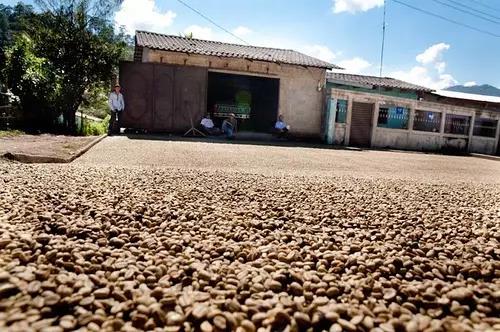
Panama
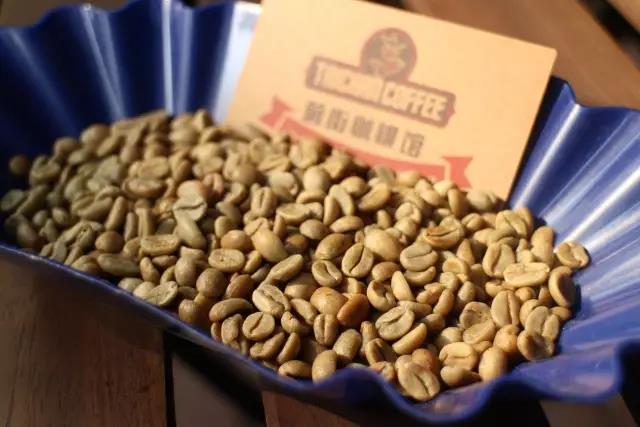
Panama's coffee has moderate, uniform flavors and texture, somewhat resembling the character of Blue Mountain. It is very smooth, with full-bodied, lightweight beans and a perfectly balanced acidity. Its high-quality beans have pure, distinctive flavors, and a medium roast is recommended.
Most Panamanian coffee falls into the medium and low-price tiers, but in recent years Panama has actively promoted specialty coffee and has sold high-quality beans at high prices in competition auctions, drawing worldwide attention. Good Panamanian beans have clean, clear, bright, and gentle flavors, with a medium body that surprises connoisseurs and earns them a reputation as excellent coffee. Many buyers like to use Panamanian beans for blends, and almost all high-quality beans are exported to France and Finland.
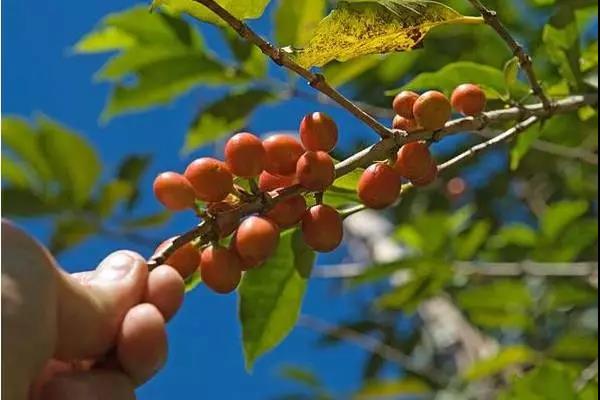
Regional Introductions
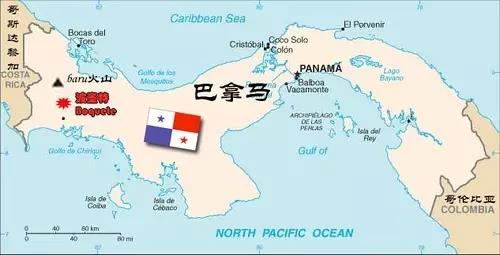
Boquete Region
Origin: High-altitude mountains
Flavor Profile: Produces large quantities of high-quality coffee, making it Panama's most productive and highest-quality coffee region
Cultivation Altitude (m): 1,450
Volcan Region
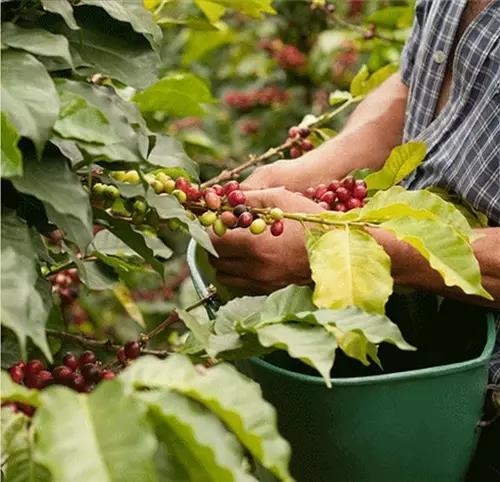
Origin: The fertile volcanic soil and cool climate of Baru Volcano provide excellent conditions for coffee cultivation
Flavor Profile: Mild, balanced flavors are steadily gaining attention from international experts and coffee enthusiasts, nearly matching the Boquete region
Cultivation Altitude (m): 2,000 – 3,000
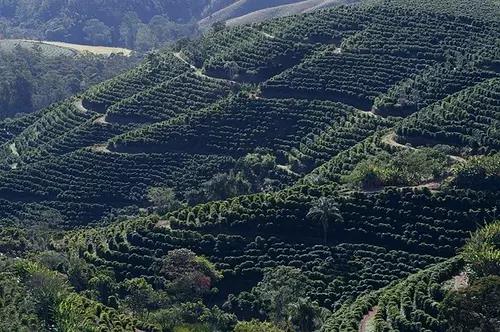
Santa Clara Region
Origin: Near the Pacific coast, irrigated and nourished by clear river water from the Chorerra waterfall
Flavor Profile: Refreshing, mild, smooth, and elegant flavors that leave an unforgettable aftertaste
Cultivation Altitude (m): 1,500
Piedra de Candela Region
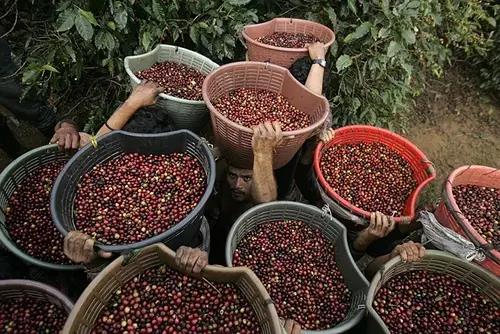
Origin: Lush Typica and Caturra trees grow under the shade of large trees beside pristine tropical rainforest
Flavor Profile: Considered to have the potential to develop high-quality specialty coffee
Cultivation Altitude (m): 1,200
FrontStreet Coffee Pour-Over Recommendation:
Dripper: Hario V60
Water Temperature: 88°C
Grind Size: Fuji Mini grinder setting 4
Brewing Method: Water-to-coffee ratio 1:15, 15g coffee grounds. First pour 25g water for a 25s bloom. Second pour to 120g, then pause. Wait until the water level drops to half, then continue pouring slowly until reaching 225g total. Extraction time around 2:00
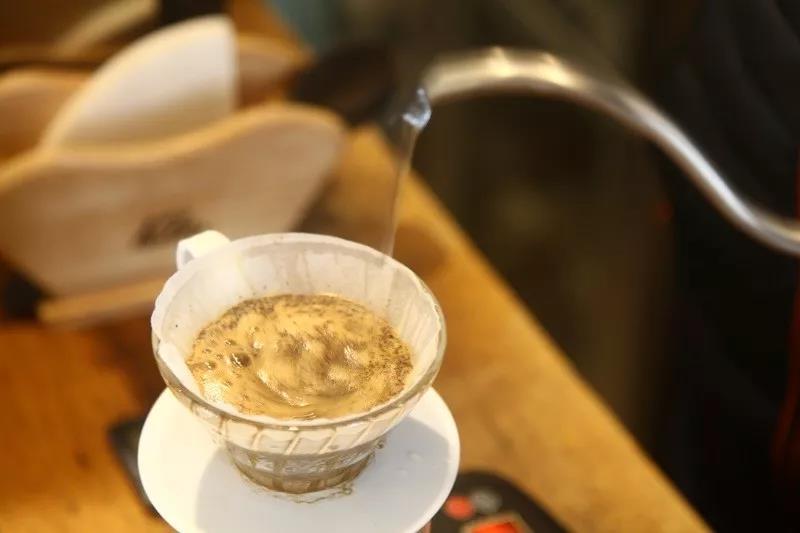
Analysis: Using three-stage brewing clearly defines the front, middle, and back-end flavors. Because the V60 has many ribs and drains quickly, pausing during pouring can extend the extraction time
FrontStreet Coffee Recommendation
For an easy introduction to Central and South American coffee, FrontStreet Coffee's Brazil Queen Estate Yellow Bourbon is a great starting point. This naturally processed yellow bourbon comes from Mogiana and shows low acidity with cream, peanut, toast, and sugarcane sweetness, and a round, clean body that works for pour-over, moka pot, or espresso.
If you want to explore the top of the modern specialty range, look to FrontStreet Coffee's Panama Emerald Estate Red Label Gesha, harvested from a single plot above 1700 meters, with jasmine florals, citrus, orange, and honeyed sweetness. For something more unusual, try FrontStreet Coffee's Colombia Sidra, a light to medium roast with floral, tropical fruit, grape, candied fruit, and passion fruit notes and a juicy, juice-like body.
Important Notice :
FrontStreet Coffee is a long-established specialty coffee roaster in Guangzhou China, selling freshly roasted beans from its own farm in Yunnan as well as dozens of carefully selected single-origin beans from around the world for both pour-over and espresso. The products deliver consistently excellent quality and great value, with shipping within 24 hours. Guangzhou's FrontStreet Coffee shop is recommended by many coffee lovers, and the beans are now available online at the Tmall 。
FrontStreet Coffee has moved to a new address:
FrontStreet Coffee Address: 315,Donghua East Road,GuangZhou
Tel:020 38364473
 Scan and follow the En Gafei WeChat official account. Please indicate that the reprint comes from "En Gafei".