What's the Difference Between Geisha Coffee and Pacamara Coffee? How Should You Drink Geisha and Pacamara?
Geisha
Geisha is generally believed to originate from a small town called Gesha in western Ethiopia, first collected by former British ambassador Richard Whalley. Sent first to Kenya, the variety then moved on to a research institute in Tanzania. In 1953, Costa Rica introduced Geisha from Tanzania, and in 1963 Don Pachi Serracin brought the first batch of Geisha to Panama.
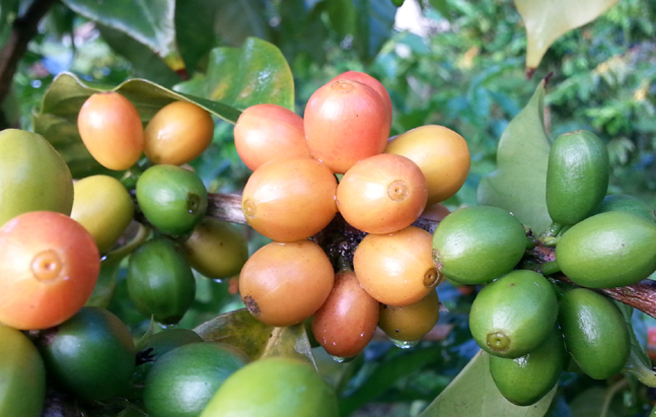
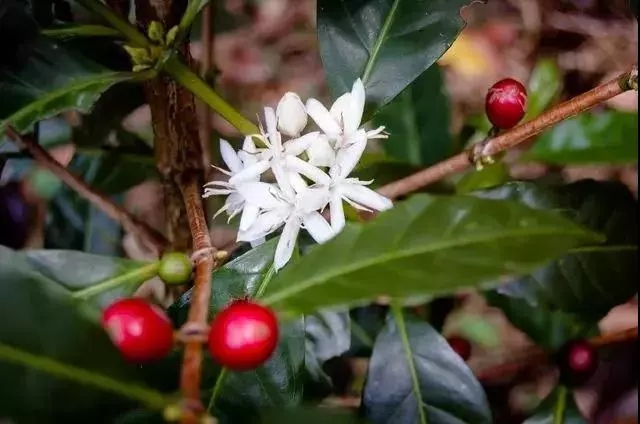
Although Geisha has now been grown in Central America for over 50 years, it languished in obscurity for a long time. The tree is unremarkable to look at, with greater vertical spacing between branches than typical coffee trees and larger internodal gaps than other varieties. That means less dense flowering and fruiting — a low-yield variety. For years it was therefore considered to have little economic value and was typically planted around the periphery of farms as a windbreak.
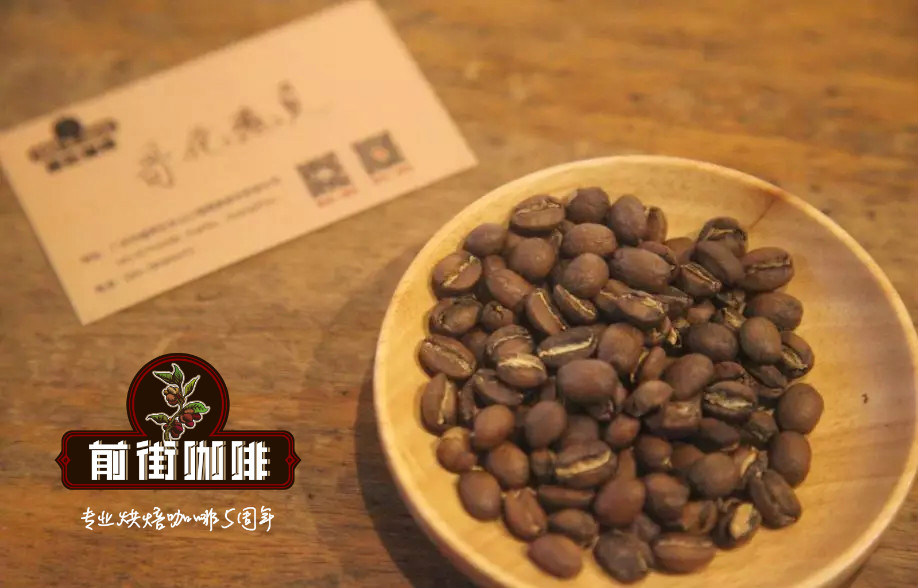
Geisha green coffee beans have a beautiful blue-green color with a jade-like warmth. They smell of fresh grass, peaches, berries, and that unique milk-sweet oolong-tea aroma most coffee beans simply lack. Aroma and flavor may call for associative thinking, but that faint tea quality is something you can clearly perceive in the cup.
To highlight this bean's character and aroma, FrontStreet Coffee recommends roasting to first crack, which best expresses its inherent qualities. Roast too light and off-flavors appear; too dark and the floral aroma and fruit acidity are damaged. Of course, the exact profile should be adjusted to the bean's characteristics and the roaster's own understanding of it.
FrontStreet Coffee's Recommended Geisha Brewing Method
Pour-Over
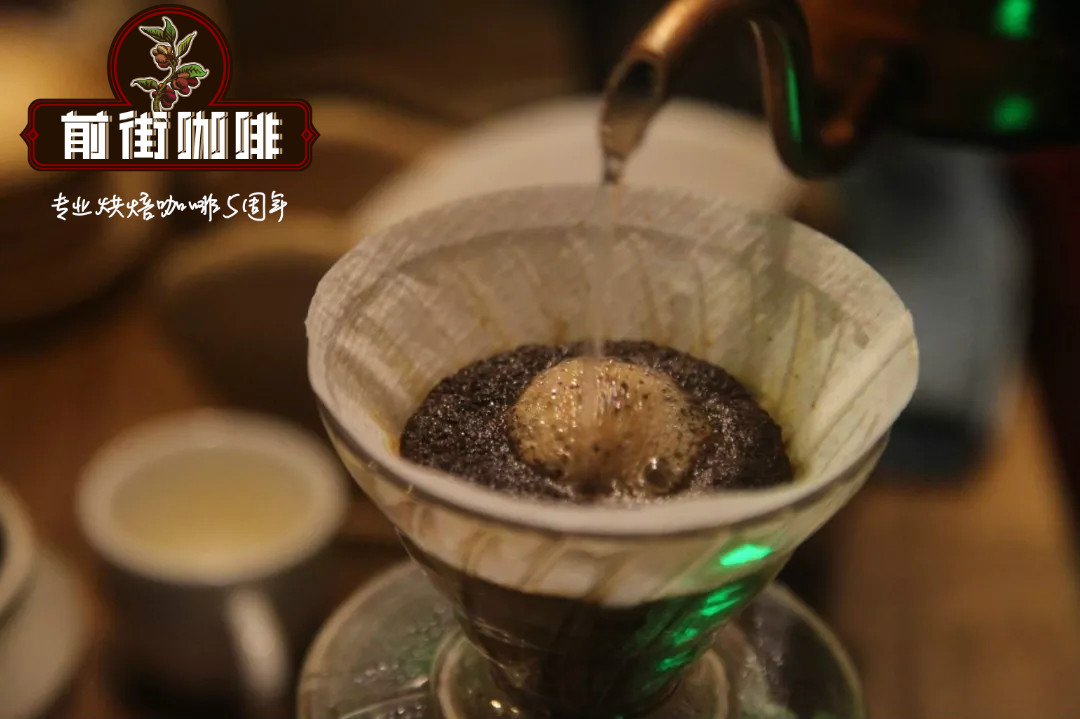
Parameters: 15g of coffee, V60 dripper, water temperature 90°C, coffee-to-water ratio 1:15, grind size BG 5R (58% pass-through on the China standard #20 sieve).
Technique: Bloom with 30g of water for 30 seconds, then pour in small, segmented streams to reach 125g. When the water level drops and the coffee bed is about to be exposed, continue pouring to 227g and stop. When the bed is about to be exposed again, remove the dripper. Counting from the bloom, total extraction time should be around two minutes.
Flavor:
Floral, tropical fruit, intense sweetness. Roasted properly, it feels like sipping the fragrance of a bouquet of fresh flowers. Geisha was originally an ancient native variety from Ethiopia, brought into Costa Rica's coffee experimental garden as a sample and distributed to several small farms for small-scale trial planting.
Pacamara
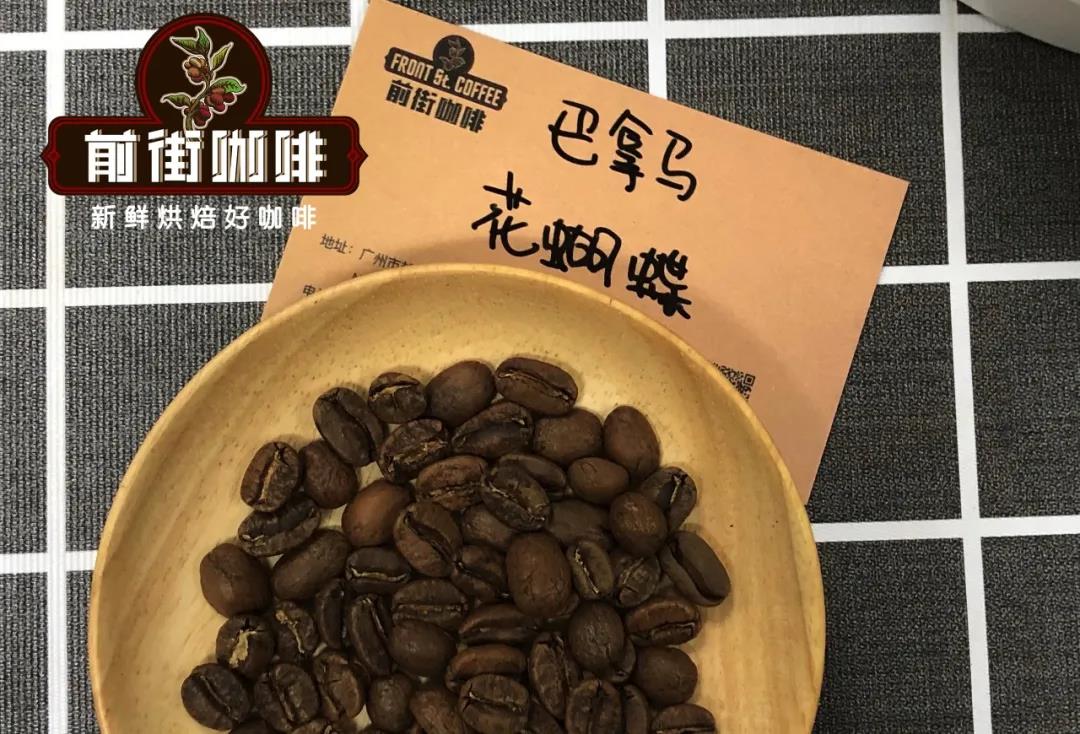
Pacamara is a variety artificially bred in El Salvador in 1958, its parents being Pacas and Maragogype. The name simply combines the first syllables of its "parents": Paca + mara = Pacamara. Compared with Bourbon cherries, Pacamara cherries are enormous — a genuine giant of the coffee world!
Pacamara's dwarf stature and high yield come from Pacas, while the large size of the cherries is inherited from Maragogype.
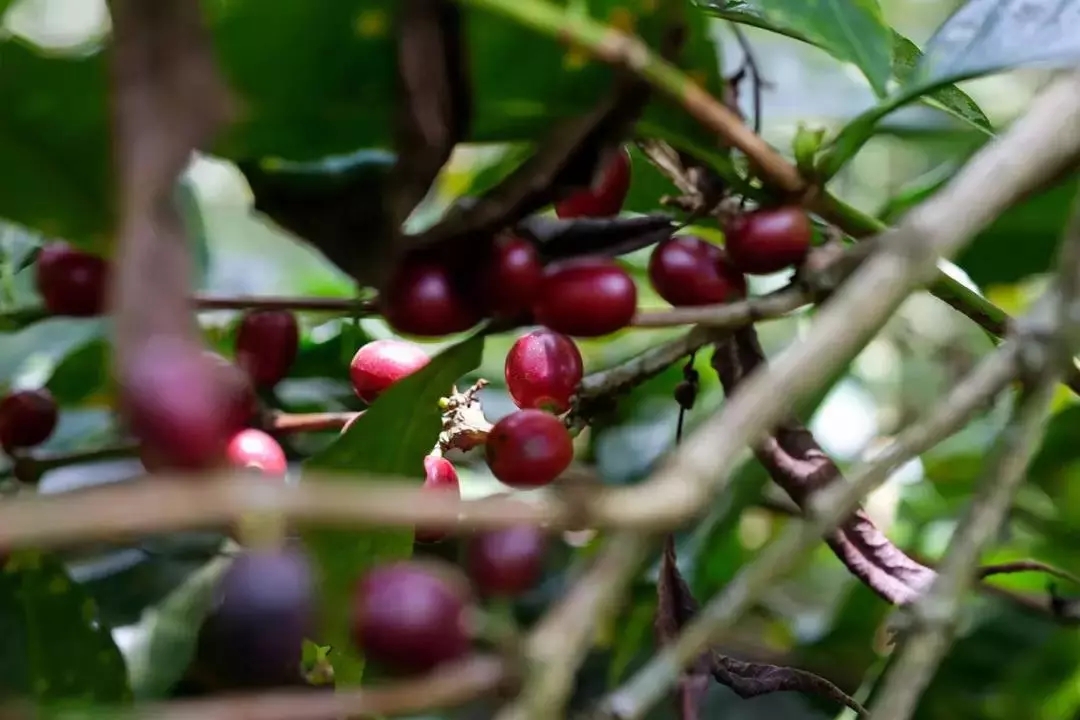
Speaking of the Pacamara variety, we must first introduce the Pacamara estate. In 1984, Eduardo Francisco purchased the estate. Eduardo's family had grown coffee in the Apaneca mountain range since their grandfather's generation, spanning over a hundred years. Eduardo wanted to take a different path from his predecessors and decided to cultivate the new Pacamara variety developed by El Salvador's agricultural technology institutes. He saw that this new variety had a large and beautiful appearance, and under excellent terroir it could express superb flavor and aroma.
He believed he had found a rising star — little knowing that the very first harvest would begin an ordeal.
Pacamara beans are extremely large, and during depulping and sorting at the mills they frequently jam in the machine's holes and gaps, forcing frequent adjustments so they can be processed separately. Pacamara's initial production was limited, and large-seed varieties were rare in El Salvador: most washing plants had no experience with such large fruit, let alone larger-mesh sieves on hand. Not until 1990 did the Sociedad Cooperative Ahuasanta sign a contract with Eduardo, solving the wet-processing problems. From then on, Eduardo applied more skilled cultivation, harvested cherries of consistent maturity, and gave them careful post-harvest treatment — finally letting Pacamara shine: 24th place in 2003, 7th place in 2005, and runner-up in 2008.
Meanwhile, in 2004, other coffee farmers in El Salvador and Honduras began achieving good results with Pacamara in CoE competitions. In 2005, Pacamara took 2nd, 5th, 6th, and 7th place in El Salvador's CoE, and swept the top four in 2006. Starting in 2008, Guatemala's Injerto estate began entering Pacamara, winning the CoE championship three consecutive years and taking two more titles in 2012-13. In the "Best of El Salvador 2016" competition, 11 of the top 16 entries were Pacamara — and even more impressively, Pacamara swept the top eight positions outright. Pacamara achieved great fame, rivaling the various Geisha varieties that farmers were scrambling to plant.
As with Geisha, we cannot judge a coffee by variety alone. Mature Pacamara trees show gradually declining yields and occasional flavor instability, and they place high demands on soil, water, and microclimate. Planted in the wrong location, the cup is noticeably less clean and picks up undesirable woody flavors. But a great Pacamara gives us a once-in-a-lifetime, ultimate coffee experience.
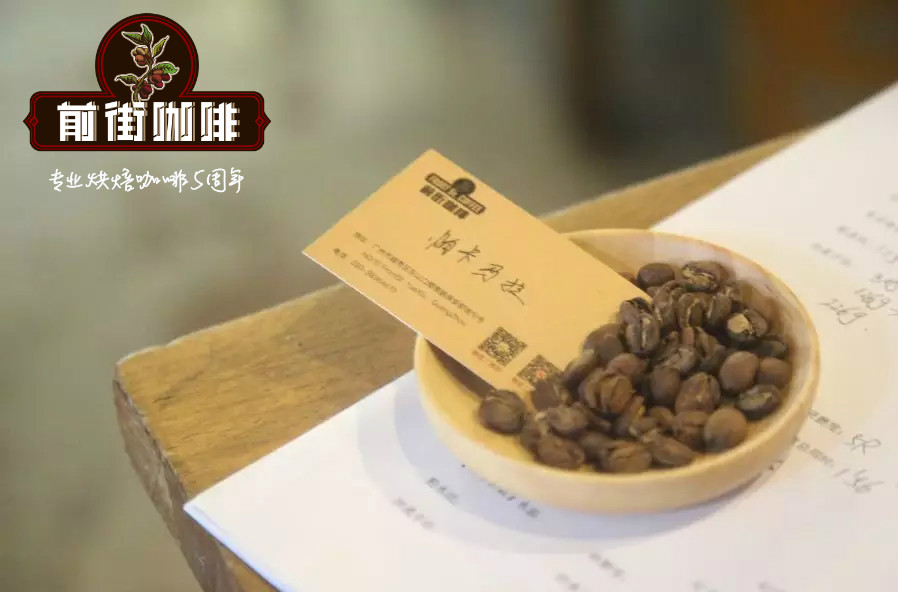
FrontStreet Coffee's Recommended Pacamara Brewing Method
Recommended Method: Pour-Over
Dripper: Hario V60
Water Temperature: 90°C
Coffee-to-water ratio: 1:15
Grind size: BG 5R (58% pass-through on the China standard #20 sieve)
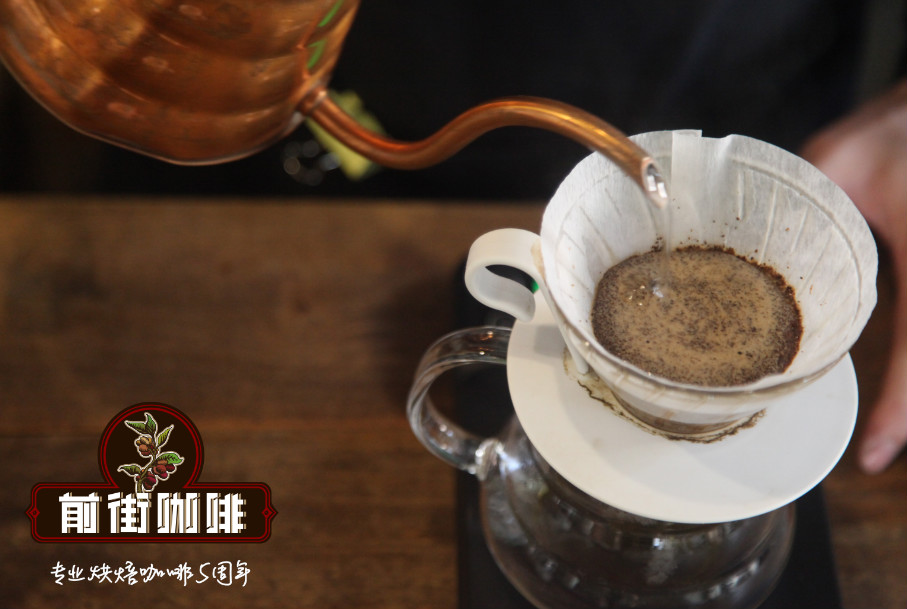
Brewing technique: Bloom with 29g of water for 32 seconds, then pour to 120g in segments. When the water level drops and the coffee bed is about to be exposed, continue pouring to 226g and stop. When the bed is about to be exposed again, remove the dripper. (Counting from the bloom.) The total extraction time is one minute fifty-six seconds.
Flavor: Nutty on the nose, with plum and passion fruit acidity when hot and a faint fermented-fruit aroma. The middle section brings creamy sweetness and nutty flavors, and the finish a green-tea sensation with long-lasting sugarcane sweetness. As it cools, citrus acidity emerges with a lively sweet-tart vibrance, and the aftertaste is rose tea fragrance with light brown sugar sweetness.
FrontStreet Coffee Recommendation
Geisha is the most sought-after of all Arabica varieties precisely for its unique florals and superb sweet-tart elegance, while low yield, weak disease resistance, and demanding cultivation keep its prices rising. If you love Geisha's perfumed delicacy, start with the entry-level Panama Boquete Geisha — an affordable way to taste the classic orange-blossom-honey character, oolong-tea feel, and delicate fruit acidity of high-quality Panamanian Geisha. For the summit, the Esmeralda Red Label Geisha ("Esmeralda Special") grows at 1600-1800 meters, cups above 90 points per batch, and carries a unique plot number per lot, while the blended Green Label ("Private Collection") delivers the estate's signature high-altitude profile at a friendlier price. On the Ethiopian side, Geisha Village Gold Label (Gesha 1931, 10% of the estate's output) and Red Label (Gori Gesha, 15% of output, 88+ points on the SCA 100-point scale) reward advanced drinkers.
Brewing tip for Geisha: it is a medium-light roast with a dense, hard bean that tends to sink and clog the dripper, so grind for a 78% pass-through on the China standard #20 sieve (about the size of fine granulated sugar) and use water at 91°C. FrontStreet Coffee brews 15g in a small Hario V60 at a 1:16 ratio with a three-stage pour: 30g bloom for 30 seconds, small-circle pours to 125g, then to 225g after the bed drains to half — total extraction around 2:10-2:20.
Important Notice :
FrontStreet Coffee is a long-established specialty coffee roaster in Guangzhou China, selling freshly roasted beans from its own farm in Yunnan as well as dozens of carefully selected single-origin beans from around the world for both pour-over and espresso. The products deliver consistently excellent quality and great value, with shipping within 24 hours. Guangzhou's FrontStreet Coffee shop is recommended by many coffee lovers, and the beans are now available online at the Tmall 。
FrontStreet Coffee has moved to a new address:
FrontStreet Coffee Address: 315,Donghua East Road,GuangZhou
Tel:020 38364473
 Scan and follow the En Gafei WeChat official account. Please indicate that the reprint comes from "En Gafei".