About Gesha Village Coffee Estate: Background and Story

Gesha Village Estate in Ethiopia has been one of the hottest topics in the specialty coffee industry in recent years. Different grades of Ethiopian Gesha from this estate have been used by many world-class competition contestants, helping Ethiopia — the kingdom of coffee — return to its peak.
Ethiopia Gesha Village
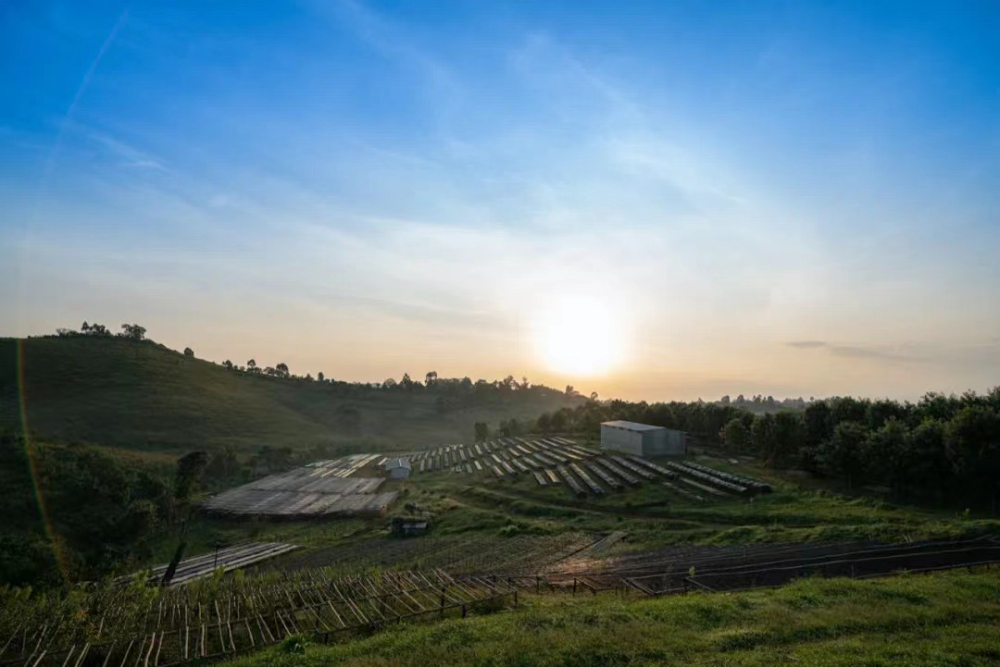
Gesha Village Estate lies in western Ethiopia, in the Bench Maji region, surrounded by dense jungle. The setting is beautiful, the weather pleasant, and from the higher elevations you can look out over ancient, vast forest.
The estate owners, Adam and Rachel, were commissioned in 2007 to shoot a documentary about coffee in Ethiopia. As filming progressed, their deepening contact with the land and its people sparked the dream of establishing their own estate. Everything took a breakthrough turn when they met Willem Boot — even the site selection, variety choice, and processing methods were strongly influenced by him.
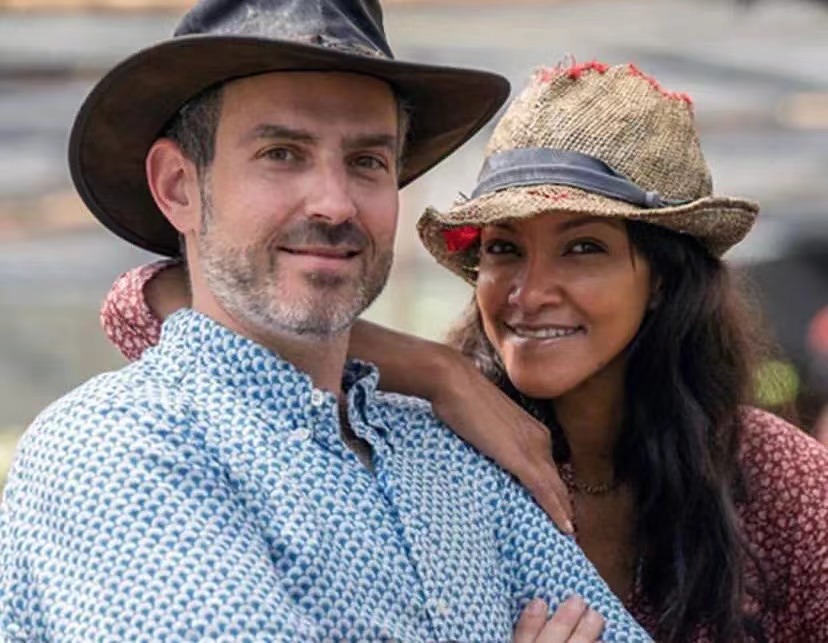
In 2009, they had the good fortune to meet Willem Boot, the renowned owner of Don Pachi estate and a BOP judge. Boot's idea of "returning to Ethiopia to find the birthplace of Gesha" opened the door for the couple.
In 2011, they returned to Bench Maji, where the areas collectively called Gesha Village were the most likely places to find native Gesha varieties. Guided by locals, they ventured into the forest — Gesha's original homeland. Gesha Village Estate covers roughly 471 hectares, with about 320 hectares dedicated to coffee on brown-red loamy soil, planted at a density of 7,000 coffee trees per hectare.
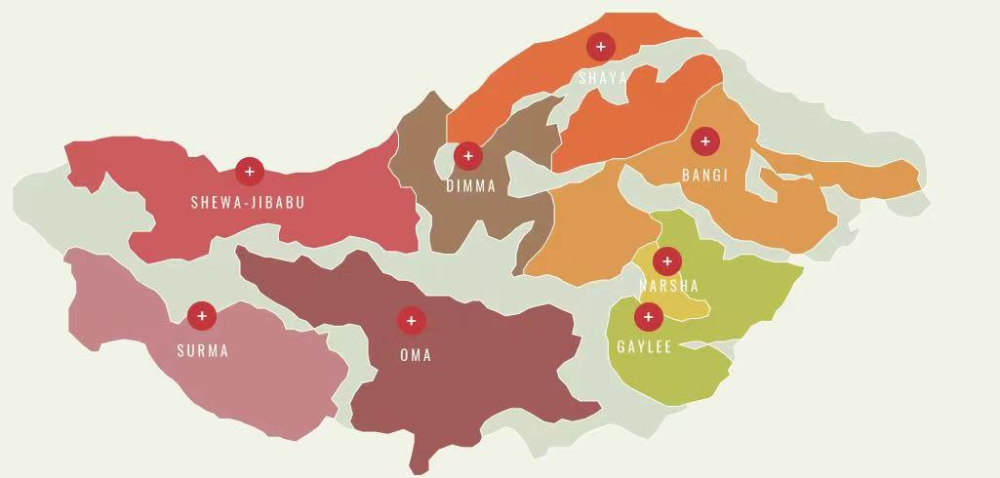
The trees grow at elevations above 1,900 meters, where the high altitude slows growth and gives the cherries more time to accumulate nutrients. The estate is divided into 8 blocks, each planted with a single variety — so a single-block lot from Gesha Village also guarantees single-variety purity.

Gesha Village Block Distinctions
Bangi
The Bangi block sits on the eastern side of the estate, at 1,911 to 2,001 meters, and grows the Gori Gesha variety across roughly 54 hectares. Bangi Gesha typically shows honeysuckle and spice aromas, with dark chocolate and spice blended with red fruit, black tea, and blackcurrant.
Dimma
The Dimma block lies at the center of the estate, at 1,966 to 2,019 meters, growing the Illubabor variety over 28.7 hectares. Its coffee often shows coffee-blossom aroma and stone fruit flavors mixed with fresh citrus.

Gaylee
The Gaylee block is on the estate's southeast side and, like Dimma, grows Illubabor, at 1,916 to 1,982 meters. Official descriptions note fruit and spice flavors along with lemongrass and jasmine.
Oma
The Oma block is on the south side, at 1,931 to 2,040 meters, growing the Gesha 1931 variety across a total of 67.6 hectares. Oma shows rich jasmine aromas with subtle notes of peach, apricot, preserved fruit, melon, and sweet tangerine, laced with honey sweetness.
Narsha
The Narsha block lies toward the east side, adjacent to the west side of Gaylee. At only 5.3 hectares, it is the smallest, growing Gesha 1931. Official descriptions note honeysuckle, yellow fruits, lime, dark chocolate, peach, apricot, rose, clean acidity, and a bergamot aftertaste.
Surma
The Surma block is on the southwest side, at 1,909 to 2,063 meters, covering 45.9 hectares of Gesha 1931. Its coffee shows jasmine and rose aromas with flavors reminiscent of strawberry, watermelon, apple, and delicate spices.

Jibabu
The Shewa-Jibabu block is northwest of the estate center, at 1,973 to 2,069 meters, covering 48.5 hectares of Gori Gesha. Its Gesha often shows spice, strawberry, ripe peach, papaya, florals, dark chocolate, orange, and bergamot.
Shaya
The Shaya block is on the north side of the estate, covering 36.5 hectares and producing Gesha Village's Gori Gesha. Official descriptions note subtle jasmine, bergamot, and orange aromas with rich dark chocolate, cherry, molasses, lemon, berries, and apple.

Gesha Village Grading System
Every step of cultivation and processing at Gesha Village strives for uncompromising quality. At their coffee laboratory in Addis Ababa, following official SCA standards, each batch is selected through strict cupping and rigorous grading to ensure buyers receive the highest quality beans.
Since its founding, Gesha Village has drawn constant attention, and its coffee is divided into several grades: AUCTION, RARITIES Gold Label, GROWERS RESERVE Red Label, SINGLE-TERROIR Green Label, and CHAKA batches.
Definition of the Gesha Village Gold Label Grade
Gold Label batches account for about 10% of the estate's annual production, featuring complex and very rare flavors — the highest quality coffee from Gesha Village aside from auction lots.

Many baristas choose Gold Label lots as their competition beans, and quality-focused roasters buy them too. They offer complete traceability, with each batch showing prominent, complex flavors.
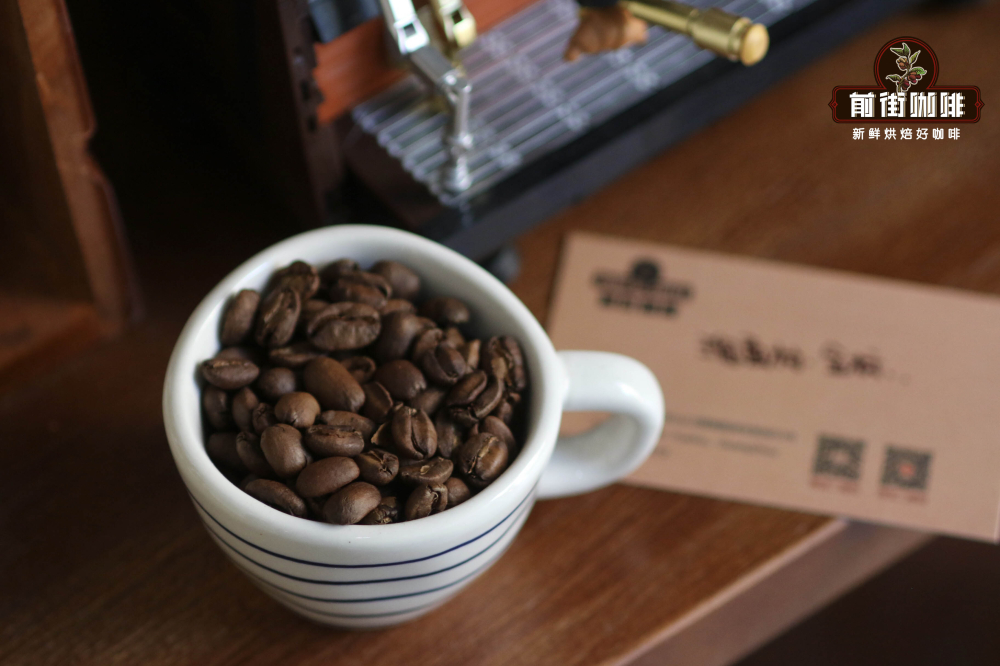
FrontStreet Coffee's Gold Label Gesha for the new harvest season comes from the Oma block, processed by natural drying for 32 days, with the variety being the Oma block's exclusive Gesha 1931.
What is the Gesha 1931 Variety?
Gesha 1931 was confirmed by observing plant morphology, bean shape and size, and its cupping profile — it is the variety closest to the parent plant of Panama Gesha.
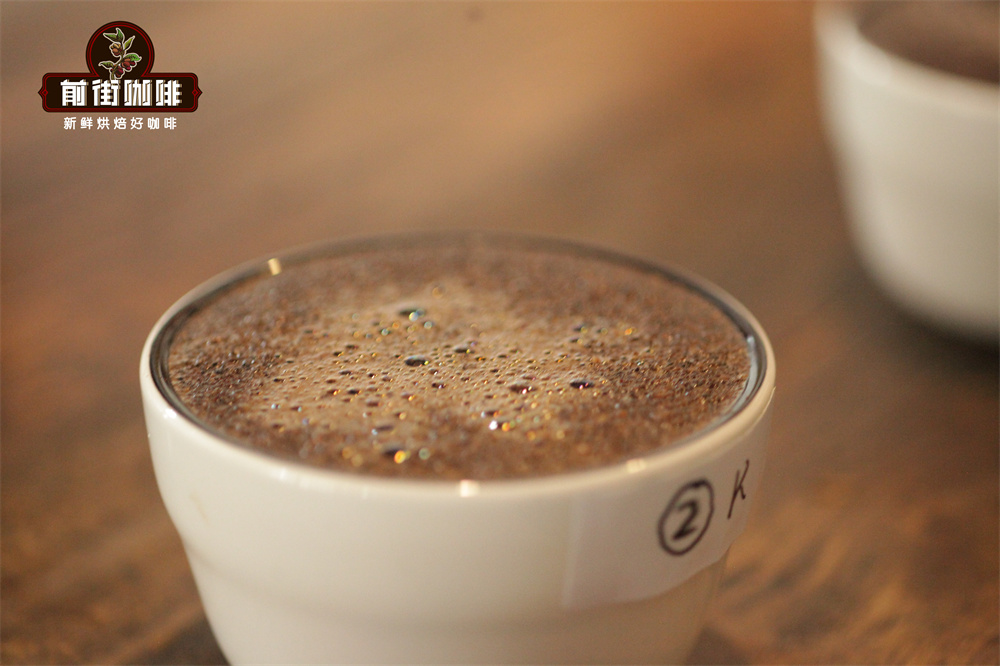
Through cupping comparisons, FrontStreet Coffee found that the new-harvest Gesha Village Gold Label shows rich berry aromas, the full body of cantaloupe, citrus-like bright acidity, chamomile-like florals, and a tea-like aftertaste.
How to Brew Gesha Village Gold Label?
To preserve the unique bright acidity of Ethiopian beans, FrontStreet Coffee uses a medium-light roast. Beans from high-altitude regions have naturally less dense structures; the shorter roasting time means the bean structure changes less, which makes extraction more challenging.
So when brewing medium-light roasts, FrontStreet Coffee recommends a medium-fine grind (granulated sugar consistency, 80% pass-through on a China #20 standard sieve). Use 15g of coffee in a V60 dripper, water at 90-91°C, a 1:15 coffee-to-water ratio, and a three-stage pour.
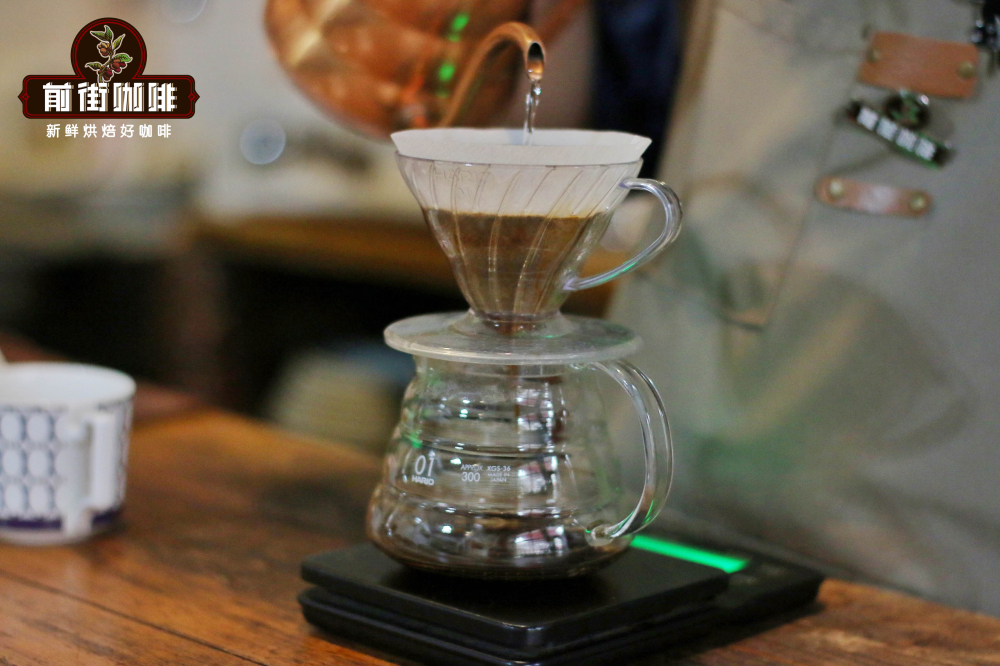
First, wet the filter paper and preheat the dripper and server. Pour 30g of water for a 30-second bloom, then pour in small circles up to 125g for the first stage. When the water level drops to just before exposing the coffee bed, continue pouring in circles up to 225g and stop. Once the level again falls to just above the bed, remove the dripper (timing starts at the bloom). Total extraction time is roughly 2 minutes.

Brewing Flavor Profile of Gesha Village Gold Label
A berry-like sweet aroma, full and rich body, notes of chamomile and raspberry, and an aftertaste of cantaloupe with a tea-like finish.
FrontStreet Coffee Recommendation
Gesha Village proves that Ethiopia — Gesha's birthplace — can grow the variety at championship level, and FrontStreet Coffee carries a full ladder of Ethiopian Geshas for every budget. For a first taste of the legendary flavor, the entry-level FrontStreet Coffee Granana Gesha is an ideal start. It comes from the Granana processing station, founded in 2014 and run by Mr. Israel Degefa, at the border of the Kochere and Gelana Abaya zones in Yirgacheffe; the surrounding area spans some 700 hectares of mostly uncultivated, fertile land shaded by forest trees. Only fully ripe cherries are hand-picked and dried on raised beds for 14-20 days depending on the weather. Roasted medium-light, it shows bright citrus acidity, an elegant ginger-flower aroma, the full sweetness of mature fruit, and a fine, silky texture with Gesha's signature delicate finish.
For estate-level Ethiopian Gesha, step up to the FrontStreet Coffee Gesha Village Gold Label and Red Label. The Gold Label, a Gesha 1931 lot, accounts for 10% of Gesha Village's total output and is the estate's top coffee outside auction — a frequent choice of baristas on the international competition circuit; FrontStreet Coffee's batch uses a refined natural process with complex, layered flavors. The Red Label is a Gori Gesha lot, 15% of production, scoring 88 or above on the SCA 100-point scale, released as a single-terroir series with full traceability on every lot number — farm block, variety, and processing date.
And to complete the circle back to Panama, FrontStreet Coffee also offers the Esmeralda Red Label and Green Label Geshas. The Red Label, officially "Esmeralda Special," grows at 1600-1800 meters, every batch cupping above 90 points and drawn from a single small plot — the FrontStreet batch comes from the Jaramillo plot — so buyers can pick the lot that matches their palate. The Green Label "Private Collection" blends lots from multiple plots to express Esmeralda's signature high-altitude Gesha character, at a friendlier price and excellent value.
Important Notice :
FrontStreet Coffee is a long-established specialty coffee roaster in Guangzhou China, selling freshly roasted beans from its own farm in Yunnan as well as dozens of carefully selected single-origin beans from around the world for both pour-over and espresso. The products deliver consistently excellent quality and great value, with shipping within 24 hours. Guangzhou's FrontStreet Coffee shop is recommended by many coffee lovers, and the beans are now available online at the Tmall 。
FrontStreet Coffee has moved to a new address:
FrontStreet Coffee Address: 315,Donghua East Road,GuangZhou
Tel:020 38364473
 Scan and follow the En Gafei WeChat official account. Please indicate that the reprint comes from "En Gafei".