Characteristics and Stories of Mamian Mandheling Timtim, Lindu Mandheling G1, and Aged Mandheling Coffee Beans
The Story of Mandheling Coffee
Mandheling is not a region name, a place name, a port name, or even a coffee variety name. Its origin actually traces back to a mispronunciation of the Mandheling ethnic group of Indonesia. During World War II, when Japan occupied Indonesia, a Japanese soldier drank an incredibly mellow, aromatic coffee at a café. When he asked the owner for the coffee's name, the owner misunderstood and thought he was asking where he was from, so he replied: "Mandheling." After the war, the soldier remembered the "Mandheling" he had drunk in Indonesia and commissioned an Indonesian coffee exporter to ship 15 tons to Japan, where it unexpectedly became a sensation. That is how the name Mandheling spread around the world.
What Is "Golden Mandheling"?
You will often see the label "Golden Mandheling" — so what exactly is it?
Some café owners with years of experience say that "Golden Mandheling" is simply aged Mandheling. But before we get to aged beans, we have to start with PWN. This abbreviation is frequently tangled up with the name of the coffee itself, yet it is actually the name of a company — Pwani Coffee Company. PWN is one of the most famous coffee buyers in Indonesia, dealing almost exclusively in Mandheling. It sources from virtually all of the country's best producing areas, so most beans handled by PWN are genuine specialty lots. Golden Mandheling is a product of this company: after purchasing the green beans, PWN puts them through multiple rounds of hand selection, keeping only the plump, flawless beans. Only lots that survive this layer-upon-layer screening — like contestants in a talent show — may be classified as Golden Mandheling.
Moreover, PWN has trademarked the Golden Mandheling name, which means that going forward, only Golden Mandheling produced by PWN can truly be called "Golden Mandheling." Many beans on the market that do not come from PWN but carry a similar label should properly be called Specialty Mandheling. "Golden Mandheling" is not an aged bean at all — it is simply a branded product line.
The Difference Between Mandheling and Golden Mandheling
Some home brewers have asked: "I'm a coffee beginner — what's the difference between Golden Mandheling and Mandheling G1? I honestly can't taste it." For seasoned cuppers and anyone with a sensitive palate, however, the contrast is obvious when the two are tasted side by side. The sweetness and cleanliness of Golden Mandheling, along with its rich, wild spice notes, are clearly superior to G1 — which is one reason Golden Mandheling commands a much higher price.
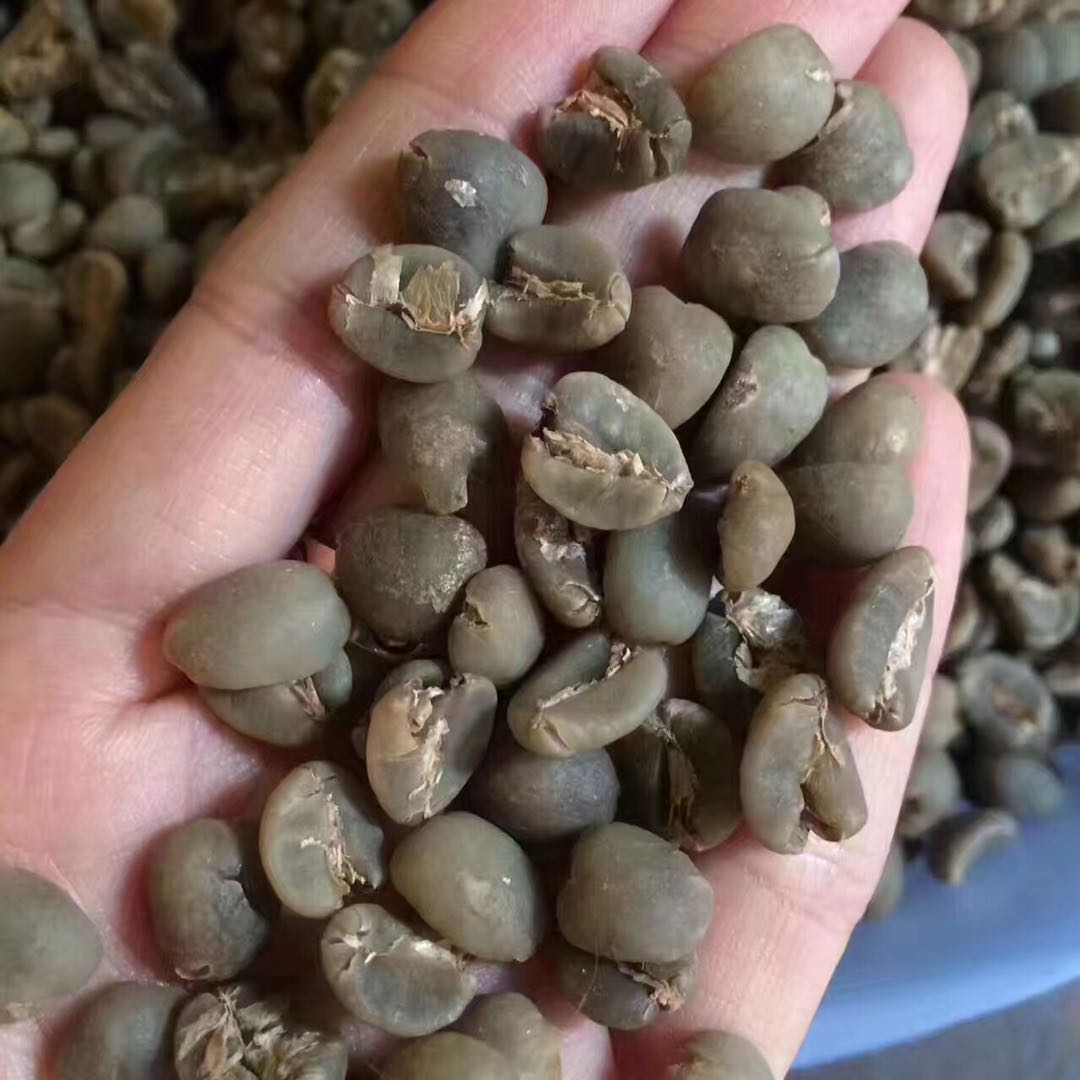
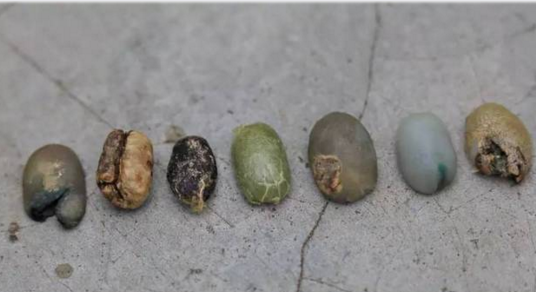
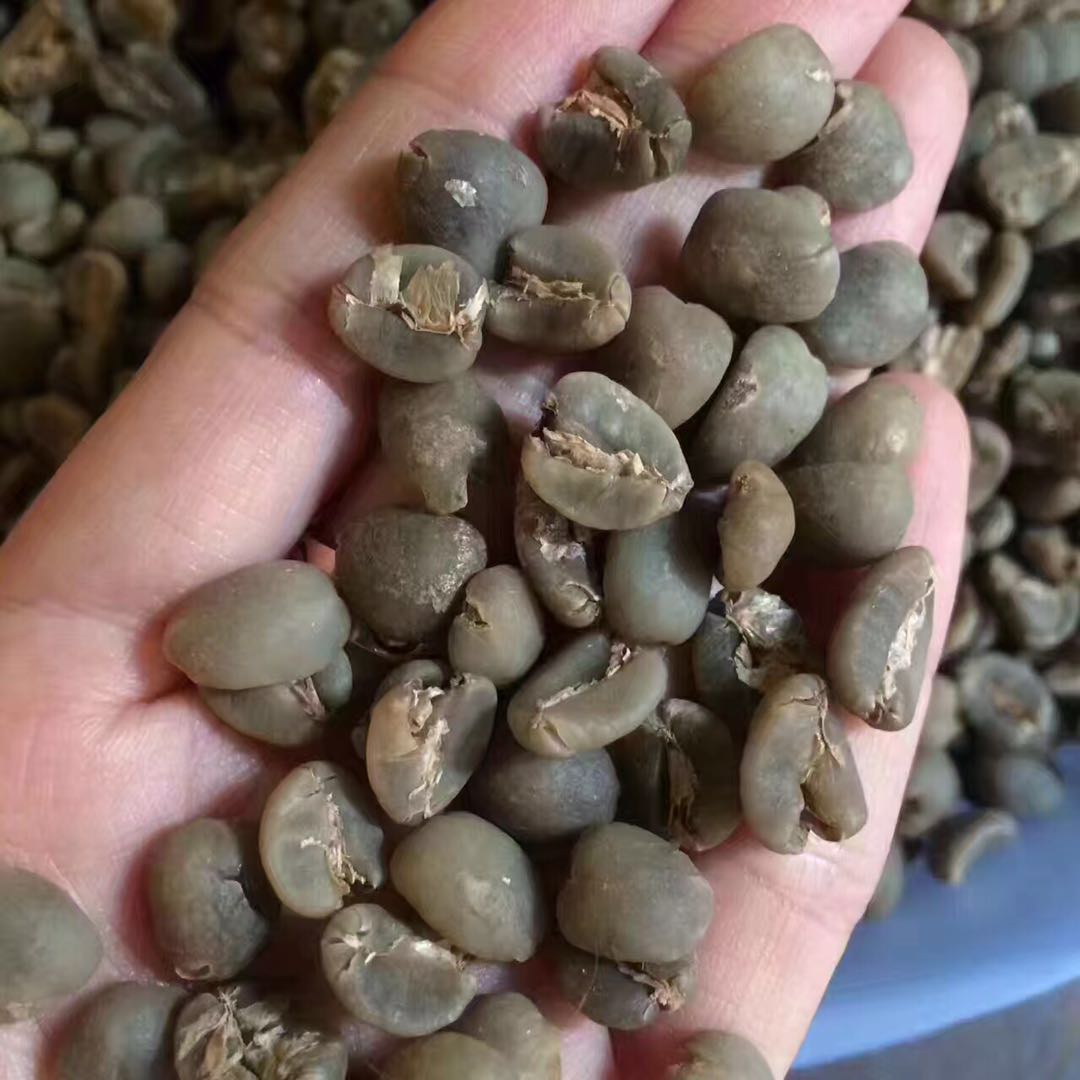
Mandheling demands layer after layer of screening, and rightly so. The probability of defects is high, and the beans are famously ugly — sometimes even good ones look defective. Every time I sort Mandheling, I pull out a handful of suspect beans, then look back and realize many of them aren't truly defective at all; they are simply unattractive. Once roasted, though, Mandheling is like a caterpillar emerging from its cocoon as a butterfly: the roasted beans are plump and genuinely pleasing to the eye.
Golden Mandheling, by contrast, has a defect rate of only 2% and is beautifully uniform.
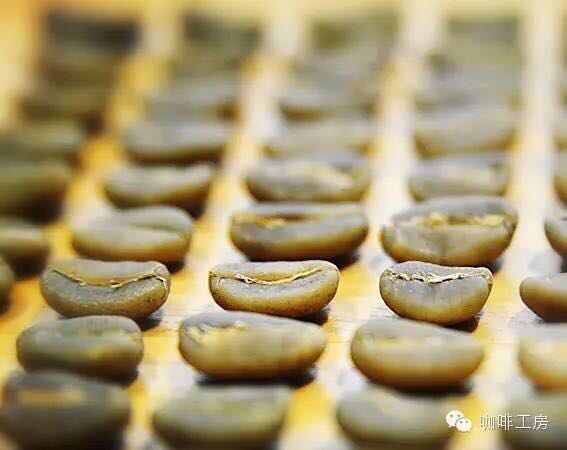
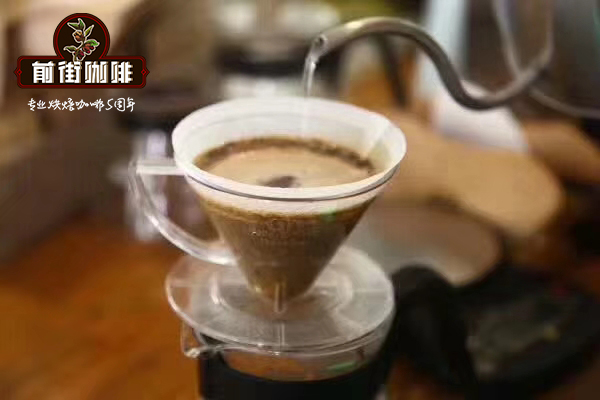
FrontStreet Coffee Indonesia PWN Golden Mandheling Black Coffee Beans G1 Washed Imported Single Origin Specialty Fresh Dark Roasted
The Complex Varieties of Sumatra Coffee
In the specialty coffee world, Sumatra is a fascinating puzzle. The famous Mandheling is neither a producing region nor a variety, and its varietal lineage is, frankly, a mess. Here are the main players.
Ateng
Ateng is a hybrid between Arabica and Robusta with several sub-types, widely grown across Sumatra and other Indonesian islands. Put plainly, it is a branch of the Catimor family — Ateng is simply the local name for it.
Djember
Djember looks mysterious — it is actually the name of a place in Sumatra — but the variety behind it is S-795. Because the Jember Coffee Research Center spread this variety across the island, locals named S-795 after it.
So what is S-795? It is a hybrid created by Indian botanists by crossing the Typica mutation Kent with S-288.
And what is S-288? A natural hybrid of Arabica and Liberica.
The lineage really is a tangle!
TimTim
TimTim is the Timor Hybrid — a cross between Arabica and Robusta. The familiar Catimor was itself created by hybridizing it again.
The Indonesian cooperative estate sits in the Gayo Mountains at the northwestern tip of Sumatra. The estate grows a batch of variant coffee trees at an altitude of 1524 meters. The cup is cleaner and more refreshing than typical Mandheling, with clear herbal notes. Indonesia straddles the equator and has a tropical rainforest climate, and its soil consists of fertile layers of volcanic ash. Combined with high heat, humidity, and abundant rainfall, the trees are grown organically, developing naturally in a warm, humid environment. The shade trees on the estate include avocado, banana, papaya, jackfruit, and orange trees, along with native flowers and herbs. Squirrels, lizards, bees, butterflies, flying squirrels, snakes, and birds all share the ecosystem.
Aged Golden Mandheling
So what kind of bean is aged Golden Mandheling?
Aged coffee has a long history in Indonesia. In the early days, shipping was slow, and transporting coffee from Indonesia to other markets took a very long time. Over the course of the voyage, the originally moisture-rich fresh beans slowly dried out, and the sea winds added a rather special flavor. Modern shipping has since cut transit times dramatically, so coffee with these characters is now deliberately produced: aging beans is a technical craft that requires close monitoring throughout. Warehouse humidity and temperature must meet strict standards, and the green beans must be turned periodically to avoid moisture differences between the upper and lower layers, or mold that would spoil the lot. The goal of aging is not to lose flavor but to create another flavor — and a pleasant one at that.
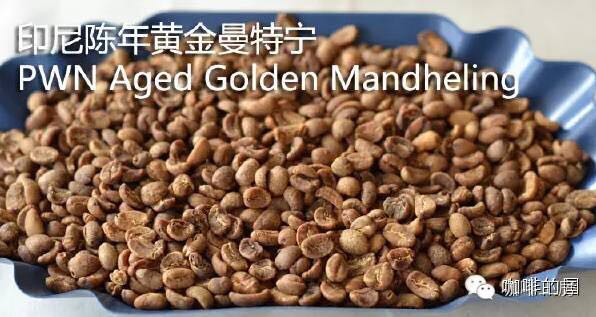
We gathered four types of Mandheling: Golden Mandheling, Horse Face Mandheling (a TimTim Mandheling with long, slender berries), Lintong Mandheling G1, and Emerald Mandheling (from Aceh province, Sumatra).
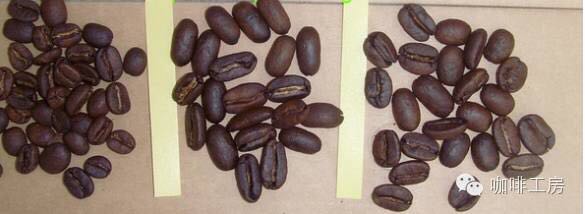
Horse Face Mandheling
[Region] Gayo Mountain, Lake Tawar
[Processing Method] Wet-Hulled
[Variety] Arabica & Typica variants
[Origin] Indonesia, Sumatra, Lake Tawar
[Altitude] 1500m+
[Moisture Content] 12.5%
[Grade] 2-screen hand-selected Long Bean / >21 Mesh
[Dry Aroma] Milk, brown sugar, dark chocolate, guava, Southeast Asian spices
[Wet Aroma] Cream, guava, cane sugar, walnut-like nuts, dark cocoa
[Slurping] A creamy sensation like Parmesan cheese melting in your mouth, with chocolate and walnut aromas and layers of milk and brown sugar sweetness. Guava and Southeast Asian spice notes are prominent, with a rich body and a thick, smooth mouthfeel. It grows even heavier as it cools, with high overall sweetness — like fresh guava fruit wrapped in cream.
FrontStreet Coffee Recommendation
If this article piqued your interest in Sumatra's wildest flavors, FrontStreet Coffee's PWN Golden Mandheling is the definitive place to start. It comes from the Gayo mountain region near Lake Tawar in Aceh, where the tropical rainforest climate and fertile volcanic soil give the coffee its signature depth. PWN selects only beans above 18 mesh, requires fewer than 3 defect beans per 300-gram sample to meet the top G1 grade, and then hand-sorts each lot three times — the result is a cup with outstanding cleanliness and pronounced sweetness.
For pour-over, FrontStreet suggests an 87–88°C water temperature, a 1:15 ratio with 15 grams of coffee, and a grind roughly the texture of coarse sand, poured in three stages. This brings out the thick body and caramel sweetness that Golden Mandheling is famous for, wrapped in earthy, herbal notes unique to the Sumatran wet-hulled process.
Important Notice :
FrontStreet Coffee is a long-established specialty coffee roaster in Guangzhou China, selling freshly roasted beans from its own farm in Yunnan as well as dozens of carefully selected single-origin beans from around the world for both pour-over and espresso. The products deliver consistently excellent quality and great value, with shipping within 24 hours. Guangzhou's FrontStreet Coffee shop is recommended by many coffee lovers, and the beans are now available online at the Tmall 。
FrontStreet Coffee has moved to a new address:
FrontStreet Coffee Address: 315,Donghua East Road,GuangZhou
Tel:020 38364473
 Scan and follow the En Gafei WeChat official account. Please indicate that the reprint comes from "En Gafei".