Panama Premium Coffee Variety Geisha - Arabica Cultivar from Boquete, Panama
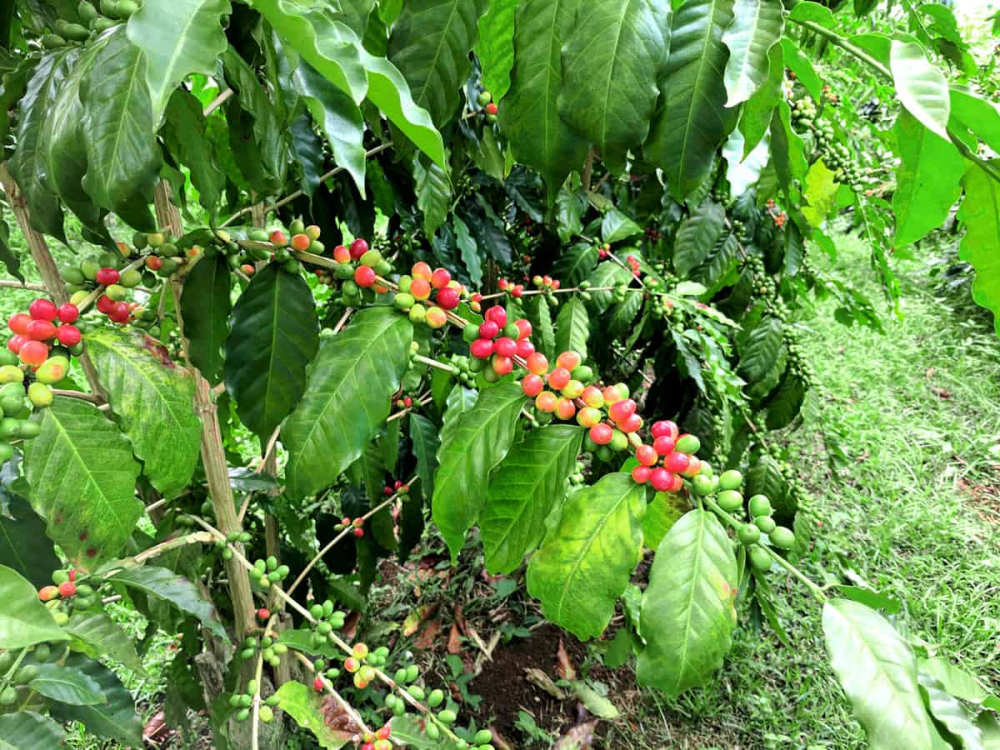
Geisha coffee originated in Ethiopia and became famous through Panama's Hacienda La Esmeralda. Panama coffee earned its reputation thanks to Geisha. Hacienda La Esmeralda sits in the Boquete region of Panama. Boquete is a town in Chiriqui province, near the border between Panama and Costa Rica and close to the famous Baru Volcano. With its scenic beauty and fertile, rich soil, the climate and terrain are ideal for producing high-quality coffee. Many excellent estates are found throughout Boquete. Besides the famous Hacienda La Esmeralda, estates such as Elida Estate and Kotowa Duncan Estate are also renowned for premium specialty coffee. This is due not only to the superior ecological conditions of the Boquete region and the fertile volcanic ash soil of the Baru volcano.
Geisha Variety Introduction
Geisha comes from a very rare wild variety in Ethiopia. The name may come from a small local village called Geisha near where the variety was discovered. The trees grow tall with slender leaves, resist coffee leaf rust, and are known for widely spaced branches along the trunk. The raw beans are slender, and the roasted beans have a strong, intense fruity aroma. Because the variety yields so little, it could not be acquired for commercial trade. The most important resource behind Panama's unique coffee is its microclimate. Panama's east-to-west orientation lets cold air currents converge above 6,500 feet through the central mountain range, creating multiple microclimates in the Boquete and Volcan-Candela regions and making them the main producing areas for Panama's distinctive coffee.

Geisha is one of the most primitive coffee varieties in the world. Some call it "Geisha," while others translate it as "Gui Xia." Its name evokes gentleness and floral fragrance, and it is an unforgettable coffee experience. It is also a frequent winner in bidding competitions and cupping contests, receiving extremely high evaluations. The Geisha variety was discovered in 1931 in the Geisha forest of Ethiopia and then sent to the Coffee Research Institute in Kenya. In 1936, it was introduced to Uganda and Tanzania. In 1953, Costa Rica introduced it. Panama began growing Geisha in the 1970s, when Mr. Francisco Serracin of the Tumba Seven Estate obtained seeds from CATIE in Costa Rica.
The Geisha variety swept through the coffee world with hurricane force. This coffee revolution was so powerful that even the long-reigning king and queen of the coffee kingdom, Jamaica Blue Mountain and Hawaii Kona, had to step aside. This wild variety native to Ethiopia, after countless battles, is now grown in major coffee-producing regions worldwide, and its best representative is Panama's La Esmeralda estate.
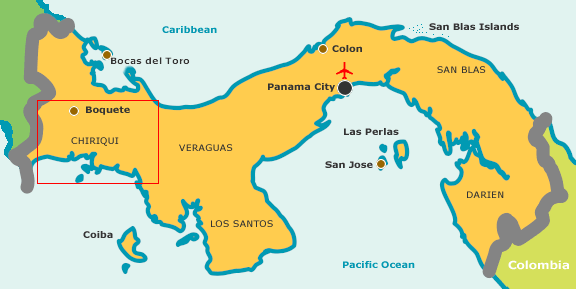
Panama is a small country at the center of the American continent. Its beaches are washed by the waters of two great oceans, the Atlantic and the Pacific. Panama lies at 9 degrees north latitude, at the convergence point of the central mountain range, where one of Central America's highest volcanoes, Baru Volcano, is located. At an altitude of over 11,400 feet, the surrounding land is rich in nutrient-filled soil, providing ideal conditions for planting Panama's unique coffee.
The Boquete region benefits not only from the superior ecological conditions and the fertile volcanic ash soil of the Baru volcano but also from another important factor: the microclimate of the Boquete highlands. Panama's east-to-west orientation lets cold air currents converge above 6,500 feet through the central mountain range, creating multiple microclimates in Boquete. The temperature and rainfall are highly suitable for plant growth, so coffee trees planted here thrive.
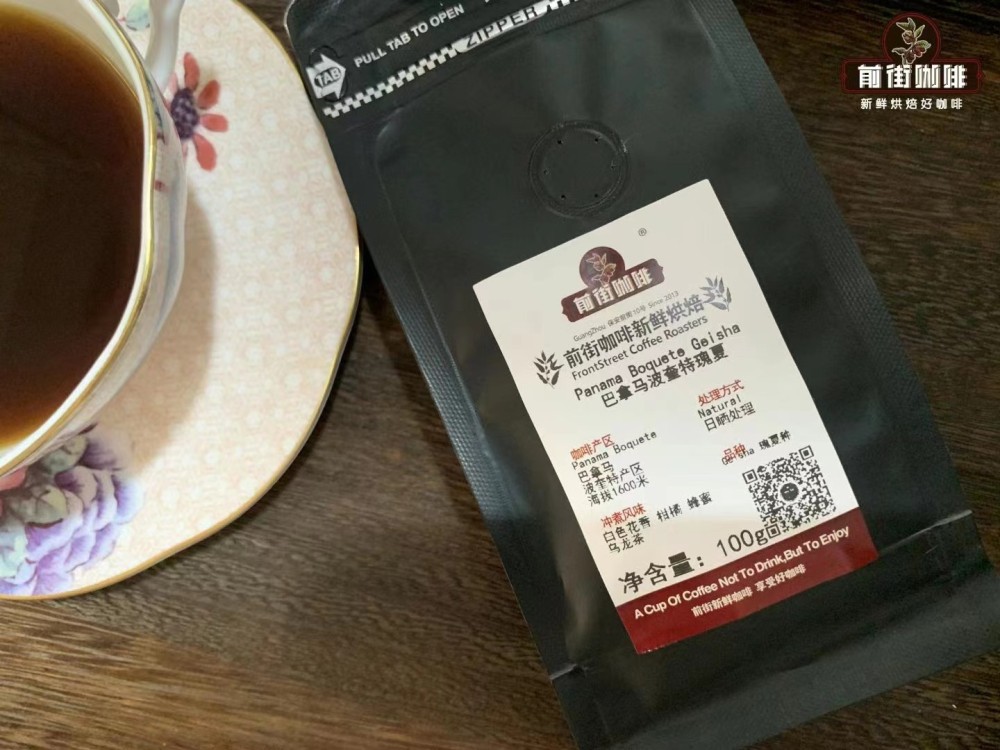
In a growing environment as blessed as Boquete, it is natural that not only coffee kings like Hacienda La Esmeralda's Geisha stand out for flavor, quality, and value. Still, drinking Geisha every day is a luxury by FrontStreet Coffee's standards. Even without any financial pressure, eating delicacies like shark fin and bear paw every day would not be appropriate. Coffee is the same: a wide variety helps you enjoy the pleasure of tasting it more.
Panama Butterfly Coffee
Boquete is also home to another excellent Geisha coffee, Panama Butterfly. Butterfly was originally named Cupid rather than the name it carries now. At first it contained only 30% Geisha. After two years of sales the proportion was adjusted to 50%, and later to 70%, when it was renamed Butterfly. Butterfly coffee consists of 70% Geisha variety, made up of three varieties: Geisha, Caturra, and Catuai. Panama's special microclimate brings abundant rainfall to the region, along with large temperature differences between day and night. Combined with the unique volcanic soil of the area and meticulous harvesting and fine processing, this coffee performs exceptionally well in body, acidity, and floral notes.
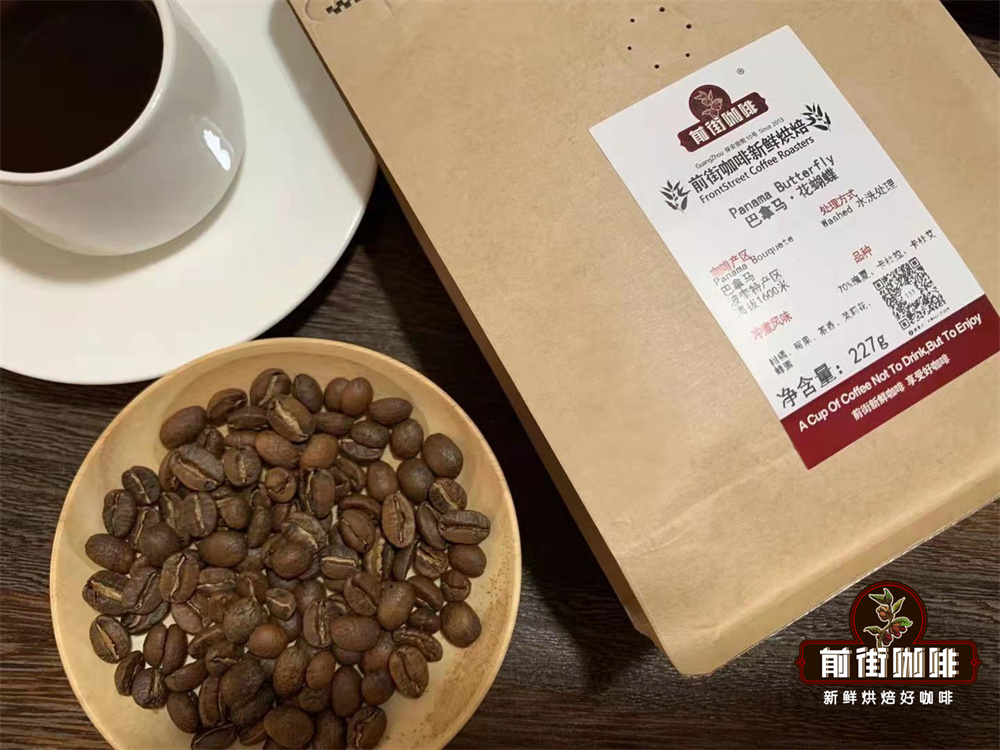
FrontStreet Coffee's Butterfly coffee performs exceptionally well in body, acidity, and floral notes. Even more surprising, given its excellent quality, is its very approachable price, which makes this bean outstanding value. The special feature of this bean is the Geisha variety, which gives the coffee distinct Geisha characteristics. For anyone trying Geisha coffee for the first time, Panama Butterfly is an excellent entry bean.

Geisha
What sets Geisha apart is its very distinct, clear floral and citrus flavors, extremely high cleanliness, soft and elegant acidity, persistent cotton-like sweetness, and a mouthfeel like premium black tea. The floral aroma and intense sweetness of tropical fruits create a unique floral and fruity fragrance.
Caturra
Caturra is a variant of the Bourbon variety, discovered in Brazil in 1937. Both its yield and disease resistance are better than Bourbon. The plant is also shorter, which makes harvesting convenient. It adapts well and does not require shade trees, thriving in direct sunlight, which is why it is commonly known as "Sun Coffee." Caturra suits cultivation from low altitudes of 700 meters up to 1,700 meters. It tolerates a wide range of altitudes, but higher altitudes produce better flavor, though yield drops accordingly.
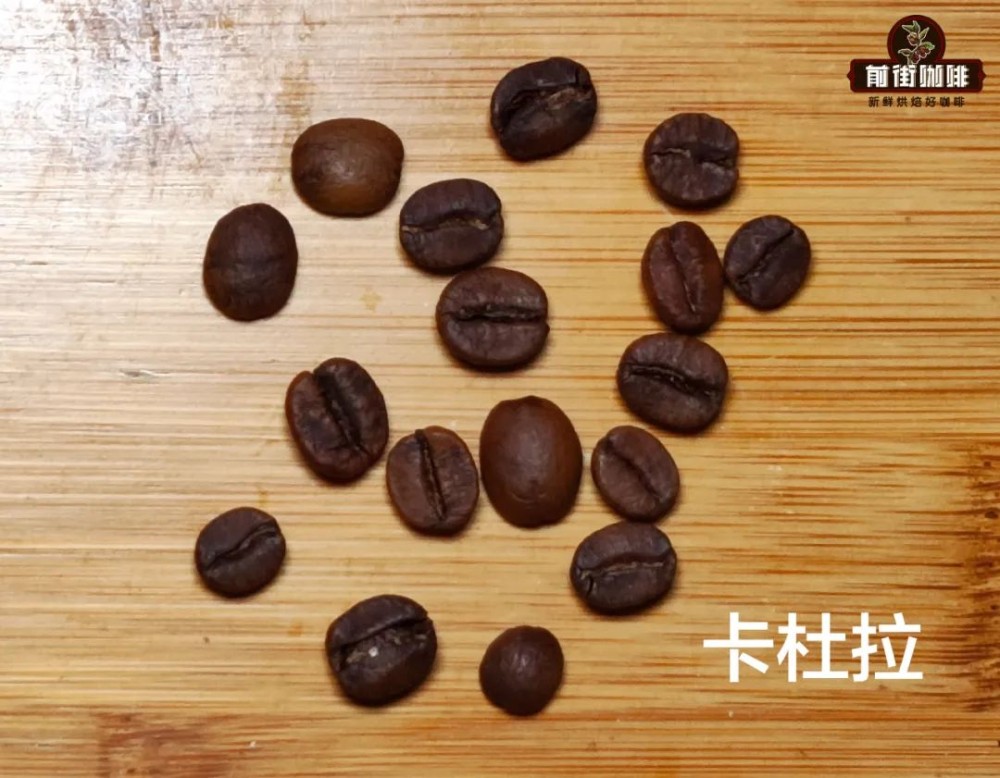
Catuai
Catuai is also an Arabica hybrid, a cross between Mundo Novo and Caturra. It resists natural disasters better, particularly wind and rain. It inherits Caturra's advantage of a short plant, overcoming the shortcomings of Mundo Novo, and it has the added benefit of solid fruit set, making it less likely to fall off in strong winds and addressing the fragility of Arabica beans.
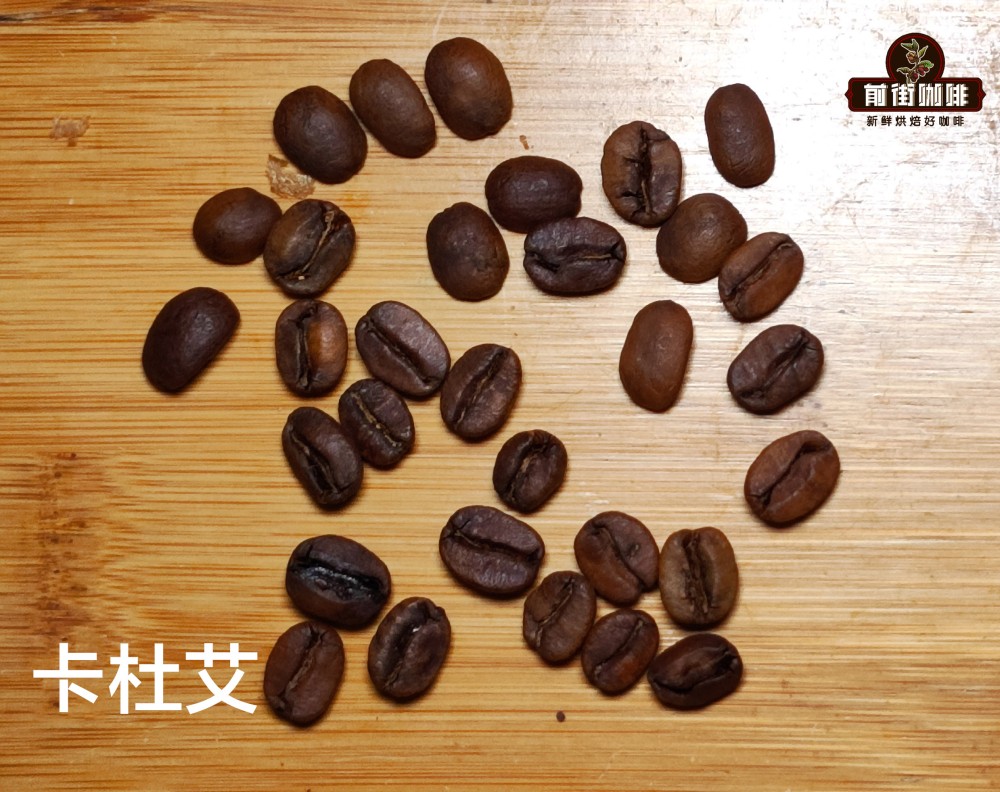
Some might ask: is Butterfly a blended bean?
According to information FrontStreet Coffee has gathered, historical reasons at the estate meant that in the early pursuit of yield, Geisha trees were planted together with Caturra and Catuai trees. To make harvesting easier, farmers later subdivided the three varieties. At export, they mixed the three varieties together for processing to achieve the desired full-bodied flavor.
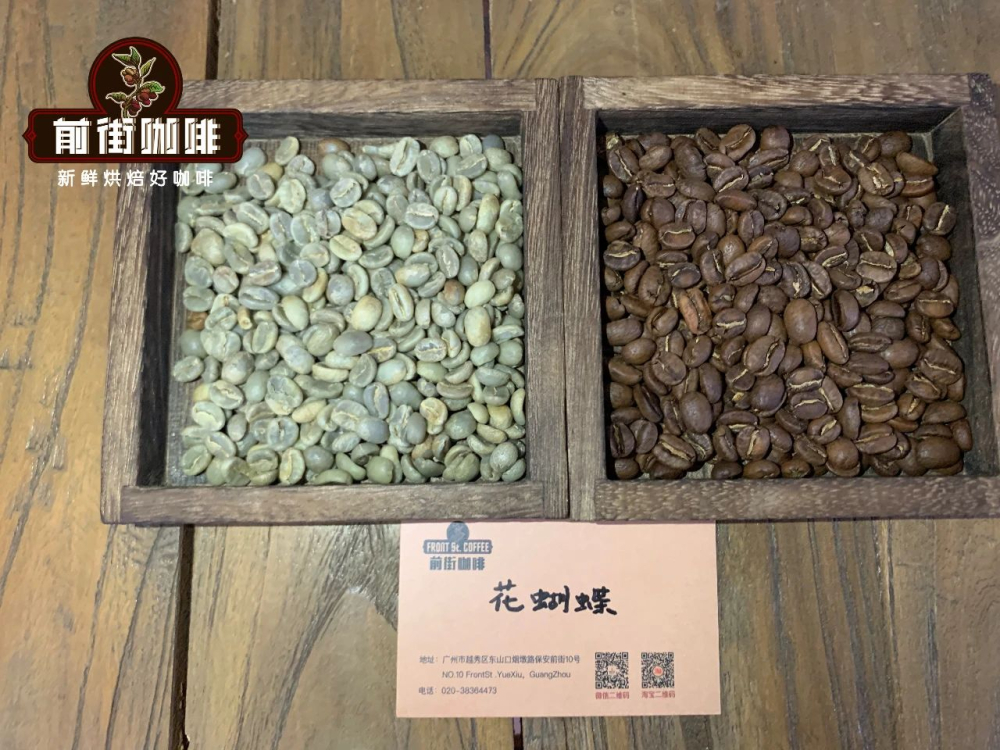
Since all three varieties in Butterfly come from the same origin and the same region, it is considered a single-origin bean.
Panama Butterfly Coffee Bean Washed Processing Method
There are many washed processing methods today, but generally, after cherries are harvested, floating beans are skimmed off and the pulp is removed. The beans are then soaked in fermentation tanks, where enzymes in the water soften the mucilage attached to the parchment and natural yeast breaks down the sugars in the mucilage. This process is called fermentation.

Once fermentation is complete, the beans are moved to drying patios. During drying they need constant turning to ensure even drying. Finally, they are stored in warehouses with the parchment still on. When green bean merchants place orders, the hulling and bagging process is carried out. Coffee processed this way has a clean taste, with bright, lively fruit acidity and refreshing fruity and floral notes.

FrontStreet Coffee's brewing parameters for Panama Butterfly coffee:
FrontStreet Coffee uses a V60 dripper, a 1:15 coffee-to-water ratio, a medium grind (about coarse sugar size, or 80% passing through a China #20 standard sieve), and 91°C water.

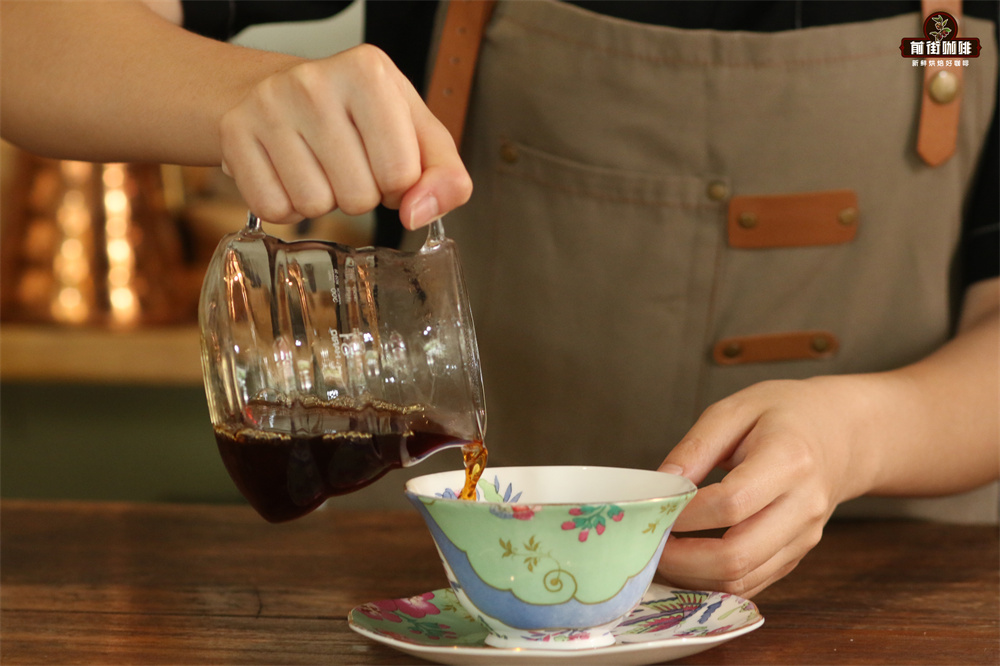
Using segmented extraction, bloom with twice the amount of water as the grounds, that is, 30g of water for 30 seconds. Blooming is necessary to let the grounds release internal carbon dioxide so the subsequent extraction is more stable. With a small water flow, pour in a circular motion to 125g, then continue to 225g and stop. After the water has finished dripping from the dripper, remove it. Start timing from the beginning of the pour; the extraction time is 2'00". Then take the whole cup, shake it well, and pour into cups for tasting.
FrontStreet Coffee's Panama Butterfly coffee flavor characteristics: the dry aroma has the scent of white flowers, the citrus flavors are very distinct, and the finish has a strong tea-like sensation, honey sweetness, and a clear aftertaste.
To let more people taste the flavor of Panama Geisha coffee, FrontStreet Coffee has made Boquete Geisha coffee from Panama's Boquete region a daily staple bean, a representative coffee of Panama. Geisha is certainly delicious, but other varieties are excellent too, such as coffee from Ethiopia, the origin of coffee, which is very refreshing with unique flavors, or Indonesia's Mandheling for a more intense experience. FrontStreet Coffee carries over fifty different single-origin coffees from various countries, regions, and varieties, fully satisfying everyone's love of coffee.
FrontStreet Coffee's Brewing Suggestions
On brewing, FrontStreet Coffee has always believed that the freshness of the beans strongly affects the flavor. We therefore ship coffee roasted within 5 days, under the roasting philosophy of "Freshly Roasted Good Coffee," so every customer receives the freshest coffee on arrival. The resting period is about 4 to 7 days, so by the time it reaches you it is at its peak.
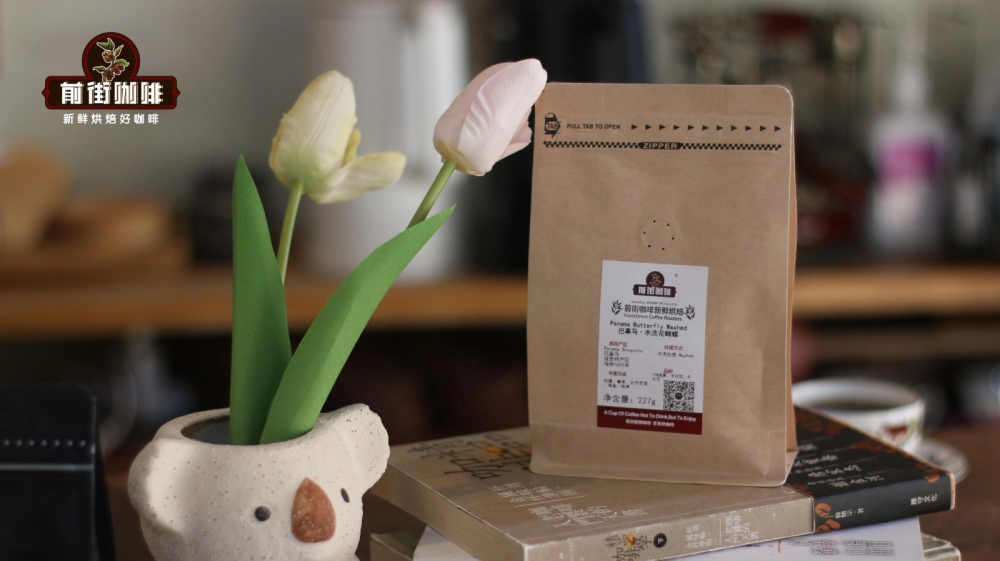
For those who need ground coffee, FrontStreet Coffee offers a reminder: if the beans are ground in advance, there is no need for a resting period, because during transport the pressure from carbon dioxide inside the packaging also helps round out the flavor, so you can brew a cup as soon as it arrives. Ground coffee does need to be brewed promptly, however, since grounds oxidize quickly when exposed to air, meaning the flavor fades relatively fast and the coffee will not taste as good. So FrontStreet Coffee recommends buying whole beans and grinding fresh before brewing to better enjoy the flavor.
FrontStreet Coffee Recommendation
If you want to explore Geisha beyond Panama, FrontStreet Coffee's range covers both the classic and the origin. The most famous name is Panama's Emerald Estate, whose Geisha line is split into Red Label and Green Label. The Red Label, formally Esmeralda Special, is grown at 1,600-1,800 meters, and each lot must cup above 90 points and carries its own number, with every bean in a lot coming from a single small plot. The Green Label, formally Private Collection, is a blend of lots from several plots designed to express the estate's signature high-altitude Geisha character, and is sold at a more accessible price, which makes it excellent value.
For an introduction, FrontStreet Coffee usually suggests the Boquete Geisha as an entry-level Geisha, so you can taste the classic Panamanian orange-blossom honey character, an oolong tea-like sensation, and the fine fruit acidity and clear layers at a reasonable price.
And for the Ethiopian side of the story, where Geisha actually originates, FrontStreet Coffee offers coffees from the Gesha Village estate, which grows three Geisha varieties, Gori Gesha, Gesha 1931, and Illubabor Forest, with a tier system that includes the Gold Label (Gesha 1931, about 10% of production), the Red Label (Gori Gesha, about 15% of production, single-terroir and fully traceable), the Green Label, and Chaka lots. Ethiopian Geisha tends to show brighter fruit acidity, and both the Gold and Red Labels are rewarding hand-poured single origins.
Important Notice :
FrontStreet Coffee is a long-established specialty coffee roaster in Guangzhou China, selling freshly roasted beans from its own farm in Yunnan as well as dozens of carefully selected single-origin beans from around the world for both pour-over and espresso. The products deliver consistently excellent quality and great value, with shipping within 24 hours. Guangzhou's FrontStreet Coffee shop is recommended by many coffee lovers, and the beans are now available online at the Tmall 。
FrontStreet Coffee has moved to a new address:
FrontStreet Coffee Address: 315,Donghua East Road,GuangZhou
Tel:020 38364473
 Scan and follow the En Gafei WeChat official account. Please indicate that the reprint comes from "En Gafei".