Latte Espresso Ratios & Coffee Bean Selection | Common Milk Frothing Issues
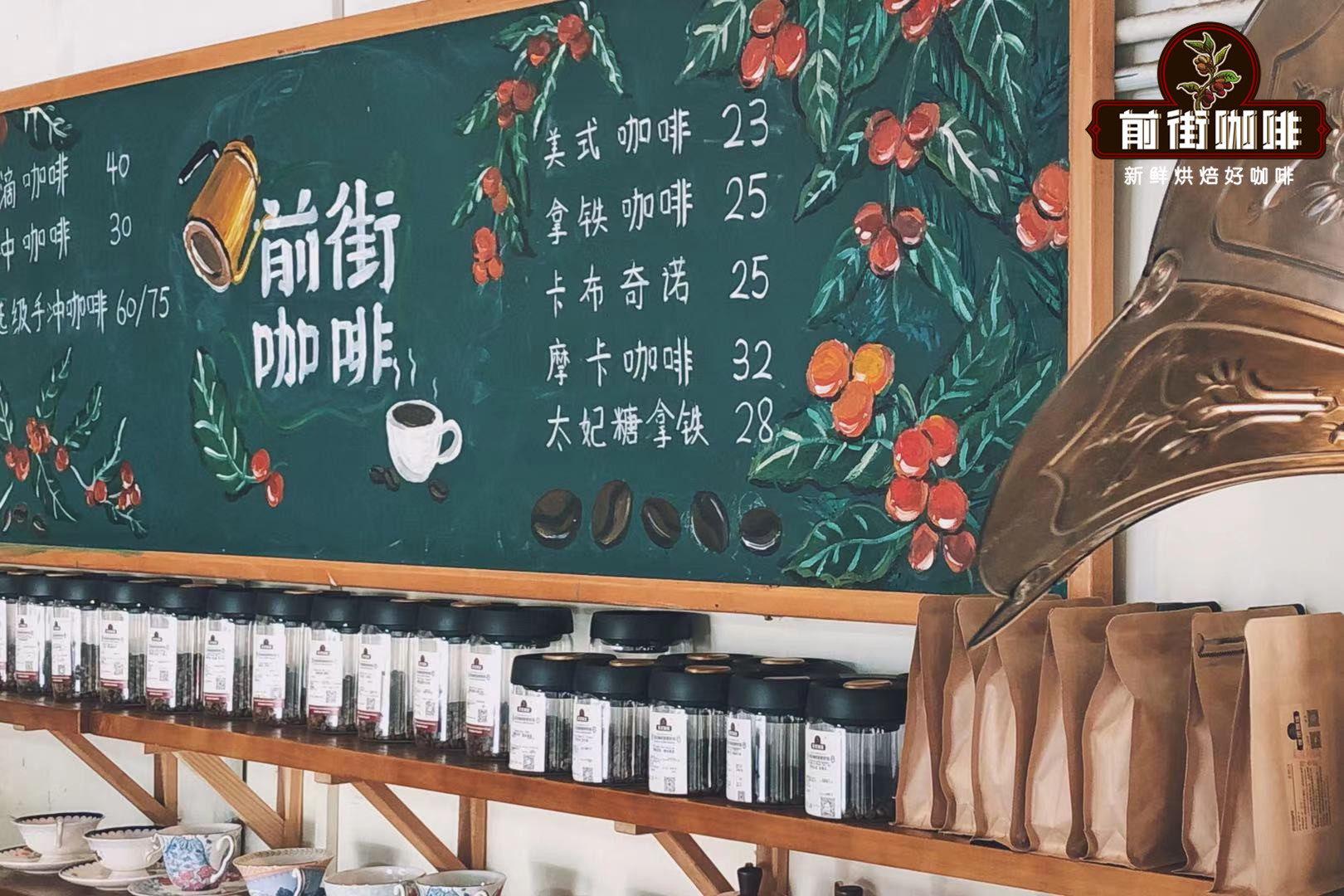
The Significance of Espresso Coffee
Espresso holds epoch-making significance in world coffee history. It was precisely espresso's arrival that gave birth to the whole family of milk coffees - latte, cappuccino, flat white, and more. All of them are simply different ratios of espresso and milk. In this article, FrontStreet Coffee walks you through how espresso-based drinks are made.
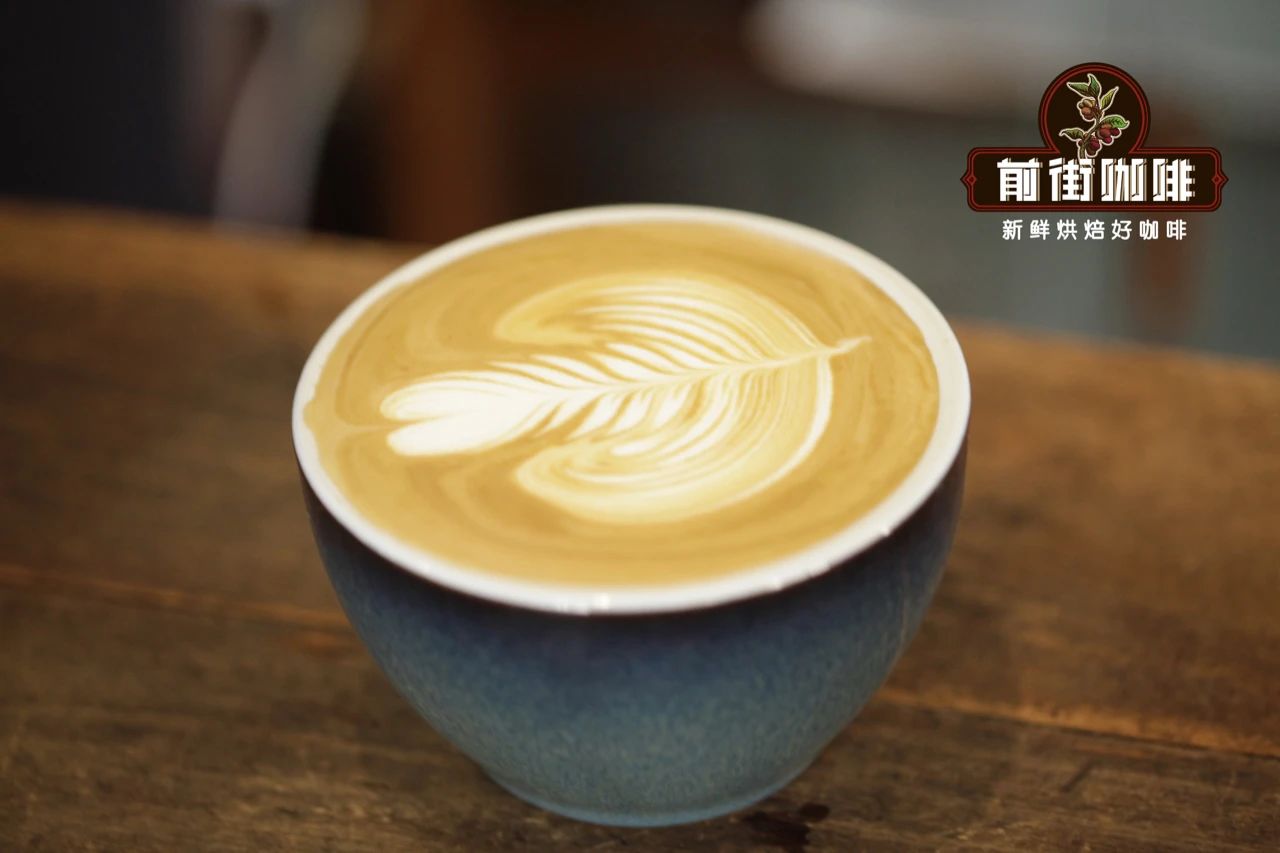
Espresso pulled from an espresso machine tastes intensely bitter, so few people love it straight, and even fewer order it in cafes. The vast majority of customers still order milk coffees like cappuccino and latte.
The Core of Espresso Coffee
The heart of every milk coffee is the concentrated shot produced under high temperature and pressure - and the prerequisite for a good shot is choosing suitable espresso beans. Espresso beans generally differ from pour-over beans, since pour-over coffee uses a lighter roast. FrontStreet Coffee's pour-over range spans more than 50 producing regions, nearly all roasted medium-light for pour-over, with only special beans taken to medium-dark. But lightly roasted coffee is not ideal for espresso: the deeper the roast, the more concentrated and bitter the shot; the lighter the roast, the more acidic it becomes. To make a delicious espresso, choosing the right bean is everything.
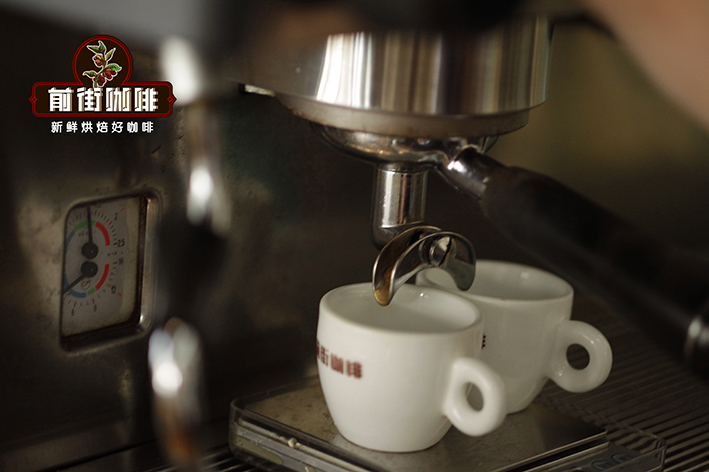
FrontStreet Coffee currently uses its own house-roasted Sunflower Warm Sunshine Blend, a combination of Honduras Sherry coffee and Yirgacheffe Natural Red Cherry coffee in a 6:4 ratio. One sip brings immediate citrus and berry acidity, a whiskey aroma, and a dark chocolate aftertaste.
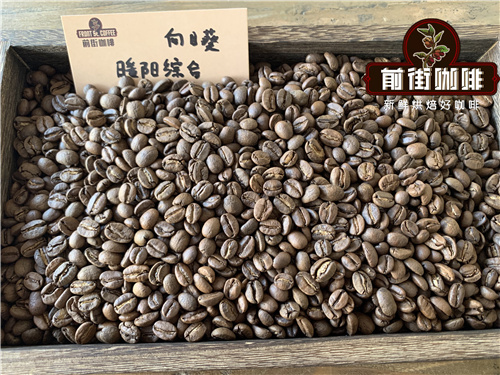
FrontStreet Coffee's Bean Selections
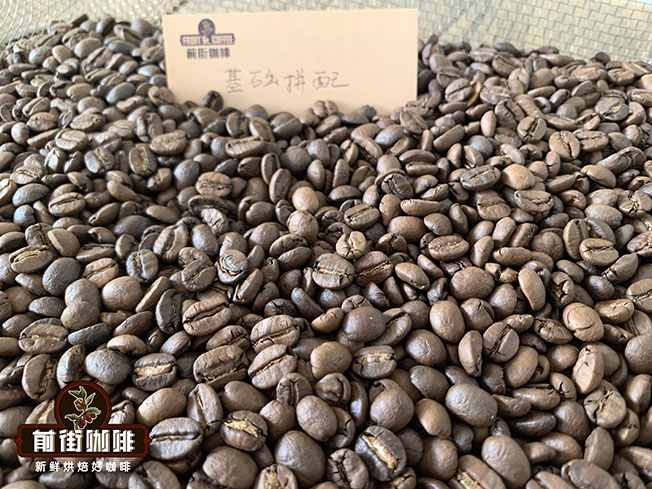
Beyond that house blend, there are three more blends with different characters. The FrontStreet Basic Blend pairs Yunnan coffee beans - hugely popular in recent years - with Brazilian beans in a 3:7 ratio. The resulting espresso has soft fruit acidity, caramel sweetness, nut and dark chocolate flavors, and a smooth, viscous body, though the overall taste leans lighter.
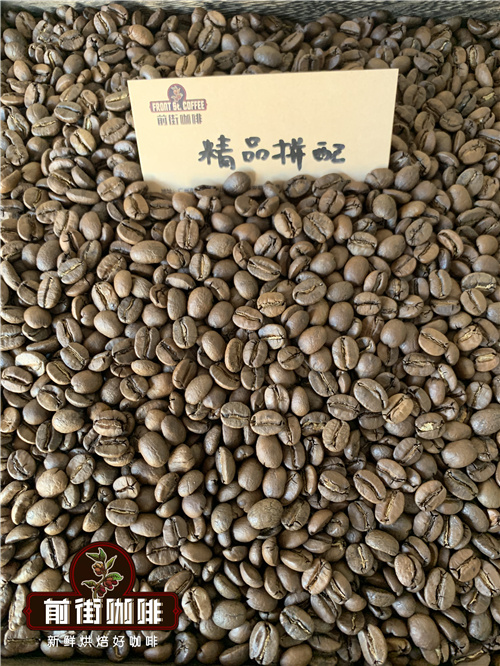
The FrontStreet Specialty Blend uses Colombia and Brazil in a 3:7 ratio, producing espresso that is softly acidic and lightly sweet with a nutty aftertaste - peaceful rather than stimulating, with medium crema.
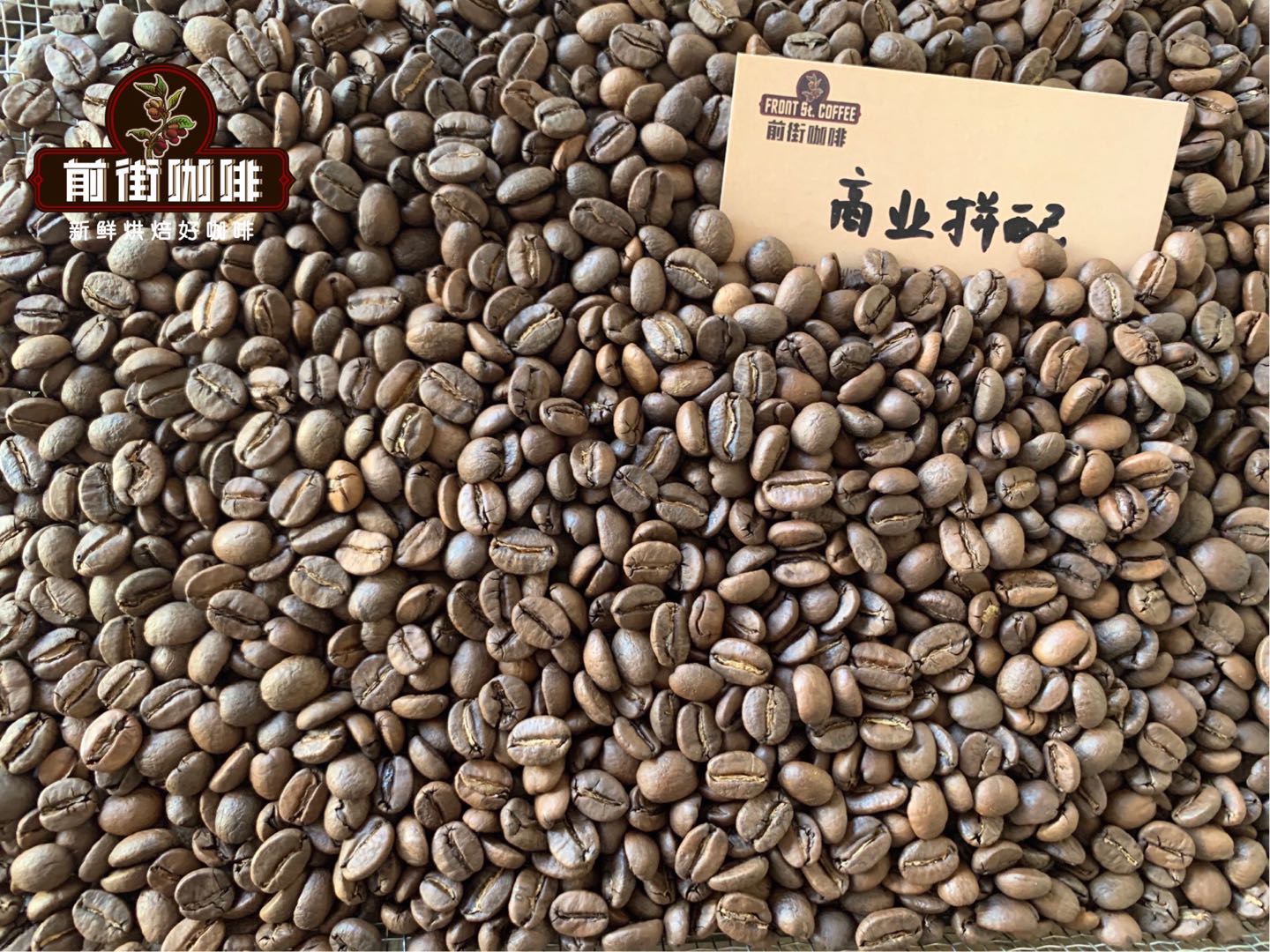
Then there is FrontStreet Coffee's Commercial Blend, to which FrontStreet Coffee adds an appropriate amount of Robusta to boost crema. The formula is Colombia : Brazil : Robusta = 3:6:1. The extracted espresso shows caramel sweetness, nut and cocoa flavors, a dark chocolate taste, balanced sweetness and acidity, a slight bitterness, and a lasting aftertaste.
The Art of Coffee Blending
Notice that FrontStreet Coffee draws on beans from different producing countries for these espresso blends? Espresso machines amplify certain bean characteristics. Pull a shot from Yirgacheffe Natural Red Cherry beans, for example, and you get a sharply acidic espresso that tastes poor even with milk. That is exactly why the Honduras Sherry component was added to the Sunflower Warm Sunshine Blend.
The purpose of blending is to use each bean's strengths to build a balanced espresso. Keep that in mind when buying beans. Once the beans are right, the next consideration is milk.
FrontStreet Coffee generally uses whole milk for milk foam, refrigerated before use. The fat and protein in whole milk not only enhance flavor but also make the foam more stable - easier to froth into silky microfoam.
The Art of Milk Frothing
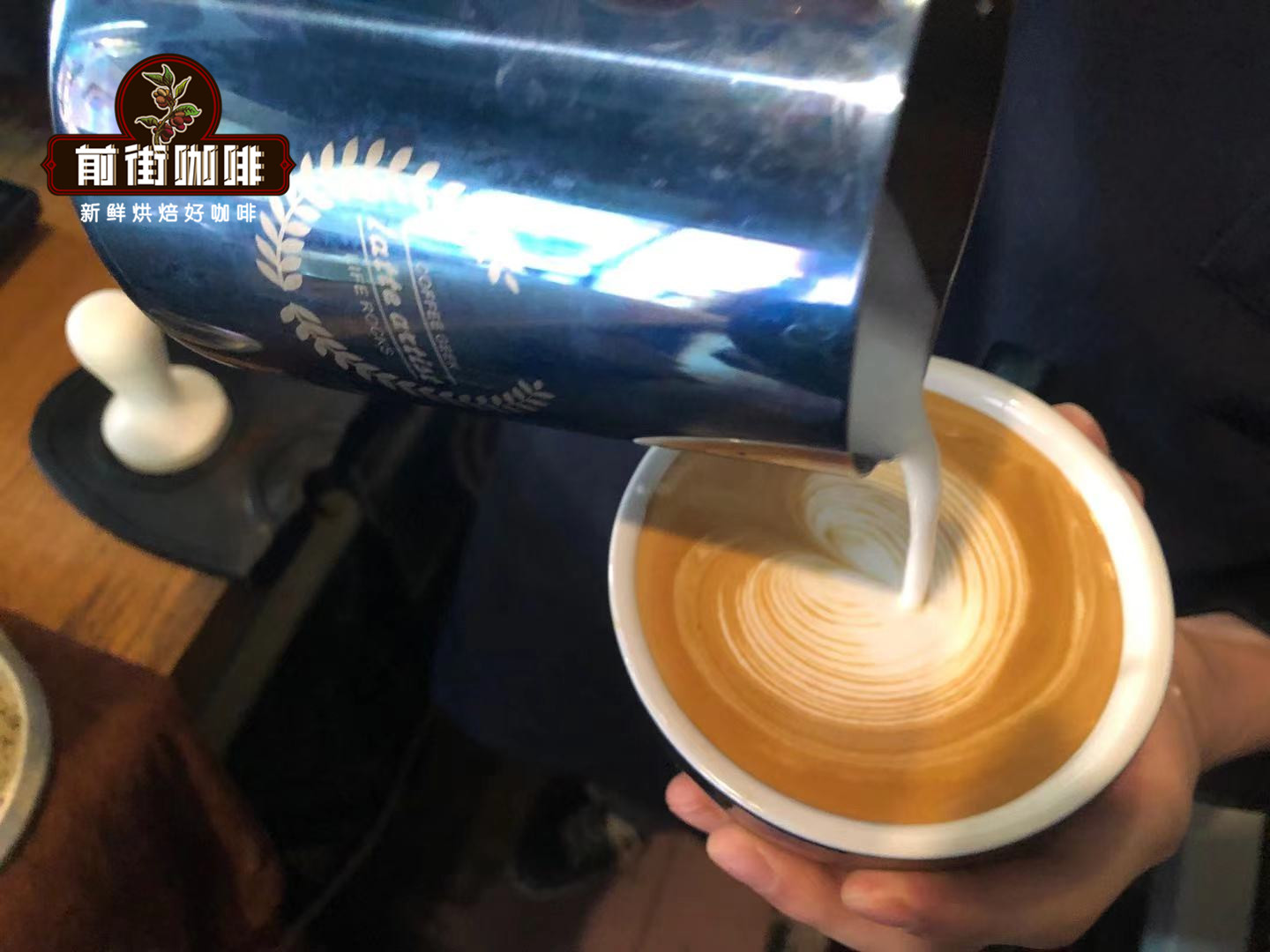
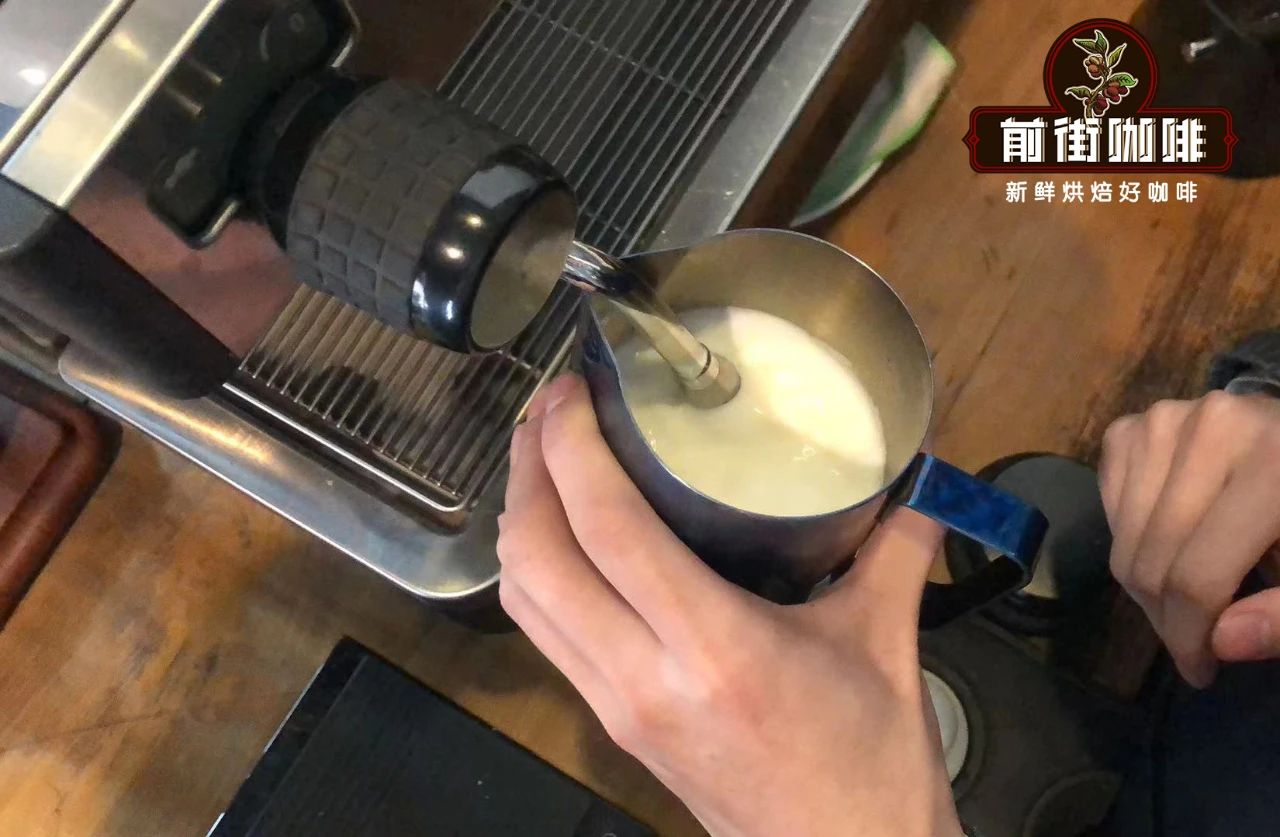
To froth, first pour the milk into the pitcher - the liquid should not exceed half the pitcher, ideally between 1/3 and 2/3 full. Bring the pitcher to the steam wand until the tip is just submerged, positioned slightly off-center. Open the steam valve and listen for the hiss. Once you have enough fine microfoam, slowly lower the pitcher. When the pitcher grows too hot to touch, the milk should have reached 60-65°C - touch the base: if you cannot hold it for more than 3 seconds, frothing is done. Properly frothed milk shows fine, dense, glossy foam without large bubbles. Failed foam has big bubbles, insufficient volume, and too little of it, making latte art difficult. But do not be discouraged - frothing is a technical skill that improves with practice.
Making the Perfect Latte
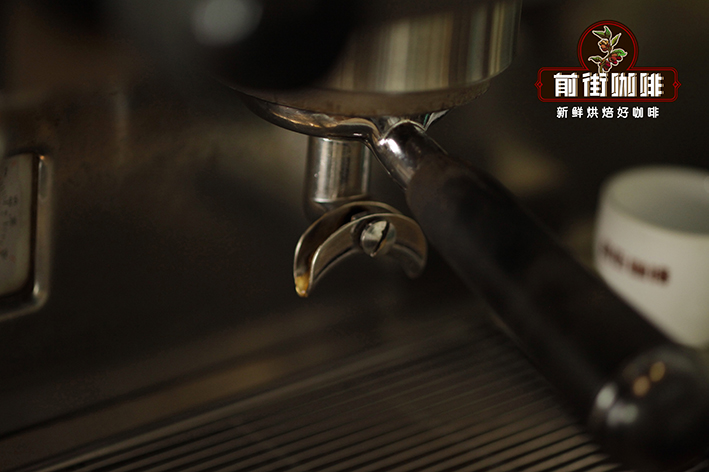
With espresso and milk foam ready, you can build a latte! FrontStreet Coffee uses the Sunflower Warm Sunshine Blend introduced above, extracting 20 grams of coffee into 40 grams of liquid in about 28 seconds. Below are the parameters calibrated for FrontStreet Coffee's machine:
Pressure: 9 bar ± 2
Temperature: 90.5-96°C
Time: 20-30 sec
Coffee-to-water ratio: 1:1.7-1:2
Dose: 12 g (single shot), 20 g (double shot)
Extraction yield: 20 ml (single), 40 ml (double)
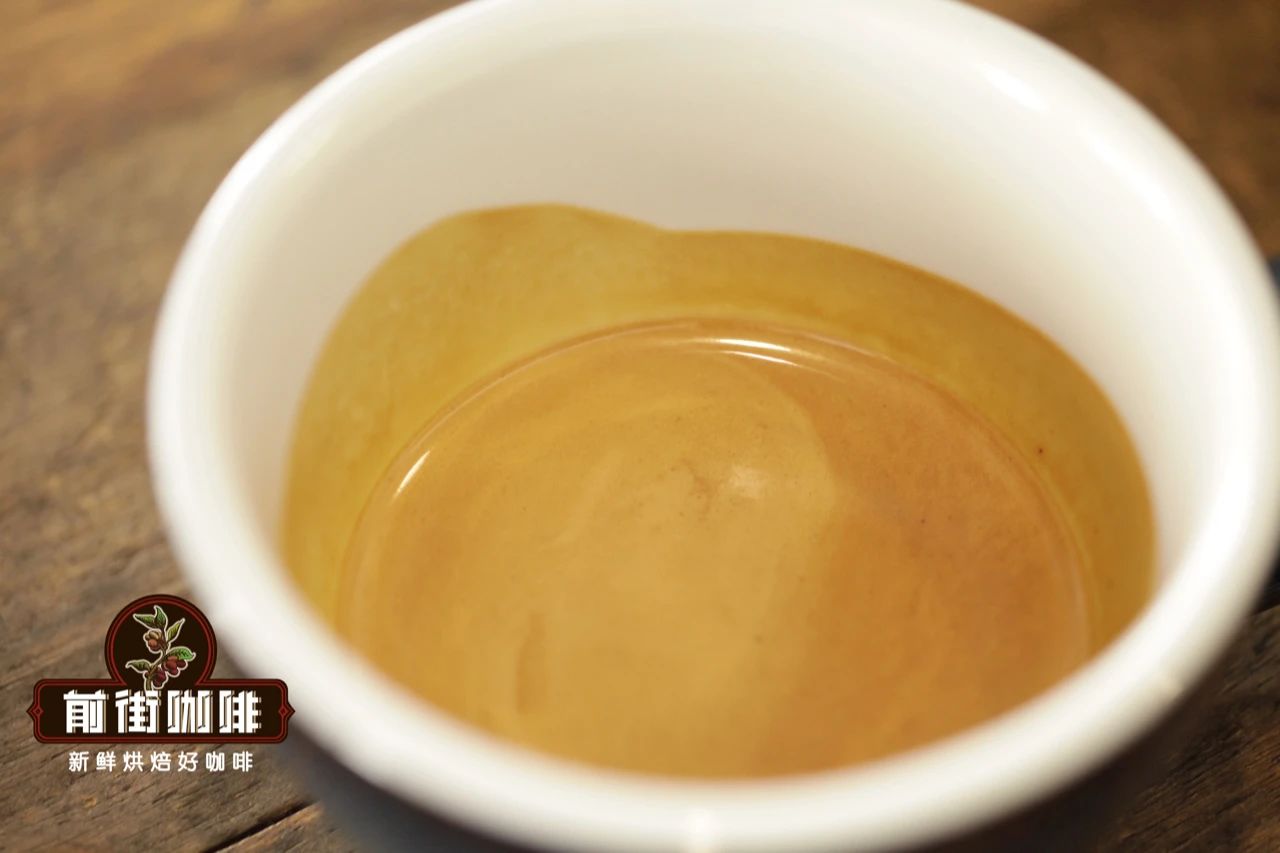
Then combine the espresso with milk at the latte ratio of 1:6.5 - 40 ml of espresso to 260 ml of hot milk - for a cup of latte. Cappuccino uses the same method, just with slightly thicker foam. A latte made this way carries whiskey aroma, a subtle milky sweetness, and a hazelnut-like nutty aftertaste.
Troubleshooting and Final Thoughts
If your latte tastes bitter, the beans may be roasted too dark: espresso from darker roasts will overpower the milk, so bean quality determines the drink. Over-extraction is the other culprit, since it exaggerates bitterness - refine your extraction technique and parameters.
That is the simple process of making an espresso-based drink. A good latte demands a barista's care at every step, so that every cup leaves the counter fragrant and delicious - and everyone gets to experience the charm of coffee.
FrontStreet Coffee Recommendation
For milk coffees, mellow, low-acid, full-bodied beans blend best with milk - exactly the profile of the classics FrontStreet Coffee carries from the era before the third wave: the Jamaica Blue Mountain No. 1, balancing cream, caramel, chocolate, nut, and honey in near-perfect harmony with minimal bitterness, and the PWN Golden Mandheling, whose thick, herbal, dark-chocolate body stands up beautifully to milk. If you prefer a fruitier latte, the natural Ethiopia Huakui floods the cup with strawberry, passion fruit, jackfruit, and lychee aromas and almost no bitterness, while the Strawberry Candy Geisha blend adds rose and orange over grape and dried-blueberry sweetness - the kind of delicate floral-fruity character that turns an ordinary milk coffee into something special.
Important Notice :
FrontStreet Coffee is a long-established specialty coffee roaster in Guangzhou China, selling freshly roasted beans from its own farm in Yunnan as well as dozens of carefully selected single-origin beans from around the world for both pour-over and espresso. The products deliver consistently excellent quality and great value, with shipping within 24 hours. Guangzhou's FrontStreet Coffee shop is recommended by many coffee lovers, and the beans are now available online at the Tmall 。
FrontStreet Coffee has moved to a new address:
FrontStreet Coffee Address: 315,Donghua East Road,GuangZhou
Tel:020 38364473
 Scan and follow the En Gafei WeChat official account. Please indicate that the reprint comes from "En Gafei".