Costa Rica Batalatala Tarrazu Raisin Process Yellow Catuai with Raisin Flavor Notes
Costa Rica Raisin Processing - Yellow Catuai
The raisin honey processing method is genuinely innovative. As FrontStreet Coffee understands the current process, it involves double fermentation: the cherries are first dried to a raisin-like state, then depulped for honey-process fermentation. The result is more intense fermentation flavors and more retained mucilage than any other honey method — billed as 100% mucilage honey processing, with truly distinctive raisin notes.
Tarrazu Region Characteristics
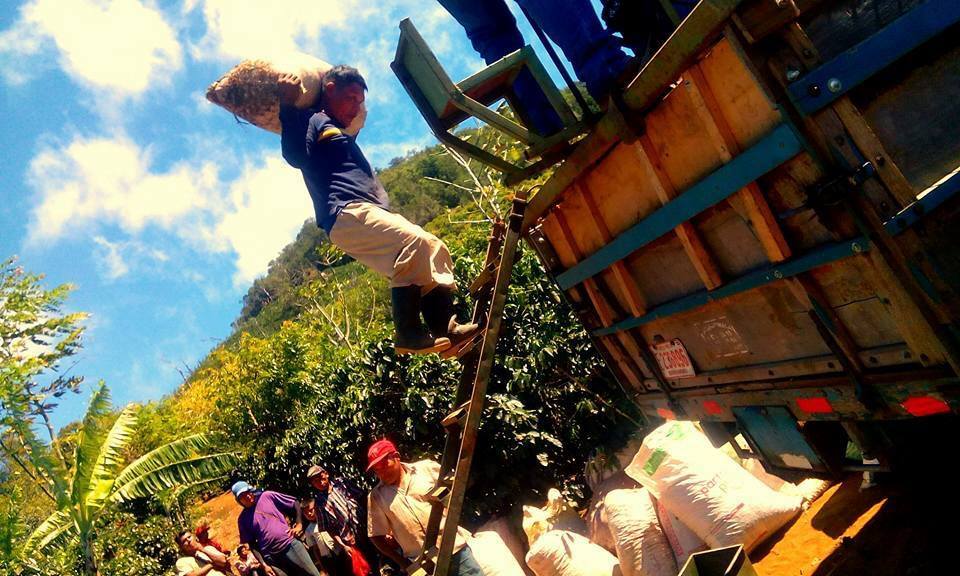
This is the most intensive fruit-growing area in Costa Rica, where estates plant mainly passion fruit and relatively little coffee. But the coffee that is grown here mostly goes through red, black, and yellow honey processing, and the sweetness and berry aroma will absolutely amaze you — excellent sweetness, consistency, and body, with mature dried-banana fruit flavors.
Origin: Tarrazu
Altitude: 1980 m
Variety: Yellow Catuai
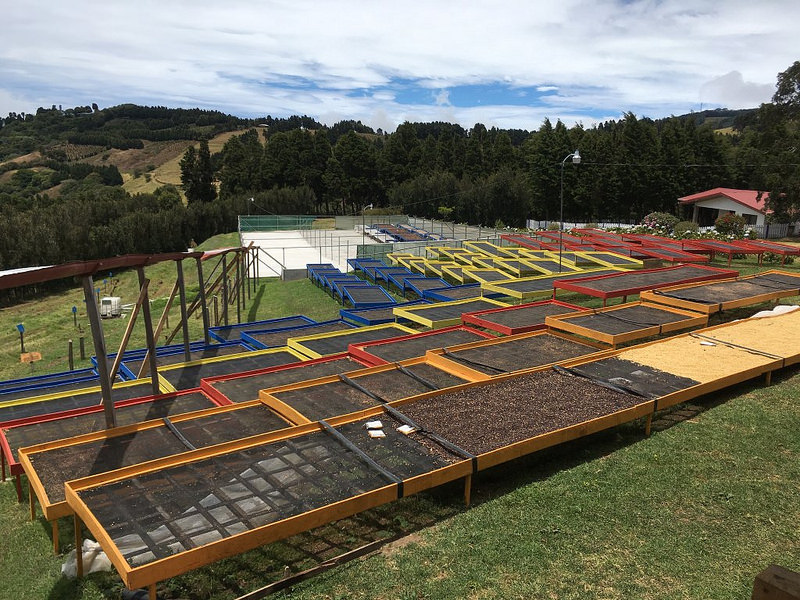
Processing Method: After removing the cherry skin, 60% of the sticky pulp is retained, then the lot is dried. The pulp and mucilage layers are removed before storage. During drying, the beans must be turned frequently to prevent the pulp from sticking and molding, and drying must be completed quickly to avoid over-fermentation.
Flavor Profile
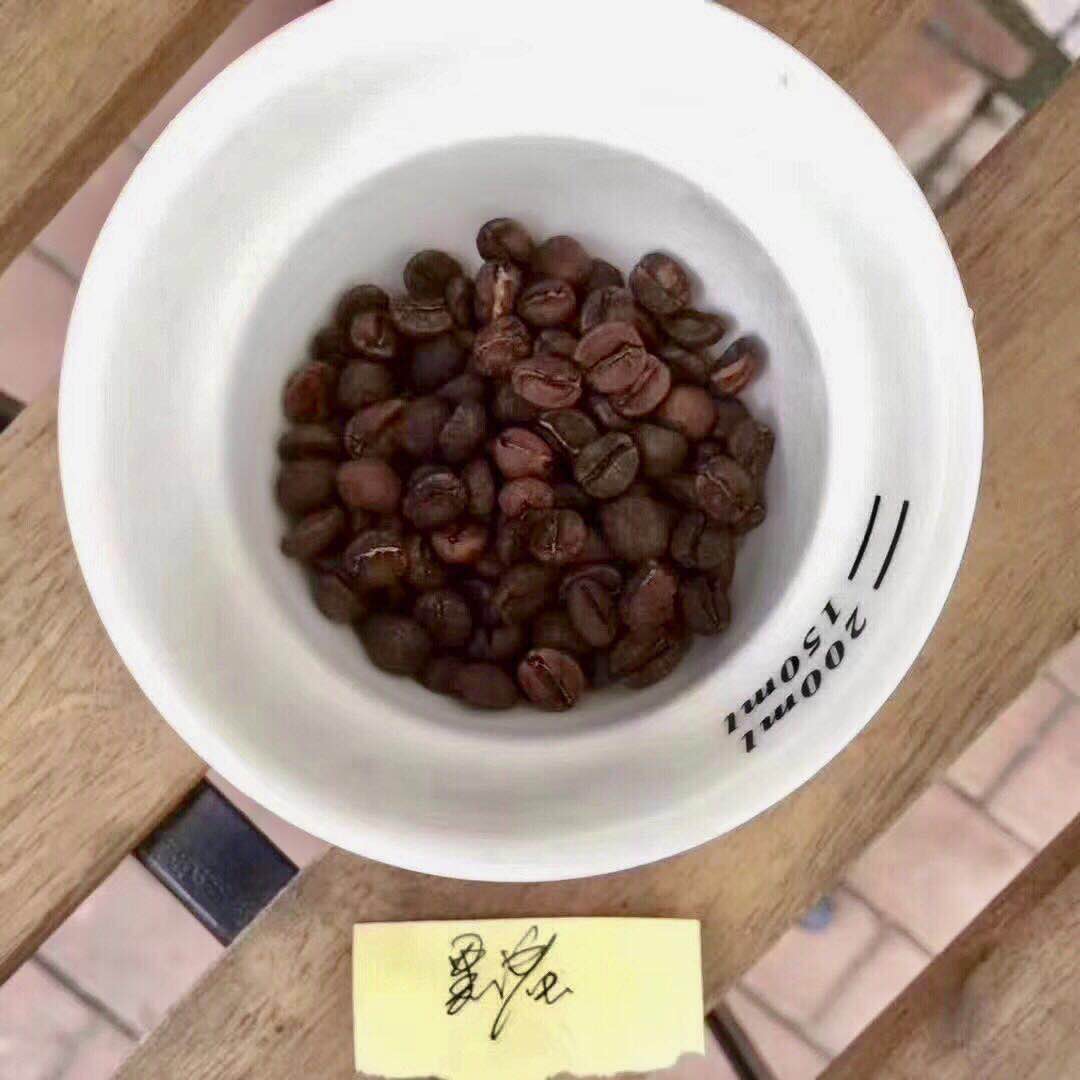
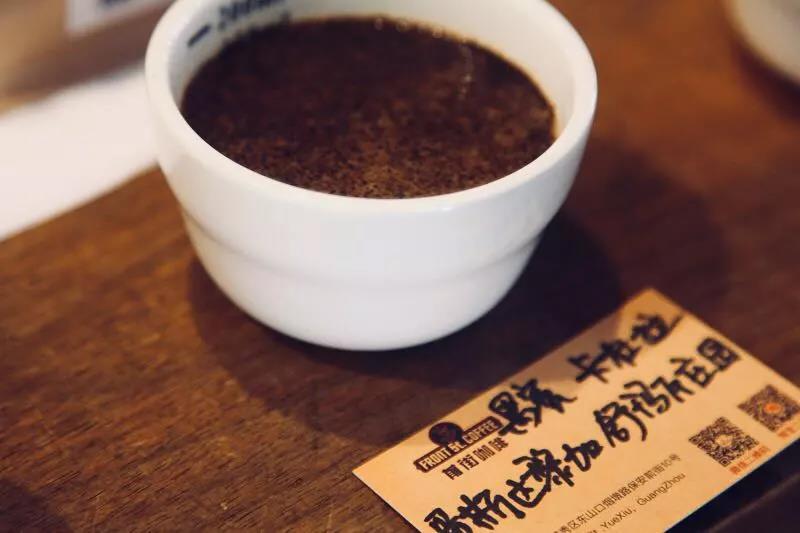
Floral and fruit aromas flood the entire palate with honey sweetness, caramel fragrance, jasmine florals, blackberry, and lime. This is an exceptionally sweet coffee with a juicy texture and balanced acidity — it carries all the hallmarks of Geisha, and on the cupping table it reads like a bouquet in full bloom.
Costa Rica Coffee Overview
Costa Rica sits on the Central American isthmus at 10°N, 84°W, with the Caribbean Sea to the east and the North Pacific to the west. It lies on the low-latitude volcanic belt of Central America, with the Central Plateau and mountain regions at altitudes of roughly 800–2,000 meters — well suited to coffee. Costa Rican coffee has always been famous for its extremely balanced, clean, bright profile with berry-like fruit acidity, and the best lots finish with spice and cocoa. The country's most famous region is Tarrazu, near the capital San José: it has the highest average altitude and superb climate and soil, making it Costa Rica's most famous and generally acknowledged finest region. Tres Rios is a famous sub-region within Tarrazu, and the most renowned Costa Rican single estate in the specialty world is La Minita of Tarrazu. The country's climate overturns the usual four-season model entirely: there are only two seasons — the wet "winter" from April to December with high rainfall, and the dry season (summer) from late December to April. Average temperatures in San José run 15°C to 26°C; coastal areas are warmer, with the Caribbean coast averaging 21°C at night and 30°C by day.
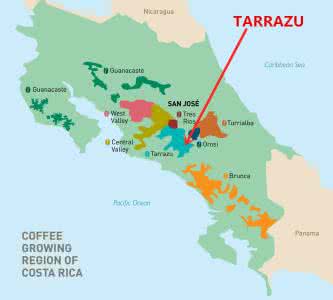
Tarrazu Region
Coffee farming is considered a high-status profession in Costa Rica, and coffee farmers hold real prestige. In 1897, capital residents watched the inauguration of the National Theater, donated by coffee millionaires. Coffee wealth brought political, economic, and democratic stability rare among Central American countries. Costa Rica even has laws permitting only Arabica cultivation — Robusta is legally "contraband" within its borders, a world-first initiative.
Production is modest: about 110,000 tons annually, ranking seventh in Central and South America. The country favors newer varieties such as Caturra, Catuai, and Mundo Novo, with the old Bourbon and Typica less common. Several local varieties have been developed too — the most famous being the Bourbon mutation Villa Sarchi, praised for its elegant profile, which Brazil has also introduced and taken to awards. Costa Rican research institutions have also worked tirelessly to improve the Catimor hybrid, trying to reduce its Robusta heritage while enhancing its Arabica flavor traits, and have recently exported seed to Asian countries for trial cultivation.
Processing Methods
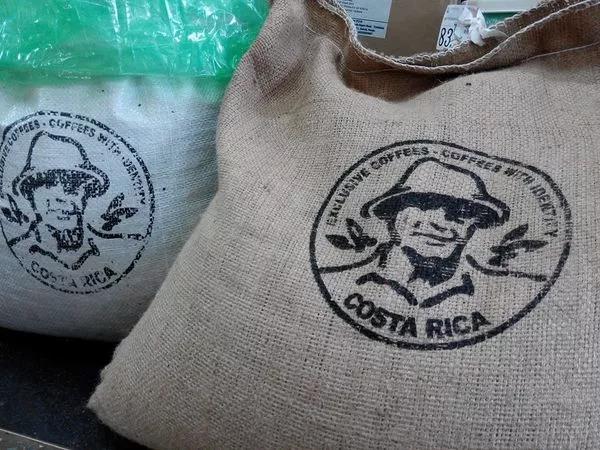
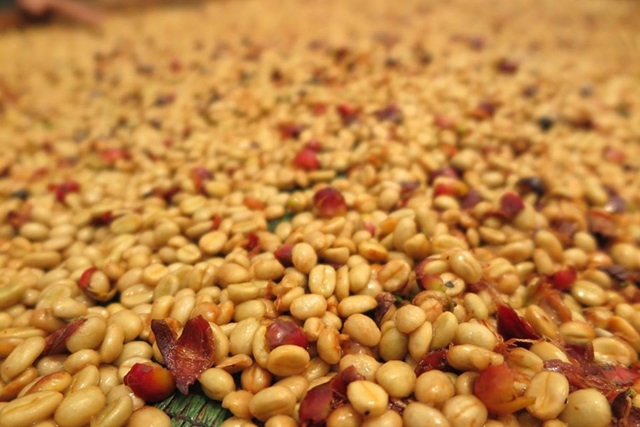
Costa Rica mostly washes its coffee, but in recent years semi-dry "Miel" — "Honey Coffee" — processing has emerged, transliterated as "sweet as honey." Bags boasting honey processing are prominently marked (Honey Coffee) on their burlap, hard to miss. The method refines Brazil's semi-dry process to raise sweetness, the key being to preserve as much of the mucilage layer as possible. After depulping, the sticky beans go to outdoor raised beds — similar to Kenyan practice — to avoid absorbing earthy impurities and moisture, then sun-dry for about one to two weeks. The beans must be turned every hour for even drying so they fully absorb the fruit aroma and sugars of the thick mucilage; after dehydration they rest in wooden containers to mature. It is extremely labor-intensive, but the "honey-brewed" result tastes, well, sweet as honey. The downside is risk: in overly humid weather the beans mold easily, and Costa Rica is not a particularly dry country — daring to use long sun-drying here is nerve-wracking, but it also showcases the country's masterful, bold coffee craftsmanship.
Costa Rican Coffee Characteristics
Costa Rican coffee is famously well-balanced — without the sharpness of Guatemala, it drinks smooth and gentle. Acidity, sweetness, and chocolate bitterness integrate harmoniously, the classic profile of premium coffee. The seven major regions are: Turrialba Valley (northeast of San José), Central Valley (northwest), Western Valley (west), Tres Rios (east), Brunca (southeast), Orosi (north), and Tarrazu (south). Of these, Central Valley, Tarrazu, and Tres Rios are the most famous. In principle, coffee from Pacific-facing slopes outperforms Atlantic-facing ones. In the 2007 Costa Rica Cupping Competition, champion farm Cerro Palto was in Tarrazu south of San José, but Central Valley also shone, with second through fourth places all coming from its city of Naranjo. Tres Rios, oddly, was overlooked.
La Minita farm in Tarrazu built its world-class reputation through meticulous, multi-level management and has dominated European and American markets for over half a century. "La Minita" means "little gold mine" — before Spanish colonization, indigenous people mined gold at the site, truly blessed land. The estate produces about 1 million pounds of green coffee annually, but after defect selection removes over 70%, only 290,000 pounds of premium coffee reaches the specialty market — a reputation well earned. Its coffee is known for apple and citrus acidity, rich milk and truffle notes, and a silky refined texture, grown at roughly 1,200–1,700 meters. Tres Rios, east of the capital, is another famous zone where the Irazú volcano and its rivers create an excellent microclimate. In recent years, however, the city has crept into the suburbs and farmland has been sold to developers, so Tres Rios production has declined sharply, with most of it secured by Starbucks — hard for the trade to buy. The region's renowned farm Aquiares has persisted since 1857; its bright fruit acidity is gentle rather than sharp, with nuts, florals, and toffee sweetness that typify the zone.
Costa Rica's craftsmanship — in breeding, cultivation, and post-harvest processing alike — is a model for other origins. But famous-region supply cannot meet demand, and unscrupulous traders mix in beans from lesser regions; areas hundreds of miles from Tarrazu have dared to sell under the Tarrazu name, so buyers should stay alert.
FrontStreet Coffee generally roasts Costa Rican coffee medium to express its moderate acidity and richness, and the beans show their large-bean character after roasting.
FrontStreet Coffee Roasting Recommendations
FrontStreet's Shumava black honey coffee is dense and hard. To develop its flavors fully while keeping quality acidity, roasting can employ "acid-pulling": raise heat at the yellowing point to hold a steep temperature curve, enhancing aroma and crack development. When first crack turns dense, reduce heat to "build sweetness," then cut the heat before dropping the beans to coast — increasing body and maturity.
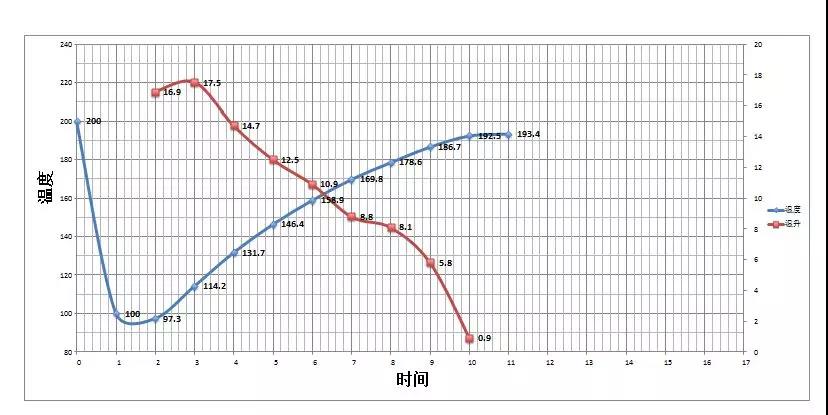
Specific Roasting Profile
Yangjia 800N roaster, 550 g green beans — specific operations:
Heat the roaster to 200°C, damper at 3. After 1 minute of turning, adjust heat to 160°C, damper unchanged. When the roaster reaches 160°C, adjust heat again to 135°C. Roast to 5'40", temperature 154.9°C, bean surface yellowing, grassy aroma gone, dehydration complete, damper unchanged.
At the 9th minute, ugly wrinkles and black spots appear on the surface and the toast aroma clearly turns to coffee aroma — the prelude to first crack. Listen carefully. At 9'21", first crack begins; reduce heat to 80 and open the damper fully to 5 (heat adjustment must be careful — never so low that the cracks stop). At 193.4°C, drop the beans.
FrontStreet Coffee Recommendation
This lot's "all the characteristics of Geisha" is no exaggeration — and Geisha comes in more flavors than most people realize. Panama is where the variety made its name: in 2003, Esmeralda Estate entered its Geisha in the Best of Panama competition and stunned every judge, averaging 94.6 cupping points to break the BOP record. Esmeralda's Red Label ("Esmeralda Special") grows at 1,600–1,800 meters, must cup above 90, and each numbered batch comes from a single plot; the Green Label ("Private Collection") blends multiple high-altitude plots for the same signature style at a friendlier price.
Ethiopia, Geisha's birthplace, offers its own takes. Gesha Village Estate, founded by a couple 12 miles from the Gori Gesha forest on 475 hectares, grows three varieties — Gori Gesha, Gesha 1931, and Illubabor Forest — graded Gold (Rarities), Red (Growers Reserve), Green (Single Terroir), and Chaka. And FrontStreet's Genlana Gesha lot comes from a station founded in 2014 by Israel Degefa on 700 hectares of fertile, shaded land at the Kochere–Genji Abaya border, hand-picking only fully ripe cherries and sun-drying 14–20 days on raised beds — roasted light-medium it shows bright citrus acidity, elegant ginger-flower aroma, ripe fruit sweetness, and Geisha's signature refined finish.
To brew any Geisha-style coffee, remember the beans are dense and prone to sinking and clogging: grind to a 78% pass-through on the #20 sieve (about fine granulated sugar), use 91°C water, 15 g of coffee in a small V60 at a 1:16 ratio, and a three-pour structure — 30 g bloom for 30 seconds, then to 125 g, then to 225 g, finishing around 2:10–2:20. Prefer it as espresso? FrontStreet's Genlana Gesha SOE, roasted medium, extracts beautifully at 20 g in, a 1:2 ratio, 25 seconds, 40 g out — apricot, caramel, and nut in the shot, or orange, nut, and blueberry as an Americano.
Important Notice :
FrontStreet Coffee is a long-established specialty coffee roaster in Guangzhou China, selling freshly roasted beans from its own farm in Yunnan as well as dozens of carefully selected single-origin beans from around the world for both pour-over and espresso. The products deliver consistently excellent quality and great value, with shipping within 24 hours. Guangzhou's FrontStreet Coffee shop is recommended by many coffee lovers, and the beans are now available online at the Tmall 。
FrontStreet Coffee has moved to a new address:
FrontStreet Coffee Address: 315,Donghua East Road,GuangZhou
Tel:020 38364473
 Scan and follow the En Gafei WeChat official account. Please indicate that the reprint comes from "En Gafei".