Janson Estate Geisha: Second Largest Geisha Producer Among Panama's Finest Estates
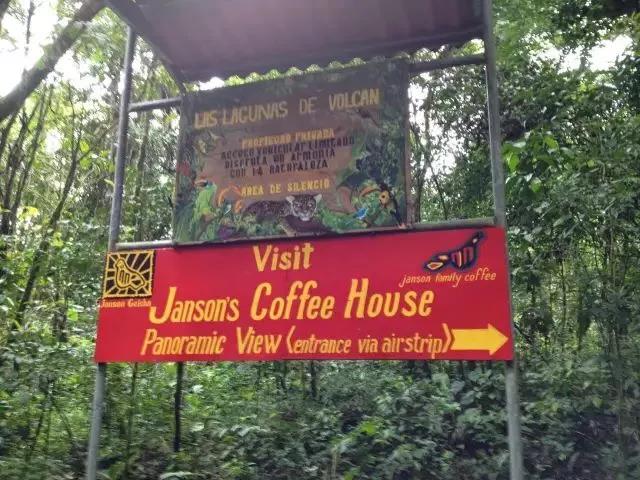
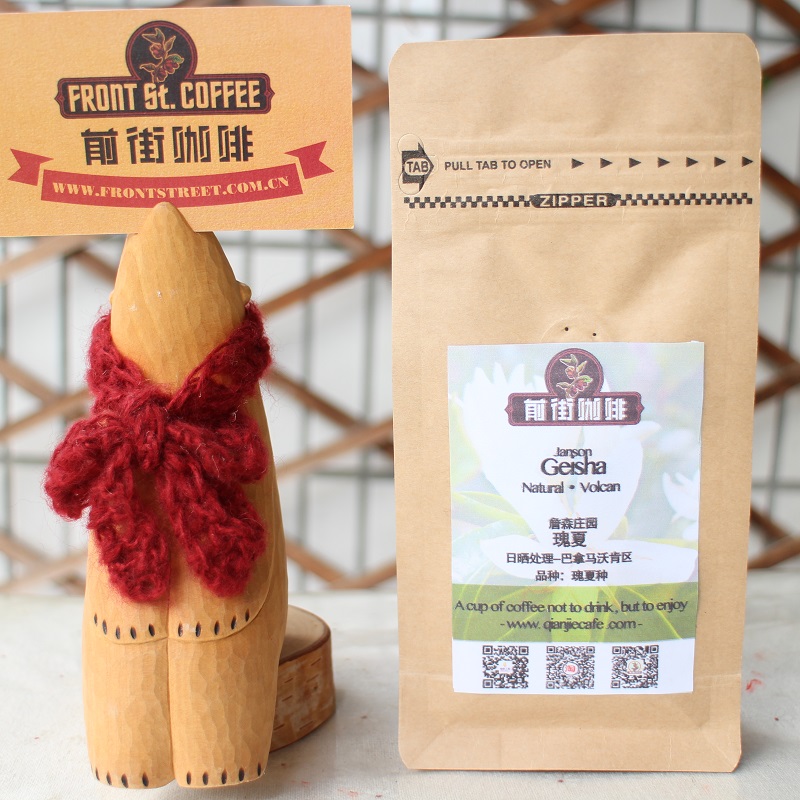
Panama Janson Estate Geisha
Estate: Janson Estate
Region: Volcán Region
Variety: Geisha
Processing Method: Natural
Altitude: 1750m
Annual Rainfall: 3000mm
Average Temperature: 20°C
Soil: Volcanic soil
Harvest: Hand-picked
Flavor: Delicate berry notes, clean mouthfeel, honey, lychee flavors
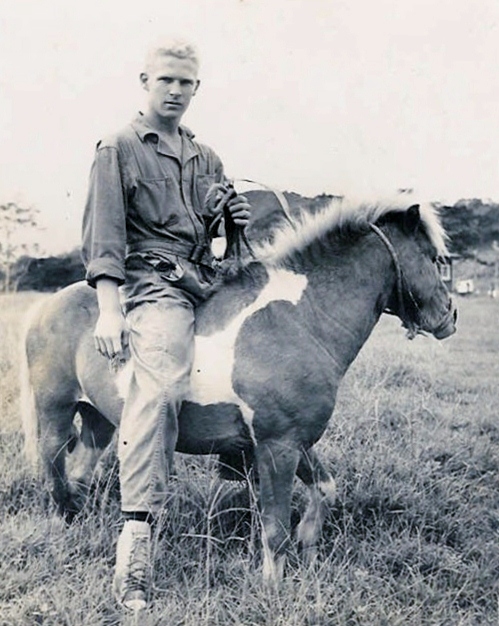
The estate owner, Mr. Carl Janson, originally from Switzerland, fell deeply in love with the Volcán region, a place surrounded by mountains much like his homeland. Under conditions of high altitude, nutrient-rich volcanic soil, abundant rainfall, and a suitable average temperature, Janson Estate gradually became the second-largest Geisha-producing estate among all Panama estates, with 50% of the estate planted with Geisha variety coffee trees. The estate not only has its own processing plant to handle its coffee cherries but also puts significant effort into roasting to improve the reference value of its cupping results.
Origin: Volcán
Altitude: 1750m
Variety: Geisha
Processing Method: The washed method is currently the most prevalent processing method. In Central and South America, almost all countries except Brazil use the washed method. Washed beans have a beautiful blue-green color, a neat appearance, and the highest coffee quality. Washed beans generally have better acidity and brightness, with clean flavors free of impurities, making this the most commonly used processing method for specialty coffee.
Flavor Characteristics: The classic, perfect Geisha flavor, with delicate and soft acidity, a light mouthfeel, and floral notes interwoven with honey to create an unforgettable aftertaste.
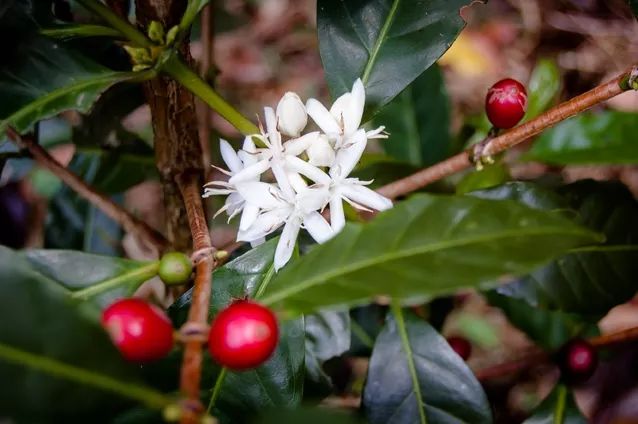
Janson Estate Geisha: this estate focuses mainly on domestic sales and does not export. Carl Janson, originally Swiss, fell in love with the peaks and valleys of Volcán, Panama in the early 1940s. After marrying his wife Margaret, they started Panama's first automated farm for coffee bean cultivation and livestock.
In 2013, a new contender emerged for the Best Panama Coffee Award presented by the Specialty Coffee Association of Panama (SCAP): the Geisha variety from Carl Janson's Janson Estate. Known as the "Champagne of Coffee," it features a full jasmine fragrance and delicate berry notes, with a clean mouthfeel and honey and lychee flavors.
Under these conditions of high altitude, nutrient-rich volcanic soil, abundant rainfall, and suitable temperature.
Janson Estate gradually became the second-largest Geisha-producing estate among all Panama estates, with 50% of the estate planted with Geisha variety coffee trees.
The harvested coffee beans are called "ox-blood coffee cherries," with particularly high sweetness.
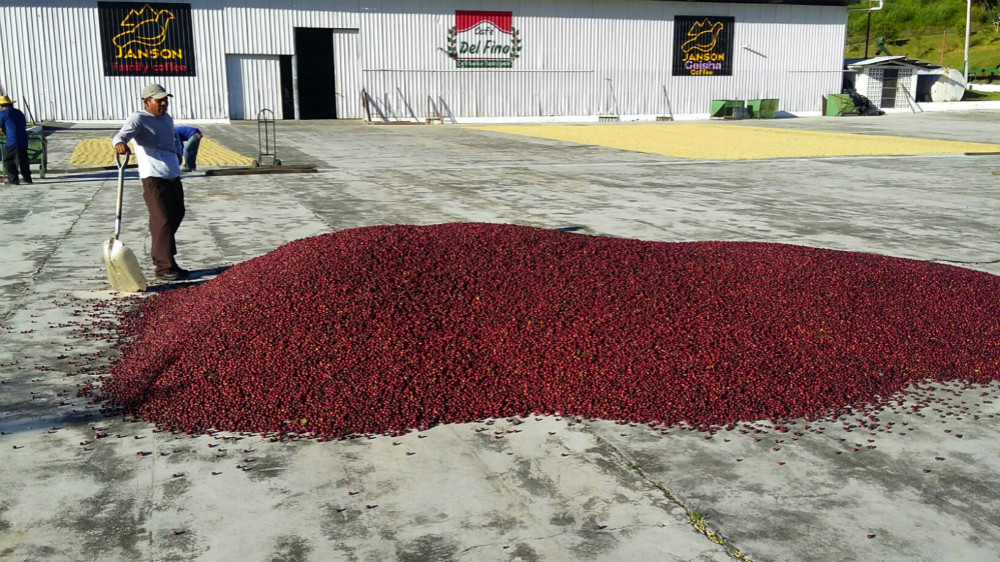
To maintain the balance of the natural environment, Janson Estate runs both livestock and coffee cultivation. Currently, three generations of the family operate the estate together. Today, Carl's four sons run the farm: Carl, Michael, Ricky, and Peter. Carl oversees the JANSON FAMILY coffee roasting facilities, and Michael runs part of the coffee farm. Ricky and Peter assist with overall management.
With an average altitude of about 1700 meters, the estate is covered with nutrient-rich volcanic soil, abundant rainfall, and suitable temperatures. The Janson family operators follow environmentally friendly management principles, adopting 100% sustainable cultivation methods. They have also built specialized processing plants that use processed coffee cherries as farm fertilizer.
Only 2000 Geisha plants are planted per hectare, ensuring sufficient soil between plants; half of the estate is planted with Geisha, ranking second in Panama's Geisha production. Each batch of green beans has a highly recognizable batch number and is 100% traceable.
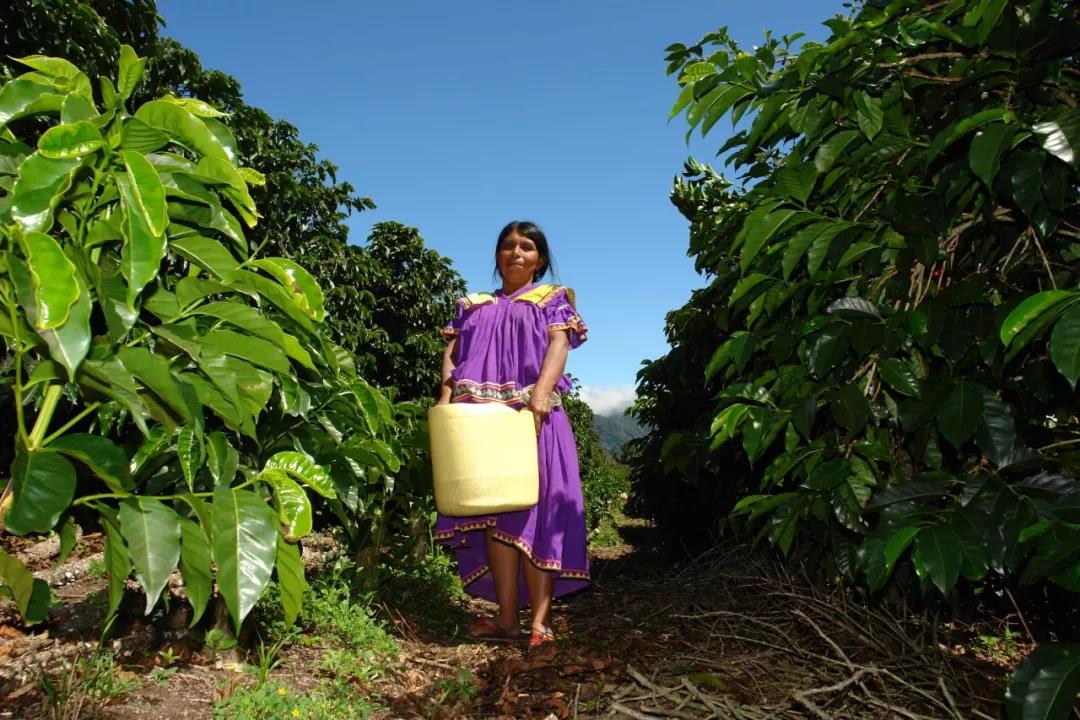
The estate not only has its own processing plant to handle its coffee cherries but also puts significant effort into roasting to improve the reference value of its cupping results.
These efforts have continuously improved the quality of Janson Estate's coffee beans. Their achievements enabled Janson Estate Geisha to secure a second-place finish in the Panama (BOP) competition.
In recent years, coffee from the Volcán region has gradually gained prominence in the specialty coffee market. Many estates have entered the Best of Panama competition and even won championships. The Volcán region generally receives less annual rainfall than Boquete, and its location on the western side of Barú Volcano gives the coffee more intense dried fruit flavors, sweetness, and aroma than the Boquete region. In the early days the Volcán area mostly grew cash crops such as fruits and vegetables, with very few farmers cultivating coffee. Among the pioneers of coffee cultivation in the Volcán region were the well-known Hartmann family and the Janson family in Panama.
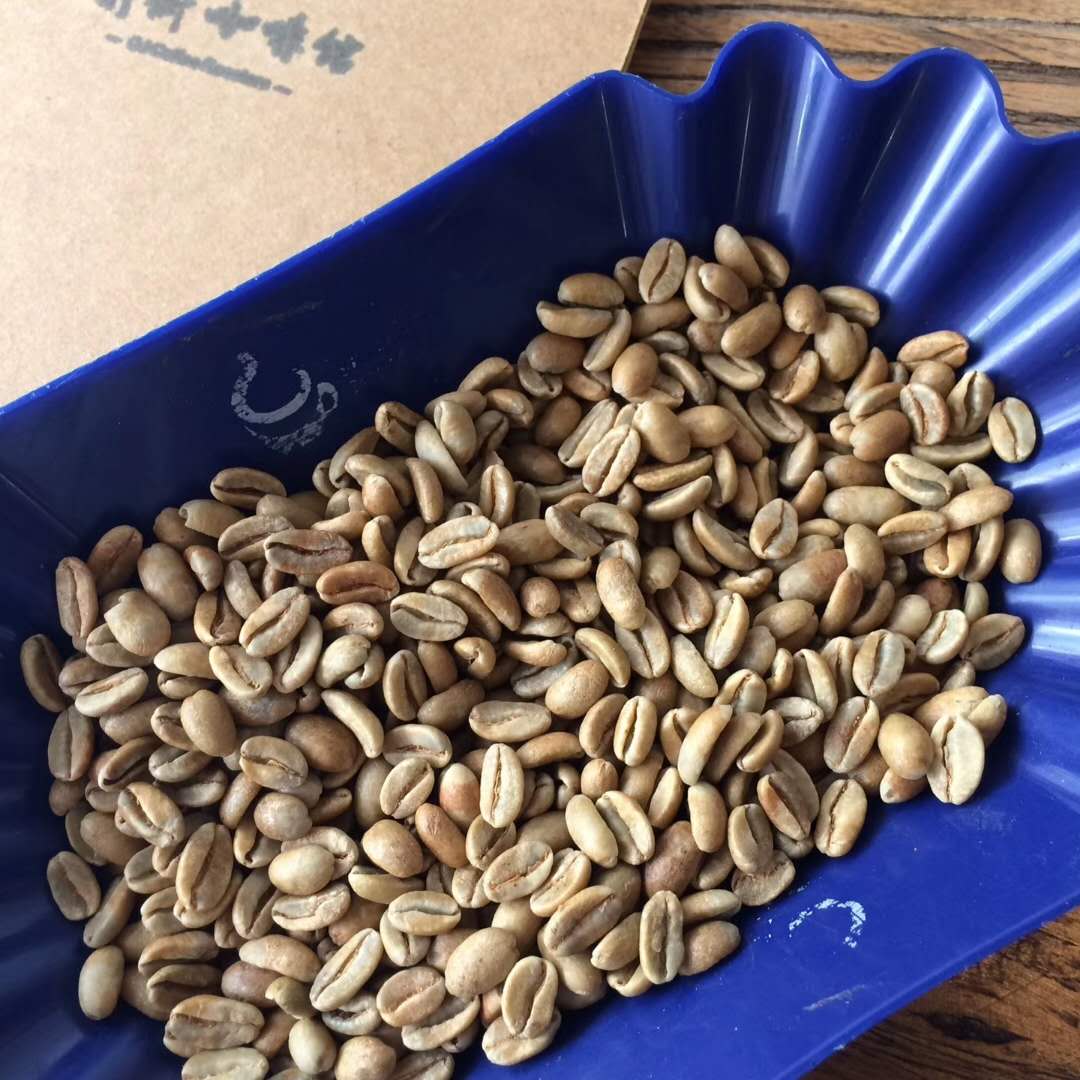
FrontStreet Coffee Recommended Brewing Method: Pour-over
Grind Size: 3.5 (Japan Fuji R440)
Water Temperature: 91°C
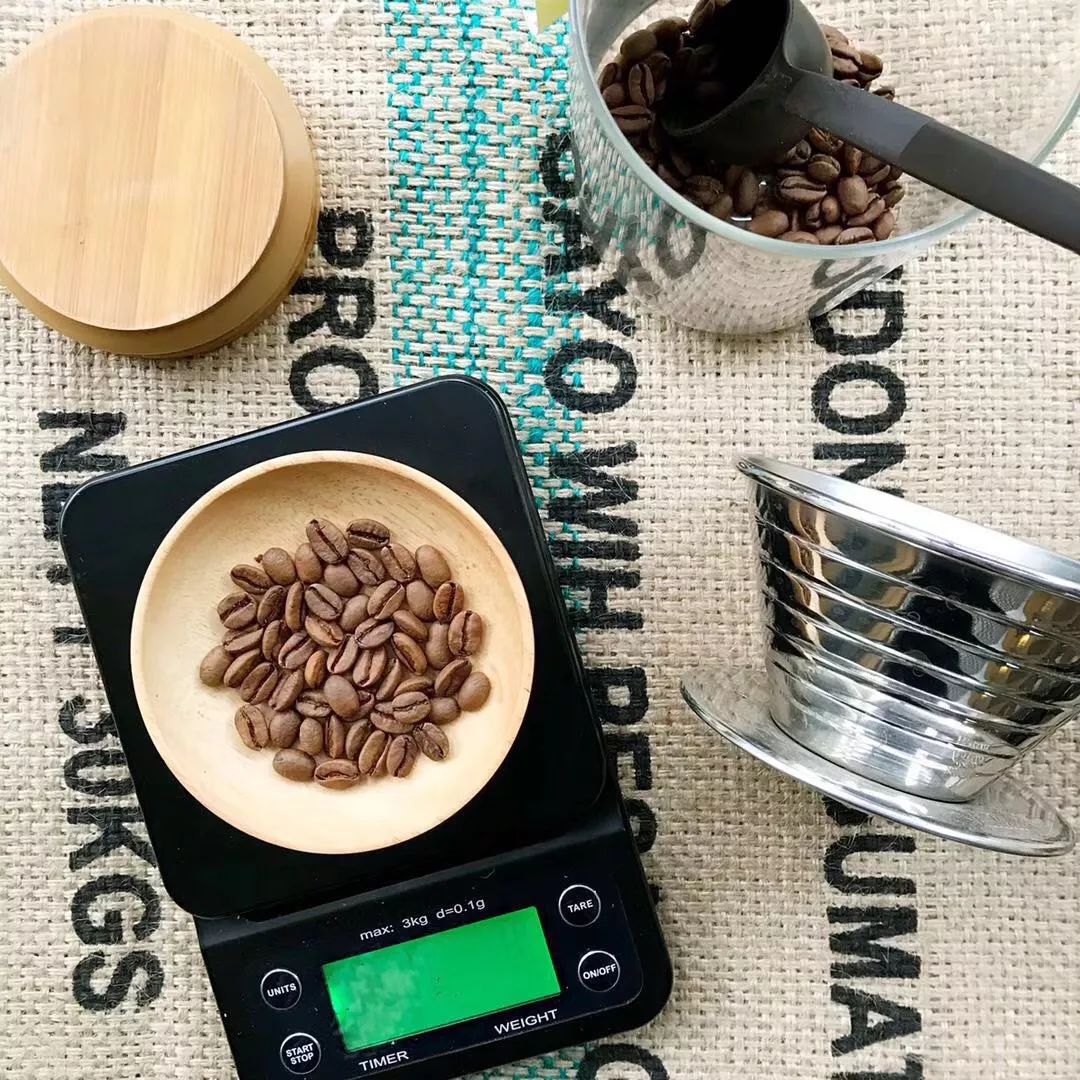
Cake cup, 15g coffee grounds, water temperature 91°C, grind 3.5, water-to-coffee ratio close to 1:15.
30g of water for bloom, bloom time 30s.
The hot water in the pour-over kettle circles clockwise around the center of the filter cup. Start timing when brewing begins. Pour water to 30g, then stop pouring and wait 35 seconds before the second pour.
For the second pour, as before, circle clockwise around the center of the filter cup. Avoid pouring water on the area where the coffee grounds meet the filter paper to prevent channeling. The cake cup is an immersion style, so brewing at 91°C can effectively bring out the Geisha flavors.
Stages: Pour to 120ml, stop, then slowly pour to 225ml.
That is: 30-120-95
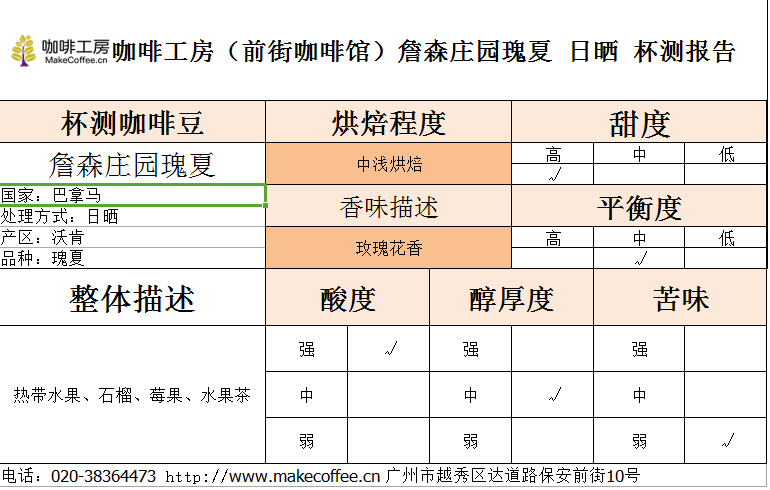
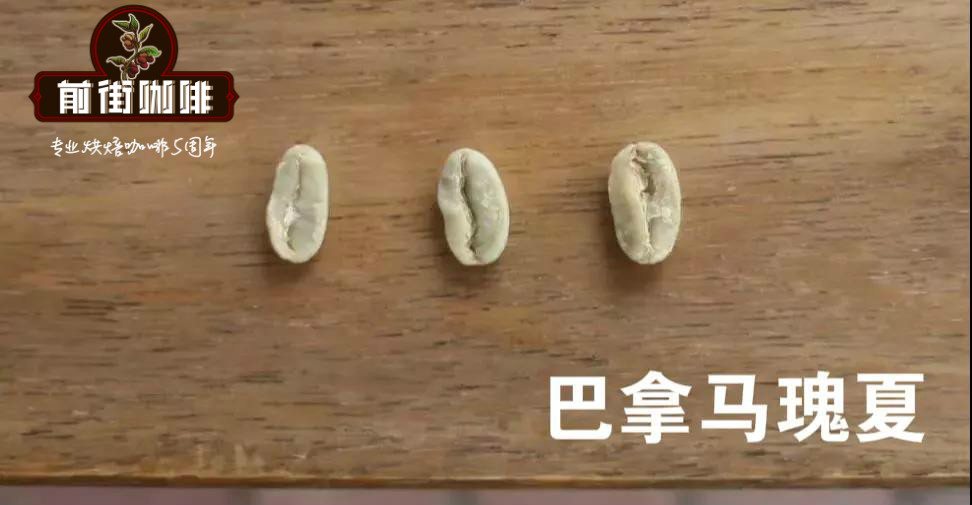
What makes Geisha special is its very obvious and distinct floral and citrus flavors, extremely high clarity, soft and elegant acidity, lasting cotton-like sweetness, and a premium black tea mouthfeel.
Among many coffees, the fragrance of flowers and the intense sweetness of tropical fruits, with unique floral and fruity notes, are consistent characteristics of Geisha.
FrontStreet Coffee Recommendation
If the Janson Estate Geisha has you wanting more of the variety, FrontStreet Coffee's Geisha lineup covers every level. FrontStreet Panama Emerald Estate Red Label Geisha is the top tier, officially named Esmeralda Special, grown at 1600-1800 meters and cupped at over 90 points, with jasmine, citrus, bergamot and black tea. FrontStreet Panama Emerald Estate Green Label Geisha, originally Private Collection, blends several plots to express the estate's signature high-altitude Geisha character at a friendlier price, while FrontStreet Boquete Geisha is the accessible entry point for classic Panama orange-blossom honey, oolong-tea notes and delicate fruit acidity. For the Ethiopian side of the variety, FrontStreet Gesha Village Gold Label comes from the Gesha 1931 selection with a refined natural process, and FrontStreet Granja Geisha from the Gelana area shows bright citrus acidity, elegant ginger-lily and ripe-fruit sweetness after a medium-light roast.
FrontStreet Coffee's pour-over method for Geisha uses a 1:16 coffee-to-water ratio, 91°C water, a medium-light grind at about 78% pass rate on a China #20 sieve, and a three-stage pour: 30g bloom for 30 seconds, up to 125g, then up to 225g, finishing in roughly 2 minutes 10 seconds to 2 minutes 20 seconds. If you prefer espresso, FrontStreet Granja Geisha works well as an SOE at a 1:2 ratio, about 25 seconds, giving dried apricot, caramel and nut notes.
Important Notice :
FrontStreet Coffee is a long-established specialty coffee roaster in Guangzhou China, selling freshly roasted beans from its own farm in Yunnan as well as dozens of carefully selected single-origin beans from around the world for both pour-over and espresso. The products deliver consistently excellent quality and great value, with shipping within 24 hours. Guangzhou's FrontStreet Coffee shop is recommended by many coffee lovers, and the beans are now available online at the Tmall 。
FrontStreet Coffee has moved to a new address:
FrontStreet Coffee Address: 315,Donghua East Road,GuangZhou
Tel:020 38364473
 Scan and follow the En Gafei WeChat official account. Please indicate that the reprint comes from "En Gafei".