The Differences Between Latte and Cappuccino: A Detailed Guide to Milk Coffee Varieties and Flavors

Introduction
As everyone knows, the first wave of coffee brought instant coffee, while the second wave saw coffee shops rise rapidly, with espresso drinks becoming a core offering in most of them. We are now in the third wave of specialty coffee, yet espresso coffee and specialty coffee are not in conflict; more and more shops are pulling espresso from specialty beans.
Espresso coffee is sometimes called fancy coffee, a family of drinks built on an espresso base. The common ones include Americano, latte, cappuccino and mocha, while newer arrivals include flat white and dirty coffee.
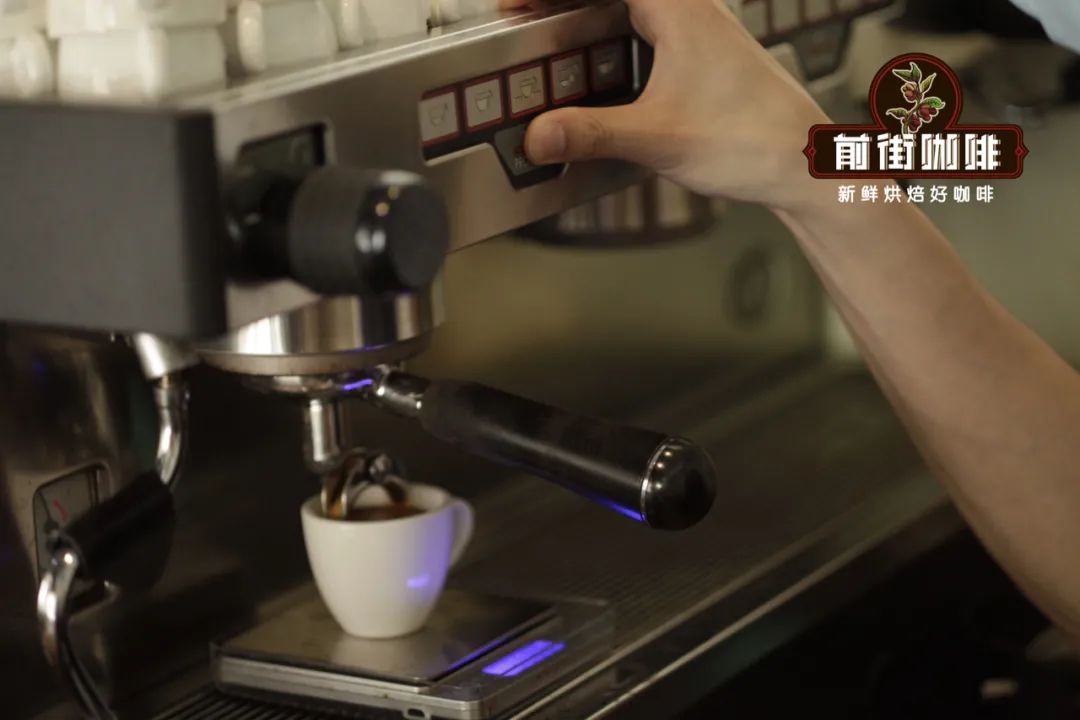
An espresso base is prized for its richness, its convenience and how quickly it disappears: two or three sips are enough for a caffeine top-up. An Americano adds water to espresso, diluting the intensity and making the coffee more approachable. Drinks such as the latte, by contrast, are made by adding milk. Compared with water, milk makes the coffee smoother and easier to enjoy, which is why these drinks are so widely loved.
Unlike water, though, milk can be added in many ways. Classic lattes and cappuccinos sit alongside newer flat whites and dirty coffees, and with such a dazzling array of milk coffee on the menu, how should a customer choose? Today FrontStreet Coffee will walk through the differences among the main types of milk coffee.
Latte
The most classic milk coffee is undoubtedly the latte. "Latte" means "milk" in Italian, and making one means adding a generous amount of milk to espresso. When FrontStreet Coffee makes a latte, the ratio of espresso to milk is 1:6.5.
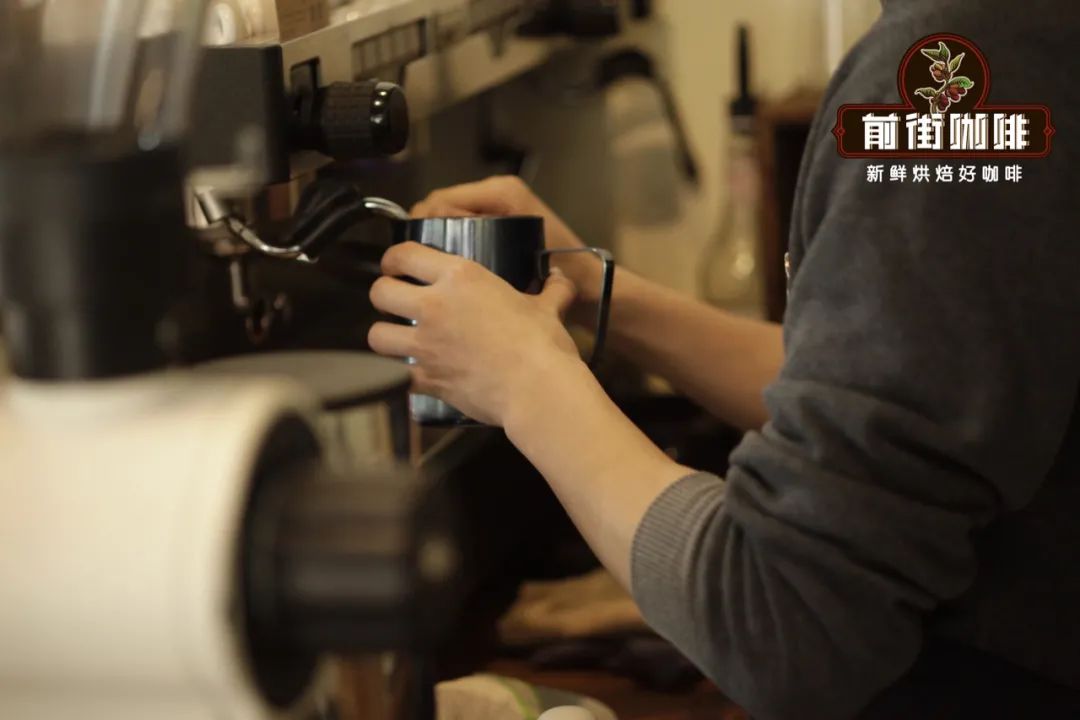
Making a latte comes down to extracting the espresso, frothing the milk and combining the two. When frothing, some aeration is needed, because a latte's foam layer is moderate, about 1 cm thick. That moderate foam is what gives a latte its smooth texture.
Cappuccino
Cappuccino is the other classic milk coffee. Compared with a latte, a cappuccino has thicker, denser foam, a smaller cup and a stronger coffee flavor.
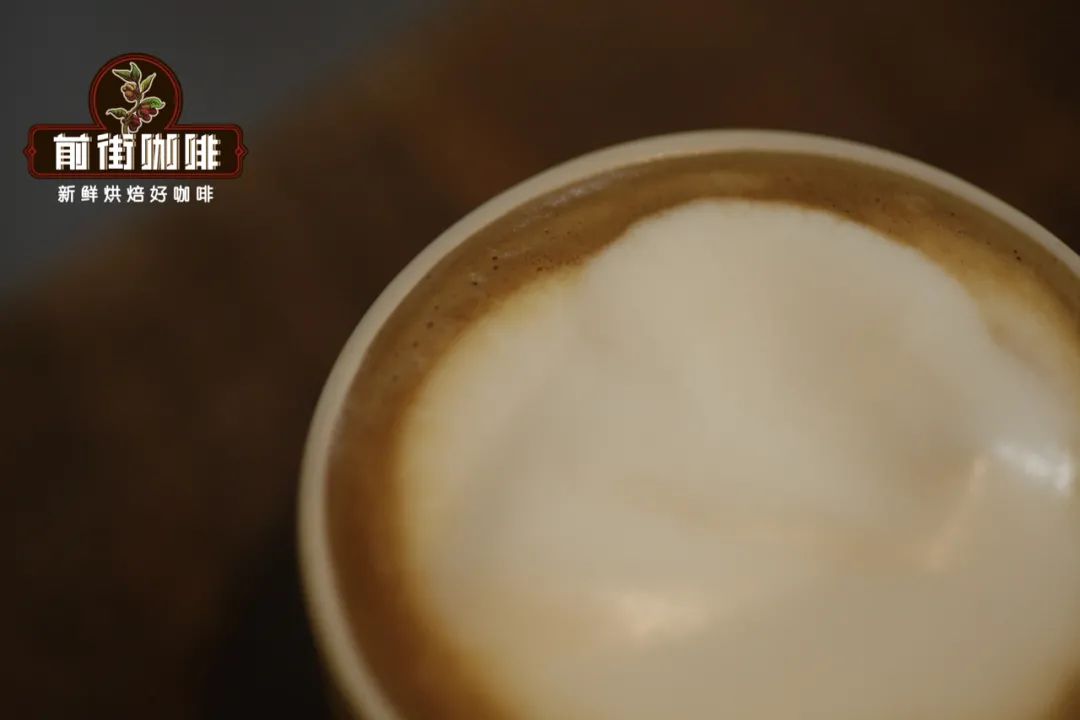
The steps are largely the same as for a latte, except that frothing takes longer to build a thicker foam. On the cup side, FrontStreet Coffee uses 180 ml tulip cups and one shot of espresso.
Flat White
The flat white has been one of the trendier coffees in recent years. It goes by several names, and its preparation matches that of a latte or cappuccino, but its foam layer is the thinnest of the three: flat white thinnest, latte in the middle, cappuccino thickest.
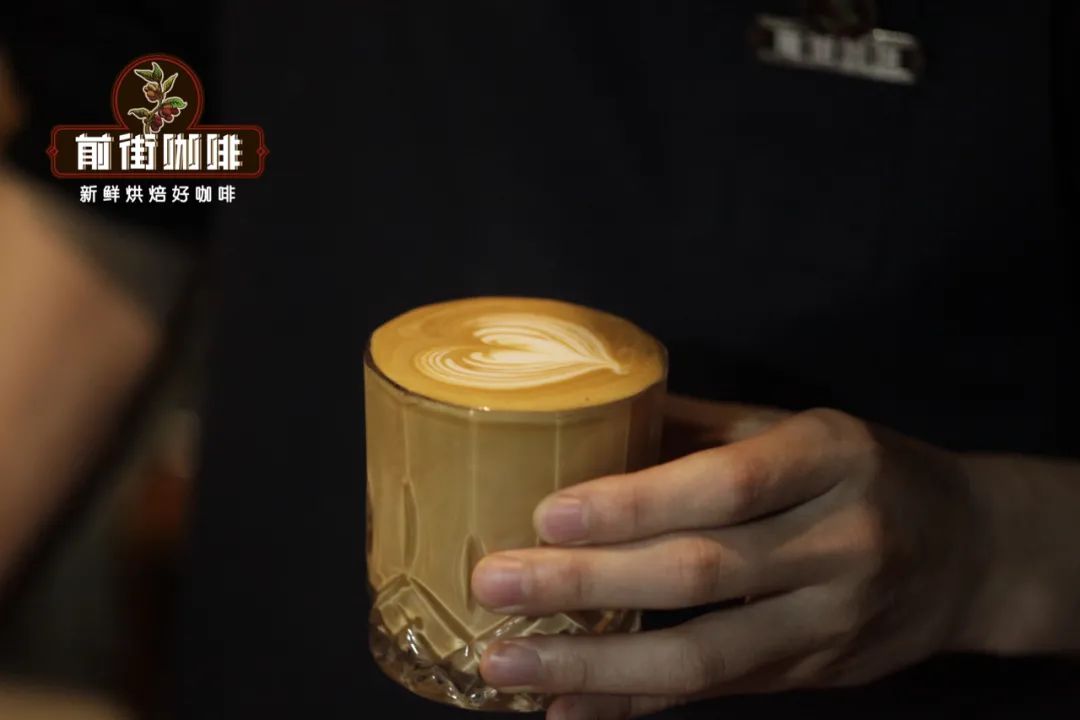
In terms of the espresso-to-milk ratio, the flat white has the lowest proportion of milk, so its coffee flavor is the richest. Unlike a latte, which uses a large amount of milk and ends up more like coffee-flavored milk, a flat white is more like milk-flavored coffee.
Mocha
"Mocha" carries several meanings. As a growing region, mocha coffee refers to beans produced in Yemen. Yemeni mocha beans are small and aromatic, with strong acidity, a mellow taste, moderate sweetness and an aftertaste of distinct dark chocolate, which is how the name came to describe chocolate-flavored coffee drinks. The mocha discussed here is a milk coffee made with chocolate sauce.
When FrontStreet Coffee makes a mocha, chocolate sauce and cocoa powder are mixed with the espresso, and the steps that follow match a latte.
So a mocha is a milk coffee with chocolate flavor. Many coffee shops also add cream when making one.
Dirty
Dirty coffee borrows its name from the "dirty" visual effect created when espresso is poured into milk, so its order of assembly is slightly different. Where other milk coffees add milk to espresso, a Dirty pours the extracted espresso into the milk, creating a waterfall-like flow of coffee through it.
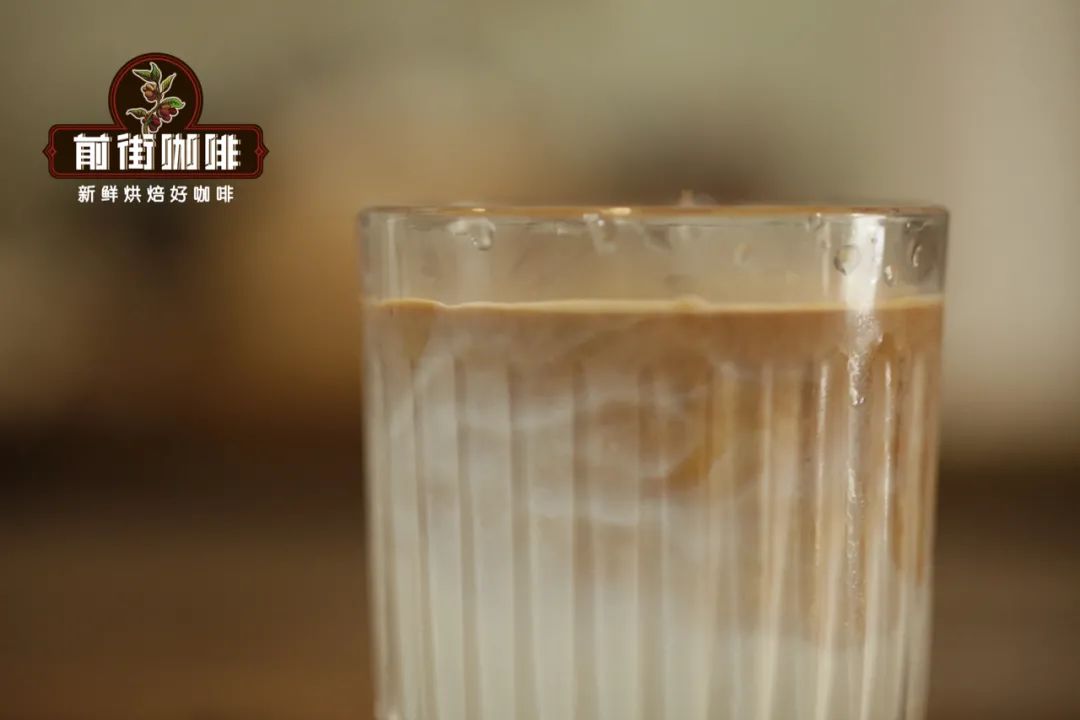
Its defining feature is hot coffee over cold milk, with no ice cubes added. You drink it in large sips, tasting the sweetness of the cold milk and the coffee at the same time, which creates a unique experience. When making a Dirty, chill the cup first. FrontStreet Coffee recommends a glass cup to show off the visual effect, and a wide-mouth style so that milk and coffee reach your mouth together.
To assemble it, pour cold milk into the pre-chilled cup, then place the whole cup under the coffee machine and let the extracting coffee liquid fall directly into it. The coffee floats along the surface of the milk and then slowly sinks, creating the dirty effect.
FrontStreet Coffee Recommendation
A flat white turns on three things: less milk, thin foam and a strong coffee flavor. FrontStreet Coffee recommends beans with a strong flavor signature. The Classic Blend has a buttery, cheese-like character with a full body, low acidity and a rich, fine crema that stands up well to milk; the Strawberry Candy Espresso Blend is very low in bitterness, pulling with full grape and blueberry notes and a balanced sweet-sour edge that turns a flat white with fresh milk into something close to a strawberry milkshake.
Milk matters as much as the beans: too thin and the flat white feels weak, too strong and it buries the coffee's aroma. FrontStreet suggests chilled fresh milk, frothed on the machine to bring out the milk's aroma and sweetness. To make the cup, use FrontStreet Coffee's Premium Blend and pull only the front-to-middle of the shot as a ristretto base, about 20 g of coffee yielding 32 g of liquid in 22-25 seconds, then pair it with 160 ml of fresh milk.
Like a latte or cappuccino, the flat white's foam should be smooth and fine, but it must also be thin. Foam thickness is governed by aeration time, and because a flat white's foam should be light and thin, aeration cannot run long or the drink turns into a latte and you lose the coffee oils on the first sip. FrontStreet aims for a foam thickness of 0.3 cm: aerate for only 1-2 seconds, just two short hisses, then sink the steam wand and build a fast vortex until the milk reaches 50-55°C. With little air added, the sound during steaming is sharper, and when the pitcher is swirled the bubbles should show a glossy, reflective surface, which means the foam is ready.
Once the espresso and hot milk are ready, combine them evenly. FrontStreet pours the hot milk gently into the coffee, then raises the pitcher to keep a thin stream, using the weight of the milk to stir in circles across the crema; finally the pitcher is lowered and a white line is pushed out in one smooth motion. Freshly made, the flat white is visibly silky and fine, and because the temperature is moderate you can take a big first sip and taste the creamy hazelnut and white chocolate sweetness of the Classic Blend, full and rich but never heavy enough to leave you feeling bloated.
Important Notice :
FrontStreet Coffee is a long-established specialty coffee roaster in Guangzhou China, selling freshly roasted beans from its own farm in Yunnan as well as dozens of carefully selected single-origin beans from around the world for both pour-over and espresso. The products deliver consistently excellent quality and great value, with shipping within 24 hours. Guangzhou's FrontStreet Coffee shop is recommended by many coffee lovers, and the beans are now available online at the Tmall 。
FrontStreet Coffee has moved to a new address:
FrontStreet Coffee Address: 315,Donghua East Road,GuangZhou
Tel:020 38364473
 Scan and follow the En Gafei WeChat official account. Please indicate that the reprint comes from "En Gafei".